Tag: Justice Irfan Saadat Khan

  • Former DG ISI Faiz Hameed denies meeting former judge Shaukat Aziz Siddiqui

    Former DG ISI Faiz Hameed denies meeting former judge Shaukat Aziz Siddiqui

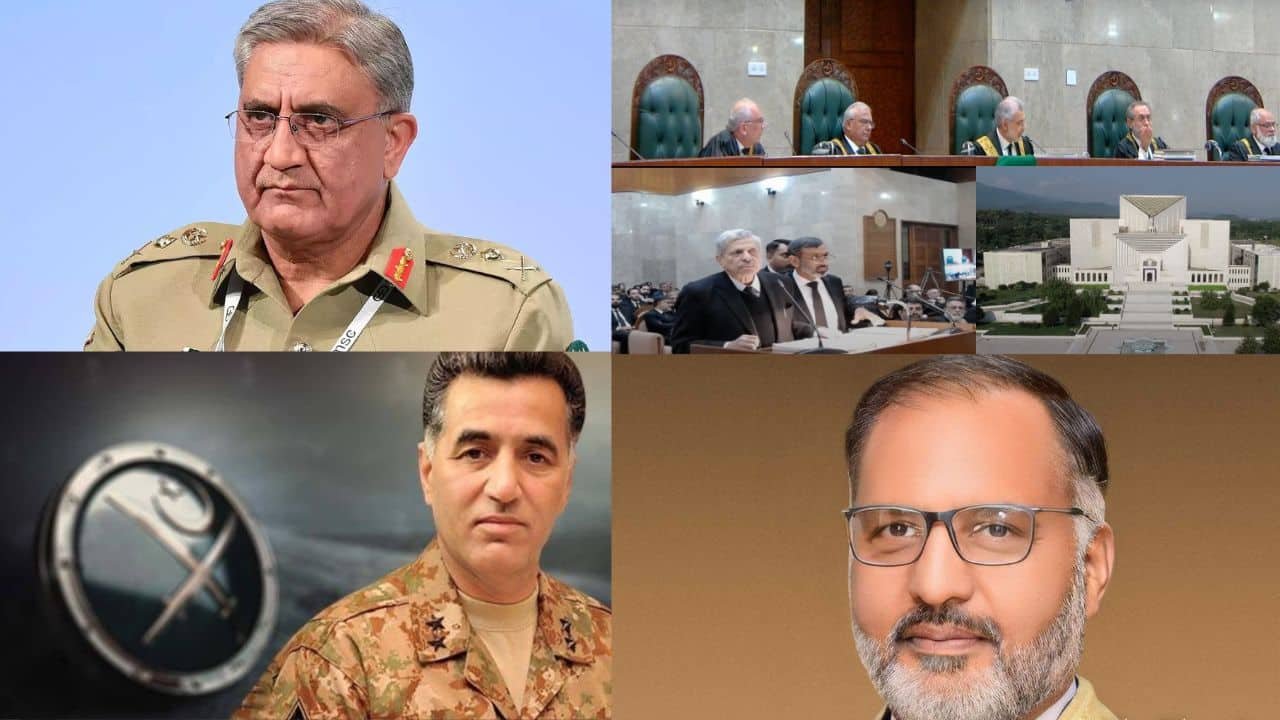
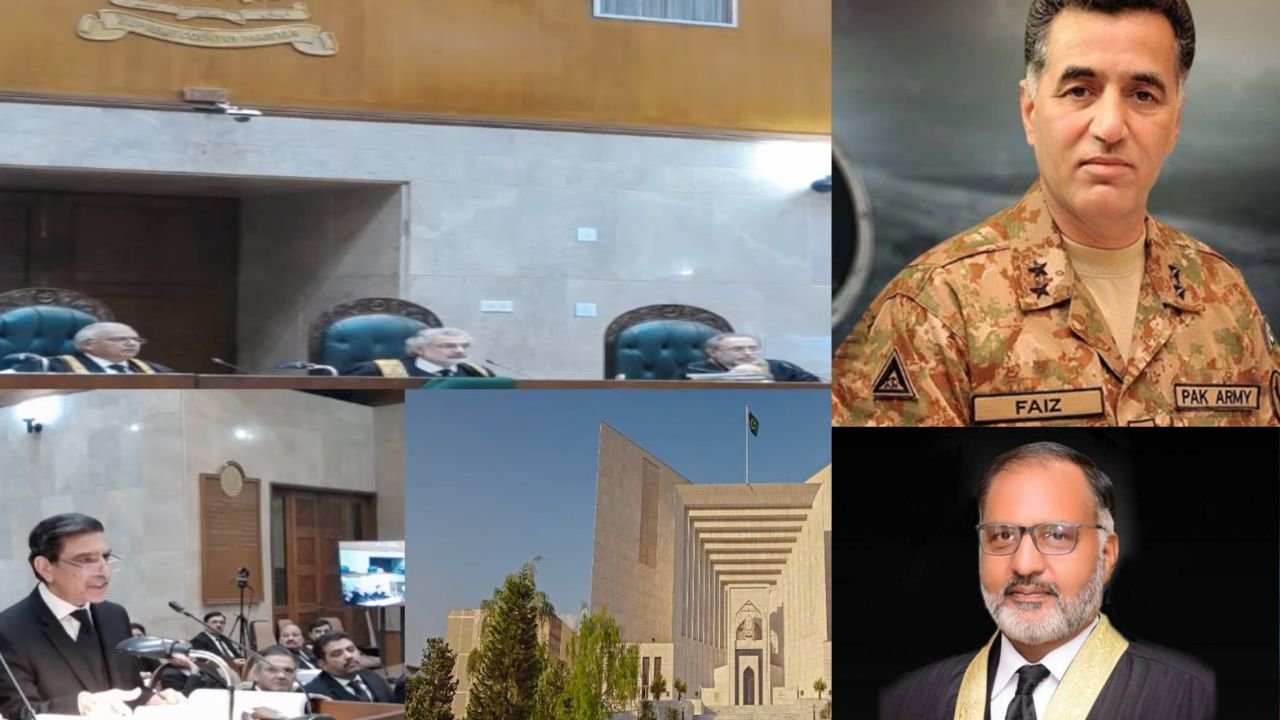
    Lieutenant General (retd) Faiz Hameed, former director general of Inter-Services Intelligence (ISI), has firmly denied allegations of him meeting former Islamabad High Court judge Shaukat Aziz Siddiqui and manipulating the judicial proceedings related to the Panama Papers case, Geo has reported.

    General Hameed labeled the accusations as “absolutely false, frivolous, concocted, and based on an afterthought.”

    He emphasized that he neither contacted Judge Siddiqui nor engaged in any meetings with him, rejecting any involvement in discussions about the appeals filed by Pakistan Muslim League-Nawaz (PML-N) leader Nawaz Sharif in the court.

    IHC former chief justice Muhammad Anwar Khan Kasi also submitted his response to the Supreme Court rejecting Siddiqui’s allegations.

    In addition, Brigadier (retd) Irfan Ramay’s reply has also been submitted to the top court, in which he denies the allegations against him and meeting Siddiqui.

    Contrary to Faiz Hameed’s reply, Siddiqui claims he has concrete evidence of two meetings with Gen (retd) Faiz Hameed at his official residence in 2018.

    Talking to Geo News, Siddiqui says he not only has a list of witnesses but also material evidence to prove his allegation that the then-DG ISI visited him twice when he was a senior serving judge.

    Siddiqui says if required, he can furnish the evidence to the Supreme Court, which is presently hearing an appeal against his dismissal by the Supreme Judicial Council (SJC) in October 2018.

    Referring to the replies of Gen (retd) Faiz and others submitted to the Supreme Court in his case, he says the replies that deny his allegations prove the point that he was dismissed from service by the SJC without inquiring about the matter.

    Siddiqui says a day after his address to the Rawalpindi Bar Association on July 22, he had formally approached the then chief justice Saqib Nisar requesting him to constitute a commission to probe the authenticity and truthfulness of what he had alleged in the address.

    “If an independent commission holds that there’s no reality in the facts presented in the meeting of District Bar Association Rawalpindi, I am ready to face the consequences, but at the same time, I have a right to enquire that if my presented facts proved correct, what would be the fate of those persons, be they the serving army personnel who are involved in manipulating the judicial system,” reads his letter written to the then CJP.

    Siddiqui requested the issuance of directives for open proceedings of an independent commission, allowing media, civil society, and the legal fraternity to attend the inquiry into his allegations.

    Expressing his distress, Siddiqui stated, “It is a matter of concern that the independence of my institution has been compromised by the intervention of a few individuals of the prestigious institution of the Army and its allied agencies.”

    He noted that he had previously pointed out this intervention, leading to the initiation of a reference against him, along with another he deemed fabricated.

    Siddiqui’s troubles began after he addressed the District Bar Association on July 21, 2018, at the invitation of the executive body.

    During this address, he presented facts related to the Constitution’s applicability, the rule of law, the independence of the bar and bench, and the dispensation of justice.

    Following his revelations, Siddiqui claimed that a false and malicious campaign was launched against him on social and electronic media.

    The former judge expressed his disappointment, revealing that he learned of the Supreme Court’s instant annoyance through social media and the press release of the Supreme Court’s Public Relations Officer (PRO). Siddiqui noted that such outbursts of anger from the Supreme Court were not new and unusual in his experience.

    Despite Siddiqui’s request for an independent commission to probe the authenticity of his claims, none was constituted.

    Read more: Supreme Court issues notice to ex-DG ISI Faiz Hameed in Shaukat Aziz Siddiqui plea
  • Supreme Court issues notice to ex-DG ISI Faiz Hameed in Shaukat Aziz Siddiqui plea
    Supreme Court issues notice to ex-DG ISI Faiz Hameed in Shaukat Aziz Siddiqui plea
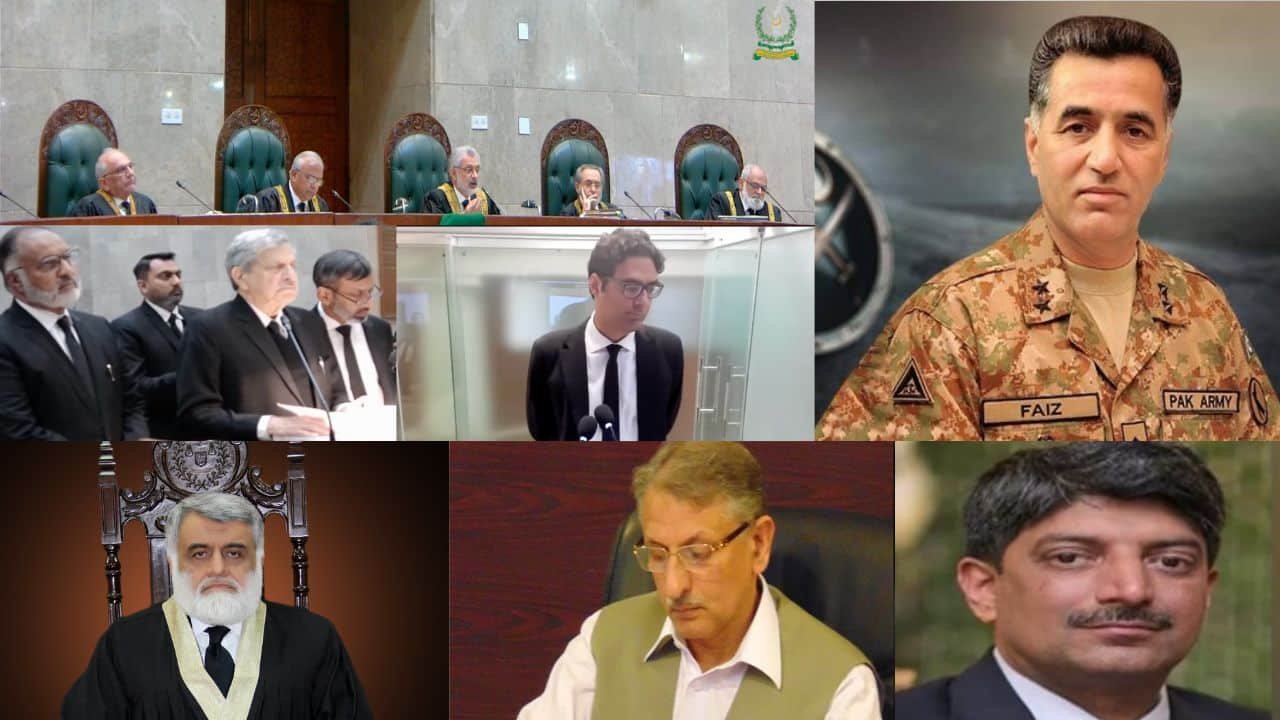
    The Supreme Court on Friday issued notices to former Inter-Services Intelligence (ISI) director-general Faiz Hameed and others on former Islamabad High Court (IHC) judge Shaukat Aziz Siddiqui’s petition challenging his removal.

    The notices were also issued to former IHC chief justice Anwar Khan Kasi, former registrar of the Supreme Court Arbab Muhammad Arif, and retired brigadier Irfan Ramay.

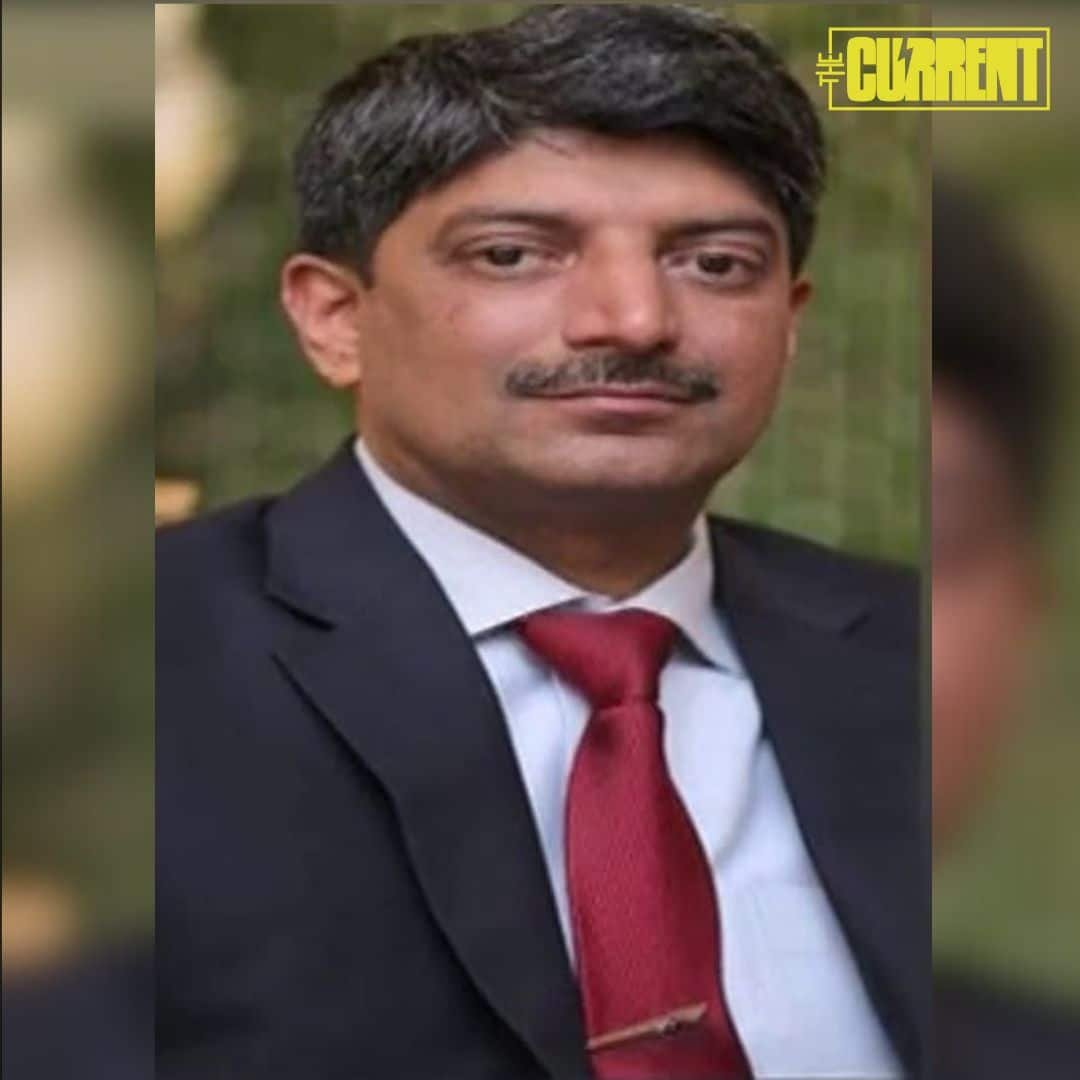
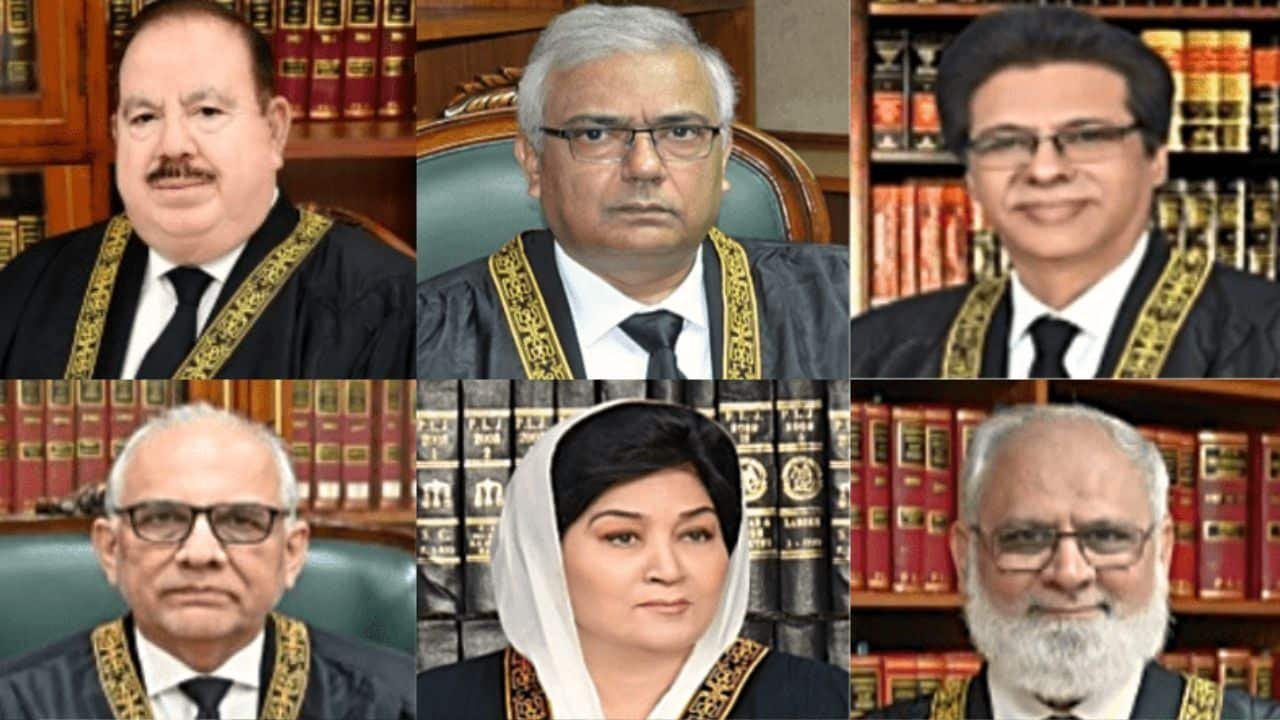
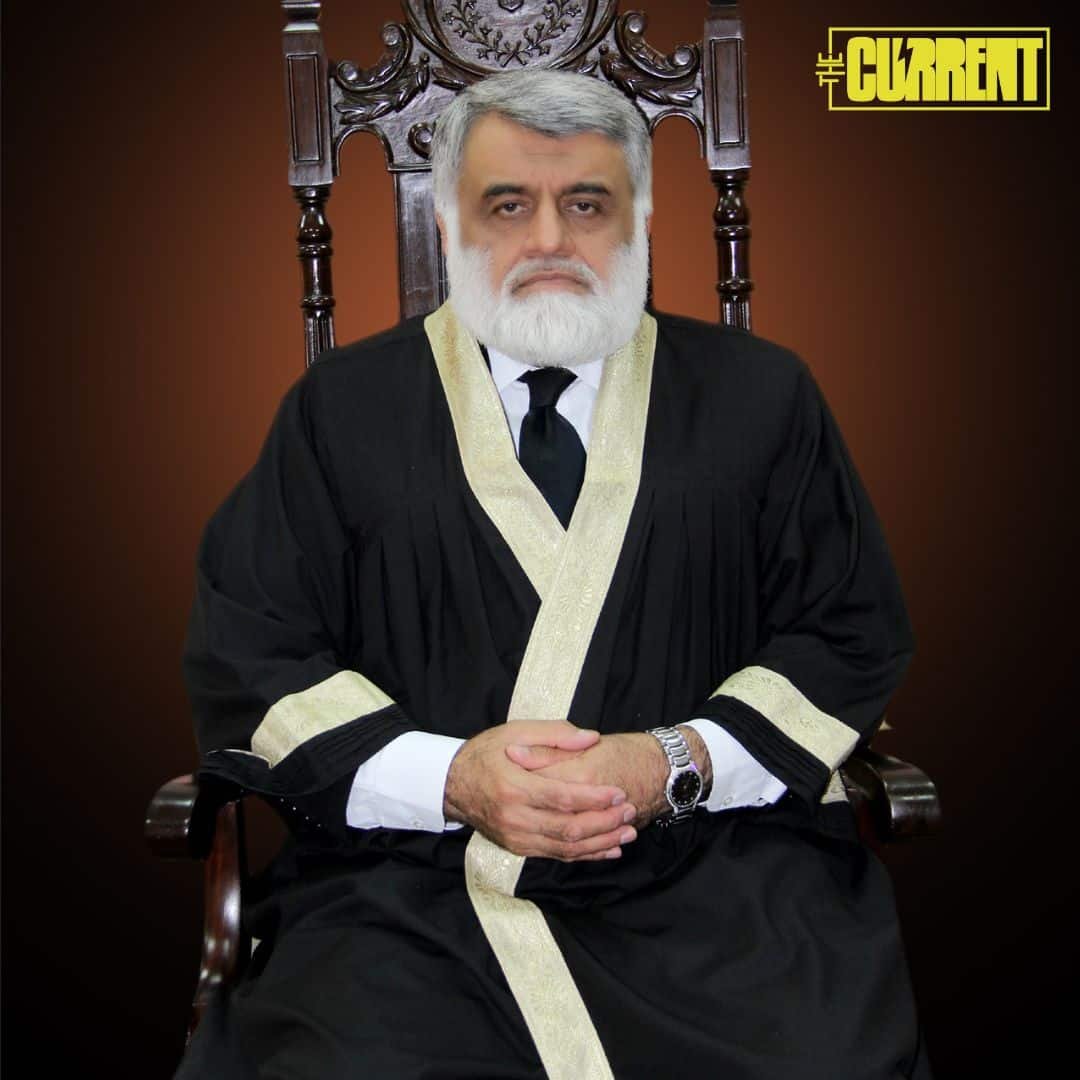
    A five-member bench led by CJP Qazi Faez Isa, comprising Justice Amin-ud-Din Khan, Justice Jamal Khan Mandokhail, Justice Hasan Azhar Rizvi, and Justice Irfan Saadat Khan, conducted proceedings on the plea.

    Today’s hearing was broadcast live on the apex court’s website as well as on its YouTube channel.

    Siddiqui nominated seven individuals in his amended plea, however, the court remarked that three others — former chief of army chief General (retd) Qamar Javed Bajwa, and two retired brigadiers- Faisal Marwat and Tahir Wafai — had no direct connection with the case.

    A day earlier, the top court ordered Siddiqui to nominate former spy chief Hameed, former army chief General (retd) Qamar Javed Bajwa, and others in the plea against his dismissal.

    Following the order, the former judge requested to make Bajwa and Hameed parties in the case related to his suspension along with IHC chief justice Anwar Khan Kasi, former registrar of the Supreme Court Arbab Muhammad Arif, retired brigadier Irfan Ramay, retired brigadier Faisal Marwat and retired brigadier Tahir Wafai.

    The case was fixed for hearing earlier this month after the judge filed a miscellaneous application with the Supreme Court to conduct an early hearing of his plea against the decision by the Supreme Judicial Council (SJC) on his dismissal.

    Lawyer Hamid Khan represented the former IHC judge in the case.

    The Case

    President Arif Alvi on October 11, 2018, removed Justice Shaukat Aziz Siddiqui as judge of the Islamabad High Court (IHC) on the recommendation of the Supreme Judicial Council (SCJ).

    The president took the decision under Article 209(5)on the SJC recommendation under Article 209(6) read with Article 48(1) of the Constitution, a notification issued by the Ministry of Law and Justice stated.

    The council unanimously opined that while delivering the speech before the District Bar Association in Rawalpindi on July 21, Justice Shaukat Aziz Siddiqui, an IHC judge, displayed conduct unbecoming of a high court judge.

    Judges on the panel included: Then Chief Justice of Pakistan Mian Saqib Nisar, Justice Asif Saeed Khosa, Justice Gulzar Ahmad, Lahore High Court’s Chief Justice Yawar Ali, and Chief Justice of the Sindh High Court Justice Ahmed Ali Sheikh.

    Justice Khosa said that the judge in question chose to address a meeting of the district bar association, Rawalpindi on July 21 at a time when many inquiries were pending against him before the SJC under Article 209.

    In his speech, Siddiqui accused the Inter-Services Intelligence (ISI) of manipulating judicial proceedings, especially in the Panamagate case.

    The ex-judge had submitted a plea against the Supreme Judicial Council’s (SJC) decision to dismiss him after a complaint was filed against him for inflammatory speeches.

  • Live proceedings of case against dismissal of ex-judge Shaukat Siddiqui

    Live proceedings of case against dismissal of ex-judge Shaukat Siddiqui

    The Supreme Court (SC) on Thursday resumed the hearing of a plea filed by former Islamabad High Court (IHC) judge Shaukat Aziz Siddiqui and ordered him to nominate former Inter-Services Intelligence (ISI) chief General Faiz Hamid and others in the plea against his dismissal.

    A five-member bench led by Chief Justice of Pakistan Qazi Faez Isa heard the case. The other members of the bench are Justice Aminuddin Khan, Justice Irfan Saadat Khan, Justice Jamal Khan Mandokhail, and Justice Syed Hasan Azhar Rizvi.

    The proceedings were broadcast live on the apex court’s website as well as on its YouTube channel.

    Lawyer Hamid Khan represented the former IHC judge in the case.

    Siddiqui has filed a miscellaneous application with the Supreme Court along with the case related to his dismissal from office. 

    The former judge has requested to make former army chief Gen (retd) Qamar Javed Bajwa and former ISI head Faiz Hameed parties in the case related to his suspension.

    The case was fixed for hearing earlier this month after the judge filed a miscellaneous application with the Supreme Court to conduct an early hearing of his plea against the decision by the Supreme Judicial Council (SJC) on his dismissal.

    Order

    The SC order, issued by the bench, mentioned that allegations were levelled against some personalities who were not present at the case’s hearing. It added that those accused in the case must be made parties.

    “How will he, who is not a party, present his position in front of the court?” the order read.

    The order also mentioned that the bench will not be available to hear the petition from Monday due to winter vacations.

    The case

    President Arif Alvi on October 11, 2018, removed Justice Shaukat Aziz Siddiqui as judge of the Islamabad High Court (IHC) on the recommendation of the Supreme Judicial Council (SCJ).

    The president took the decision under Article 209(5)on the SJC recommendation under Article 209(6) read with Article 48(1) of the Constitution, a notification issued by the Ministry of Law and Justice stated.

    The council unanimously opined that while delivering the speech before the District Bar Association in Rawalpindi on July 21, Justice Shaukat Aziz Siddiqui, an IHC judge, displayed conduct unbecoming of a high court judge.

    Judges on the panel included: Then Chief Justice of Pakistan Mian Saqib Nisar, Justice Asif Saeed Khosa, Justice Gulzar Ahmad, Lahore High Court’s Chief Justice Yawar Ali, and Chief Justice of the Sindh High Court Justice Ahmed Ali Sheikh.

    Justice Khosa said that the judge in question chose to address a meeting of the district bar association, Rawalpindi on July 21 at a time when many inquiries were pending against him before the SJC under Article 209.

    In his speech, Siddiqui accused the Inter-Services Intelligence (ISI) of manipulating judicial proceedings, especially in the Panamagate case.

    The ex-judge had submitted a plea against the Supreme Judicial Council’s (SJC) decision to dismiss him after a complaint was filed against him for inflammatory speeches.

  • Civilians to be tried in military court; Supreme Court decides

    Civilians to be tried in military court; Supreme Court decides

    The Supreme Court has, by a majority of 5-1, suspended its October 23 order that declared the trials of civilians in military courts null and void regarding the May 9 riots.

    The decision came in response to intra-court appeals (ICAs) filed by the federal and provincial governments, as well as the defense ministry, challenging the earlier verdict.

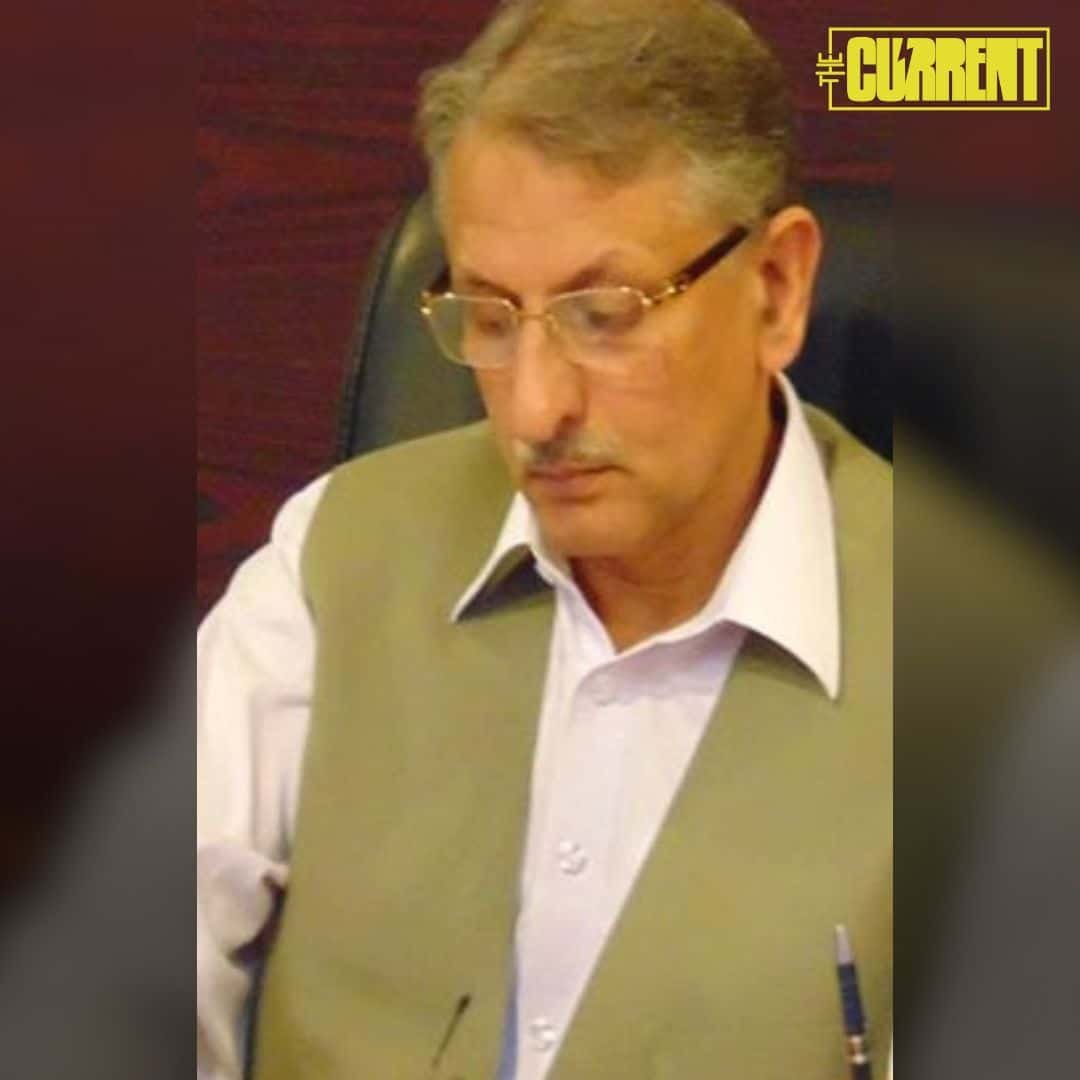
    A six-member bench of the Supreme Court, headed by Justice Sardar Tariq Masood and comprising Justice Aminuddin Khan, Justice Muhammad Ali Mazhar, Justice Syed Hasan Azhar Rizvi, Justice Musarrat Hilali, and Justice Irfan Saadat Khan heard the set of intra-court appeals.

    Justice Hilali differed with the majority decision.

    On October 23, a five-member apex court bench headed by Justice Ahsan unanimously admitted the pleas and nullified the government’s decision to try civilians in military courts in connection with the May 9 riots which erupted after the arrest of Pakistan Tehreek-e-Insaf (PTI)-then chairman Imran Khan.

    Four judges out of the five declared that Section 2(1)(d) of the Army Act and 59(4) (civil offences) are “ultra vires the Constitution and of no legal effect”.

    “Without prejudice to the generality of the foregoing the trials of civilians and accused persons, being around 103 persons […] shall be tried by criminal courts of competent jurisdiction established under the ordinary and/or special law of the land in relation to such offences of which they may stand accused,” the short order read.

    Following its verdict, the federal and the provincial governments along with the defence ministry filed intra-court appeals (ICAs). However, the caretaker government of Sindh refused to file any plea against the SC order.

    Justice Masood, who faced objections regarding his inclusion in the bench, refused to recuse himself.

    Former Chief Justice Jawwad S Khawaja and others had raised concerns about Justice Masood’s previous expressions on the matter, but the judge maintained his position.

    The Supreme Court’s recent decision to suspend the October 23 verdict means that the trials of 103 civilians will continue, with the final ruling conditional upon the Supreme Court’s subsequent orders.