Tag: K Electric

  • NEPRA recommends electricity rate increase of Rs3.28 per unit

    NEPRA recommends electricity rate increase of Rs3.28 per unit

    The National Electric Power Regulatory Authority (NEPRA) has officially proposed to the government an increase in the electricity tariff of Rs3.28 per unit, citing the need for a quarterly adjustment.

    In this proposal, NEPRA is looking to impose an additional financial burden of approximately Rs160 billion on consumers of electricity. According to ARY News, this recommendation has been conveyed to the caretaker federal government through an official summary, outlining the suggested increment of Rs3.28 in electricity rates as part of the fourth-quarter adjustment for the fiscal year 2022–23. 

    The proposed increase, subject to approval by the federal government, would also apply to K-Electric consumers. As a result of this adjustment, power consumers would be required to make additional payments over the next six months, spanning from October 2023 to March 2024. 

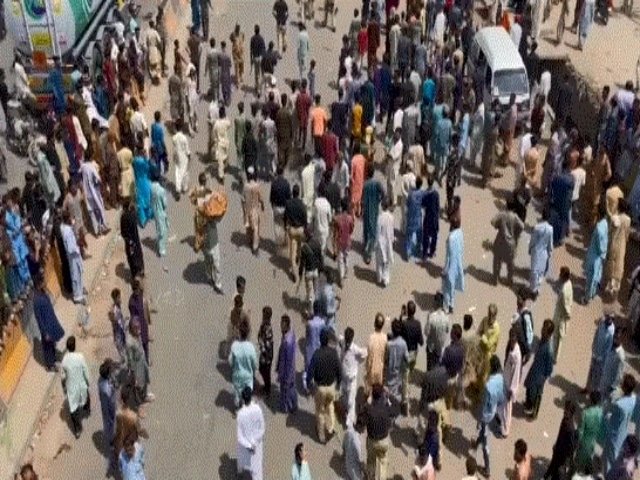
    It is worth noting that the proposed surge in power tariffs has incited protests throughout the country, with citizens expressing their displeasure over the considerable rise in electricity costs and the imposition of excessive taxes on electricity bills. In some instances, individuals infuriated by inflated bills have resorted to burning them as a form of protest, while certain political factions have threatened to stage sit-in demonstrations outside K-Electric offices. 

    This unrest surrounding the increased electricity tariffs coincides with Pakistan’s ongoing economic struggles, characterised by financial constraints and an inflation rate hovering around 29 per cent. 

    Furthermore, it is important to highlight that the International Monetary Fund (IMF) has reportedly discouraged Pakistan from offering relief to consumers using over 200 units of electricity on a monthly basis. According to sources, the IMF argued that reducing electricity bills for such consumers would not address the issue of circular debt. 

    Consequently, relief in the form of deferred payments for electricity bills will be exclusively extended to consumers who consistently utilise less than 200 units for six consecutive months. This relief would be rescinded if a consumer’s bill exceeded 200 units within the same timeframe, as per the sources. 

    Caretaker Federal Minister for Energy, Power, and Petroleum, Muhammad Ali, has also announced that the revised electricity tariff will be introduced before October 31. During a press conference held alongside Sindh Governor Kamran Tessori, Minister Ali emphasised the government’s commitment to combating electricity and gas theft through indiscriminate measures. 

    He added that efforts are being made to regulate and potentially lower electricity tariffs, with a goal to supply cost-effective electricity to industries starting on October 31. Muhammad Ali attributed the surge in electricity bills to electricity theft and the increased price of the US dollar. 

    While acknowledging the challenges of amending previous agreements, the minister pledged that the government would explore solutions within the framework of existing arrangements. He also expressed the government’s commitment to promoting solar energy despite the lack of reductions in solar equipment prices, outlining plans to devise a strategy for the promotion of solarization. 
  • NEPRA approves Rs5.40 per unit power tariff increase for quarterly adjustment

    NEPRA approves Rs5.40 per unit power tariff increase for quarterly adjustment

    The National Electric Power Regulatory Authority (NEPRA) has given its approval for a quarterly adjustment, resulting in an increase of Rs5.40 per unit in the power tariff.

    This adjustment comes as NEPRA recognises the limitations of the current structure of electricity distribution companies in providing relief to consumers. However, it’s important to note that this revised tariff won’t apply to Lifeline and K-Electric consumers.

    According to Samaa, NEPRA’s decision to revise the tariff comes after a thorough review of requests from distribution companies to raise the tariff by Rs5 per unit for the fourth quarter of the fiscal year 2022–23. Among these requests, FESCO, GEPCO, HESCO, and IESCO sought increases of Rs23.49 billion, Rs16.13 billion, Rs9 billion, and Rs9 billion, respectively.

    Additionally, LESCO requested a substantial increment exceeding Rs31 billion, while MEPCO, PESCO, QESCO, SEPCO, and TESCO collectively proposed tariff hikes totaling Rs27 billion, Rs9 billion, Rs7 billion, Rs5 billion, and Rs4 billion.

    Consumers should be aware that this tariff adjustment will be gradually recovered during September, October, and November, resulting in an added financial burden of Rs5.40 per unit.

    Distribution companies, in their submissions, highlighted revenue challenges stemming from decreased industrial demand. Particularly, LESCO faced a deficit of three billion units of electricity due to climate-related issues and industrial shutdowns. Both LESCO and HESCO faced higher capacity charges due to industry closures and reduced demand.

    Presently, there’s a backlog of approximately 350,000 pending connections with distribution companies. To recover revenue and address declining demand, the Central Power Purchasing Agency imposed surcharges amounting to Rs7.91.

  • Nepra approves Rs2.31 per unit tariff increase for K-Electric consumers

    The National Electric Power Regulatory Authority (Nepra) has approved a tariff increase of Rs2.31 per unit for K-Electric (KE) consumers due to June 2023’s monthly fuel charges adjustment. This is slightly below KE’s requested Rs2.34 per unit hike. The new tariff takes effect in August and excludes lifeline consumers and electric vehicle charging stations.

    A public hearing on July 26, 2023, discussed KE’s proposal to address higher fuel costs for electricity generation in June. KE generated electricity at Rs24.90 per unit internally, while government-supplied electricity cost Rs11.56 per unit during that period. Nepra’s analysis resulted in an upward revision of Rs2.31 per unit for June, compared to KE’s requested increase.

    Conversely, Nepra raised the power tariff by Rs1.81 per unit for ex-Wapda distribution companies (DISCOs) in June’s fuel charges adjustment, slightly less than the hike for KE consumers. The Central Power Purchasing Agency-Guarantee (CPPA-G) requested a tariff increase of Rs1.88 per unit on behalf of DISCOs.

    This tariff adjustment, effective in August, applies to all DISCOs customers except lifeline consumers and electric vehicle charging stations. It follows a public hearing held by Nepra on July 26. Earlier, DISCOs customers paid Rs1.90 per unit under May 2023’s fuel charges adjustment, making the new rate Rs0.09 per unit lower.

    While the tariff increase has raised concerns among consumers, it has also spotlighted the delay in approving renewable energy projects. During KE’s petition hearing, an industrial consumer, Rehan Javed, highlighted pending Requests for Proposals (RFPs) with Nepra, which could expedite affordable electricity production through renewables, benefiting Karachi’s businesses.

    Nepra member Rafique Ahmed Shaikh expressed disappointment in KE’s slow progress in embracing renewable energy. Delayed approval of RFPs has hindered renewable energy initiatives.

    The Ministry of Energy’s bid to raise the base tariff for the new fiscal year, potentially leading to record-high prices, underscores the urgency of integrating renewable energy into the national energy mix.

  • Govt to implement Rs7 per unit power tariff hike, expecting over Rs3.2 trillion in revenue

    Govt to implement Rs7 per unit power tariff hike, expecting over Rs3.2 trillion in revenue

    The government is planning to raise the power base tariff by approximately Rs7 per unit. This move is expected to generate over Rs3.2 trillion in additional revenue from power consumers. The International Monetary Fund (IMF) Executive Board is set to discuss a stand-by arrangement, which is the final step in solidifying the IMF Staff Level Agreement. The government will then need to fulfill the program’s requirements.

    The increase in power tariff is a crucial condition set by the IMF for providing financial assistance to Pakistan. The Fund has been urging the government to raise the tariff and eliminate power subsidies to reduce the country’s fiscal deficit. The proposed increase, along with an 18 per cent GST on bills, could lead to a significant financial burden on power consumers.

    Nepra, the regulatory authority, has conducted hearings with distribution companies (Discos) on this matter. While the privatised company, K-Electric, will be insulated from the increase in base tariff, the price of electricity it draws from the national grid will become costlier.

    The increase in base tariff, estimated at nearly Rs7 per unit, is awaiting submission to the federal government for notification. If finalised, it would raise the base tariff to Rs31.80 per unit from the current Rs24.80. The increase is aimed at reducing the power sector’s circular debt accumulation, which currently stands at approximately Rs2.64 trillion due to inefficiencies in power generation, transmission, and distribution.

    The rise in power tariffs will impact consumers across residential, commercial, and industrial sectors, leading to inflation. Businesses will pass on the increased costs to consumers, while households will need to allocate more funds for power, straining their budgets. However, the government asserts that this step is necessary to revive the power sector and the economy. It has also promised targeted subsidies to alleviate the burden on the poor and vulnerable.

    In a positive development, the government has made a payment of Rs142 billion to Independent Power Producers (IPPs), reducing their outstanding dues and improving their cash flows. However, the power sector still faces a circular debt of Rs2.64 trillion. Additionally, the IMF has called for a 45-50 per cent increase in gas tariffs, affecting consumers of Sui Northern Gas Pipelines Limited (SNGPL) and Sui Southern Gas Company Limited (SSGCL).

    The government is likely to continue its policy of having high-end consumers subsidise low-end consumers. The circular debt in the energy sector amounts to over Rs4.30 trillion, including debts from the oil and gas sector.

    Finance ministry and Nepra officials have experienced confusion regarding the finalisation of the increase in base tariff, as the IMF board meeting approaches. The regulator is awaiting projections from the finance ministry to determine the final base tariff. The government aims to achieve a value of Rs240 for the US dollar, despite setting it at Rs290 billion in the federal budget.

    Overall, the government’s objective is to address the financial challenges in the power sector while providing support to those affected by the tariff increase. The proposed measures are crucial to stabilise the power sector and stimulate the economy.

  • Power transmission system ‘fully restored’ after major outage

    Power transmission system ‘fully restored’ after major outage

    Late on Thursday, the Ministry of Energy confirmed that all countrywide power had been “fully restored,” adding that the issue with two 500kV lines in Karachi’s south had been fixed.

    The ministry posted on its official Twitter account, “Electricity supply is being increased from alternative power plants, which will return to normal by Friday morning.”

    According to Dawn, Energy Minister Khurram Dastgir had expressed his optimism that normal electrical service would be fully restored by tonight.

    He reported power outages on Thursday morning in Karachi, Hyderabad, Sukkur, Quetta, Multan, and Faisalabad while speaking at a press conference.

    “Karachi and Quetta are priority regions now,” he said. “Nearly 8,000 MW of power went offline at around 9 AM however, the government has restored 4,700 MW,” he announced. “Restarting of power plants will consume time therefore complete resolution of the problem will take a few more hours.”

    He said that a thorough investigation had been ordered and a team had been formed for the purpose, citing the government’s worry regarding simultaneous faults in two power lines at the same time.

    “We will take action after receiving the inquiry report,” the minister said. “Due to our efforts, northern part of the country remained unaffected from the breakdown.”

    According to the Ministry of Energy, a “fault in the country’s southern transmission system” caused a significant power outage on Thursday that affected Sindh and Punjab.

    In addition to Karachi, Hyderabad, Thatta, Jamshoro, Sujawal, Badin, Mirpurkhas, Umarkot, Sanghar, Nawabshah, Matiari, Tharparkar, and Larkana, electricity was also cut off in other parts of Sindh.

    Additionally, there were power outages in a number of Punjabi cities, including Rajanpur and Rahim Yar Khan.

    “Due to an accidental fault in the country’s southern transmission system, several southern power plants are tripping in stages, which is disrupting the transmission of electricity in the southern part of the country,” said the Ministry of Energy in a tweet post.

    “The Ministry of Energy is diligently investigating the cause of the outage and the power system will be fully restored as soon as possible,” it added.

    According to reports, a technical issue has caused the Guddu Thermal Power Station in Kashmore to stop producing electricity. Technical issues at the power plant prevent the 600MW and 747MW units from running.

    The 500-KV system nationwide is not functioning, according to sources at National Transmission and Despatch Company (NTDC). They claimed that the causes are still being determined.

    The southern port city’s many neighbourhoods, including Malir, Sarjani Town, and Saddar, experienced power outages. Since 10:00 am, there has been no electricity in these neighbourhoods.

    Furthermore, there were power disruptions in places including Gulshan-e-Maymar, Federal B Area, Liaquatabad, and Super Highway.

    Baldia, Orangi Town, North Nazimabad, and North Karachi are all without electricity. In addition to this, some locations, notably the SITE Industrial Area, lack electricity.

    “There are reports of multiple outages from different parts of the city,” Imran Rana, Spokesperson, K-Electric, said in a tweet post.

    “We are investigating the issue and will keep this space posted,” he added.

    According to information provided by the Ministry of Energy, the KE’s spokesperson verified that the halt in energy supply was caused by a failure in the southern transmission system in an update released about 11:45am.

    He said that efforts to restore the supply had begun, and it would take about five hours to finish the process.

  • Fuel Cost Adjustment: Consumers protest against inflated electricity bills

    Fuel Cost Adjustment: Consumers protest against inflated electricity bills

    Power consumers protested in major cities against the government and power supply companies due to excessive residential and commercial bills that were issued under the pretext of Fuel Cost Adjustment (FCA).

    A number of Lahore residents were seen protesting outside LESCO offices, complaining about the skyrocketing electricity bills, chanting anti-LESCO slogans at Dharam Pura, Begum Kot and Ghazi Road.

    A number of farmers in Jhang also participated in a protest by burning their power bills while obstructing traffic on the Jhang Road. On the other hand, the shopkeepers and locals of Faisalabad organised a sizable protest against FESCO for billing residential and commercial customers for nearly twice the actual cost of electricity.

    PM Shehbaz demands urgent report on inflated electricity bills

    In response to complaints from the public about excessive electricity bills, Prime Minister Shehbaz Sharif ordered the relevant authorities to provide an immediate report to address the issue.

    The premier ordered the concerned officials to present a thorough report with recommendations for resolving consumer complaints against energy bills on an urgent basis.

    What is FCA?

    In addition to criticising the power supply companies, consumers are questioning the FCA charges that take up a significant portion of their monthly bills.

    Understanding the actual fuel cost (the cost of fuel in a month) and the reference fuel cost is crucial for comprehending the fuel price adjustment.

    Simply put, FCA is charged/adjusted in customers’ monthly bills to reflect the actual increase or decrease in fuel prices.

    Based on the price of fuel (such as coal, LNG, or furnace oil) used in the nation’s various energy sources, the total cost of fuel used in the production of electricity in a month (basket fuel cost) is calculated.

    The entire fuel cost for that month is therefore compared to the reference fuel cost at the end of each month, and as a result, the FCA is applied to the power bills after two months.

    The electricity bill will reflect a change in the FCA amount if the total fuel cost for that month exceeds the reference cost, while it will reflect a change in the FCA amount if the total fuel cost is less than the reference cost. We refer to this as a fuel price adjustment.

    How power suppliers calculate FCA?

    Whenever a power plant uses coal, it is possible to estimate how much coal was burnt and at what cost, as well as the total cost of the energy needed to generate the power.

    For instance, if hydel electricity generation has increased, the overall fuel price will reduce; likewise, if gas is consumed more frequently in a month due to its higher price, the fuel price would climb.

    It is also impacted by the rupee’s appreciation or depreciation. This is due to the fact that coal, LNG, and furnace oil are imported, therefore a weakening or strengthening rupee directly affects the cost as a whole.

  • Monsoon in Pakistan: What is the situation now?

    Monsoon in Pakistan: What is the situation now?

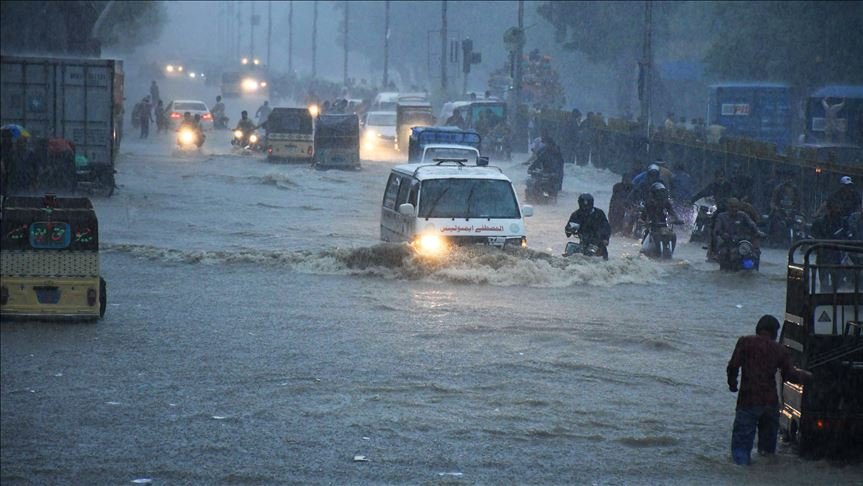
    The Pakistan Meteorological Department has warned Sindh of another monsoon spell this week from Thursday (July 14) till Monday (July 18). It is also said that sea conditions will also remain “rough to very rough” during this timeframe.

    The Met department also said that torrential rains may generate urban flooding in Karachi, Hyderabad and other cities. It has also advised that travellers and tourists remain cautious during the forecast period.

    Climate Change Minister Sherry Rehman shared a rain update on her Twitter, saying: “Sindh and Balochistan still under heavy monsoon pressure for the last 13 days. Sindh is 625 per cent above the 30-year average while Balochistan is 501.”

    Action taken by the authorities:

    Sindh Information Minister Sharjeel Inam Memon has claimed that rainwater from 90 per cent of the city has been drained out and roads have been cleared.

    Meanwhile, K-Electric spokesperson Imran Rana tweeted, “Wherever possible power has been restored, however, few parts of DHA remain severely water logged like Bukhari Commercial seen below (as of 10:00 PM 12th July). Power in inundated areas expected to be restored once water recedes to safe operating levels.”

    On Sunday, the Sindh government imposed a rain emergency in Karachi after severe rain. Chief of Army Staff (COAS) General Qamar Javed Bajwa took an aerial view of Karachi on Tuesday to oversee the catastrophic situation.

    The Pakistan Navy is also taking part in the relief and rescue operations.

    Destruction

    According to the Provincial Disaster Management Authority (PDMA) and Sindh Police, 49 people have died in the province, 31 in Karachi alone, in the monsoon spell from July 4 to July 12.

    In Khyber Pakhtunkhwa (KP), at least six people were killed in Swabi, Mardan, South Waziristan and Bajaur districts. The rains also damaged the crops and infrastructure. Swabi, Dera Ismail Khan, Tank, Nowshera and Malakand were the worst affected.

    Six people died and dozens of houses collapsed throughout over Eid across Balochistan. Many areas across Gilgit-Baltistan (GB) were cut off from each other after roads, bridges, electricity supply and properties were damaged due to the melting glaciers.

  • Nepra approves price increase of Rs9.66 per unit for Karachi

    Nepra approves price increase of Rs9.66 per unit for Karachi

    On account of the fuel cost adjustment (FCA) for May 2022, the National Electric Electricity Regulatory Authority (Nepra) allowed K-Electric to increase its power rate by Rs9.66 per unit on Monday.

    According to Aaj News, Nepra will make the announcement following careful consideration.

    In order to transfer the financial burden of Rs22.65 billion to consumers for May 2022, K-Electric requested an increase of Rs11.34 per unit.

    Officials from Nepra questioned K-Electric during a hearing about why it wasn’t buying less expensive electricity and offered to help K-Electric establish a connection with the provincial and federal governments for this reason.

    The power distributor also questioned K-Electric’s decision not to use the inexpensive oil it had acquired for power production.

    Nepra’s representatives responded that the company was using peak hours, which are from 6:30 PM to 10:30 PM, to provide electricity and that the cost of power is much greater at these times.

    The FCA estimate for May 2022, according to K-Electric, was based on the requested rate for the month from CPPA-G and is subject to change based on a decision to be made by Nepra.

    In its FCA adjustment request, the power utility informed the regulator that it imports from outside sources and dispatches power from its own generating units (with the available fuel resources) in accordance with economic merit orders (EMOs).

  • Video: Karachiites protest against load-shedding, clashes erupt between police protesters

    Video: Karachiites protest against load-shedding, clashes erupt between police protesters

    Residents of Karachi came out on the streets in the late hours of Monday to protest against the unannounced and prolonged load-shedding in their areas.

    On Tuesday morning, the police used tear gas and baton-charged protestors in an effort to disperse the crowd, which resulted in a clash between the two.

    According to Dawn, the demonstrators have been protesting since last night, burnt tyres, and blocked the road for traffic, which has caused traffic problems.

    The chairman of the All Pakistan Fruit and Vegetable Exporters, Importers and Merchants Association (PFVA) Aslam Pakhali said that over 100 shipping containers carrying mangoes and potatoes are worth an estimated Rs250 million were stuck in traffic since Monday evening.

    https://twitter.com/nshz22/status/1541682874750947328?s=20&t=OIuOxKPZe5onCToMDfxlBw

    According to Senior Superintendent of Police (SSP) Asif Bughio, electricity in several areas of Lyari has been suspended since 4pm yesterday (Monday). He claimed that the police tried to negotiate with them but they attacked the law enforcers with stones.

    Their protest has continued for more than 20 hours now.

    According to media reports, in Karachi’s Gadap Town, the load-shedding time has gone up to 18 hours in a day. Similarly, Shah Faisal Colony, Malir, Surjani Town, Gulistan-e-Jauhar, and other areas are seeing power outages of 14 hours or more.

    Following the incidents, Sindh Energy Minister Imtiaz Ahmad Shaikh contacted K-Electric Chief Executive Moonis Alvi. He noted that load-shedding has made the lives of people miserable.

    “Due to persistent load-shedding, the security situation is deteriorating,” he told the KE official.

    A day earlier, Prime Minister (PM) Shehbaz Sharif warned the nation that they might face increased load-shedding in the coming month of July.

  • NEPRA announces increase of Rs7.90 per unit in power tariff

    NEPRA announces increase of Rs7.90 per unit in power tariff

    An additional increase in the price of power of Rs7.90 per unit was announced by the National Electric Power Regulatory Authority (NEPRA) on Monday.

    After hearing the Central Power Purchasing Agency’s (CCPA) argument today, the power regulatory authority made the final hike announcement, according to ARY News.

    It is worth noting that life consumers and K-Electric are protected from the tariff increase and that the amount would be paid in July’s bills.

    In response to a request from CPPAG for a raise of Rs7.96 per unit, the increase was granted under fuel adjustment costs (FAC) for the month of May 2022, according to a notification released by the power regulating authority.

    Additionally, after a substantial increase of Rs7.91 per unit, the National Electric Power Regulatory Authority has just set the power rate at Rs24.82 per unit for the fiscal year 2022–23.

    The authority approved a Rs5.27 per unit increase in electricity rates for K-electric customers on June 24.

    According to a handout provided by NEPRA, K-Electric requested an increase in the electricity rate of Rs5.25 to account for fuel adjustment charges for April.

    Earlier, The Economic Coordination Committee (ECC) of the cabinet approved an increase in power costs for K-Electric customers of 57 paisa per unit.

    However, ECC deferred making a decision on a different proposal that called for charging K-Electric customers a surcharge of Rs1.45 per unit in order to recover Rs113.1 billion in past-due amounts related to quarterly rate increases.