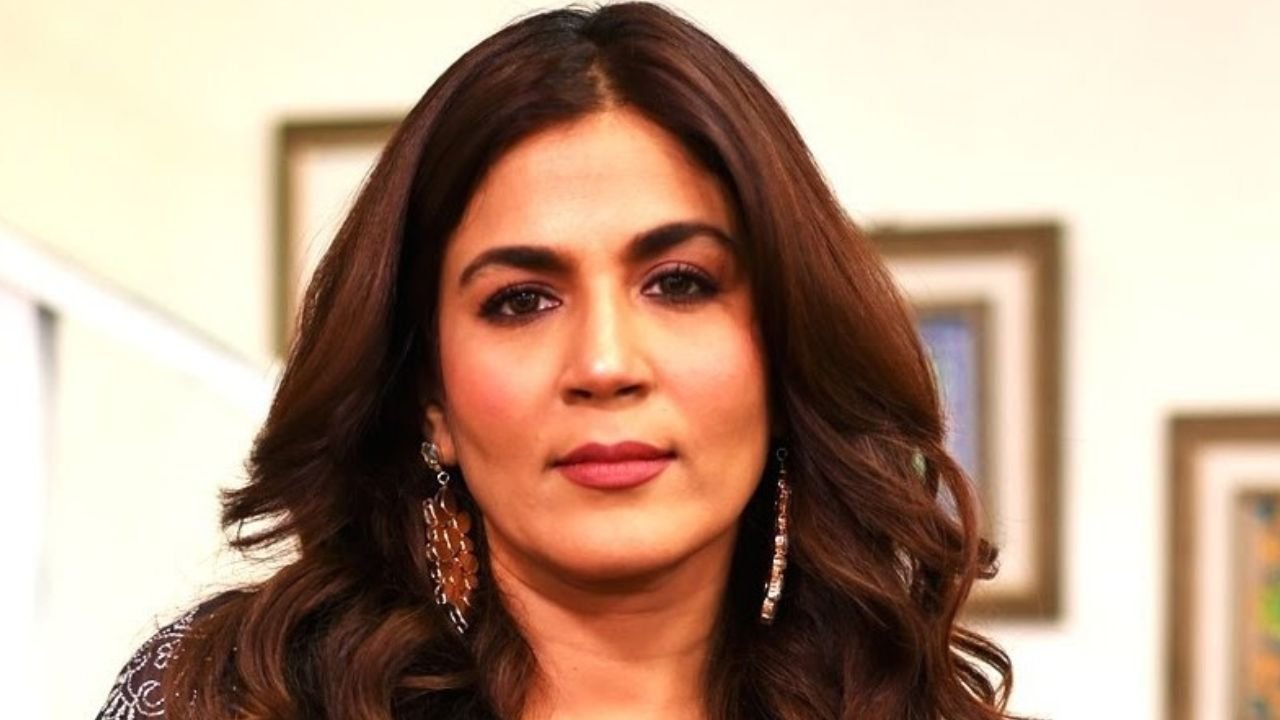
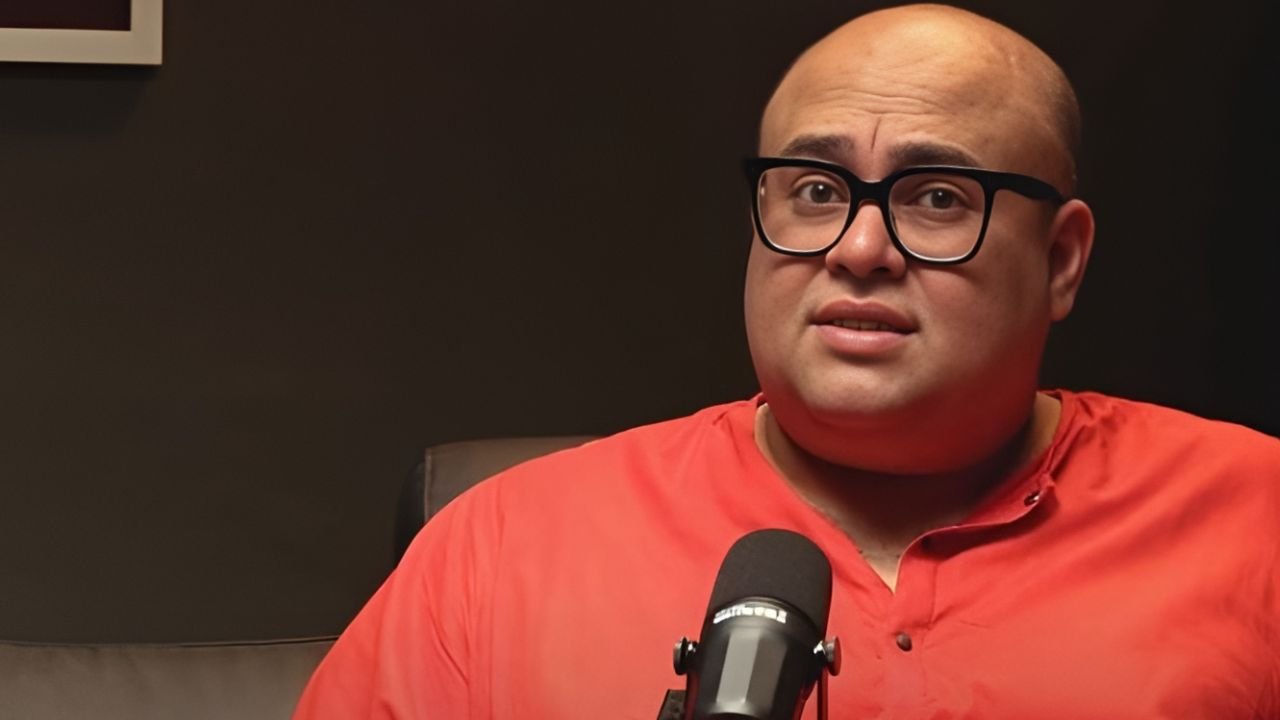
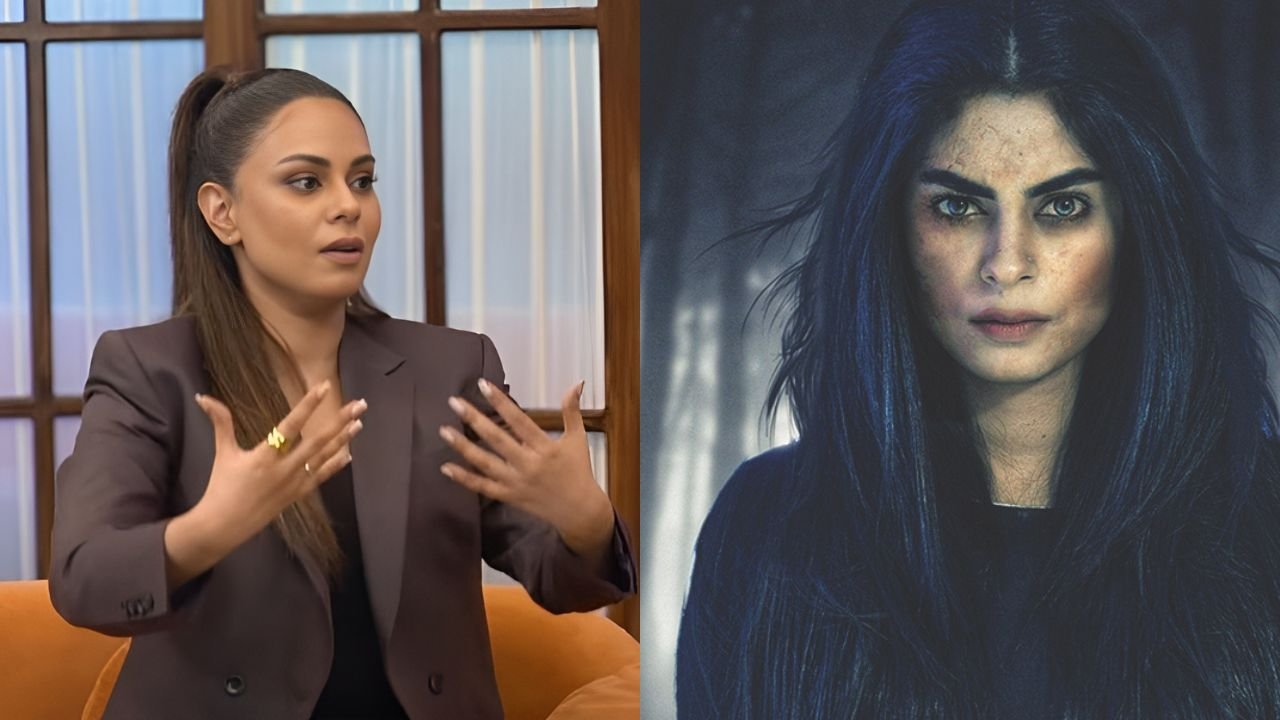
Actress Ayesha Toor believes that women often face less harassment in the metropolitan city of Karachi in comparison to other cities in Pakistan.
During her recent appearance on the FHM podcast, she shared her experiences living in Sindh’s capital, shedding light on the city’s complexities and impact on women.
“Karachi is a city full of problems. There are no roads, there are incidents of theft and robbery, and there are many problems, including water and electricity, but despite all this, I like the people of Karachi,” she said.
Talking about the treatment of women in Pakistan, Toor asserted that “When you leave home in Karachi, the people [men] will see you once, but then they will turn their backs and carry on with their work. People here do not harass women.”
“If there is any problem on the road, people come to your help,” Toor further pointed out.
“The people of Karachi do not have enough time to create problems for women. If I talk about myself, I have never faced as many problems in Karachi as I have encountered in Punjab,” she reflected on her experiences.
“I do not see as much dominance of men in Karachi as I see in Lahore or Islamabad. Although there is a lot of hospitality and love in Lahore, but male temperament is dominant there, while in Karachi, it is not like that”, Ayesha concluded.
The host, Adnan Faisal, also asked Ayesha Toor about her daily gym routine, to which she responded by discussing the balance between exercise and diet, especially in the context of cultural food preferences.
“In my opinion, the gym is just 20 per cent of the effort. Pakistani people say that home-cooked meals at night are very healthy, and dishes like karahi are common,” she said.
“To be honest, I love eating. I’m Punjabi and Pakistani, and life without karahi isn’t enjoyable; I have to eat karahi. My biggest issue is not food but my sugar addiction. I am addicted to sugar, and it’s a serious addiction,” she added, saying that she has struggled in trying to overcome her sweet tooth.
“My food is very clean and healthy, prepared in pure desi ghee. I pay attention to what I’m eating. But as soon as it hits 9 PM, I think, ‘Life is short; I need to eat cake,’ so I have a slice of chocolate cake almost every other night. It seems that your calorie deficit is probably not working out, considering the indulgences you allow yourself in the evening”, Ayesha admitted.
Random scrolling on Instagram sometimes lands you in the right spot. It happened with me when I saw Asad Monga’s post about having participated in the SCO Summit as a chef.
It was fascinating how he introduced himself as a boy from Karachi whose love for cooking weathered all the seasons of his life and took him to the corridors of power.
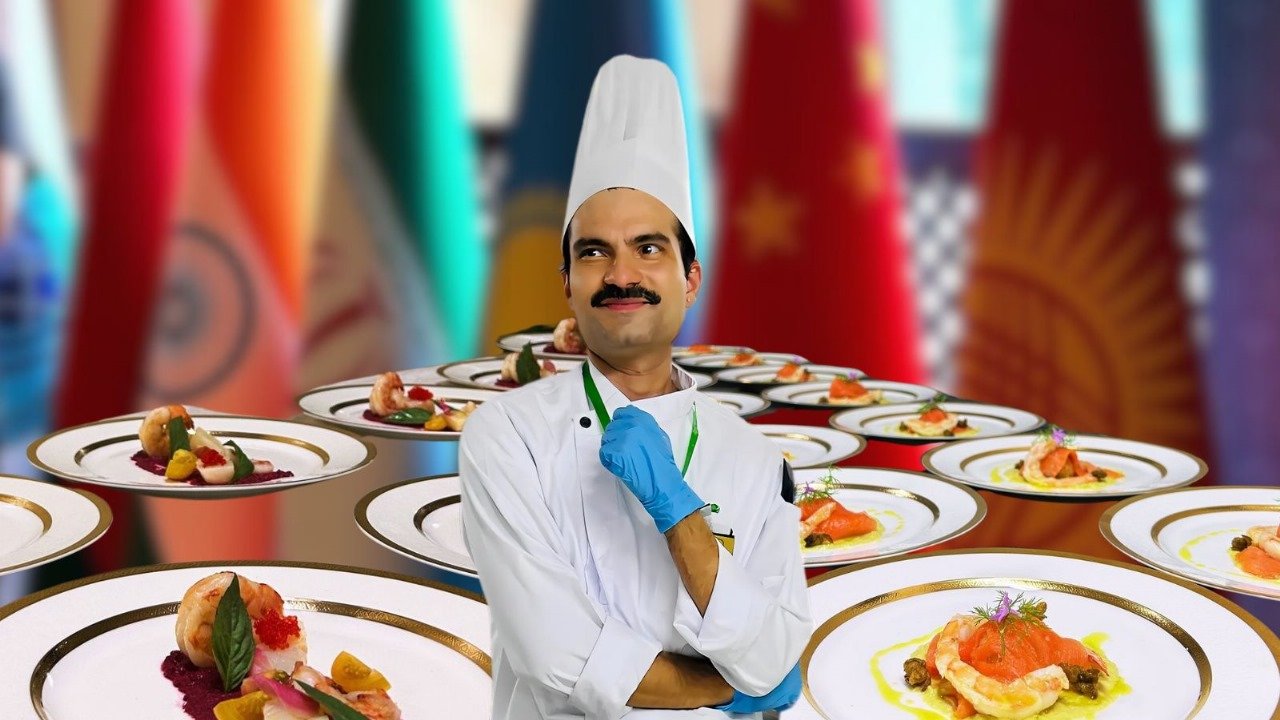
In his Instagram post, Asad shared his insights about Culinary Diplomacy and his experience at SCO in these words: “The SCO summit was a warm display of Pakistan’s efforts to welcome global leaders with our hospitality and show our willingness towards stronger regional ties and a better Pakistan. Maybe if we are to consistently soften our image on the global stage, the first foot forward is Culinary Diplomacy and Hospitality.”
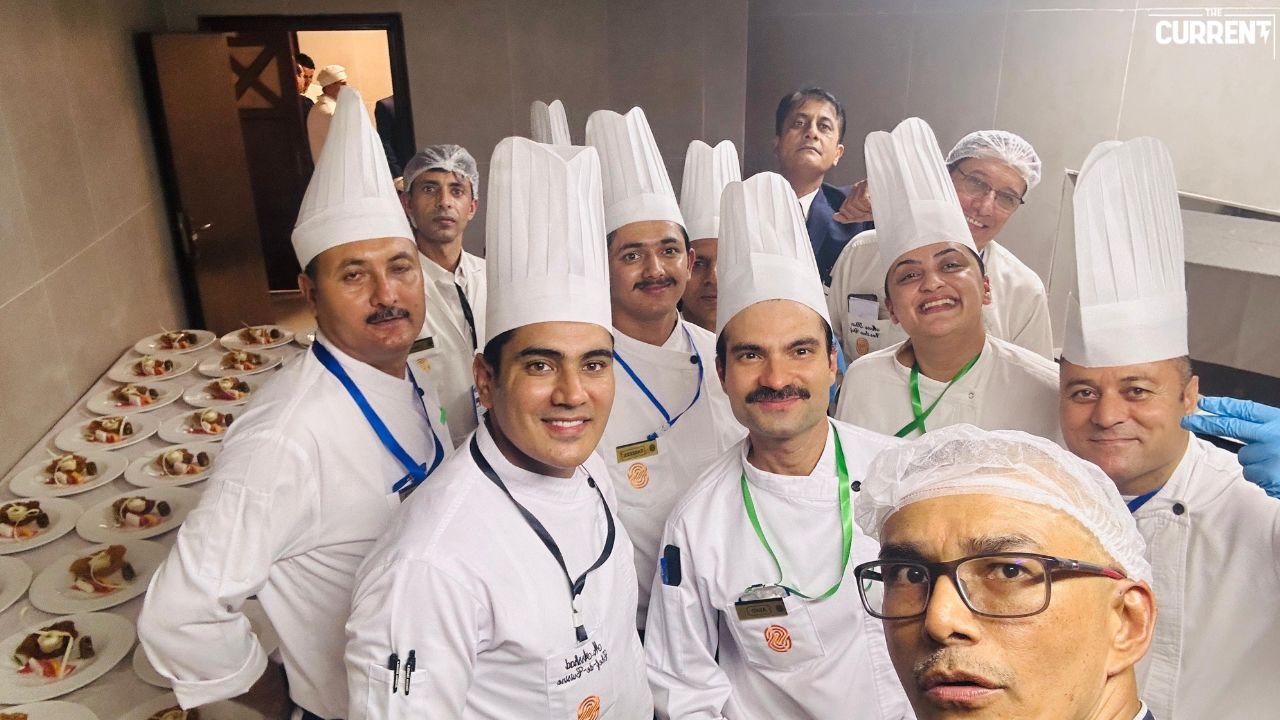
Asad was summoned by the government of Pakistan to assist with the Dinner & Lunch service carried out for world leaders at the SCO summit in Islamabad. It was such a moment that he had to document it all on his account with a behind-the-scenes photo dump, giving credit to all those who helped him in the process.
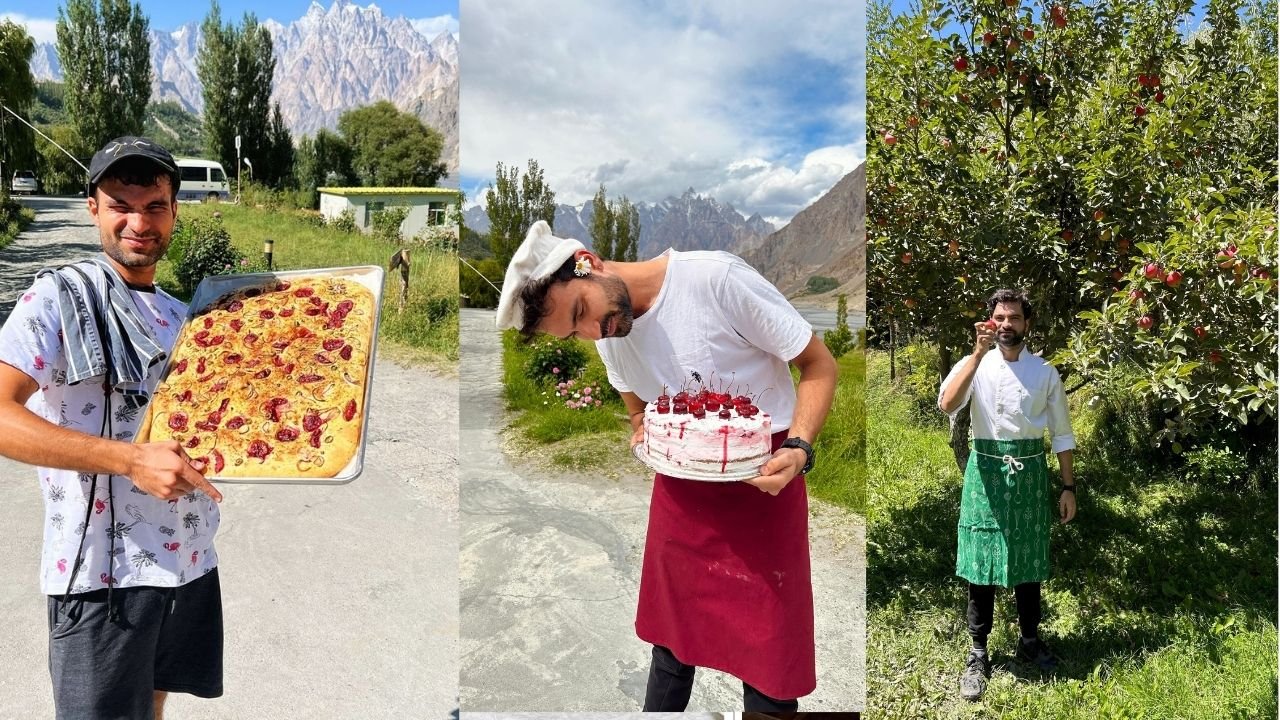
Asad is otherwise known for culinary retreats to understand seasonality in Pakistan and explore the use of fresh produce to curate meals.
Asad Monga on his culinary retreats
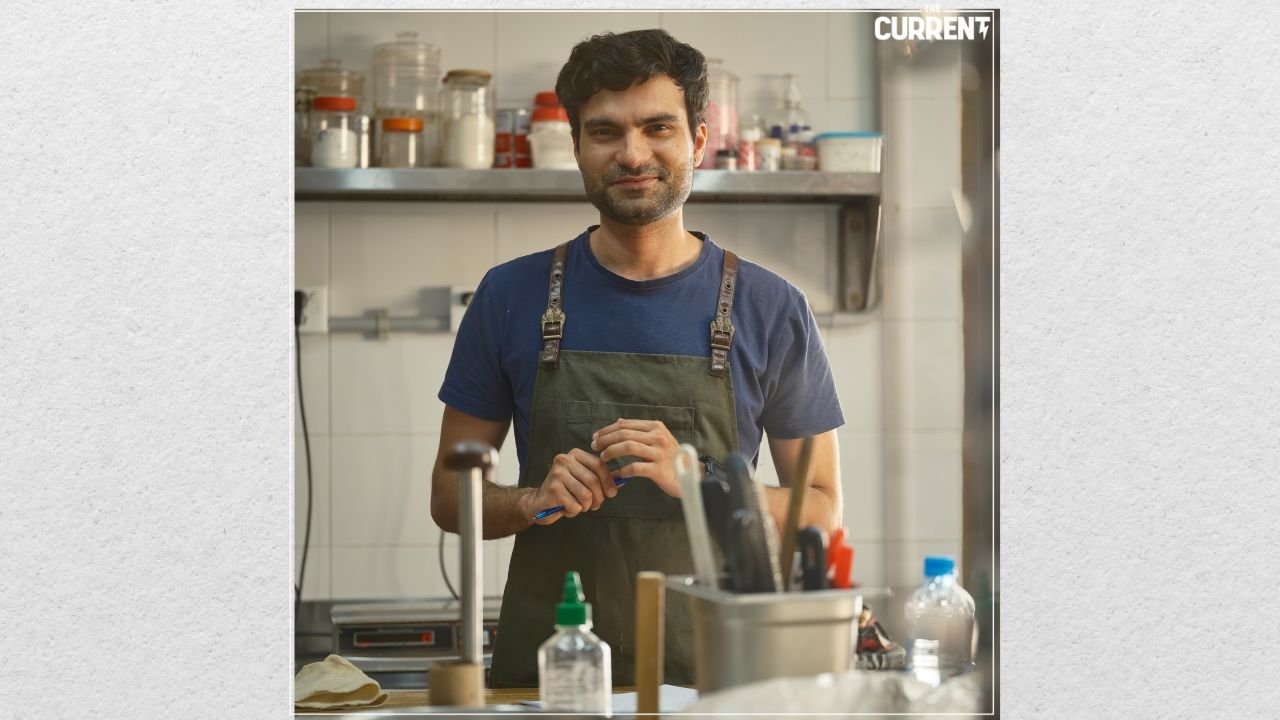
I sent him a message, and after a delay of some days, he replied. He was kind enough to actually explain to me the work environment of a kitchen, which he described as “an activity of trouble-shooting”. The reason behind this is that they are working with hands, and things are constantly changing as it involves too many variables, which one needs to keep in check, yet it is not something you cannot control. “We were doing a 15-16 hours shift in a day,” Asad told me.
His reasoning for making this a career left me in awe as he delineated that he decided to go for culinary arts as a subject to study for his undergrad because he wanted to do something with his hands. I did my A-levels from Karachi, and when everybody was deciding where to go for college, “I didn’t want to do a traditional degree, so I thought I wanted to do or learn something from my hands, and I wanted to have a skill-based profession. So I applied for culinary school, and I did a degree program in Kuala Lumpur and France,” Asad said, adding that he had completed his initial training and internships there as well. After his arrival back in Pakistan, he has been associated with different kitchens ever since 2011.
This got me to ask him how his experience of over a decade landed him this opportunity. To this, he replied that he was recommended by Okra- his previous place of work, the Ministry of Foreign Affairs. The ministry reached out to him, and he put together a team to accompany him to Islamabad. In the capital, they collaborated with the team at Serena Hotel, where they prepared a nice mix of dishes, keeping in mind the sensitivities of global leaders.
With utmost modesty, Asad gave credit to his team, describing that it was “a full team effort,” as he was just a part of this big machinery, and he considers himself lucky to have been selected for this job.
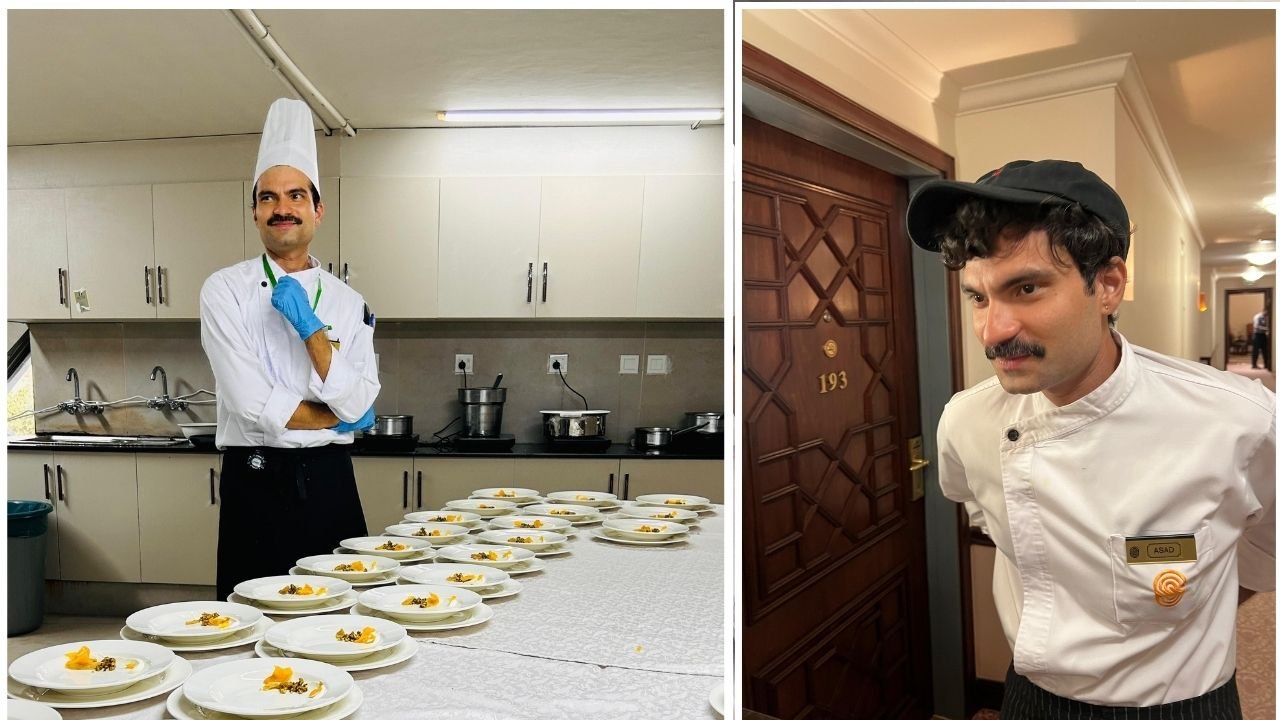
Asad with the team at Islamabad’s Serena Hotel
Speaking about his team, Monga introduced me to two other chefs, one from Karachi and the other from Lahore. Ramsha is from Karachi, and she runs a restaurant called d.brew’d on I. I Chundrigarh road. Another team member was Rabia from Lahore, who runs a restaurant called For the Table. “My team helped me execute all the things to the level I wanted and our stakeholders were expecting of us”. Asad said emphatically.
Speaking on behalf of the team, he said, “We had a great time and had lots of learning, considering it was such a high-profile event. So many little things needed to be taken care of, which was a great information knowledge for us.”
Shedding light on his experience at the Serena Hotel, Asad recalled it as something that stood out for him in this journey. “What stood out for me was the team at Serena and how committed, professional and welcoming they were,” he mentioned exuberantly. He elaborated this by saying that this is usually not the case when you enter somebody else’s kitchen.
Asad Monga at Serena Hotel for SCO Summit 2024
Famous chef Julia Child once said no matter what happens in the kitchen never apologize but most of all I was interested in knowing all the details from inside the kitchen so I asked Asad about the menu and all thay transpired in the kitchen.
The menu has a mix of some Pakistani food and some international food. About the spice content and the making of the dishes, he commented, “Of course, we had to keep in check all the sensibilities of the global leaders that were coming in.” He further added that he and his team kept a nice mix of dishes in the overall menu which required the spices to be kept at a “base level” which means neither high nor low but flavourful.
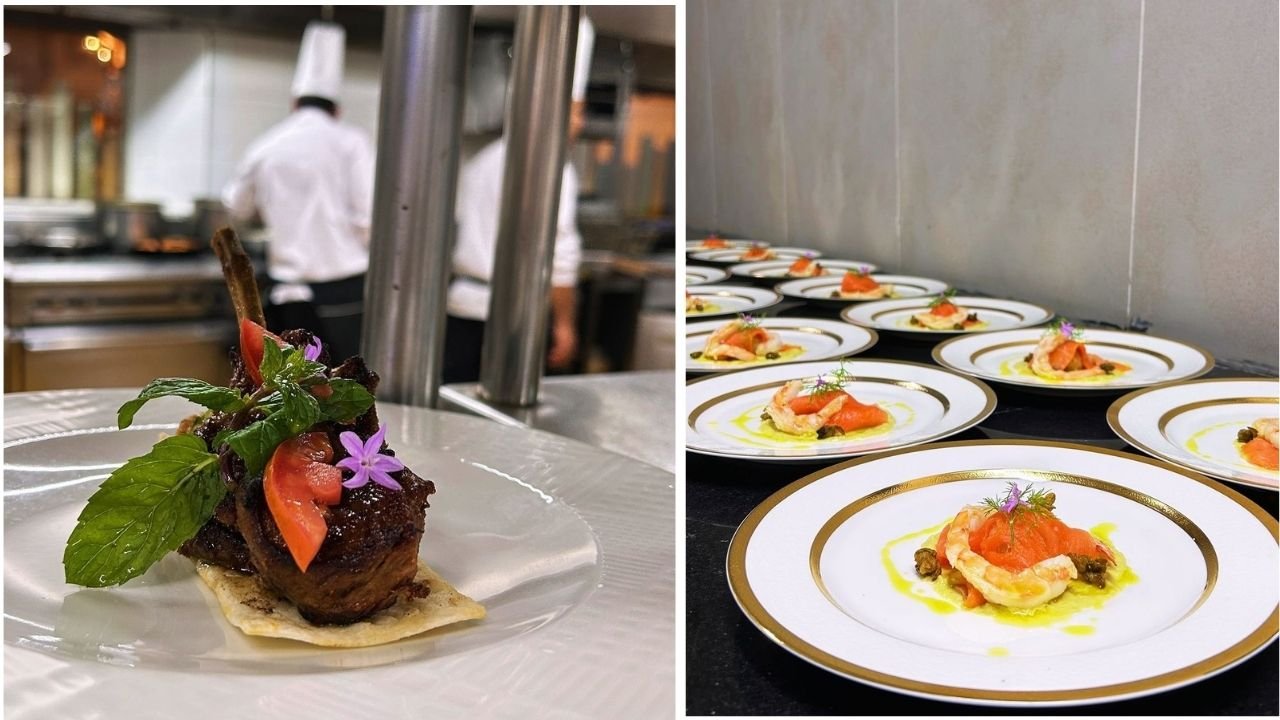
The food they made was a mix of some Pakistani, Asian and Western food. There were Mutton Chops and Keemay-walay Naan for Pakistanis and salmon to add a touch of Continental. Asad very interestingly pointed out how some indigenous dishes were recreated for the occasion. For example, they made a Dao Dao Soup, which is a Hunza special.
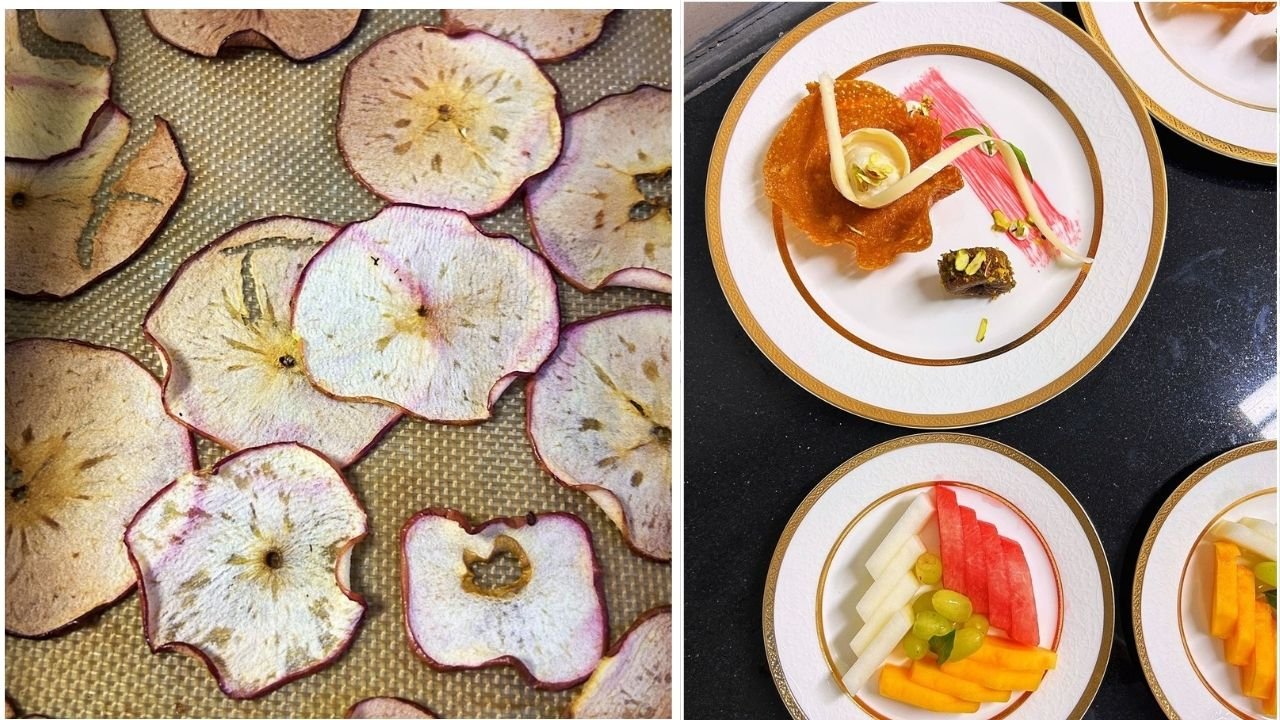
He recounted how the dessert was specially made, keeping in mind the time of the year, which is the fall season. It had stewed apples with peanut butter cream and some dehydrated apple flowers on top of the apple crumble. “This was a play on apple crumble,” he ingeniously pointed out. “It’s funny, this was the first dessert I ever made, and I got an opportunity to serve it on such a big platform,” he added further.
Last but not least, Asad Monga stressed how this experience changed his perspective on the people in the government. “You know, you always have a stereotypical image in your head about the people working in the government, and that was completely changed for me as I saw some really capable, hardworking, accountable, responsible people working for the foreign office and beyond. They had a very invested outlook and they were very keen because the image of Pakistan is on the line,” he emphasized while adding that this was his first experience of seeing things up close.
Praising his collaborators further, he said that they were really hospitable towards his team. “I was feeling happy and proud that these people were given the charge to execute this kind of function.”
Talking to him transported me to the world of Ratatouille, and I was no less than Linguini. Meanwhile, him having the calmness of Gusteau, the sharpness of Colette and the passion of Remy. It is such an enviable combination for a chef to have and all that a culinary artist aspires for.
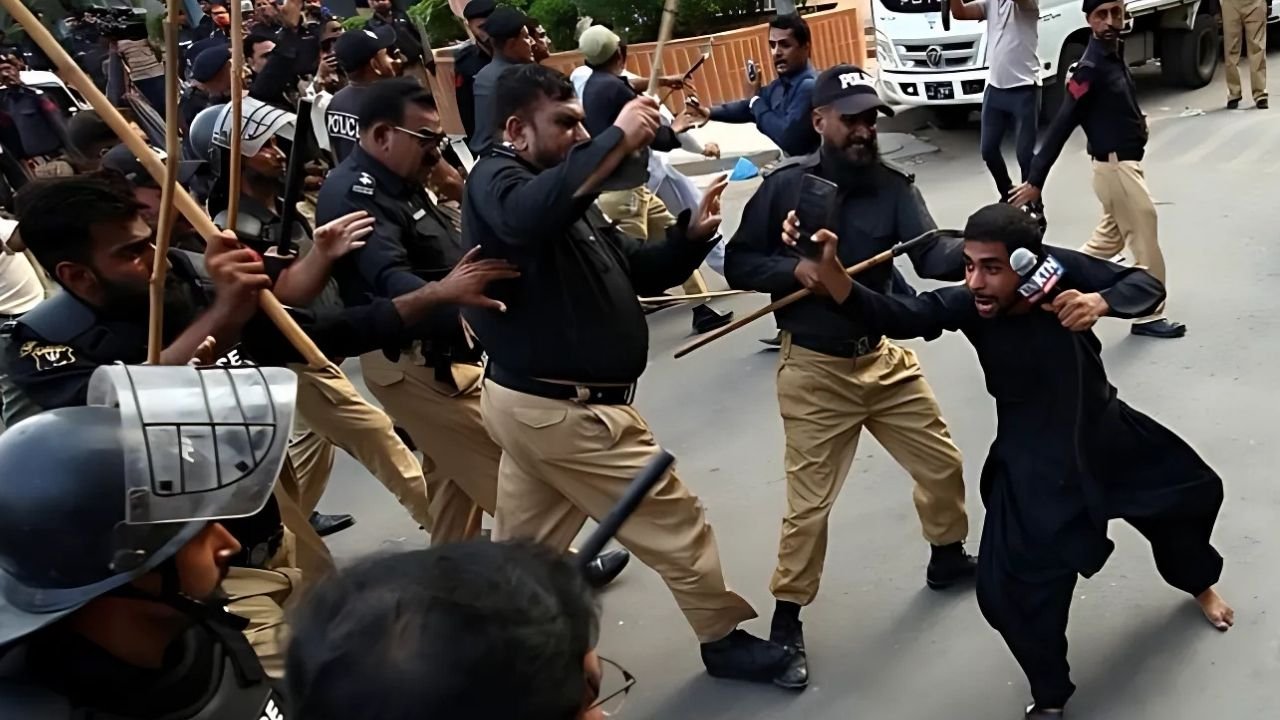
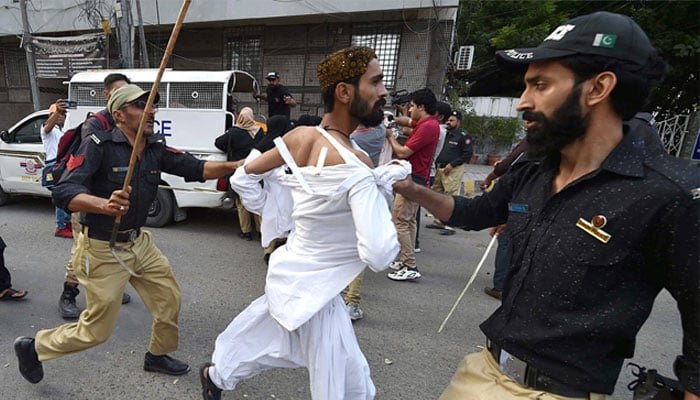
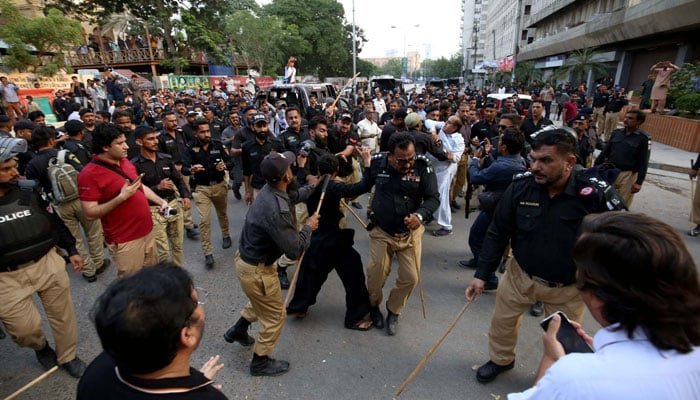
Nine officials, including Eid Gah Station House Officer (SHO) Zaheer Ahmad, have been suspended on Monday after violent baton charges against peaceful protesters, journalists and civil society members at Karachi Press Club (KPC).
A notification issued by Deputy Inspector General (DIG) South Syed Asad Raza stated that police officials were aggressive toward protestors upon which they were suspended, as proven by CCTV footage evidence, Geo News has reported.
The notification further read, “They are also shifted to suspended men’s Coy: Headquarter Garden, South Zone Karachi, where they shall attend daily roll call/parade. They shall draw pay and allowances as admissible under the rules.”
Police on Sunday confronted protesters for defying section 144 during a demonstration against the extra-judicial killing of blasphemy suspect Dr Shahnawaz Kunbhar and “extremism in Sindh.”
As videos of Sindh police’s brutality against protestors surfaced on social media, big-wig politicians condemned the incident, including leaders from the ruling Pakistan Peoples Party (PPP).
Senator Sherry Rehman wrote on X (formerly Twitter), “I apologise on behalf of the party. Am told that TLP was advancing from the other side and the police were on hair trigger alert after the recent attacks on foreigners and the advise to not protest until SCO is over, but still, the situation could have been handled differently.”
“We are a democratic party, and the rights of citizens have to be protected and respected even if they were in violation of today’s 144. I have spoken on the phone from Islamabad to many who were mistreated, and I apologised and appreciate their understanding. Because this is important. Many of us are sorry and shamed. Will inform the leadership as well,” Sherry Rehman further noted.
PPP leader Shazia Atta Marri was disheartened by the incident that took place outside Karachi Press Club.
She claimed on X (formerly Twitter), “Deeply hurt by Yesterday’s events. The images are haunting. The young girl could be any one of our daughters. Surely this was too high a price to pay for raising your voice for peace. Yes 144 was imposed & yes it’s is important to maintain order but this was no way to disperse ppl.”
Bakhtawar Bhutto Zardari noted, “We all condemn & we are all disgusted and ashamed of the violent treatment against peaceful protesters. Home Minister has ensured probe & action will be taken against all those involved in such unprovoked, inexcusable & unjustifiable brutality.”
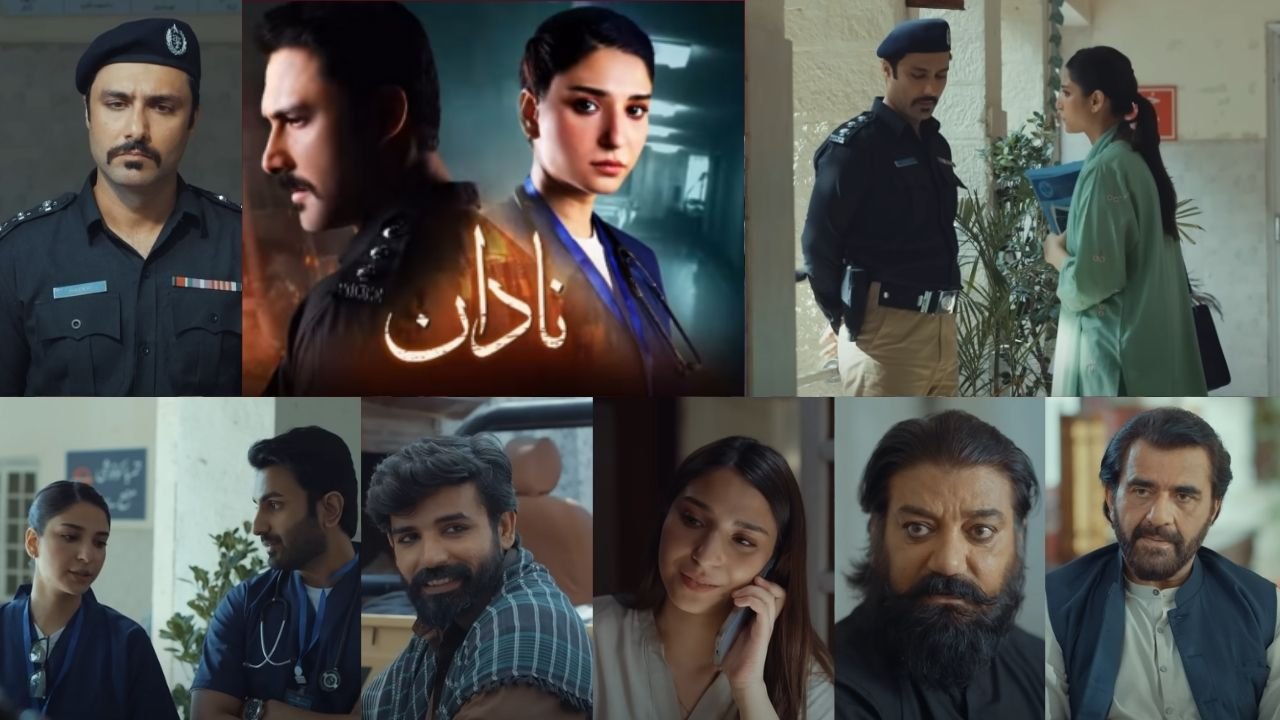
The new drama serial ‘Nadaan’ offers a gripping story full of suspense and strong performances, directed by seasoned director Mehreen Jabbar, written by Saji Gul, and produced by Sultana Siddiqui.
The drama features a gripping story set in a tough street in Karachi, where life is a constant struggle against the backdrop of crime and corruption.
The first episode of Nadaan starts with Haider’s flashback, recounting his first meeting with Dr. Tabeer to an interrogation committee two months later. This storytelling approach creates a sense of tension and intrigue right from the start.
Ahmed Ali Akbar plays the character of SHO Haider, the new policeman in Jam Nagar Karachi. He and Tabeer initially clash when she treats a patient without waiting for the police, but later, their relationship builds up as they learn to respect each other.
Nadaan takes place in Jam Nagar, where a Pir sahib named Subhan has strong influence in the area and runs a dangerous drug (heroine) trade with the help of his right-hand Tayyab.
Tabeer, played by Ramsha Khan, a professional and dedicated doctor, reopens a hospital with Usama, played by Hammad Shoaib. The hospital is funded by the Usama’s father, who is the MPA of Jam Nagar, and challenges the Pir Sahib’s illegal activities, making it a target for him.
Nadaan promises to tackle hard-hitting issues in society and make it much more than just another drama. The cast is amazing, it is directed very well, and it has a meaningful storyline.
The cast of Nadaan includes, Hammad Shoaib, Ali Gul Mallah, Kashif Hussain and Ahmed Randhawa.
Writer Saji Gul is bringing fresh stories to the TV screens. His previous work tilted ‘Mrs. & Mr. Shameem’ also revolved around social issues, including AIDS.
Syed Zulfiqar Ali Shah, Minister for Culture and Tourism in Sindh, has formed a two-person investigating commission to investigate the disappearance of painter Safdar Ali Soomro’s artwork .
The Director General of Antiquities and the Director General of Culture make up the committee which will conduct a thorough investigation and provide a comprehensive report on the missing artwork
Minister for Cultural Tourism Syed Zulfiqar Ali Shah said, “We have initiated a comprehensive investigation, and further action will be taken based on the findings. Any negligence or misconduct will be addressed accordingly.” Big Bang issued a statement on their Instagram account, saying,
“As artists and producers ourselves, our sympathies go out to the concerned individual. This being said, Big Bang Entertainment would like to clarify that we have no involvement in this matter. The location for this specific shoot was rented, and as per our agreement, all assets present, including the painting in question, belonged to the venue owners.”
“Unfortunately, this is beyond the control of our production team, and we encourage the artist to directly address the matter with the concerned parties. We hope for a swift and fair resolution and expect all stakeholders to respect the unprecedented success and acclaim Kabhi Main Kabhi Tum has organically achieved these past few weeks.”
Safdar Ali Soomro, a talented artist from Daharki in Ghokti, Sindh, never imagined that his paintings would be featured in the smash hit drama Kabhi Mein Kabhi Tum.
The trending serial has captured the hearts of viewers both in Pakistan and abroad, with its characters and storyline receiving widespread praise.
However, an unexpected twist occurred when artist Safdar Ali Soomro recognized his lost paintings hanging in the background in one of the episodes.
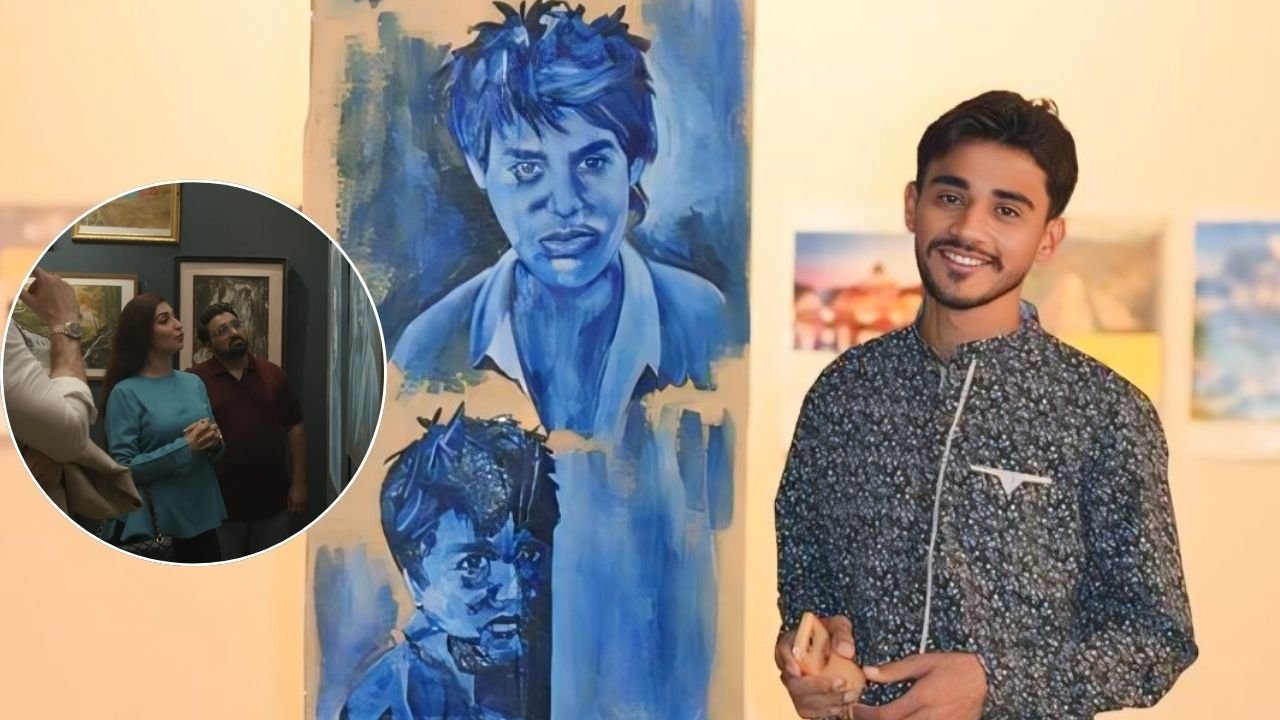
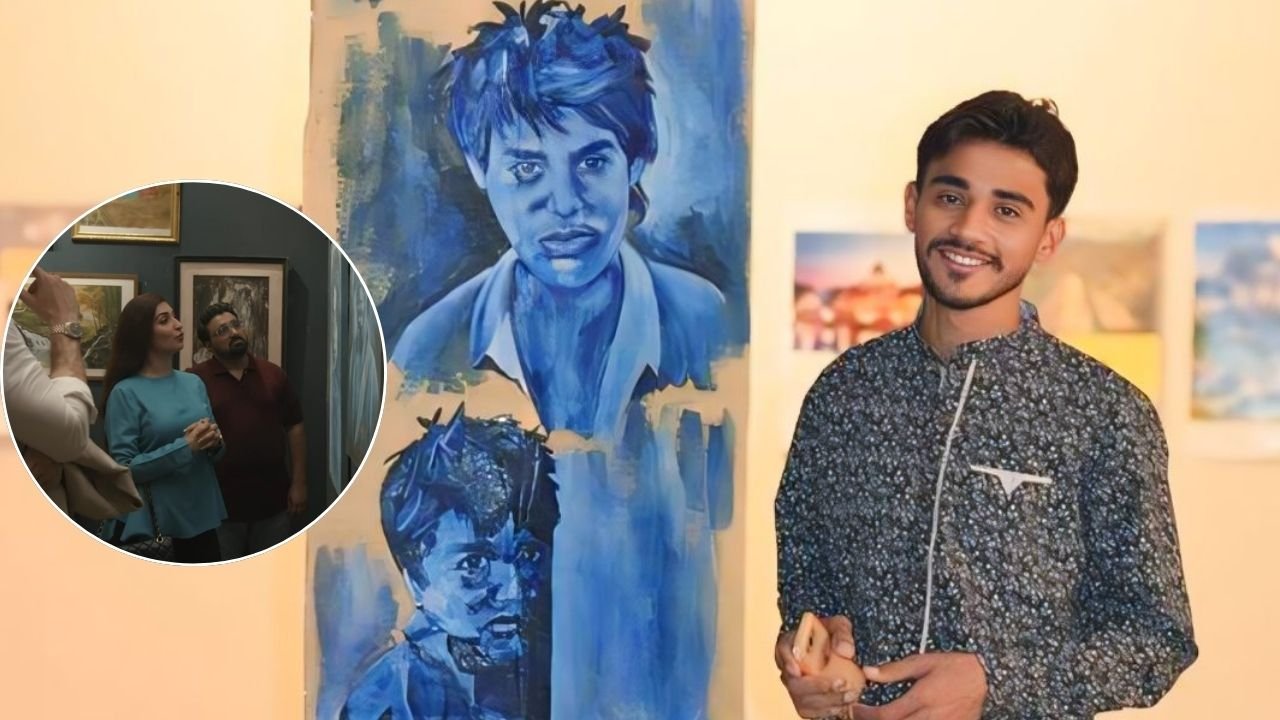
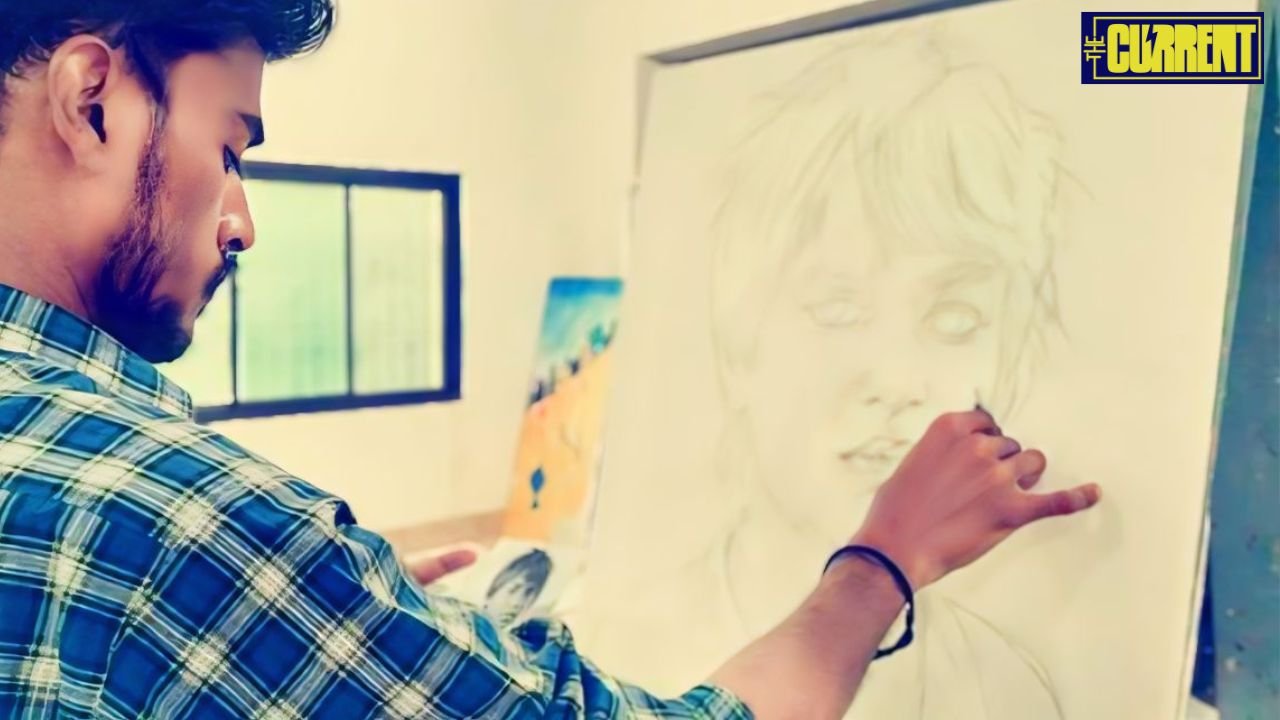
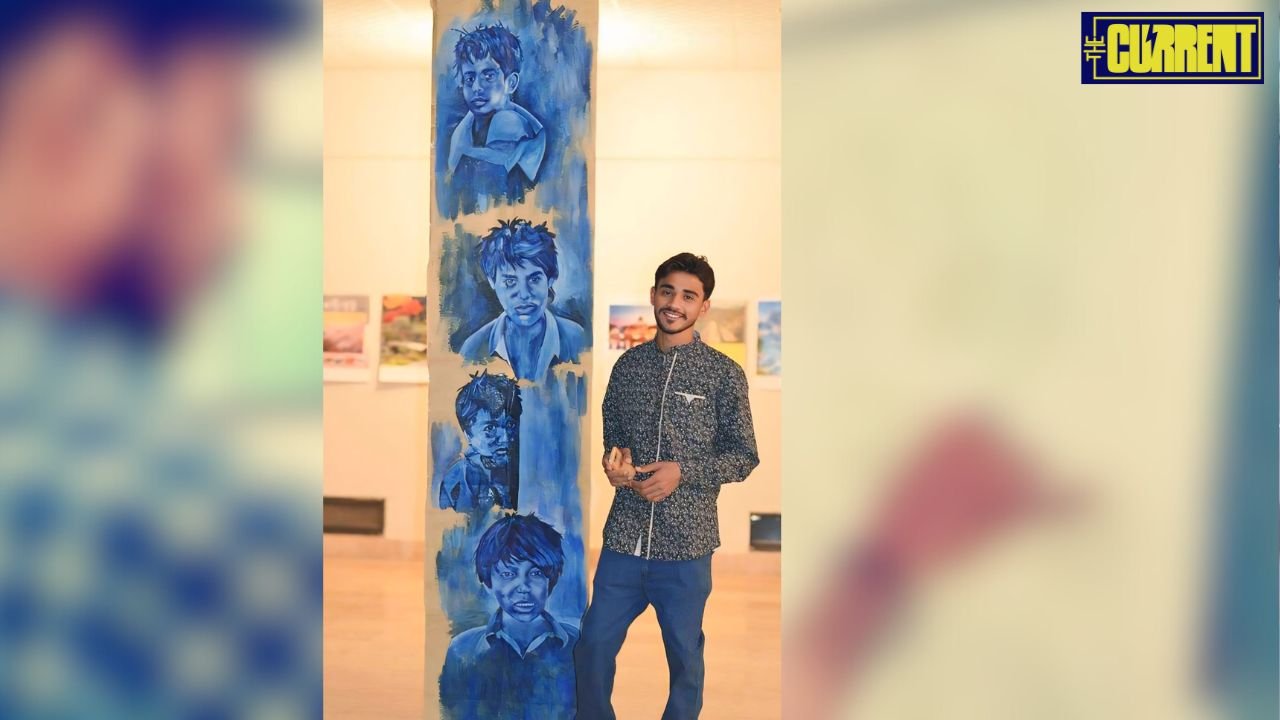
In an exclusive conversation with The Current, Safdar shared the story of his missing artwork. Graduating from the University of Sindh with a focus on fine arts, Safdar created 16 paintings for his thesis, all in blue monochrome, under the theme ‘Innocent Faces.’ These works were displayed at his university’s Benazir Art Gallery, after which he sought exhibitions in Karachi.
“After the display, I took my paintings to Karachi to explore the market. I had already participated in two or three local exhibitions while I was at the university. I saw an ad on Frere Hall’s social media inviting artists to submit their paintings for an exhibition. I submitted my paintings to their Sadeqain Art Gallery, and they made an entry in their book. I might have received a receipt, but I don’t have it anymore.”
Before bringing his paintings to Karachi, he had already showcased his work in a few university exhibitions.
Safdar submitted his paintings to Frere Hall, but to his dismay, he was informed that they had gone missing. Seven years later, in 2024, he was surprised to see his artwork featured in episode 17 of Kabhi Main Kabhi Tum.
“ I want to say that whoever’s paintings they are, they should get the credit. No third party should take credit for my work. I am the owner of those paintings, and I have proofs and my signature on them,” Soomro added.
The Current reached out to Big Bang Productions, who clarified that they had nothing to do with the paintings and only paid rent for the scene shot at Frere Hall. The problem now lies at Frere Hall’s doorsteps, with many questions still unanswered.
Safdar Ali Soomro, a talented artist from Daharki in Ghokti, Sindh, never imagined that his paintings would be featured in the smash hit drama Kabhi Mein Kabhi Tum.
The trending serial has captured the hearts of viewers both in Pakistan and abroad, with its characters and storyline receiving widespread praise.
However, an unexpected twist occurred when artist Safdar Ali Soomro recognized his lost paintings hanging in the background in one of the episodes.
In an exclusive conversation with The Current, Safdar shared the story of his missing artwork. Graduating from the University of Sindh with a focus on fine arts, Safdar created 16 paintings for his thesis, all in blue monochrome, under the theme ‘Innocent Faces.’ These works were displayed at his university’s Benazir Art Gallery, after which he sought exhibitions in Karachi.
“After the display, I took my paintings to Karachi to explore the market. I had already participated in two or three local exhibitions while I was at the university. I saw an ad on Frere Hall’s social media inviting artists to submit their paintings for an exhibition. I submitted my paintings to their Sadeqain Art Gallery, and they made an entry in their book. I might have received a receipt, but I don’t have it anymore.”
Before bringing his paintings to Karachi, he had already showcased his work in a few university exhibitions.
Safdar submitted his paintings to Frere Hall, but to his dismay, he was informed that they had gone missing. Seven years later, in 2024, he was surprised to see his artwork featured in episode 17 of Kabhi Main Kabhi Tum.
“ I want to say that whoever’s paintings they are, they should get the credit. No third party should take credit for my work. I am the owner of those paintings, and I have proofs and my signature on them,” Soomro added.
The Current reached out to Big Bang Productions, who clarified that they had nothing to do with the paintings and only paid rent for the scene shot at Frere Hall. The problem now lies at Frere Hall’s doorsteps, with many questions still unanswered.
Karachi traffic police have extracted Rs1.2 billion from citizens as fines over different traffic violations during the past one year, official data reveals.
3.5 million worth of tickets issued per day
Over the past year, from July 1, 2023, to the end of July 2024, over two million Karachiites were issued tickets, and the total fine stood at Rs1,294,886,450—which is around Rs3.5 million per day.
Fines of 100 million are yet to be paid
Of the total Rs1.2bn fine amount, citizens have paid Rs1.19bn, while 114,142 traffic rule violators have yet to pay over Rs100m in fines.
This year alone, from January to July, traffic police issued 992,576 challans, which amount to Rs699,813,650 (over Rs699m).
While incumbent Sindh Inspector General of Police Ghulam Nabi Memon have time and again made it clear that the traffic police were not a revenue-generating agency, the huge number of fines and challan amount shows that this might not be the case as traffic police is entitled to 30 per cent of the challan’s total amount and the remaining 70 percent goes to the provincial government. This means the traffic cops could get a Rs360m share from the Rs1.2bn amount.
On the contrary, DIG-Traffic Ahmed Nawaz Cheema said that the traffic police had not been paid their “due amount” for the past four to five years.
“Of the 30 percent amount, 15 percent is for [cash] rewards for traffic police officers, while the remaining amount is for the procurement of equipment,” he said.
He said that it was a clear policy of the IGP-Sindh and Karachi police chief Javed Odho that the traffic police should mainly issue challans for moving traffic violations like wrong-way, one-way driving, violation of traffic lights, vehicles without number plates, etc.
He claimed that, after the IGP’s direction, the traffic challan rate had dropped to one-third of what it was before his fresh stint.
District-wise details
District East tops the chart with a fine amounting to Rs240,260,100 (over Rs240m) against 357,374 tickets, followed by District West with a fine worth Rs224,790,700 (over Rs224m) against 309,170 tickets and District Malir Rs207,635,350 (over Rs207m) against 317,310 tickets.
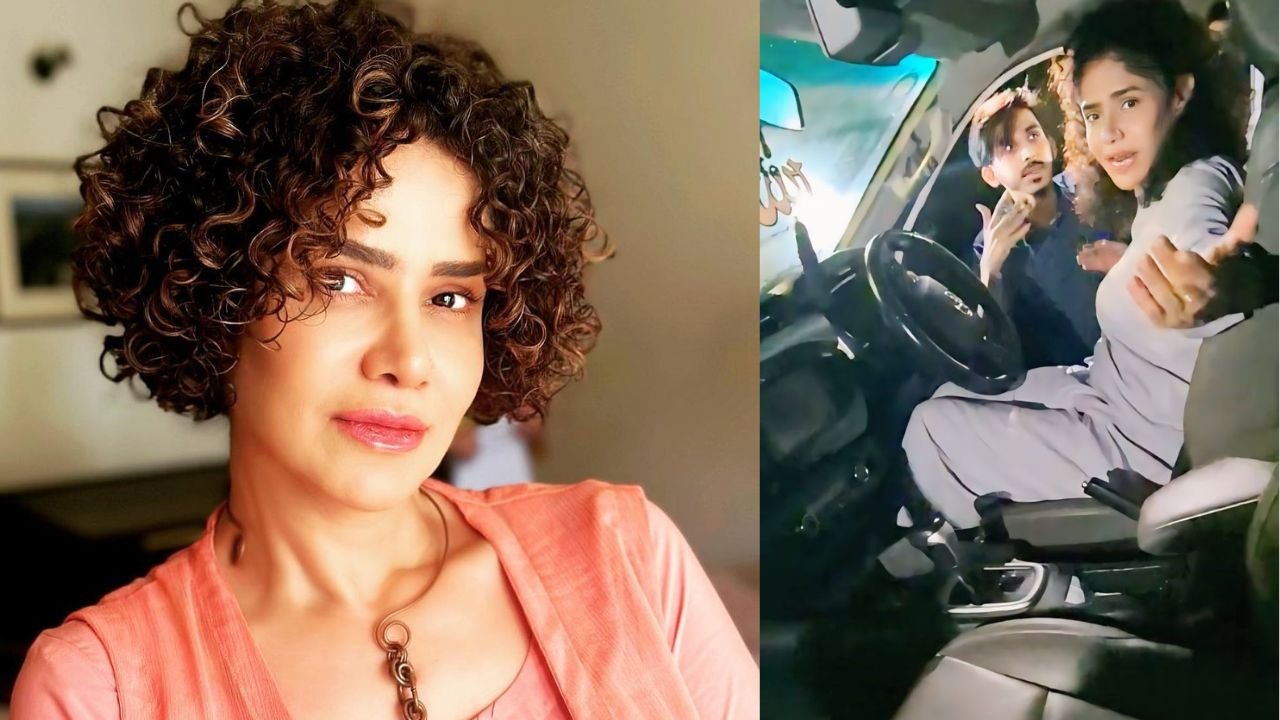
Known for her captivating appearances in several dramas, actress, director, and producer Angeline Malik recently found herself in a difficult situation after a car accident in Karachi. A video of Angelina Malik has gone viral on social media where a crowd can be seen surrounding Malik and her car.
In the video, Angeline Malik can be seen saying, “I’m not running away, give me my phone, I want to call someone.” There was no loss of life in the accident, however, Angeline’s car did crash into other vehicles after the video went viral.
Here is the video:
The incident took place at Seaview on August 28 and went viral on social media, prompting the police to issue a clarification on Friday that the matter was resolved amicably between the actor and the complainant.
On Wednesday night, while the actress was driving her double cabin car on Seaview Road close to Nishan-i-Pakistan, when a tyre burst, says South DIG Syed Asad Raza.
According to the police office, authorities arrived quickly and took control of the situation. He claimed that after both sides were taken to the Darakshan police station, they came to an amicable agreement and the issue was settled.
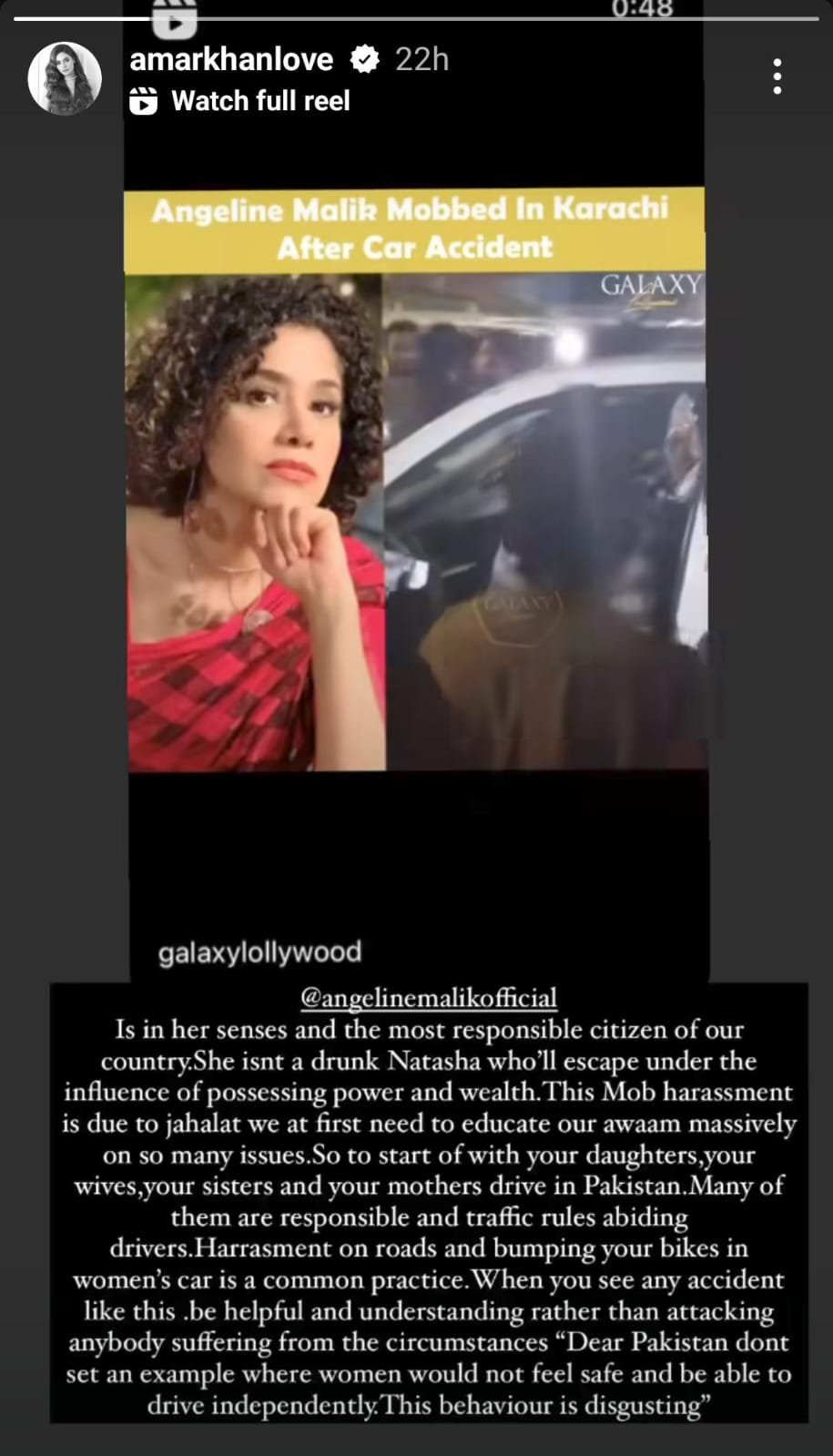
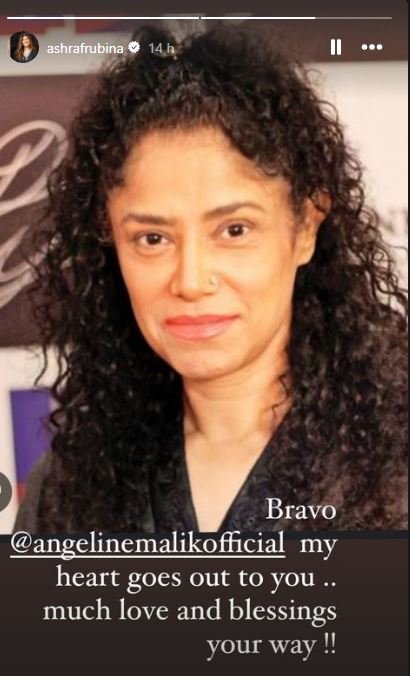
Some colleagues of Angelina Malik from the entertainment industry also spoke in her favour and shared their views on Instagram. Actresses Amar Khan, Ghana Ali, Ayesha Omer, and Rubina Ashraf posted stories on their Instagrams to show their support.
Makeup artist and actor Waqar Hussain shared his concerns about the industry in a recent interview. Waqar, who has worked for years with the leading celebrities of TV and film, appeared as a guest on Fahad Den’s YouTube channel.
The host asked, “You’ve practically worked with everyone in the industry. How difficult is it for celebrities to understand that there are limits? That they need to work a certain way and that creative freedom isn’t always given by the agency. Do they understand this, or do they tend to set their own boundaries?”
Waqar Hussain replied, “Let me tell you, back in the day, the celebrities we had like Meera, Reema, and Resham, and our drama stars like Saniya aapa so many of them we worked with. Never did any artist tell us, This is all you can do today, or you can’t do more than this.”
Waqar Hussain also talked about the current situation in the entertainment industry.
“Unfortunately, now, with the current celebrities, many have their favorite teams they prefer to work with, and that is fine. But I think that unless you do work with different people, you don’t grow. I can just say that I’m not the makeup artist for any star. I’m a makeup artist, and I want to do makeup for everyone. For me, every face is equally precious, whether it’s a junior artist, a senior artist, or a star. I do the work of every face which I can do. I have a lot of passion for my work, and it should be that whenever I apply makeup on someone’s face, the result should be so beautiful.”
He went on to say, “Unfortunately, I do have some concerns. Quite often we compromise, and what happens is that everybody has their own favorites. The senior makeup artists tend to get overlooked, and unfortunately, this is the truth here. Some of the senior makeup artists who were quite famous are not working at all in the industry; they’ve started their own salons.”
Waqar Hussain also worked in the drama Quddusi Sahab Ki Bewah, in which he played the character of Wadood Ahmed. Currently he is running his own salon in Karachi.
Amar Khan, the talented actress known for her versatility and bold characters, shared a scary and experience she went through.
Appearing on After Hours with Ushna Shah, Amar was asked, “Do you have any old ghost stories to share?
Amar indeed had one. “We were shooting at a haveli, or mansion, close to Malir Cantt on the outskirts of Karachi. It was a stunning white haveli with a lot of greenery all around it. There, we shot a few scenes for Bela Pur Ki Dayan. I want to give you a complete visual description of the place. I had to shoot a scene on the roof at 2:00 am in the morning. I was walking barefoot on a stormy and dark night. My hair was blowing in the wind as I was hanging from a cable on the roof. Because I was playing a supernatural character, I didn’t rehearse the scene beforehand. I noticed about twenty dogs running towards the haveli from the road outside as soon as we started shooting.”
The strange vibes on set made her uneasy.
“I stopped the scene and told the team I couldn’t continue because I felt like the dogs were seeing something I couldn’t. It was a really weird feeling. I think the place is haunted. There are graves in the lawn, and I used to recite Ayatul Kursi and all four Qul whenever I entered the haveli,” the Dum Mastam actress added.
As a warning to others, Amar said, “Next time you are going to shoot at that spot, you must extra careful.”