Tag: Karachi Port Trust

  • UAE-based company to oversee operations and development of Karachi Gateway Terminal for 50 years

    UAE-based company to oversee operations and development of Karachi Gateway Terminal for 50 years

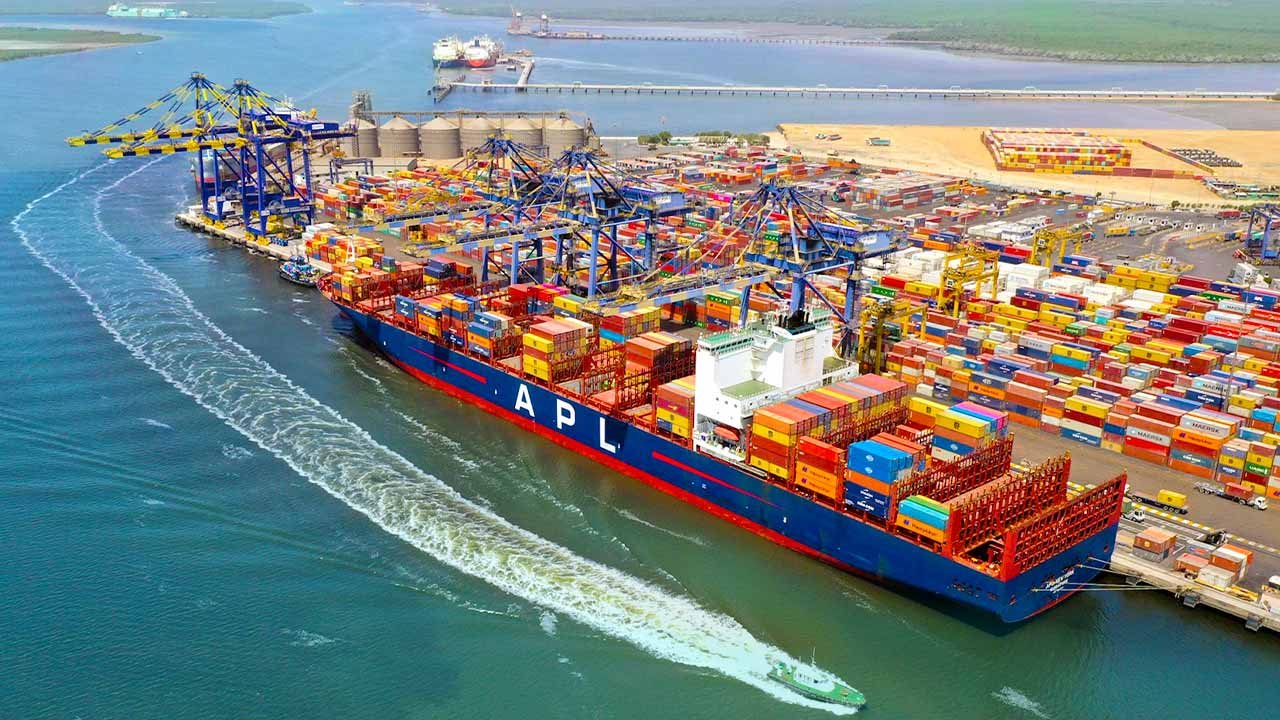
    The AD Ports Group, based in the United Arab Emirates (UAE), has entered into a 50-year concession agreement with the Karachi Port Trust (KPT) to manage and develop the Karachi Gateway Terminal Limited (KGTL).

    The group will invest $220 million in infrastructure development over the first 10 years of the agreement. This agreement is particularly significant as Pakistan seeks external financing to support its struggling economy.

    According to the terms of the agreement, a joint venture has been established between AD Ports Group and Kaheel Terminals, a UAE-based company, with AD Ports Group as the majority shareholder. The joint venture will oversee the management, operation, and development of the KGTL, specifically berths 6-9 at Karachi Port’s East Wharf.

    The infrastructure investment will focus on deepening berths, extending quay walls, and expanding the container storage area. These enhancements will enable the terminal to accommodate larger vessels and increase its annual container capacity from 750,000 to 1 million TEUs.

    Captain Mohamed Juma Al Shamisi, the Managing Director and Group CEO of AD Ports Group, expressed enthusiasm about the concession agreement, stating that it aligns with the group’s strategy of investing in strategic maritime trade routes. He believes that this agreement has the potential to bolster the economies of both the UAE and Pakistan, foster stronger relationships with key trading partners, and drive economic growth and prosperity.

    The terminal’s operations are denominated in US dollars, minimising exposure to fluctuations in the Pakistani rupee. The terminal has historically generated revenues of approximately $55 million and an annual EBIDTA of around $30 million.

    The UAE and Pakistan have a robust trade relationship, with the UAE serving as Pakistan’s leading regional trading partner in 2021. Bilateral trade between the two countries accounted for over 40 per cent of Pakistan’s trade with Arab nations. In 2022, non-oil exports from the UAE to Pakistan amounted to nearly AED 4.8 billion ($1.3 billion), while re-exports from the UAE to Pakistan reached AED 10.6 billion (US$2.9 billion), demonstrating a 7.7 per cent growth compared to 2021.

    According to Geo, the agreement between AD Ports Group and KPT has been hailed as a significant milestone by Syed Syedain Raza Zaidi, Chairman of Karachi Port Trust. Zaidi believes that this collaboration will pave the way for a thriving container terminal, driving efficiency, attracting investment, and stimulating economic development in Karachi.
  • Government mulling handing over Karachi Ports to UAE

    Government mulling handing over Karachi Ports to UAE

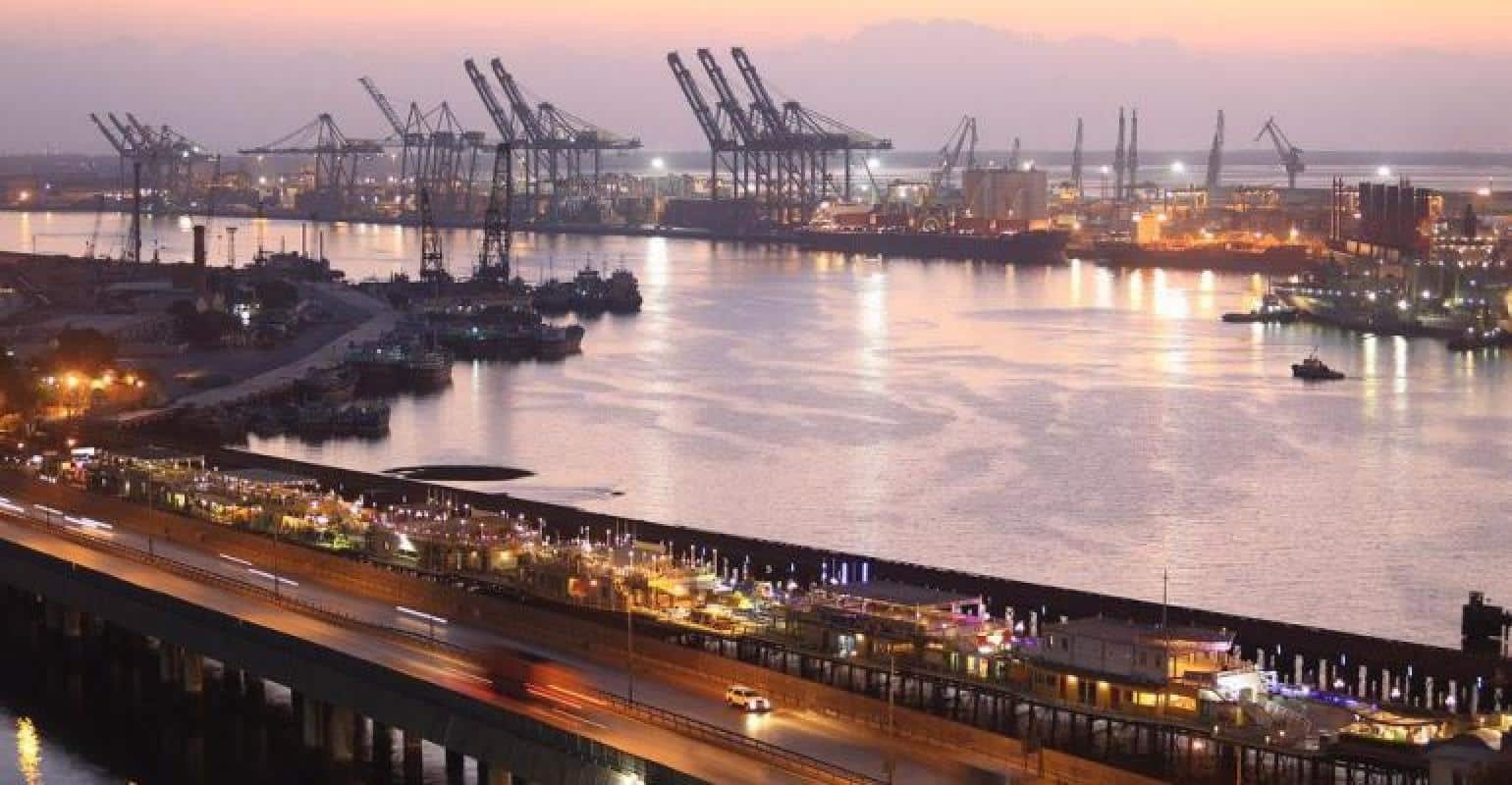
    In a last-ditch attempt to raise much needed foreign exchange, Pakistan’s government is planning to finalise a deal to hand over Karachi’s port terminals to the United Arab Emirates (UAE).

    This move may constitute the first intergovernmental transaction under the Intergovernmental Commercial Transactions Act, a law which was enacted last year in 2022. This law is aimed at selling state assets on a fast-track basis to raise funds.

    Last year, Pakistan’s coalition government created the effective-immediately bill to raise emergency funds.

    Finance Minister Ishaq Dar chaired the meeting of the Cabinet Committee on Inter-Governmental Commercial Transactions on Monday. A decision was made to set up a committee that would negotiate a commercial agreement between the Karachi Port Trust (KPT) and the UAE government, as reported by The Express Tribune.

    The negotiation committee constituted to finalise a framework agreement will be headed by the Minister for Maritime Affairs, Faisal Sabzwari. Committee members include the additional secretaries of Finance and Foreign Affairs, the special assistant to PM Jehanzeb Khan, the Chairman of the Karachi Port Terminal (KPT), and the general managers of the KPT.

    The UAE government had shown interest in acquiring the Karachi port terminals that were under the administrative control of Pakistan International Containers Terminals (PICT) last year. However, for now, PICT will maintain operational control over the ports.

    The Ministry of Maritime Affairs (MoMa) released the following statement, as reported by Dawn: “KPT was of the view that they couldn’t operate the terminal due to lack of time and resources and interface with the clients/shipping lines and the timeframe for bidding had lapsed and the events have created an unforeseeable situation where the time limits laid down for open or other methods of procurement cannot be met.”

    The MoMA said and went on to report that “the (KPT) has, therefore, recommended that in the given circumstance only PICT is in a position to provide management services to keep the terminal operational”.

    According to The Express Tribune, sources indicate that the government needs to be extra careful when finalising a deal with the UAE, considering it is the first transaction of its kind and the outgoing operator is posing some challenges.

    Pakistan’s IMF loan of $6.5 billion was signed in 2019 and is set to terminate on June 30. Its termination date drawing closer has sent panic through the Pakistani government. Already suffering one of the worst economic crises Pakistan has faced, the threat of the country defaulting looms ominously near.

    Prime Minister Shehbaz Sharif held a meeting with the ambassadors the United States, the United Kingdom, France, Germany, the European Union, Japan, China, Saudi Arabia, Qatar and the United Arab Emirates. Sharif wants to rouse support for the revival of Pakistan’s stalled deal with the IMF.

    The prime minister stressed that the government was keen to get at least the $ 1.2 billion IMF loan tranche out of the remaining $2.6 billion, which is attached with the completion of the pending 9th review of the program, according to sources at The Week.