Tag: Karachi Wholesale Grocers Association

  • Karachi wholesale grocers announce market shutdown in protest against alleged illegal raids, fines

    Karachi wholesale grocers announce market shutdown in protest against alleged illegal raids, fines

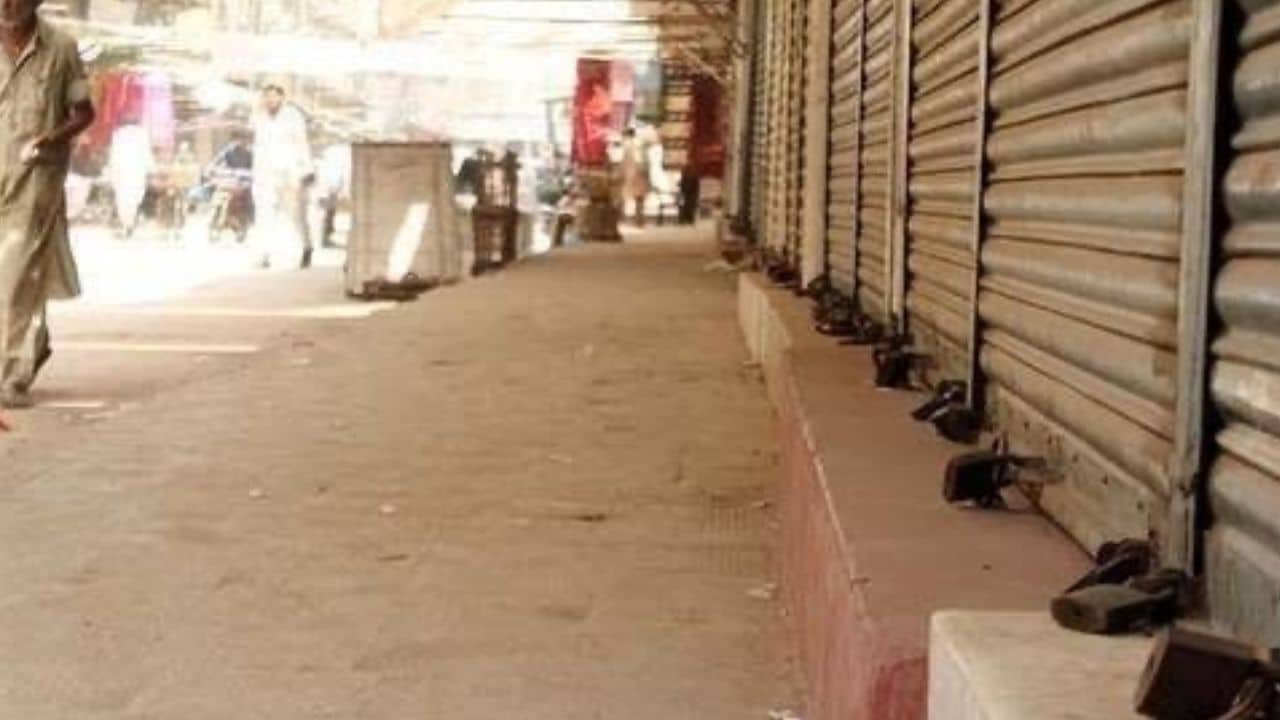
    Wholesalers in Karachi are set to stage a market shutdown on Monday in protest of what they consider unlawful raids and penalties imposed by the district administration in an effort to combat hoarding.

    According to ARY News, Rauf Ibrahim, the Chairman of the Karachi Wholesale Grocers Association (KWGA), held a press conference today, expressing concern that the district administration’s actions have created fear among traders due to shop and go-down closures. 

    He cautioned that they would cease operations at wholesale markets on Monday unless the district administration unseals these establishments. He said if these unjust raids and fines persist, we will suspend commodity markets on Monday.

    Ibrahim alleged that the district administration is sealing shops and go-downs under the pretext of cracking down on hoarding. He cited an instance where a shop owner in Joria Bazar was fined Rs30,000 for storing just two sacks of sugar.

    He criticised the categorisation of wholesalers with 100 to 500 sacks of sugar as hoarders and stressed that traders are willing to cooperate with authorities during hoarding crackdowns.

    Ibrahim urged the administration to take decisive action against genuine hoarders.

    To combat hoarding, federal and provincial governments have initiated operations in various cities, including Lahore, Rawalpindi, Islamabad, Faisalabad, Peshawar, Quetta, and Dera Ismail Khan, resulting in the confiscation of illegally stockpiled sugar.

    Meanwhile, a spokesperson for the Utility Stores Corporation (USC) assured that there is an ample supply of sugar available at controlled prices nationwide.
  • Commercial importers forced to suspend food and drink imports due to dollar shortage

    Commercial importers forced to suspend food and drink imports due to dollar shortage

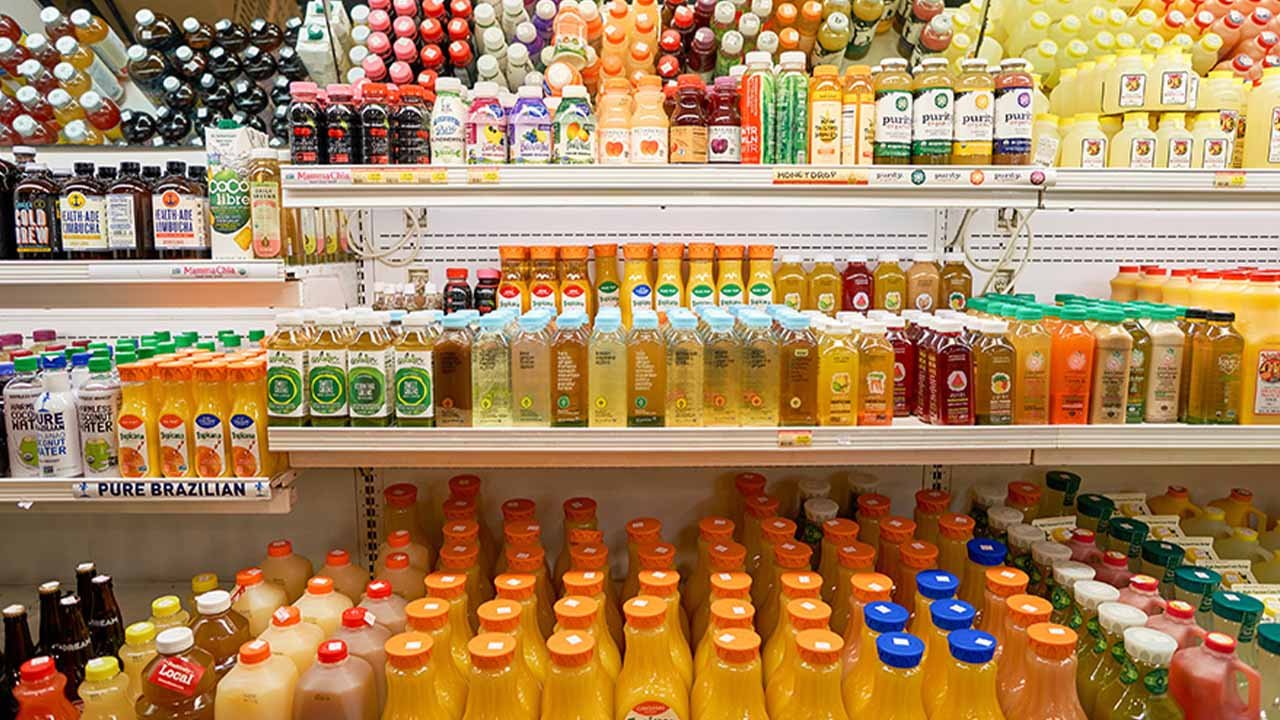
    In a significant development impacting the country’s economy, commercial importers in Pakistan have announced their decision to suspend the import of all eatables and beverages starting from June 25. The move comes as a result of the unavailability of dollars, with banks refusing to provide the necessary foreign currency to importers.

    The decision was taken following a comprehensive discussion among members of the Karachi Wholesale Grocers Association, represented by Secretary Farhat Siddique. In a statement issued by the association, it was revealed that all importers have been instructed to inform their indenters not to dispatch any shipments after June 25. Importers will only be responsible for the clearance of goods that have either arrived at the port or are en route. No shipments dispatched after June 25 will be cleared for entry.

    According to Geo, one of the major concerns highlighted by the association is the mounting number of containers stranded at the port due to the lack of foreign currency. Importers are currently facing fines and other charges as a result. The statement further criticised the State Bank of Pakistan (SBP) for its failure to provide the much-needed foreign exchange, citing its policies as detrimental to the country’s economy.

    This recent development comes at a time when the coalition government is grappling with a balance of payments crisis and striving to combat soaring inflation, which reached a record high of nearly 38 per cent last month. With foreign exchange reserves barely enough to cover a month’s worth of imports, the situation has prompted restrictions on imports and delays in opening letters of credit, severely impacting various sectors across the country. As a result, none of these sectors have been able to meet the growth targets set for the fiscal year 2022-23.

    The implications of the shortage of dollars and the subsequent halt in food and beverage imports are far-reaching, potentially affecting the availability and affordability of essential commodities for consumers. The government and relevant authorities will need to address the foreign currency shortage promptly and implement measures to stabilise the economy, restore confidence, and mitigate the impact on businesses and consumers alike.

    As the situation unfolds, stakeholders and policymakers will be closely monitoring the developments and seeking viable solutions to tackle the ongoing challenges faced by the country’s economy.