Tag: Kashmir

  • One lawmaker opposed the resolution on Kashmir

    One lawmaker opposed the resolution on Kashmir

    The Youm-I-Istehsaal-i-Kashmir Day Resolution, presented by Safron and Kashmir Affairs minister Amir Maqam in the national assembly, was unanimously supported, demonstrating strong unity in the cause of Kashmir except for one lawmaker, Chief of the Pakhtunkhwa Milli Awami Party (PKMAP) Mahmood Khan Achakzai.

    The Member National Assembly opposed the resolution, arguing that the draft should be amended before being passed by parliament.

    In a hard-hitting speech, he said, ‘‘We should ask the Kashmiris which country they want to join’’.

    The resolution demanded India release political prisoners, stop the ongoing violation of human rights, provide humanitarian aid, and sincerely implement the relevant resolution of the United Security Council so that Kashmiri people can determine their future through the democratic process of a fair and partial plebiscite under the define guidance of the United Nations.

    In response, after being called ‘havaldar’ by the achakzai, the speaker elaborated that he was proud of being called a havaldar as he is the country’s frontline soldier.

  • Modi leads yoga day event in Indian-occupied Kashmir

    Modi leads yoga day event in Indian-occupied Kashmir

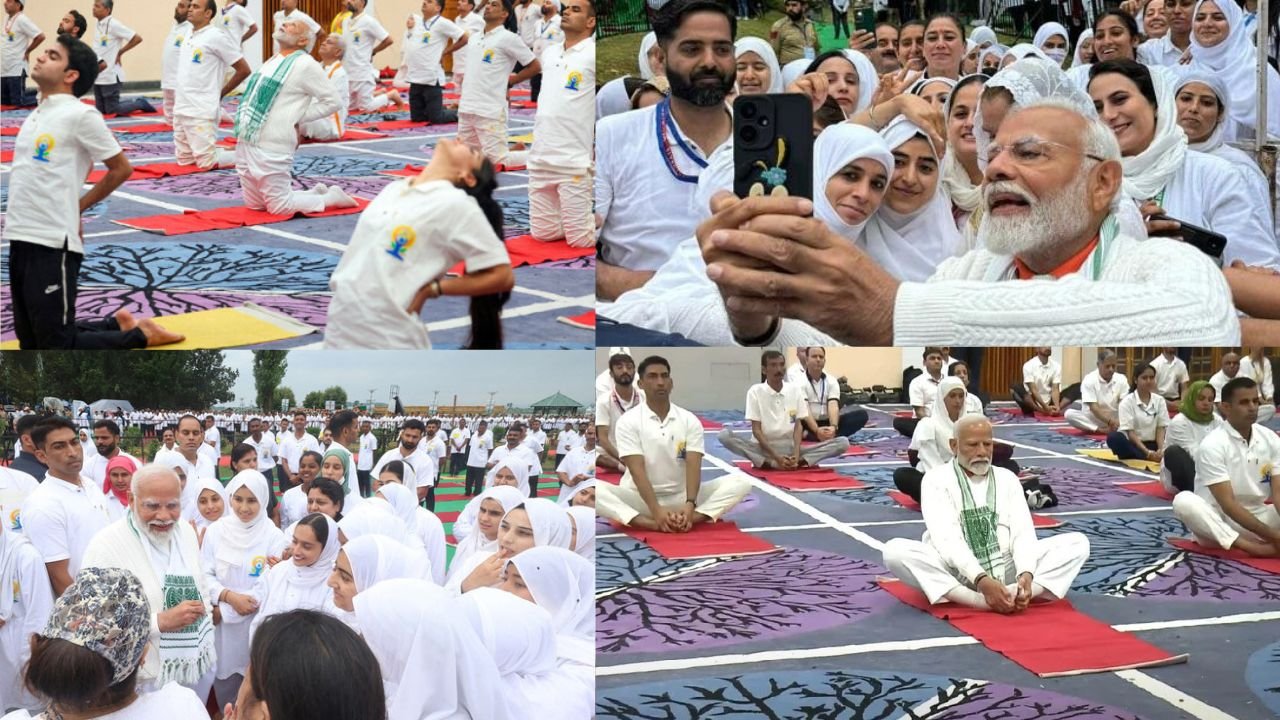
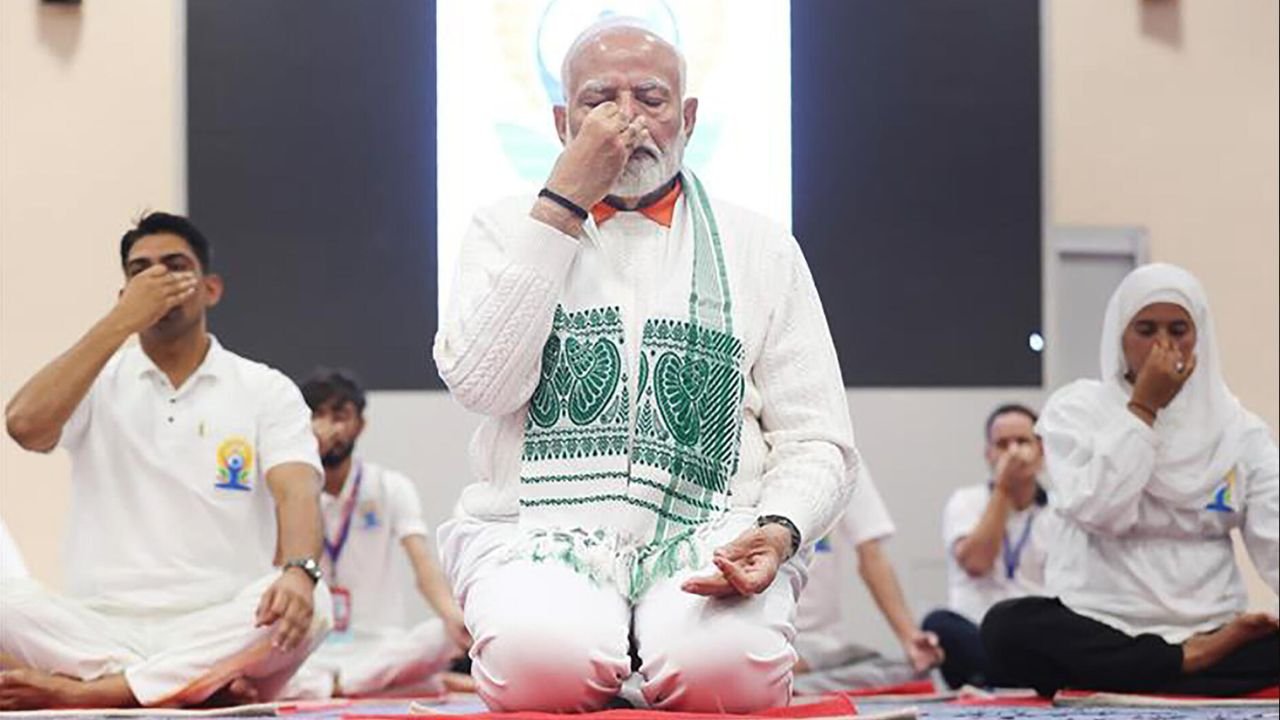
    Stretching, arching his back and kneeling on a mat, India’s Hindu nationalist Prime Minister Narendra Modi led hundreds of people performing yoga in India-held Kashmir on Friday.

    The exercises in Srinagar marked the 10th International Yoga Day, Modi’s own brainchild.

    But while yoga is not itself a religious practice, it has its origins in Hindu philosophy — the god Shiva is said to have been the first yogi — and many Kashmiris are indifferent to the discipline.

    Thousands of government employees, schoolteachers and students from all over the region were brought in for the event, although rain forced Modi’s performance indoors.

    Afterwards, he urged hundreds of people including many police and armed forces personnel on the shores of Dal Lake to make yoga “a part of their daily lives”.

    “Yoga fosters strength, good health and wellness,” he said.

    But one Srinagar resident saw the event as a cultural intrusion.

    “This yoga is being imposed on our children to culturally change the next generations and control their minds,” they told AFP, declining to be identified for fear of reprisal.

    “It’s an imposition on us.”

    Modi’s visit comes after a series of attacks, including one where nine people were killed and 33 injured when a bus carrying Hindu pilgrims plunged into a deep gorge after a suspected attack.

    June 21 was declared International Yoga Day a decade ago and Modi has since led events at emblematic locations across India, and last year at the UN headquarters in New York.

  • Past military leadership considered surrendering Kashmir and missile Program, mulled recognizing Israel: Mushahid Hussain

    Past military leadership considered surrendering Kashmir and missile Program, mulled recognizing Israel: Mushahid Hussain

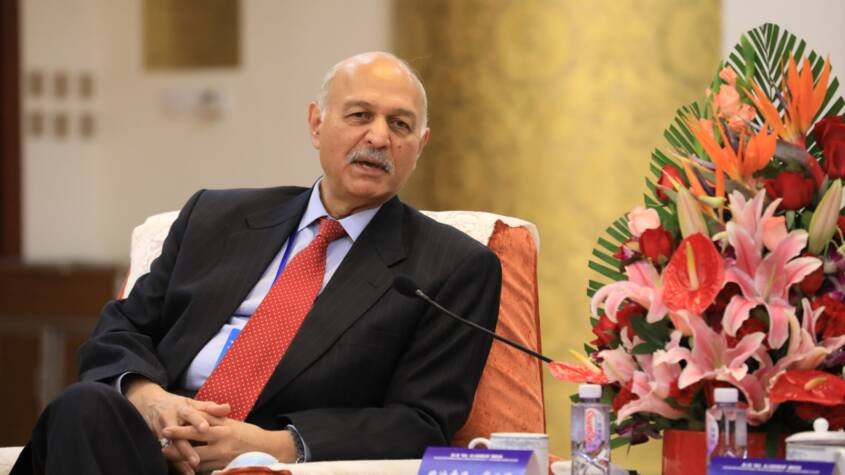
    Mushahid Hussain Syed, a veteran politician and serving senator from Pakistan Muslim League-Nawaz (PML-N), recently appeared on a talk show at 92 News channel and alleged that past military high command “was willing to compromise on Pakistan’s missile program, give up Kashmir along with recognition of Israel.”

    When he was asked by the journalist Irshad Ahmad Arif whether relations between Pakistan and China are well, the senator said, “No, because Pakistan’s previous military establishment sent mixed signals despite Chinese support at every international forum, it was playing a double game with China and the US.”

    Hussain stated that the US had clearly given out a statement in its national security strategy in 2022 that India was its strategic partner in this region and China was its enemy.

    According to the senator, “If they [US] consider the Chinese their enemy then how could we play a double game with China despite their consistent support throughout our history?”

    The PML-N leader said that the Chinese are not “children” and they know what Pakistan did to them.

  • AJK’s ex PM Sardar Tanveer Ilyas arrested

    AJK’s ex PM Sardar Tanveer Ilyas arrested

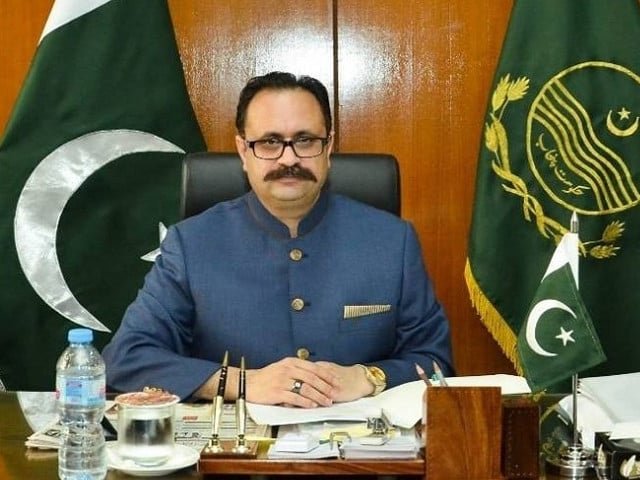
    Former Prime Minister of Azad Jammu and Kashmir (AJK) Sardar Tanveer Ilyas was arrested by the Islamabad police on Sunday night.

    The arrest came about in connection with an FIR lodged by a member of the former premier’s family for “forceful entry and firing in [the] family property”.

    According to the FIR, Mr Ilyas, Aneel Sultan, Muhammad Ali and 25 others broke into the office of Pak Gulf Construction company situated in Centaurus Mall.

    Mr Ilyas was shifted to the Margalla Police Station. His spokesperson said police jumped the walls of the former PM’s house to arrest him.

    An Islamabad police spokesperson said all formalities were fulfilled before making the arrest.

  • India vote resumes with Indian-occupied Kashmir poised to oppose Modi

    India vote resumes with Indian-occupied Kashmir poised to oppose Modi

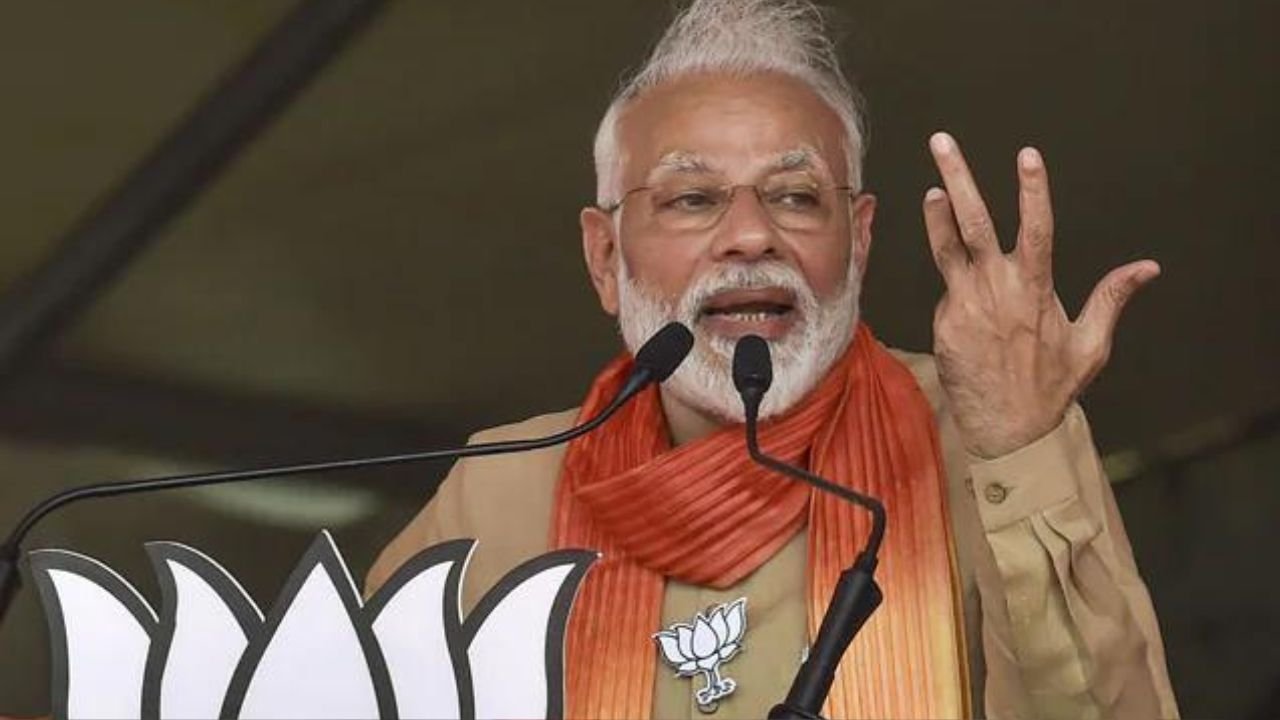
    India’s six-week election resumed Monday including in Indian-occupied Kashmir, where voters were expected to show their discontent with Prime Minister Narendra Modi’s cancellation of their disputed territory’s semi-autonomy and the security crackdown that followed.

    Modi remains popular across much of India and his Hindu-nationalist Bharatiya Janata Party (BJP) is widely expected to win the poll when it concludes early next month.

    But his government’s decision in 2019 to bring IOK under its direct rule — and the subsequent clampdown — have been deeply resented among the region’s residents, who will be voting for the first time since the move.

    “What we’re telling voters now is that you have to make your voice heard,” said former chief minister Omar Abdullah, whose National Conference party is campaigning for the restoration of IOK’s former semi-autonomy.

    “The point of view that we want people to send out is that what happened… is not acceptable to them,” he told AFP.

    IOK has been divided between India and Pakistan since their independence in 1947. Both claim it in full and have fought two wars over control of the Himalayan region.

    Rebel groups opposed to Indian rule have waged an insurgency since 1989 on the side of the frontier controlled by New Delhi, demanding either independence or a merger with Pakistan.

    India accuses Pakistan of backing the insurgents, a charge that Islamabad denies.

    The conflict has killed tens of thousands of soldiers, rebels and civilians in the decades since, including a spate of firefights between suspected rebels and security forces in the past month.

    ‘Referendum’

    Violence has dwindled since the Indian portion of the territory was brought under direct rule five years ago, a move that saw the mass arrest of local political leaders and a months-long telecommunications blackout to forestall expected protests.

    Modi’s government says its cancelling of IOK’s special status has brought “peace and development”, and it has consistently claimed the move was supported by Kashmiris.

    But his party has not fielded any candidates in the IOK valley for the first time since 1996, and experts say the BJP would have been roundly defeated if it had.

    “They would lose, simple as that,” political analyst and historian Sidiq Wahid told AFP last week, adding that Kashmiris saw the vote as a “referendum” on Modi’s policies.

    The BJP has appealed to voters to instead support smaller and newly created parties that have publicly aligned with Modi’s policies.

    But voters are expected to back one of two established IOK political parties calling for the Modi government’s changes to be reversed.

    “I voted for changing the current government. It must happen for our children to have a good future,” civil servant Habibullah Parray told AFP.

    “Everywhere you go in Kashmir today you find people from outside in charge. Everyone wants that to change.”

    In rural districts outside Srinagar, the region’s biggest city, army soldiers patrolled roads in convoys of bulletproof vehicles.

    Several polling booths around the constituency had more than two dozen paramilitary troops guarding voter queues.

    Boycotts called by rebel groups left few Kashmiris willing to participate in past elections, with just over 14 percent of eligible voters in Srinagar casting a ballot during the last national poll in 2019.

    By mid-afternoon on Monday nearly 30 percent of people in the constituency had voted, with booths still open for several more hours.

    Nearly one billion voters

    India’s election is conducted in seven phases over six weeks to ease the immense logistical burden of staging the democratic exercise in the world’s most populous country.

    More than 968 million people are eligible to vote in India’s election, with the final round of polling on June 1 and results expected three days later.

    Voter turnout elsewhere in India has so far declined significantly from 2019, according to election commission figures.

    Analysts have blamed widespread expectations that Modi will easily win a third term and hotter-than-average temperatures heading into the summer.

    India’s weather bureau has forecast more hot spells in May and the election commission formed a taskforce last month to review the impact of heat and humidity before each round of voting.

  • Are you ready for Bajrangi Bhaijaan 2?

    Are you ready for Bajrangi Bhaijaan 2?

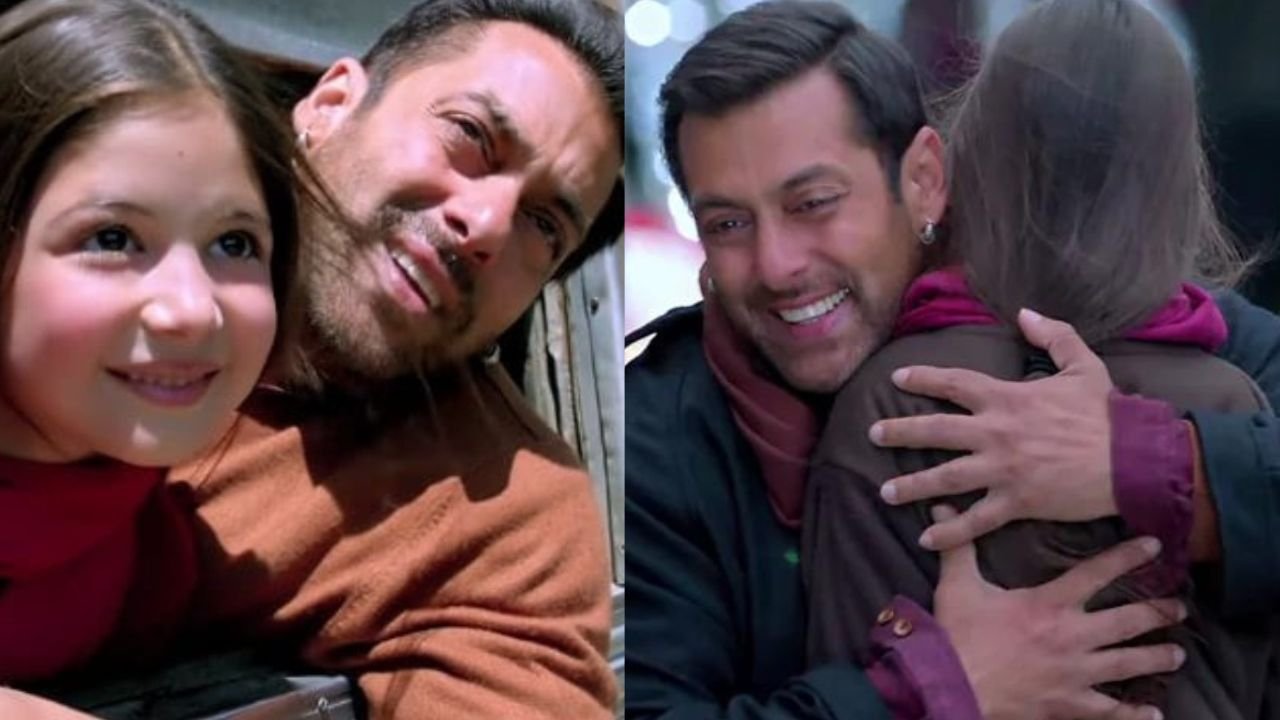
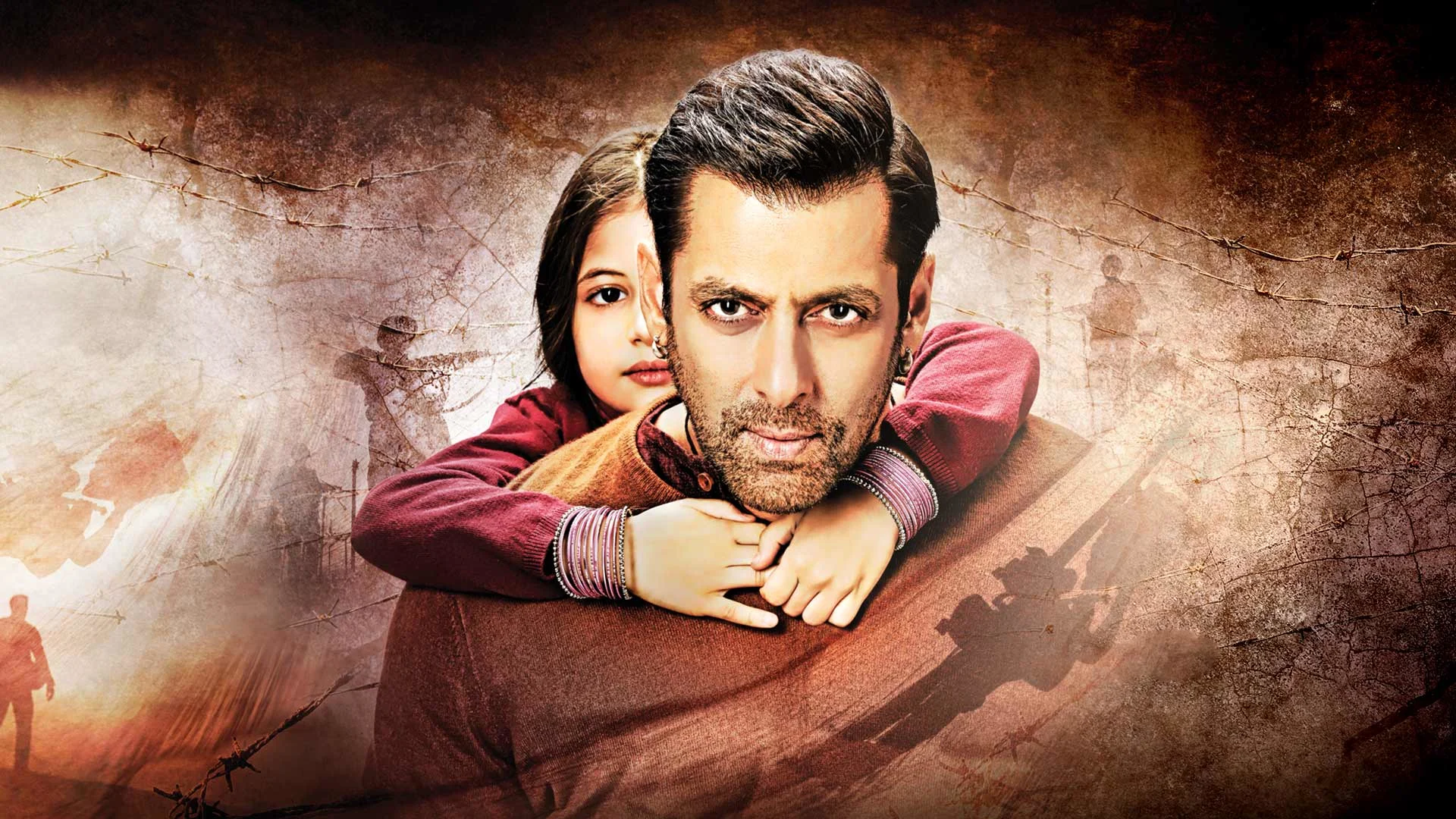
    The script is ready and Producer Radha Mohan has confirmed that it is ready to be presented to Bollywood’s Salman Khan.

    Mohan is currently in Hyderabad promoting Ayush Sharma’s upcoming film, ‘Ruslaan’.
    He said, “Scriptwiter Vijayendra Prasad has written two stories for me, including ‘Vikram Rokkudu 2’, the sequel to ‘Rowdy Rathore’ in Hindi. The story is complete, and now we are searching for a good cast.”
    However, it is uncertain if Akshay Kumar will take part in the sequel of Rowdy Rathore.

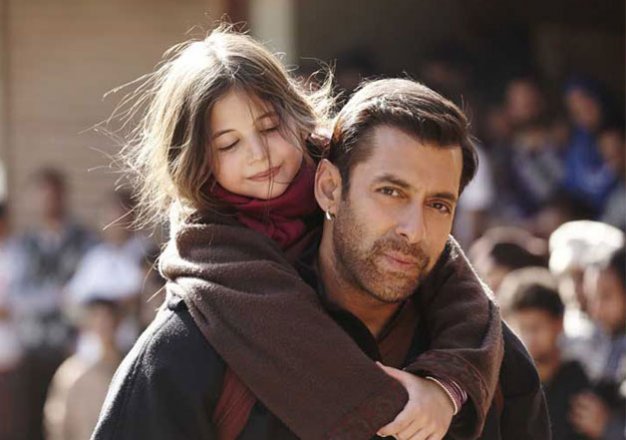
    Bajrani Bhaijaan was released in 2015 and starred Salman Khan and Kareena Kapoor.

    The movie is about a man who helps a girl return to Pakistan. Pawan Kumar Chaturvedi, a devotee of the Hindu deity Hanuman, embarks on a journey to take a mute six-year-old Pakistani Muslim girl, Shahida, separated in India from her mother, back to her hometown.

  • Pakistan to review trade ties with India, says FM Dar

    Pakistan to review trade ties with India, says FM Dar

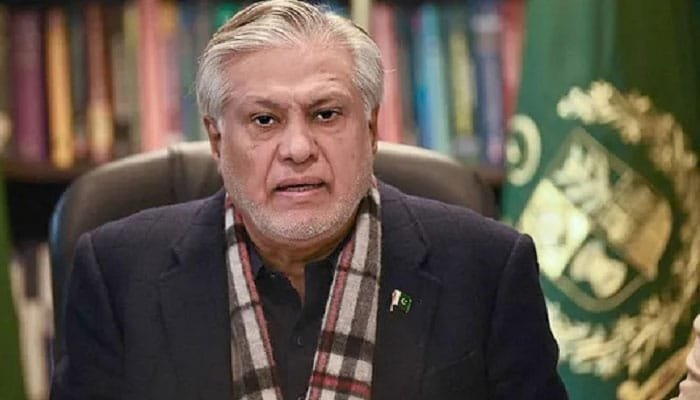
    Foreign Minister Ishaq Dar has stated that Pakistan will think about re-establishing trade relations with India, suspended since August 2019, when the Narendra Modi-led government ended the special status of Indian Illegally Occupied Jammu and Kashmir (IIOJK).

    “Pakistani businessmen want trade with India to resume,” the foreign minister said while addressing the media at the Pakistan High Commission in London at the end of his visit to the UK and Europe on Saturday.

    In August 2019, the Modi-led government unilaterally changed the special status of the occupied valley, causing Pakistan to downgrade its ties with India.

    In February 2021, despite the strained relationship between the two neighbours, Pakistan and India both agreed to renew the 2003 ceasefire agreement along the Line of Control (LoC). Pakistan has connected its choice to improve relations with India to the reinstatement of the special status of the Indian Illegally Occupied Jammu and Kashmir (IIOJK).

    Recently, Indian Prime Minister Narendra Modi congratulated Shehbaz Sharif on becoming of prime minister of Pakistan.

    “Congratulations to [Shehbaz Sharif] on being sworn in as the prime minister of Pakistan,” Modi wrote in a brief message on X, formerly Twitter.

  • Rain, snowfall on its way

    Rain, snowfall on its way

    The Meteorological Department has predicted heavy rain and strong winds in Karachi today. In Lahore, strong winds have caused the temperature to drop.

    According to the Meteorological Department, it may drizzle at some places in Karachi, Sajawal, and Thatta today. Strong winds will continue to blow in Karachi till this evening with cloudy skies.

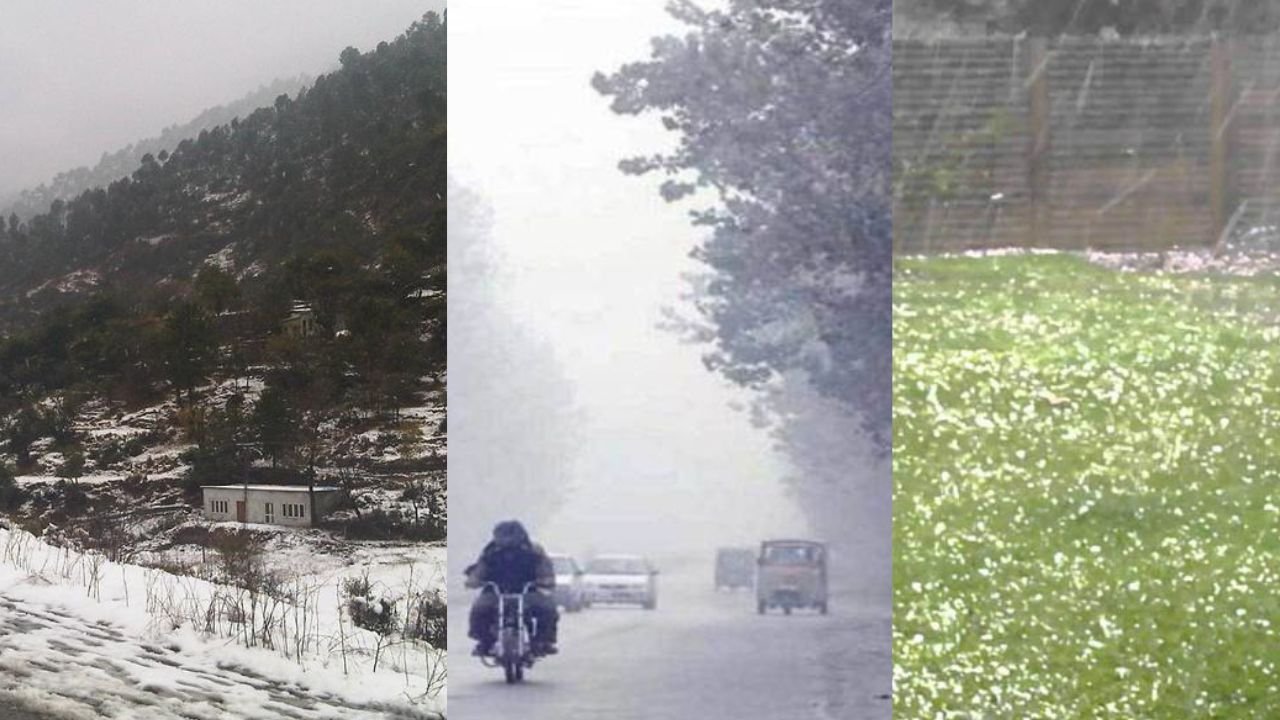
    There is a possibility of rain and snowfall in the mountains today in the Pothohar region, Punjab, Khyber Pakhtunkhwa, North Balochistan, Kashmir, and Gilgit-Baltistan, reports Geo News. Various areas of the country including Islamabad, Rawalpindi, Peshawar, Kohat, Malakand, Muzaffarabad, Diamar, Chilas, and Chaman received rain while snowfall was recorded in the mountains.

    Rescue teams have been put on high alert in Rawalpindi, Attock, Jhelum, Chakwal, Talagang, and Murree due to strong winds and rain.

    Commissioner Rawalpindi said that they are monitoring the situation caused by wind and rain in Murree, the Deputy Commissioner has given specific instructions to Murree for necessary arrangements.

    On the other hand, in Azad Kashmir and Khyber Pakhtunkhwa, heavy snowfall occurred in Neelum Jhelum Valley, which affected the movement of traffic due to slippage on connecting roads, the weather became colder due to snowfall in Swat, Upper and Lower Dir, Karam district.

    Abbottabad and Mansehra are experiencing rain in the plains and light snow in the upper reaches, with up to 2 inches of snow in Shogran and 4 inches in Naran.

    Additionally, the western system of rainfall entered North Balochistan after which heavy rain and hailstorms occurred in Pak-Afghan border areas including Chaman, Qila Abdullah, Muslim Bagh, Toba Kakadi, Toba Achakzai, and Sheila Bagh.

  • Ski industry in Indian-occupied Kashmir melts as temperatures rise 

    Ski industry in Indian-occupied Kashmir melts as temperatures rise 

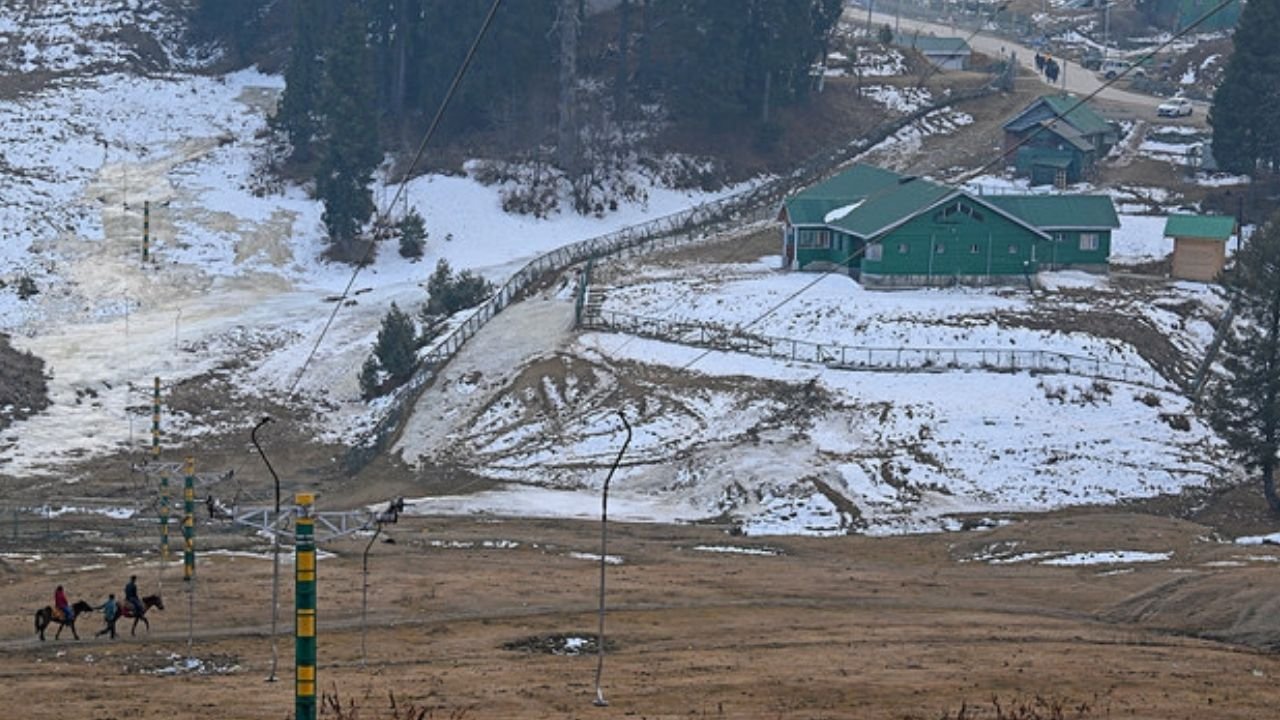
    Winter in the Himalayas should mean blanketing snow, and for Gulmarg in Indian-administered Kashmir, one of the highest ski resorts in the world, that usually means thousands of tourists.

    This year, the deep powder once taken for granted is gone. The slopes are brown and bare, a stark example of the impact of the extreme weather caused by the rapidly heating planet, experts say.

    The lack of snow is not only hammering the ski industry but has a worrying impact on agriculture, the mainstay of Kashmir’s economy.

    “Seeing this snowless Gulmarg, I feel like crying every day,” said adventure tour operator Mubashir Khan, who has put wedding plans on hold with his business teetering near collapse.

    “In the 20 years of my working here, this is the first time I see no snow in Gulmarg in January,” said Majeed Bakshi, whose heliskiing service for high-spending tourists stands idle.

    A lone helicopter waits for the few tourists who have still come, offering flights over higher peaks that have a dusting of snow.

    “Our guests are mainly skiers, and they have all canceled their bookings,” said hotel manager Hamid Masoodi. “Those who come despite no snow are also disappointed.”

    Ski lifts are closed, rental shops are shut and a newly constructed ice rink is a pool of dank water.

    “The current dry spell is an extreme weather event — which are predicted to become more intense and frequent in the future,” said climate scientist Shakil Romshoo, from Kashmir’s Islamic University of Science and Technology.

    For decades, an insurgency seeking independence or a merger with Pakistan — and military operations to crush that movement — has seen tens of thousands of civilians, soldiers and rebels killed in Kashmir.

    The rebellion has lost much of its former strength, and India has been heavily promoting domestic tourism in the region, home to spectacular mountain scenery

    But in Gulmarg, hotel bookings have plunged by as much as three-quarters, tourism professionals say, as hundreds of guides and scooter drivers sit waiting in the sunshine, praying for snow.

    “Most foreigners who mainly come for skiing on the deep powder slopes have canceled,” Bakshi said. “I have lost about 70 percent of bookings so far.”

    Perched at 2,650 meters (8,694 feet), the Himalayan resort is also home to the Indian army’s High Altitude Warfare School, located close to the highly militarised Line of Control, the de facto border that divides contested Kashmir between India and Pakistan.

    Kashmir has recorded little rain, and temperatures are about six degrees Celsius (42.4 degrees Fahrenheit) higher than normal since autumn last year, according to meteorology officials.

    Last month, precipitation across Kashmir was down 80 percent from past years.

    Gulmarg received a few snow showers, but that soon melted.

    India’s Ministry of Earth Sciences said in a 2020 report they expected the Himalayas and Kashmir would be “particularly subject” to warming temperatures.

    Earlier this month, the UN’s World Meteorological Organization said the 2023 annual average global temperature was 1.45 degrees Celsius above pre-industrial levels (1850-1900) — the warmest year on record.

    The nine hottest individual years on record were the last nine.

    In Kashmir, the impact is clear. Gulmarg’s bowl-shaped landscape, beloved by tourists for the snow in winter and meadows of flowers in spring, is brown and bleak.

    Scientists warn rising global temperatures are unleashing a cascade of extreme weather events.

    Beyond the collapse of the skiing industry, many in the ecologically fragile region are worried about impending water shortages that would have a dire potential impact on agriculture.

    Romshoo, the climate scientist, said research indicates Kashmir “will experience more frequent and prolonged dry spells,” worsening in the decades ahead.

    Changing weather patterns have already altered farming practices.

    Snow melt usually helps refresh the usually full rivers, but this week, authorities in Kashmir warned of water shortages and the risk of forest fires, with many wooded areas tinder dry.

    Rice farmers needing plentiful water for their paddy fields have begun switching to fruit.

    But that crop is also at risk, with the dry spell and sunshine meaning some trees are already flowering, blossoming more than two months early.
  • Pakistani celebrities defend Kashmir after Hrithik Roshan’s derogatory ‘maalik’ comment

    Pakistani celebrities defend Kashmir after Hrithik Roshan’s derogatory ‘maalik’ comment

    In the world of entertainment, movies are a way to tell stories, represent cultures, and express art. But sometimes, a movie can cause problems when it goes too far and includes content that is offensive. Recently, a Bollywood movie called ‘Fighter’ landed in controversy after Pakistani celebrities strongly reacted to what they thought was anti-Pakistani element.

    The film has been accused of showing Pakistan in a negative light and promoting harmful stereotypes.

    At one point in the movie, Hrithik Roshan says, “We are the owners, Pakistan has occupied Kashmir. (maalik hum Hain)”

    Actors like Zara Noor Abbas took to social media to express anger.

    Actor Asad Siddiqui vented on Instagram by saying, “It’s the same old story! Aren’t you guys tired of selling false stuff? Grow up! The world is moving forward, and you’re still promoting this cheap story of hatred. You could have promoted peace instead.”
    He suggested checking facts that everyone knows, mentioning the incident where a MiG-21 was shot and the pilot was captured but released after a cup of tea.

    Hira Khan, another showbiz star, also brought up the ‘tea’ incident, saying, “It’s sad that big superstars need to criticize Pakistan to make their movies work. I feel sorry for you guys.”

    Adnan Siddiqui took to X to state, “Once celebrated for love, Bollywood now crafts hate-filled narratives, portraying us as villains. Despite our love for your films, it’s disheartening. Art transcends boundaries; let’s use it to promote love and peace. Two nations, victims of politics, deserve better.”

    Hania Aamir, who is liked by people from both sides of the border, shared on her Instagram Story, “It’s really sad and unfortunate to find out that there are artists today who know how influential cinema is but still go ahead and create differences between the two countries. I feel sorry for the artists who believe in using their art to bring people together. It’s not good. Let art be free.”

    The controversy around ‘Fighter’ arose from its trailer, which revealed that the movie revolves around an attack on Indian air forces in Pulwama. It references real events like the Pulwama attack and India’s actions in Balakot.