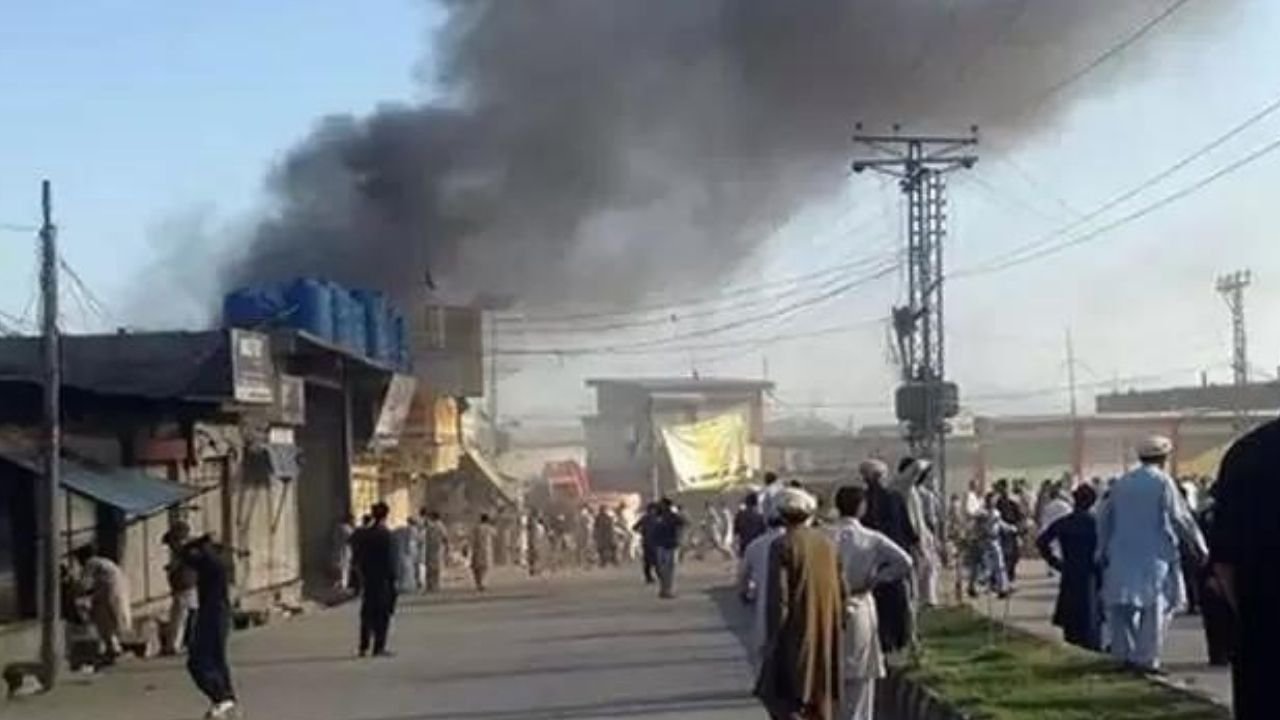
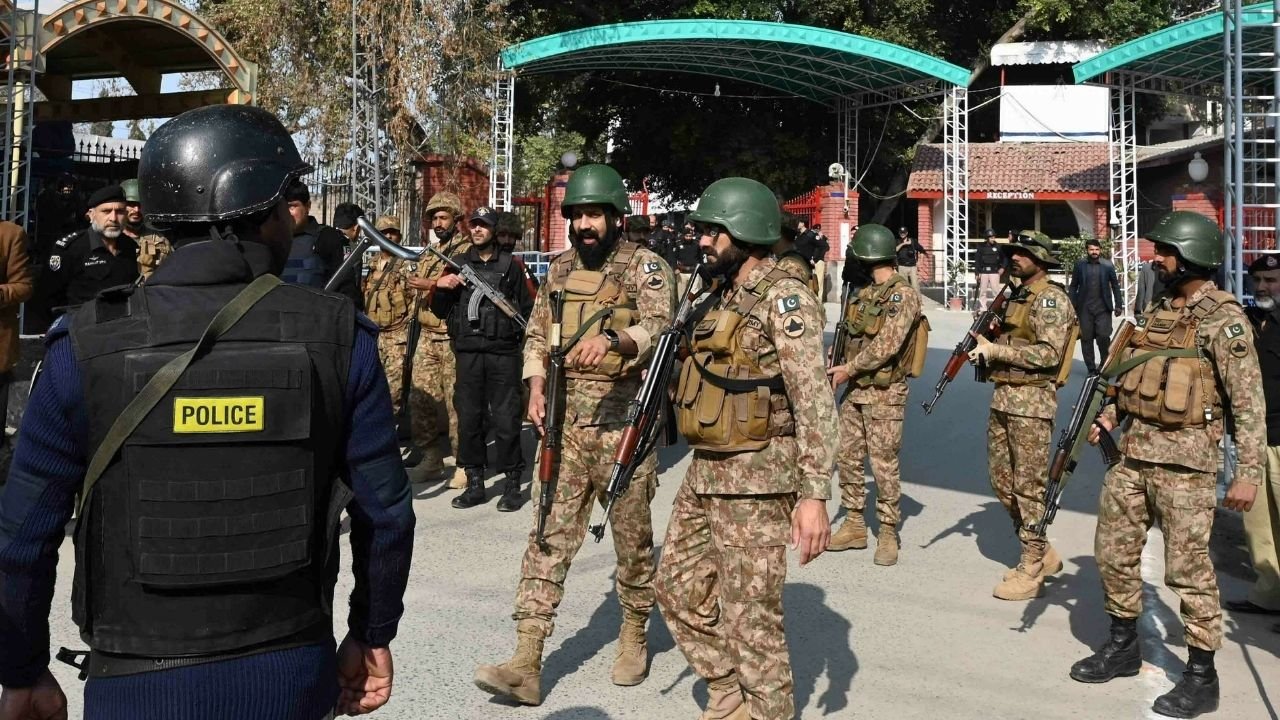
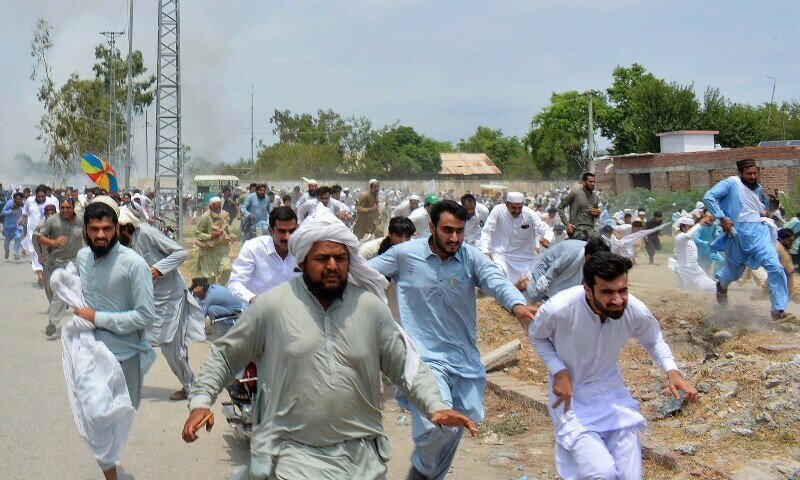
A clash between tribes in Khyber Pakhtunkhwa (KP)”s district Kurram has affected people’s livelihood amidst relentless fighting.
Different roads have been blocked, including the Peshawar Parachinar road, police officials told Geo News.
Chairman of Private Schools Management Muhammad Hayat Khan said that educational institutions have been closed for one week following the tense situation in Kurram.
Deputy Commissioner Kurram Javed Ullah Mehsud stated that efforts are underway, in collaboration with advisors and a jirga, to stop the active lethal disputes.
According to local people, the Afghan Kharlachi border has been closed for nine consecutive days as the situation deteriorated.
They further claimed that residents are facing severe difficulties including acute shortages of commodities, medicine, fuel and other basic facilities.
Earlier, clashes erupted between rival tribes of Bushehra and Ahmadzai following the construction of trenches on disputed land.
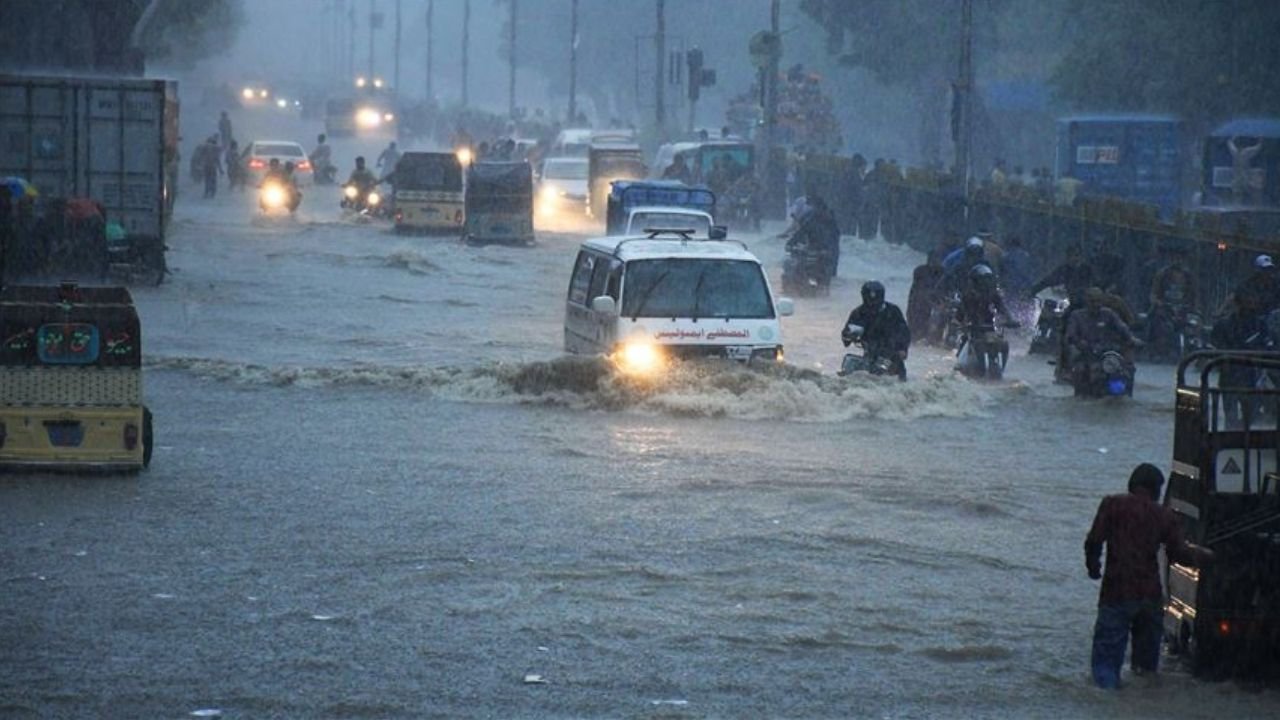
Torrential rains have been predicted in the country from August 14 to August 18.
The weather department shared details of the new spell, saying monsoon winds from the West, Arabian Sea, and Bay of Bengal will affect the country. Heavy rains will descend in some places in Islamabad, Punjab, Sindh, Khyber Pakhtunkhwa, Balochistan, Gilgit-Baltistan, and Kashmir.
There is a possibility of light rain in the coastal areas of Sindh during the evening or night of August 15 to August 18, according to the meteorological department.
Additionally, rain continues in various districts of Balochistan, and the Meteorological Department has predicted a new spell of rain with wind and thunder in 16 districts from August 15.
Meteorologists have also warned of strong winds and thunderstorms in the coastal areas of Khuzdar, Lasbela, Awaran, Kalat, Zhob, Barkhan, Musa Khel, Mastung, Sibi, Shirani, Kohlu, Bolan, Harnai, Nasirabad, Jafarabad and Makran during August 15 to 18. Intermittent rain and heavy rain in some places have been predicted. 6.6 mm of rain was recorded in Barkhan and Kalat during the last 24 hours.
Besides this, Monday was the hottest day in Nokundi, with a maximum temperature of 47 degrees Celsius.
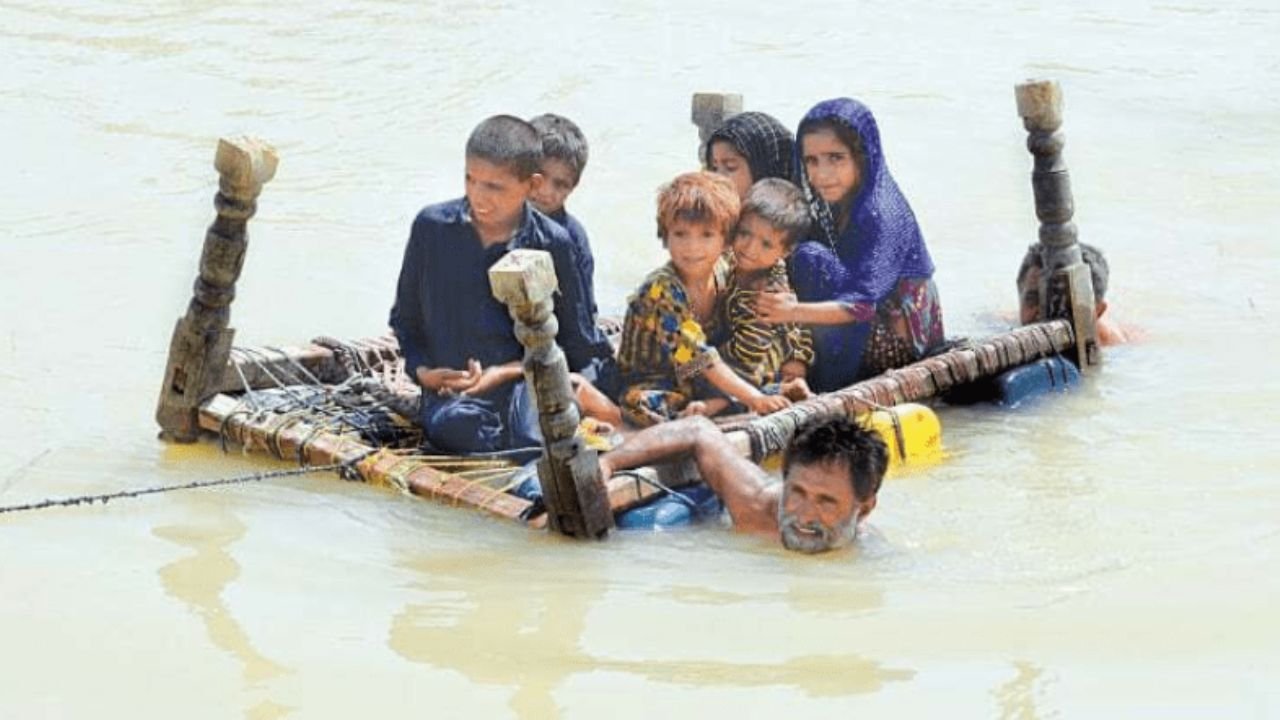
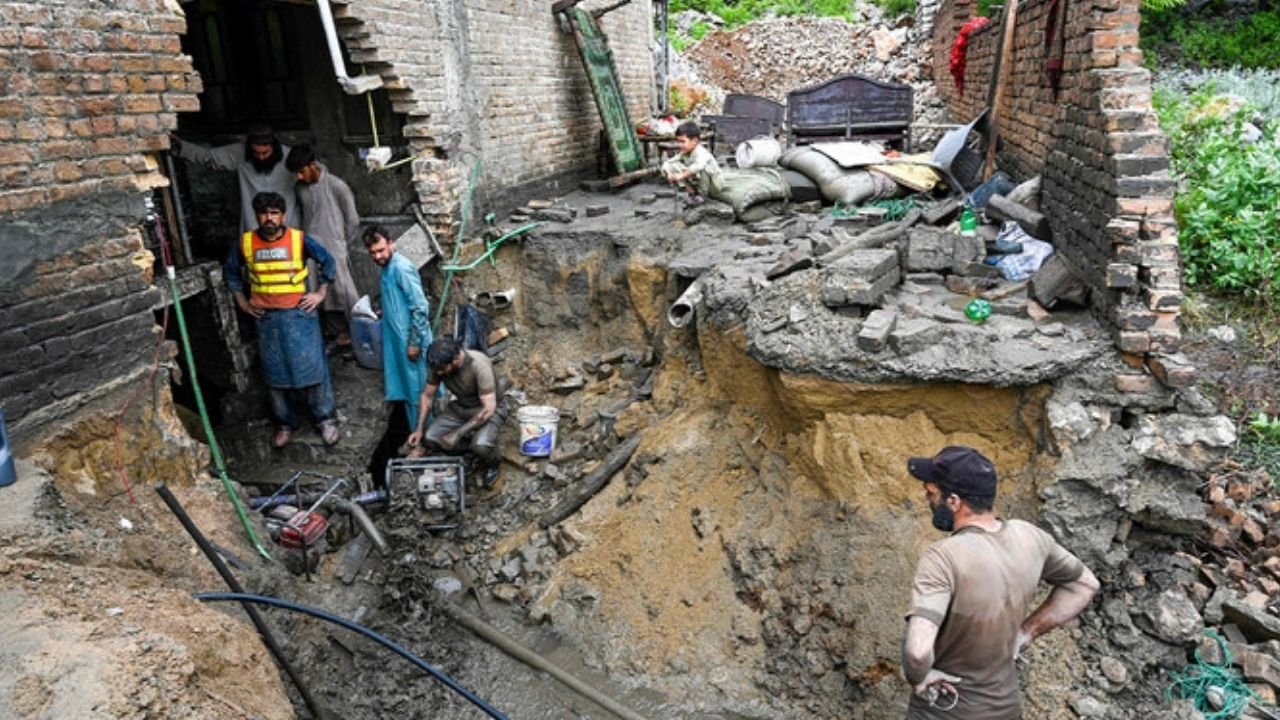
Heavy rainfall across Khyber Pakhtunkhwa, Balochistan, and Gilgit-Baltistan on Sunday has resulted in at least 12 deaths and 21 injuries over the past 24 hours.
The Provincial Disaster Management Authority (PDMA) of Khyber Pakhtunkhwa confirmed the 12 fatalities. According to PDMA, six people died in Karak district, and one each in Lower Dir, Charsadda, and South Waziristan districts. In Karak’s Lawaghar Algada area, four individuals were swept away by floods.
In Tank district, a woman and her two children were killed, and four other family members were injured when their roof collapsed. The deceased have been identified as Asma Bibi, her daughter Sadia Bibi, and her son Waheed Ullah.
Tank-South Waziristan road is closed due to flood conditions in local streams and nullahs. In Mansehra district, thousands of tourists and locals stranded in Kaghan and Manor valleys for six days could leave on foot after the Frontier Works Organisation constructed a temporary pavement on the Manor stream in Mahandri. Flash floods caused significant damage in the Kaghan and Manor valleys, including the destruction of the central bridge on the Mansehra-Naran-Jalkhad road. A woman and her son and approximately two dozen hotels, houses, and electric turbines were washed away in the floods.
The district administration has advised tourists to avoid Kaghan Valley until conditions improve. An artificial lake formed at Mahandri due to large boulders blocking the Kunhar River flow is causing concerns, and authorities are debating whether to burst it or create spillways.
In Mohmand district, a bridge on the Aqrab Daag to Shaheed Banda Daman link road near Babi Mohmand has been damaged. This has disrupted traffic between Aqrab Daag and Ekkaghund Bazaar, and authorities have closed the bridge.
In Balochistan, the National Disaster Management Authority has warned of high to very high levels of flash flooding in several regions, including the Zhob, Kalat, Nasirabad, and Sibbi divisions and local nullahs in D.G. Khan. These floods could damage infrastructure and impact communities near these waterways. Northern regions, including the catchment areas of the Kabul River and its tributaries, have received substantial rainfall, potentially causing high flooding in Nowshera and its tributaries. Authorities have been instructed to prepare for the effects of these extreme weather conditions.
In Gilgit-Baltistan, flooding from the Rahimabad nullah has damaged cultivated land, uprooted trees, and destroyed water supply channels downstream. The floodwaters have crossed the Rahimabad bridge on the KKH, though the bridge remains intact. The flood also blocked the Hunza river flow at Rahimabad village, causing land erosion in the Jutal, Nomal, and Faizanad areas. Additionally, flooding from the Jaglote Guru nullah has damaged a hotel and other properties, and the Babusar-Chilas Road at Diamer has been blocked and damaged. The Mushkay area has also significantly damaged land, private properties, and water supply channels.
An Islamabad-based think tank has revealed that terrorist violence surged across the country in July following a slight decline in June.
The Pakistan Institute for Conflict and Security Studies (PICSS) reported that 79 militant attacks took place in July, resulting in 108 deaths and 71 injuries.
Attacks rose by 14 per cent, while deaths surged by a staggering 80 per cent, and injuries increased by nine per cent from June.
In response to the rising violence, security forces intensified their operations and killed at least 50 terrorists in July, a 56 per cent increase from June.
Most of the terrorist attacks occurred in Khyber Pakhtunkhwa and its merged tribal districts (formerly FATA), with 36 attacks reported in Khyber Pakhtunkhwa, resulting in the deaths of 60 people and 27 others injured. In the tribal districts of the province, 30 people died in 26 attacks.
In Balochistan, 12 terror attacks resulted in 12 deaths and 24 injuries. Sindh experienced five attacks, leading to 6 deaths and two injuries.
A significant development in July was the arrest of Al-Qaeda leader Aminul Haque by Punjab’s counter-terrorism unit on July 18.
Security forces also killed 6 key commanders of the outlawed TTP in various operations based on secret information. This included Najeeb alias Abdul Rahman and Ashfaq alias Muawiya in the Tirah Valley of Khyber tribal district, Irfanullah alias Adnan in Bajaur, Shah Faisal in the Diamar district of Gilgit-Baltistan, and Noor Rehman in North Waziristan and Peshawar, where the shadow governor of the banned TTP was also targeted.
Torrential monsoon rains and flash floods have devastated Khyber Pakhtunkhwa, resulting in 19 deaths and 15 injuries over the past two days.
According to a report from the Provincial Disaster Management Authority (PDMA), severe weather has affected Dara Adamkhel, Bajaur, Chitral, Dir, Kohistan, Abbottabad, Haripur, Swat, Charsadda, Swabi, South Waziristan, and Hangu. Fatalities include 11 children, four women, and four men, while 15 others have been injured.
The report also states that 61 houses have been damaged, with 24 completely destroyed. Landslides have blocked roads in Kohistan, Mansehra, Swat, Chitral, Dir, and other areas, and many bridges have been washed away. Relief efforts are underway, with machinery being deployed to clear blocked highways and assist affected areas.
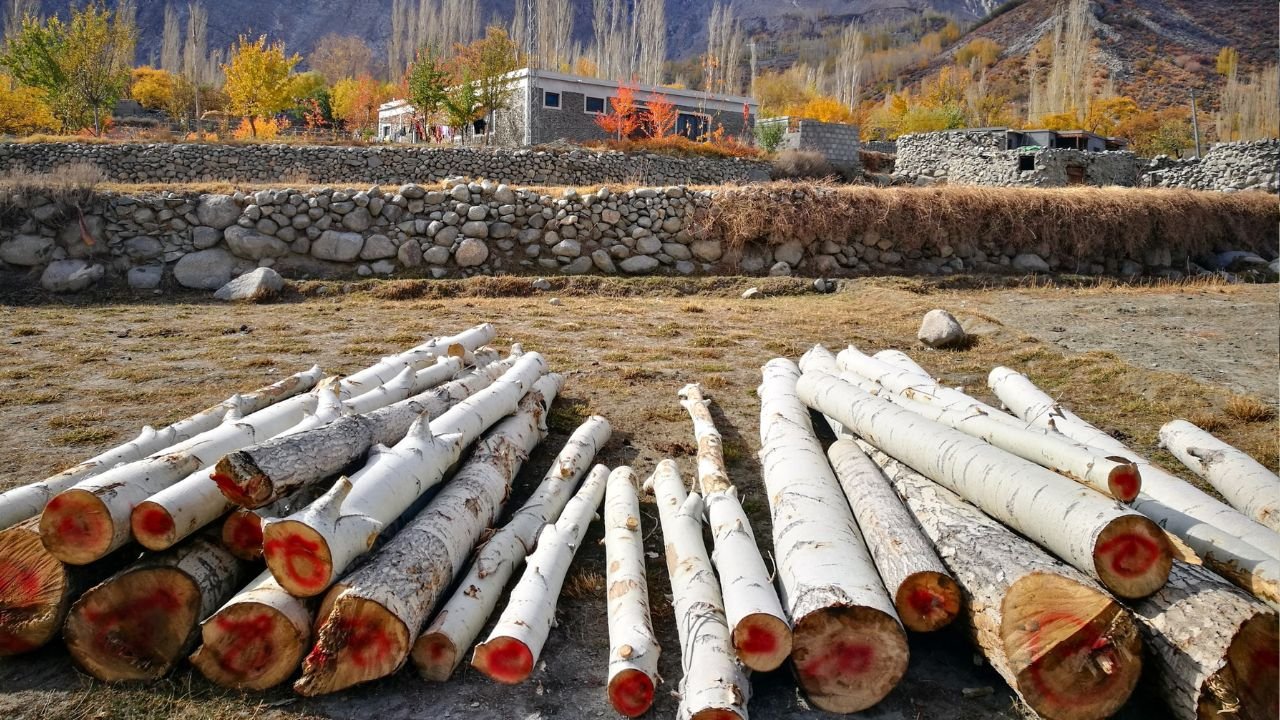
The Khyber Pakhtunkhwa government is reportedly associated with large-scale deforestation in the province, which has been ongoing for the past two years.
Among the suspects is Minister Fazal Hakeem, who was removed from his position as Provincial Minister for Climate Change and Environment and reassigned to the portfolio of Livestock following condemnation on social media regarding the deforestation in the province.
The deforestation rate in Pakistan has been recorded at 25 percent, with Khyber Pakhtunkhwa being more affected than other provinces.
Swat, Shangla, and Mansehra are among the most affected regions.
Deforestation is also one of the major contributors to increased temperatures in Khyber Pakhtunkhwa, reportedly leading to a 26 percent rise.
In 2015, Imran Khan, the founder of Pakistan Tehreek-e-Insaf, launched the Billion Tree Tsunami project to counter land erosion and the degradation of mountainous terrain.
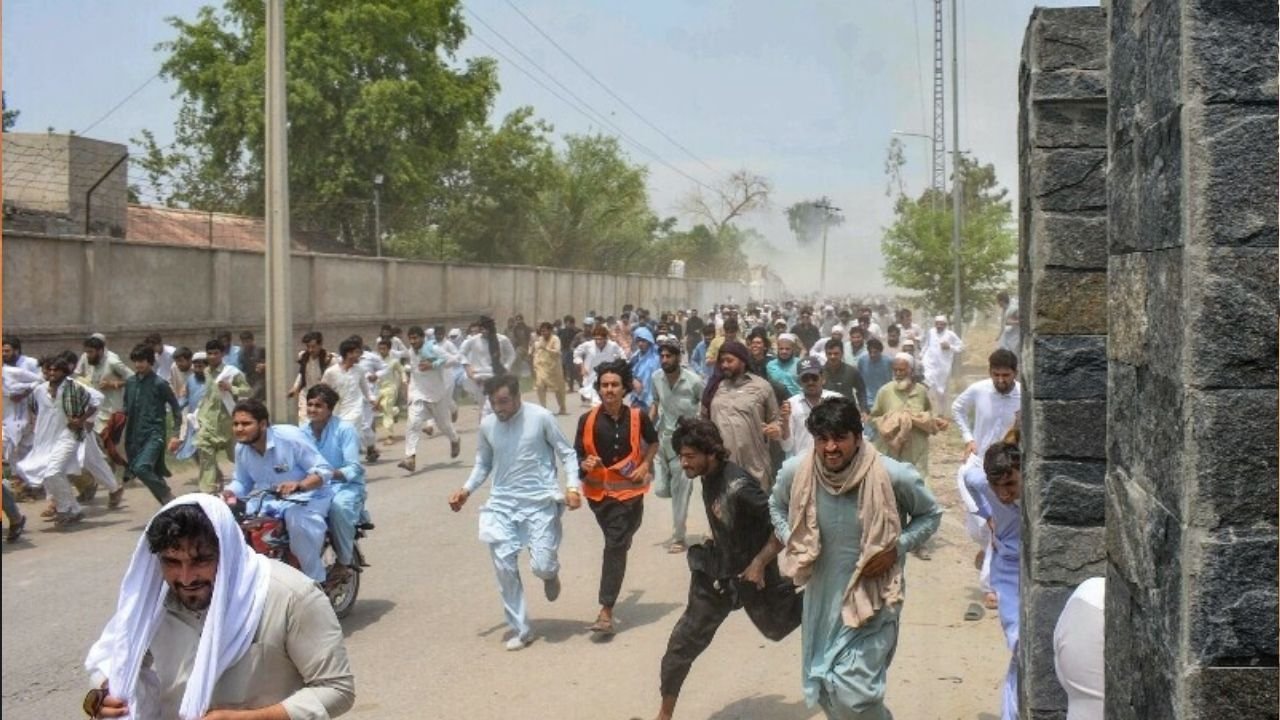
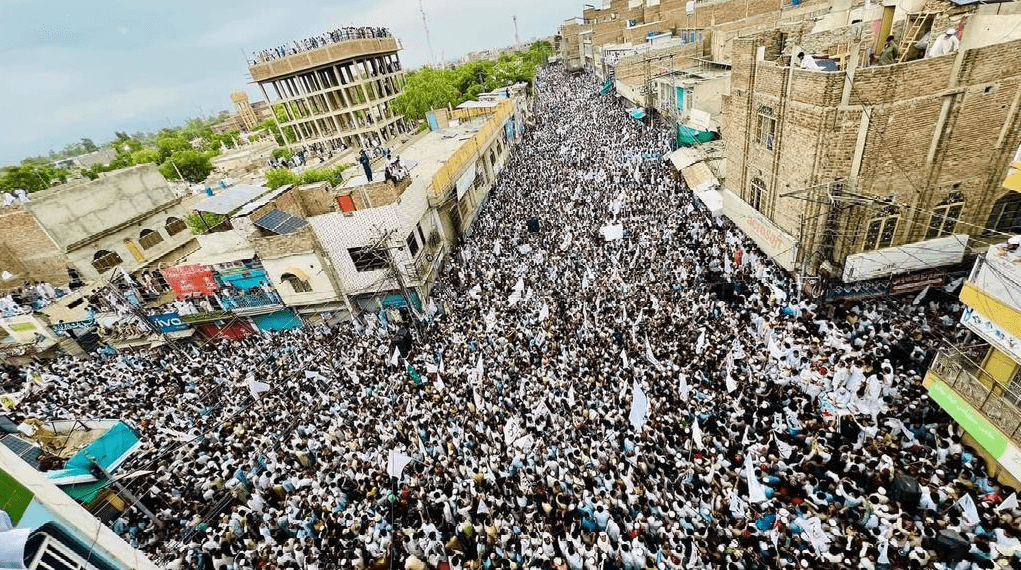
Thousands of people rallied on Friday against a planned operation by the Pakistan military to root out militants along the Afghan border, with at least one protester killed when gunfire broke out, officials and witnesses told AFP.
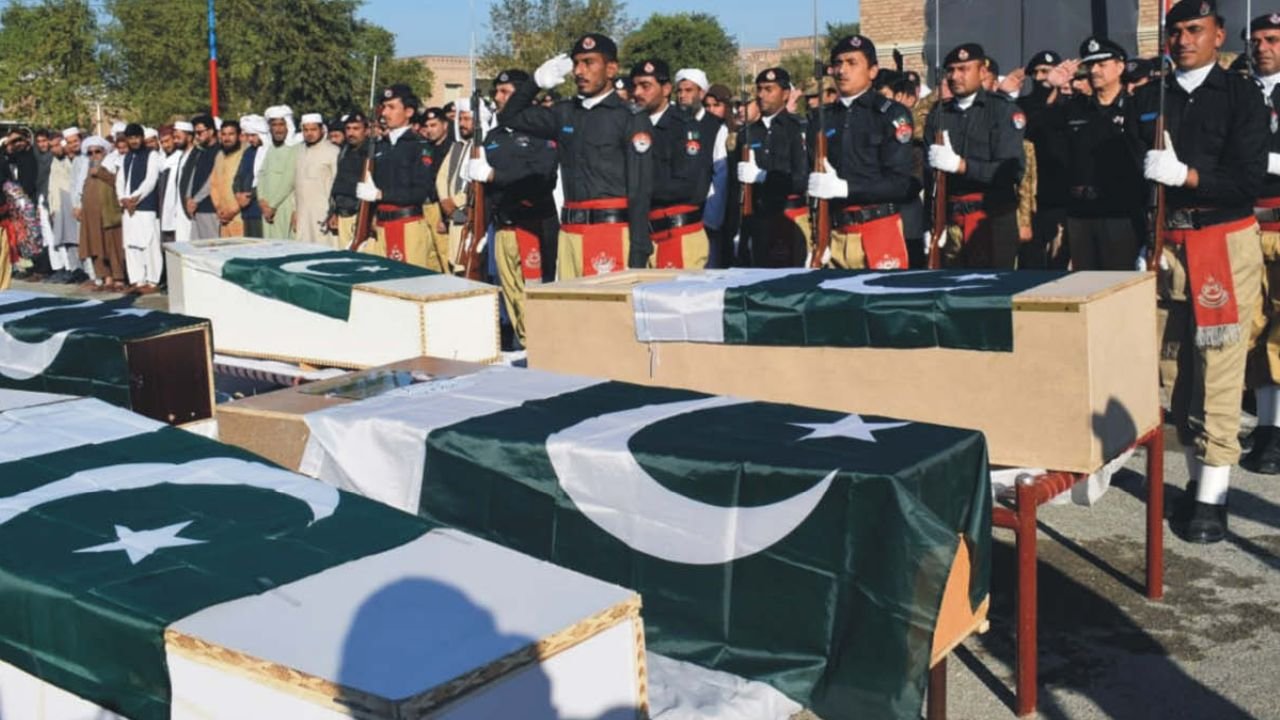
More than 10,000 people waving white flags and calling for peace gathered for the rally in Bannu — 40 kilometres (25 miles) from Afghanistan — where a suicide bomber on Monday rammed an explosive-packed vehicle into an army enclave, killing eight Pakistani troops.
“Military operations have been ongoing for 20 years, yet peace has not been established,” protester Jamaluddin Wazir told AFP.
“Military operations can never be a substitute for peace.”
Pakistan’s government announced earlier this year, without giving details, that the military would launch a new campaign to counter violence in areas along the border with Afghanistan, which has surged following the Taliban government’s return to power.
Friday’s protest turned violent when crowds reached the walls of an army facility and gunfire broke out, witnesses and officials reported.
“They chanted slogans against the army, and some started throwing stones at the facility’s wall. This led to firing in the air by the military, causing a stampede,” an intelligence official in the nearby city of Peshawar told AFP on condition of anonymity.
At least one protester died, according to Pakhtun Yar, the provincial minister for public health, who was a speaker at the protest. He accused the military of opening fire on the protesters.
For years the Pakistan Taliban — a separate group from the Afghan Taliban but with a similar ideology — waged a bloody campaign in the area, killing thousands of civilians and taking control of parts of the border region, before being pushed back by a military campaign that began in 2014. The clearance operation displaced hundreds of thousands of people and destroyed countless homes and businesses, sparking a local backlash calling for the rights of ethnic Pashtuns to be protected.
But protests against the powerful military, which analysts say holds large sway over the government and foreign policy, are rare and often brought down quickly.
Former prime minister Imran Khan, who waged a campaign of defiance against army chiefs after being ousted from power, is currently in jail on charges of inciting protests against the military.
His party has faced a major crackdown, with supporters and leaders rounded up last year for staging an unprecedented day of rallies against the military, accusing it of interfering in politics.
Violence has surged along the border since the Taliban returned to power in Afghanistan in 2021, with Islamabad accusing Kabul of failing to root out groups taking shelter on Afghan soil while preparing assaults on Pakistan.
The Taliban government insists it will not allow foreign militant outfits to operate from Afghanistan, but Islamabad-Kabul relations have soured over the issue.
The Khyber Pakhtunkhwa government has decided to provide free solar systems to one lakh families across the province.
Chief Minister Ali Amin Gandapur has instructed officials to provide solar systems to impoverished families experiencing load shedding in the province. Under this initiative, each eligible family in Pakhtunkhwa will receive a 2 KV solar system.
These include solar panels, inverters, wiring equipment, bulbs, and fans.
Five detectives searching for a thief were abducted in Tank district of Khyber Pakhtunkhwa along with two sniffer dogs.
According to the police, the abduction occurred in Malazai, a suburb of Tank. The kidnappers have demanded a ransom of 100 million rupees for the release of the hostages.
DPO Tank Abdul Salam Khalid told Geo News that a person named Noor Ali had hired a private company from Kohat to investigate a petty robbery incident at a house.
The team, along with two Khoji dogs, were abducted by unknown armed men when they were on their way to Kohat after the investigation.
Among the hostages, Shoaib Khan, Rafiullah, and Rais Khan belong to Kirk, while Shahid Aziz Bhatti and Majid Ali Okara are residents of Punjab.
According to the DPO, the investigation team was called without informing the police, who have now started investigating the incident.