Tag: Kolkata

  • India’s ‘Mollywood’ cinema rocked by MeToo abuse claims

    India’s ‘Mollywood’ cinema rocked by MeToo abuse claims

    Terrified for her safety, Indian actress Sreelekha Mitra remembers pushing chairs and a sofa against her hotel door after she said an award-winning veteran director sexually harassed her.

    Mitra waited 15 years to speak out about the incident, one of several cases exposing the dark underbelly of India’s Malayalam-language “Mollywood” film industry that has won awards at Cannes.

    Her revelation was spurred by an explosive government report documenting widespread sexual harassment in an industry dominated by powerful and wealthy men who believe that an actress willing to kiss on screen would do the same in real life.

    “That entire night I stayed awake,” Mitra, 51, told AFP.

    Mitra was invited to a gathering at the director’s house, where she said he lured her into his room for a phone call with a cinematographer.

    “He started playing with my hair and neck… I knew if I did not say anything then, his hand would roam around other parts of my body,” she said, describing events from 2009, when she was 36.

    She left and returned to her hotel.

    “The intentions behind his moves were pretty clear to me… I was petrified.”

    Her case and close to a dozen others have triggered a MeToo reckoning in the industry, with at least 10 prominent figures accused, according to Indian media.

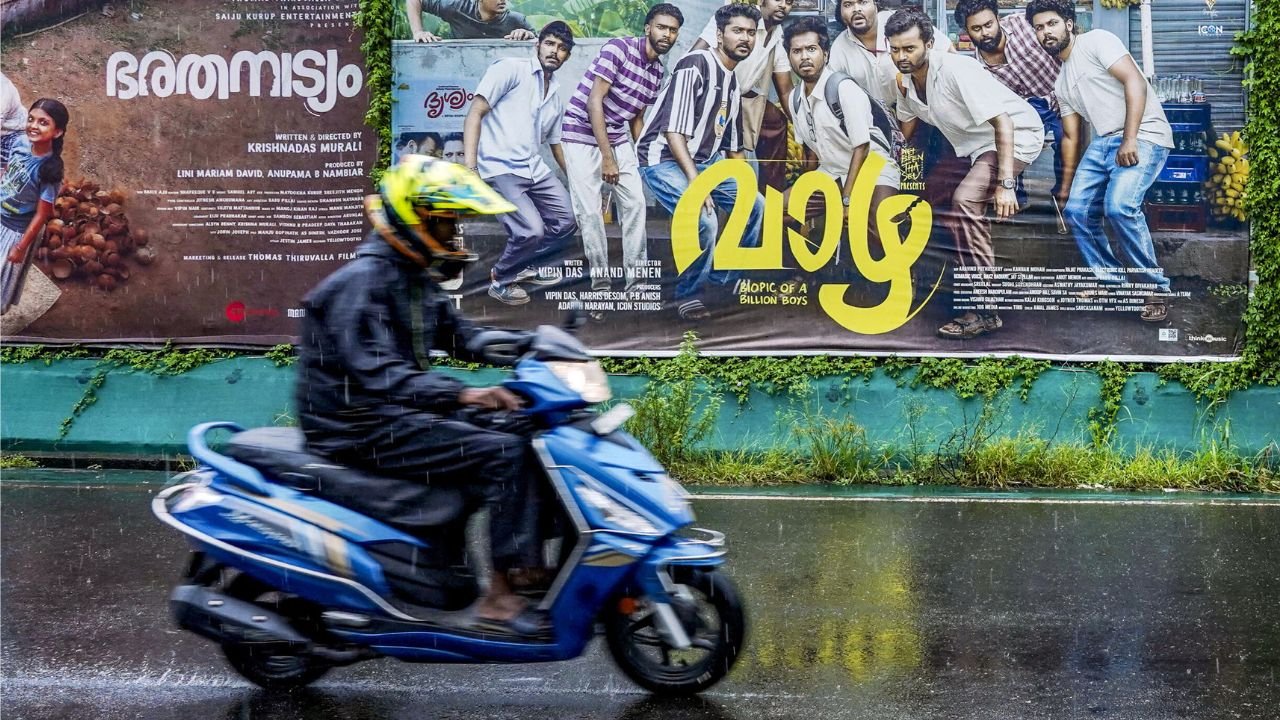
    Kerala-based Mollywood is known for critically acclaimed movies with strong and progressive themes, a change from the big dance and song numbers of India’s giant Hindi-language Bollywood in Mumbai.

    The industry is prolific, producing up to 200 films a year, loved not only by southern India’s 37 million Malayalam speakers, but also dubbed and streamed across the rest of India — and abroad.

    Internationally, its films have won awards, including the 1999 satire Marana Simhasanam (“Throne of Death”), winner of the Camera d’Or at Cannes.

    This year’s “Manjummel Boys”, a survival thriller, took $29 million at the box office, the highest-grossing Malayalam movie ever and the fifth-most successful in India this year.

    – ‘Worst evil’ –

    The industry report, released August 19, said women actors faced the widespread “worst evil” of sexual harassment.

    The report was released by the Hema Committee, headed by a former high court judge, set up after a leading Malayalam actress reported she was sexually assaulted in 2017.

    Gopalakrishnan Padmanabhan, a prominent Malayalam actor better known by his stage name Dileep, was arrested for allegedly orchestrating the assault.

    He was imprisoned for three months before being released on bail. The case continues.

    But the release of the report has opened discussion on the far wider issue of chronic violence against women, encouraging people like Mitra to speak out in public for the first time.

    It said that women who considered speaking out about sexual assault were silenced by threats to their life, and to their families.

    Award-winning actress Parvathy Thiruvothu, 36, called the investigation a “game changer” and a “historic moment”.

    “There was this idea that women working in the industry should feel grateful for having been given an opportunity by the men who were hiring them,” said Thiruvothu, a member of the campaign group Women in Cinema Collective.

    – ‘Shaking everything’ –

    Allegations of abuse in Indian cinema are not new.

    It witnessed a wave in 2018, shortly after the 2017 MeToo movement erupted in Hollywood against disgraced US movie producer Harvey Weinstein.

    But Thiruvothu called the latest allegations more than “MeToo Part Two.”

    “It’s shaking everything,” she told AFP.

    “It isn’t an individual-to-individual complaint anymore. It’s about a systemic structure that has continued to fail women.”

    Since the report, several top actors have been accused.

    The Association of Malayalam Movie Artists was dissolved following the resignation of its chief on “moral grounds” with some members among the accused.

    Ranjith Balakrishnan, 59, chairman of the state’s film academy, has also quit.

    Balakrishnan, who denies any wrongdoing, was the man Mitra accused of sexual harassment.

    Police have filed a case against him for outraging a woman’s modesty, a non-bailable offence.

    Mitra, who until the release of the report had only mentioned the incident to an industry colleague, told AFP that Balakrishnan had misused “his power”.

    Thiruvothu offered a message to all women in the film industry who have survived sexual assault.

    “You are a skilled artist… do not listen to anyone who tells you to find another job if it is so difficult for you,” she said.

    “This is your industry, as much as it is anybody else’s. Speak up, so that we are taking the space that is rightfully ours.”
  • ‘Abuse every day’: Indian female medics speak out after brutal murder

    ‘Abuse every day’: Indian female medics speak out after brutal murder

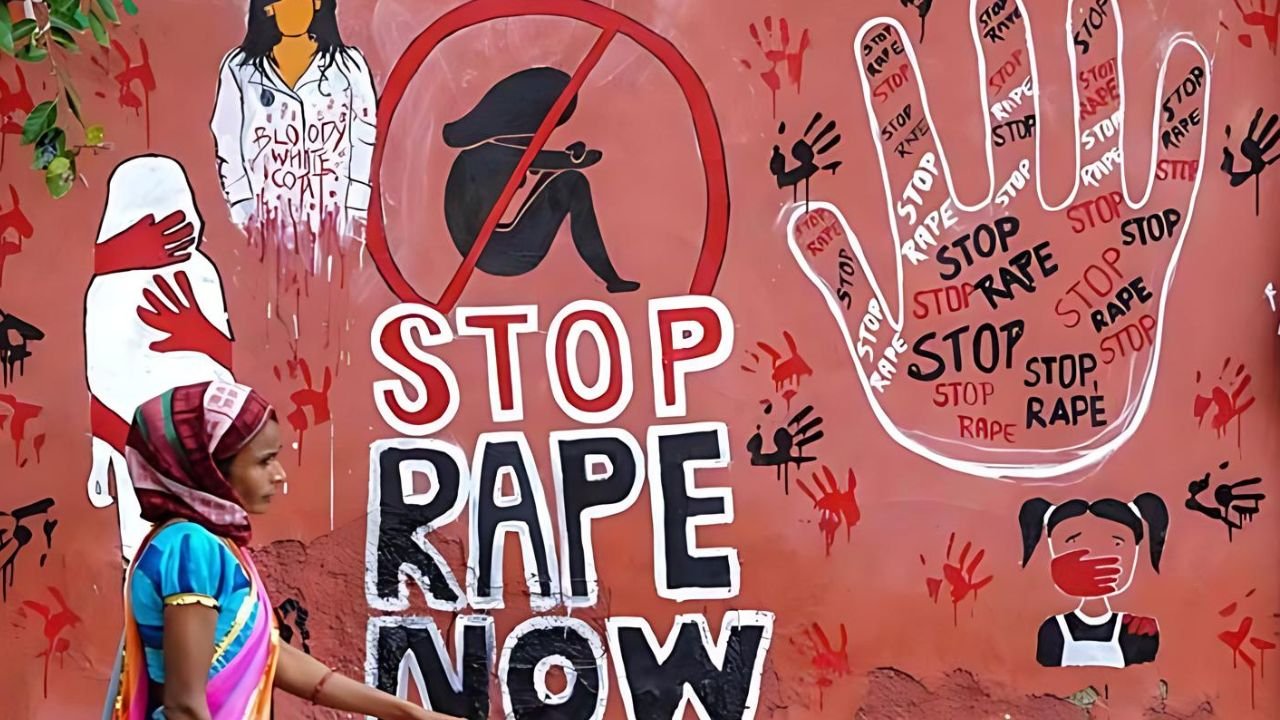
    Saving lives was the childhood dream for 28-year-old Indian doctor Radhika, but after the brutal rape and murder of a colleague her own safety has increasingly become a top concern.

    Earlier this month, at the government-run hospital where Radhika works in the eastern city of Kolkata, the battered and bloodied body of a 31-year-old woman doctor was found, sparking outrage.

    One man has been detained, but the attack has focused anger on the lack of measures for female doctors to work without fear, and triggered protests and medical strikes.

    “I was on night duty just two days before this incident,” Radhika said at Kolkata’s R.G. Kar Medical College and Hospital.

    “What she did is what any of us do -– resting whenever, wherever we can”.

    The murdered doctor — who has not been formally named but is being called “Abhaya”, or “fearless” by protesters — was found in the teaching hospital’s seminar hall, suggesting she had gone there for a break during a long shift.

    Radhika, whose name has been changed for fear of repercussions at her work, said conditions such as long working hours — with barely any time to eat or rest — were not unusual.

    “This could have been any of us, and this still can be any of us,” she added.

    – Attacks all too common –

    Tens of thousands of ordinary Indians have joined protests, channelling anger not only at the chronic issue of violence against women, but also at the failure to provide secure working conditions for them.

    According to the philanthropic organisation Dasra, women make up nearly 30 percent of doctors in India and 80 percent of nursing staff.

    Attacks on female medics are all too common.

    India’s Supreme Court on Tuesday ordered a national task force to examine how to bolster security for healthcare workers, saying the brutality of the killing had “shocked the conscience of the nation”.

    “The lack of institutional safety norms at medical establishments, against both violence and sexual violence against medical professionals, is a matter of serious concern,” the court order read.

    It highlighted a lack of CCTV cameras and a failure to screen visitors to hospitals for weapons.

    Medical superintendent Indira Kabade, who works at KC General Hospital in the southern city of Bengaluru, said she worries her staff can get home safely.

    “We never know if anyone is following them from the hospital,” said Kabade, adding she and many female colleagues want “airport-like security”, including police posted inside the campus.

    “Despite us working non-stop to save lives, there is a need to rethink safety at workplace,” Kabade said.

    The gruesome nature of the doctor’s killing has invoked comparisons with the horrific 2012 gang rape and murder of a young woman on a Delhi bus.

    Nearly 90 rapes a day were reported in 2022 in the country of 1.4 billion people.

    – Foul toilets –

    Exhausted doctors sleep where they can, snatching rest on a chair or the floor.

    “They are just completely tired and their bodies cannot push anymore,” Radhika said.

    There are restrooms for doctors — but men and women have to share, and some have no lock.

    She described one moment of terror when two men barged into the room as she rested.

    “I was really scared,” she said.

    Foul sanitation — including often one toilet for male and female medics — illustrate a failure by the authorities to provide basic infrastructure.

    The situation was particularly worrying when the women were menstruating, Radhika said.

    In the Himalayan territory of Kashmir, doctor Rubeena Bhat said some medics would rather use washrooms in houses neighbouring the hospital.

    “It’s that bad,” she said.

    – ‘Abuse every day’ –

    One female doctor in Thiruvananthapuram, a city in the southern state of Kerala, said she and her colleagues faced abuse every day, from verbal insults to physical molestation.

    “There is no end to it,” she said.

    Female doctors have been encouraged to participate in self-defence classes organised by the medical association.

    “Doctors are called gods or angels by some people,” the Kerala-based doctor said.

    “So we think we are immune to crimes. And when such a crime happens at a place which we consider the safest place, we are all afraid”.

    But while questions remain over her safety, Radhika is certain of her future.

    “I will fight and continue to be in the healthcare service”, she said.

  • Renowned Urdu poet Munawwar Rana passes away

    Renowned Urdu poet Munawwar Rana passes away

    Famous Indian Urdu poet Munawwar Rana passed away at the age of 71 in a private hospital in Lucknow after a prolonged illness.

    Munawwar Rana’s daughter Samia Rana has said that her father was placed on a ventilator in a critical condition.
    Unfortunately, he could not recover, passing away on Sunday night. His funeral will take place today.

    Munawwar Rana was born on November 26,1952, in Rae Bareli, Uttar Pradesh, but spent most of his life in Kolkata and West Bengal.

    At the time of his death, he was suffering from chronic diseases like throat cancer, kidney disorders, diabetes and high blood pressure.

    The poet’s daughter shared in a video before his passing that her father had been unwell since the last two to three days. He experienced severe abdominal pain after which doctors conducted a CT scan and identified an issue in his abdomen, leading to a necessary operation.

  • Karachi’s Jaweria arrives in India to marry Kolkata’s Sameer

    Karachi’s Jaweria arrives in India to marry Kolkata’s Sameer

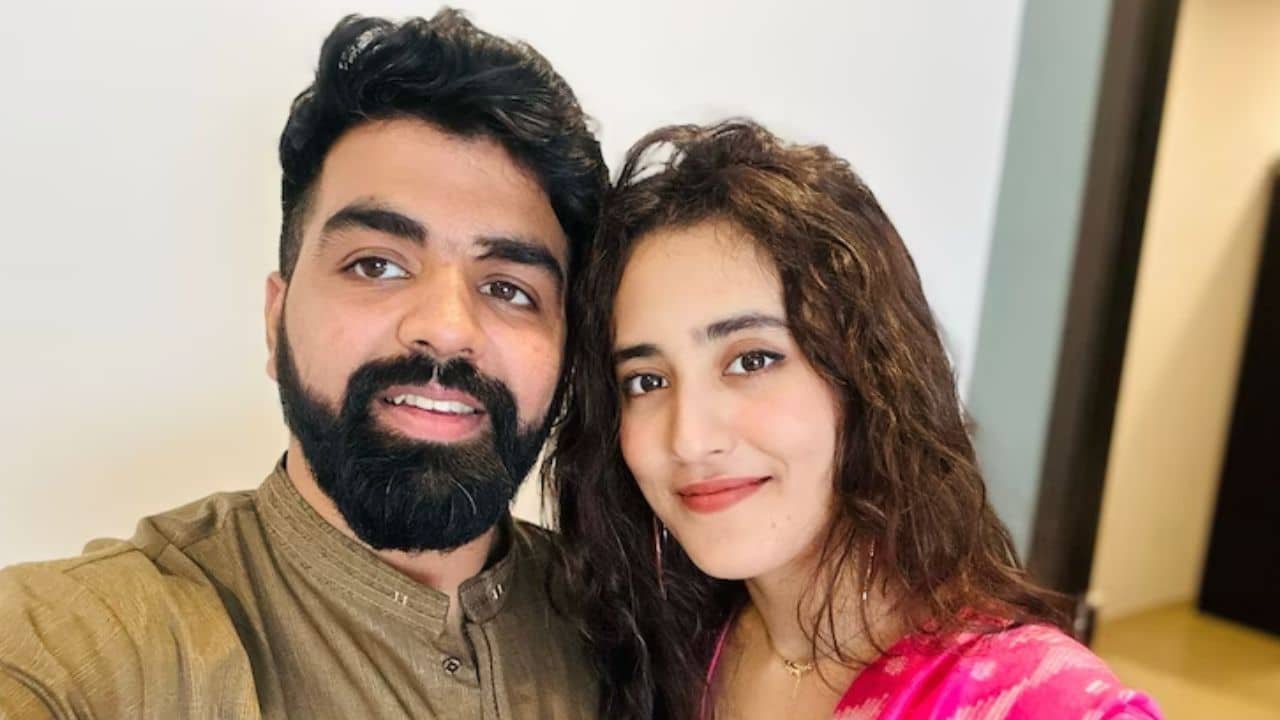
    Another cross-border marriage is about to take place, this time in India. Jaweria from Karachi and Sameer from Kolkata are set to get married soon. Jaweria Khanum finally made it to India after a wait of five years to marry Sameer Khan Yousafzai.

    The two befriended each other on social media and got the approval of their families in 2018. The pair got engaged and started trying to get a visa to culminate their deep bond into marriage.

    Detailing the difficulties she met, Jaweria revealed that her visa was rejected twice, in addition to travel restrictions imposed during the Covid-19 pandemic.

    She was eventually granted a 45-day visa after two rejections. The couple plans to marry in the first week of January, with Jaweria expressing joy at fulfilling her wish after five years.

    Following her arrival in India, she was received with a wholehearted welcome from her future in-laws. The couple is set to travel from Amritsar to Kolkata, where the marriage ceremony is scheduled to take place.

  • What is the situation of Air Quality Index in South Asia?

    What is the situation of Air Quality Index in South Asia?

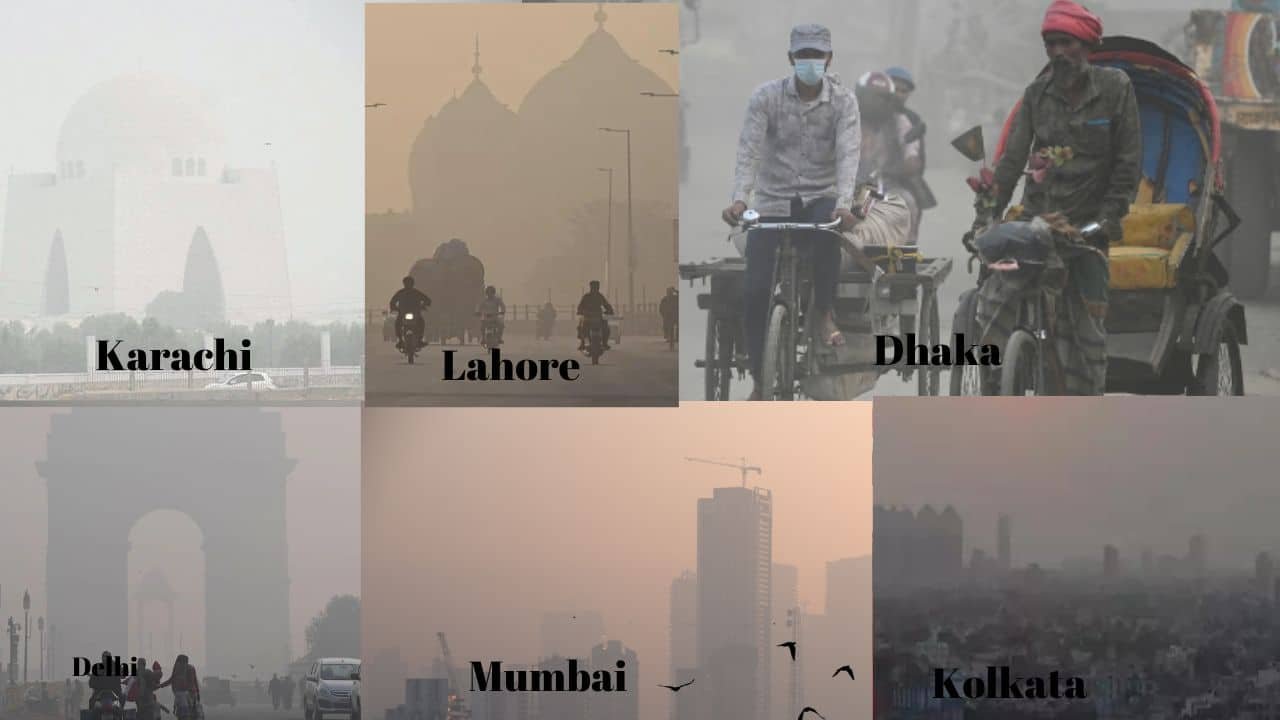
    Six of the top ten cities plagued by the worst pollution on the Air Quality Index are from the South Asian region. Delhi, Mumbai, and Kolkata from India, Lahore and Karachi from Pakistan, and Dhaka from Bangladesh.

    Post-Diwali, the air quality index in India is pretty bad as three of its highly-populated cities are facing a rise in air pollution. While Delhi is at the top, Mumbai and Kolkata are competing closely for the sixth and seventh spot on the chart.

    Lahore has seen a major drop in the past few days after a short spell of rain, however, the air is steadily getting dense as it retained its second position in the chart for two days in a row. Karachi holds the fourth spot after Baghdad.

    The Capital of Bangladesh, Dhaka, is a relatively new entrant. It holds the tenth position with an “unhealthy” status in air quality.

    Population growth and rapid industrialization are the two major factors contributing to the thickening of air with particulate pollutants in South Asia. This is a threat to all living beings, from animals to plants. Life expectancy is severely reduced in these cities and pollution-related illnesses are rampant. The situation of the poor quality index calls for strict action to be taken for the safety of residents of the world’s most populous region-South Asia.

  • 150 still missing after glacial burst in Kolkata

    At least 42 people have reportedly died after flash floods swamped following a glacial lake burst its banks in the Indian Himalayas in Kolkata this week.

    150 missing people are still missing.

    On Wednesday, a cloudburst led to severe rain, causing Lhonak Lake to overflow and a consequential avalanche resulting in the flooding of Teesta river.

    It is said to be one of the worst calamities in the region in more than 50 years.

    Accoeiding to authorities in Sikkim, 22,000 people have been affected.

    “We got calls from people that river levels could rise at 3am and we ran for our lives,” Reuters quotes Javed Ahmed Ansari, 44, a resident of Teesta valley, who owns a river rafting business.

    “We ran towards the hill in the jungle … We saw houses getting swept away. I can now only see the first floor of our house which is filled with sand, everything is submerged.”

    According to Reuters, officials involved in the project said that scientists and government authorities had beenbworking on an early warning system for glacial floods at Lhonak Lake which could have given people more time to evacuate if it was fully operational.

  • Biopic on Dada: Ranbir Kapoor to play the role of Saurav Gangully

    Biopic on Dada: Ranbir Kapoor to play the role of Saurav Gangully

    Biopic on Dada: Ranbir Kapoor to play the role of Saurav Gangully

    Ranbir Kapoor has bagged another covered role, getting selected to portray Saurav Ganguly, the Dada of Indian cricket, in an upcoming biopic.

    Ganguly, considered one of the greatest Indian captains, played for his country from 1992 till 2008 when he retired from all formats of the game.

    After his retirement from cricket, Ganguly has remained involved in the sport as a commentator and administrator. He was the President of the Board of Control for Cricket in India (BCCI) from 2019 to 2021.

    Shooting of the biopic will start soon after the promotion of Ranbir Kapoor’s new film
    “Tu Jhuuti May Makaar” is over.

    Film makers have not announced the full cast yet but it is confirmed that Ranbir Kapoor will do the lead role. As per details, MS Dhoni, also known as Saurav Ganguly’s talent pick in 2006 series against Pakistan, will also be essayed in the film.

    The movie will be directed by filmmaker Hansal Mehta and produced by Shemaroo Entertainment in association with Joy Ganguly, Saurav Ganguly’s brother.
    The biopic is expected to showcase Ganguly’s journey as a cricketer and his rise to becoming the captain of the Indian cricket team. It will also delve into the controversies that he faced during his career, including the infamous 2002 feud with former Indian coach Greg Chappell.

  • UAE to ease covid-19 restrictions for Pakistanis travelling to Dubai

    UAE to ease covid-19 restrictions for Pakistanis travelling to Dubai

    The United Arab Emirates (UAE) is planning to ease Covid-19 travel restrictions for Pakistanis with regards to Covid-19 restrictions. Passengers travelling to Dubai will no longer be required to show reports of a rapid antigen test upon their arrival.

    Passengers arriving from Pakistan must have:

    • A valid negative COVID‑19 PCR test certificate with a QR code linked to the original report for verification purposes, for a test conducted within 48 hours. Validity should be calculated from the time the sample was collected, prior to departure from an approved health facility.
    • A rapid COVID‑19 PCR test report with a QR code for a test conducted at the departure airport within six hours of departure.

    There are specific requirements for passengers travelling to Dubai airport though. They still have to undergo another PCR test and quarantine, on arrival to the UAE until they test negative.

    Meanwhile, travelers transiting through Dubai won’t be required to show a negative PCR test unless it is mandated by their final destination. Passengers must also obtain a negative PCR test received within 48 hours.

  • Woman finds out she is a man during treatment

    Woman finds out she is a man during treatment

    A woman in India discovered that she was a man suffering from testicular cancer while getting treatment for abdominal pain at a Kolkata hospital.

    According to reports, the woman led a normal life with no complications for 30 years. Her 28-year-old sister, who underwent necessary tests following the revelation, was also diagnosed with ‘Androgen Insensitivity Syndrome’ — a condition in which a person is born genetically male, but has all physical traits of a woman.

    Read more – Peshawar High Court allows woman to change her sex

    The 30-year-old woman is also married for the last nine years. She visited city-based Netaji Subhas Chandra Bose Cancer Hospital with severe pain in lower abdomen a couple of months ago, following which clinical oncologist Dr Anupam Dutta and surgical oncologist Dr Soumen Das conducted her medical tests, and found out her “true identity”.

    “From her appearance, she is a woman. Starting from her voice, developed breasts, normal external genitalia, everything is that of a woman. However, uterus and ovaries have been absent since birth. She has also never experienced menstruation,” Dr Dutta said.

    It’s a very rare condition, and can be found one in every 22,000 people, he said. A biopsy was conducted, following which she was diagnosed with testicular cancer, also called seminoma.

    Currently, she is undergoing chemotherapy and her condition is stable.

    “The person has grown up to be a woman. She is married to a man for almost a decade. Currently, we are counselling the patient and her husband, advising them to continue living life as they have been.”

    Reports reveal that the couple had tried for babies a number of times but failed. The patient’s two maternal aunts were also diagnosed with Androgen Insensitivity Syndrome in the past, the oncologist said.

    “It’s probably in the genes. We have come to know that two of her aunts from the maternal side were also suffering from a similar condition,” he added.