Tag: Lal Masjid

  • Charges filed against Lal Masjid female students, cleric’s wife

    Charges filed against Lal Masjid female students, cleric’s wife

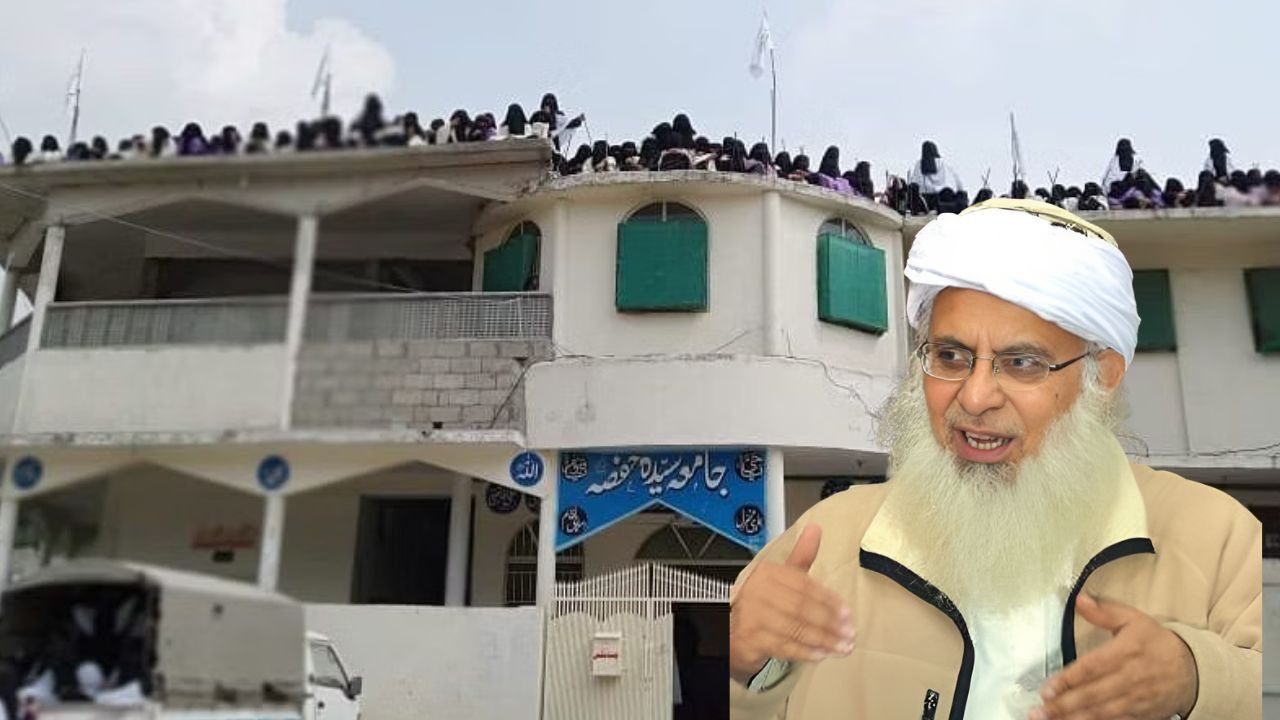
    Former Lal Masjid cleric Maulana Aziz’s wife Umme Hassan was booked on multiple charges, including Anti-Terrorism Act, along with 40 female students on Monday.

    According to the police, Jamia Hafsa’s students, led by the cleric’s wife, along with armed individuals, arrived at Bahria Town Phase 4 and blocked the road from the roundabout side.

    Furthermore, they forcibly shut down the shops and commercial centres in the area, threatening traders with severe consequences.

    The group alleged that immoral activities were going on in the area, accusing police and district administration of being involved in the alleged activities.

    When the police arrived at the scene, they informed the group that Section 144 of the CrPC had been imposed, banning all types of gatherings, including protests.

    However, female students and armed individuals attacked the police with batons and sticks.

    Earlier, Umme Hassan, in a video message, claimed that their religious seminary in Bahria Town was surrounded by obscenity and nudity. She said that families couldn’t come there after sunset.
  • ‘I want to state this on oath, I don’t know what the agreement with TLP is’: Sheikh Rasheed

    ‘I want to state this on oath, I don’t know what the agreement with TLP is’: Sheikh Rasheed

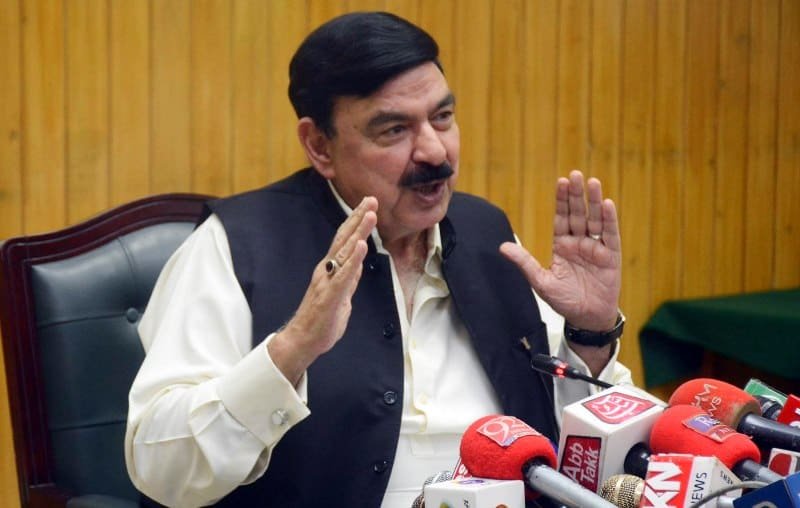
    Interior Minister Sheikh Rasheed on Thursday while talking to the media said, “I want to state this on oath, I don’t know what the agreement with Tehreek-i-Labbaik Pakistan (TLP) is.”

    The minister when questioned about the “secretive agreement” of the government with TLP, responded that thankfully he has been able to escape problems and said, “I am not a part of this problem.”

    Earlier, the government decided to disclose the details of the agreement with the TLP in the next 10 days. The military leadership had advised against the use of force against the protesters after Prime Minister (PM) Imran Khan had authorised it.

    “The army chief [General Qamar Javed Bajwa ] said if the decision-makers were ready to pay the price for using force against the TLP, then the military would do as ordered. However, mention was made of the previous instances where the government had used force against citizens – Lal Masjid and the Model Town incident – and participants of the meeting were reminded of the consequences of both episodes.”

    The government, on November 7, revoked the ban on TLP.

  • ‘Avoid bloodshed’: Military opposed use of force against TLP protestors

    ‘Avoid bloodshed’: Military opposed use of force against TLP protestors

    The government has decided to disclose the details of the agreement with the Tehreek-i-Labbaik Pakistan (TLP) in the next 10 days. The military leadership had advised against the use of force against the protesters after Prime Minister (PM) Imran Khan had authorised it, writes Fahd Husain for Dawn.

    On Monday, a meeting of the Parliamentary Committee on National Security (PNSC) comprising members of the National Assembly (NA) and Senate took place in Islamabad. The parliamentarians were taken into confidence by the military leadership over a secretive deal between the government and the TLP.

    The government has fundamentally decided to make public the agreement it signed with the TLP but the secrecy of the details shall be kept intact until its implementation.

    Sources privy to the matter revealed that the premier had authorised the use of force against the TLP marchers. Chief of Army Staff (COAS) General Qamar Javed Bajwa presented all the gains and losses of using force against TLP workers.

    “The army chief said if the decision-makers were ready to pay the price for using force against the TLP, then the military would do as ordered. However, mention was made of the previous instances where the government had used force against citizens – Lal Masjid and the Model Town incident – and participants of the meeting were reminded of the consequences of both episodes.”

    “The military leadership, however, advised against the use of force arguing that it was not a solution. It was then decided to opt for a negotiated settlement in order to, as one source put it, ‘avoid bloodshed’. This is when Mufti Muneeb-ur-Rehman was identified as someone who could mediate an agreement given his standing as a senior Barelvi cleric.”

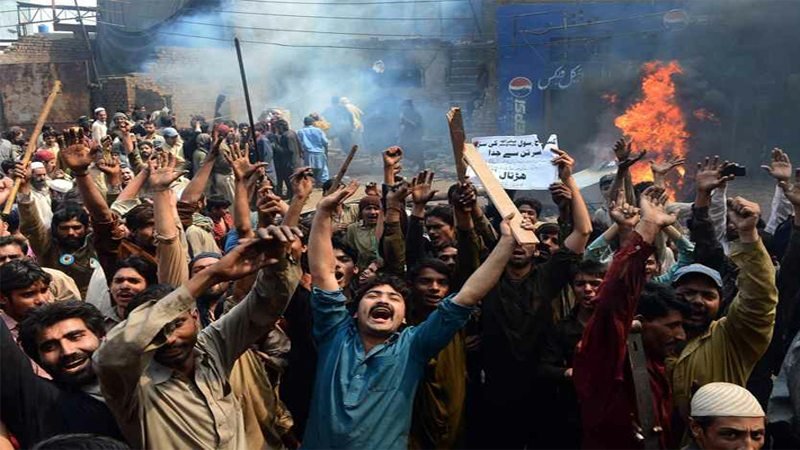
    The TLP protest turned violent, killing seven police officers and hundreds more wounded during clashes with TLP demonstrators marching up towards the capital. November