Tag: large-scale manufacturing

  • Alarming decline in Pakistan’s manufacturing sector, latest data reveals

    Alarming decline in Pakistan’s manufacturing sector, latest data reveals

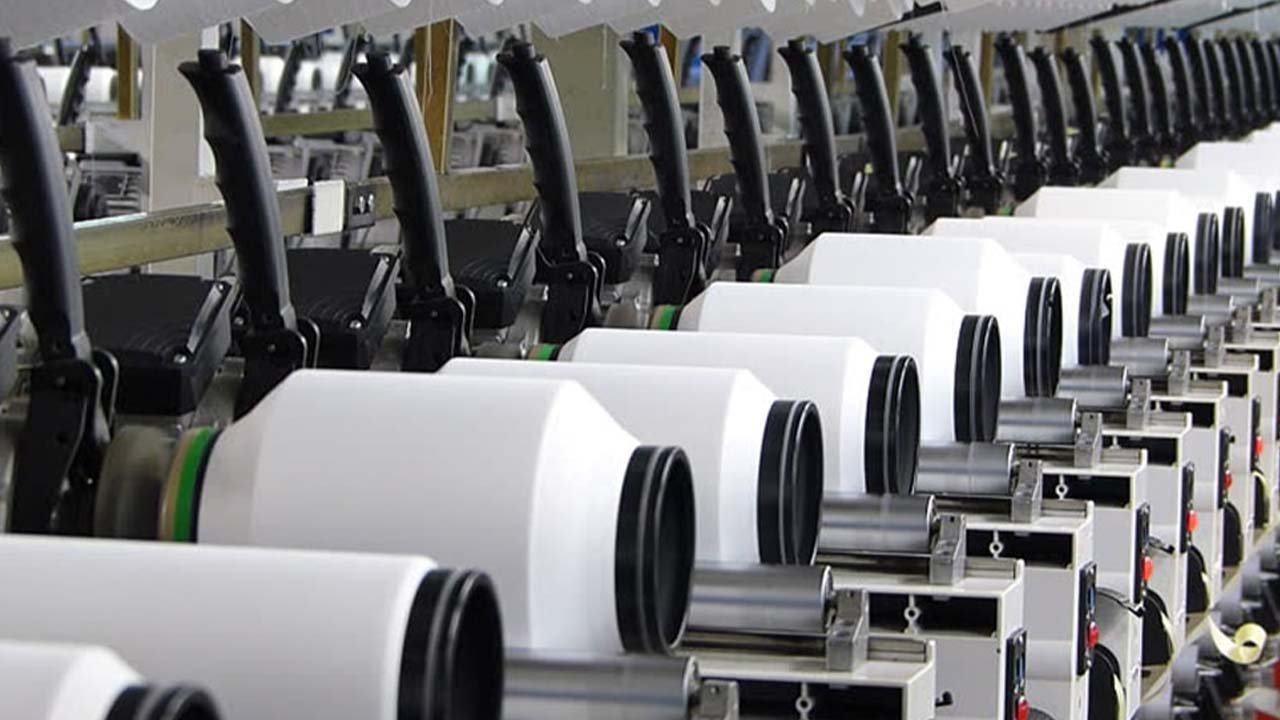
    The manufacturing industry in Pakistan, which is responsible for about 20 per cent of the country’s economic growth, has experienced its eighth consecutive month of decline. This is a major cause for concern as it could have negative impacts on the overall economy.

    In February, the rate of decline was particularly severe, with a contraction of 11.59 per cent compared to the same period in the previous year, according to data from the Pakistan Bureau of Statistics.

    This decline will impact Pakistan’s overall economic growth, with the gross domestic product (GDP) also expected to suffer a significant blow this fiscal year.

    The negative growth of the sector is due to both domestic and global factors, including high energy costs, rupee devaluation, and the government’s tightening of monetary and fiscal policies. Industrial output fell by 5.56 per cent in the first eight months (July-February) of the ongoing fiscal year, compared to the same period last year.

    The global economic slowdown has further worsened the situation, with many businesses scaling back operations or reducing operating hours, while others have shut down their plants. The LSM sector has witnessed a decline in production from August 2022 to February 2023.

    All major and small sectors’ output contracted in February, including textile, food, coke and petroleum products, chemicals, automobile, pharmaceuticals, cement, fertilisers, iron and steel, furniture, leather products, electrical equipment, and non-metallic mineral products.

    To combat soaring inflation, the State Bank of Pakistan (SBP) also raised the discount rate to 21 per cent, hindering industrial activities by making bank financing more expensive.
  • Pakistan’s finance ministry predicts high inflation to persist

    Pakistan’s finance ministry predicts high inflation to persist

    As per the Finance Ministry’s monthly economic update and outlook for February, inflation is projected to range from 28 per cent to 30 per cent in the near future, before gradually subsiding. The report cites several reasons for this, including an uncertain political and economic environment, currency depreciation, a recent increase in energy prices, and higher administered prices.

    The report notes that interest payments will contribute to total expenditures, constraining the fiscal space available for normal operations, investments, and social and structural policies.

    While the State Bank of Pakistan (SBP) has been implementing a contractionary monetary policy, it is expected that inflationary pressures will take some time to ease. The federal government, in collaboration with provincial governments, is closely monitoring the demand-supply gap of essential commodities and taking necessary measures to stabilise prices.

    The resumption of an economic stabilization program will aid in achieving economic and exchange rate stability and provide an opportunity to benefit from falling international commodity prices. This will also help control cost-push inflation and allow the government to pass on lower commodity prices to domestic consumers.

    The report notes that favorable weather and the use of inputs by farmers should help meet the 28.4 million-ton wheat target, while disbursements under the Kissan package should positively impact agricultural productivity and overall economic activity. The cyclical pattern of large-scale manufacturing (LSM) in Pakistan is positively correlated with the cyclical position of the country’s main trading partners. In December 2022, LSM activity was as expected, with no unexpected shocks observed in that month.

    However, the international economic environment remains uncertain, as evidenced by the Composite Leading Indicators (CLI) in Pakistan’s main export areas, which were somewhat negative compared to historical standards.

    The ministry anticipates that LSM will increase in January compared to the previous month, partly due to seasonal factors. The ministry forecasts that LSM output may marginally decline on a YoY basis, mainly due to the high base effect in the reference period