Tag: laws

  • Ban against corporal punishment enforced in Islamabad

    On Thursday, the federal government of Pakistan introduced rules to enforce the ‘Prohibition of Corporal Punishment Act, 2021’ throughout the capital city and territories, banning corporal punishment in public and private schools.

    According to Dawn, the law was passed three years ago, however the rules were updated a couple of months ago and the act was finally launched on Thursday.

    According to the act, teachers who are found guilty of inflicting violence on students will be punished through major penalities like compulsory retirement, dismissal from service or demotion to a lower post. Minor penalties include withholding promotion for a specific period or increment or financial advancement in accordance with the rules or orders pertaining to the service or post.

    The law states:

    “The child has the right to be shown respect for his personality and individuality and shall not be made subject to corporal punishment or any other humiliating or degrading treatment.”

    Speaking at the launch at the Islamabad Model College for Girls in F-10/2, the Minister of Federal Education Rana Tanveer Hussain praised the act as a shift towards fostering a culture of non-violence and empowering the rights of children:

    “Let us work together to implement these rules effectively and create an environment where every child feels safe and nurtured.”

    Convener of the Parliamentary Caucus on Child Rights and Parliamentary Secretary Law and Justice, Mehnaz Akber Aziz, who was also present at the ceremony, discussed the significance of the rules towards improving the lives of children:

    “The launch of the Prohibition of Corporal Punishment Rules is a testament to our commitment to ensuring children’s well-being and upholding their rights. These rules will provide clear guidelines and enforce strict measures to eradicate corporal punishment from educational institutions and child-related settings throughout Islamabad. I hope this will also incentivise the currently 2.4 million out-of-school children to head to schools.”

    United Nations International Children’s Fund (UNICEF) Representative Abdullah A. Fadil spoke on why corporal punishment must be outlawed in Pakistan:

    “Corporal punishment can inflict immediate pain and suffering, and sadly may also cause irrevocable damage that can last a lifetime. We need to act now and put all our weight behind this act so that all children in Pakistan are able to learn and grow in a safe environment and are protected in a society which respects and upholds their rights and dignity.”

  • Pervez Ashraf warns Supreme Court not to interfere in politics

    Pervez Ashraf warns Supreme Court not to interfere in politics

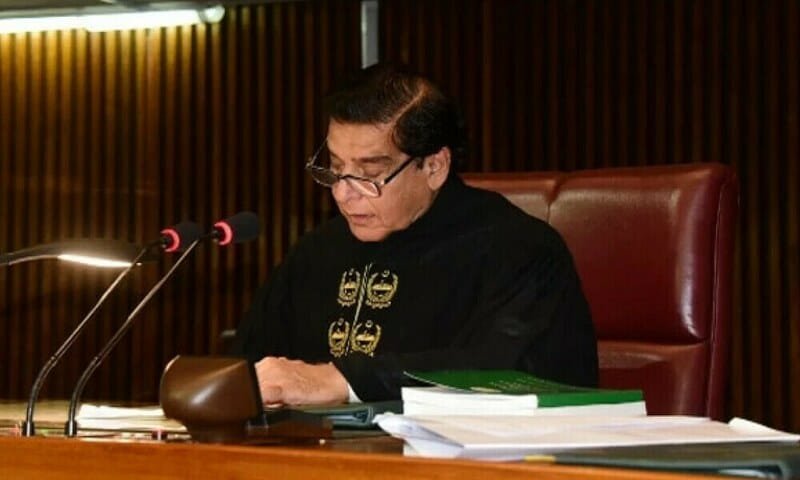
    Speaker of the National Assembly (NA) Raja Pervez Ashraf has taken a strong stance against what he has termed “interference” by the Supreme Court in the affairs of the parliament.

    In an interview, the Speaker said that if the Parliament is restricted to legislating only what the Supreme Court wants, then what is the need for elections.

    Ashraf said that “[the superior judiciary] should take over the legislative business if parliament’s lawmaking authority is unacceptable.”

    He also warned the top court against intruding in the parliament’s domain, saying “others will also try to enter your domain”.

    He asserted that parliamentarians themselves should resolve all political matters in the parliament or at any other forum on their own.

    Referring to alleged differences between Supreme Court judges, the former Prime Minister (PM) said: “Division in politics is necessary, but division in Supreme Court is dangerous.” He said the Supreme Court can’t function if it is divided.

  • Apple may allow third-party app stores on iOS to make the iPhone more open

    Apple may allow third-party app stores on iOS to make the iPhone more open

    To meet EU standards outlined in the Digital Markets and Services Act, Apple intends significant improvements to iOS and other services.

    According to Mark Gurman from Bloomberg, Apple will redesign its platform to “open up key elements,” allowing users of the iPhone and iPad to download applications from third party app stores and websites.

    Only the 27 European Union member states are expected to experience the changes, which would pave the way for a potential expansion of the services to other areas.

    As corporations have time until 2024 to completely comply with the Digital Markets Act, plans for the changes are probably going to launch with iOS 17 in 2023. The implementation also includes adding new web browsing engines to iPhones and iPads as well as expanding access to the NFC chip, camera, Find My Network, and AirTag.

    Gurman noted that even if developers choose not to make their apps available through the App Store, Apple still intends to charge them.

    Both the Digital Markets Act and the Digital Services Act aim to enhance privacy protection, foster fair competition, and do away with some intrusive targeted advertising. The first act, which is meant to provide improved interoperability with less significant competing services, is where Apple’s activities mostly come under.

    Let’s say Cupertino chooses not to follow the regulation when it becomes effective on January 1, 2024. In that situation, regulators may impose a penalty equal to 10 per cent of the entire global turnover, up to 20 per cent for recurrent infractions.

  • Shahzeb won’t get justice: the fault in our laws

    Shahzeb won’t get justice: the fault in our laws

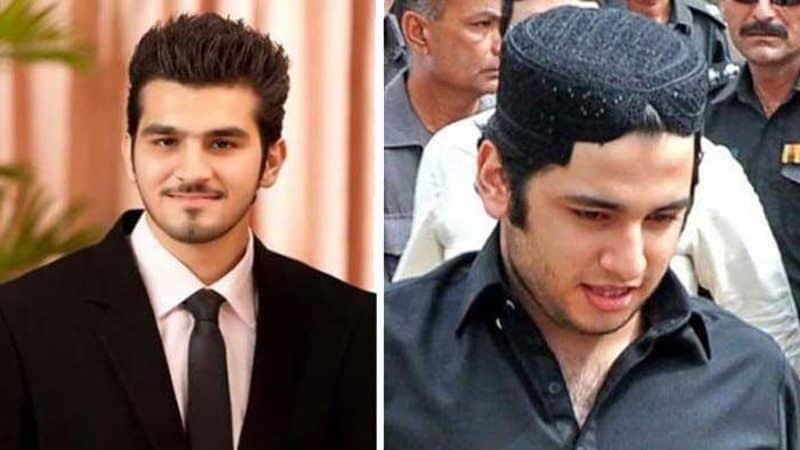
    The Supreme Court acquitted Shahrukh Jatoi as well as his accomplices in the Shahzeb Khan murder case. Jatoi, a scion of a rich and influential family, has gotten away with murder, which is a prime example of a miscarriage of justice. Ten years ago, Jatoi and his friends killed 20-year-old Shahzeb Khan. Jatoi also flew out of the country to escape the law. He was eventually brought back. Later, Shahzeb’s family pardoned him as they faced threats. Not many can forget how the 20-year-old was shot dead for trying to stop Jatoi and company from harassing his sister, and also the way the system protected them. Although the victim’s father was a senior police officer, the police would not register an FIR against the accused.

    In this particular case, we should not forget the role of the Sindh government that consistently facilitated Shahrukh Jatoi because of his influential father. And now our superior judiciary has set him free. Imagine what must be going through the minds of Shahzeb’s family members who not only lost a young loved one but will not have to deal with the trauma of seeing Shahzeb’s murderer being set free. The justice system has indeed failed them the most.

    History will remember that a murderer has been acquitted by our courts. He will be walking freely, out in the open. A complete threat to everyone around. They say justice delayed is justice denied. However, in Pakistan, a murderer has been set free because of our laws, especially the Qisas and Diyat laws. A pardon was signed but in such cases, power and intimidation lead to such pardons. Jatoi getting away with murder makes us question our laws and judicial system. It seems that these laws not only favour those who are powerful but are used quite frequently in murder cases.

    Should the powerful and wealthy be allowed to get away with such crimes? It’s the fault in our laws that mercy to men like Jatoi. Who is next on the list to walk freely: Zahir Jaffer or Shah Nawaz Amir?

    As a country, we are still dealing with the horrors of the murder of Noor Mukadam. We haven’t healed as a nation and have witnessed the bone-chilling gruesome murder of Sara Shah Nawaz at the hands of a man who too was raised as a result of the patriarchal norms in the country. In Pakistan, powerful men can get away with anything, even murder, without any repercussions. Our society and justice system have failed the men and women of Pakistan.

  • Saudi Arabia and Gulf neighbours threaten Netflix over immoral content

    Saudi Arabia and Gulf neighbours threaten Netflix over immoral content

    Persian Gulf states threatened to sue the streaming service Netflix if it does not take down content that is objectionable to Islam. The Arab nations mentioned content representing sexual minorities but did not name the seasons or films.

    The streaming service was warned if it continued to broadcast the content then ‘necessary legal measures’ will be taken.

    The declaration was also released by the governments of Saudi Arabia and the United Arab Emirates.

    They are a part of the six-nation council, along with Bahrain, Kuwait, Oman, and Qatar.

    The UAE further stated that it would monitor the content broadcast by the platform in the ensuing days and “evaluate its commitment to broadcasting restrictions” in the nation.

    A lady designated as a “behavioural expert” was interviewed by Saudi state media, and she claimed that Netflix was a “official sponsor of homosexuality” in the interview.

    Read more: iPhone 13 Pro Max Vs. iPhone 14 Pro Max comparison: Everything you need to know

    It simultaneously broadcast fuzzy footage from the Jurassic World: Camp Cretaceous cartoon, in which two women kiss.

    Additionally, a segment on Saudi state television suggested that Netflix might be outlawed in the country due to concerns about its children’s programming.

    Because it has characters who are in a same-sex relationship, the animated feature film Lightyear from Walt Disney-Pixar was earlier this year banned from theatres in the UAE and other Muslim nations.

  • Marylebone Cricket Club bans use of saliva to shine ball

    Marylebone Cricket Club bans use of saliva to shine ball

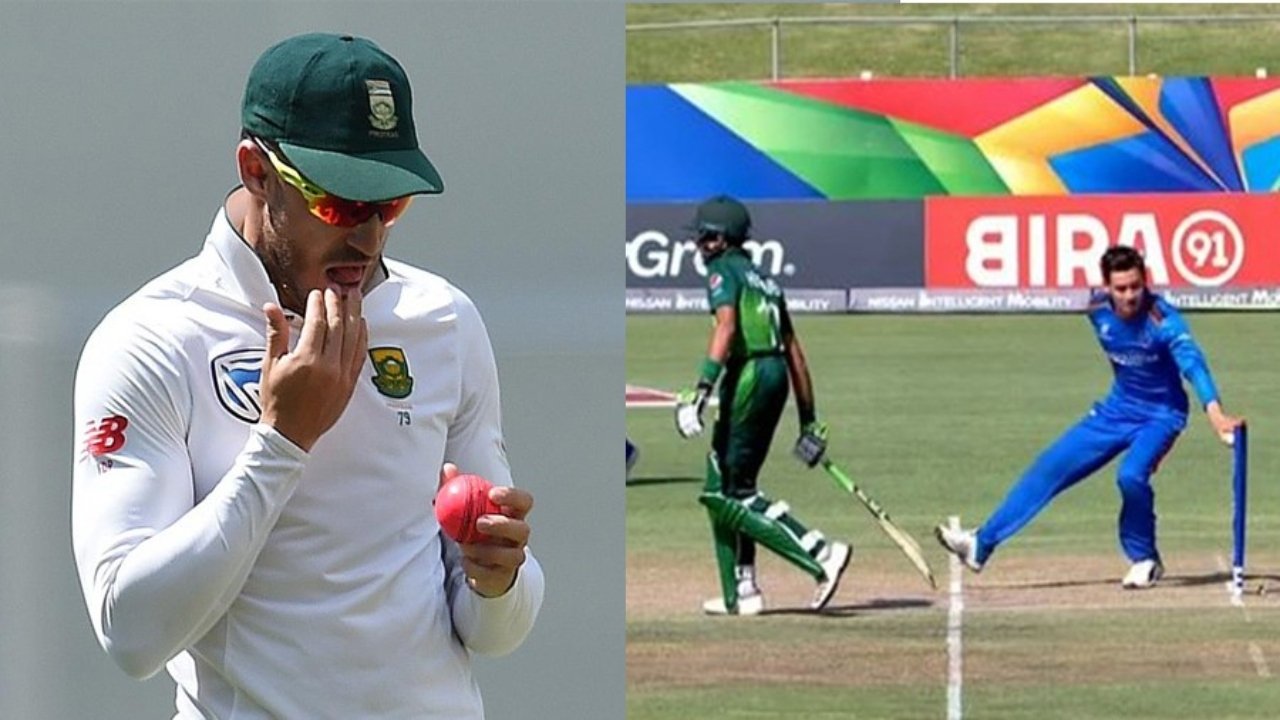
    Marylebone Cricket Club (MCC) has said that using saliva to shine the ball would be treated as an unfair practice.

    “The new laws will not permit the use of saliva on the ball, which also removes any grey areas where fielders eating sugary sweets alter their saliva to apply to the ball,” the MCC said in a statement.

    “Using saliva will be treated the same way as any other unfair method of changing the condition of the ball.”

    In the new rules approved by the MCC, cricketers will not be allowed to use saliva to shine the ball, and the “Mankad” method of dismissing batters will not be classed as unfair play.

    The basic meaning of the term “Mankad” is that a bowler can run out the non-striker batsman if he tries to step out of the crease when the bowler releases the ball.

  • Govt mulls new rules to ‘control’ digital media in Pakistan

    Govt mulls new rules to ‘control’ digital media in Pakistan

    The government is planning to impose new rules that could radically redefine the digital landscape of Pakistan, ProPakistani reported Wednesday.

    According to reports, the government wants to curb blasphemous content for social media and the new rules would allow institutions to control all online content in the country.

    The new rules — named the Citizens Protection Against Online Harm Rules — are a sort of extension of legislation like the Prevention of Electronic Crimes Act (PECA) and would allow the government to bypass industry stakeholders following approval of the federal cabinet.

    While the document (available here courtesy of Digital Rights Monitor) talks about social media companies, the definition for “social media companies” is broad enough to bring any company with an online presence under its ambit. If companies don’t abide by any of the rules in the 14-page document, they’ll be blocked in Pakistan.

    The move comes days after a Senate panel rejected a proposed move to be initiated by the Pakistan Electronic Media Regulatory Authority (PEMRA) for regulating web TV and over-the-top (OTT) media service in the country following the authority failed to establish its jurisdiction for doing so before the house’s body.

    The Senate Functional Committee on Human Rights which met with Senator Mustafa Nawaz Khokhar in the chair held a detailed discussion on PEMRA’s proposal of regulating web TV and OTT content.