Tag: LCs

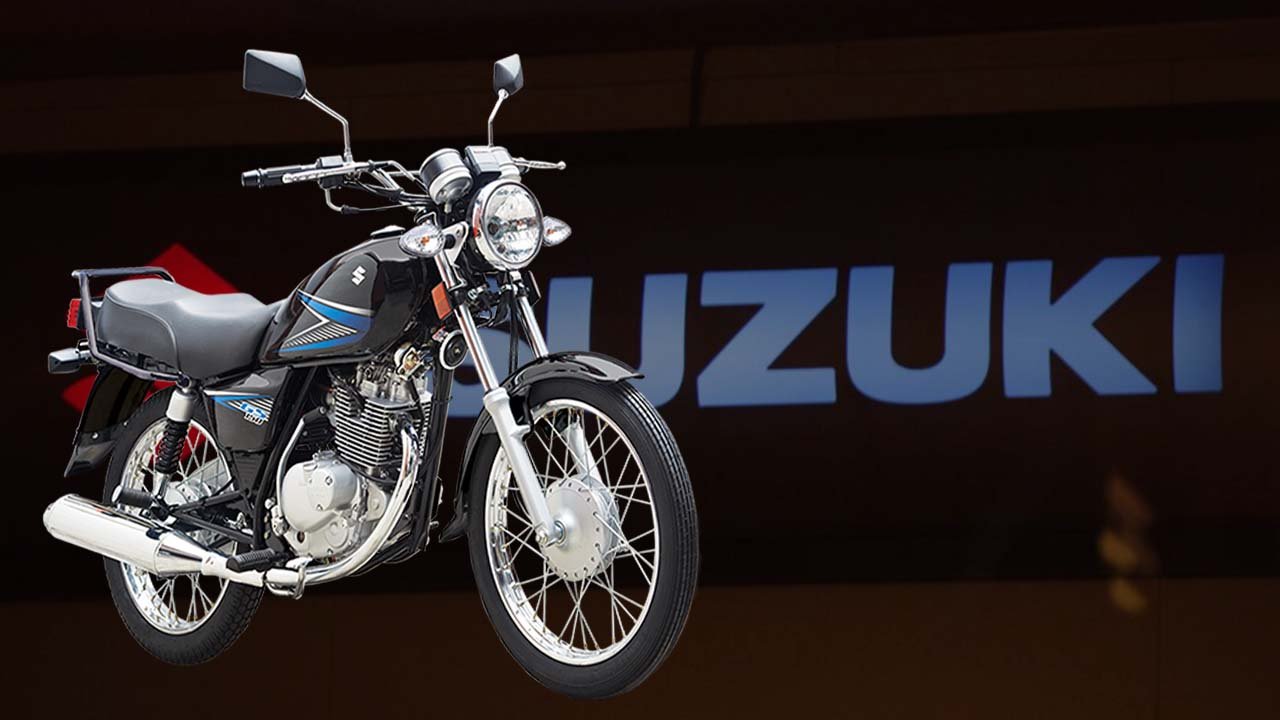
  • Pak Suzuki follows Atlas Honda’s lead, raises motorcycle prices amid economic crisis

    Pak Suzuki follows Atlas Honda’s lead, raises motorcycle prices amid economic crisis

    In the midst of Pakistan’s economic crisis, the country’s automobile industry is struggling to stay afloat. One of the major players in the two-wheeler market, Pak Suzuki Motors, has recently increased the prices of its motorcycles due to the continuous devaluation of the rupee.

    This comes as no surprise since Pakistan’s auto industry heavily depends on imports and has been facing obstacles due to restrictions on the opening of letters of credit (LCs) after the rupee’s depreciation.

    According to a notification sent by the company to its dealers, the new rates will apply from May 9 and remain unchanged until further notice. The retail prices include the ex-factory product price and freight charges incurred on motorcycles that are delivered to dealerships.

    The notification mentioned that the rate of GD110s has increased to Rs335,000, GS150 to Rs364,000, GSX125 to Rs488,000, GR150 to Rs521,000, and GW250JP to Rs1.04 million.

    It’s worth noting that this isn’t the first time the automobile industry has seen such a price hike. Atlas Honda, Pakistan’s biggest player in the two-wheeler segment in terms of market share, recently increased its motorcycle prices for the fourth time this year, making them more expensive by Rs5,000-15,000.

    As the industry continues to face hindrances, it remains to be seen how it will adapt to the current economic conditions.

    Here are the new prices for all Suzuki motorcycles:

    Motorcycle Price (in PKR)
    GD110s Rs335,000
    GS150 Rs364,000
    GSX125 Rs488,000
    GR150 Rs521,000
    GW250JP Rs1,040,000
  • Honda City 1.2 manual now costs more than Rs4.3 million after latest price hike

    Honda City 1.2 manual now costs more than Rs4.3 million after latest price hike

    Honda Atlas Cars Limited (HACL) has once again raised its car prices for the second time in two weeks. The company attributed the increase to rising inflation and a depreciating local currency.

    Below are the new prices for all Honda cars:

    Car Old Price (Rs) New Price (Rs) Hike (Rs)
    City 1.2 M/T 4,069,000 4,329,000 260,000
    City 1.2 CVT 4,199,000 4,469,000 270,000
    City 1.5 CVT 4,449,000 4,739,000 290,000
    City Aspire 1.5 M/T 4,629,000 4,939,000 310,000
    City Aspire 1.5 CVT 4,799,000 5,119,000 320,000
    Civic 1.5T M-CVT 6,849,000 7,299,000 450,000
    Civic Oriel 1.5T M-CVT 7,099,000 7,599,000 500,000
    Civic RS 1.5T LL-CVT 8,099,000 8,649,000 550,000
    HR-V VTi 1.5 6,399,000 6,799,000 400,000
    HR-V VTi S 1.5 6,599,000 6,999,000 400,000
    BR-V S 1.5 5,299,000 5,649,000 350,000

    The automobile industry is facing challenges due to foreign exchange limitations and parts supply issues. The Pakistan Association of Automotive Parts and Accessories Manufacturers (PAAPAM) and the Pakistan Automotive Manufacturers Association (PAMA) have jointly sent a letter to the Governor of the State Bank of Pakistan (SBP), Jameel Ahmed, highlighting the dire situation.

    In the letter, the organizations state that the industry is facing the brink of collapse due to restrictions imposed by the SBP on imports and a lack of support from banks in the automotive sector. This has resulted in sporadic plant closures and lay-offs among assemblers and suppliers.

    The joint letter from PAAPAM and PAMA advised that failure to take corrective action would result in negative consequences such as widespread job loss, reduction in government income, the shutdown of car assembly plants, and capital loss. The letter emphasized that the negative effects of the letter of credit (LC) issue have contributed to the collapse of the automobile industry.

  • SBP asks banks to prioritise import of certain essential items to help businesses

    SBP asks banks to prioritise import of certain essential items to help businesses

    In order to help businesses, the State Bank of Pakistan (SBP) on Monday removed the necessity for prior import approval and asked banks to give priority to the importation of certain necessities, including food, medicine, and energy.

    The business community, including various trade bodies and chambers of commerce, has drawn attention to the fact that many shipping containers carrying imported goods are stuck at the ports as a result of delays in the release of shipping documents by banks, according to a statement issued by the SBP on Monday.

    “SBP has advised banks to provide one-time facilitation to all those importers who could either extend their payment terms to 180 days (or beyond) or arrange funds from abroad to settle their pending import payments.”

     “Accordingly, till March 31, 2023, banks have been advised to process and release documents of shipments/ goods that have already arrived at a port in Pakistan or have been shipped on or before January 18, 2023,” said the central bank.

    To avoid any future issues, SBP also suggests that clients notify their banks before beginning any import transaction.

    To the dismay of many importers and firms in Pakistan, who cited these constraints as the reason for closing down or curtailing operations, the SBP restricted imports early this year due to low levels of foreign exchange reserves.

    Last week, the business community of the country harshly criticised the SBP’s role in the issue in light of the difficulty in issuing letters of credit.

  • Pakistan has ample fuel stocks available: PSO denies reports of petrol, diesel shortage

    Pakistan State Oil (PSO) on Friday denied all the rumours about the shortage of fuel reserves and said that there is ample stock of petroleum products in the country.

    The Ministry of Energy and Oil & Gas Regulatory Authority (OGRA), according to the PSO spokesman, is keeping an eye on the general situation regarding product availability by other oil marketing companies to ensure that the nation’s supply chain is maintained smoothly.

    He claimed that PSO would continue to supply the nation with petroleum products on an uninterrupted basis, that there is enough gasoline and diesel in the country, and that 80,000MT and 90,000MT, respectively, of each have arrived at Karachi Port.

    According to the OGRA spokesperson, local oil marketing firms and refineries are also working to meet the demand for petroleum products.

    The Oil Companies Advisory Council (OCAC) requested last week that the federal government step in right away to guarantee the prompt issuing of lines of credit to import petroleum products in order to prevent a fuel scarcity in the nation.

    On behalf of oil marketing companies (OMCs) and refineries, the OCAC sent a letter outlining the difficulties resulting from the opening of letters of credit (LCs) for the import of petroleum products being delayed.

    There haven’t been many oil shipment cancellations as a result of the LCs being closed.

    Mogas, High-Speed Diesel (HSD), and 650,000 MT of crude oil must all be imported into Pakistan on a monthly basis for a total cost of about $1.3 billion.

  • ‘We are unable to serve new customers’: Pak Suzuki announces booking suspension for all motorcycles

    ‘We are unable to serve new customers’: Pak Suzuki announces booking suspension for all motorcycles

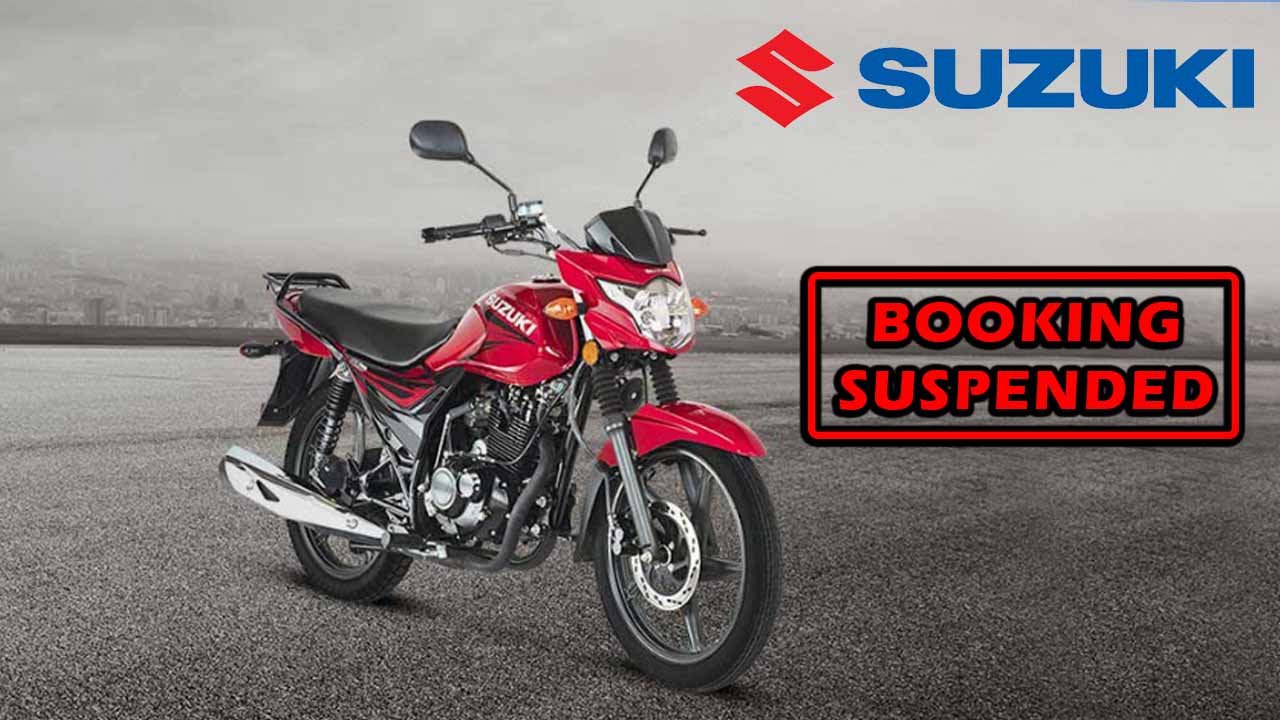
    Pak Suzuki Motor Company (PSMC) stated on Thursday that it had halted taking reservations for motorbikes until further notice due to issues with manufacturing and procurement following the consecutive closures of its automobile assembling factories caused by an ongoing inventory crisis.

    “Under the present economic circumstances, import-based supply chain constraints and uncertain production possibilities, we are unable to serve new customers,” the company said in a letter to dealers.

    The suspension of reservations would start today.

    “We will, therefore, stop bookings of our motorcycle products from January 20, 2023, for the time being. However, bookings will resume as the situation becomes favourable to serve fresh customers.”

    With the rupee falling and inflation at decades-high levels, Pakistan’s economy has collapsed along with a simmering political crisis, but disastrous floods and a worldwide energy crisis have added to the strain.

    Almost all industries, including the automotive sector, have been slowed down by a lack of imported components and materials, and an alarmingly large number of businesses have been forced to cease operations.

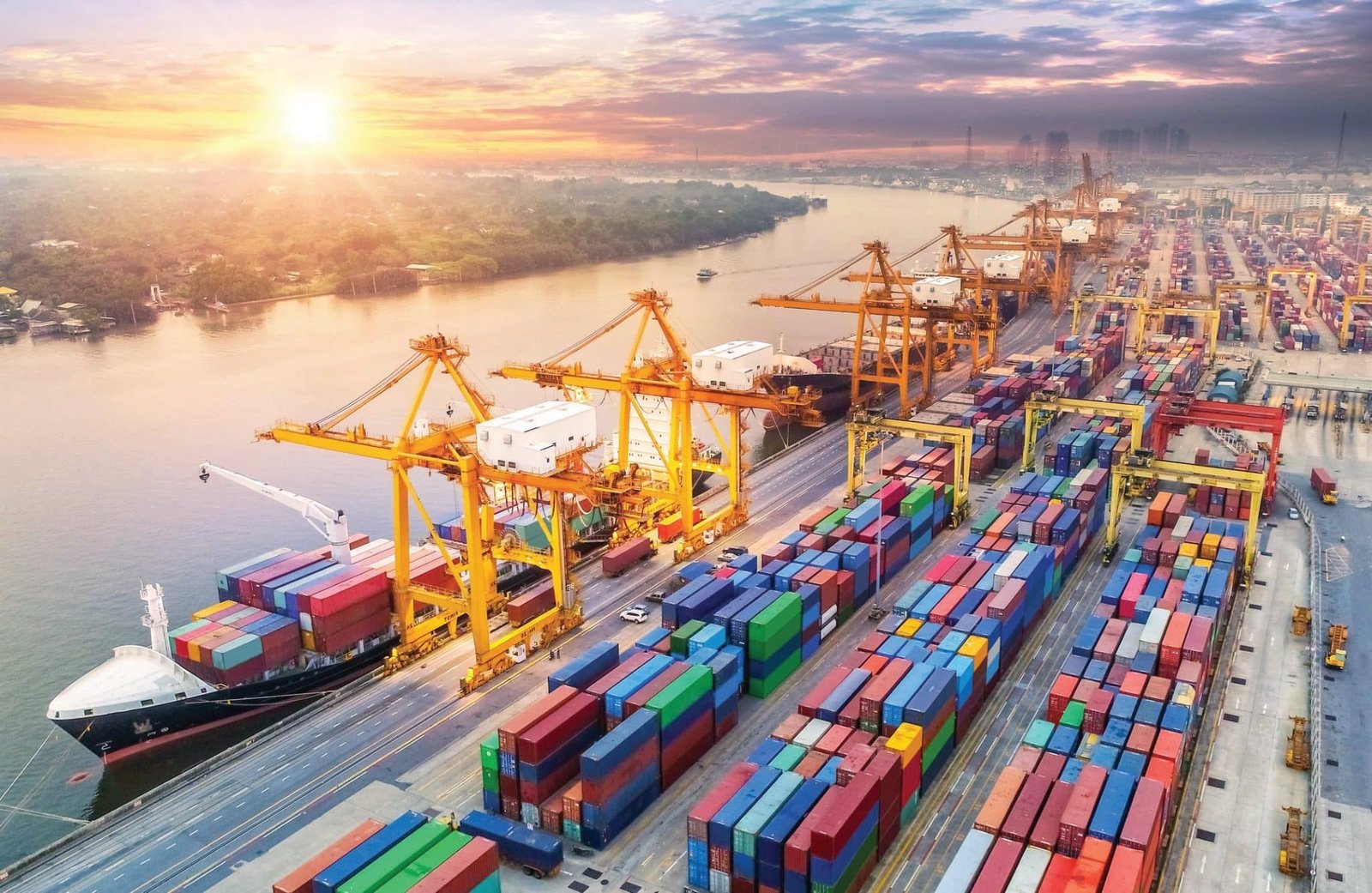
    As Pakistan struggles with a dire foreign exchange crisis, thousands of containers filled with basic food supplies, raw materials, and medical equipment have been held up at the Karachi port.

    According to Express Tribune, banks are refusing to issue fresh letters of credit for importers due to a shortage of needed dollars, which is hurting an economy already under pressure from high inflation and weak growth.

  • Export industry is one of the highest priorities of govt: Ishaq Dar

    Export industry is one of the highest priorities of govt: Ishaq Dar

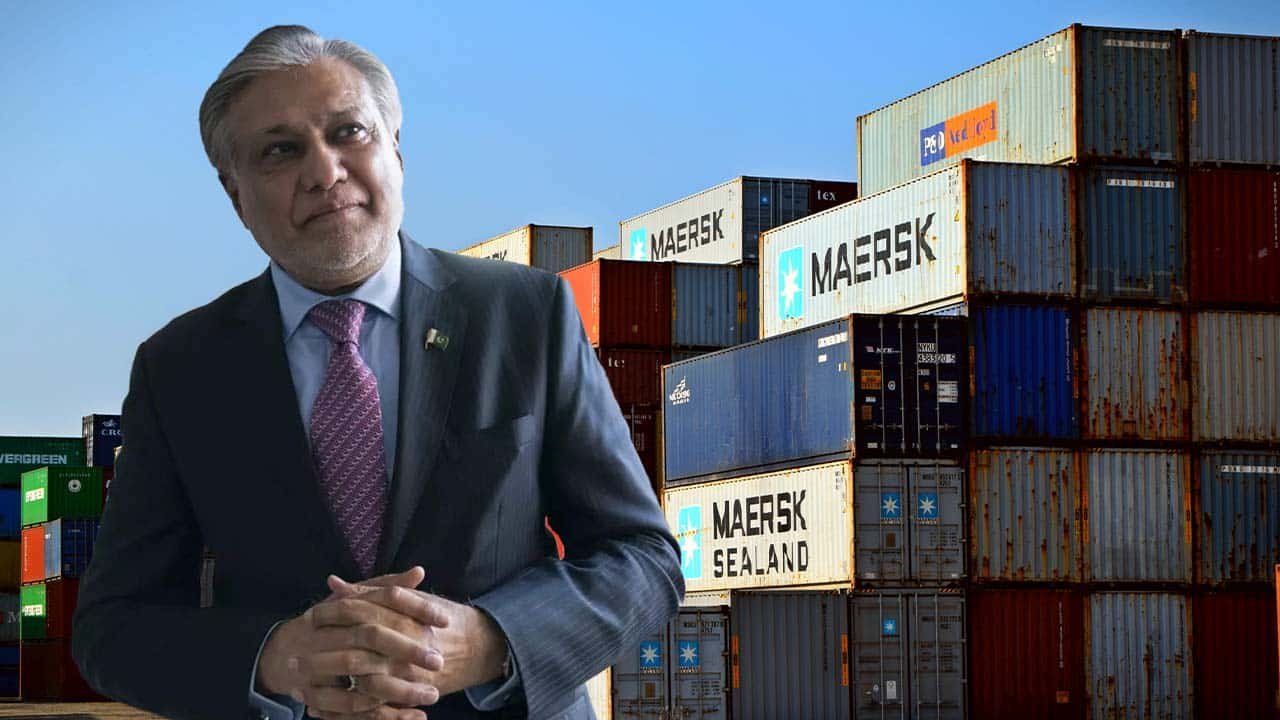
    Federal Minister for Finance and Revenue Ishaq Dar on Monday said that the government will make it easier for all exporters to import the raw materials, components, and accessories they need to meet their demands, including five previously zero-rated export-oriented sectors.

    “Export industry is one of the highest priority of our government,” the minister wrote on Twitter.

    “Five (previously) zero-rated export-oriented sectors and all other exporters will be given complete facilitation for import of raw material, parts, and accessories to meet their export requirements,” Dar added.

    The announcement comes as the country battles a dire foreign exchange crisis and industries, notably exporters, struggle to get their Letters of Credit (LC) issued

    At Karachi port, thousands of containers containing raw materials, food items, and medical supplies are stranded due to a shortage of dollars.

    Banks are refusing to grant fresh letters of credit for importers due to a shortage of needed dollars, which is undermining an economy already under pressure from high inflation and weak GDP.

  • Diamond Industries suspends manufacturing operations due to unavailability of raw materials

    Diamond Industries suspends manufacturing operations due to unavailability of raw materials

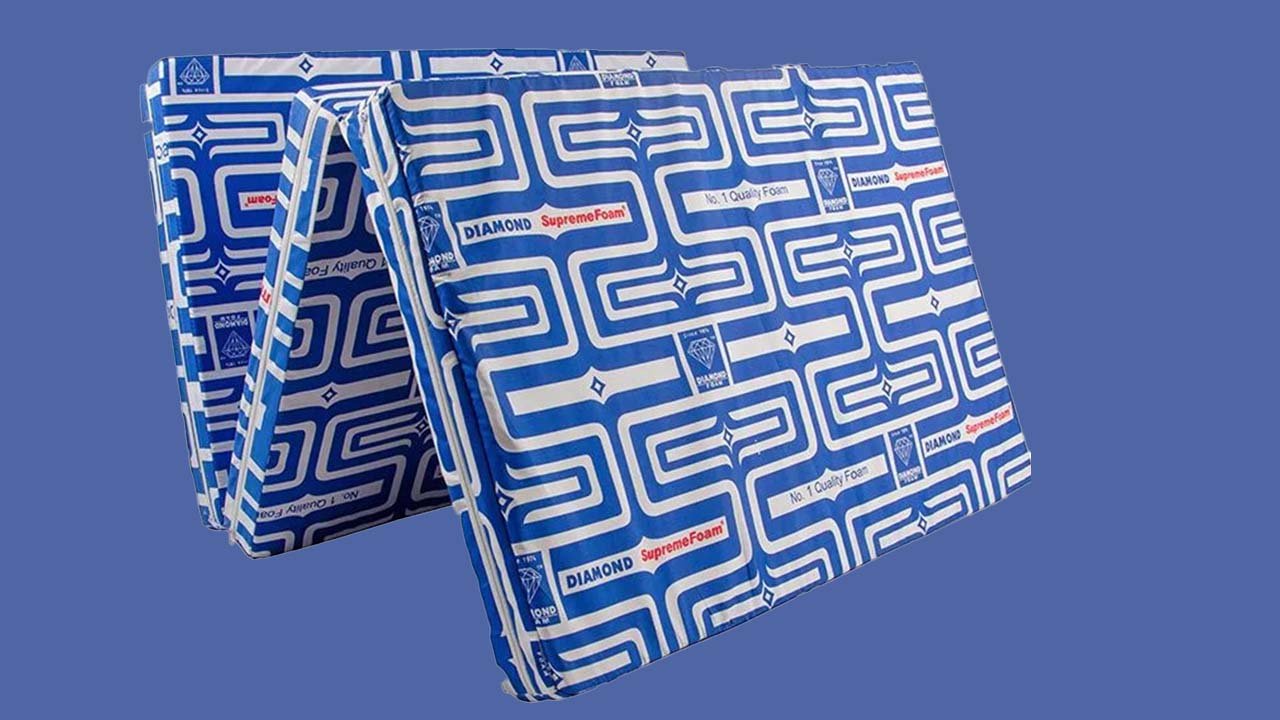
    A major manufacturer of foam products in Pakistan, Diamond Industries Limited has announced to suspend its manufacturing operations from today owing to a shortage of imported raw material.

    The company informed the Pakistan Stock Exchange about the closure in a notice.

    “Due to adverse economic conditions in the country and non-availability of imported raw material, the company has suspended its manufacturing operations for a short term with effect from Tuesday, January 10, 2023, till further notice subject to the availability of imported raw material in the country,” read the notice.

    The announcement follows several companies announcing reductions in production or shutdowns of operations due to slow sales and low inventory.

    It is worth noting that Diamond Industries has been known for selling foam products in the country for more than three decades.

    Experts believe that the situation of industrial sector does not seem to improve soon.

  • SBP to lift import restrictions next week

    SBP to lift import restrictions next week

    The government has lifted import restrictions on commodities intended for vehicle manufacturing, mobile production, solar power equipment, and nuclear reactors for power generation projects commencing in 2023, despite Pakistan’s limited foreign exchange reserves.

    Simultaneously, authorised dealers (ADs – largely commercial banks) have been encouraged to prioritise the import of food and energy products. They should consider enabling the import of non-essential and luxury products after first providing for the necessities.

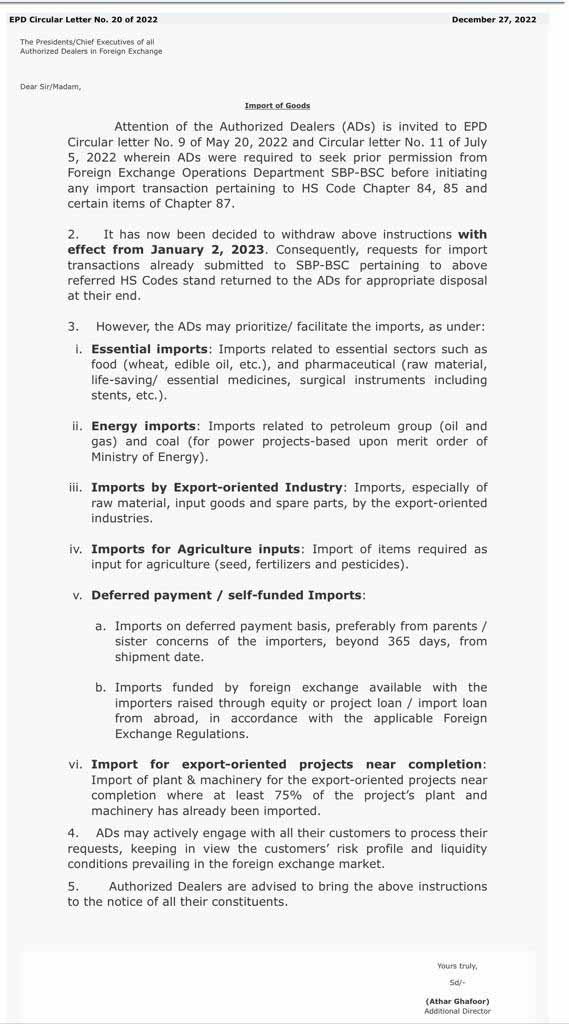
    The State Bank of Pakistan (SBP) reminded ADs on Tuesday that for the past eight months, they had been required to obtain prior permission from the Foreign Exchange Operations Department, SBP-BSC, before initiating any import transaction involving HS Code Chapters 84, 85, and certain items of Chapter 87.

    “It has now been decided to withdraw instructions (of prior permission) with effect from January 2, 2023. Consequently, requests for import transactions already submitted to SBP-BSC pertaining to referred HS codes stand returned to the ADs for appropriate disposal at their end,” the SBP said in the circular.

    Arif Habib Limited (AHL) Head of Research Tahir Abbas said that the import system may “continue to work in its present form. The removal of restrictions will not re-open imports in a full-fledged manner.”

    He stated that due to the country’s short foreign exchange reserves, the government has encouraged banks to first allow the import of necessary items before catering to others.

    The SBP advised ADs (commercial banks) to “prioritise and facilitate the import of essential sectors such as food (wheat and edible oil) and pharmaceuticals (raw material, life-saving or essential medicines, and surgical instruments, including stents).”

    According to Express Tribune, the second priority of ADs is to focus on energy imports “like oil, gas, and coal” (for power projects based on the merit order of the Ministry of Energy).

    Imports for export-oriented businesses should be prioritised as well. They should facilitate “imports, especially of raw materials, input goods, and spare parts, by the export-oriented industries,” stated the SBP. Imports of agri-inputs should be the fourth priority of ADs, as explained by SBP: “import of items required as inputs for agriculture (seed, fertilizers, and pesticides).”

  • Pakistan’s GDP growth expected to remain below 3–4% in FY23: SBP

    Pakistan’s GDP growth expected to remain below 3–4% in FY23: SBP

    In its annual economic health report released on Wednesday, the State Bank of Pakistan (SBP) slashed its predicted GDP growth from the previously disclosed range of 3–4 per cent for the current fiscal year, citing flood-induced destruction and the stabilisation policy as important contributors.

    However, the central bank stated that economic growth was stronger than anticipated in the 2021–22 fiscal year as real GDP increased by 6 per cent compared to 5.7 per cent a year earlier in its Annual Report on the State of Pakistan’s Economy, which mainly covered the previous fiscal year that ended on June 30.

    According to Geo, the GDP grew by 6 per cent in the previous fiscal year. In its monetary policy announcement from October, the SBP already reduced the economic growth to around 2 per cent.

    According to the research, increased agricultural output and a broad-based expansion of large-scale manufacturing (LSM) were the main forces behind this gain.

    Macroeconomic imbalances returned during FY22 as a result of a combination of unfavourable global and domestic circumstances.

    When widespread flooding struck a significant portion of the nation at the beginning of the current fiscal year, the SBP claimed that the economy was in the middle of a stabilisation phase.

    According to the report, the flooding was predicted to have an impact on the nation’s real economic activity through a number of channels. It was feared that losses in agriculture resulting from the destruction of crops and livestock would spread to the rest of the economy through a number of backward and forward links.

    According to the bank, the extensive devastation of infrastructure in the afflicted provinces might also harm the nation’s chances for growth this year.

    Due to the deteriorating economic climate, the SBP avoided stating a range for the growth rate of the current fiscal year. Due to the high rate of inflation and the scarcity of gas and electricity, industries have either stopped operating entirely or substantially reduced their production.

    The SBP’s restriction on the opening of letters of credit (LCs) for imports in an effort to save money is a significant contributing factor.

    In the event that the gas supply is not restored and no LCs are opened, the All-Pakistan Textile Mills Association has warned to declare layoffs within days.

    According to the textile industry, up to 500,000 people who were either directly or indirectly employed by the business have lost their jobs. However, there are no official statistics in this regard.

  • LC payments up to $50,000 to be released by SBP

    LC payments up to $50,000 to be released by SBP

    Federal Finance Minister Ishaq Dar said that $50,000 in letters of credit (LC) payments that are overdue will be settled this week.

    According to Geo, the decision was made following a discussion with the Governor State Bank of Pakistan (SBP) Jameel Ahmed Dar said that the SBP chief will convey these instructions to clear LCs as a “first step” towards growth next month before departing for Washington DC to meet with International Monetary Fund (IMF).

    Almost 4,400 requests for opening LCs, a payment mechanism used in international trade to provide an economic guarantee from a creditworthy bank to an exporter of goods, will be deducted after these decisions, according to the speaker, who revealed that there were a total of 7,952 cases still pending.

    For certain imports, including completely knocked down (CKD) vehicles, telephones, and various types of machinery, the SBP previously required prior approval before opening LCs or registering contracts. However, these directives were given on May 20.

    The Finance Minister also made it clear that Pakistan will not be refinancing its loans through the Paris Club. According to him, Pakistan will make sure to make timely payments to multilateral organisations for its national sovereign debt obligations. He claimed that in this regard, a strategy had been developed.