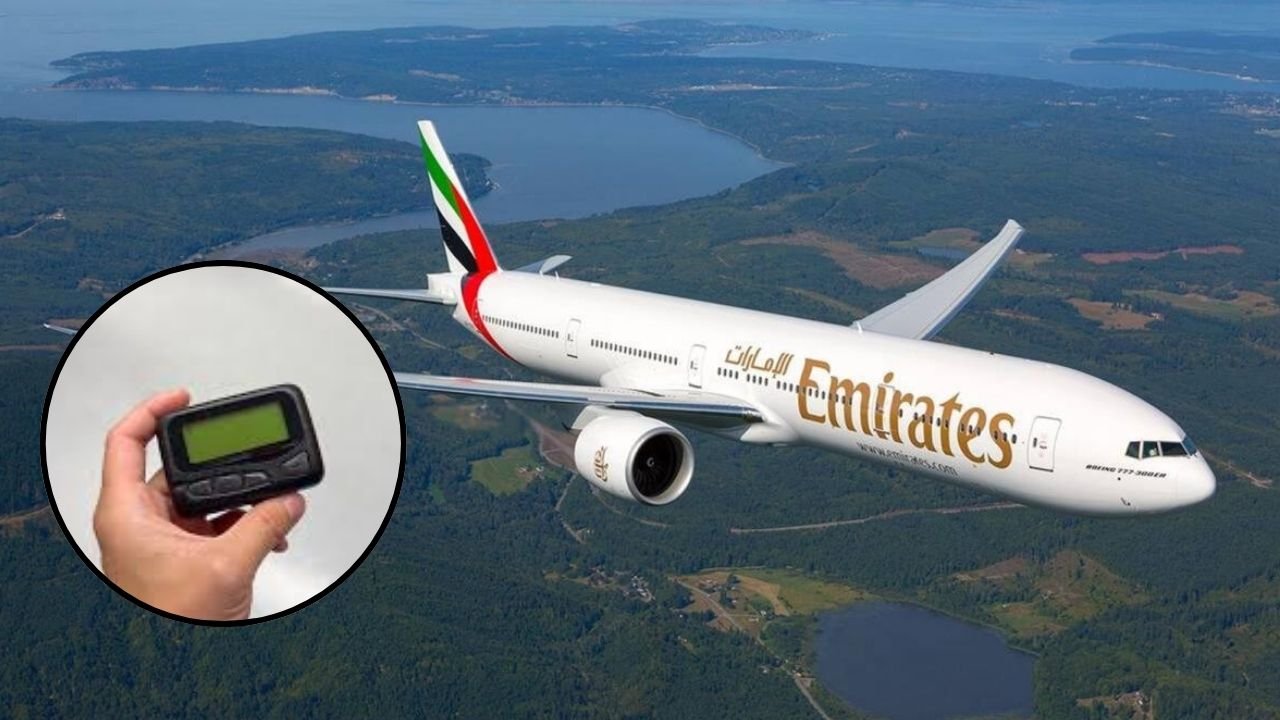
Dubai-based airline Emirates has banned pagers and walkie-talkies onboard its planes following sabotage attacks in Lebanon and extended flight cancellations for Middle East destinations due to regional escalation.
“All Passengers travelling on flights to, from or via Dubai are prohibited from transporting pagers and walkie-talkies in checked or cabin baggage,” the carrier said, weeks after a wave of exploding communication devices used by the Iran-backed Hezbollah group, which blamed Israel for the attacks.
In a statement posted on its website on Friday, Emirates said that “such items found in passengers’ hand luggage or checked baggage will be confiscated by Dubai Police.”
The blasts last month killed at least 37 people and wounded nearly 3,000 across Lebanon.
Emirates, the Middle East’s biggest airline, also announced that its Iraq and Iran routes will remain suspended until Tuesday.
The cancellations were first announced in the wake of a major Iranian attack on Israel this week that saw missiles flying over Iraq and Iran.
Emirates said its flights to Jordan, which were also suspended, would resume on Sunday.
Flights to and from Lebanon will remain suspended until October 15, Emirates said, as Israel steps up attacks on the country, including parts of the capital near its only airport.
Several other carriers have also put some services to and from Beirut and other Middle East airports on hold.
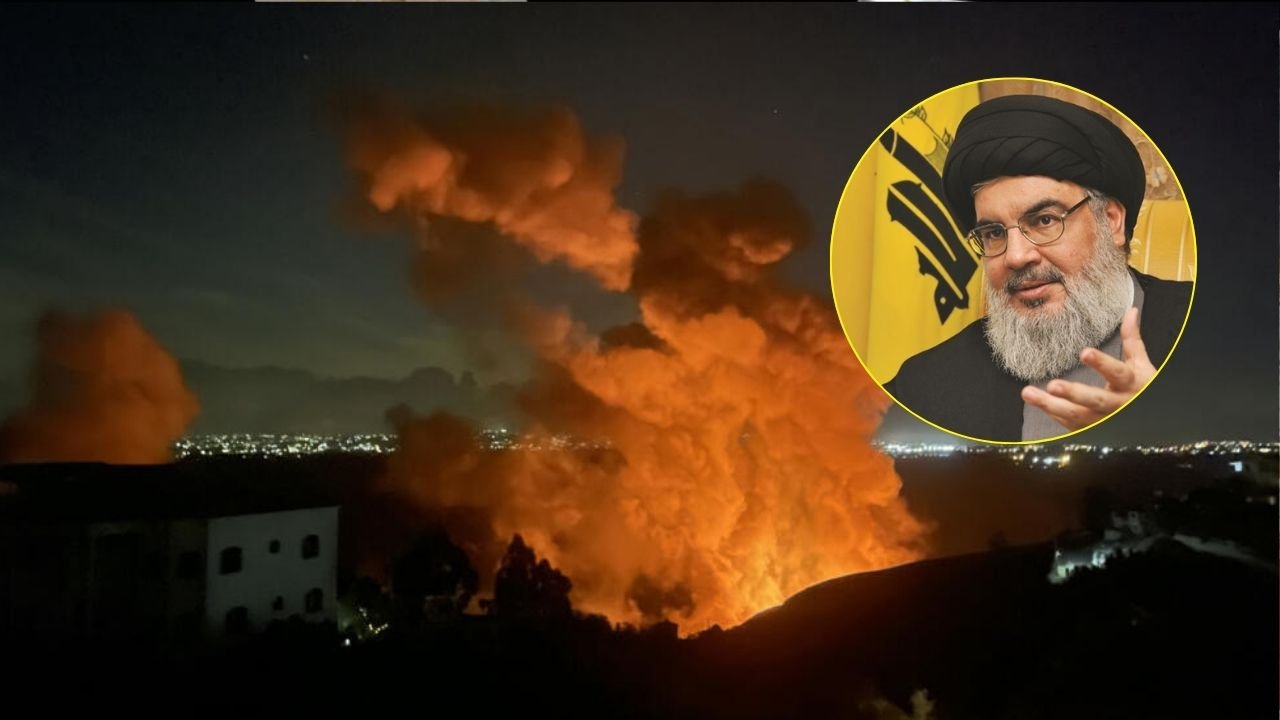
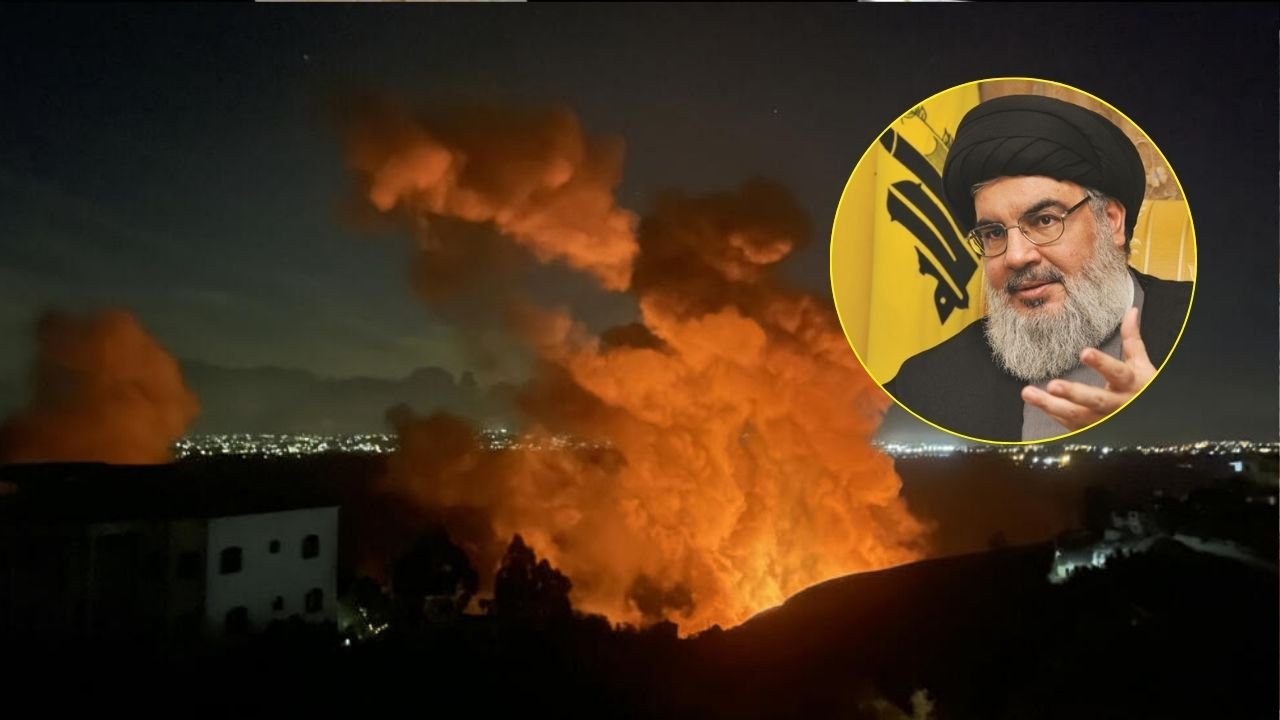
Newsweek reveals that, according to a report released by Israeli media, Hezbollah leader Hassan Nasrallah’s death was caused by suffocation from toxic fumes after an Israeli airstrike hit the bunker he was hiding in.
The report states that the deceased leader’s body was believed to have been pulled from the rubble after the building around him exploded.
There were no visible wounds on his body, suggesting it remained intact and that he died from suffocation due to the fumes.
Lebanon’s Hezbollah group on Saturday confirmed its leader Hassan Nasrallah had been killed, after Israel said it had “eliminated” him in an air strike a day earlier.
“Sayyed Hassan Nasrallah, Secretary General of Hezbollah, has joined his great, immortal martyr comrades whom he led for about 30 years,” Hezbollah said in a statement.
The statement confirmed he was killed with other group members “following the treacherous Zionist strike on the southern suburbs” of Beirut.
In the Lebanese capital Beirut, AFP journalists heard a passerby screaming, “Oh my God”, while women wept in the streets right after Hezbollah announced the news.
Gunfire could also be heard in Beirut, a gesture to mourn the fallen leader, a charismatic religious figure who is idolised by supporters.
An AFP correspondent saw a woman wearing a black veil on the street who yelled: “Don’t believe them, they’re lying, Sayyed is well” — a reference to Nasrallah.
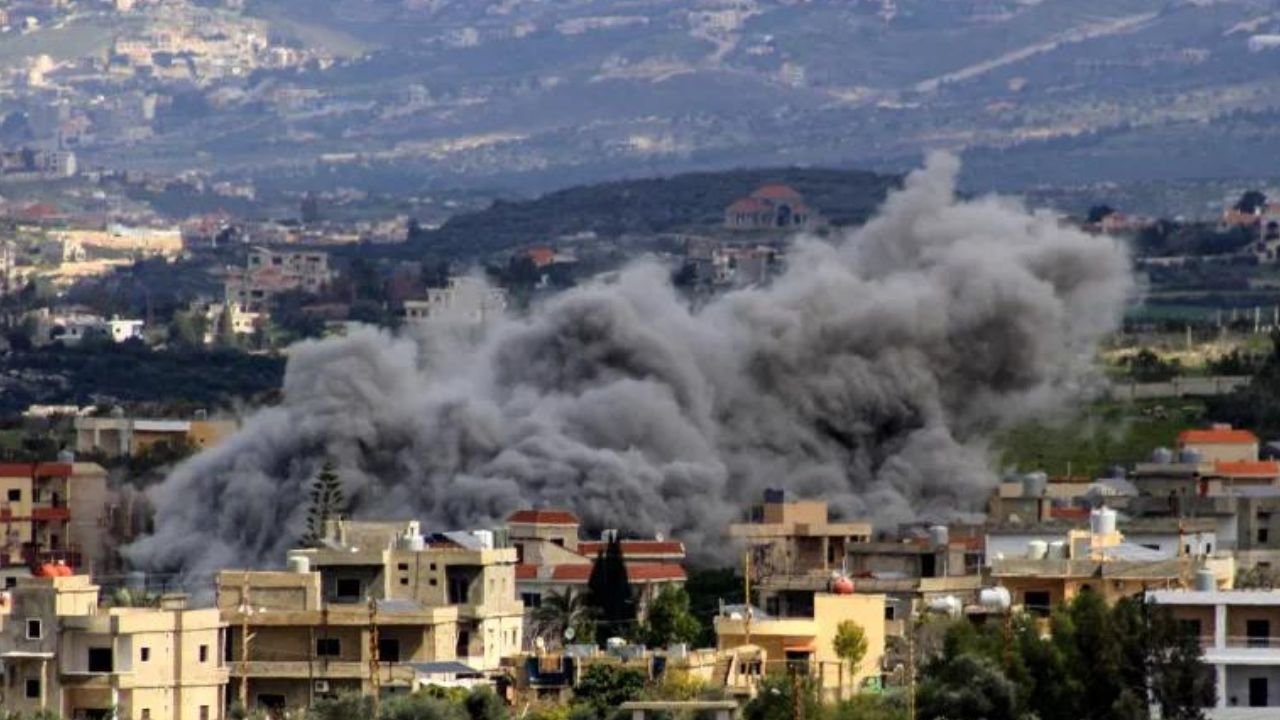
Israeli jets pounded Beirut’s south and its outskirts throughout the night into Saturday in the most intense attacks on the Hezbollah stronghold since the group and Israel last went to war in 2006.
Nasrallah had rarely been seen in public since 2006.
He was elected secretary general of Hezbollah in 1992, aged 32, after an Israeli helicopter gunship killed his predecessor Abbas al-Musawi.
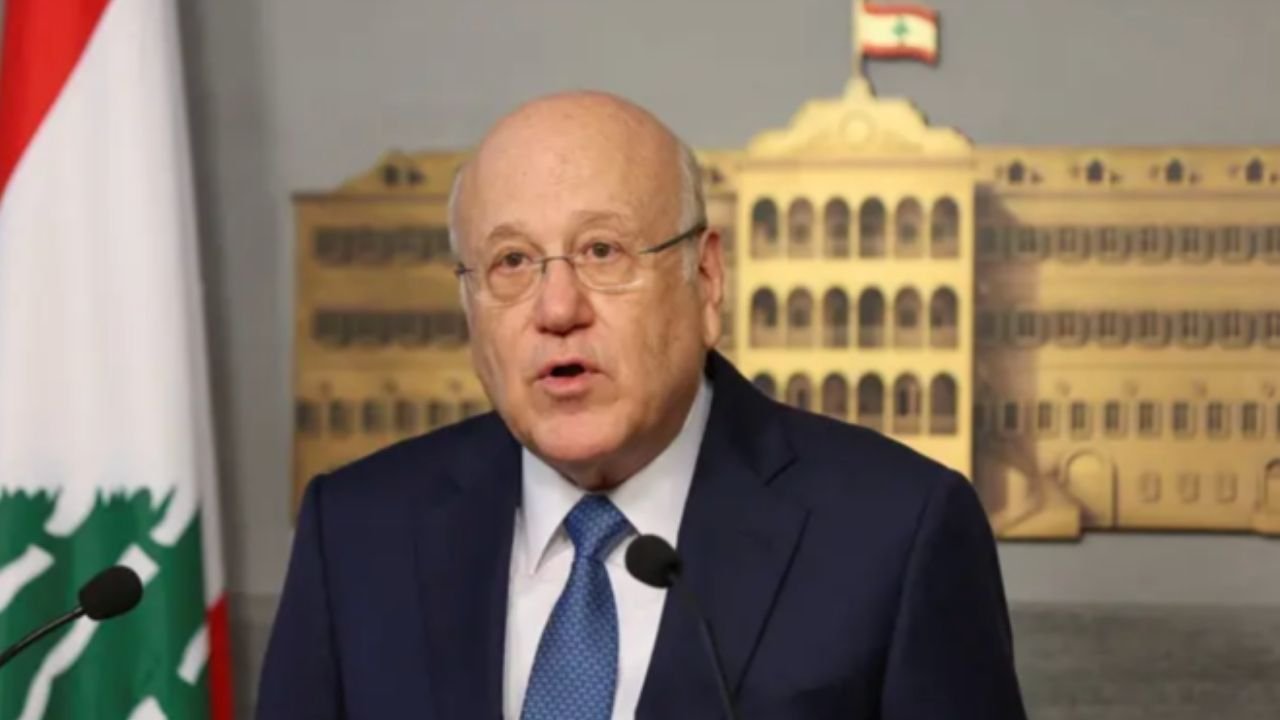
Lebanon’s Prime Minister Najib Mikati on Monday called for a ceasefire in the fighting between Israel and Hezbollah during a meeting with French Foreign Minister Jean-Noel Barrot in Beirut.
“The key to the solution is to put an end to the Israeli aggression against Lebanon and to revive the appeal launched by the United States and France… in favour of a ceasefire,” Mikati said, according to a statement from his office.
Barrot arrived in Beirut Sunday, the first foreign diplomat to visit Lebanon since Israel escalated its strikes against Hezbollah strongholds.
Mikati added that the “priority is applying resolution 1701” of the United Nations Security Council, which ended the 2006 war between Israel and Hezbollah.
The French envoy’s visit came as a deadly strike hit a building in the centre of the Lebanese capital.
Israeli strikes have been largely concentrated on Hezbollah’s strongholds in the south and east of the country and in south Beirut.
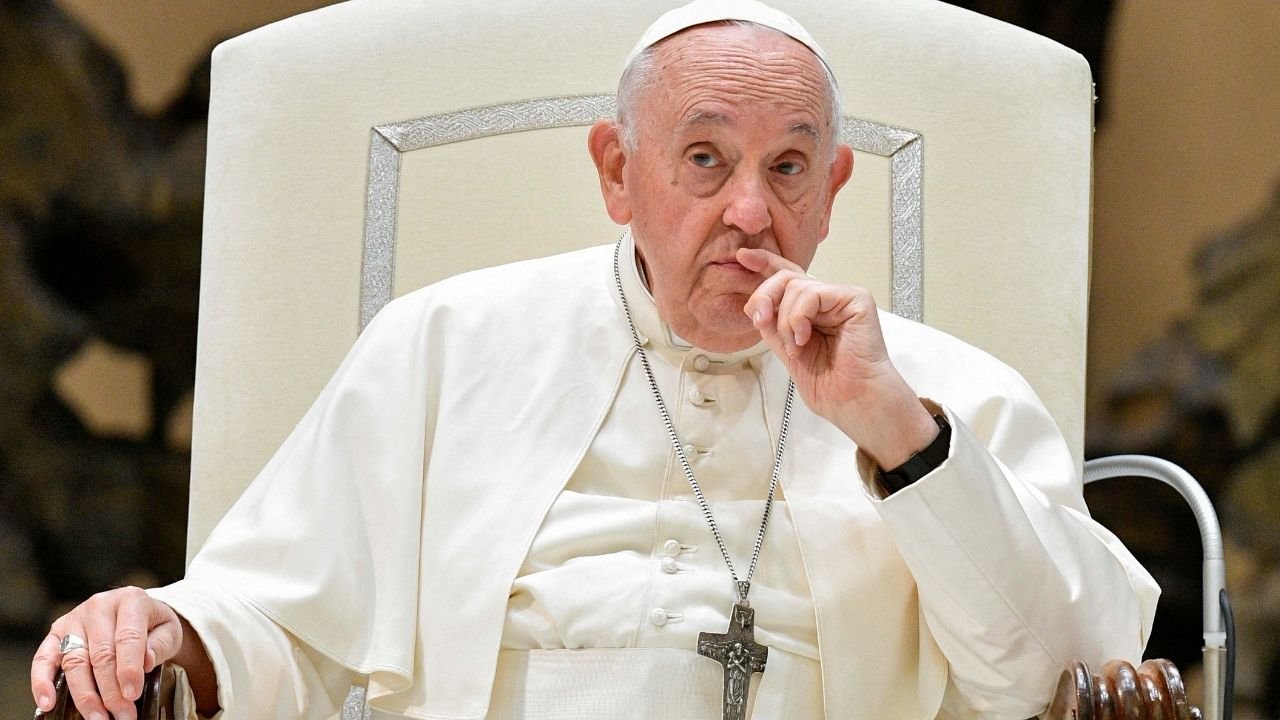
Pope Francis on Sunday slammed the “immoral” use of force in Lebanon and Gaza amid ongoing Israeli strikes in both places.
“A country that acts this way with force, no matter the country, and that acts in such an excessive manner, (lends itself to) immoral actions,” said Francis when asked about the consequences of Israeli airstrikes on civilians aboard a flight back to Rome from Belgium.
“Defence must always be proportional to the attack. When this is not the case, a dominating tendency appears that goes beyond morality,” the 87-year-old pontiff said in Italian.
“Even in war there is a morality to defend. War is immoral, but the rules of war indicate a form of morality,” Francis said.
“But when you don’t do this … you see the bad blood of these things,” he said.
The death of Hassan Nasrallah has sent shockwaves throughout Lebanon and the Middle East, where he has been a key political and military figure for more than three decades.
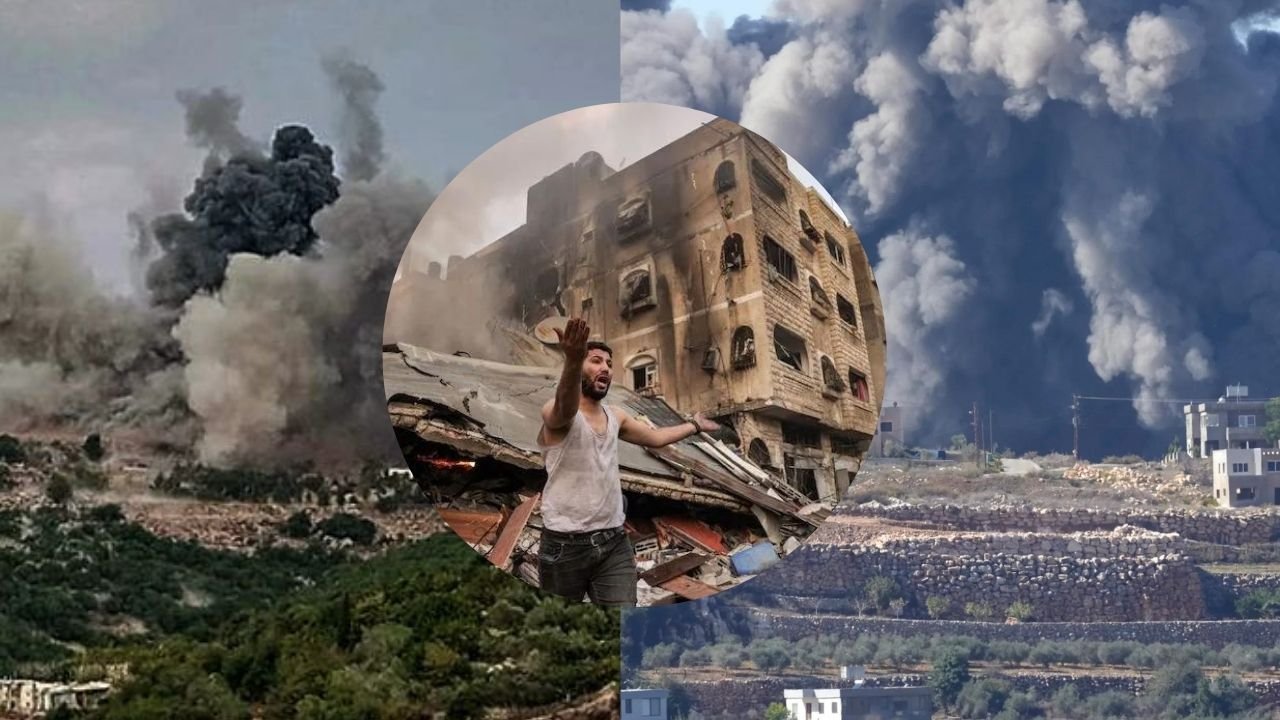
Israel has shifted the focus of its aggression from Gaza to Lebanon, where heavy bombing has killed more than 700 people and displaced around 118,000 over the past few days.
Israeli military announced on Saturday that Hezbollah chief Hassan Nasrallah was killed in a massive strike on Beirut the previous night.
“Hassan Nasrallah is dead,” military spokesman Lieutenant Colonel Nadav Shoshani announced on X (formerly Twitter).
Captain David Avraham, another military spokesman, also confirmed to AFP that the Hezbollah chief had been “eliminated” following strikes on Friday on the Lebanese capital.
A source close to the Lebanese group meanwhile told AFP on condition of anonymity that contact with Nasrallah had been lost since Friday evening.
Contact with the group leader had been lost for two days and he had been rumoured killed during Israel’s last war with Hezbollah in 2006, the source said, adding that he later re-emerged unscathed.
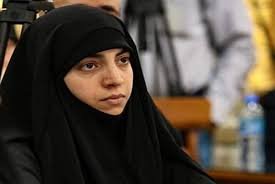
Israeli media has also claimed that Zainab Nasrallah, the daughter of Hezbollah leader Hassan Nasrallah, has been martyred in the latest attack on Lebanon.
A report by Israeli new channel claimed the martyrdom of Zainab Nasrallah in an Israeli attack on Hezbollah’s headquarters in Beirut but this news has not yet been confirmed by Hezbollah or the Lebanese authorities.
Zainab Hassan Nasrallah was recognized as a strong voice in Lebanon for supporting Hezbollah and for her family’s sacrifices.
In an interview to Al-Manar TV in 2022, while discussing the reaction of her parents to the martyrdom of her brother Hadi, Zainab Hassan Nasrallah said that not one tear fell from her parents’ eyes upon the martyrdom of her brother.
As per Israeli military statement, the strikes also killed Ali Karake, commander of Hezbollah’s southern front, and an unspecified number of other Hezbollah commanders.
Who will replace Nasrullah?
Adviser to Iranian Supreme Leader Ayatollah Khamenei, Ali Larijani has said that Hezbollah is ready to launch an alternative leadership movement if Nasrallah is dead. Talking about other commander and leaders in line, Ali Larijani said that Israel has crossed the “red line”, the situation has become very serious.
In case of the martyrdom of the Hezbollah leader, alternative leadership is ready to run the movement, said Larijani in a recent presser. On the other hand, the Iranian news agency Tasnim News Agency claimed that the head of Hezbollah, Hassan Nasrallah, was safe in the Israeli attack.
Thousands sleep on the streets as Israel strikes Beirut
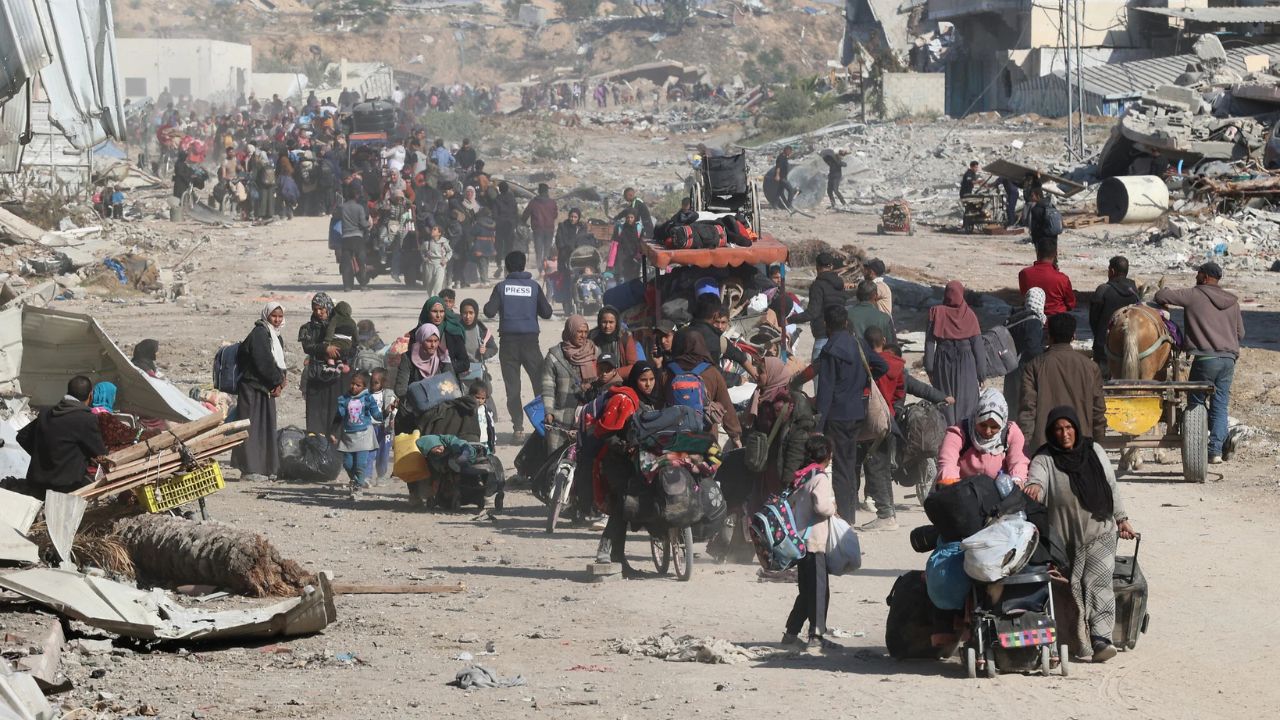
Thousands of residents in Beirut’s densely-packed southern suburbs camped out overnight in streets, public squares and makeshift shelters after Israel ordered them out before its jets attacked the so-called Hezbollah stronghold.
“I expected the war to expand, but I thought it would be limited to (military) targets, not civilians, homes, and children,” said south Beirut resident Rihab Naseef, 56, who spent the night in a church yard.
AFP photographers saw families spend the night in the open, scenes unheard of in Lebanon’s capital since the Hezbollah and Israel last went to war in 2006.
“I didn’t even pack any clothes, I never thought we would leave like this and suddenly find ourselves on the streets,” Naseef said.
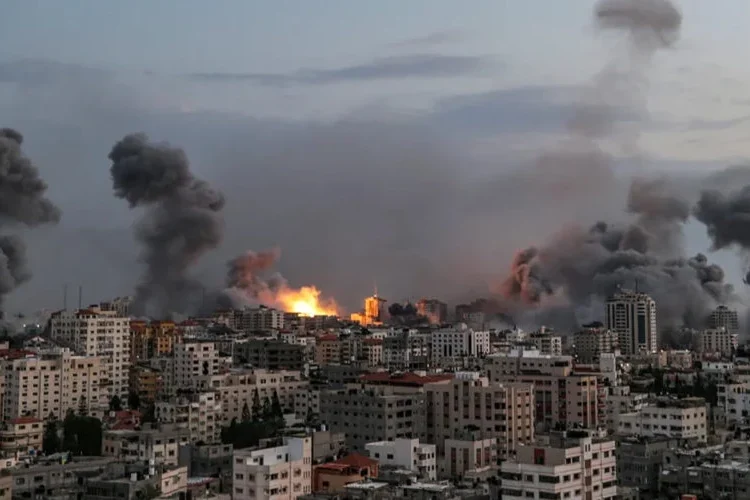
Israeli jets pounded Beirut’s south and its outskirts throughout the night, and Beirut woke up to the aftermath of a night at war, smoke billowing from blazes in several places.
‘What will happen?’
“I’m anxious and afraid of what may happen. I left my home without knowing where I’m going, what will happen to me, and whether I will return,” Naseef said. Despite a night of intense strikes, the extent of the devastation and the casualty toll was still unclear early Saturday.
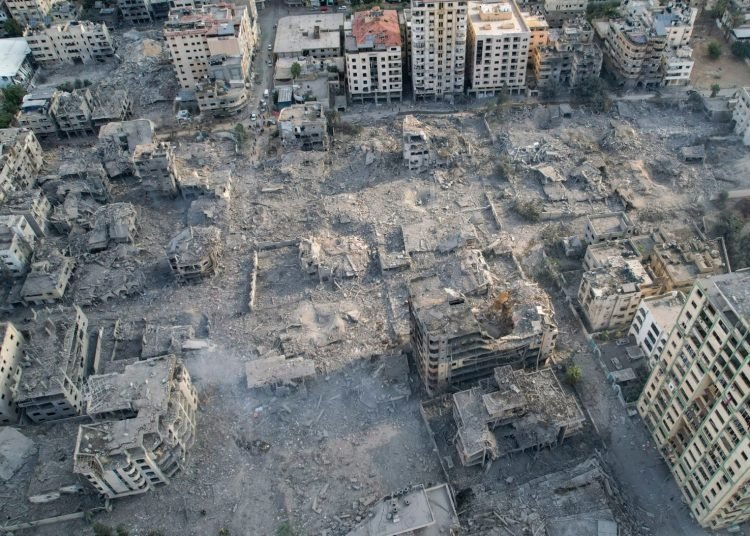
Hezbollah’s Al-Manar television broadcast footage from southern Beirut that showed flattened buildings, streets filled with rubble and clouds of smoke and dust above the area known as Dahiyeh.
A second deadly wave of unprecedented explosions in the strongholds of Lebanon’s Hezbollah left it in disarray on Thursday, hours before a major speech by its beleaguered leader, Hassan Nasrallah.
The latest batch of device explosions killed 20 people and wounded more than 450 others on Wednesday, officials said, stoking fears of a full-blown war with Israel.
The blasts came a day after the simultaneous detonation of pagers used by Hezbollah killed 12 people, including two children, and wounded up to 2,800 others across Lebanon in an unprecedented attack blamed on Israel.
Walkie-talkies used by its members exploded in the latest blasts at Hezbollah’s Beirut stronghold, a source close to the group said, with state media reporting similar detonations in south and east Lebanon.
AFPTV footage showed people running for cover when an explosion went off during a funeral for Hezbollah fighters in south Beirut in the afternoon.
“The wave of enemy explosions that targeted walkie talkies… killed 20 people and wounded more than 450,” Lebanon’s health ministry said in a statement.
There was no comment from Israel, which only hours before Tuesday’s explosions had announced it was broadening the aims of its offensive in Gaza to include its fight against Hamas’s ally Hezbollah.
“The centre of gravity is moving northward,” Israeli Defence Minister Yoav Gallant said during a visit to an air base on Wednesday, adding, “We are at the start of a new phase in the war.”
Amos Harel of the left-leaning Haaretz newspaper said the pager and walkie-talkie blasts had put “Israel and Hezbollah on the brink of all-out war”.
Out of this world
With tensions in the Middle East spiralling, senior diplomats from the United States, Britain, Germany, France and Italy will meet on Thursday in Paris, sources said, ahead of a UN Security Council meeting planned for Friday.
US Secretary of State Antony Blinken will join his counterparts in the French capital after discussing the possibility of a Gaza truce in Cairo.
The White House warned all sides against “an escalation of any kind”.
“We don’t believe that the way to solve where we’re at in this crisis is by additional military operations at all,” US National Security Council spokesman John Kirby told reporters.
Hezbollah has traded near-daily cross-border fire with Israel since Hamas’s October 7 attacks sparked the conflict in Gaza.
Lebanese Foreign Minister Abdallah Bou Habib warned that the “blatant assault on Lebanon’s sovereignty and security” was a dangerous development that could “signal a wider war”.
Hezbollah said Israel was “fully responsible for this criminal aggression” and vowed revenge.
Iran’s envoy to the UN said the country “reserves the right to take retaliatory measures” after its ambassador in Beirut was wounded.
The influx of so many casualties all at once overwhelmed medics.
At a Beirut hospital, doctor Joelle Khadra said the “injuries were mainly to the eyes and hands, with finger amputations, shrapnel in the eyes — some people lost their sight”.
A doctor at another hospital in the Lebanese capital said he had worked through the night and that the injuries were “out of this world — never seen anything like it”.
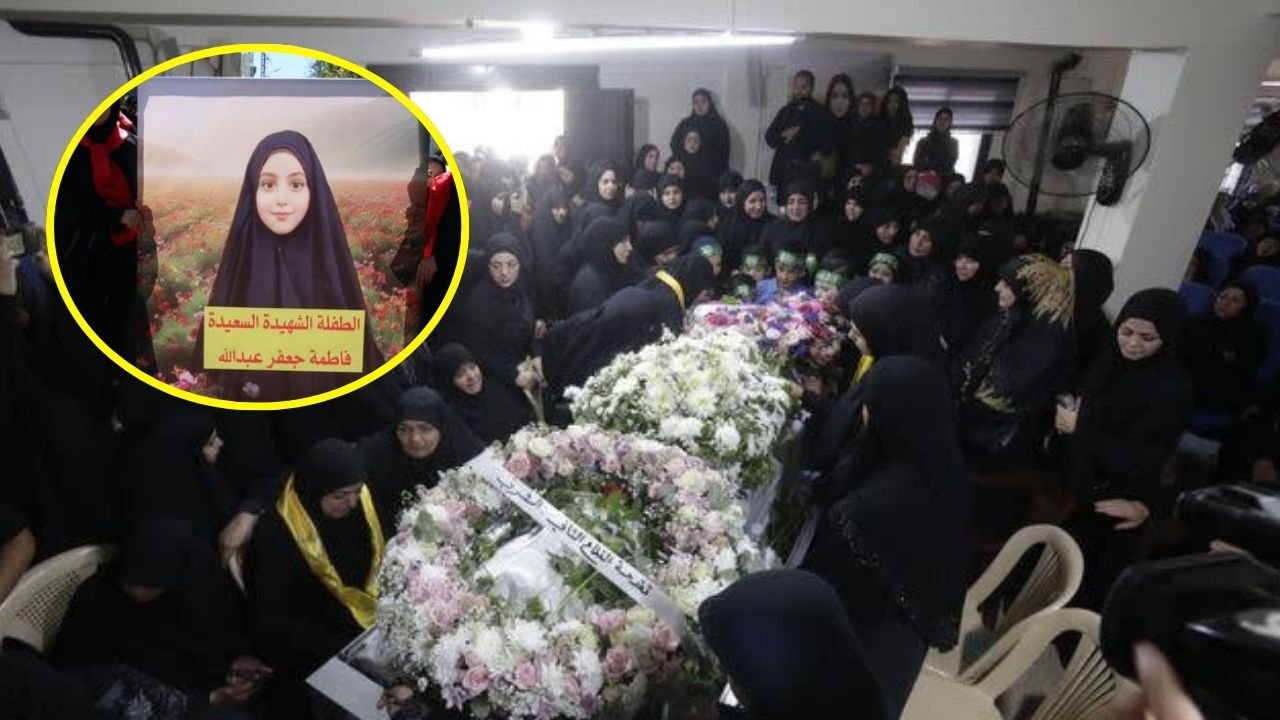
Among the dead was the 10-year-old daughter of a Hezbollah member, killed in east Lebanon’s Bekaa Valley when her father’s pager exploded, the family and a source close to the group said.
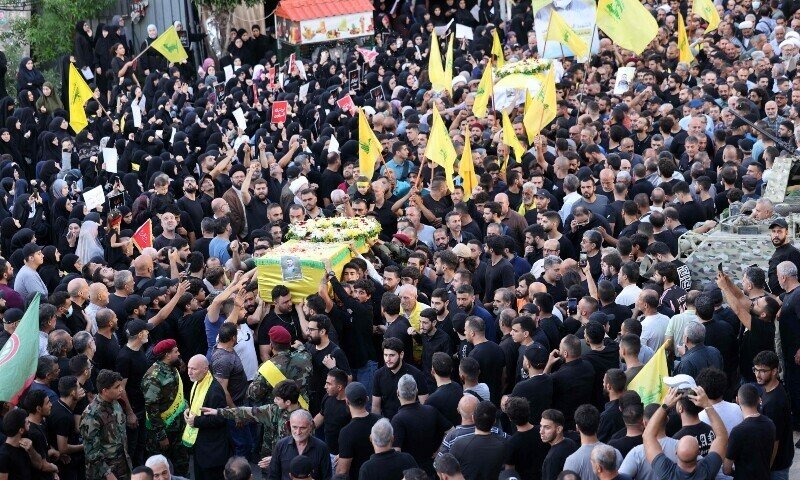
Hezbollah fighters carry the coffins of people killed after hundreds of paging devices exploded in a deadly wave across Lebanon the previous day, during their funeral procession in Beirut’s southern suburbs on September 18, 2024. — AFP
Heavy blow
Analysts said operatives had likely planted explosives on the pagers before they were delivered to Hezbollah.
“A small plastic explosive was almost certainly concealed alongside the battery, for remote detonation via a call or page,” said Charles Lister of the Middle East Institute.
The preliminary findings of a Lebanese investigation into the blasts found the pagers had been booby-trapped, a security official said.
“Data indicates the devices were pre-programmed to detonate and contained explosive materials planted next to the battery,” the official said, requesting anonymity to discuss sensitive matters.
A source close to Hezbollah, asking not to be identified, said the pagers were “recently imported” and appeared to have been “sabotaged at source”.
After The New York Times reported that the pagers had been ordered from Taiwanese manufacturer Gold Apollo, the company said they had been produced by its Hungarian partner BAC Consulting KFT.
A government spokesman in Budapest said the company was “a trading intermediary, with no manufacturing or operational site in Hungary”.
The attack dealt a heavy blow to Hezbollah, which already had concerns about the security of its communications after losing several commanders to targeted strikes in recent months.
As fears surged of a regional conflagration nearly a year into the Gaza conflict, Lufthansa and Air France announced the suspension of flights to Tel Aviv, Tehran and Beirut until Thursday.
‘Extremely volatile’
Since October, the exchanges of fire between Israeli troops and Hezbollah have killed hundreds of people, mostly fighters, in Lebanon, and dozens including soldiers on the Israeli side.
They have also forced tens of thousands of people on both sides to flee their homes.
United Nations rights chief Volker Turk said Tuesday’s attack had come at an “extremely volatile time”, calling the blasts “shocking” and their impact on civilians “unacceptable”.
UN chief Antonio Guterres urged governments “not to weaponise civilian objects”.
The October 7 attacks that sparked the genocide in Gaza resulted in the deaths of 1,205 people, mostly civilians, on the Israeli side, according to an AFP tally based on official Israeli figures that include hostages killed in captivity.
Out of 251 hostages seized by fighters, 97 are still held in Gaza, including 33 the Israeli military says are dead.
Israel’s military offensive and strikes has killed at least 41,272 people in Gaza, most of them civilians, according to data provided by the territory’s health ministry. The UN has acknowledged these figures as reliable.
In Gaza on Wednesday, the civil defence agency said an Israeli strike on a school-turned-shelter killed five people, while the Israeli military said it targeted Hamas.
Israel launched air strikes on Gaza Thursday after warning Hezbollah, Hamas’s ally in Lebanon, to avoid a large-scale war that would send the neighbouring country “back to the Stone Age”.
Defence Minister Yoav Gallant made the comment during a visit to Washington, where he discussed the Gaza war, long-running efforts toward a truce, and ways to avoid a wider regional conflagration.
As cross-border tensions between Israel and Hezbollah have risen, Gallant stressed that “we do not want war, but we are preparing for every scenario”.
Israeli Defense Minister Yoav Gallant during his visit to Washington this weekDrew ANGERER
“Hezbollah understands very well that we can inflict massive damage in Lebanon if a war is launched,” he said of the fighter group.
Israel and Hezbollah have traded near daily cross-border fire since October 7.
But tensions have surged since Israel said this month that its Lebanon war plans are ready, sparking threats from Hezbollah that, in the event of all-out war, none of Israel would be safe.
US Defense Secretary Lloyd Austin told Gallant this week that a war with Hezbollah could have “terrible consequences for the Middle East” and urged a diplomatic solution.
A Palestinian boy sits on a war-damaged road at al-Bureij refugee camp in the central Gaza Strip on June 26, 2024Eyad BABA
UN humanitarian coordinator Martin Griffiths warned that Lebanon was “the flashpoint beyond all flashpoints” and that a full war would be “potentially apocalyptic”.
Germany has joined Canada in advising its citizens in Lebanon to leave the country, reiterating warnings first issued shortly after October 7.
In the latest clashes on Wednesday, Lebanese media reported about 10 Israeli strikes near the border, while Hezbollah claimed six attacks against Israeli military positions.
A US official said Washington was engaged in “fairly intensive conversations” with Israel, Lebanon and other actors and believed that no side sought a “major escalation”.
Meanwhile, the Gaza war at the heart of regional tensions ground on, despite comments Sunday by Israeli Prime Minister Benjamin Netanyahu that the “intense phase” of the assault on Gaza was nearing an end.
An Israeli Air Force F-16 Jet fighter aircraft flies over the border area between northern Israel and southern LebanonJACK GUEZ
Israeli air strikes overnight and early Thursday killed at least five people in Gaza City, said Gaza’s civil defence agency and Al-Mamdani hospital medics.
One person was killed when a warplane bombed a house in Beit Lahia, paramedics said.
Heavy fighting, artillery shelling and helicopter fire were reported Thursday around northern Gaza’s Shujayia market, as well as approaching Israeli ground vehicles.
Hamas’ press office in Gaza reported “a significant displacement of residents” there and said people “are fleeing to areas of refuge in Gaza City that are already overcrowded”.
An anonymous witness told AFP the situation was “very difficult and frightening in Shujayia after the arrival of occupation (Israeli) vehicles and air fire.”
“Residents are running through the streets in terror… a number of wounded and martyrs lie in the streets.”
A handout picture released by the Jordanian army shows humanitarian aid being airdropped from a military aircraft over southern Gaza on June 25, 2024-
Shelling also targeted Gaza City, sending plumes of smoke into the sky, and Israeli forces blew up several buildings in far-southern Rafah, witnesses said.
The Israeli military also said it had “attacked terrorists who were in a school complex in Khan Yunis” in the south, where the civil defence agency said it had recovered several bodies.
US officials, including Secretary of State Antony Blinken, have voiced hope a Gaza ceasefire could also lead to a reduction in hostilities on the Lebanese border.
However, months of talks towards a truce and hostage release deal have so far failed as Israel has rejected Hamas’ demands for a permanent end to fighting and full troop withdrawal.
Israel has killed at least 37,765 people, also mostly civilians, according to data from Gaza’s health ministry.
This handout picture released by the Israeli army on June 25, 2024 shows an Israeli army tracked vehicle during operations in the Gaza Strip-
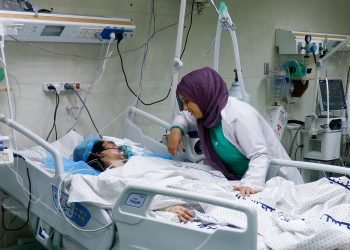
The war and siege have triggered a dire humanitarian crisis, with Gaza hospitals struggling to function and food, drinking water and other essentials hard to come by.
USAID officials said Wednesday that just 1,000 of the 7,000 tonnes of aid shipped from Cyprus to Gaza had been distributed, blaming looting and security problems.
Gaza’s humanitarian crisis is intense, said US doctors and nurses returning from the territory, who reported patients in the few remaining hospitals were dying in large numbers.
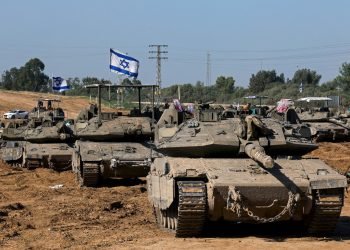
Israeli tanks seen in central Gaza, gunfire heard
One of the volunteer medics, former US army combat surgeon Adam Hamawy, said he had worked in many war-torn and natural disaster-hit countries in the past 30 years.
“But the level of civilian casualties that I experienced was beyond anything I’d seen before,” the 54-year-old told AFP.
“Most of our patients were children under the age of 14,” he said. “This has nothing to do with your political views.”
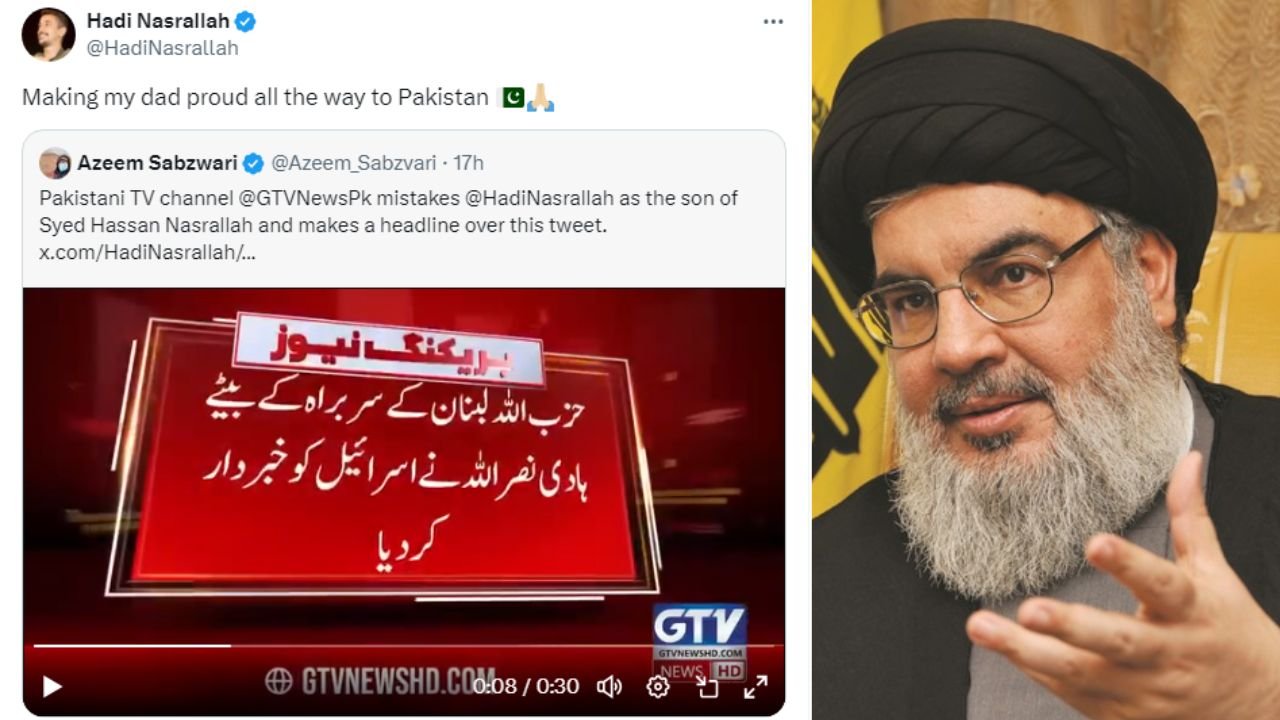
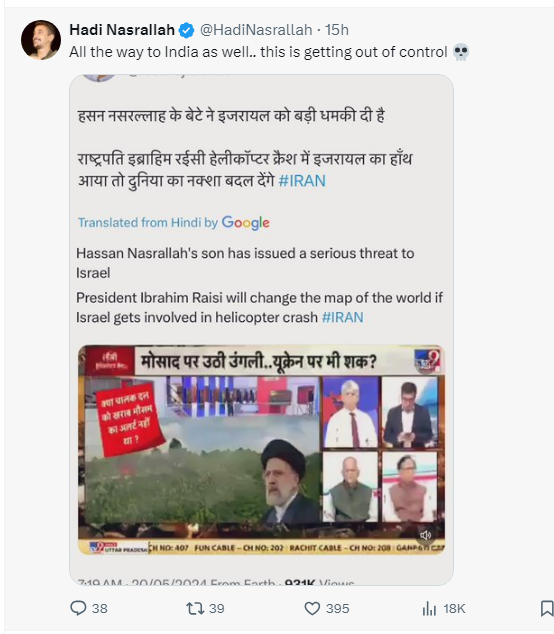
Private news channel GTV made a hilarious mistake as they shared a tweet as a statement from a Hezbollah leader’s son; whereas the tweet was actually from a common netizen on Twitter.
GTV mistook netizen Hadi Nasrallah as the son of Hezbollah leader Syed Hassan Narallah and this has unleashed a laughing riot on Twitter.
Lebanon’s Hezbollah said Tuesday it launched over 100 rockets at Israeli military positions in retaliation for a strike on the country’s east that killed one person the day before.
Hezbollah and Israel have exchanged near-daily cross-border fire since the genocide in Gaza erupted in October, but several Israeli strikes have recently hit Hezbollah positions further north, raising fears of a full-blown conflict.
Hezbollah launched “more than a hundred katyusha rockets” Tuesday morning at two military bases in the occupied Golan Heights, the group said in a statement.
This was “in response to the Israeli attacks on our people, villages and cities, most recently near the city of Baalbek and the killing of a citizen”, it added.
On Monday, Israeli air strikes near Lebanon’s eastern city of Baalbek killed one person, in the second raid on the Hezbollah stronghold since cross-border hostilities began.
The Israeli military confirmed its jets had hit two sites belonging to “Hezbollah’s aerial forces” in retaliation for strikes on the occupied Golan Heights over several days.
On February 26, Israeli strikes targeted Baalbek, some 100 kilometres (60 miles) from the border, killing two Hezbollah members.
Earlier on Tuesday, Hezbollah said its chief Hassan Nasrallah met with Khalil al-Hayya, a leading member of Hamas’s political bureau.
They discussed ceasefire talks for the Gaza war, as well as attacks by Hamas’s regional allies to support its war efforts, the Hezbollah statement said.
Nasrallah is due to give a televised speech on Wednesday.
Hezbollah has repeatedly said it will only stop its attacks on Israel with a ceasefire in Gaza.
But Israeli Defence Minister Yoav Gallant recently said any truce in Gaza would not change Israel’s goal of pushing Hezbollah out of southern Lebanon, by force or diplomacy.
Since the increased Israeli attacks on Gaza following October 7, at least 317 people, mainly Hezbollah fighters but also 54 civilians, have been killed in Lebanon, according to an AFP tally.
In Israel, at least 10 soldiers and seven civilians have been killed in the cross-border hostilities.
100 days back, on October 7, 2023, Hamas took Israel by surprise in a move that came as a consequence of more than seventy years of occupation, killings, destruction, and displacement of the Palestinians.
Israel took this instance of response as an excuse to go all out in attempts to exterminate Gazans from their land: On October 8, Israeli prime minister Benjamin Netanyahu declared war against Hamas and butchered, internally displaced, detained, and tortured thousands of Palestinians in Gaza as well as the Occupied West Bank.
Since October 7 alone, more than 23,600 people have been killed and more than 58,000 wounded in Israeli attacks on Gaza.
Widespread use of and access to social media across the world has exposed Israeli atrocities against the Palestinians more than ever. A number of Palestinians have been reporting from the targeted strip, giving the world insights to the heights of atrocities touched by the Israeli military.
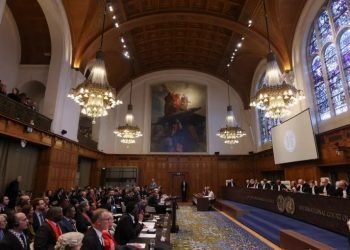
As the Irish lawyer Blinne Ní Ghrálaigh, representing South Africa in the International Court of Justice (ICJ) in The Hague on January 11 deemed it as “The first genocide in history where its victims are broadcasting their own destruction in real time in the desperate, so far vain hope that the world might do something.”
Nonetheless, the international community has collectively failed to ensure a ceasefire amidst all the loss and blatant violation of human rights..
While the breaches and enormities by Israel are innumerable and immeasurable to say the least, here are some of the most important moments and developments to have taken place the past 100 days.
Israel had declared a “complete siege” on Gaza on October 9 2023, hindering the supply of electricity, food, water and fuel into the strip. While a few aid trucks were permitted on 21 October 2023, the aid has been inadequate, and starkly lower than the quantity sent before October 2023.
Additionally, fuel imports are “well below the minimum requirements for essential humanitarian operations”.
The UN Secretary-General has asserted that the level of destruction in Gaza is now so catastrophic that “[t]he conditions for the effective delivery of humanitarian aid no longer exist . . . But even if sufficient supplies were permitted into Gaza, intense bombardment and hostilities, Israeli restrictions on movement, fuel shortages, and interrupted communications, make it impossible for UN agencies and their partners to reach most of the people in need.”
No Facilities
The majority of Gazan hospitals are out of order due to the Israeli air raids and the blockade. According to WHO, 15 out of Gaza’s 36 hospitals are partially functional; nine in the south and six in the north.
Additionally, there is lack of electricity, desalination facilities, and bakeries to shut down and contributed to telecommunications blackouts.
Looming Fears of Famine and Diseases
Credit: Reuters
Due to lack of health facilities and access to water and sanitation, WHO has warned that Gaza is now heading towards proliferation of disease. As of January 1, nearly 200,000 respiratory infections and tens of thousands of cases of scabies, lice, skin rashes, and jaundice were reported whereas the number of diarrhoea cases among children under five has increased 20-fold since October 7.
Additionally, the World Health Organization has warned that “[a]n unprecedented 93% of the population in Gaza is facing crisis levels of hunger, with insufficient food and high levels of malnutrition” and that “[a]t least 1 in 4 households are facing ‘catastrophic conditions’:
“Israeli forces are deliberately blocking the delivery of water, food and fuel, while wilfully impeding humanitarian assistance, apparently razing agricultural areas, and depriving the civilian population of objects indispensable to their survival,” Human Rights Watch has stated.
Internally Displaced
Among the total population of 2.3 million, 1.9 million Palestinians — approximately 85 per cent of the total population — have been internally displaced. People living in Northern Gaza were initially forced to flee their homes on short notice for “safety” to the south, but they were bombed again in the so-called safe south, and were once again forced to flee to
further south or the south west, and have been to live in makeshift tents with no water, sanitation or other facilities.
This situation has thus been declared as the Second Nakba as it resembles the ethnic cleansing of Palestinians by the Israelis in 1948.
Women of Gaza
Credit: Al Jazeera
The United Nations has estimated 50,000 pregnant women presently living in Gaza, with more than 180 births taking place every day despite the lack of health facilities.
Similarly, women have also resorted to norethisterone tablets (that are usually prescribed in times of severe menstrual bleeding, endometriosis, and painful periods) as they are internally displaced, living in poor conditions among a large number of people with no privacy, and having no access to water or menstrual hygiene products like sanitary napkins and/or tampons.
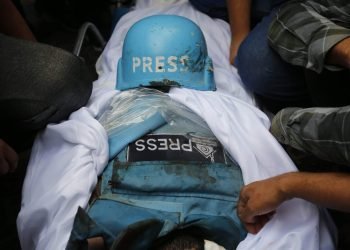
November was deemed as the deadliest month for journalists when at least 50 were killed. According to the Committee to Protect Journalists (CJP), as of January 11, 79 journalists and media workers have been killed among whom are 72 Palestinian, 4 Israeli, and 3 Lebanese whereas three journalists are reported missing and 21 arrested.
Additionally, multiple assaults, threats, cyberattacks, censorship, and killings of family members have also been recorded.
Moreover, literary figures like Heba Abu Nada and Dr Refaat Alareer, who were vocal against Israel, have also been killed in targeted attacks.
Hostages
Hamas took Israeli hostages on October 7 in order to prompt Israel to return Palestinian hostages who have been in Israeli captivity since years.
While Israel has portrayed Hamas as barbaric, Israeli hostages released have had different stories to tell. Danielle Aloni and her daughter Emilia were held hostage by Hamas for 49 days and on their release on November 24, Aloni wrote a “thank you” letter to Hamas saying, “I thank you from the bottom of my heart for your extraordinary humanity shown towards my daughter, Emilia.”
Similarly, in an interview, Hin and Ajam, another mother-daughter duo, told that they were kept together and that the militants were respectful to them, taking every precaution to make them comfortable.
On the contrary, Palestinians have returned from Israeli captivity physically and mentally tortured while some have reportedly died in detention.
Back in December, Israeli troops even “mistakenly” killed three Israeli hostages in the course of combat with Hamas in the Gaza Strip on Friday.
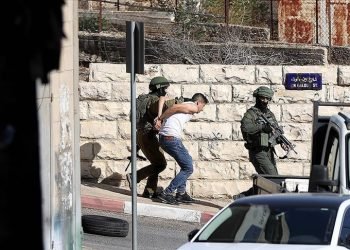
As of January 11, the arrests of Palestinians in the Occupied West Bank reached up to 5,810 since October 7.
According to figures released in December, at least 8,800 Palestinians, including 80 women, were held at Israeli prisons.
These arrests are reportedly “marked by abuse, severe beatings, and threats against detainees and their families, in addition to widespread acts of sabotage and destruction of citizens’ homes”. Many are even targeted and shot by the Israeli soldiers.
Additionally, in November 2023, it was reported that around 390,000 Palesinians jobs were lost — 182,000 in Gaza and 208,000 in the occupied West Bank.
In December, the US State Department approved the emergency sale to Israel of nearly 14,000 rounds of tank ammunition — a sale of 13,981 high-explosive 120mm tank cartridges and related equipment worth $106.5 million.
The State Department said the secretary of state had determined that “an emergency exists that requires the immediate sale to the Government of Israel” of the weaponry, thereby waiving the normal requirement of Congressional review.
Israel vs Middle East
Since the war began, Hezbollah, a close ally of the Palestinian group Hamas, and Israel have been engaged in intense fighting.
In December, The United States announced a 10-nation coalition to end Houthi attacks on ships transiting the Red Sea, with Britain, France, Bahrain and Italy among countries joining the “multinational security initiative.”
The U.S. and British Air Force, in fact, have launched airstrikes against Yemen in retaliation which the American president Joe Biden called it a success, adding that he will “not hesitate to direct further measures to protect our people and the free flow of international commerce as necessary.”
On the other hand, Israel and Hezbollah have been exchanging fires across the Lebanese border, the West Bank since 7 October.
On Day 60 since October 7, United Nations Secretary-General António Guterres, in a rare move, invoked Article 99 of the UN Charter “to bring to the attention of the Security Council a matter, which in my opinion, may aggravate existing threats to the maintenance of international peace and security.” He also reiterated his call in the letter he sent to the rotating president of the Council for a “humanitarian ceasefire” and urged the Council to “avert a humanitarian catastrophe.”
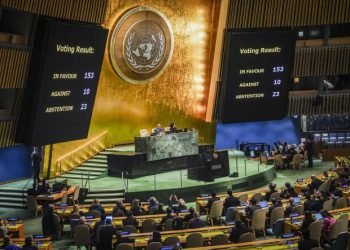
Nonetheless, like any other UN action, it was merely a political move with no legal implications — same as the UN Resolutions calling for a ceasefire in Gaza the past few months since October 7. With more than 100 countries voting in support of the ceasefire, the resolution ended in vain since the US and a couple of its allies chose to vote against it.
On the other hand, while powerful Muslim countries have sided with Palestine, their support has, however, been shallow. For instance, in November, the Saudi Minister of Investment, Khalid bin Abdulaziz al-Falih, remarked that the Kingdom was still willing to consider normalising relations with Israel, depending on a peaceful solution to the Palestinian issue. And when asked if Saudi Arabia would use economic devices like oil to push for a ceasefire in the Gaza Strip, he reportedly laughed and replied: “This is not on the table today. Saudi Arabia is trying to achieve peace through talks that seek peace.”
South Africa vs Israel
Credit: Al Jazeera
South Africa filed a case in the International Court of Justice (ICJ) in The Hague, Netherlands, asking the court to look into the genocide being committed by Israel against Palestinians.
The imposition of charges did not only pertain to the crimes perpetrated during the last few months since October 7 that have killed more than 23,000 people till now, but also the 75-year long apartheid, 56-year hostile occupation, and 16-year blockade on Gaza.
Israel was accused of committing genocidal acts during their military operations which included mass killings of Palestinians, bodily and mental harm, forced displacement and food blockade, destruction of the healthcare system, and preventing Palestinian births.
It is, however, pertinent to note, that while this case can take years, an “interim measure” intended to halt Israel’s attack in Gaza can be taken “within weeks”. If the interim measure is implemented, Israel will be legally obligated to put an end to its offences. And while the “court’s rulings are final”, it has no authority to impose them, nonetheless.
On the other hand, if the court does not implement an interim measure, “it could still decide it has jurisdiction and proceed with the case”.
Post-war Gaza Plans
Israel’s defence minister publicly presented proposals for the post-war administration of Gaza i.e. after it has dismantled Hamas’s “military and governing capabilities” and secured the return of hostages.
According to the minister, after the objectives are achieved — for which the proposal sets no timeline — Palestinian “civil committees” will begin assuming control of the territory’s governance.
“Hamas will not govern Gaza, (and) Israel will not govern Gaza’s civilians,” the plan said, while offering little concrete detail.
“Palestinian bodies will be in charge, with the condition that there will be no hostile actions or threats against the State of Israel.”