Tag: Letter of Credit

  • SBP asks banks to prioritise import of certain essential items to help businesses

    SBP asks banks to prioritise import of certain essential items to help businesses

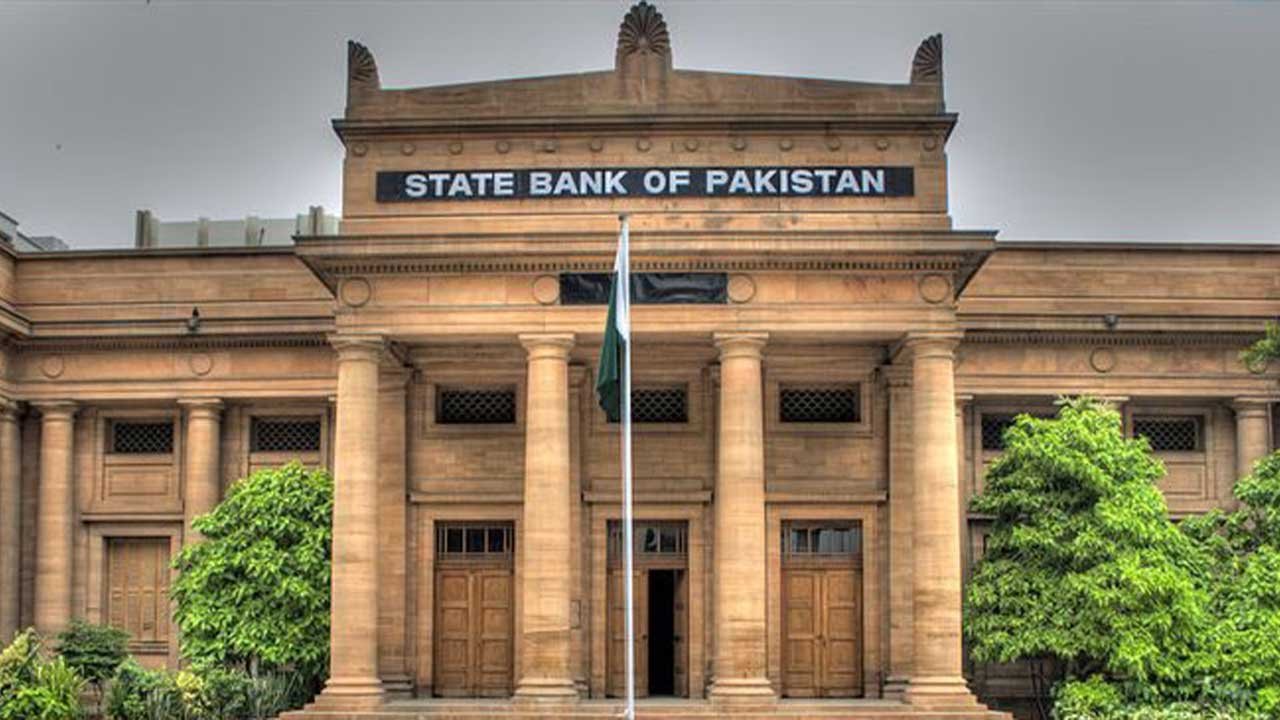
    In order to help businesses, the State Bank of Pakistan (SBP) on Monday removed the necessity for prior import approval and asked banks to give priority to the importation of certain necessities, including food, medicine, and energy.

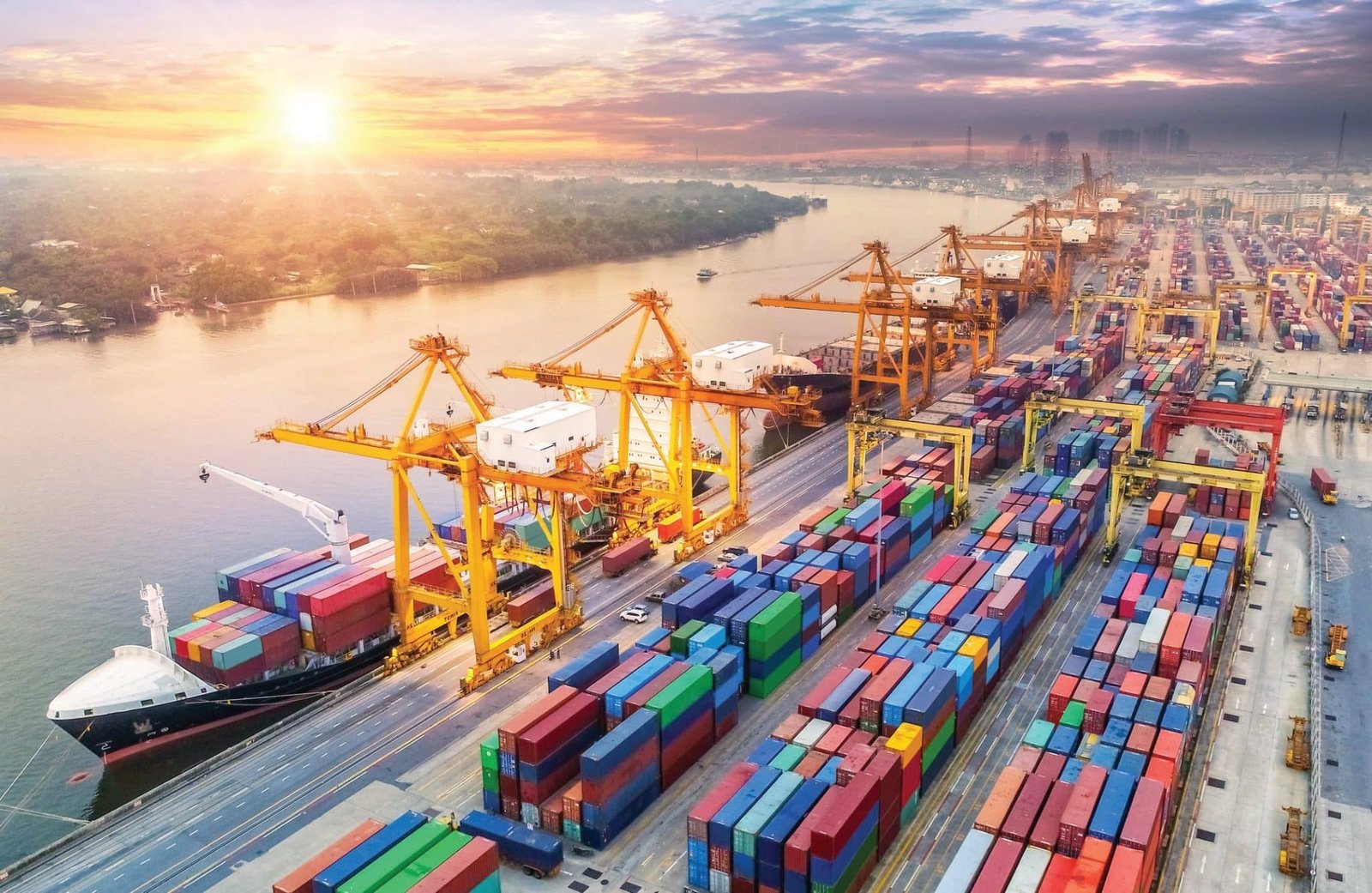
    The business community, including various trade bodies and chambers of commerce, has drawn attention to the fact that many shipping containers carrying imported goods are stuck at the ports as a result of delays in the release of shipping documents by banks, according to a statement issued by the SBP on Monday.

    “SBP has advised banks to provide one-time facilitation to all those importers who could either extend their payment terms to 180 days (or beyond) or arrange funds from abroad to settle their pending import payments.”

     “Accordingly, till March 31, 2023, banks have been advised to process and release documents of shipments/ goods that have already arrived at a port in Pakistan or have been shipped on or before January 18, 2023,” said the central bank.

    To avoid any future issues, SBP also suggests that clients notify their banks before beginning any import transaction.

    To the dismay of many importers and firms in Pakistan, who cited these constraints as the reason for closing down or curtailing operations, the SBP restricted imports early this year due to low levels of foreign exchange reserves.

    Last week, the business community of the country harshly criticised the SBP’s role in the issue in light of the difficulty in issuing letters of credit.
  • ‘We are unable to serve new customers’: Pak Suzuki announces booking suspension for all motorcycles

    ‘We are unable to serve new customers’: Pak Suzuki announces booking suspension for all motorcycles

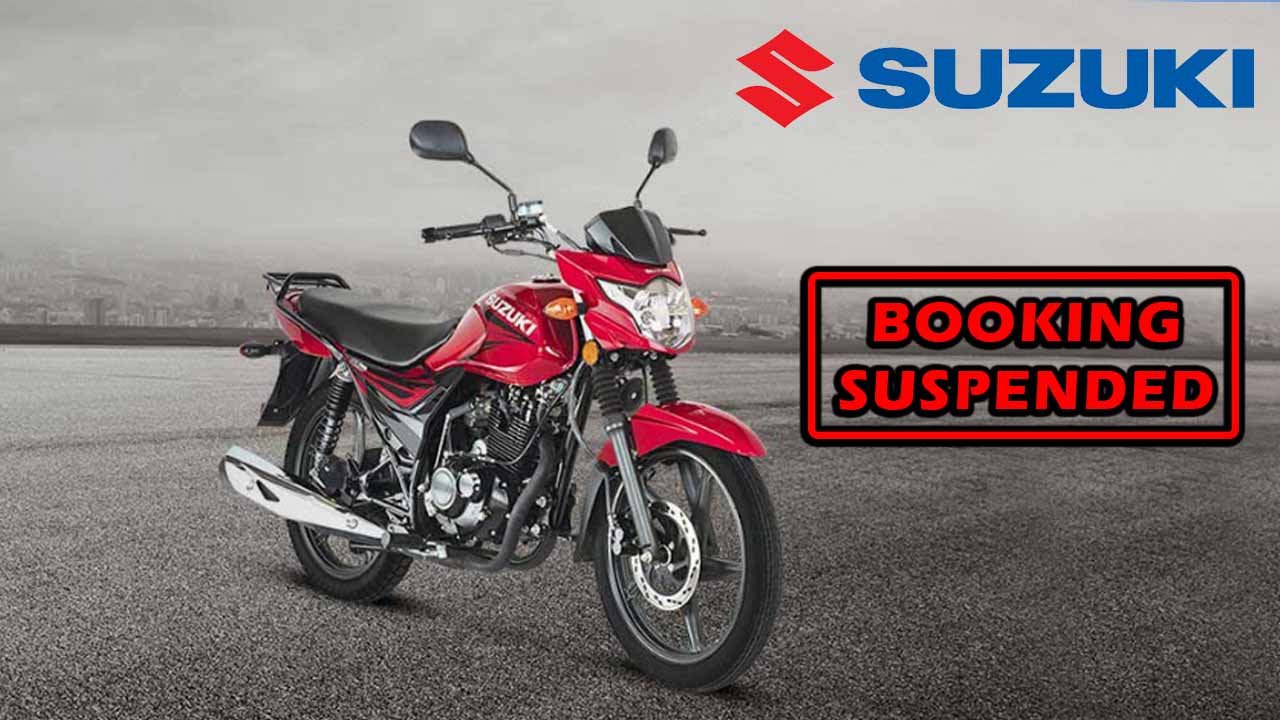
    Pak Suzuki Motor Company (PSMC) stated on Thursday that it had halted taking reservations for motorbikes until further notice due to issues with manufacturing and procurement following the consecutive closures of its automobile assembling factories caused by an ongoing inventory crisis.

    “Under the present economic circumstances, import-based supply chain constraints and uncertain production possibilities, we are unable to serve new customers,” the company said in a letter to dealers.

    The suspension of reservations would start today.

    “We will, therefore, stop bookings of our motorcycle products from January 20, 2023, for the time being. However, bookings will resume as the situation becomes favourable to serve fresh customers.”

    With the rupee falling and inflation at decades-high levels, Pakistan’s economy has collapsed along with a simmering political crisis, but disastrous floods and a worldwide energy crisis have added to the strain.

    Almost all industries, including the automotive sector, have been slowed down by a lack of imported components and materials, and an alarmingly large number of businesses have been forced to cease operations.

    As Pakistan struggles with a dire foreign exchange crisis, thousands of containers filled with basic food supplies, raw materials, and medical equipment have been held up at the Karachi port.

    According to Express Tribune, banks are refusing to issue fresh letters of credit for importers due to a shortage of needed dollars, which is hurting an economy already under pressure from high inflation and weak growth.

  • IT Minister warns of service disruption in many areas due to unavailability of technical parts

    IT Minister warns of service disruption in many areas due to unavailability of technical parts

    The restrictions imposed for the letters of credit (LCs) facility for the telecom sector, according to IT & Telecom Minister Syed Aminul Haque, are insufficient.

    “Without much-needed tec­hnical parts there are fears of service disruptions in many areas,” Mr Haque warned while presiding over the 44th Policy Com­mittee meeting of the Universal Service Fund (USF).

    He claimed that the restricted LC licenses were impeding the import of equipment for upgrading mobile networks and interfering with the general efficiency of the IT and telecom industries.

    “Telecom companies were facing difficulty in importing parts and equipment due to limited permission of LCs and it may also result in a delay in projects for the provision of 4G services in far-flung areas of the country,” the minister noted.

    The authorities reported to the meeting that telcos, IT firms, and their backend equipment suppliers had complained that it was impossible for them to import even the basic hardware required to run systems.

    The minister promised to speak with the Ministry of Finance again and let them know about the critical circumstance.

    Out of the budget of Rs32.13 billion set aside for the Universal Service Fund (USF) for 2022–2023, the meeting approved the release of a development fund of Rs5 billion for the second and third quarters, while Rs8.25 billion had already been released for the first quarter.

  • Export industry is one of the highest priorities of govt: Ishaq Dar

    Export industry is one of the highest priorities of govt: Ishaq Dar

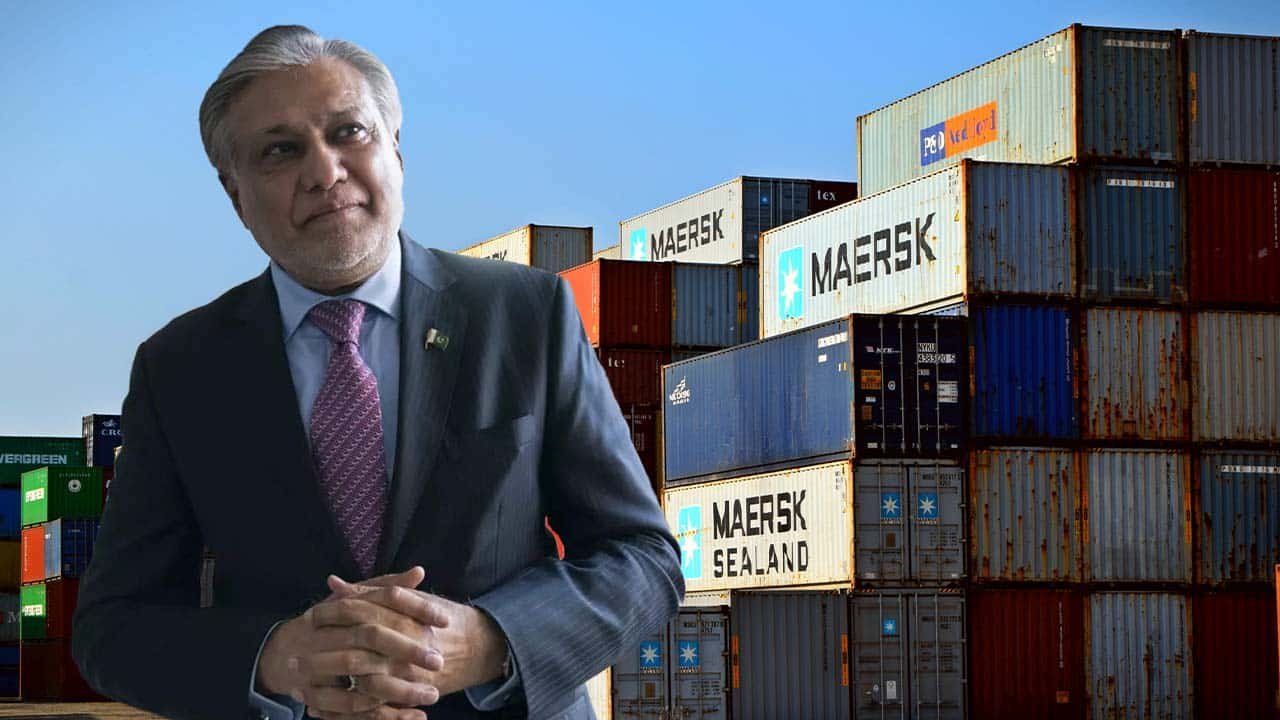
    Federal Minister for Finance and Revenue Ishaq Dar on Monday said that the government will make it easier for all exporters to import the raw materials, components, and accessories they need to meet their demands, including five previously zero-rated export-oriented sectors.

    “Export industry is one of the highest priority of our government,” the minister wrote on Twitter.

    “Five (previously) zero-rated export-oriented sectors and all other exporters will be given complete facilitation for import of raw material, parts, and accessories to meet their export requirements,” Dar added.

    The announcement comes as the country battles a dire foreign exchange crisis and industries, notably exporters, struggle to get their Letters of Credit (LC) issued

    At Karachi port, thousands of containers containing raw materials, food items, and medical supplies are stranded due to a shortage of dollars.

    Banks are refusing to grant fresh letters of credit for importers due to a shortage of needed dollars, which is undermining an economy already under pressure from high inflation and weak GDP.

  • Pak Suzuki announces second plant closure in less than 10 days due to parts shortage

    Pak Suzuki announces second plant closure in less than 10 days due to parts shortage

    Due to a persistent lack of imported components and accessories, Pak Suzuki Motor Company Ltd (PSMCL) has prolonged the factory shutdown from January 9 to 13 after keeping manufacturing operations paused from January 2 to 6.

    However, the business stated in a stock filing on Friday that the motorbike facility will continue to be in operation.

    The State Bank of Pakistan’s restrictions on obtaining prior approval for imports, including completely knocked-down (CKD) kits, have prevented PSMCL from opening its production facilities for 30 days since August 2022. This has negatively impacted the clearance of shipments from the port and resulted in shortages of parts and accessories.

    On the fate of employees because of persistent plant closure and plummeting sales of vehicles, a PSMCL official claimed that “so far no company’s employees have been terminated.”

    In 5MFY23, Pak Suzuki’s sales decreased by 35 per cent to 37,042 units from 57,200 in the same time the previous fiscal year.

    On Friday, the Lahore Chamber of Commerce and Industry (LCCI) and the Pakistan Association of Automotive Parts and Accessories Manufacturers (PAAPAM) both voiced their concerns regarding Millat Tractors’ decision to cease operations for an indefinite period of time due to declining sales and delayed sales tax refunds.

    In a joint statement, PAAPAM Senior Vice Chairman Usman Aslam Malik and LCCI President Kashif Anwar observed that “we should save Pakistan first, then politics, before we reach the point of no return.”

    Both leaders urged the administration and the opposition parties to get together and talk about how to resolve the nation’s crisis.

    They pointed out localization as the long-term answer to economic issues. The removal of imports must be given first priority, followed by the removal of export.

  • LC payments up to $50,000 to be released by SBP

    LC payments up to $50,000 to be released by SBP

    Federal Finance Minister Ishaq Dar said that $50,000 in letters of credit (LC) payments that are overdue will be settled this week.

    According to Geo, the decision was made following a discussion with the Governor State Bank of Pakistan (SBP) Jameel Ahmed Dar said that the SBP chief will convey these instructions to clear LCs as a “first step” towards growth next month before departing for Washington DC to meet with International Monetary Fund (IMF).

    Almost 4,400 requests for opening LCs, a payment mechanism used in international trade to provide an economic guarantee from a creditworthy bank to an exporter of goods, will be deducted after these decisions, according to the speaker, who revealed that there were a total of 7,952 cases still pending.

    For certain imports, including completely knocked down (CKD) vehicles, telephones, and various types of machinery, the SBP previously required prior approval before opening LCs or registering contracts. However, these directives were given on May 20.

    The Finance Minister also made it clear that Pakistan will not be refinancing its loans through the Paris Club. According to him, Pakistan will make sure to make timely payments to multilateral organisations for its national sovereign debt obligations. He claimed that in this regard, a strategy had been developed.

  • Hyundai sedan prices raised up to Rs830,010 amid rupee devaluation

    Hyundai sedan prices raised up to Rs830,010 amid rupee devaluation

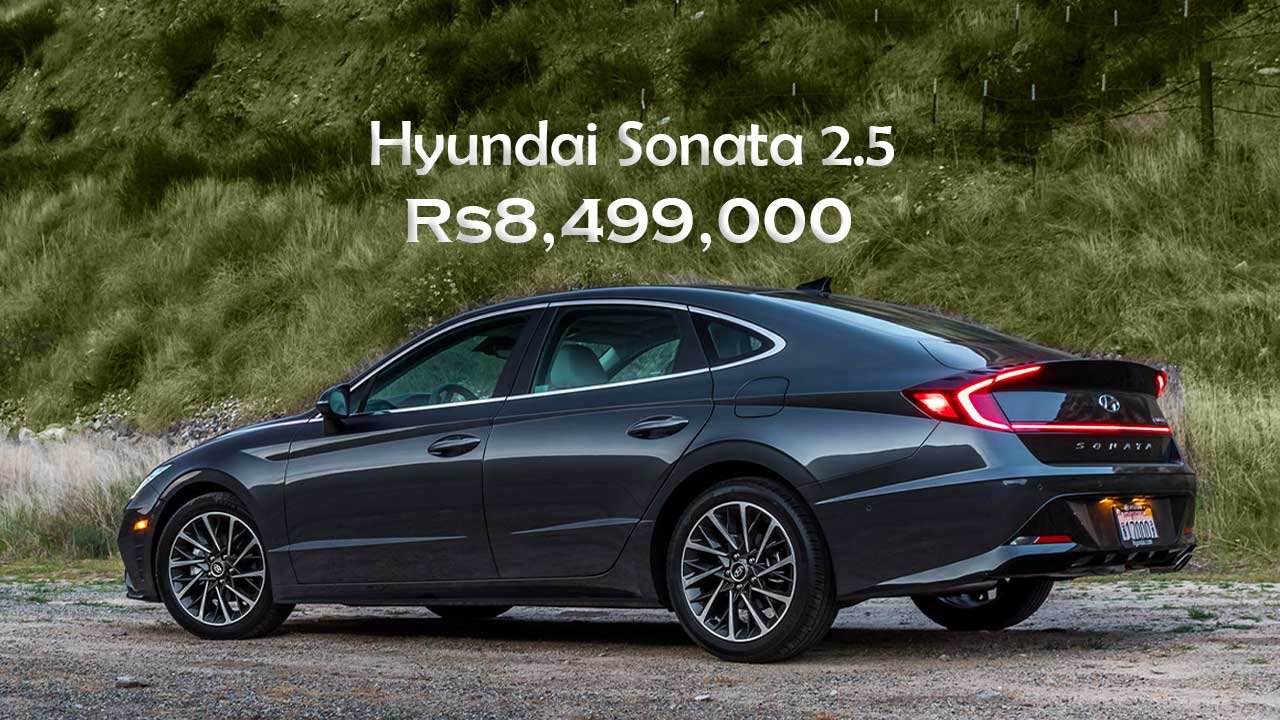
    Hyundai Nishat, like other automakers, has announced a major hike in costs for the Elantra and Sonata variants as a result of the unstable local currency and increased tax rates.

    The updated price for the Hyundai Elantra 2.0 is Rs5,499,000 (including CVT) compared to the old rate of Rs4,998,490 after an increase of Rs500,510. The new price for the Hyundai Elantra 1.6 in Pakistan is Rs5,099,000 (including CVT) compared to the old rate of Rs4,341,9900 after an increase of Rs757,010.

    The revised price of the Hyundai Sonata 2.0 is Rs7,899,000 (with CVT) in Pakistan, up Rs830,010 from the previous rate of Rs7,068,990, while the updated price of the Hyundai Sonata 2.5 is Rs5,499,000 (including CVT), down Rs571,510 from the previous rate of Rs7,927,490.

    Due to local currency devaluation, logistical expenses, tax rate increases, and overall economic uncertainty in the nation, Pakistan’s auto sector is struggling.

    During intraday trade today, the Pakistani Rupee (PKR) lost value against the US Dollar (USD) and fell below the Rs238 mark. The local currency was trading at Rs238.50 in the open market at noon after losing more than Rs5.57 in relation to the dollar.

    Major automakers have been compelled by these problems to lower their production goals in Pakistan. While Honda Atlas Cars Limited (HACL) and Kia Lucky Motor Corporation Limited (KLMCL) are switching to single-shift manufacturing schedules, Toyota Indus Motor Company (IMC) has ceased production for an unknown length of time.