Tag: LGBT

  • ‘Don’t have to watch it’: Khushhal Khan talks violence in Duniyapur 

    ‘Don’t have to watch it’: Khushhal Khan talks violence in Duniyapur 


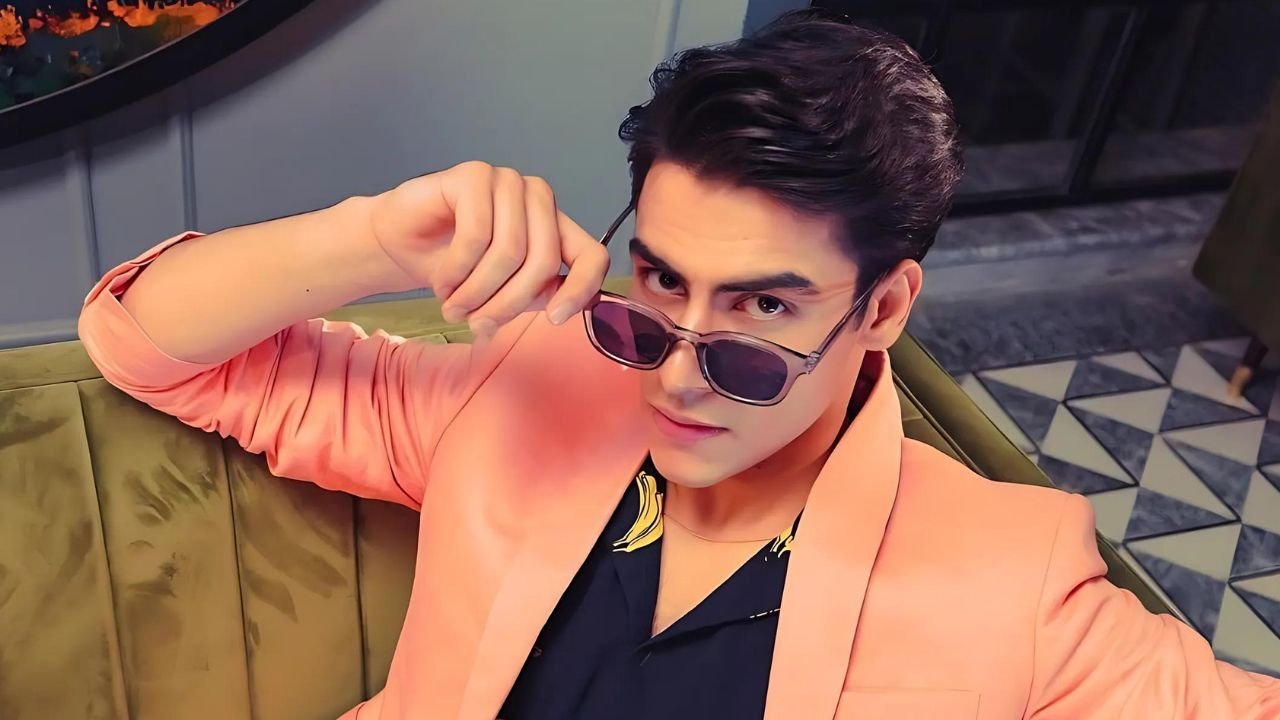
     Actor Khushal Khan has been making a name in the entertainment industry with impressive performances. He last starred in the web series ‘Barzakh’ in which he played the character of young Jaffer.
     
     During an appearance as a guest on Fuchsia Magazine, Khushhal Khan talked about the concerns surrounding his new project, Duniyapur.
     
     The host asked, “This isn’t a matter of concern, but in places where law and order isn’t taken very seriously, we’re showing such a drama that everyone is watching. Discussions have arisen about age ratings and whether it’s appropriate.”


     Khushal replied, “This is something we can discuss, it’s very explicit and has a lot of killings and that kind of content, now that everybody is watching, there’s no telling them to avoid it. Also, kids underage shouldn’t watch it if it’s explicit, if someone is sensitive to it, so it’s okay not to watch. If I had a problem with something, I wouldn’t watch it. I know myself well enough to decide that something isn’t for me.”
     
    He continued saying, “There’s a lot of content available online, and I have easy access to my phone and the internet, but I wouldn’t watch everything. The same goes for everyone else; if they’re sensible enough, they can judge by the trailers and teasers. Families can see the trailers beforehand, its right there in front of them. “
     
    “For every project we do in the future or have done in the past, if someone isn’t comfortable, they don’t have to watch it. Nobody is forcing you to. We would love for you to watch it and enjoy it, but if it makes you uncomfortable, that’s not our intention. Our intention is to entertain, not to make anyone feel uncomfortable”, the actor added.

    Khushhal also highlighted that there aren’t always explicit warnings for content in Pakistani dramas, saying,

    “I don’t think our dramas give those warnings. You know, smoking and alcohol are sometimes shown, and parents have to take control over what their families watch. There are even things that don’t show blood, for example, when a gunshot happens, blood isn’t shown, but that doesn’t make sense. If a bullet is fired, there should be blood.”
     
    “Logical things should be shown, not illogical things. Maybe there should be warnings that this drama has a certain level of violence, so small children shouldn’t watch it. There’s nothing wrong with a warning. Parents should be sensible enough to monitor what their kids are watching. Everything is out there, but as a parent, it’s your responsibility to supervise what your kids are viewing”, Khan added. 
     
    Reflecting on his own upbringing, Khushal Khan talked about his childhood and the importance of parental guidance in media choices.

    Khushhal Khan said, “My parents did the same with me; I was only allowed to watch certain movies at a certain age, and they monitored everything I watched. So, I would say parents should do the same. If I feel that something shouldn’t be shown to kids, then it shouldn’t be shown. My brother shouldn’t be watching certain things just let him watch Cocomelon.”
     
    Khushal Khan has starred in dramas such as  Qissa Merhabano Ka, Mubhabbat GumShuda, Wehshi and Muskhil.
  • Salman Shahid thinks life is like a hotel stay  

    Salman Shahid thinks life is like a hotel stay  


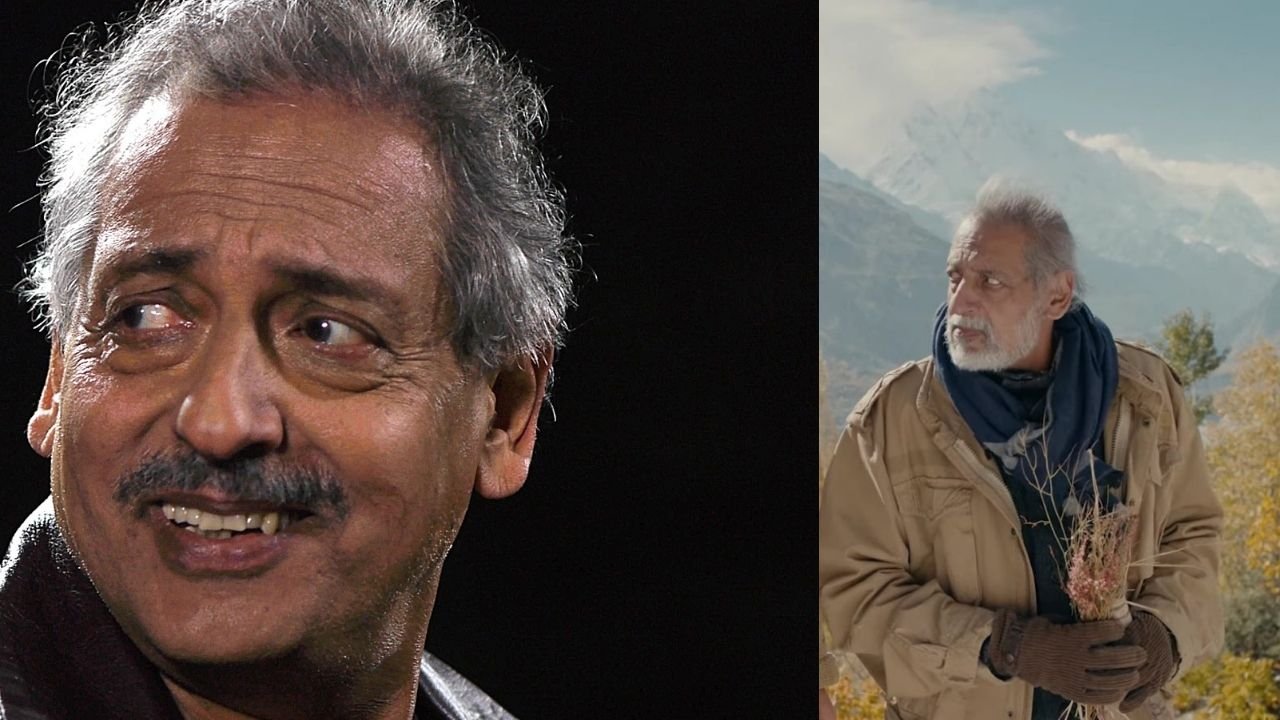
    Veteran actor Salman Shahid, with over 50 years of experience in theatre, cinema, and television, recently appeared as a guest on ‘Zabardast.’

    During the interview, host Wasi Shah asked the thespian, “How did you balance your private life when you started your career? What did you learn from it?” 

    The Barzakh actor replied, “When you check into a new hotel, you spend time learning how the windows, door and shower work. But by the time we get the hang of it, it’s time to leave. It’s the same with life, our opportunities come and go before we can even understand what to do with them.”

    Shahid played the central role, Jafar, in Barzakh, a man who wants to marry his true love although she is deceased.

  • ‘Mesmerised, blown away, and proud’: Sanam Saeed on Barzakh

    ‘Mesmerised, blown away, and proud’: Sanam Saeed on Barzakh

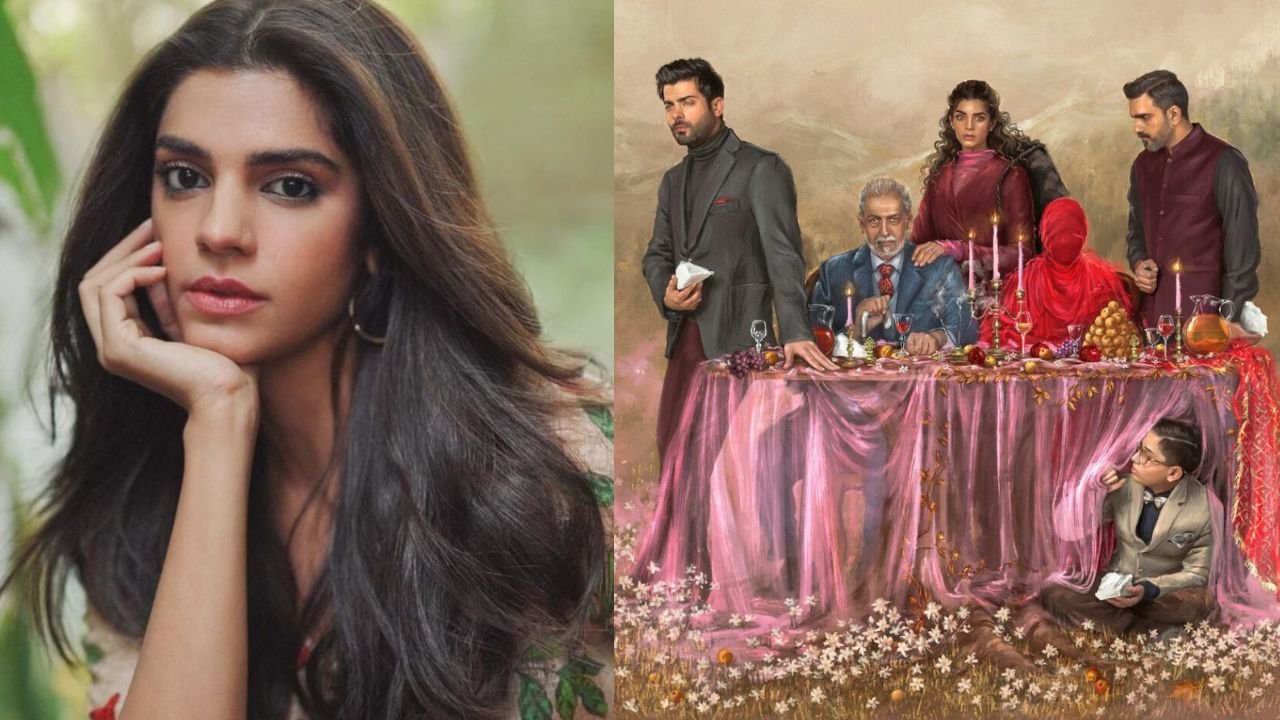
    Sanam Saeed always lets her work speak for her. When the actress does speak, she never shies away from saying exactly what is on her mind.

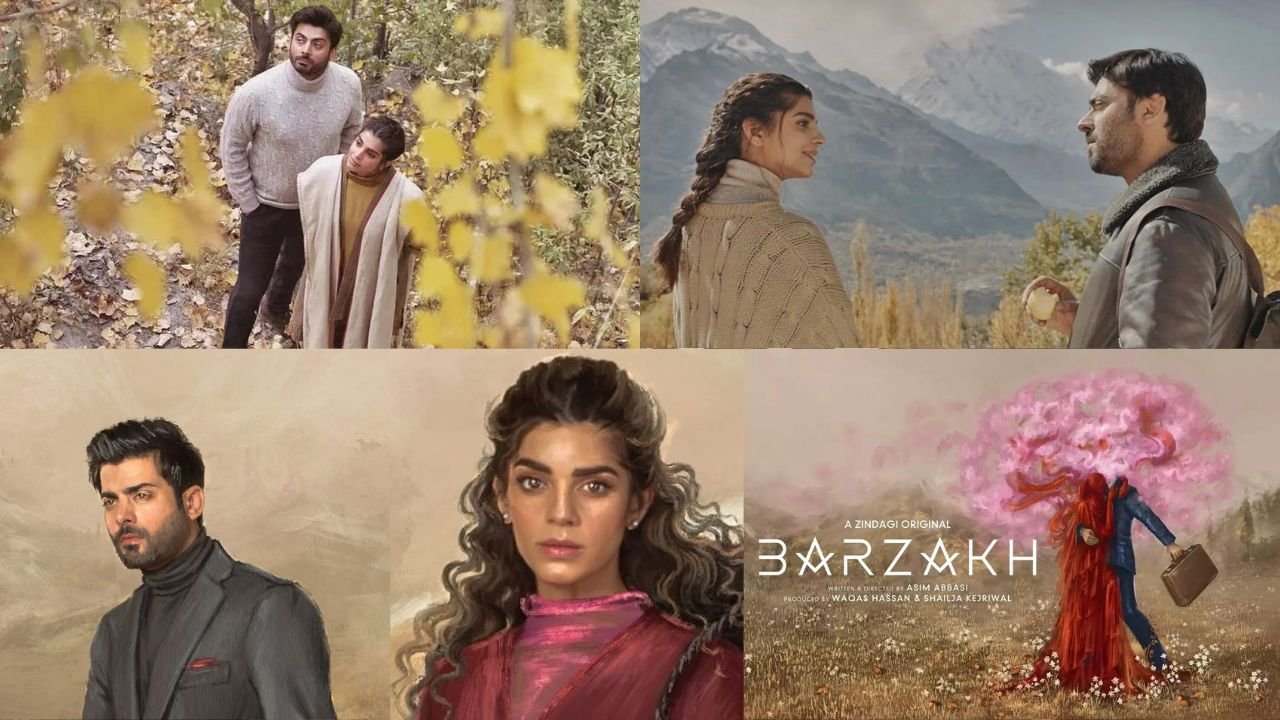
    Though her latest project Barzakh, written and directed by Asim Abbasi, landed in controversy, she has come to its defence. The series attracted a lot of attention due to its incredible cinematography however, its queer-themed content stirred massive controversy, invoking mixed reactions across the region.

    In a recent interview with Hindustan Times, Saeed shared her thoughts on the overwhelming response to the web series.
    The Barzakh actress said, “The feedback has been quite overwhelming. Mesmerised, blown away, and proud are just the adjectives that I’ve gotten to hear. People are really overwhelmed, intrigued, curious and have slowly understood that this is not a show that they can just binge-watch. It’s something that they have to really focus on and watch with a lot of attention.”

    Despite the backlash, particularly in Pakistan where Barzakh was removed from YouTube, Saeed remains positive about its impact, especially in India. “It was this really beautiful exchange that happened (through the platform, Zindagi) where people’s eyes were opened up,’ noting how Indian audiences gained new insights into Pakistani culture.”

    Although she hasn’t had an opportunity yet, the actor expressed cautious optimism about the possibility of working in India in the future.

    “I haven’t experienced it, so I can’t say that I miss it because I’ve never gone to India for work. But things will happen one day”, Saeed added.

  • ‘Barzakh’ to be removed from YouTube Pakistan after severe public criticism

    ‘Barzakh’ to be removed from YouTube Pakistan after severe public criticism

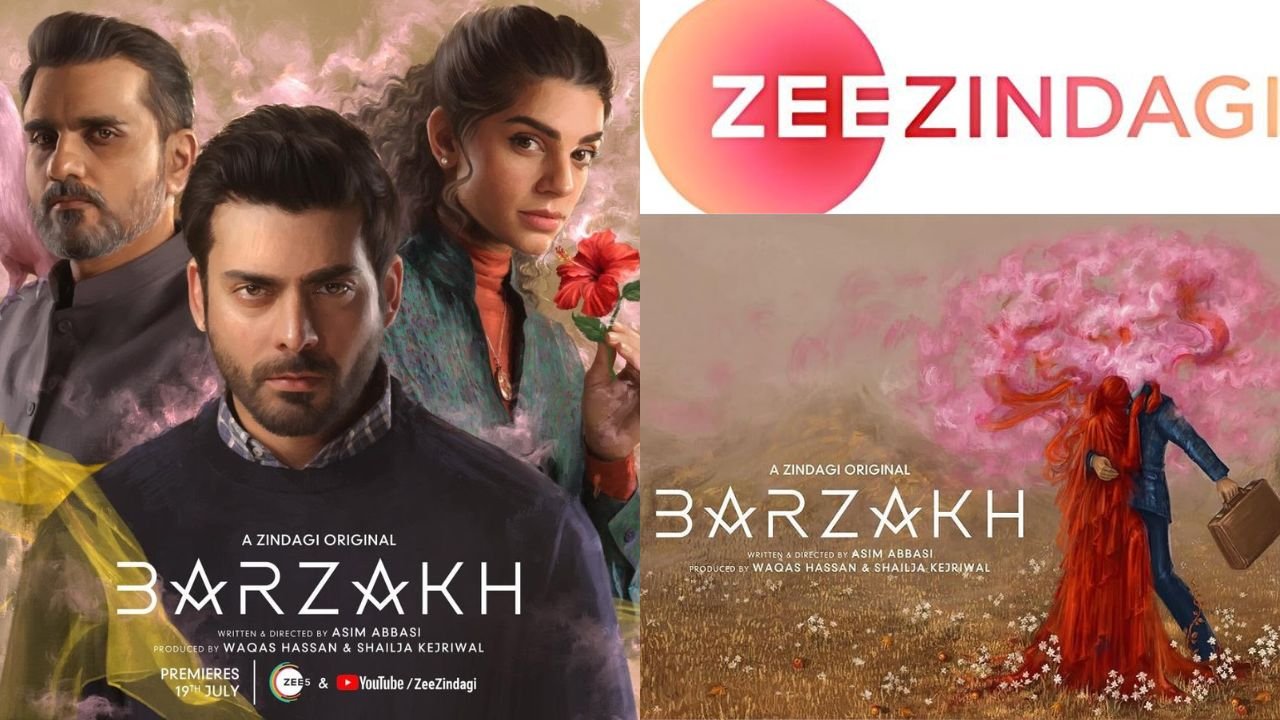
    Zee Zindagi’s latest Pakistani project ‘Barzakh’ has been at the center of a heated controversy ever since its release two weeks ago. Written and directed by Asim Abbasi who known for his previous projects ‘Churails’ ‘Cake’, the web series has been accused of promoting queer themes. The show still got over four million views on YouTube in the short while since its release.

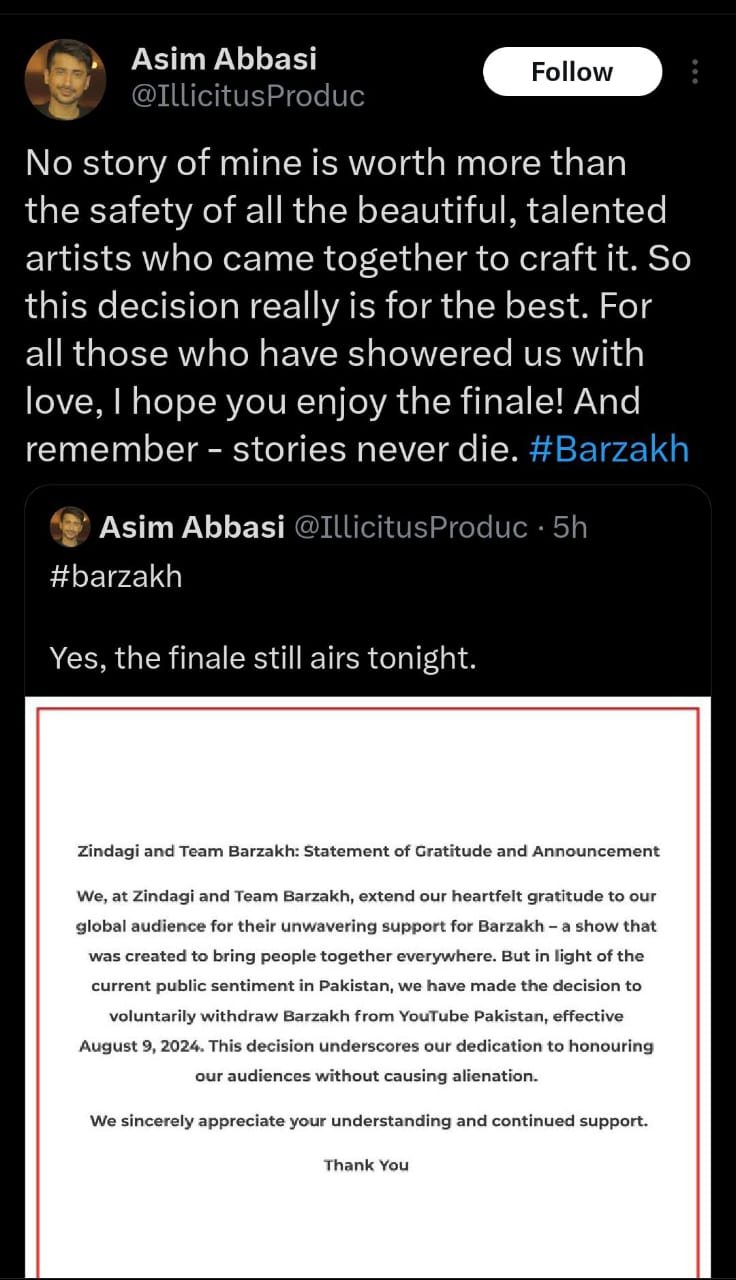
    Zindagi has announced that it will remove the Fawad Khan and Sanam Saeed venture from YouTube Pakistan starting August 9. In a statement on their official Instagram page, the network thanked fans and explained the reason for the removal:

    “We, at Zindagi and Team Barzakh, extend our heartfelt gratitude to our global audience for their unwavering support for Barzakh — a show that was created to bring people together everywhere. But in light of the current public sentiment in Pakistan, we have decided to voluntarily withdraw Barzakh from YouTube Pakistan, effective August 9, 2024. The decision underscores our dedication to honoring our audiences without causing alienation. We sincerely appreciate your understanding and continued support. Thank You.”

    Asim Abbasi, the writer and director of Barzakh, took to X (formerly Twitter) to express his thoughts on the removal:

    “No story of mine is worth more than the safety of all the beautiful, talented artists who came together to craft it. So this decision really is for the best. For all those who have showered us with love, I hope you enjoy the finale! And remember – stories never die.”

    Barzakh’s last episode is set to air on Tuesday night at 6 pm.

  • ‘If you find queer storylines distasteful, do not watch my content’: Asim Abbasi refuses to censor ‘Barzakh’

    ‘If you find queer storylines distasteful, do not watch my content’: Asim Abbasi refuses to censor ‘Barzakh’

    Director Asim Abbasi sent a clear message to the critics of his web series ‘Barzakh’.
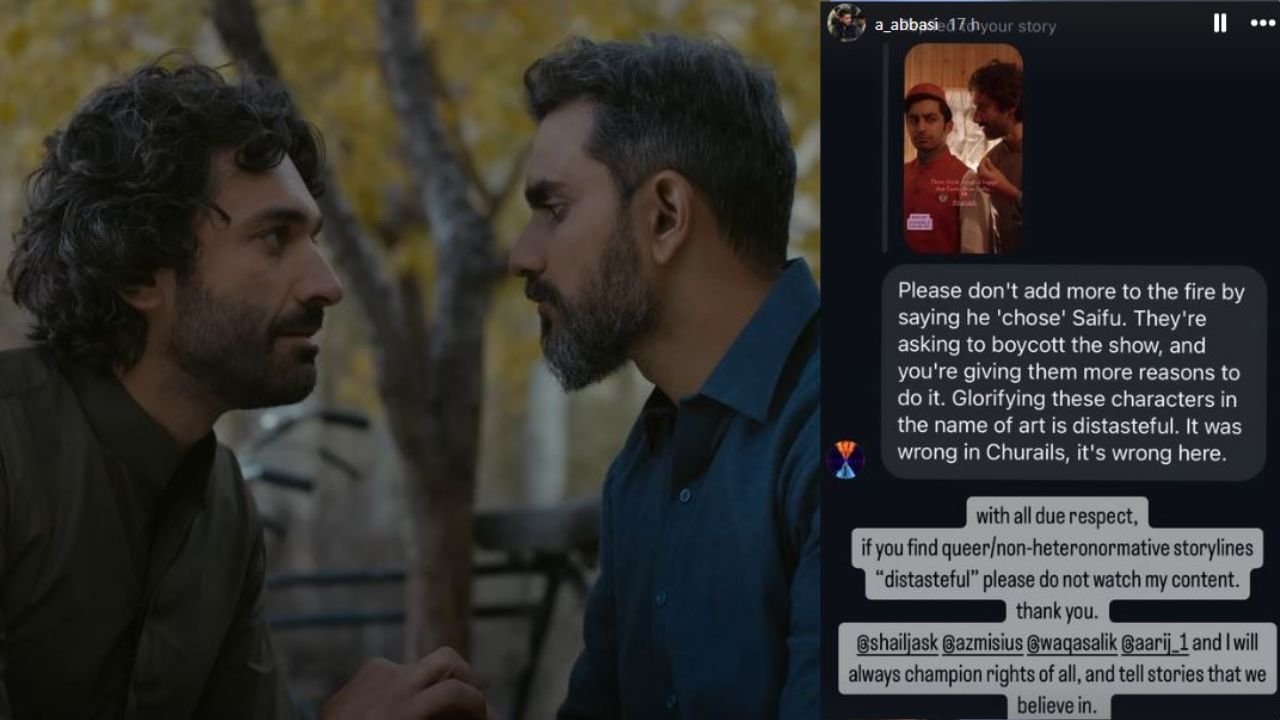
    Asim Abbasi shared a picture of the show on his Instagram story, where a person replied saying, “Please don’t add more to the fire by saying he ‘chose’ Saifu. They’re asking to boycott the show, and you’re giving them more reasons to so it. Glorifying these characters in the name of art is distasteful. It was wrong churails, its wrong here.” 

     
    On which Asim Abbasi, who is also the writer of Barzakh, replied, “With all due respect, if you find queer non-heteronormative storylines distasteful please do not watch my content.”
    Fawad Khan is playing the characters Saifullah and Lorenzo. The statement comes in response to a scene in episode 3 featuring an almost kissing moment between two male characters.
     
    Asim Abbasi tagged the producers of web series with the caption on his story, “Shailja Kejriwal Waqas Ali and I will always champion rights of all, and tell stories that we believe in.”
     
    The main plot of Barzakh is to explore the mysteries of life, the afterlife, and the enduring power of love. Set in the beautiful Hunza Valley, the story follows a 76-year-old recluse who invites his estranged children and grandchildren to his remote valley resort for a special event his wedding to the ghost of his first true love.

  • Barzakh: X reactions highlight unique, mixed reviews

    Barzakh: X reactions highlight unique, mixed reviews

    Barzakh, the latest web series on Zee Zindagi, is creating waves among viewers with its unique storyline and great production.

    The web series is not your typical Pakistani family drama, but a thought-provoking and visually stunning series which is generating a range of reactions from the audience on X.Here are some of the reactions: Barzakh is also gaining popularity in India. But not all reactions are positive.

    Barzakh is a breakthrough series that defies convention and features outstanding acting and storyline. It may not be for everyone, but praise is growing for its bold concept and superb aesthetic execution. It is absolutely worth a watch if you haven’t seen it before.

  • Protest after Peru classifies transsexuality as mental disorder

    Protest after Peru classifies transsexuality as mental disorder

    LGBTQ groups protested Friday outside Peru’s health ministry after the government issued a decree listing transsexualism as a mental disorder.

    “It is a decree that takes us back three decades,” said Jorge Apolaya, spokesman of the Collective Pride March, a Lima-based rights group.

    “We cannot live in a country where we are considered sick,” he said.

    Transgender people are those who reject the sex they were assigned at birth. Some opt for surgical or medical intervention.

    The government on May 10 updated its list of insurable health conditions — which since 2021 has offered benefits for mental health treatment — to include services for transgender people.

    In the decree, the health ministry describes the condition as a “mental disorder” — an obsolete term long officially abandoned by the World Health Organization.

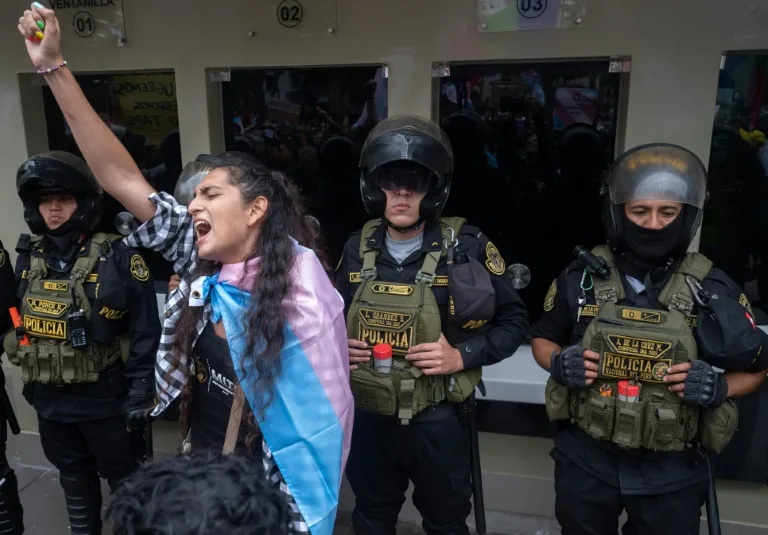
    More than 200 activists gathered outside the health ministry to demand the revocation of the decree on Friday — the International Day Against Homophobia, Biphobia and Transphobia.

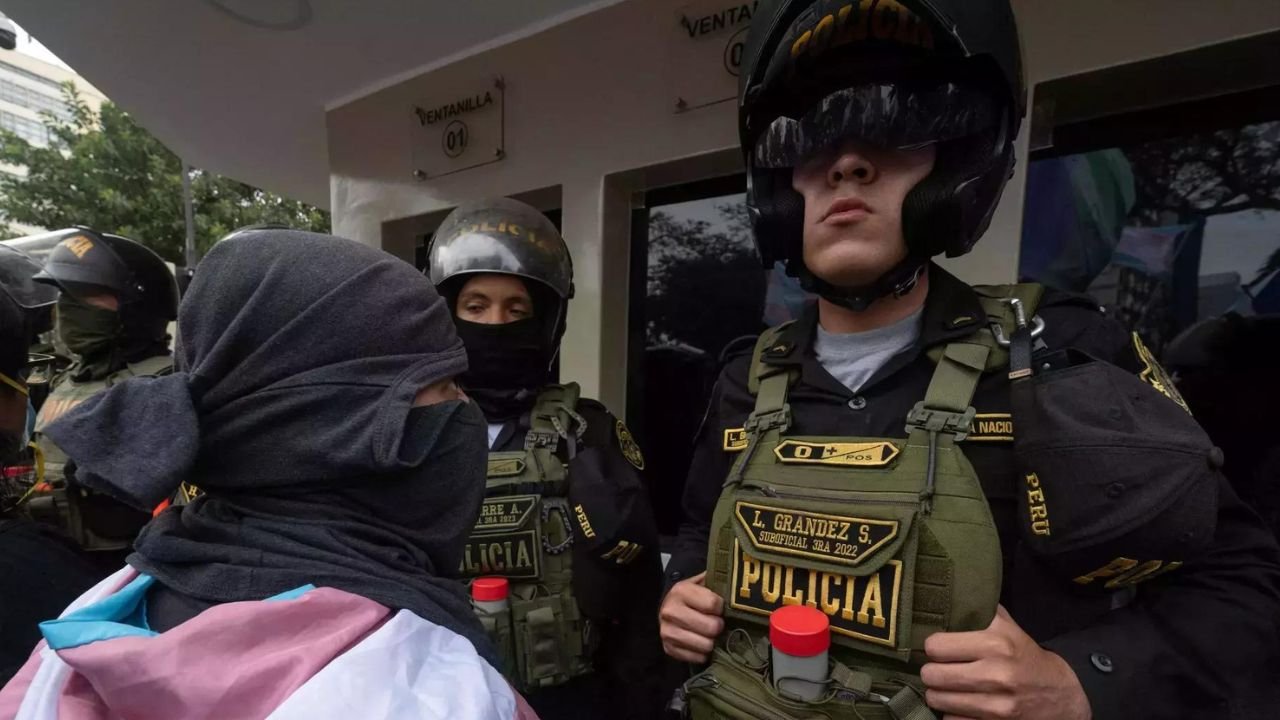
    Police guard the entrance of Peru’s Ministry of Health during a protest staged by LGBTQ groups against a new government decree listing transsexualism as a “mental disorder” (Cris BOURONCLE)

    “It is a regulation that violates us … they are positioning us as sick people, as if we have a problem,” said 25-year-old Afrika Nakamura.

    With slogans like “It’s not a  disease, it’s diversity!” and “We are trans and we are not sick,” the protesters blocked the busy avenue in front of the ministry for a few hours.

    No clashes with police were reported.

    “We demand the repeal of this transphobic and violent decree, which goes against our trans identities in Peru,” activist Gianna Camacho of the Coordinacion Nacional LGTBIQ+ told AFP.

    “We are not mentally ill and we do not suffer from any mental disorder,” she added.

    The government said it would not scrap the decree.

    Health ministry official Carlos Alvadrado told AFP that doing so would “remove the right to care.”

    The ministry has previously insisted it does not consider gender diversity as an illness, and in a statement expressed “our respect for gender identities and our rejection of the stigmatization of sexual diversity.”

    It said the decree was meant merely to extend mental health coverage “for the full exercise of the right to health and well-being” of those who want or need it.

    An article on the website of Human Rights Watch describes the decree as “profoundly regressive” in a country that does not allow same-sex marriage nor for transgender people to change their identity documents.

    For Percy Mayta, a medical doctor and activist, “pathologizing” transgender people “opens the door to… conversion therapy” — which UN bodies have equated to torture and is not illegal in Peru.

    In its press statement, Peru’s health ministry underlined that “the sexual orientation and gender identity of a person does not in itself constitute a physical or mental health disorder and therefore should not be subjected to medical treatment or care or so-called reconversion therapies.”

  • Controversy around Bushra Ansari’s dialogue in punjabi web series, sparks gender debate

    Controversy around Bushra Ansari’s dialogue in punjabi web series, sparks gender debate

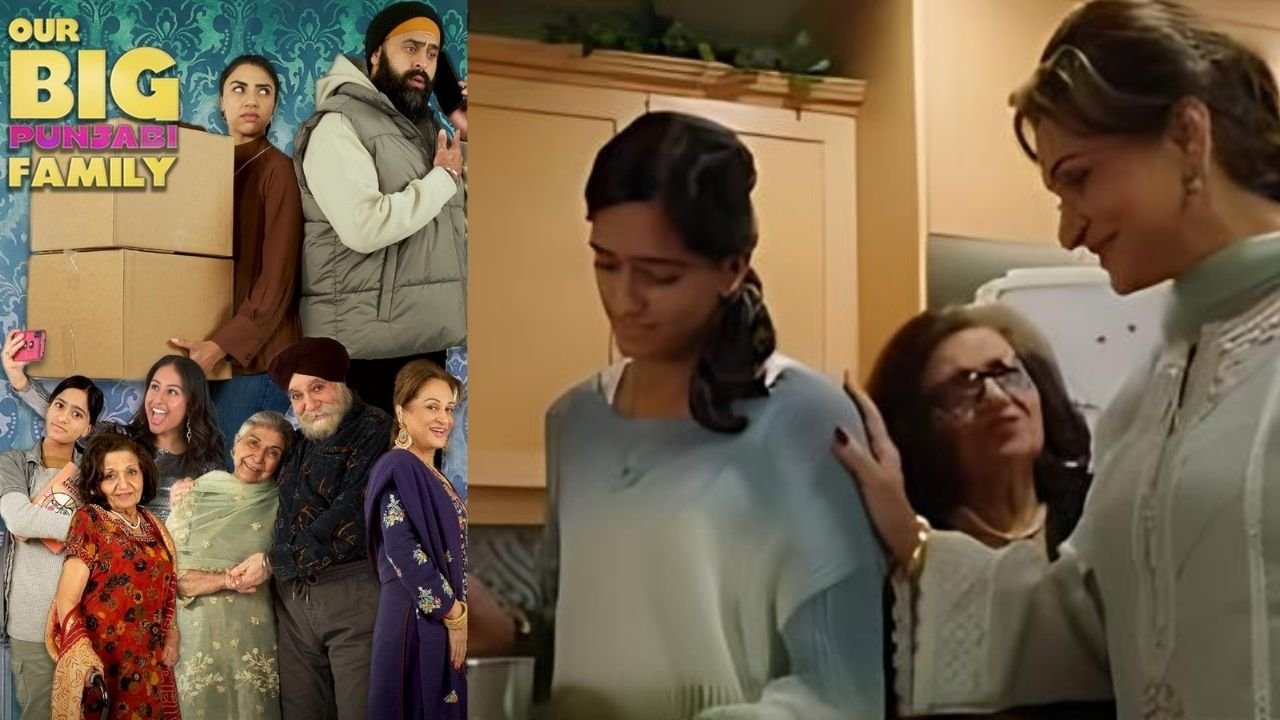
    Veteran actor Bushra Ansari is facing social media backlash for her dialogue in an international Web Series “Our Big Punjabi Family”.
    Although the web series was released last year, recently, a social media clip from the web series featuring Ansari’s dialogue has gone viral. In the clip, Ansari refers to a transgender girl, who is in the kitchen when another character in the show asks Ansari why she is being so nice to the girl. Ansari says, “call her “they”or “them,” referring to pronouns that people can select for themselves.

    . The dialogue sparked a debate among fans, with some criticising Ansari for ‘clearly promoting an LGBTQ agenda by working in LGBTQ pro-content’. Some Pakistani fans are expressing their anger while others are applauding Ansari for taking on the role and promoting tolerance, with some fans saying ‘Love this and its about time’.

  • ‘Parliamentarians being threatened to legalise homosexuality in Pakistan’

    ‘Parliamentarians being threatened to legalise homosexuality in Pakistan’

    Lawmakers belonging to both the National Assembly and Senate are receiving threats for refusing to move the parliament for the legalisation of homosexuality in Pakistan, senior journalist and analyst Hamid Mir has claimed.

    In his latest column for Daily Jang, Mir has quoted a senator as saying that students of a reputable educational institution are nowadays approaching parliamentarians to move the house for the legalisation of homosexuality in the country.

    “They [the youngsters] have been contacting different lawmakers and demanding, that like many other countries, homosexuality should be legalised in Pakistan,” the journalist quoted the senator as saying.

    He claimed that when the lawmaker advised one of the students to focus on religion and praying five times a day so that “their thoughts do not go astray”, the youngster urged the senator to at least move the Upper House in this regard.

    “When the senator strongly turned down the student’s demand, they were threatened by the youngsters,” Mir wrote. He further claimed that some students have also approached parliamentarians belonging to religio-political parties, but they not yet responded.

    HOMOSEXUALITY IN PAKISTAN:

    The Colonial British government criminalised homosexuality in India under section 377 of the Indian Penal Code (IPC) of 1860. Pakistan, after independence, adapted the same laws under the Pakistan Penal Code (PPC) that states, “Whoever voluntarily has carnal intercourse against the order of nature with any man, woman or animal, shall be punished with imprisonment for life, or with imprisonment of either description for a term which shall not be less than two years nor more than ten years, and shall also be liable to fine.”

    In the 1980s, rules against homosexuality stiffened even more under General Muhammad Ziaul Haq. The punishment for homosexual activities increased to life imprisonment or even death by stoning as a result of the Sharia Law added to the PPC.

    Religious leaders have consistently forbidden and condemned homosexual activities as being immoral under the constitution of Islam. People in Pakistan, who identify themselves as homosexual, do not expose their sexual preference in public due to the fear of being looked down upon or physically attacked.