Tag: life-stories

  • Artists put up riveting performances on JPP’s event on ‘World Day against the Death Penalty’

    Artists put up riveting performances on JPP’s event on ‘World Day against the Death Penalty’

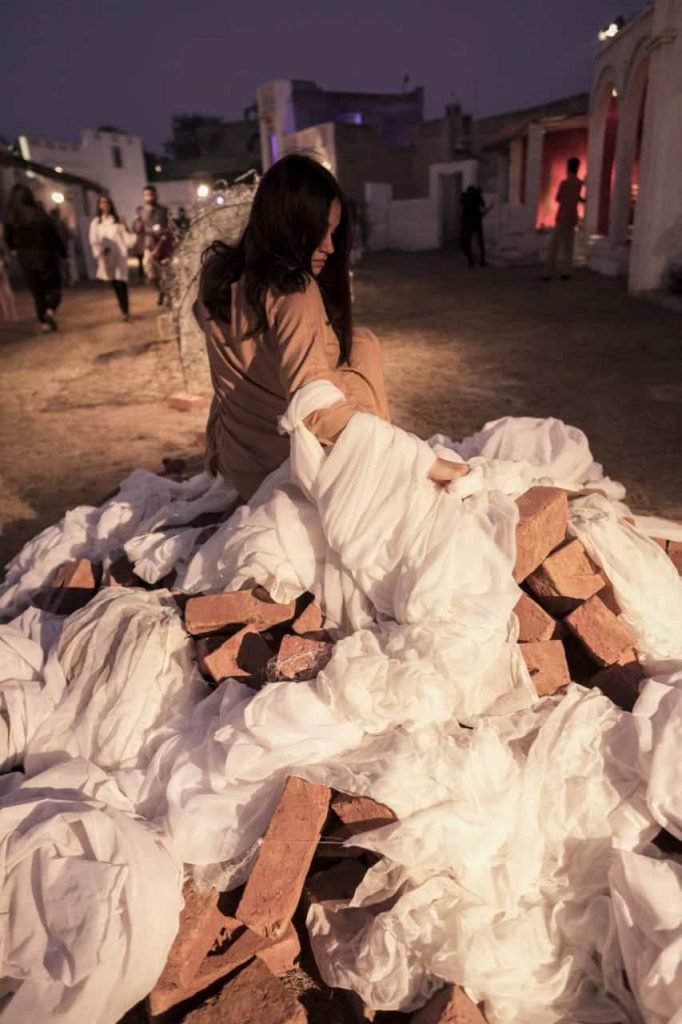
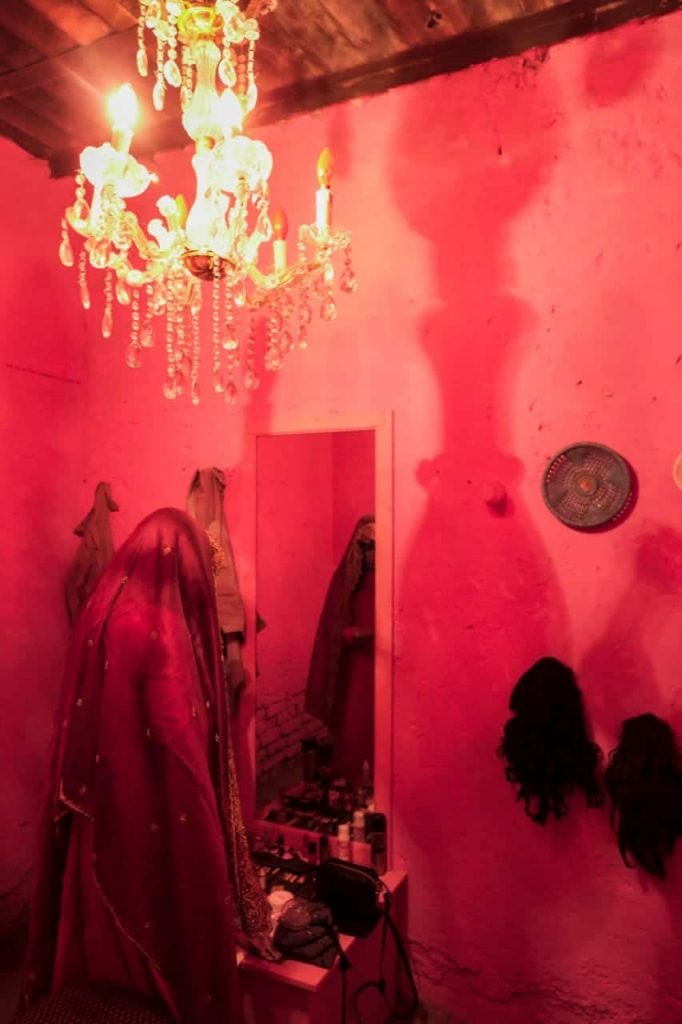
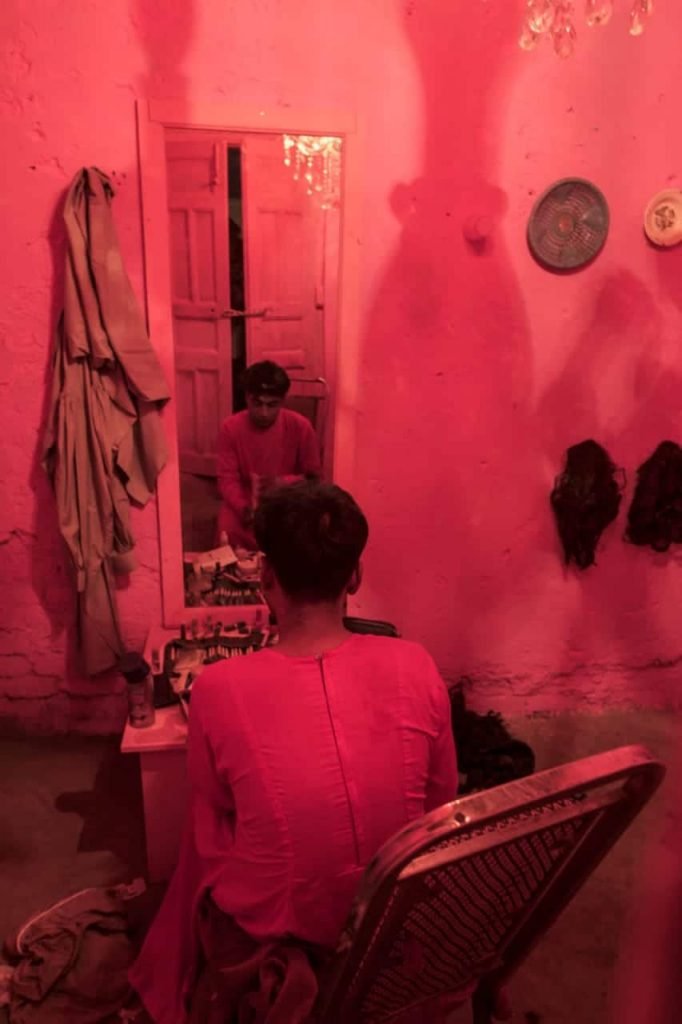
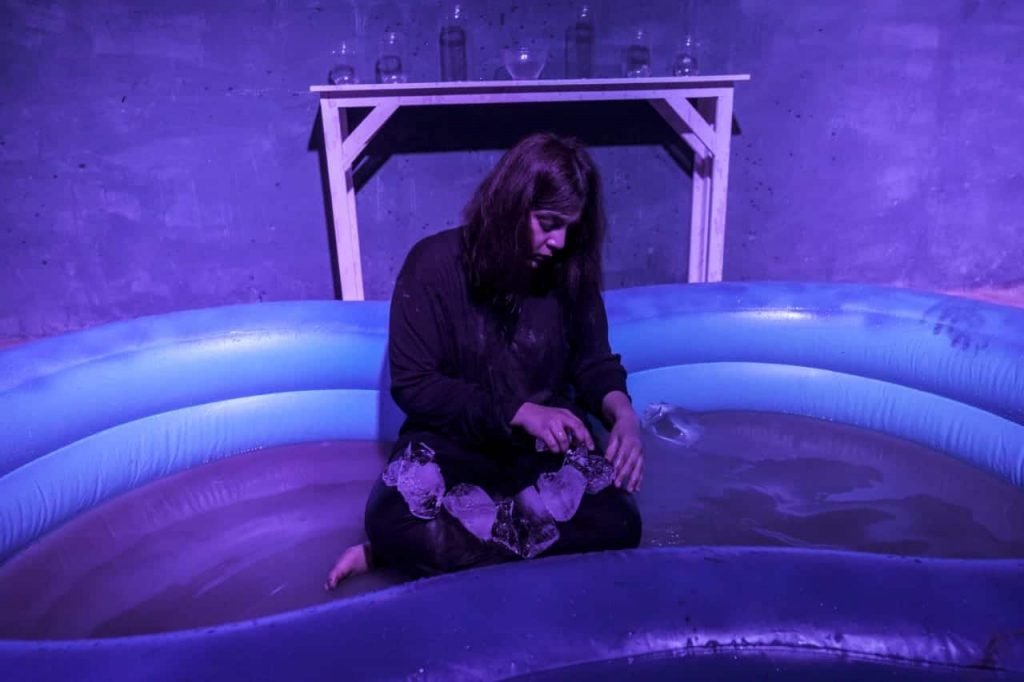
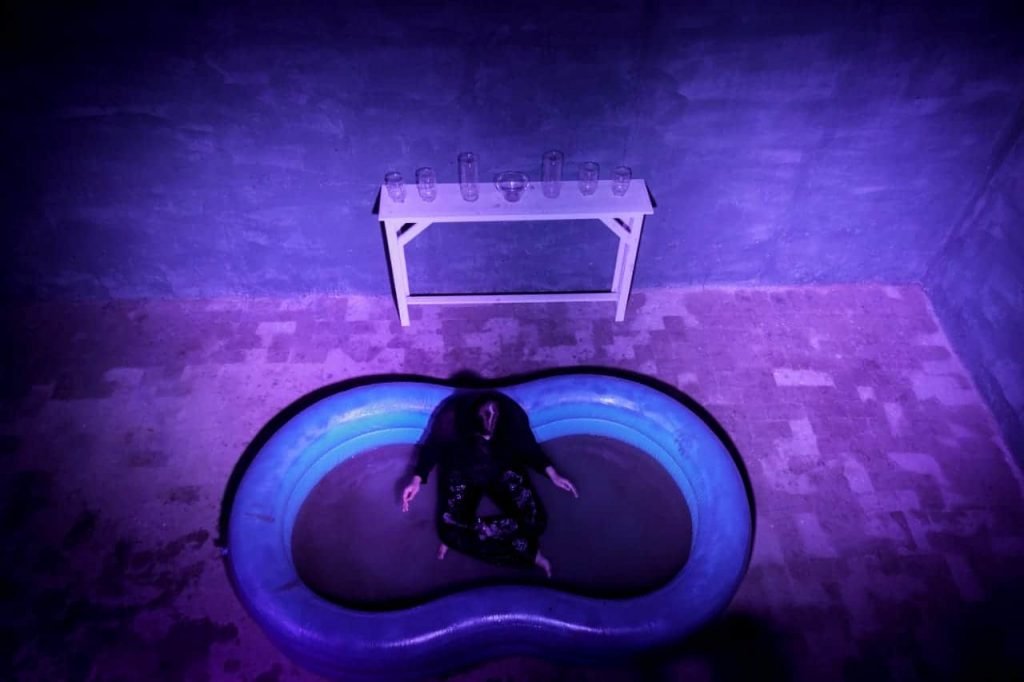
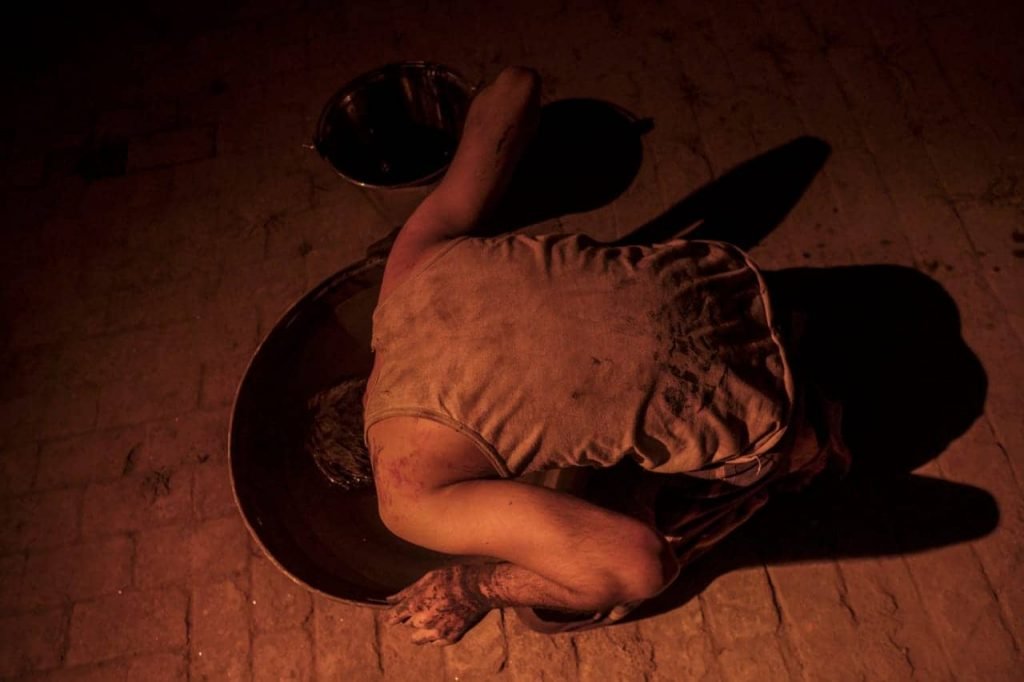
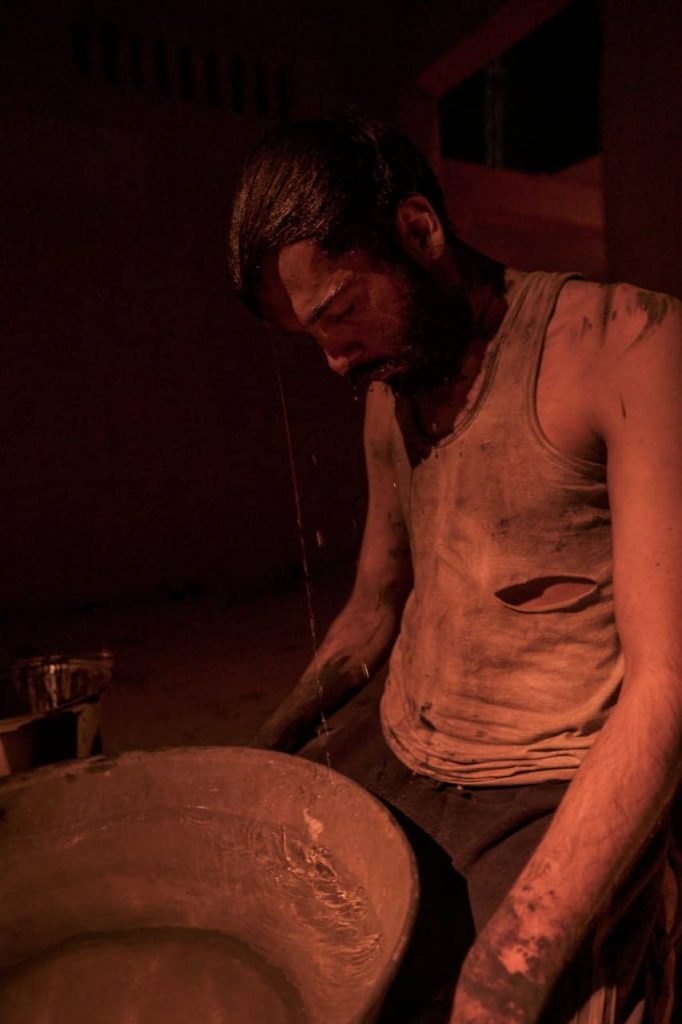
    Justice Project Pakistan (JPP) in collaboration with House Ltd and Highlight Arts observed World Day against the Death Penalty by organising an evening marked by riveting live performances by artists.

    The event, titled We’ve Been Waiting for You, was attended by a large number of students, artists, enthusiasts, the legal fraternity and members of the civil society.

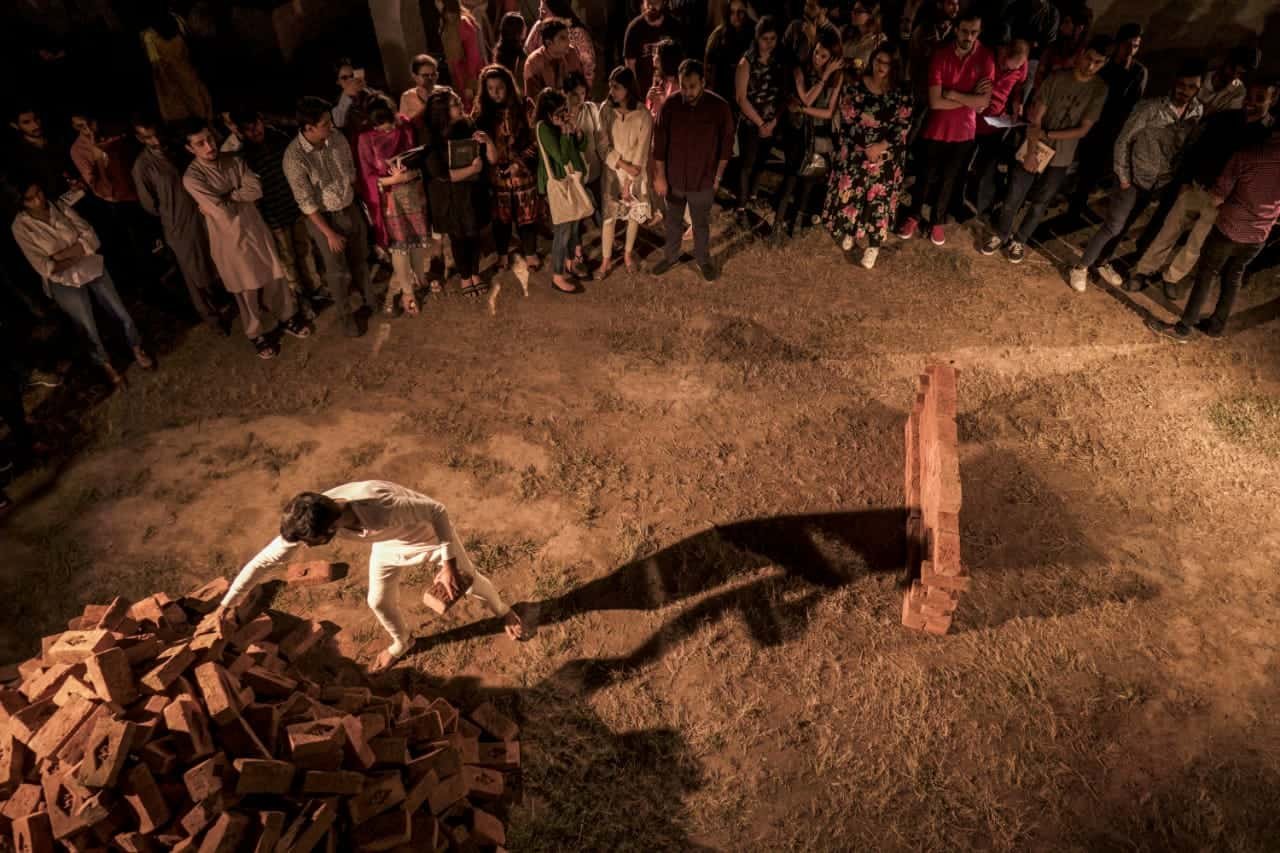
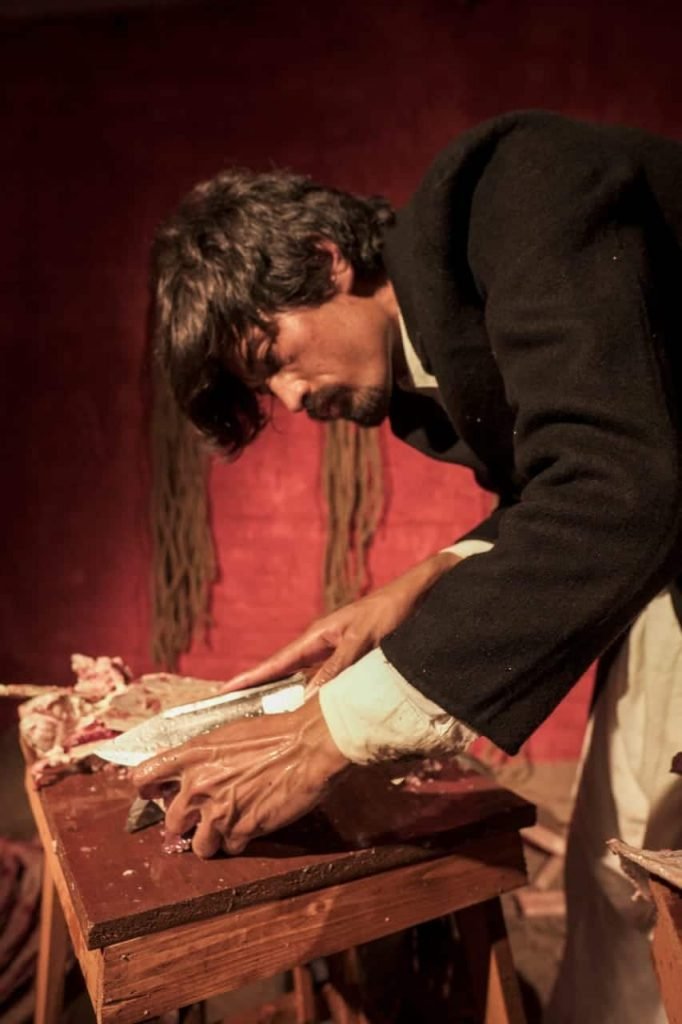
    11 artists put up live performances around the themes of death penalty, confinement and isolation in detention using their bodies. The artistes explored the idea of how prisoners saw themselves and how the outside world saw them. All performances took place side by side in different rooms of Bari Studios in Lahore.

    The performances were curated by Natasha Jozi and Ryan Van Winkle was the creative director. Performers included Mariam Waheed, Kanwal Tariq, Ahmed Khan, Baqir Ahmedi and Fatima Butt.

    JPP is a non-profit organisation based in Lahore that represents Pakistani prisoners facing harsh punishments at home and abroad. One of its key areas of work is to highlight human rights violations through public engagement campaigns, including documentary films, theatre and public art exhibitions.

  • Elif Shafak’s ’10 minutes 38 seconds’ is thought-provoking, insightful and relevant

    Elif Shafak’s ’10 minutes 38 seconds’ is thought-provoking, insightful and relevant

    “We must do what we can to mend our lives, we owe that to ourselves – but we need to be careful not to break others while achieving that”.

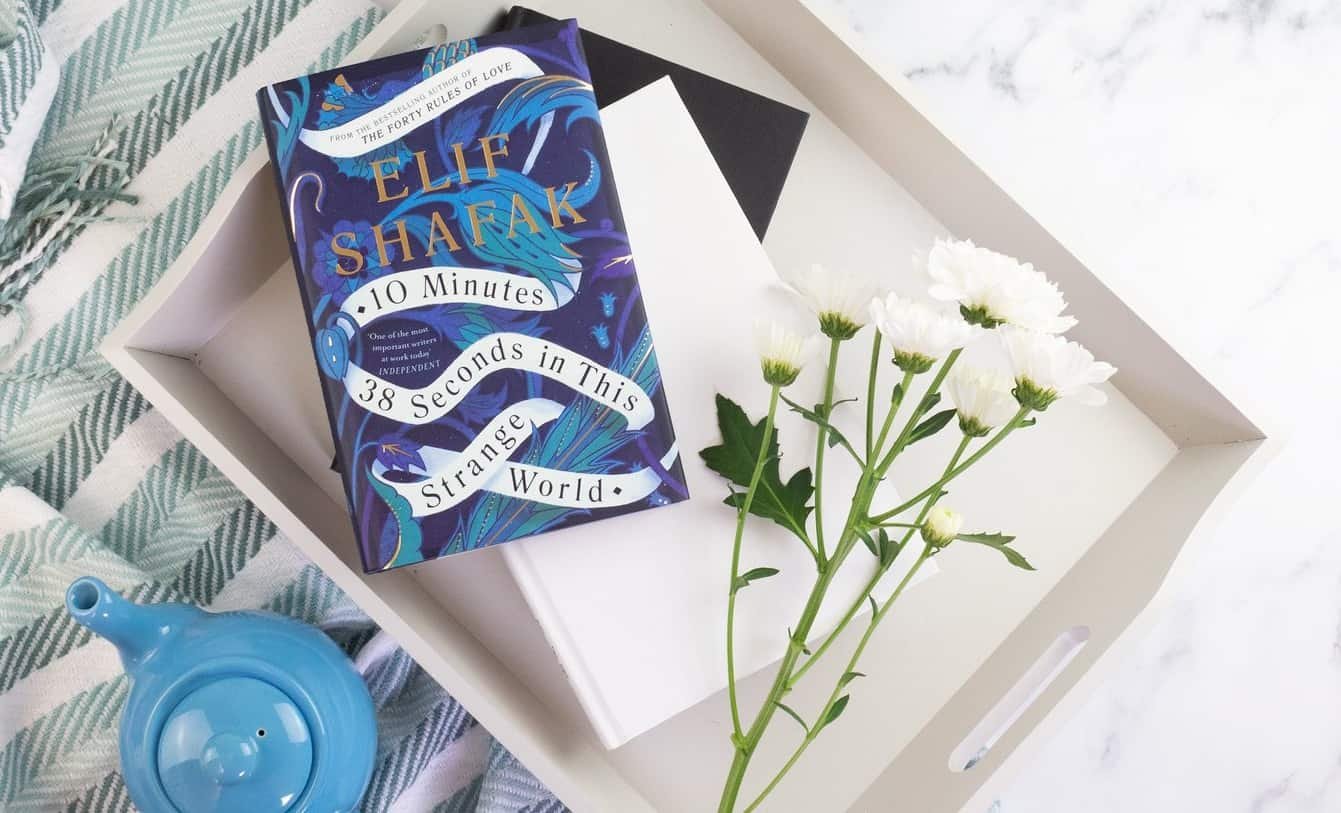
    The main theme in Elif Shafak’s new book 10 minutes 38 seconds in this strange world is kindness and tolerance, or rather the lack of them in this world.

    The novel follows the journey of a young girl Leila from her small rustic village in the backroads of Turkey, to the bright lights, fast lanes and seedy underbelly of Istanbul. Here she suffers unspeakable ordeals, but at the same time also befriends a motley crew of vagrants, all trying to find their way in this strange world. Each has a different story, a different background but what is common to all of them is that each one lives on the outskirts of society; never really accepted. Never really loved.

    Elif has weaved the story in the beautiful way she usually does. Her words pulse with spirituality and insightful meaning. She has taken up the cause of those who cant stand up for themselves and whom society shuns.

    What really stands out for the reader is that humanity and human emotions are the same everywhere, as is bigotry and prejudice even if they have different faces in different cultures. This world ought to be safe place for everyone regardless of race, religion or orientation.

    Do read this for all the various themes she has addressed and definitely for her prose.

  • The state of mental health in Pakistan

    The state of mental health in Pakistan

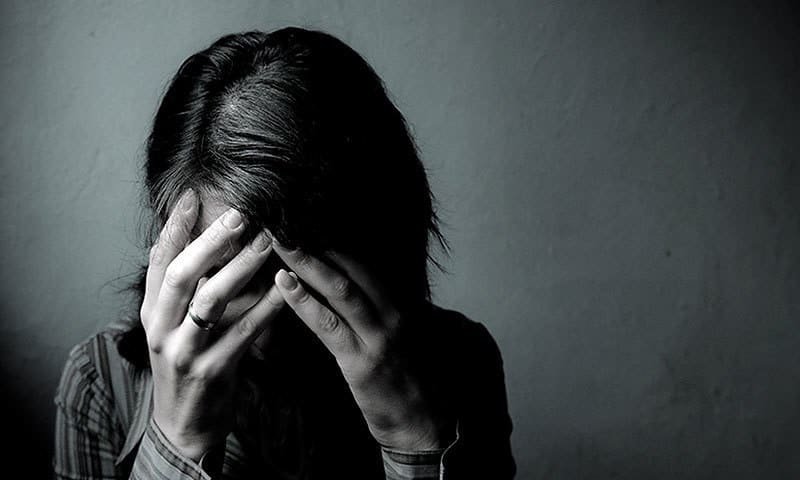
    World Mental Health Day – 10 October – is a day for global mental health education, awareness and advocacy. On 10/10 each year professionals, health care organisations, advocacy groups, international and national agencies and individuals aim to bring attention to mental illness and its effects on people’s lives.

    Over the years, as a therapist, I have observed an increase in awareness and focus by individuals and advocacy groups in Pakistan to highlight mental health challenges. Though that’s brilliant, it also serves as a reminder of the state of the mental health in Pakistan and the uphill challenges we have to face. A day of celebration and remembrance is gone by 11/10 but the suffering of someone facing psychological issues isn’t. And we’ve all got to think about it because there’s a high likelihood that someone you know is facing mental health issues: in your own home, your class, your gym, your club or at your workplace.

    Here are some things that would be useful for you to know to educate yourself on this World Mental Health Day:

    1. Stop stigmatising the topic

    With the topic being stigmatised, most individuals don’t seek treatment believing that this wasn’t meant to happen to them, or it must be something else e.g. supernatural, temporary, etc. It’s a lot easier to ascribe our ill mental health to causes outside of us than to believe that we’re losing our mind. So people conceal their inner life and wear a mask showing they’re ok. The person sitting next to you may be wearing one, and you won’t know. In the rare instances that individuals open up to friends, coworkers and family about struggling the men are told that they are meant to be stronger; the women are told to stop thinking too much and serve families; the children are told to stop wasting time and focus on their studies; and the elderly are advised to attend to God and be grateful.

    WHAT CAN YOU DO – If your brother, spouse, friend, co-worker seems distressed, irritated, gloomy, distracted, offer to listen to them if they’d like to share what’s bothering them. Don’t offer any advice, just listen to them and offer support and understanding. Validate their struggle and where you feel you can’t offer help, encourage them to seek professional help.

    2. Emotional and psychological wounds don’t always show

    Someone who was teased for their looks or weight, mocked for their grades, made fun of for their complexion, touched without their consent, humiliated in front of others or unfriended without explaining may seem okay on the outside, but even 20 years later be struggling very deeply as a consequence of it. We assume that someone who holds a degree, a job or having a family has come out okay, but there’s more to it than meets the eye.

    WHAT CAN YOU DO – If you’ve caused this kind of sorrow to your child or friend, take responsibility. Commit to being mindful of your words from now onwards. As a parent, don’t break your child’s bones or their self-esteem thinking this is for their best. It is not, and chances are you’re reliving the trauma of your own parents treating you this way, and this cycle has got to stop with your seeking help.

    As a friend, be a safe one, and not the jerk who’d be spoken about in my office 20 years later as the reason why someone quit university or didn’t aim higher in life. Be the friend that understood others when they were at our weakest.

    3. Anxiety, depression, trauma, eating disorders are medically as valid conditions as hepatitis, ulcers and cholesterol.

    Just like cholesterol can’t be exorcised away, and hepatitis cured by praying for it, anxiety, depression, trauma, eating disorders, etc also require attention. Mental illnesses especially psychosis, eating disorders, bipolar disorder and autism are understood to have biological roots. The estimated heritability for bipolar disorder, schizophrenia, and autism (80% or higher) is much higher than that of diseases like breast cancer and Parkinson’s disease.

    WHAT CAN YOU DO – Refer them to a proper mental health specialist and encourage them to seek treatment. Don’t act doctor to your friend who says nothing makes them happy and they don’t wish to live. You won’t try to cure someone’s cancer would you? Stop trying to treat mental health concerns if you’re not qualified to do so.

    4. A psychologist or therapist is not meant to give you medication

    This one’s straight – if they’re doing that, they are acting unethically, and that is considered a good ground for malpractice in countries abroad. Only a psychiatrist (someone who holds a medical degree as well as a training to diagnose mental illnesses) is authorised to prescribe medication and that too if needed.

    WHAT CAN YOU DO – If someone seeking help has severe symptoms (e.g. suicidal ideation and intent is strong, are hallucinating, have impaired functionality) they should first be assessed by a psychiatrist to determine if medication is necessary. For someone who feels they can work on their issues for weeks and months, a good starting point would be a therapist or psychologist.

    5. People recover from mental health issues

    Our brain over its entire lifespan is capable of changing and rewiring. Don’t assume that you visited a shrink 30 years ago and that didn’t help, and now it’s too late. Things have drastically changed since then, in terms of how and what we can do to help. Every year new technologies are emerging which promise better care, management, and treatments available.

    WHAT CAN YOU DO – It is human to be affected by pain. If you’re in pain, seek help. It’s never too late. I work with people in a broad age range, professions, classes, sexual orientations, ethnic backgrounds, status who have benefited from being in therapy.

    On this mental health day, let’s be more mindful of attending to the every day stuff that happens in our emotional lives as well as that of people whom we love and live with. Let’s not let these every day stressors become something more difficult. One day you’ll have to attend to them. So don’t wait for that. And if you or a loved one are in the midst of complicated emotional circumstances please seek help.

  • Raheela: The Girl Child

    It’s the International Day of the Girl and Pakistan is shamelessly on the bottom of the global ranking in empowering them. They face death; stunted growth; violence; child labour and limited or no access to education and medical care.

    I took a dirt road two hours away from Peshawar in 2017 to find out more about how young girls with no access to education can be brought back into the gig economy.

    I spoke to about a dozen young girls and recorded their
    interviews to put a report for the people who were working to change the
    traditional set up in the conservative Khyber Pakhtunkhwa (KP) district.

    I spoke to the adolescent girls learning vocational skills like tutoring, tailoring and computer skills. Some girls between 15 and 19 were clad in burqas, others in chadors and most, in a deep sense of shame. Their body language was subdued and their presence was mild like they were a bit too grateful for the donor support I had gone to assess.

    Raheela was an unforgettable young girl. She was a Frida
    Pinto lookalike, big eyes and a chiseled jawbone with fierceness about her life
    story that both humbled and awed me. She was what we call a success story that
    we were to tout for more funding in the area of adolescent girls, where
    government support failed or was neglectful.

    Raheela had learned to make a lot of money over the past few
    months. She was given a grant to receive a brand new Singer sewing machine. The
    machine allowed her to sell clothes to local women that she sewed faster and
    better. She could now afford to send her younger siblings to school. That
    month, she made more money in thirty days than her drunk and abusive father
    made in a year.

    Many would consider this a success, but for Raheela, it meant a disrupted order of status quo that led her father to rage and episodic beatings.

    She looked at me to answer questions with a black eye that she unsuccessfully attempted to mask under a cheap concealer, three shades lighter than her wheat skin colour. I had to, so I asked her about the black-blue eye.

    Her face comes to me like a floating ghost when I hear politicians rattle their podiums and make big promises. When big men with power claim justice for the common people who are facing stagflation in the economy, I wonder if they really ever see Raheela.

    Am I ugly, bad and unworthy? She asked me in response.

    No.

    I said she was beautiful and good and worthy and that it was
    the people who exploited her that should be put away.

    She was not fearless, but she was incredibly brave.

    Today, we mark the International Day of the Girl Child, so I went back to my notes from that day I met Raheela.

    I often think of Raheela because she is far away from the
    cult of cool that many young adolescent girls her age are obsessed with. She
    cares more about how to hide her siblings when her father picks up the rod than
    she does about getting the corners of her wing eyeliner right. Her life is more
    immediate and her troubles are not imagined.

    Her face comes to me like a floating ghost when I hear politicians rattle their podiums and make big promises. When big men with power claim justice for the common people who are facing stagflation in the economy, I wonder if they really ever see Raheela. I wonder if they hear the tremble in her voice when she describes going back to a home where she faces chronic punishment for working to support her family. I wonder if they even know that in this country, girls are prematurely sexualised and prematurely made into grown-up adults when they are too young to even understand their own bodies.

    I’m going to dare to dream a world for her today because that is what the day calls for – after all the GirlForce is unscripted and unstoppable.

    If I could reimagine a world for Pakistan’s Raheela, I would dare to dream that she has a lot of hygiene. That she has access to sanitary pads that are biodegradable and safe. Many girls in the programme who enter puberty end up missing their vocational classes just because they are on their period. The norm is unsanitary cloth packs that leak and limit their mobility. I want a world where a period doesn’t signal young women’s child-bearing age, but an age that needs care and protection from people who have an exploitative mindset. Commercial sanitary pads are prohibitively expensive in rural areas and there is no education on how to maintain mobility during menstruation. As a result, menstruation is used as a weapon to ground Raheela.

    I often think of Raheela because she is far away from the cult of cool that many young adolescent girls her age are obsessed with. She cares more about how to hide her siblings when her father picks up the rod than she does about getting the corners of her wing eyeliner right.

    I would also imagine a world for her where the road to the vocational centre would not be planted with land mines of honour culture. Where the local village perverts won’t call her a slut for wandering instead of being invisible. I’d want local police to punish those men if they dare make her feel threatened. Instead, local police usually victim-blame young women who face eve-teasing and sexual harassment. Raheela was asked to go back home and fetch her abusive father before a legal complaint is lodged. She ended up not complaining and facing the men in her path day after day, passively.

    It would be rather nice if Raheela had a basic smartphone that allowed her to receive her stipend in a mobile wallet, safe from the drug-addiction ambitions of her father. A mobile wallet that allows her to buy her mother the medicines she needs to repair her mental health, her self-esteem and her social embarrassment for only giving birth to girls.

    Access to the internet would be great for Raheela. She could get socially connected to friends and family she trusts and can rely on. She could even search the latest fashion trends to remix in the clothes she designs and sells in larger cities. She could learn English, the language the internet uses and sharpen her Urdu skills using tutorials. She could search for entertainment and watch shows that give her respite from her reality. She could use YouTube to research how to manage money and do basic bookkeeping so her business can stay afloat longer.

    I’d want a world where Raheela knows that elsewhere in the universe, there are doctors who perform surgeries remotely; that holograms exist; that future jobs will focus on creativity and collaboration; that there are smart shoes that measure everything including steps. Most importantly, that she can protect her digital footprint and have her cyber world secure from prying eyes of men who can hurt her now or in the future. She could know her rights as a citizen. She would know then, that the state has promised to protect her, educate her for free and punish anyone who harms her physically. That would change her mindset.

    I want Raheela to know that clothes look better when you wear them on your back while standing up straight, chin up, shoulders back. Raheela is not ugly, not a bad person and she is not unworthy of this dream I have dreamed entirely on her behalf.

    I’d like to give her some representation in the local government, perhaps even as a citizen. She could understand that there are others like her suffering in the community and hold a town hall with them to support community involvement. Raheela could help create public pressure to have easier access to schools, transport, healthcare and plumbing by speaking up for more young women.

    I want Raheela to know that clothes look better when you wear them on your back while standing up straight, chin up, shoulders back. Raheela is not ugly, not a bad person and she is not unworthy of this dream I have dreamed entirely on her behalf.

    It’s the International Day of the Girl. Pakistan is shamelessly on the bottom of the global ranking in empowering them. Girls in Pakistan face death; stunted growth; violence; child labour and limited or no access to education and medical care.

    It’s too late for Raheela, by now she may have a few girls of her own, her father may have won at patriarchy and she may have lost at it. Can we please get this dream in a politician’s speech so it could maybe… maybe become a part of the cult of cool that some girls can never reach.
  • Everyday-use items dirtier than toilet seats

    Everyday-use items dirtier than toilet seats

    We all think that there is nothing dirtier than toilet seats; we keep wipes in case we need to use the washroom at a public place or our offices or even at a friend’s place. Well, you’re wrong. There are other everyday items that are dirtier than our toilet seats!

    Smartphones

    A lot of us use our smartphones on the toilet. This means that our smartphone screens could be covered in 10 times more bacteria than a toilet seat. Clean your smartphones with anti-bacterial wipes if you use them in the washroom.

    Make-up bags & brushes

    Make-up bags and accessories often harbour bacteria. If you use brushes that have contact with your skin and then put them back into the same bag, you’re transferring germs from your skin to the bag and then back again when you reuse them. Make sure to wash your brushes and clean out your kit at least once a week.

    Filters in washing machine & fridge

    The purpose of filters is to trap all the dirt and debris that make its way through the system, it is inevitable that these filters eventually get overloaded and clogged. Make sure you clean out the lint catcher in your washing machine and the filter tray under your fridge, as both are prone to building up germs.

    Side of ovens

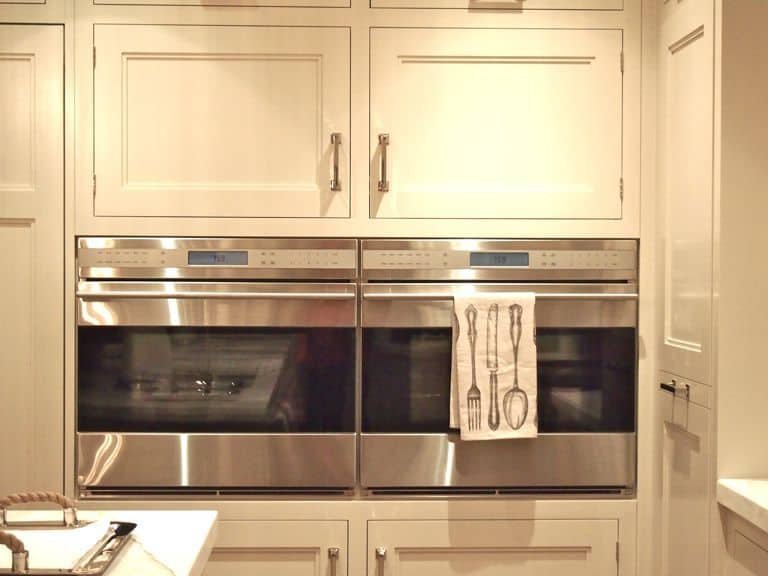
    Ovens that are built-in are vulnerable to food spillage that falls from the pan and down the side of the oven. This not only leaves bad odour but also creates bacteria. The only way to clean this is by taking the oven out of where it is placed and thoroughly cleaning it.

  • Pakistani designers Duchess Kate should consider wearing

    Pakistani designers Duchess Kate should consider wearing

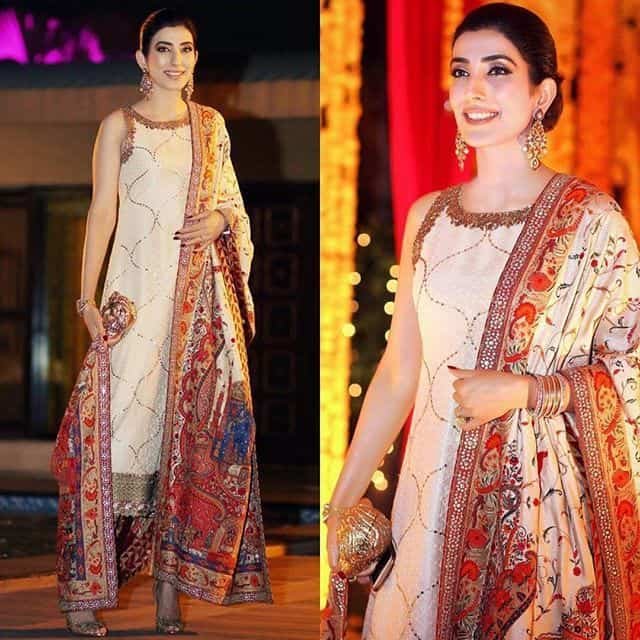
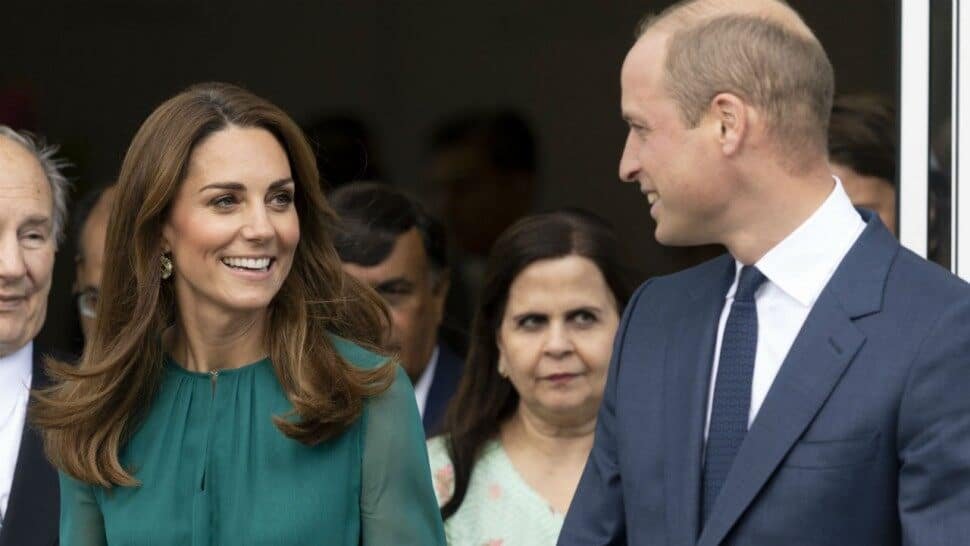
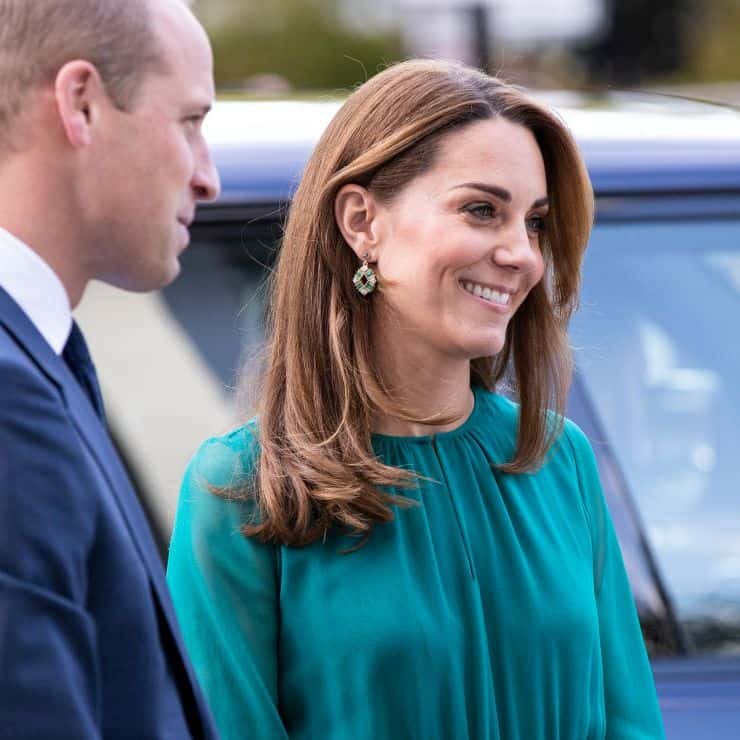
    After Kate Middleton made a statement at the Agha Khan event last week in teal clothes and earrings by Pakistani brand Zeen, which by the way, sold out within minutes, all eyes are on the Duchess and what she will be wearing on her four-day tour to Pakistan. It is quite likely that she will be donning outfits by Pakistani designers and we cannot wait to see her in a simple shalwar kameez.

    To help the Duchess, here are five Pakistani designers that she should consider wearing.

    Amna Chaudhry

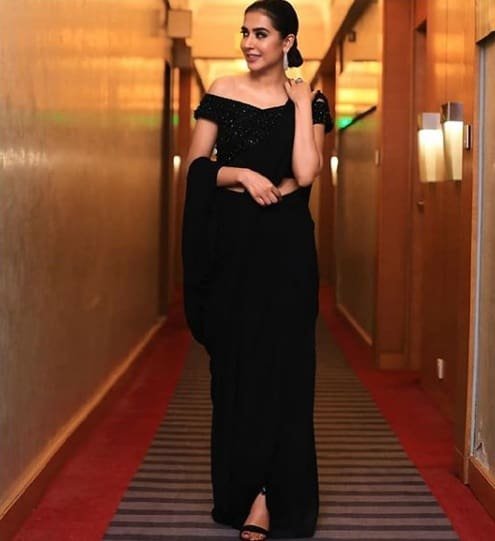
    Karachi-based designer Amna Chaudhry’s clothes have an understated elegance about them which quite matches Kate’s own personal style. We recommend her to wear the black outfit Mahira Khan wore.

    Bunto Kazmi

    Given that Kate will be heading to the mountainous North in fall, a Bunto shawl is an absolute essential. Not only will it look beautiful, but it will also keep the Duchess warm when the night gets cold.

    Élan

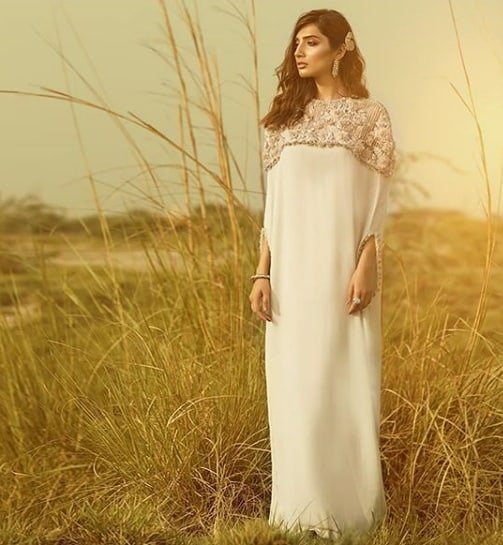
    When it comes to glamourous formal wear, we couldn’t think of anyone other than Élan. We’d love to see Kate in an embellished kaftan or cape from the brand.

    Generation

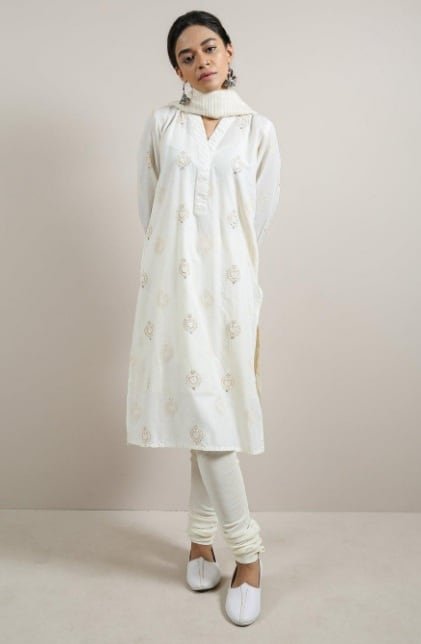
    Generation is the best when it comes to quintessential Pakistani clothes – traditional and ethnic. A churidar pyjama or shalwar kameez by Generation should be on Kate’s rack. We can totally imagine her posing at Badshahi Masjid in traditional attire.

    Lulusar

    Trendy and modern, Kate can wear an outfit by Lulusar for her business meetings and other day events.

  • Five places Kate & William must visit in Pakistan

    Five places Kate & William must visit in Pakistan

    With less than a week remaining to Kate Middleton and Prince William’s first official tour to Pakistan, excitement and energy levels for their visit are high. Though the exact details of their itinerary are still under wraps, Kensington Palace in an official statement revealed that the couple will be visiting Islamabad, Lahore and the Northern Areas of the country.
    “From the modern leafy capital Islamabad to the vibrant city of Lahore, the mountainous countryside in the North, and the rugged border regions to the West, the visit will span over 1000km and will take in Pakistan’s rich culture, its diverse communities, and its beautiful landscapes,” read the statement.

    Narrowing down five places was a task on its own given how much our country has to offer but here are five places, the Cambridge’s must not miss out on.

    Shalimar Gardens

    How can the Royals miss out on one of the most royal gardens of all times. Situated on the Grand Trunk Road in Lahore, these Mughal Gardens are an architectural and historic marvel. The Queen also visited the heritage site when she visited Pakistan in the early 60s.

    Jahangir’s Tomb

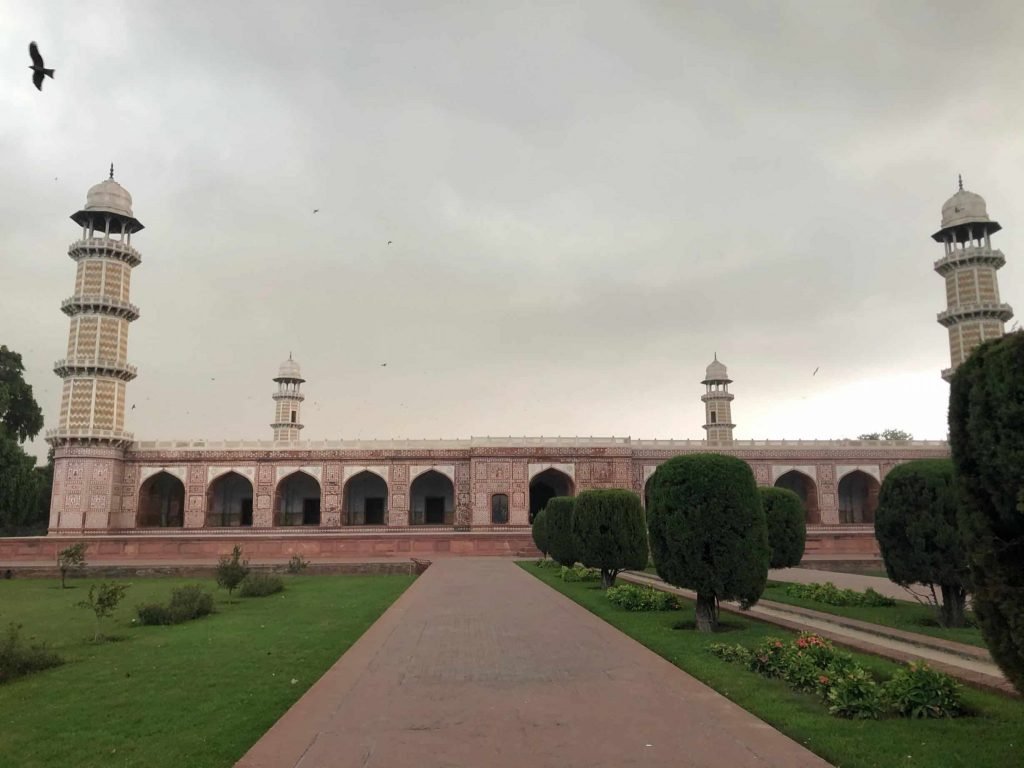
    Probably an unconventional choice but considering that Jahangir’s Tomb is considered to be the most beautiful Mughal monument after the Taj Mahal, the Royals should consider visiting it.

    Watch The Current’s video to find out what makes it so special:

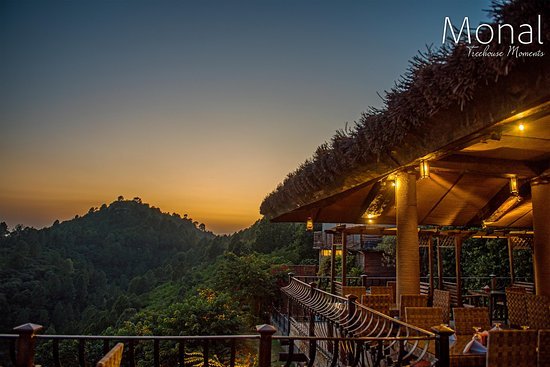
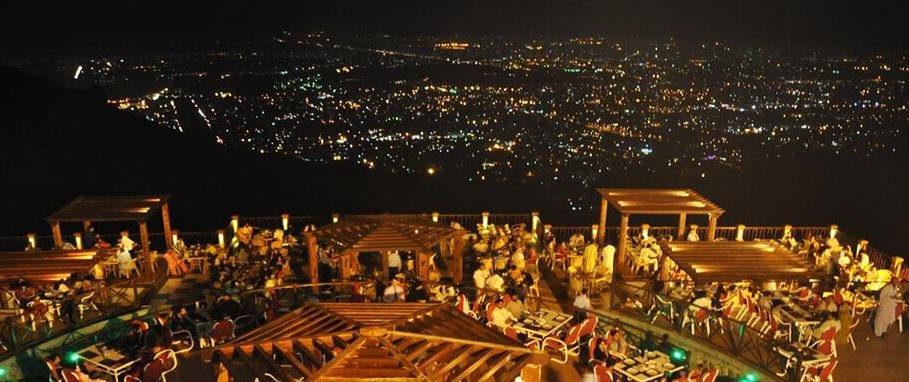
    Monal

    A romantic dinner overlooking the glittering city lights doesn’t seem like a bad idea. Highly recommended.

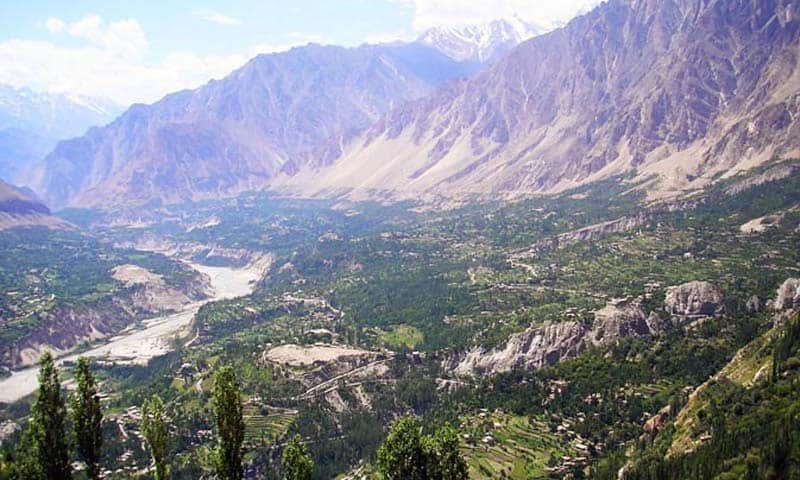
    Eagles Nest

    No matter what, Kate and William should not miss out on Eagle’s Nest in Hunza. The place offers breathtaking views of the valley, the Hunza River and the mountain peaks. If they are early risers, they should watch the sunrise there – the views are unbeatable.

    Fairy Meadows

    Nanga Parbat’s base camp, better known as Fairy Meadows, is one of the most mesmerising places in the country. While it might be difficult for the royals to trek there, they can always borrow Jahangir Khan Tareen’s plane to make a quick trip there to take in the stunning views.

  • ‘Over 36,000 mobile phones snatched in Karachi this year’

    ‘Over 36,000 mobile phones snatched in Karachi this year’

    A report by the Citizens-Police Liaison Committee’s (CPLC) documenting the rate of street crimes in Karachi during the first 10 months of 2019 has stated that almost 36320 mobile phones were snatched and stolen during street crime incidents in the provincial capital.

    Apart from that approximately 21,000 motorbikes and 13,000 cars were either stolen or taken on gunpoint from citizens. The committee also shared that over 60 people including policemen were killed in the last three months.

    Compared to January 2018, there was a sharp rise in street crimes in January 2019.

    Meanwhile, the Sindh Police has set up the ‘Street Watch Force’ to control street crimes in Karachi. The police department has established the force comprising of 1,870 police personnel who perform their duties on bikes.

  • New York Chicken and Rice: Did Karachi’s Walla get it right?

    New York Chicken and Rice: Did Karachi’s Walla get it right?

    Anyone and everyone who has been to New York City has tried – and raved about – Halal Guy’s chicken and rice. The dish is so popular that there are copycat recipes of it online. I’ve tried making it once but to tell the truth, is not as easy as it looks.

    The key is the sauce and the rice and of course, the chicken. You really need to get all three down to create that New York synergy.

    The Halal Guys in New York. Check out those lines

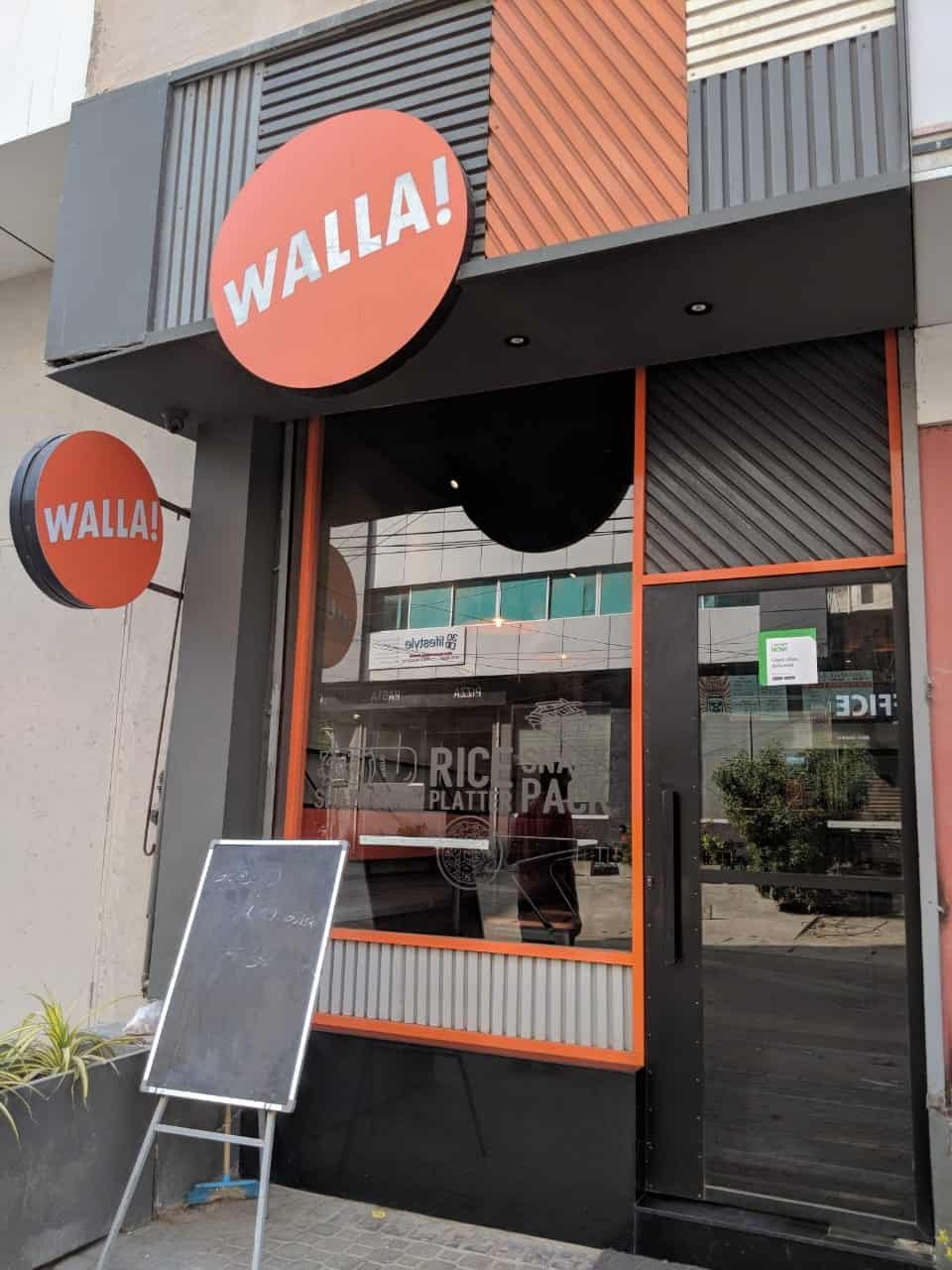
    A new hole in a wall restaurant in Karachi, Walla, situated in the upcoming restaurant hub on Khayban-e-Shahbaz, is run by a Pakistani who spent many years abroad. He’s come back because he believes there is a big market for a shawarma and chicken and rice joint in Karachi – and says that business has been good.

    Walla

    I went in specifically to have the chicken and rice – and to see if it lived up to it’s inspiration.

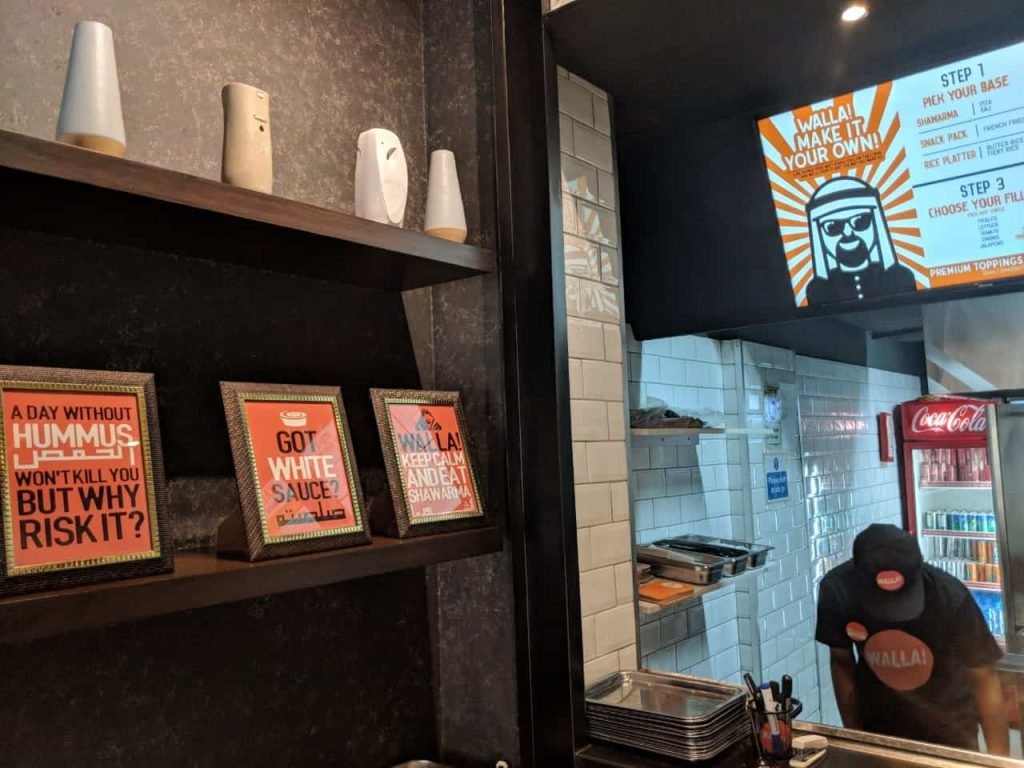
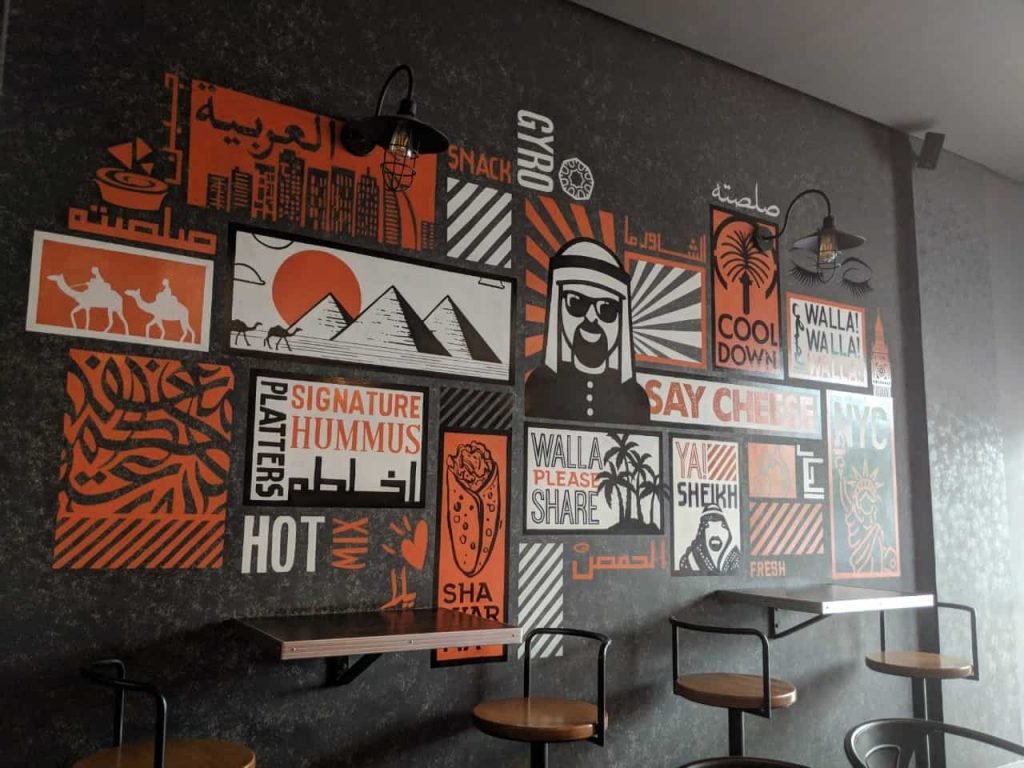
    Walla, which means “I Promise” in Arabic is a strange name for a restaurant but maybe since it has an instant Arabic recall, it was the name of choice. With a black and orange theme, an animated Shaikh with shades, it’s not your regular dhabba-style “Arbi Shawarma” joint. Seems like it’s got an uplift, perhaps an ode to the modernism being declared by Saudi Crown Prince Muhammad bin Salman.

    The interior

    I called and ordered ahead:

    “Just the chicken and rice?” the person taking my order asked.

    “Yes, with extra sauce.”

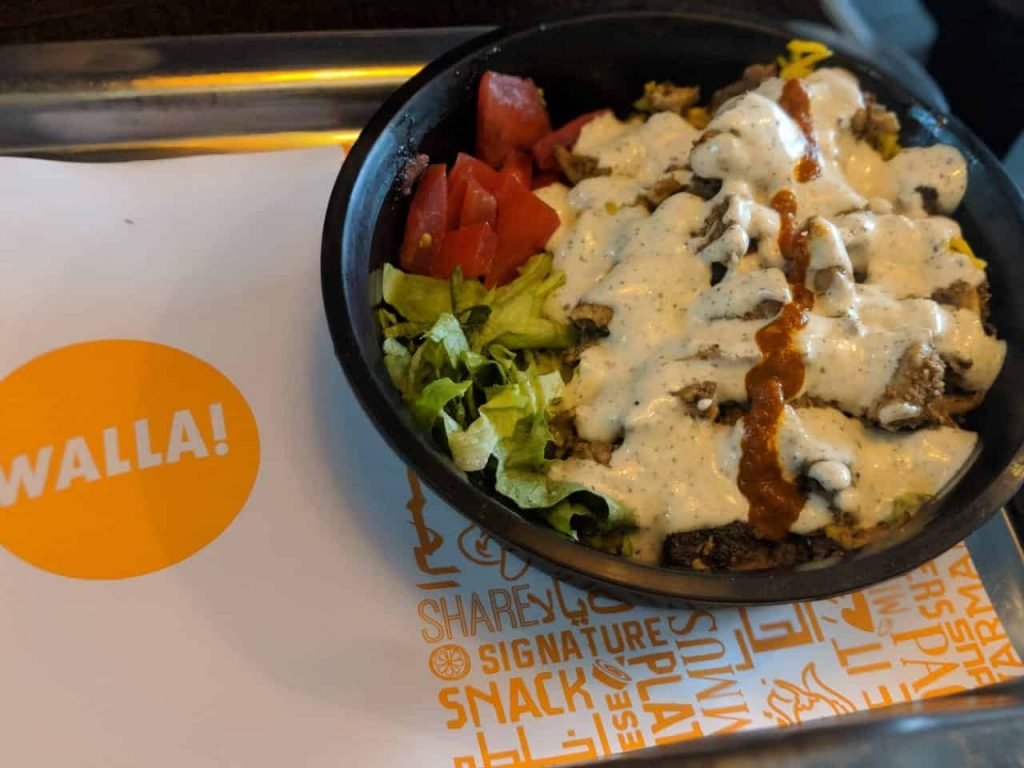
    The white sauce was on point. Perfectly seasoned, with the right amount of garlic and yogurt. I could have just sat there and taken tiny spoonfuls of the sauce with nothing else. This particular chicken and rice also had a red sauce, which felt a little unnecessary – and also under seasoned. If they really wanted to keep the red sauce, they should just mix a little more than necessary Sriracha in the white sauce and be done with it.

    I added a lot of white sauce and a sliver of red

    The chicken was tender and flavourful, perfectly balanced. It had the tang of lemon and the zest of coriander but the knife in the heart of this almost, almost perfect dish was the rice.

    I assume the chef thought that a Pakistani palette would require Pakistani masala. So instead of the rice being slightly tinted with yellow turmeric, the rice was shoved into haldi like no one’s business. With a mix of other masalas, the taste of the rice was so overpowering, it took over the whole chicken and rice and that’s where it’s New York inspiration disappeared into the Times Square sir. Poof.

    Meanwhile, I didn’t try the shawarma but I’ve heard good reviews.

    While Walla did not match up to Halal Guys, much to our disappointment, it was a close second and decent place one can go in case the cravings get unbearable. As for the rest of those who haven’t tried Halal Guys, you’ll probably enjoy it more.

  • Where are William & Kate going in Pakistan?

    Where are William & Kate going in Pakistan?

    Britain’s Prince William and Kate Middleton are all set to visit Pakistan later this month and excitement levels for their visit is high.

    Kensington Palace on Friday released a detailed statement on their visit and turns out that the couple will be visiting quite a few tourist spots in the country.

    “From the modern leafy capital Islamabad to the vibrant city of Lahore, the mountainous countryside in the North, and the rugged border regions to the West, the visit will span over 1000km and will take in Pakistan’s rich culture, its diverse communities, and its beautiful landscapes,” read the statement.

    The statement added that the purpose of the visit is “to pay respect to the historical relationship between Britain and Pakistan and “focus on showcasing Pakistan as it is today – a dynamic, aspirational and forward-looking nation.”

    Kate and William will visit programmes which empower young people. The statement said that the Duke and Duchess are looking forward to “spending time meeting young Pakistanis and hearing more about their aspirations for the future.”

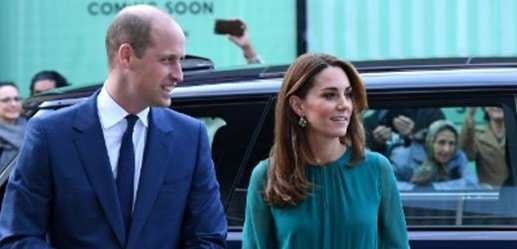
    Earlier this week, William and Kate, visited Prince Karim Aga Khan in London at the Aga Khan Center.

    Speaking at the event, the Duke and Duchess said they are excited to visit Pakistan to meet its people and to witness and experience its beautiful culture. The Duchess added that she is looking forward to trying out the spicy food.

    Meanwhile, Kate wore a green dress for the event and accessorised her look with 835 rupees earrings from Pakistani brand Zeen which caused quite a stir.