Tag: life-stories

  • Why We March

    Why We March

    We march because the climate crisis is existential. It involves us all, but not individually.

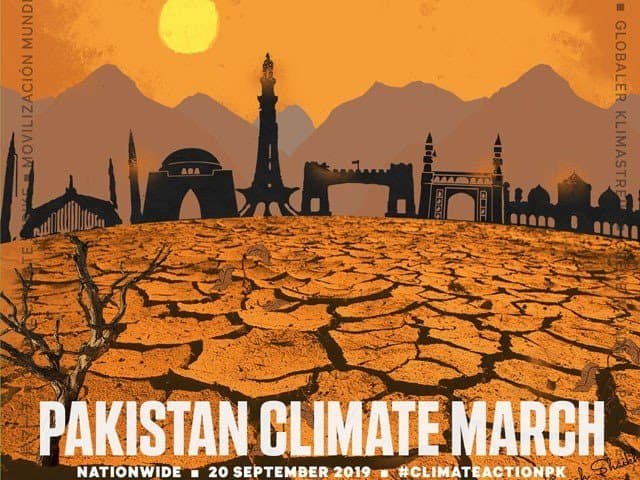
    The United Nations General Assembly (UNGA) is to convene on September 27.  One week ahead of the run-up to the assembly, children, students, environmental activists, NGOs and the civil society are conducting a ‘Climate March’ to draw attention to the crisis.

    Not just in New York, but in hundreds of cities across the globe.

    Why? The facts are staggering. Since agreeing to reduce greenhouse
    gas (GHG) emissions through the United Nations Framework Convention on Climate
    Change (UNFCCC) in 1992, the world has only produced more GHGs.

    Global temperatures are increasing, with each month breaking
    historical records; carbon concentrations in the atmosphere have shot over 400
    parts per million – not seen in the past 850,000 years. Back then, there was a
    species extinction event.  With animal,
    bird, insect and plant varieties in rapid decline, we are now facing the sixth extinction
    event.

    Just this year, there were wildfires in the arctic – something that has never happened before – and the scale of the ice melt in Greenland – 12.5 billion tonnes in one day in July, which wasn’t supposed to happen until 2070.

    We are seeing the global climate tilt and lose balance
    before our eyes; hence, the march.

    We are marching because the everyday discourse in Pakistan
    doesn’t register the climate crisis. People don’t know how bad it is or will
    be.

    Consider this: the half-degree difference between the limit of 1.5°C temperature increase envisioned by the Paris Agreement of 2015 and the 2°C limit envisaged by the Kyoto Protocol, means approximately 150 million deaths by 2060. That’s more than the lives lost in all the wars and battles fought in the 20th Century. And most of these deaths will be due to air pollution resulting from GHG emissions produced in the metropolitan areas of Asia and Africa.

    So unless we deal with the smog and air quality in North
    India, many of those 150 million lives will be lost in Pakistan and India.

    We are marching because of climate justice. By far, the
    responsibility of historical GHG emissions rests in the Global North, and
    within the hands of only a dozen or so businesses that have made, to paraphrase
    Greta Thunberg, obscene amounts of money by destroying the earth.

    Pakistan must stand strong with other countries and demand historical GHG inequity be addressed, but that does not relieve the country or us from our duty in the battle against the climate crisis.

    Both Pakistan and Pakistanis must realise that climate justice is just as much about equity between countries as the equity within countries. The climate crisis, worldwide, will play out not just between rich and poor countries, but between the rich and poor within every country.  The poor in Pakistan are especially vulnerable.  Nearly a quarter of the population lives below or close to the poverty line. For so many of our brothers and sisters, a climate event is all that stands between them and one meal a day.

    We march because it’s time to declare a climate emergency. We march because the climate crisis is not an “elite” issue in Pakistan or the responsibility of the developed world.  We march because students, environmental activists, academics and civil society in 22 of Pakistan’s cities are marching.  They prove that the climate crisis is well-known, that our population isn’t stupid and that the folks responsible for running the show should take the climate crisis seriously rather than focusing on the circus presently employed.

    We march, finally, because the climate crisis is existential. It involves us all, but not individually. The capitalist, consumerist and fossil fuel-driven economy that has brought us to the brink is too much for individual actions alone. The climate crisis needs collective political action. And it needs it now.

    Join the climate march at 3 pm on Friday (September 20).

    The writer is an environmental lawyer and member of the Pakistan Climate Change Council. To learn more about the march, follow @ClimateMarchPk on all social media platforms.

  • Four ways you can help your planet

    Four ways you can help your planet

    Are all the reports regarding climate change or the deteriorating environment disturbing you? Do you want to play a part in saving the Earth?

    Headlines these days are flooded with bad news about global warming, dying oceans, melting glaciers and endangered animals. Frankly speaking, the situation is quite alarming and we are more affected with it than we thought. While most of us think that one person’s actions might not make any difference, the truth is that it all begins with one person and there are actually many ways you can help.

    Here are a few suggestions on how you can play your part for Mother Earth.

    Conserve water at home

    Water wastage is one of the biggest ways humans affect the health of the planet. Taking measures to use less water is something you can start doing right away.

    Here’s how you can save water:

    • Check and fix any water leaks – a leaky spout can waste a lot of water.
    • Don’t wash dishes with the water running continuously. Use a method that requires less water to get the dishes clean.
    • Turn off the washing machine’s water supply to prevent leaks. It doesn’t need to be on all the time.
    • Don’t use too much water to water your lawn – instead, use water used elsewhere to water the lawn.
    • Don’t leave the tap running while you brush your teeth.

    Avoid plastics

    • Carry a reusable shopping bag with you in the car, in your bag all the time and use it when needed.
    • Use food containers instead of plastic bags to get food from the market.
    • Stop buying plastic water bottles. Use refillable glass water bottles.

    For more ways on how you can reduce plastic in your life, watch this video.

    Plant trees and don’t cut them

    Trees are an integral part of the ecosystem. Trees not only protect the land but the water and air, too. Plus they provide shade to your homes in the long, hot summer. If you have room in your yard, consider planting a few trees.

    Use fewer chemicals

    Chemicals used to wash our bodies, homes, cars and everything else get washed down the drain or absorbed in the grass, and eventually, end up in the water supply. Chemicals are doing real damage to waterways and aquatic life. The chemicals aren’t good for humans, either, so do your best to use fewer chemicals.

    • Use organic products like organic soap, shampoo etc.
    • Learn about alternatives to household cleaning items that do not use hazardous chemicals. For example, using a solution of 1/2 white vinegar and 1/2 waterworks as well as most commercial cleaners for basic cleaning jobs. Baking soda and salt are cheap, non-toxic cleansers, but should be used in moderation.
    • Instead of using pesticides and herbicides, find natural ways to get rid of weeds and pests.
  • Nathiagali’s latest camping pods look impressive

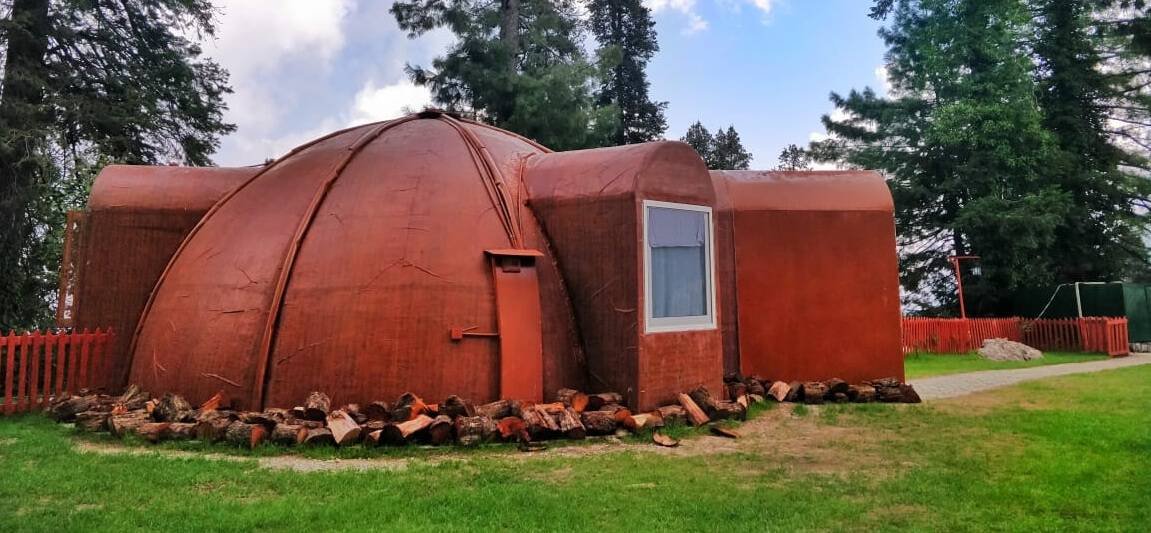
    Nathiagali’s latest camping pods look impressive

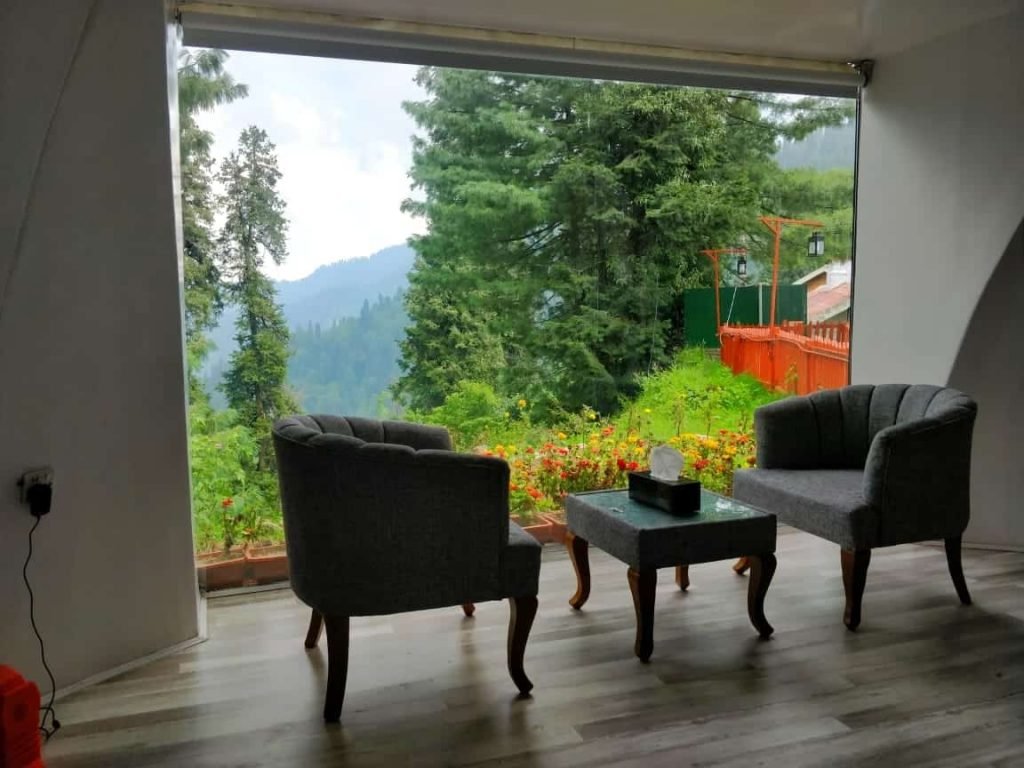
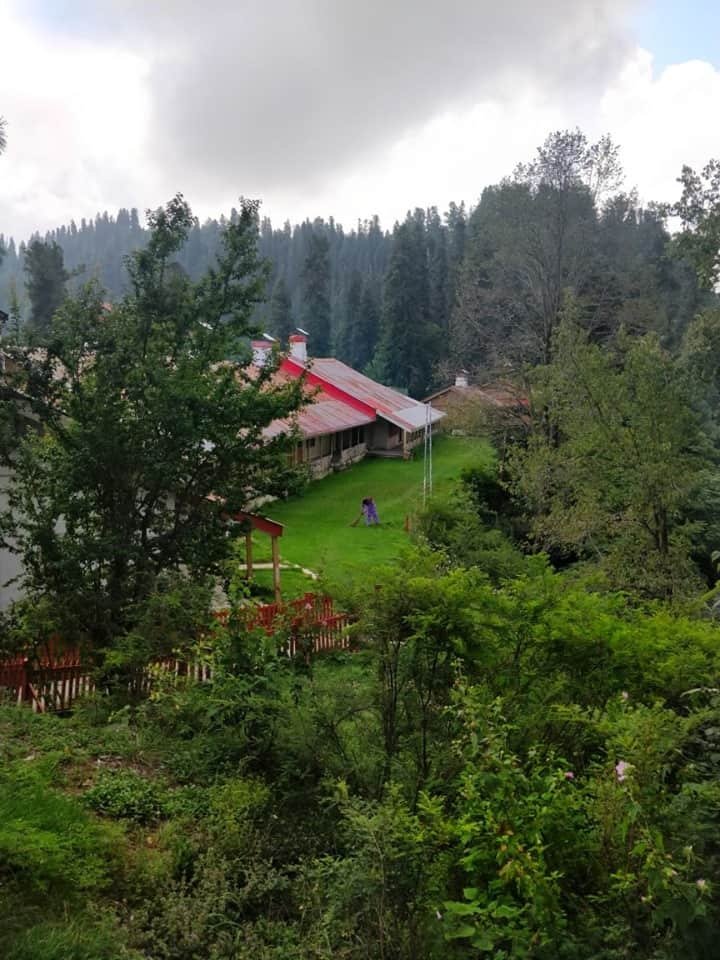
    Provincial Minister of Khyber Pakhtunkhwa for Tourism, Culture, Sports, Archaeology and Youth Affairs Atif Khan in a recent social media post shared pictures of the new opened camping pods in Nathiagali and the pictures are unbelievably impressive.

    Writing about its key features, Atif Khan said that the pods have very high thermal insulation which is ideal for extreme weather. He added that the pods have a “contemporary interior with modern facilities.”

    We called the number listed on the post for further details and the person who received the call said that the pods have all facilities including warm water, power sockets and 24 hours security. They further shared that the camping pods cost Rs 10,000/night for one pod and if you book more than one pods, you can get a discount.

    Here’s a look at the pictures shared by the minister.

    View of the room

    The room at night.

    Views from the room

    That bathroom looks better than my bathroom at home.

    These pods are located on Link Road, Nathia Gali, Abbottabad, Khyber Pakhtunkhwa, Pakistan.

    Our favourite vacation spot just got better. Who is planning a trip?

  • Domestic dispute: Lahore man cuts wife’s nose

    A Lahori man cut his wife’s nose and shaved her head over a domestic dispute in the city’s Factory Area.

    According to reports, Sajjad Ahmad cut his wife Shazia’s nose and shaved her head after torturing her with plastic pipes, kicks and punches.

    Upon hearing Shazia and her children’s scream some neighbours rushed to their house and rescued the woman. They alerted the police and took Shazia to Lahore General Hospital. Meanwhile, Ahmad fled from the scene.

    The neighbours informed the police that Ahmad would regularly torture his wife with pipes and iron roads over petty domestic matters. She had reportedly left him twice but returned after he promised to mend his ways.

    Meanwhile, doctors revealed that Shazia had lost her nose and requires a complicated facial surgery for an artificial nose.

    Shazia told police that she was visiting one of her daughters’ in-laws in the same locality when her husband stormed in, took her back home, and attacked her with a plastic pipe. She claimed that Ahmad told her he had spent money on her health that he was to pay as a monthly installment to a shopkeeper. He then took out a knife from a cupboard and chopped off her nose.

    The police have registered a case against Ahmad and a police team has been dispatched to arrest him.

  • Man accuses police of ‘stealing his 23 premium liquor bottles’

    Man accuses police of ‘stealing his 23 premium liquor bottles’

    A man has appealed to the Capital City Police Officer (CCPO), complaining that he was arrested on trumped-up charges of possessing 60 litres of local liquor, Pakistan Today reported.

    According to reports, Muhammad Javed, a resident of Okara district, stated that Lahore’s Defence-A police confiscated from him alcohol worth Rs455,000, including five bottles of Grand Fish, five bottles of Royal Flavored and 13 bottles of Gold Label.

    “Defence-A police snatched away 23 branded bottles from my car when I was driving to DD Block of Defence Phase IV,” said the appellant.

    “I was taken into custody and a false case of 60-litre local liquor was lodged against me,” he said. In addition, he said that he also had to pay Rs32,500.

    Javed inquired as to what became of the alcohol which was recovered from his possession since it would not show up in police records.

    On Sept 1, 2019,  Defence-A Police Station lodged an FIR against Muhammad Javed and charged him under The Prohibition (Enforcement of Hadd) Order, 1979-3 and The Prohibition (Enforcement of Hadd) Order 1979-4 for possession of “local liquor” on Sept 1, 2019.

    According to the FIR, an informant had told the police that Javed was carrying two barrels of local liquor and waiting for customers near Al-Fatah store in DD block, phase 4, DHA. As per the FIR, the police arrested Javed, recovered 60 litres of liquor and also impounded his vehicle.

    Defence-A Police SHO Rana Akhtar Ali denied allegations made against his department, saying that Javed is, in fact, a bootlegger and the FIR was registered on the basis of what was found from the spot.

    “60-litre liquor was recovered from the accused, who is apparently operating on someone else’s directions. We are investigating the matter and soon the real culprit(s) will also be arrested,” the SHO said.

    He further added, “He may go to anyone he wants but we stand with our stance and have solid proof.”

  • PM Imran, Maulana Tariq Jamil among top 50 most influential Muslims

    PM Imran, Maulana Tariq Jamil among top 50 most influential Muslims

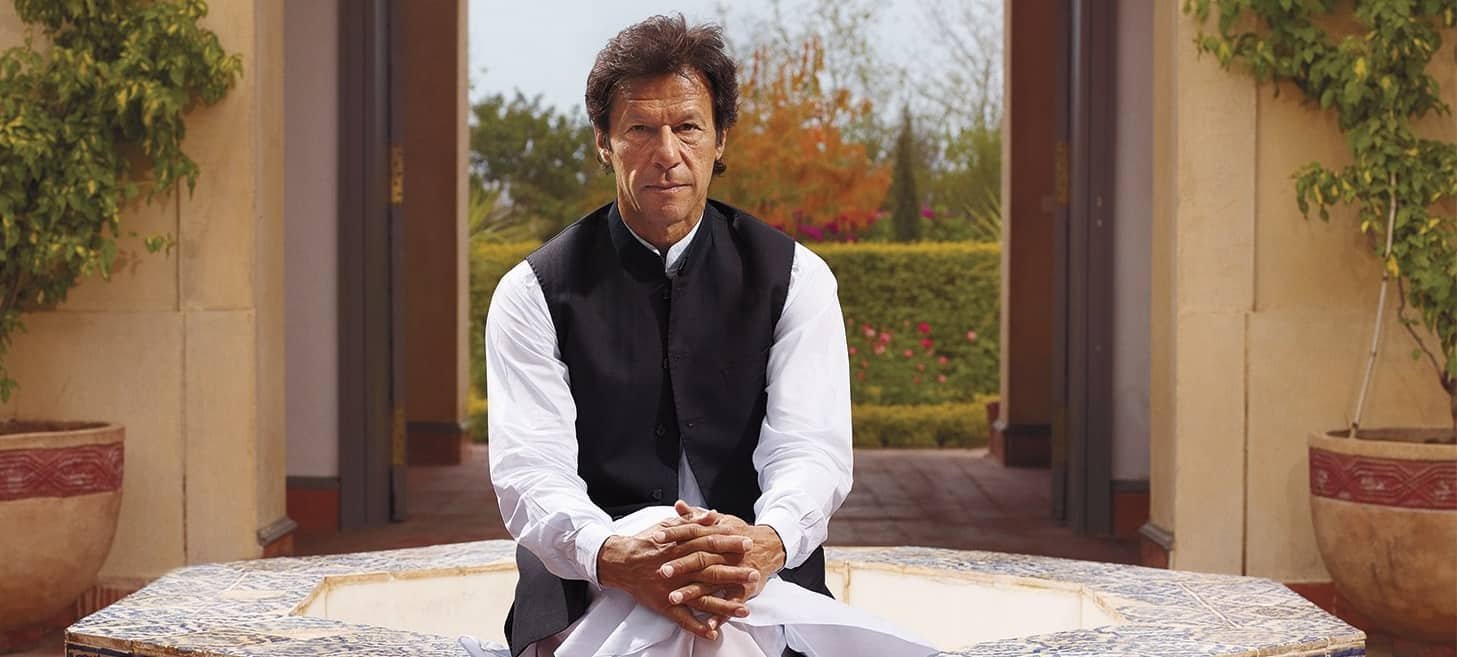
    Prime Minister Imran Khan and affluent religious scholar Maulana Tariq Jamil have been ranked among the top 50 most influential Muslims in the world.

    The Royal Islamic Strategic Studies Centre in Jordan, in its annual publication of the World’s 500 Most Influential Muslims in 2019, ranked PM Khan at number 29 and Maulana sahab at number 40.

    Other Pakistanis which feature on the list include Nobel Laureate Malala Yousafzai, CEO Ary Network Salman Iqbal, Muniba Mazari, Abida Parveen, Dr Abdul Qadeer Khan and Dr Umar Saif. Former PM Nawaz Sharif and Maulana Fazal ur Rahman have also made it to the list of top 500 influential Muslims.

    Writing about PM Khan’s challenges, the publication said his “crackdown on corruption and bringing accountability to the forefront has fast made him a global name. He has already implemented cutbacks in extravagant government expenditure and is using his personal credibility to fundraise for a dam.”

    The publication also gave a brief overview of his political journey, his cricketing days and about his philanthropic ventures including Shaukat Khanum Memorial Cancer Hospital and Research Centre and NUML University.

    “A Sporting Legend: Imran Khan played professional cricket for 22 years and is recognised as one of the game’s finest all-rounders. His ability to lead and unite an often disparate team, culminated in Pakistan winning the 1992 World Cup. It is this ability and success that many hope can be replicated in the political field,” read the publication.

    About Maulana Tariq Jamil, the publication said, “Maulana Tariq has delivered thousands of lectures around the world. He has been very effective in influencing all types of the community ranging from businessmen and landlords to ministers, actors and sports celebrities.”

    Meanwhile, Turkish President Recep Tayyip Erdogan topped the list followed by Saudi King Salman bin Abdul-Aziz Al-Saud (2), King of Jordan Abdullah II ibn Al-Hussein (3), Supreme Leader of Iran Ali Khamenei (4) and King of Morocco His Majesty Amir al-Mu’minin (5).

    Others on the list include Saudi Crown Prince Mohammad bin Salman, Malaysian Prime Minister Mahathir bin Mohamad, MP Sajid Javed and London Mayor Sadiq Khan, Egyptian footballer Mohammed Salah and Islamic scholar, Dr Zakir Naik.

  • A must read for all: How Democracies Die

    A must read for all: How Democracies Die

    On World Democracy day, (and even if it wasn’t) the one book that every Pakistani should read is How Democracies Die by two Harvard professors, Steven Levitsky and Daniel Ziblatt.

    Even though the book refers primarily to the Trump administration and how the United States is starting to kill its own democracy, it has got pages and chapters which are so starkly similar to our past and present, that it will shock you.

    Donald Trump going to the White House after being elected President

    The book, written in 2018, talks about how countries that are democratic have systems in place to do ‘democracy checks’. These systems, some unofficial, make sure that countries do not elect individuals, or parties that go against the core belief of their country’s value system. And if there are times when people with power arise to challenge this system, ruling parties and oppositions, stick together for the greater good to keep them out.

    They discuss the rise of authoritarian regimes and how they played the game to get into power, the rise and selection of Hitler and then focus on how America, a country that has historically managed to keep true to its system, is now deteriorating.

    Adolf Hitler of Germany

    The book is simply written and easy to understand. It explains, very simply, how democracies start to rot and then slowly die, as elected officials and people in power ask citizens to stand up against democratically-elected governments, the media is censored and also indulges in self-censorship and then rules are changed to suit the will of a few than the hope of many.

    The book is a must read for everyone who wants to understand how countries evolve and devolve. The book says that, ” History doesn’t repeat itself. But it rhymes.,” and the reason why we need to read it is to know that when that is happening. “The promise of history is that we can find the rhymes before it is too late”.

  • Malala is ‘deeply concerned’ about the situation in Kashmir

    Malala is ‘deeply concerned’ about the situation in Kashmir

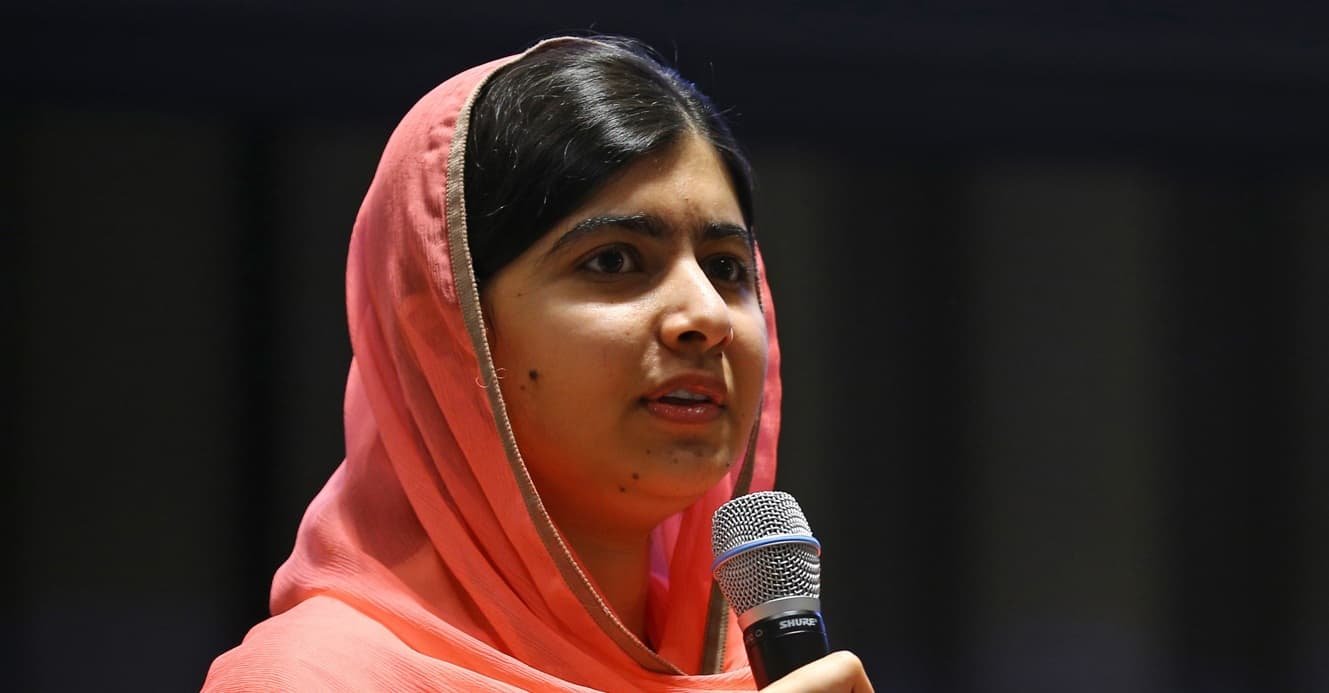
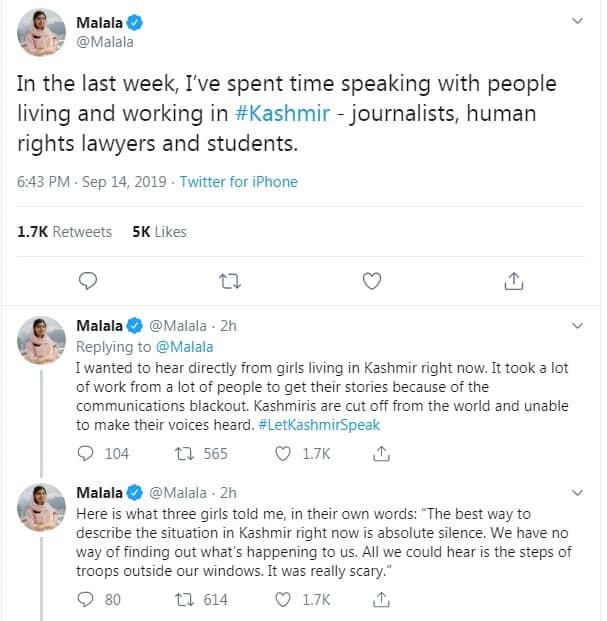
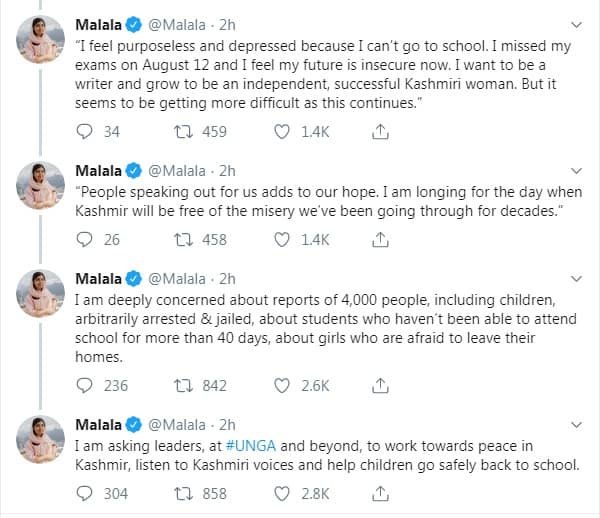
    Nobel laureate Malala Yousafzai, who had been receiving a lot of flak over not speaking up about Indian atrocities in Indian occupied Kashmir, in a series of tweets expressed her concern on the ongoing lockdown in the valley, shared accounts of Kashmiri girls in the area and appealed to world leaders to work towards instilling peace in the valley.

  • D’Amla: A pleasantly, expensive experience

    D’Amla: A pleasantly, expensive experience

    When D’Amla eatery launched in Karachi, it was received critically. More than the food, the outrageous prices of the items and the owner’s behaviour seemed to irk the customers who took to social media to bash the restaurant. To be honest, the prices of the platters were touching the sky but overall it was not that expensive. Other than that, the owner had advertised the restaurant as less of an eatery and more of an experience.

    A few days back I decided to visit the restaurant on a whim and it left me quite surprised. I, for one, am not the person who goes on reviews as I like to make my own judgments.

    Our meal started with Ceviche with White Pearls, Three Cheese Large Bowl Salad with Nuts and Fruits, Chicken with Wasabi, Parsley Sauce Prawns with Potato Puree and Undercut Meat (Smoked) with Greek Curd Cream. The Ceviche was a refreshing change from the usual as were the prawns.

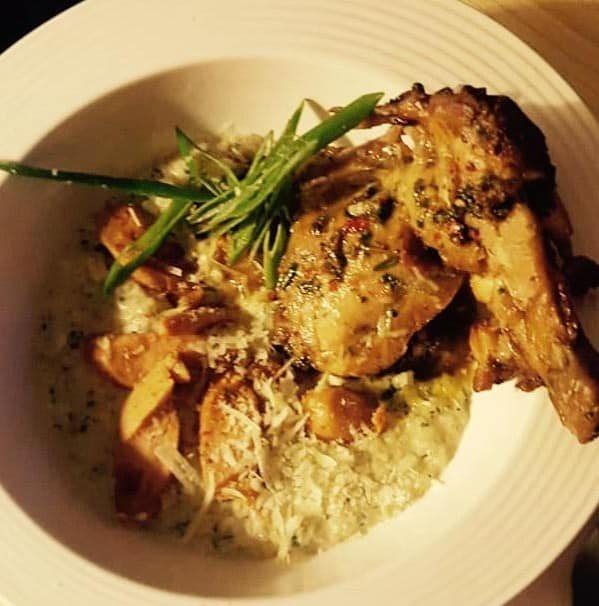
    For the main course, we had Lamb Chops with Portuguese Potatoes, Argentinian Rissoto with Sujuk and Grilled Chicken Thigh, Prawn Pesto Spaghetti and Swiss Charcoal Chicken. Oh man, these dishes were to die for. The meat was succulent and juicy, the seafood fresh and the Sujuk which is a Turkish sausage was absolutely delightful.

    Rissoto with Sujuk and Grilled Chicken Thigh

    No meal is ever complete without dessert so for that, we had Walnut Tart with Vanilla. This was so fresh and yummy that I had to stop myself from ordering another one.

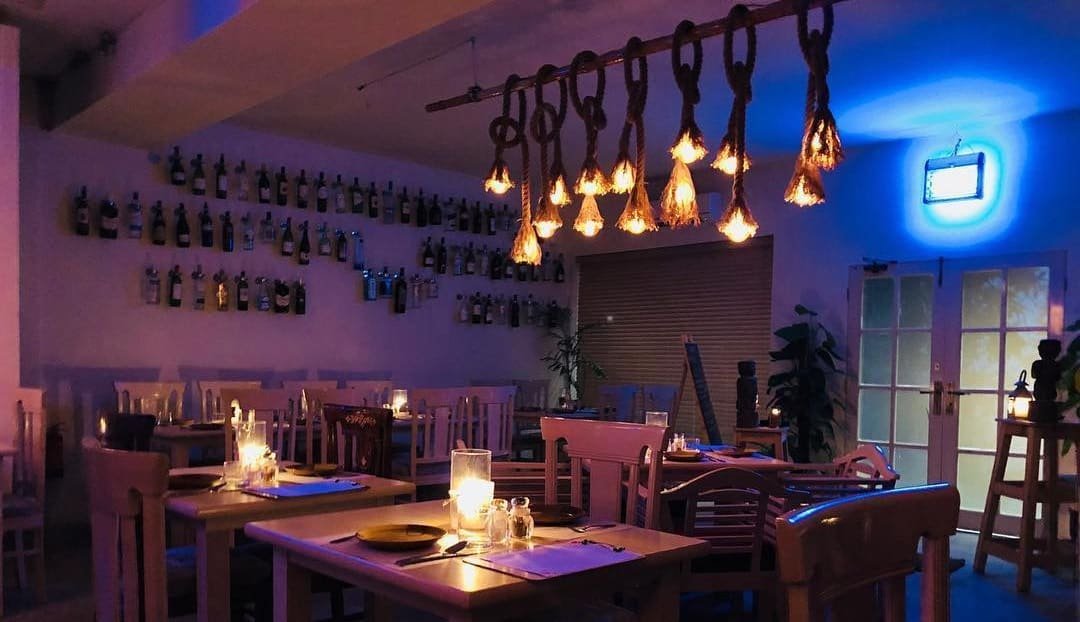
    Given the negative reviews, I was a bit skeptical about visiting D’Amla but the small, dimly lit restaurant won me over and I cannot wait to go back. The food was not only well-presented but it was delicious to the core. Everyone has their own experiences – someone’s cup of tea might not be yours, so it’s always better to decide for yourself.

  • Minor boy sold for Rs 20,000 rescued

    Minor boy sold for Rs 20,000 rescued

    Lahore Crime Investigation Agency (CIA) officials recovered a minor boy kidnapped from a street of Ghaziabad and sold to a woman in Sheikhupura for Rs 20,000.

    According to reports, a mother of seven daughters had asked her brother-in-law to kidnap a minor boy from Lahore and bring it over to her. The motive behind her action is not known.

    The police said the kidnapper Amir and his accomplice kidnapped four-year-old Umair on September 9 when he was playing in a street in the city’s Ghaziabad area with his brother.

    The parents of the boy alerted the police when Umair didn’t return home after a few hours.

    The CIA police with the help of CCTV cameras of the Safe City Authority traced the suspects and recovered Umair from Sheikhupura. The Punjab Safe Cities Authority helped police detect the registration number of the motorcycle which the suspect used to transport Umair to Sheikhupura. CCTVs were also used to locate the kidnappers when they were taking the boy to Sheikhupura through Shahdara.

    Police said the prime suspect Amir told police that he had committed the offence to please his sister-in-law.

    The boy has been returned to his father.