Tag: liquid foreign reserves

  • SBP’s foreign exchange reserves rise by $13 million

    SBP’s foreign exchange reserves rise by $13 million

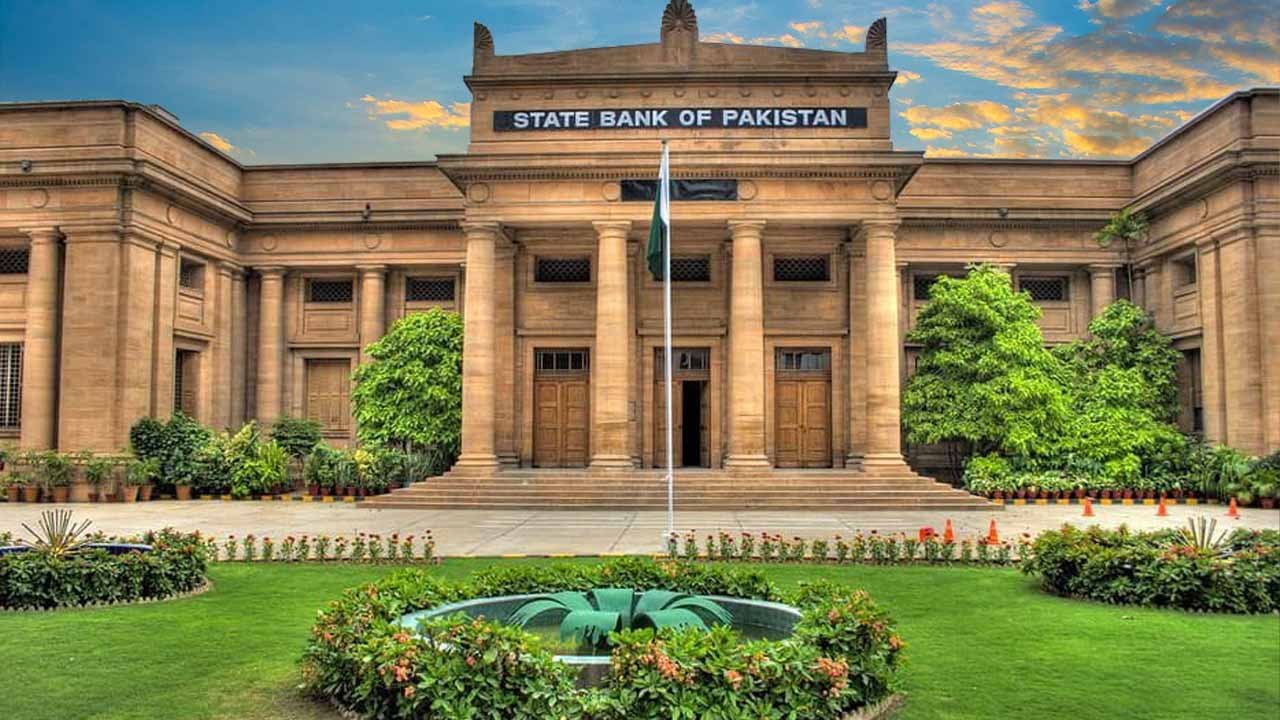
    In a positive development for Pakistan’s economic landscape, the State Bank of Pakistan (SBP) reported a weekly increase of $13 million in its foreign exchange reserves, reaching a total of $8.05 billion as of February 9, according to data released on Thursday.

    The country’s overall liquid foreign reserves now stand at $13.15 billion, with commercial banks holding a significant share of $5.1 billion in net foreign reserves.

    The central bank, however, did not provide specific details or reasons for the notable upswing in reserves during the mentioned week.

    In a statement, the SBP stated, “During the week ended on February 9, 2024, the SBP’s reserves increased by US$ 13 million to US$ 8,056.5 million.”

    This positive development comes on the heels of last week’s decrease in Pakistan’s central bank reserves, which experienced a dip of $173 million.

    The recent rebound signals resilience and stability in the nation’s economic standing, and financial analysts are likely to scrutinise the factors contributing to this uptick in the coming days.

    As the global economic landscape continues to evolve, Pakistan’s foreign exchange reserves play a crucial role in navigating economic challenges, and the recent increase reflects ongoing efforts to bolster the country’s fiscal strength.

    Experts anticipate that a robust foreign reserve position will provide a buffer against external shocks and instill confidence in the financial markets.

  • Pakistan’s forex reserves rebound: SBP gains $77 million in a week 

    Pakistan’s forex reserves rebound: SBP gains $77 million in a week 

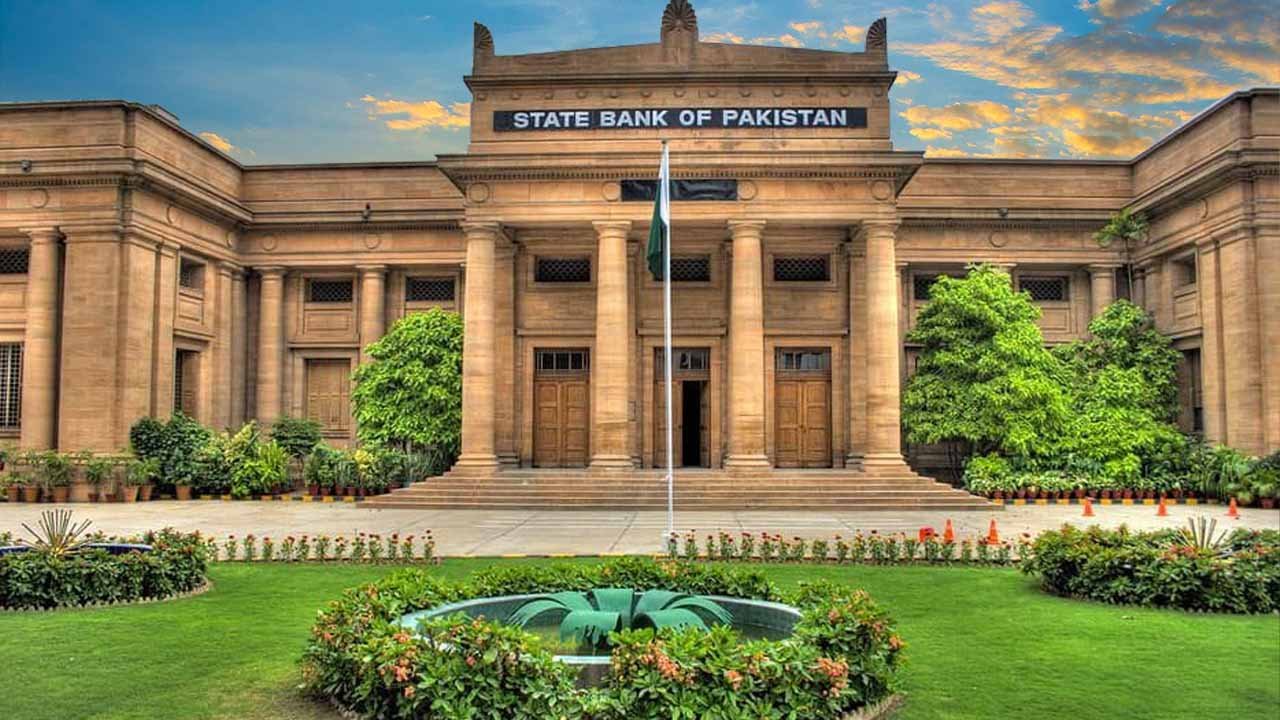
    According to data released on Thursday, the State Bank of Pakistan (SBP) witnessed a weekly increase of $77 million in its foreign exchange reserves, reaching $7.26 billion as of November 24.  

    The total liquid foreign reserves for the country amounted to $12.39 billion, with commercial banks holding net foreign reserves at $5.13 billion. 

    During the week ending on November 24, 2023, SBP’s reserves increased by $77 million, reaching $7,257.0 million. Contrastingly, the previous week saw a decrease of $217 million in Pakistan’s central bank reserves. 

    In July of this year, the central bank’s reserves received a boost as Pakistan obtained the initial tranche of approximately $1.2 billion from the International Monetary Fund (IMF) following the approval of a new $3-billion Stand-By Arrangement (SBA).  

    This boost was complemented by inflows from Saudi Arabia and the UAE. 

    However, the SBP reserves faced pressure due to debt repayments, a surge in import payments after the easing of restrictions, and a lack of fresh inflows. 

    In a significant development, the IMF announced last week that its staff and Pakistani authorities had reached an agreement on the first review of the SBA.  

    The staff-level agreement is pending approval by the IMF Executive Board. 

    The IMF team reached a staff-level agreement (SLA) with the Pakistani authorities on the first review of their stabilization program supported by the IMF’s $3 billion (SDR2,250 million) SBA.  

    Upon approval, approximately $700 million (SDR 528 million) will become available, bringing total disbursements under the program to almost $1.9 billion. 

    Following the SLA with the IMF, Caretaker Finance Minister Dr Shamshad Akhtar expressed confidence that external financing would not be an issue, anticipating inflows in December 2023 to contribute to an increase in foreign exchange reserves. 

  • SBP reports second consecutive weekly decline in forex reserves

    SBP reports second consecutive weekly decline in forex reserves

    During the week ending on November 17, 2023, the State Bank of Pakistan (SBP) experienced a decline of $217 million in its foreign exchange reserves, settling at $7,180.0 million, as revealed by data released on Thursday.

    The total liquid foreign reserves for the country amounted to $12.3 billion, with commercial banks holding net foreign reserves of $5.1 billion.

    The central bank attributed this reduction in reserves to debt repayments. In a statement, the SBP explained, “During the week ended on November 17, 2023, the SBP’s reserves decreased by US$ 217 million to US$ 7,180.0 million due to debt repayments.”

    This marks the second consecutive week of a decline in the dollar stockpile, following a $115 million decrease in the previous week.

    It’s noteworthy that in July of this year, the central bank’s reserves received a significant boost as Pakistan received the initial tranche of approximately $1.2 billion from the International Monetary Fund (IMF).

    This followed the approval of a new $3 billion stand-by arrangement (SBA). Additional inflows were received from Saudi Arabia and the UAE.

    However, the SBP’s reserves have been facing pressures due to ongoing debt repayments, increased import payments following the relaxation of restrictions, and a lack of fresh inflows.

    In a positive development, the IMF announced last week that its staff and Pakistani authorities had reached an agreement on the first review of the SBA.
    The staff-level agreement is pending approval by the IMF Executive Board.

    The IMF stated, “The IMF team has reached a staff-level agreement (SLA) with the Pakistani authorities on the first review of their stabilisation programme supported by the IMF’s US$3 billion (SDR2,250 million) SBA.”

    Upon approval, approximately US$700 million (SDR 528 million) will become available, bringing the total disbursements under the programme to nearly US$1.9 billion.

    Caretaker Finance Minister Dr Shamshad Akhtar, speaking to the media after the SLA with the IMF, expressed confidence that external financing would not be an issue, anticipating increased inflows in December 2023, which would contribute to boosting the foreign exchange reserves.