Tag: LLF

  • Day 3: A weekend of ideas, stories and books

    Day 3: A weekend of ideas, stories and books

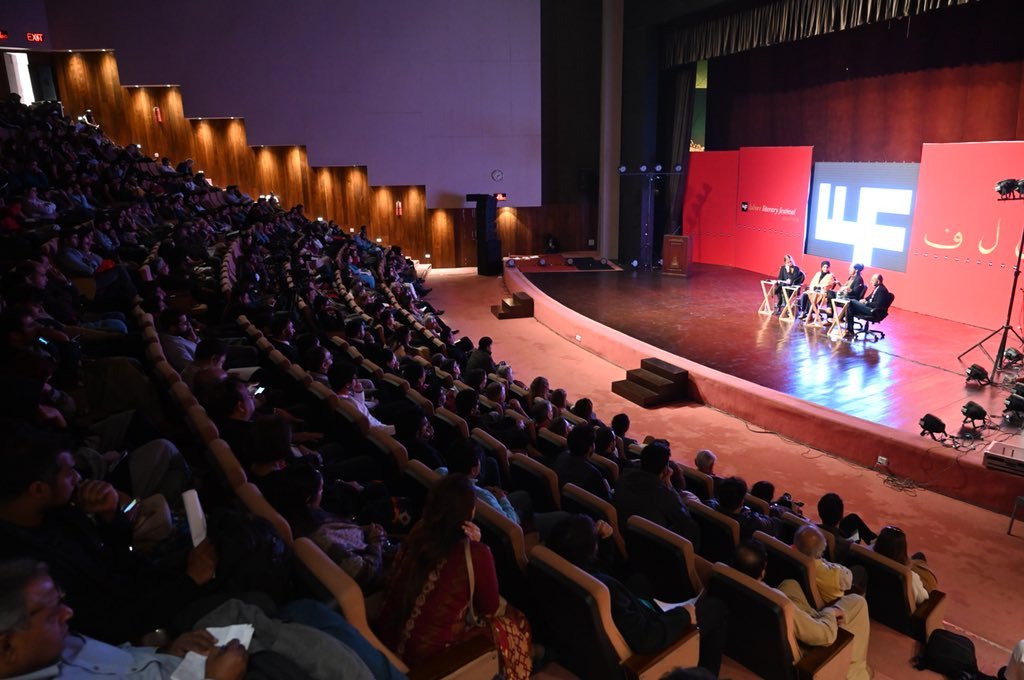
    There’s much to see on the third and last day of the Lahore Literary Festival (LLF) that I think I’ll be session hopping because the panels I’m interested in will unfortunately overlap – unless of course I’m so glued to one that I’m not tempted to listen to another at the same time.

    In hall one, historian and founder of the Jaipur Literary Festival, William Dalrymple will be presenting his latest book, The Anarchy: Post-Mughal Politics which given his past writings promises to be a stimulating session on the rise and fall of the East India Company and the dangers of corporate greed. So that’s between 10 and 11 am though another panel focused on new writing from Pakistan discussing the Zeenat Haroon Rashid Prize would also be interesting because as an editor I’d be curious to read and explore contemporary fiction and nonfiction coming out of Pakistan. Another panel — yet agin at the same time slot though timely given the Lahore Biennale is still on in the city until February 29 so go see that if you can — is on art in public places with French museum consultant, Alexandre Colliex in conversation with Zahra Rashid Khan, the curator of Foundation Divvy Art. With the biennale showcasing artists from Pakistan and abroad with works displayed in public spaces including museums, historical sites (Lahore Fort) and old marketplaces, this session is important as a way to discuss whether a city such as Lahore interested to conserve its art and history is able to do so with its resources or does it need attention from the experts. Also, this one should be interesting because Colliex is a roving museum advisor to governments in the Global South; he’s been involved in the Shenzhen government’s new Museum of Contemporary Art and Planning Exhibition, for example.

    The next hour (11:15-12:15pm) has two slotted sessions that will definitely pique everyones’ interest as both panels are relevant to important debates that interest us. So you’ll be spoilt for choice in this time slot. A discussion of how traditional media outlets are coping with the rise of social media will definitely bring some important insights to the fore given the panelists who know the digital medium well. Unfortunately newspapers literally shrinking in size the world over given the rise of digital platforms is clearly evident. Even 24/7 TV now left behind as news breaks on social media and political debates have twitter as their next battle zone, so we see it is the beginning of the end for print (as the demise of Herald and Newsline magazines have demonstrated)— unless it reinvents its model and its content dissemination methods. The Current’s founder, Marium Chaudhry will be on this panel so go see what she says about an increasing younger readership and their interests and shares her insight into how digital news mediums will capture the market share.

    Dare I say the session in hall 2 with American-Iranian analyst and a former US State Department advisor, Vali Nasr and Ambassador Riaz Mohammad Khan in conversation with journalist Ahmed Rashid will be a big draw in this time slot because firstly, it’s very pertinent to current political challenges in Afghanistan and second, both men have first-hand experience in Afghanistan — Nasr was part of the team with Richard Holbrooke that recommended negotiations with the Taliban instead of opting for a military solution during the Obama administration; and Khan, the author of Pakistan-Afghanistan: The Way Forward for Bilateral Relations and a former foreign secretary has vast experience in this region.

    After lunch, (1:30-2:30pm) and on a lighter note I’ll go listen to author and police officer, Omar Shahid Hamid on cricket, citizenship and the post-colonial narrative. I’ve read Omar’s latest novel, The Fix, so I highly recommend this session with Sri Lankan author, Romesh Gunesekera. Happening at the same time, if you’re interested in how Urdu reads in translation, then go listen to Spanish writer, Rocio Moriones Alonso, translator of the worlds of Manto and Fahmida Riaz — appears to be an ambitious project worthy of the spotlight.

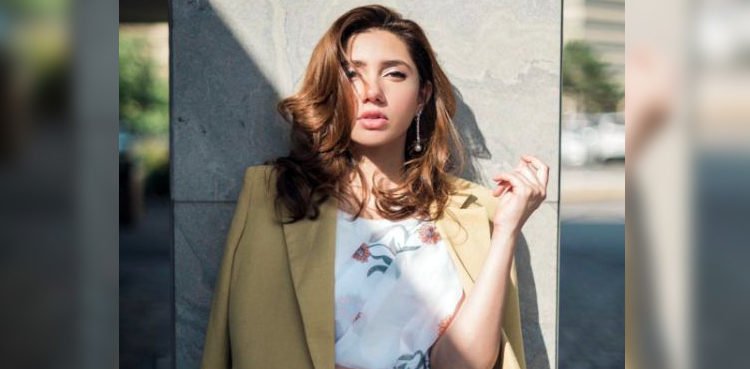
    Mahira Khan and journalist Fifi Haroon will be up next at 2:45pm talking about Pakistan’s new cinematic wave — I’d recommend getting your seat in time because even though Hall 1 will squeeze everyone in, Mahira is the superstar for this weekend. I’m going to see what she has to say considering she is also an UN advocate for refugees. At the same time, there’s a a session on Punjabi drama and more art talk — this year the curators have widened the parameters of the festival to bring in the best.

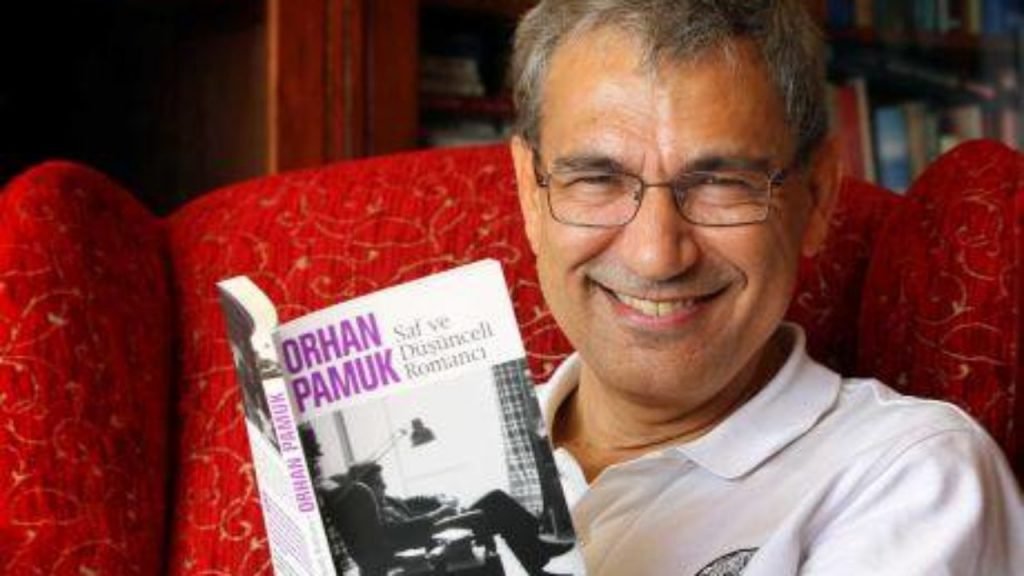
    As they say, leave the best for last. However, in this instance, the first because the inaugural session on Friday will have presented an interview with Nobel Laureate Orhan Pamuk. [Book suggestion: If you have an interest in his works and in Turkey, The Last Word bookshop has copies of an illustrated version of his novel, Istanbul, with old black and white photographs of the city when Pamuk was an adolescent which is worth buying and getting signed cause it’s like a collector’s copy.] The last session (4-5pm) will see Pamuk and Mohsin Hamid (The Reluctant Fundamentalist; Moth Smoke) talking about how literature can shape a more democratic world which I know will be an engrossing one when both writers are adept at telling stories highlighting pressing sociopolitical issues through their fiction. It will be interesting to see if they have similar or divergent views — is fiction essentially a voice for the voiceless? For writers, it all starts with ideas and stories and telling it as you experience and imagine.

    Eight years on and LLF is still thinking, embracing a wider global vision and themes abound: freedom of expression; Afghanistan and Taliban negotiations; India, Kashmir; cricket; new Pakistani cinema; children’s story books; Urdu literature in Spanish and more. For me, it’s all about books, writers and thinking. Writers can take our reality and turn that into fiction something our politicians — and even journalists forcibly muzzled and strapped in current times — often don’t dare to do.
  • Celebrating culture

    The eighth edition of the Lahore Literary Festival (LLF) is taking place this weekend. It is refreshing to see cultural events like the LLF take place in the country because we are fast becoming a society that doesn’t celebrate culture and critical thinking anymore.

    From Orhan Pamuk to William Dalrymple, from Audrey Truschke to Fatima Bhutto, from Omar Shahid Hamid to Vali Nasr, the line-up at the LLF is brilliant. It was good to see on the first day sessions discussing journalist integrity and the poetry of Pashtun poet Rehman Baba.

    Pakistanis boast generosity, kindness and hospitality. Yet there is something we are slowly but surely losing – tolerance. When movies like Zindagi Tamasha cannot be screened and Urdu translations of fictional books are not allowed, we should know that there’s something wrong. Neither do we entertain critical thinking nor do we tolerate difference of opinion. Also, we are quite a judgemental lot. 

    Last month, Fahad Mirza posted a picture of his European holiday with his wife Sarwat Gilani. They were kissing in the picture. Comments on social media under that picture were mostly so negative and vile that Gilani had to ask haters to unfollow her if they hated her so much. Imagine that a picture displaying affection between a husband and wife on social media could lead to such negativity, little wonder then that victims of sexual harassment get the sort of abuse that they do online and offline.

    Recently, we saw our parliamentary debates turn rowdy. The level of debates was not just low but downright personal. From Abdul Qadir Patel’s innuendo-laden speech targeting Murad Saeed to Saeed’s own abusive speech about “dogs” ruling Sindh, the level of discourse in parliament was quite disgraceful. If the people’s representatives can stoop so low, what kind of message are we giving to our citizens? No wonder then that peaceful protestors are booked under sedition charges and the prime minister thinks Maulana Fazlur Rehman should be tried for high treason under Article 6 of the constitution.

    FIA issued a statement saying that columnist Gul Bukhari will be charged with terrorism and her property confiscated if she doesn’t appear before the agency in Pakistan within 30 days. And this is because the government doesn’t like Bukhari’s tweets. One doesn’t have to agree with Bukhari’s tweets, but since when has criticism become terrorism? This is a country where terrorist Ehsanullah Ehsan escapes and flees to Turkey while the government remains silent except for interior minister’s confirmation – after over a week – but the same wants to regulate social media by asking tech companies to open their offices in Pakistan and share data of users the government thinks are making anti-state state?

    Intolerance on social media is at another level. If you support ‘ABC’ party, ‘XYZ’ party’s supporters will call you names we can only hope they never take in front of their families. Difference of opinion is not tolerated anymore – both online and offline. Thus to have literary festivals like the LLF, which celebrate critical thinking and have discussions on culture, arts, poetry and literature, is a blow of fresh air.

  • LLF organisers respond to criticism ‘for blocking certain Twitter handles’

    LLF organisers respond to criticism ‘for blocking certain Twitter handles’

    Organisers of the Lahore Literary Festival (LLF) — an international literary festival held annually in Lahore — have responded to claims of blocking over Twitter the academics and journalists who “criticised” or “contradicted” the event due Friday (February 21).

    “No amount of education [or] money can evolve these illiberal liberals, so rich and entitled that they cannot stand the idea of anyone contradicting them. Kingmakers basically because they have money and clout (and enough alcohol to ply all of Lahore’s elite),” wrote journalist Sabahat Zakariya after being blocked by the LLF over the social network.

    She, however, wasn’t the only person to be blocked by the LLF on Twitter.

    https://twitter.com/hussainjahanzeb/status/1230100773855428608

    “Constructive criticism is always great and we greatly welcome it,” read a statement issued by the LLF to The Current.

    “Anybody who may have in the past made unreasonable or inappropriate remarks may possibly have been blocked to help the organisers steer clear of digression and focus on our passion for literature,” the statement read further, adding it was also possible that the blocks were from last year.

    LLF:

    The eighth edition of the annual LLF is set to commence on February 21, 2020, at the Alhamra Arts Center, Mall Road.

    The three-day event, culminating on February 23, 2020, will continue its tradition of hosting eminent writers, historians, artists and opinion makers from Pakistan and abroad with over a hundred speakers and 63 sessions.

    Free and open-to-the-public, this year’s event will feature, among others, Oyinkan Braithwaite, who was long-listed for the Man Booker 2019; author Musharraf Ali Farooqi, who will launch his latest book, The Merman and the Book of Power; novelist and poet Nitasha Kaul, who has written on the plight of Kashmir in Modi’s India; and Adrian Hayes, who will launch One Man’s Climb, a book about his journey to reach the summit of K2.

    The full slate of panels and participants for the three-day event is available here in PDF format

  • The LLF schedule is out and here is what we are most excited about

    The LLF schedule is out and here is what we are most excited about

    The 8th Lahore Literary Festival is going to be in full swing from Friday Feb 21st to Sunday Feb 23rd. This year’s schedule seems particularly promising with the inclusion of Nobel Prize Winner for Literature, Orhan Pamuk who has a massive fan following in Pakistan. They also include book launches, and notable personalities like Middle East expert and author, Vali Nasr, Nigerian writer Oyinkan Braithwaite, and Mughal historian Audrey Truschke.

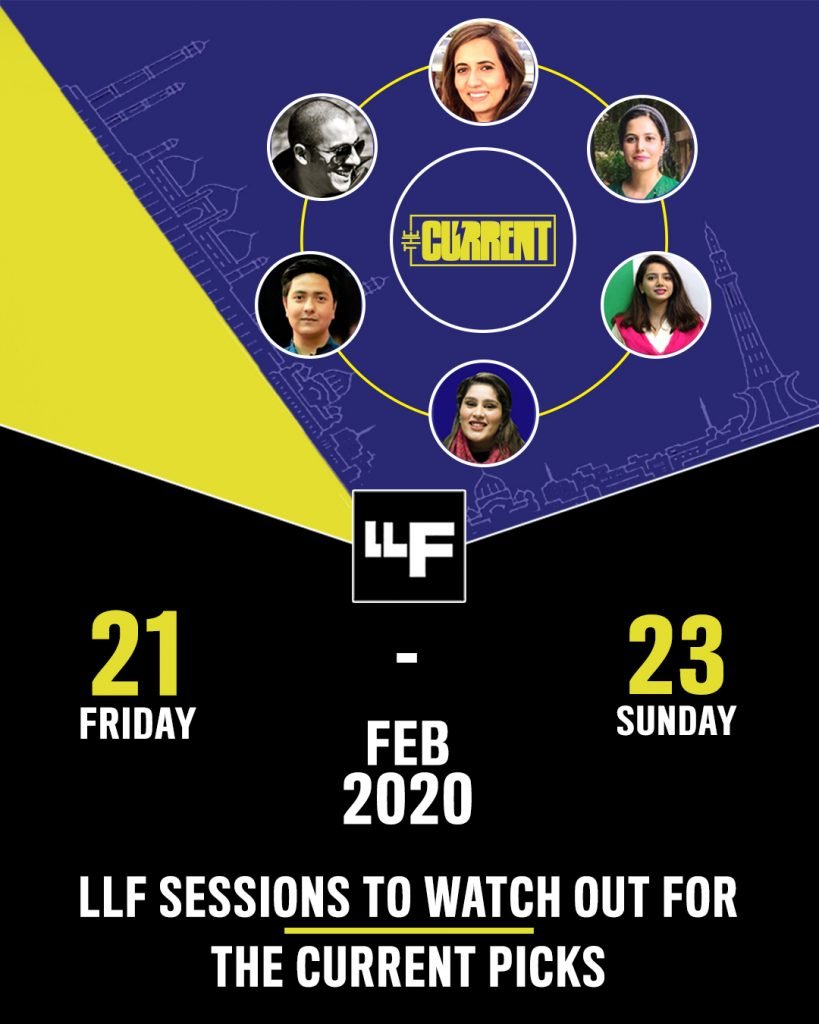
    The Current’s picks for the sessions are:

    “I’m most excited to meet Orhan Pamuk and get a chance to get my collection of Pamuk books signed by him. He’s a beautiful writer, his books are complicated but rewarding, tales of human nature, love, murder and how our culture defines us. He will be the star attraction this year at the LLF and I will definitely be attending the opening ceremony on Friday morning.

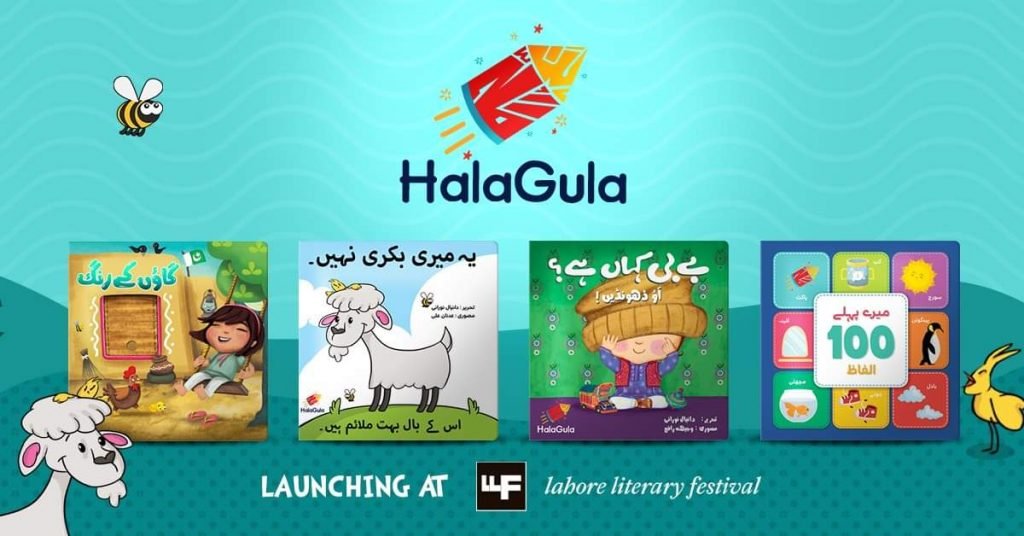
    I’m also looking forward to the launch of HalaGula children’s books. The session is on Saturday at 2:45PM-3:45PM and is the launch of new children’s books in Urdu. There isn’t anything fun and exciting in children’s reading available in Urdu, so this will be a welcome addition – Marium Chaudhry, Founder

    The Herald, one of Pakistan’s oldest magazines has recently discontinued

    A session with journalists Tehmina Ahmed and Talat Aslam will be coming together with ex-HRCP chairman Dr I A Rehman — none of whom ever shied away from raising their voices even against military dictatorships — discuss the latest rough patch media industry in Pakistan has hit under PTI rule. Moderated by Razeshta Sethna, former Senior Assitant Editor of the Herald, the panel is titled ‘Speaking Truth to Power’, the panel is likely to discuss the recently ceased Herald and Newsline. I’m also going to be attending ‘Hum Dekheingay’ . In this session, Barrister Aitzaz Ahsan, poet Zehra Nigah and historian Nomanul Haq will discuss with moderator Salman Akram Raja how Marxist poet Faiz Ahmad Faiz’s writings are transcending borders and languages to fire people’s movements, as recently seen in India – Abdullah Zafar, Political Editor

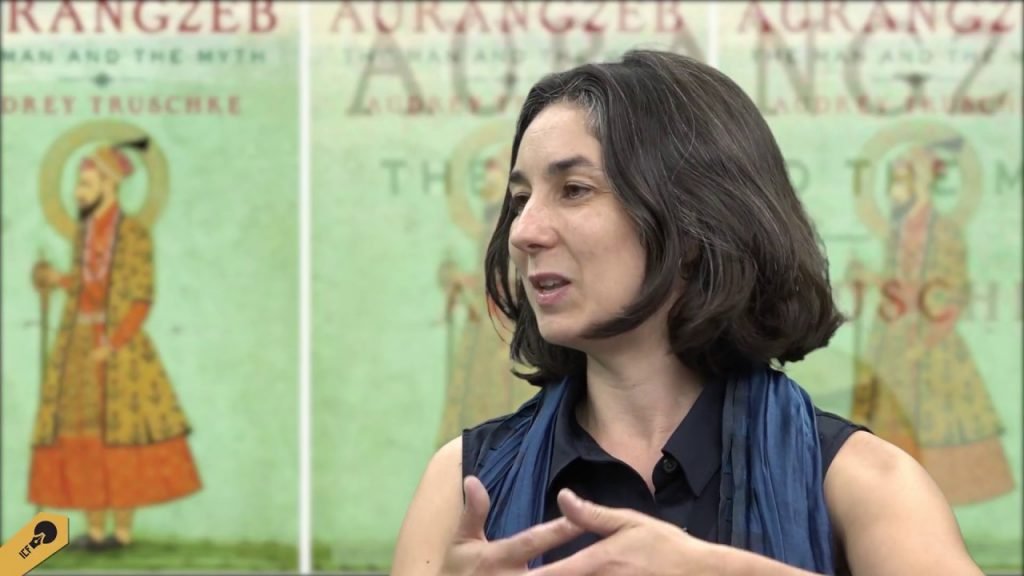
    I am interested in ‘Bigotry Brigade: Where is India headed?’ which will be on 4PM-5PM on Saturday. This session will be quite interesting. All the panelists are excellent, especially historian, Audrey Truschke, who has written a book on Mughal Emperor Aurangzeb, which negates the Indian narrative of an evil Muslim ruler. I am interested in India’s descent into extremism as it is quite disheartening to see a secular country like India with a population of more than a billion people turn to Hindutva – Mehmal Sarfraz, Co-Founder

    ’55 Lawrence Road: Memories of a Jewish Family that left Pakistan in 1973′ is an intriguing title for a session. I am expecting the session will revolve around how Jewish families lived in Pakistan well after partition and why and how they migrated out of the country. I am particularly interested to know how they lived and how active their synagogues were as most of them in Pakistan are no longer active. The session is at 1:30-2:30 on Saturday and has famous architect, Nayyar Ali Dada, Pakistani-born journalist, Hazel Kahan and Pakistani film director Shireen Pasha – Saman Shafiq, Entertainment Editor

    I’ts not just that our founder, Marium is a part of this session but ‘Digital Trumps Print?’ will be a session where print and T.V. journalists will discuss the challenges of change that come with the digital media transformation of Pakistan. It will be interesting to see old school journalists like Arif Nizami and Samaa’s owner Zafar Siddiqi talk about what digital media means to them at a time of slit-throat competition. The session is on Sunday from 11:15am-12:15am – Fahad Malik, Data and Tech Sub-Editor

    Mahira Khan will be attending the LLF on Sunday

    It will be illuminating for me to be a part of the session ‘ Pakistan’s brave new cinema’ where two renowned women of Pakistan, actress Mahira Khan and journalist Fifi Haroon, will discuss the future of cinema and how it can create awareness on sensitive issues in the country. The session is on Sunday from 2:45PM-3:45PM – Urooj Ali, Lifestyle Sub-Editor