Tag: LNG

  • NAB clears Shahid Khaqan Abbasi, others in LNG reference

    NAB clears Shahid Khaqan Abbasi, others in LNG reference

    The National Accountability Bureau (NAB) has cleared former Prime Minister Shahid Khaqan Abbasi in the Liquified Natural Gas (LNG) reference on Tuesday. The court declared all other suspects innocent in the same reference.

    Abbasi was arrested by NAB in 2019 for allegedly causing a loss of 21 billion rupees to the national exchequer me

    The NAB inquiry revealed that M/S Engro was awarded the LNG terminal at Karachi Port and contracts for LNG regasification by Sui Southern Gas Company Limited (SSGCL) through non-transparent practices. Both Abbasi and former Prime Minister Nawaz Sharif faced accusations of misusing their powers in awarding these LNG contracts.

    Despite inquiries and accusations, Abbasi has maintained his innocence, stating that there were no irregularities in the LNG contract and stating the necessity of LNG exports in 2013.

  • Eight hours of gas supply this season too: Caretaker Federal Minister of Energy

    Eight hours of gas supply this season too: Caretaker Federal Minister of Energy

    The Caretaker Federal Minister of Energy, Muhammad Ali, has said that gas load-shedding will continue this year, similar to last year when gas was supplied for eight hours a day.

    This year, natural gas has reduced by 30 per cent whereas the demand is high and supply is low.

    In a statement, he highlighted that two LNG cargoes have been purchased to meet the shortage of gas in winter.

    Additionally, he pointed out that Rs16 billion have been recovered from power thieves so far.

  • No special treatment: Russia denies exclusive discounts on oil export deal with Pakistan

    No special treatment: Russia denies exclusive discounts on oil export deal with Pakistan

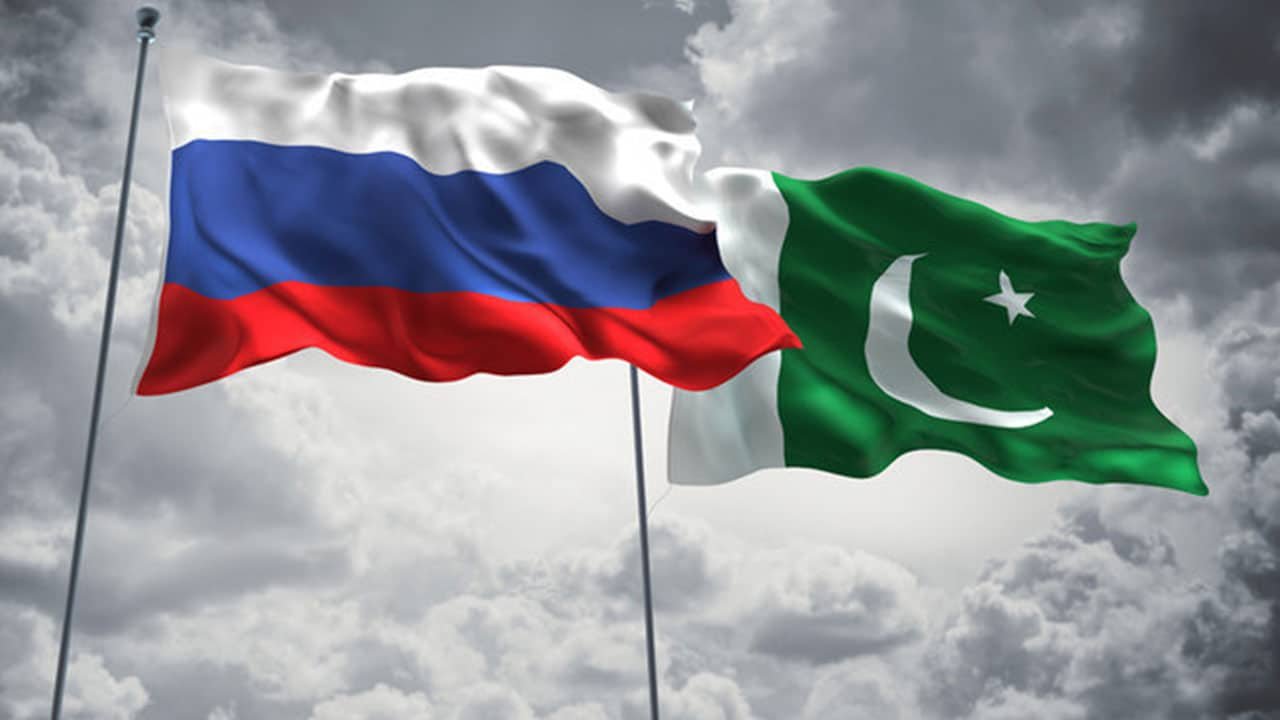
    In a recent statement, Russian Energy Minister Nikolai Shulginov clarified that his country is not providing Pakistan with oil at a special discount. The announcement came during an international economic conference in St Petersburg, where Shulginov confirmed that Russia had begun exporting oil to Pakistan.

    Contrary to earlier reports, the Russian minister emphasised that the oil deliveries to Pakistan were being conducted on standard terms without any exclusive discounts. Citing Russian state media, Voice of America (VoA) reported Shulginov’s remarks, which aimed to dispel speculations about preferential treatment in the oil deal.

    According to Geo, Shulginov further revealed that both countries had agreed to accept Chinese currency as payment, highlighting the importance of conducting transactions in the currencies of friendly nations. However, he denied claims that Pakistan had received any special advantages or discounts within the agreement.

    During the conference, the topic of barter trade between Pakistan, Afghanistan, Iran, and Russia was also addressed. Pakistan had recently passed a special order allowing barter trade for various commodities, including petroleum, liquefied natural gas (LNG), coal, minerals, metals, wheat, pulses, and other food items.

    Regarding this specific trade arrangement, Minister Shulginov clarified that discussions had taken place, but no final decisions had been reached. In particular, the two countries have yet to establish mutually agreeable prices for the export of liquefied natural gas to Pakistan. Shulginov explained that the current focus was on spot supplies, and since spot gas prices were high at the moment, the negotiations were primarily centered around long-term contracts.

    As Russia commences oil deliveries to Pakistan, both nations are working to ensure fair and transparent trade practices while exploring potential opportunities for collaboration in the energy sector. The recent developments underscore the significance of bilateral cooperation and economic ties between Russia and Pakistan.

    While the exact details of the ongoing negotiations remain undisclosed, Minister Shulginov’s statements emphasise the commitment of both countries to maintaining a level playing field in their trade relations. The international community will be closely monitoring future developments in this energy partnership, particularly as Pakistan continues to diversify its energy sources and explore avenues for economic growth.

    As the discussions progress, it is expected that Russia and Pakistan will strive to reach mutually beneficial agreements that foster stability and prosperity in their bilateral trade relations, creating opportunities for sustained cooperation in the energy sector and beyond.

  • Pakistan to get 20,000 tonnes of additional gas from Azerbaijan

    Pakistan to get 20,000 tonnes of additional gas from Azerbaijan

    In order to meet domestic demand, Pakistan will import an additional 20,000 tonnes of gas from Azerbaijan in the next two months, according to Minister of State for Petroleum Musadik Malik.

    The Russian Petroleum Minister will visit Pakistan next month to strike a deal for the purchase of Russian crude oil, the minister said in a statement. The state minister was confident that Russia will deliver discounted crude oil to Pakistan.

    According to him, the government is working on the Turkmenistan-Afghanistan-Pakistan-India (TAPI) gas pipeline project to import 1,300 billion MF of gas from Azerbaijan per year to address the country’s gas shortfall.

    Malik had before claimed that Russia will give Pakistan a discount on the purchase of its crude oil.

    Musadiq Malik stated during a news briefing in Islamabad on Friday that Russian authorities had made it clear they will offer Pakistan cheap crude oil.

    The State for Petroleum Musadik Malik stated, “We are taking talks [with Russia on crude oil] forward,” noting that two of Russia’s eight sorts of crude oil might be utilised in Pakistani refineries.

    He continued by saying that Pakistan was also developing a framework for an LNG cargo arrangement with Azerbaijan.

  • CNG stations in Punjab, KP to remain shut till March 2023

    CNG stations in Punjab, KP to remain shut till March 2023

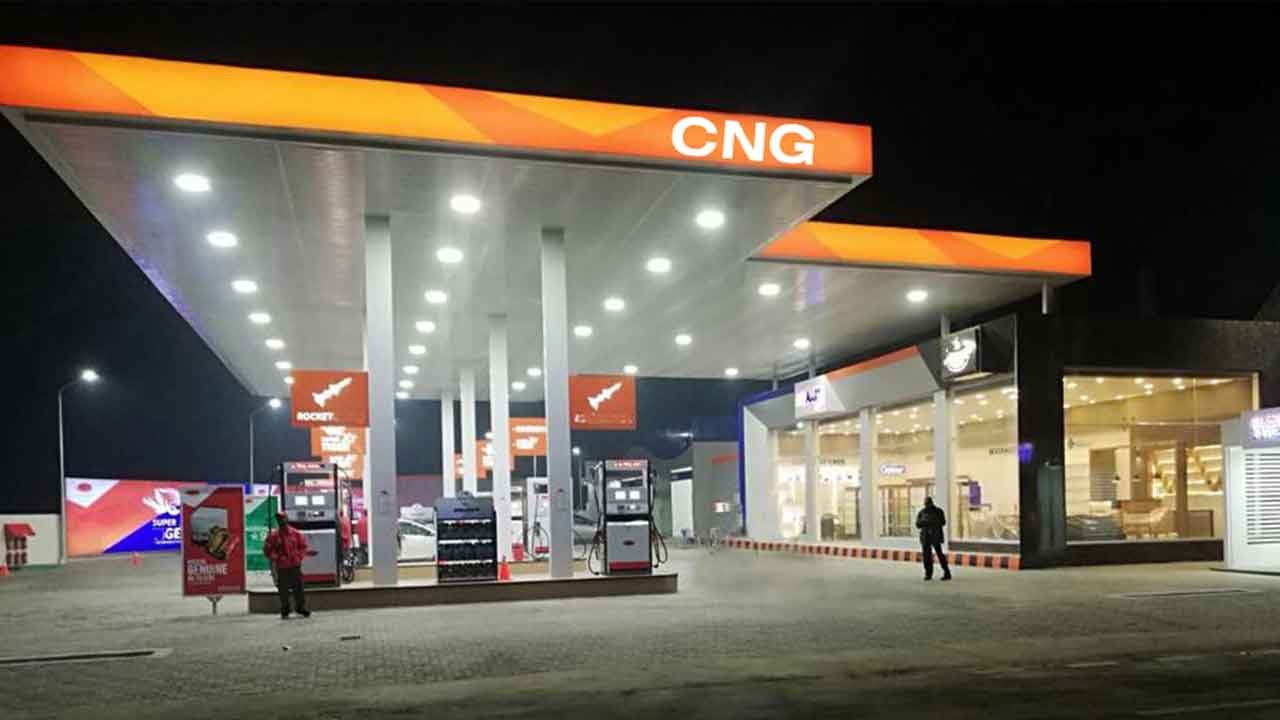
    CNG stations in Punjab and KP will stop operating from November 2022 to March 2023 as the gas crisis increases as a result of the lack of required LNG during the winter.

    While the government is obligated to purchase 12 LNG cargoes each month, Pakistan LNG Limited (PLL) has been unable to do so; as a result, the country will only have 10 LNG cargoes available in December and nine LNG cargoes each month in the following months. Due to the decreased LNG import cargoes, gas utilities will be forced to limit the supply of gas to captive power plants by 50 per cent.

    According to Express, in Punjab and KP, there won’t be any LNG available for CNG stations during the winter. Due to insufficient local gas output, Punjab has also been experiencing a gas crisis.

    According to government officials, the Sui Northern Gas Pipelines Limited (SNGPL) system’s gas supply to the fertiliser sectors won’t be reduced. Due to the probable political reaction this would cause, the government does not intend to reduce supplies of gas for the household sectors, therefore there will always be a supply available.

    As instructed by the federal government, SNGPL has been providing Re-Gasified Liquefied Natural Gas (RLNG) to a number of subsidised industries, including domestic consumers, export-oriented businesses, and fertiliser producers.

    Government payments to SNGPL for RLNG subsidies are Rs199 billion as of this writing. SNGPL’s capacity to pay RLNG suppliers PSO and PLL has been severely hampered by the reduced pricing. The amounts owed to PSO and PLL are now Rs284 billion and Rs135 billion, respectively.

    The power industry pays in full, but because its receivables have grown to over Rs115 billion, payments to suppliers have been significantly delayed.

  • Fears of an energy crisis increase as Pakistan fails to clinch an LNG deal

    Fears of an energy crisis increase as Pakistan fails to clinch an LNG deal

    A tender for the acquisition of liquefied natural gas (LNG) that expired on Monday did not receive a single bid from any overseas suppliers, according to Pakistan LNG Limited (PLL), a wholly-owned subsidiary of Government Holdings Private Limited (GHPL).

    PLL originally issued an invitation for bids in August for 72 LNG cargoes to be delivered over a six-year term from foreign suppliers.

    According to PLL, bids were requested from reputable organisations to convey cargo on a Delivered Ex-Ship basis (DES) at Port Qasim, Karachi, and suppliers had until September 14 to submit their offers.

    “Bid documents shall be available from 10 August 2022 to 13 September 2022,” it said.

    Failure of an LNG contract in Pakistan contributes to the energy crisis

    The Pakistani procurement, which had an expiration date of October 3, saw no suppliers participate, according to PLL bid documents.

    According to the documents, the corporation was looking for one shipment each month for the six-year period.

    PLL was required by the Pakistani government to carry out the business of importing, buying, storing, supplying, distributing, transporting, transmitting, processing, measuring, metering, and selling natural gas, LNG, and re-gasified LNG. Each cargo was to have a volumetric quantity of 140,000m3, it added.

    For the timeframe of July through September, PLL sought worldwide suppliers to submit proposals for 10 LNG cargoes.

    By July 7, suppliers were invited to submit their bids. Each cargo was required to have a volumetric quantity of 140,000m3, according to PLL documentation.

    Bloomberg, citing traders with knowledge of the situation, said that the state-owned LNG purchaser did not receive any bids in a $1 billion LNG purchase tender at the time. The article at the time stated that “it highlights both the scope of the worldwide fuel shortage as well as the unwillingness of suppliers to sell to a country in the depths of an economic crisis.”

    The Russia-Ukraine conflict has caused supply chains to be disrupted globally, which has driven up the cost of key commodities like LNG.

    Pakistan, on the other hand, is experiencing a fuel scarcity, especially in the electricity sector. The most recent development is anticipated to worsen the energy situation, particularly during the winter when there will be an increase in heating demand that would affect both families and companies.

  • OGRA lowers RLNG cost by $4.6 per MMBTU

    OGRA lowers RLNG cost by $4.6 per MMBTU

    Re-gasified liquefied natural gas (RLNG) will cost consumers of public gas utilities 20.57 per cent less in July 2022 than it did in June, according to a notification from the Oil and Gas Regulatory Authority (Ogra).

    The government has set the RLNG price for Sui Northern Gas Pipelines Limited’s (SNGPL) customers at $17.4603 per metric million British thermal units (MMBTU), according to a notification released on Friday.

    Compared to the rate of $20.7691 per MMBTU for June 2022, the new price is $3.3088 less. The general sales tax (GST) is not included in the weighted average sale price.

    The RLNG price will be $17.9575 per MMBTU for Sui Southern Gas Company (SSGC) customers as opposed to the SNGPL consumer price, which represents a $4.6501 per MMBTU decrease for July over $22.6076 per MMBTU.

  • OGDCL confirms gas discovery near Ghotki, Sindh

    OGDCL confirms gas discovery near Ghotki, Sindh

    On Wednesday, the Oil and Gas Development Company Limited (OGDCL) announced the finding of gas from an exploration well near Ghotki, Sindh.

    “The joint venture (JV) of Guddu Block comprising Oil & Gas Development Company Limited as an operator (70 per cent), SPUD Energy PTY Limited (SEPL) (13.5 per cent), IPR Transoil Corporation (IPRTOC) (11.5 per cent), and Government Holdings (Private) Limited (GHPL) (5 percent) has discovered Gas from an exploratory well namely Umair South East # 01, which is located in District Ghotki, Sindh,” the company stated in a notice.

    The Umair South East # 01 well, according to OGDCL, was spudded on May 9, 2022, as an exploration well to investigate the hydrocarbon potential of the Pirkoh Formation and Habib Rahi Limestone (HRL) to a projected depth of 785m.

    “Based on the interpretation of wireline logs, successful Drill Stem Test-1 in HRL tested 1.063 million standard cubic feet per day (mmscfd) gas through choke size 32/64” at 210 pounds per square inch (PSi) Well Head Flowing Pressure (WHFP)”.

    The finding of Umair South East-1 is the outcome of Guddu Joint Venture Partners’ aggressive exploration approach, according to the Pakistani oil and gas business.

    “It has opened a new route and will favourably contribute to alleviating energy demand and supply gaps from indigenous resources, while also adding to OGDCL’s and the country’s hydrocarbon reserves base,” it said.

    The discovery comes at a fortunate time for Pakistan, which has recently experienced huge power outages and a gas scarcity.

    Mari Petroleum Company Limited (MPCL) discovered gas/condensate earlier this month in the Bannu West-1 ST-1 Exploration Well, which was drilled in the Bannu West Block in North Waziristan, Khyber Pakhtunkhwa.

  • Pakistan pushed into darkness due to Europe’s decision to cut off Russian fuel

    Pakistan pushed into darkness due to Europe’s decision to cut off Russian fuel

    The European attempt to abandon Russian oil is intended to punish Moscow for its invasion of Ukraine. It’s also wreaking havoc thousands of miles away, throwing Pakistan into darkness, destabilising one regime, and jeopardising the country’s new leadership’s stability.

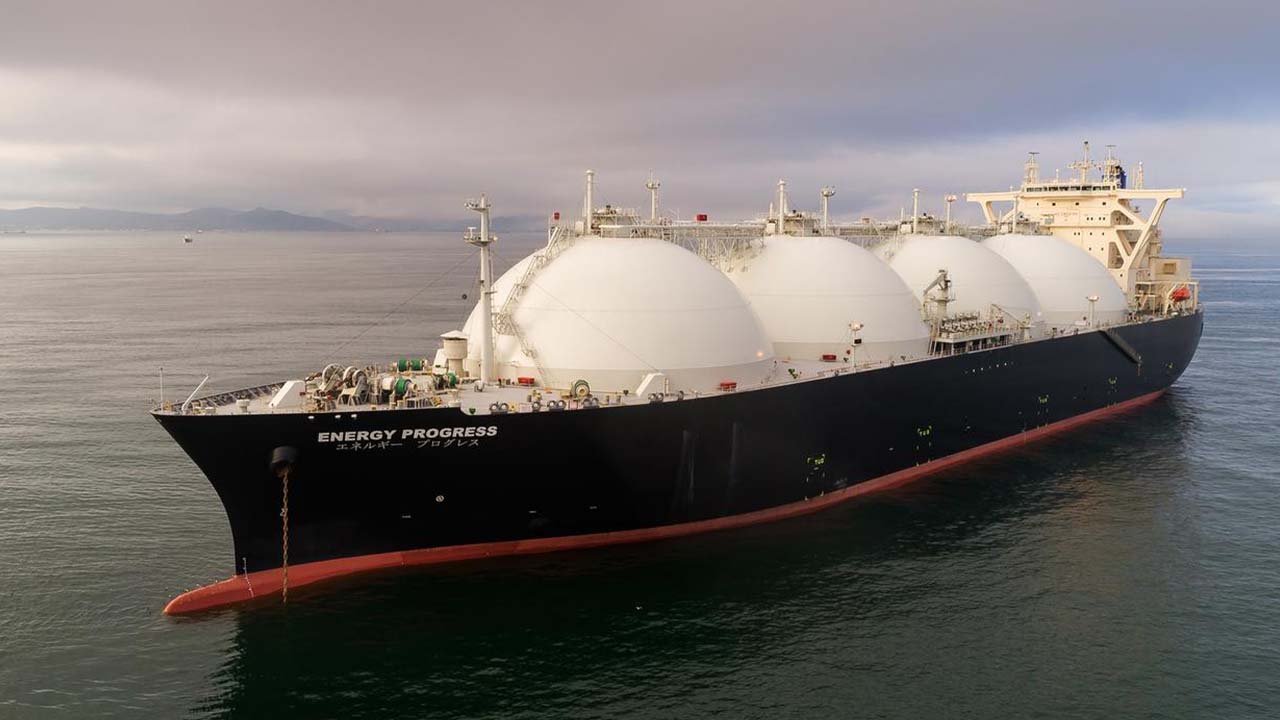
    According to Bloomberg, Pakistan invested heavily in liquefied natural gas and inked long-term contracts with Italian and Qatari suppliers. Some of those suppliers have now defaulted, although continuing to sell into the more lucrative European market, putting Pakistan in the very situation it hoped to avoid.

    The country took particular precautions a decade ago to protect itself from the sorts of price increases that are currently shaking the market.

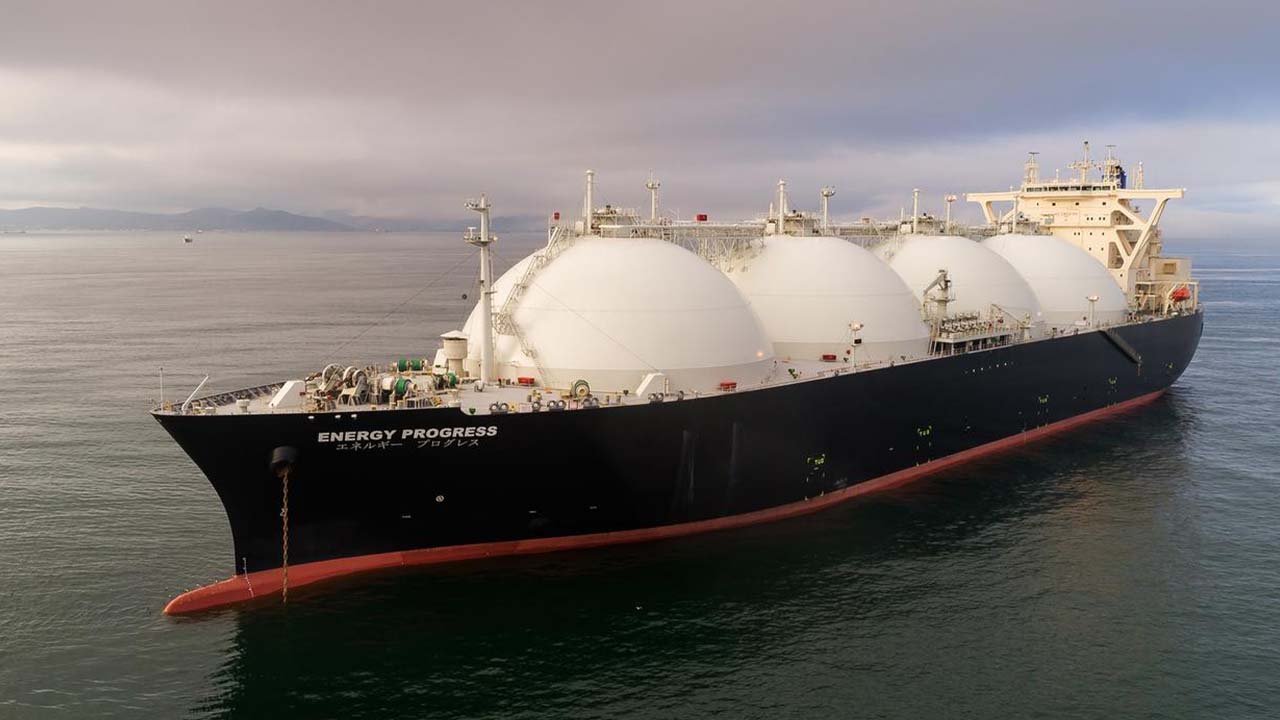
    Last month, the government spent about $100 million on a single LNG shipment from the spot market to avert outages during the Eid holiday, a record for the cash-strapped country.

    The country’s LNG costs could reach $5 billion in the fiscal year ending in July, more than double what they were a year ago. Even still, the government is powerless to protect its citizens: the IMF is in talks to bail out the country on the condition that it reduces fuel and energy subsidies.

    Outages lasting more than 12 hours

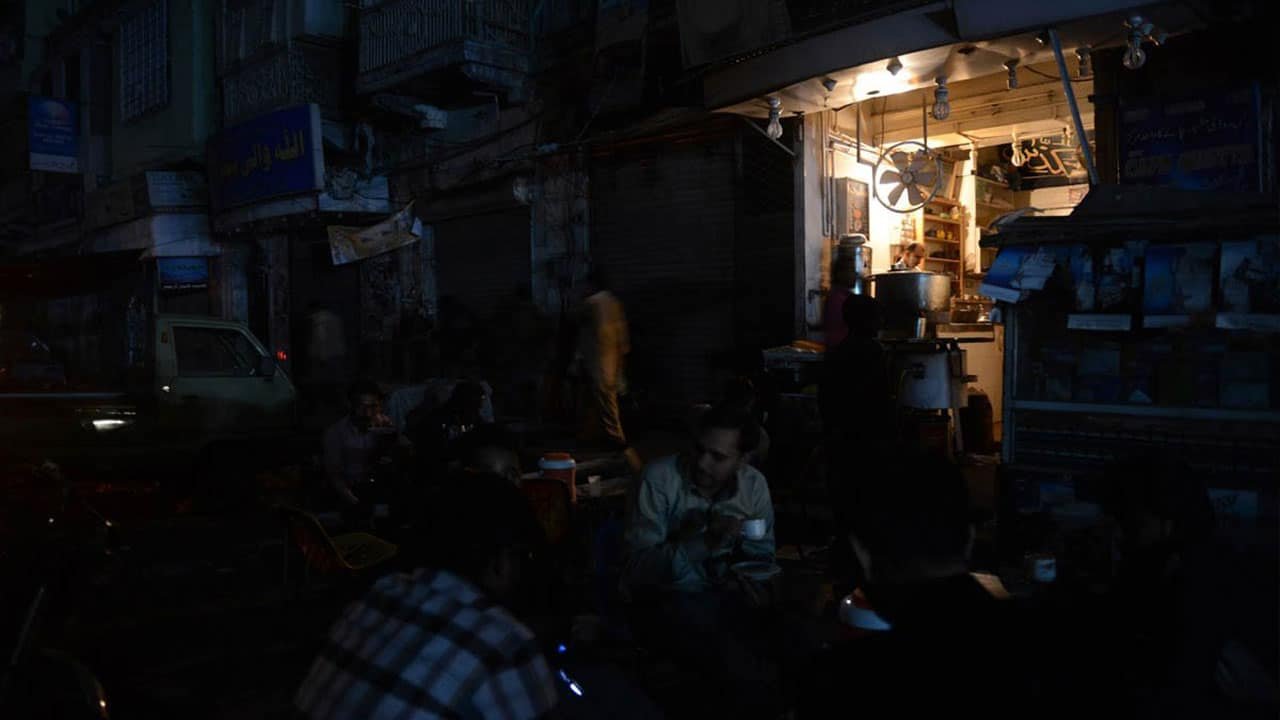
    Parts of Pakistan are currently suffering scheduled blackouts lasting more than 12 hours, reducing the ability of air conditioning to provide respite during the current heat wave. The former prime minister continues to gather enormous audiences to demonstrations and marches, exacerbating voters’ discontent with 13.8 per cent inflation. The hosts of prime-time talk shows frequently discuss how Pakistan will obtain the petroleum it requires and how much it would have to spend.

    The administration introduced a fresh set of energy-saving measures last week. Civil servants were relieved of their normal Saturday shifts, and the security budget was slashed by half.

    Prime Minister (PM) Shehbaz Sharif remarked in an April tweet before of the Eid holiday, “I am acutely aware of the sufferings people are facing”. That same week, he ordered his government to resume purchasing costly overseas natural gas shipments.

    He also warned earlier this month that they don’t have the money to keep importing gas from other countries.

    Rerouted supply to power plants

    There will be more than just outages as a result of the supply shortage. The government has rerouted existing natural gas supply to power plants, causing fertiliser manufacturers to be shortchanged. This approach could jeopardise the next harvest, resulting in even higher food prices the following year. Backup generators are being used by cellphone towers to keep service going during the blackouts, but they, too, are running out of fuel.

    There’s not much hope in the future. LNG prices have risen by over 1,000 per cent in the previous two years, first due to post-pandemic demand and subsequently due to Russia’s invasion of Ukraine. Russia is Europe’s largest natural gas supplier, and the possibility of supply disruptions pushed spot rates to an all-time high in March.

    Increasing LNG demand in Europe

    Meanwhile, Europe is increasing its need for LNG. Europe’s LNG imports have increased by 50 per cent so far this year compared to the same period last year, and show no signs of slowing down. As they cut ties with President Vladimir Putin’s regime over the crisis in Ukraine, European Union policymakers created a plan to considerably increase LNG deliveries as an alternative to Russian gas.

    Floating import terminals are being built at a breakneck pace in countries like Germany and the Netherlands, with the first ones set to open in the next six months.

    “Europe is draining LNG from the rest of the globe,” according to Steve Hill, executive vice president of Shell Plc, the world’s largest LNG trader. “However, this means that less LNG will be sent to developing markets”.

    Pakistan was formerly thought to be the LNG industry’s bright future. Demand for the fuel had peaked in developed markets by the mid-2010s. However, technological developments had reduced the costs and time it took to build import terminals, and new gas sources had reduced the cost of the fuel itself.

    Poor nations could finally contemplate the gasoline at the new, lower prices. Suppliers flocked to these new markets, and when Pakistan published a request for long-term LNG supply, over a dozen businesses competed for the contract.

    Pakistan chose Italy’s Gunvor Group Ltd to sell LNG to the country for the next decade in 2017. The terms were favourable at the time, and the prices were lower than those of a comparable arrangement struck with Qatar the previous year.

    Delay in supplies

    However, due to the rise in European gas prices, the two suppliers have postponed more than a dozen shipments slated for delivery between October 2021 and June 2022.

    According to Bruce Robertson, an expert at the Institute for Energy Economics and Financial Analysis, such defaults are nearly unheard of in the LNG market. Bloomberg spoke with traders and industry insiders who couldn’t recall the last time so many cargoes were rejected without being linked to a big outage at an export terminal.

    Eni and Gunvor stated they had to cancel because they were experiencing their own supply problems and didn’t have enough LNG to export to Pakistan. When exporters confront such difficulties, they typically replace deliveries by purchasing a consignment on the spot market, but Eni and Gunvor have not done so.

    Vendors are generally averse to cancelling orders. It harms the company connection and is often extremely costly. In established markets, fines for “failure to deliver” might be as high as 100 per cent.

    “It’s quite rare for LNG suppliers to renege on long-term contracts beyond force majeure occurrences,” says Valery Chow, an analyst at Wood Mackenzie Ltd.

    Pakistan’s contracts stipulated a lower cancellation penalty of 30 per cent, most probably in exchange for cheaper overall costs. The European spot market prices are currently high enough to more than compensate for the penalties.

    Pakistan’s $12 million LNG supply contract

    As per sources, an LNG supply to Pakistan for delivery in May under a long-term contract would cost $12 per million British thermal units. In comparison, spot cargoes to Europe for May delivery were trading for more than $30. Eni and Gunvor have kept their promises to customers in the region.

    As a result, Pakistan is back to square one, in a weaker negotiation position than before. After a dispute with Pakistan’s army over a variety of problems, including his management of energy supply and the greater economy, Prime Minister Imran Khan was deposed in April.

    Shehbaz Sharif, the new prime minister, has directed the state-owned importer to obtain the petroleum at any cost in order to end the debilitating blackouts. It’s also attempting to reach new long-term LNG purchase agreements, albeit the conditions will almost probably be harsher than six years ago.

    High risk of default

    The cost is having its own cascading repercussions. The government is now “at high risk of default,” according to a paper published last month by the Institute for Energy Economics and Financial Analysis. Moody’s Investors Service reduced Pakistan’s outlook from stable to negative, citing financial worries including a potential IMF bailout delay.

    Pakistan’s dependency on LNG, as well as its suppliers’ tendency to default, has exacerbated the country’s energy dilemma. Pakistan isn’t alone in this regard. Emerging economies all around the world are trying to meet their residents’ requirements while staying within their budget restrictions.

    It has also prompted them to purchase electricity from Russia, reducing the impact of Europe’s attempts to isolate them.

    Pakistan seeks LNG supply contract with Russian companies

    According to reports, Pakistan is also looking at long-term LNG supply agreements with Russian companies. India has already increased its purchases from Russia, and this trend is likely to continue. The government has directed power plants to purchase fuel from overseas in response to the scorching summer heat.

    Other cash-strapped importers, such as Bangladesh and Myanmar, are likely to suffer as a result of Pakistan’s problems. Bangladesh’s state-owned utility recently purchased the country’s most expensive LNG shipments on the spot market to keep the grids functioning and industry stocked, while Myanmar has stopped importing LNG for the past year owing to price increases.

    Other nations, such as India and Ghana, may be prompted to reconsider long-held plans to increase their reliance on super-chilled fuel as a result of Europe’s major change. Instead, governments would increase their reliance on polluting coal or oil, thwarting efforts to meet ambitious emission reduction objectives this decade.
  • 40-50 per cent hike expected in gas tariff

    40-50 per cent hike expected in gas tariff

    The government plans to hike the system gas tariff by up to 50 per cent as part of its efforts to gain access to the International Monetary Fund (IMF) bailout.

    The Ministry of Energy anticipates the Oil and Gas Regulatory Authority (OGRA) determining the revenue requirement for the coming fiscal year in June. As per The News, which cited sources, the tariff increase will take effect on July 1, 2022.

    Sui Southern Gas Company Limited (SSGC) and Sui Northern Gas Pipelines Limited (SNGPL), according to an Energy Ministry official, have suffered massive combined losses of Rs550 billion in recent years.

    Both are losing money since the system gas rate has not been raised in a long time. SNGPL is expected to lose Rs350 billion, while SSGC is expected to lose roughly Rs200 billion.

    OGRA will now calculate the system gas tariff under the modified OGRA statute. The IMF has encouraged the government to ensure that gas firms do not lose money as a result of the gas tariff’s stagnation, as well as to follow the modified OGRA law in its entirety.

    It’s worth noting that the government raised the price of petroleum goods by Rs30 per liter last week after the IMF stated that the bailout package would not be resumed unless the country ended petroleum product subsidies.