Tag: load shedding

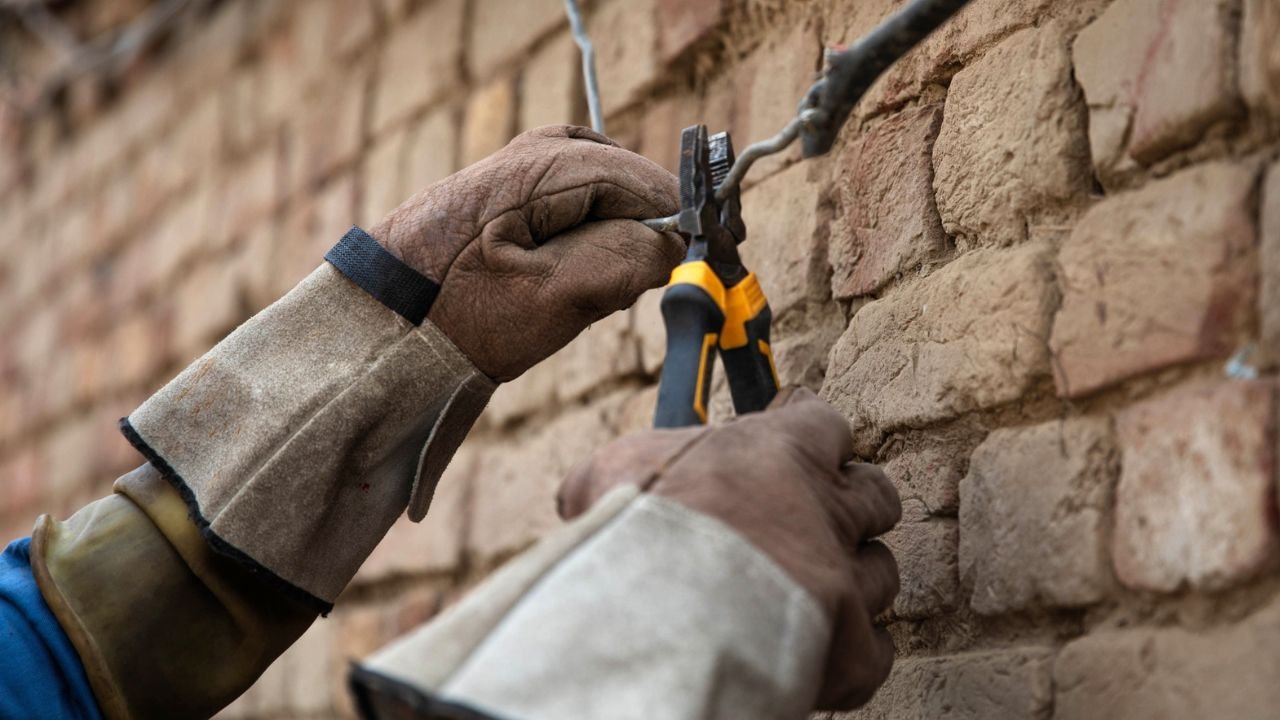
  • Over 1,500 booked after crackdown on electricity thieves in Matiari

    Over 1,500 booked after crackdown on electricity thieves in Matiari

    Hyderabad Electric Supply Company (HESCO) officials have filed 10 cases of electricity theft against over 1,500 individuals during a crackdown on electricity theft in Matiari.

    The cases have been registered at the Hala, New Saeedabad, and Matiari police stations, naming over 1,500 electricity thieves, Geo news reports.

    HESCO officials reveal that approximately 60 per cent of electricity is being stolen across the district. To address this issue, they have initiated a crackdown, registered cases in the first phase, and will begin making arrests in the next phase.

    Many citizens are unaware of the cases filed late at night by HESCO officials, but a significant number of individuals have been named in these cases.

    Hyderabad Electric Supply Company (HESCO) officials have filed 10 cases of electricity theft against over 1,500 individuals during a crackdown on electricity theft in Matiari.

  • No load shedding from 10pm to 6am in Sindh, Nasir Shah orders

    No load shedding from 10pm to 6am in Sindh, Nasir Shah orders

    Energy Minister in Sindh, Nasir Hussain Shah, has told K-Electric, Hyderabad-Electric, and Sukkhur-Electric that load shedding is unacceptable between 10pm and 6am in the province, adding that it will help citizens reduce their burden during crucial hours.

    He stressed that all power companies need to take initiatives to reduce load shedding.

    However, the minister said if load shedding is inescapable, the public must be informed in advance to avoid inconvenience.

  • Forced activation of feeders backfires on PTI, Rehman Baba grid station not restored

    Forced activation of feeders backfires on PTI, Rehman Baba grid station not restored

    The Rehman Baba grid station in Peshawar experienced a major technical fault after feeders were forced to remain operational by PTI leaders and their supporters, Geo News reported.

    According to the Peshawar Electric Supply Company (PESCO), power supply to 32 feeders from the grid station was disconnected after they were forced to continue.

    The spokesperson stated that at 2 o’clock that day, protesters forcibly entered the grid station and switched on the feeders.

    The angry protesters reportedly verbally abused the PESCO staff and confiscated their mobile phones.

    A PESCO team is currently engaged in repair work. Restoring electricity may take hours, and consumer issues are escalating due to ongoing protests.

    Previously, Fazal Elahi, PTI Member of the Provincial Assembly, entered the Rehman Baba Grid Station and restored power to 10 feeders.

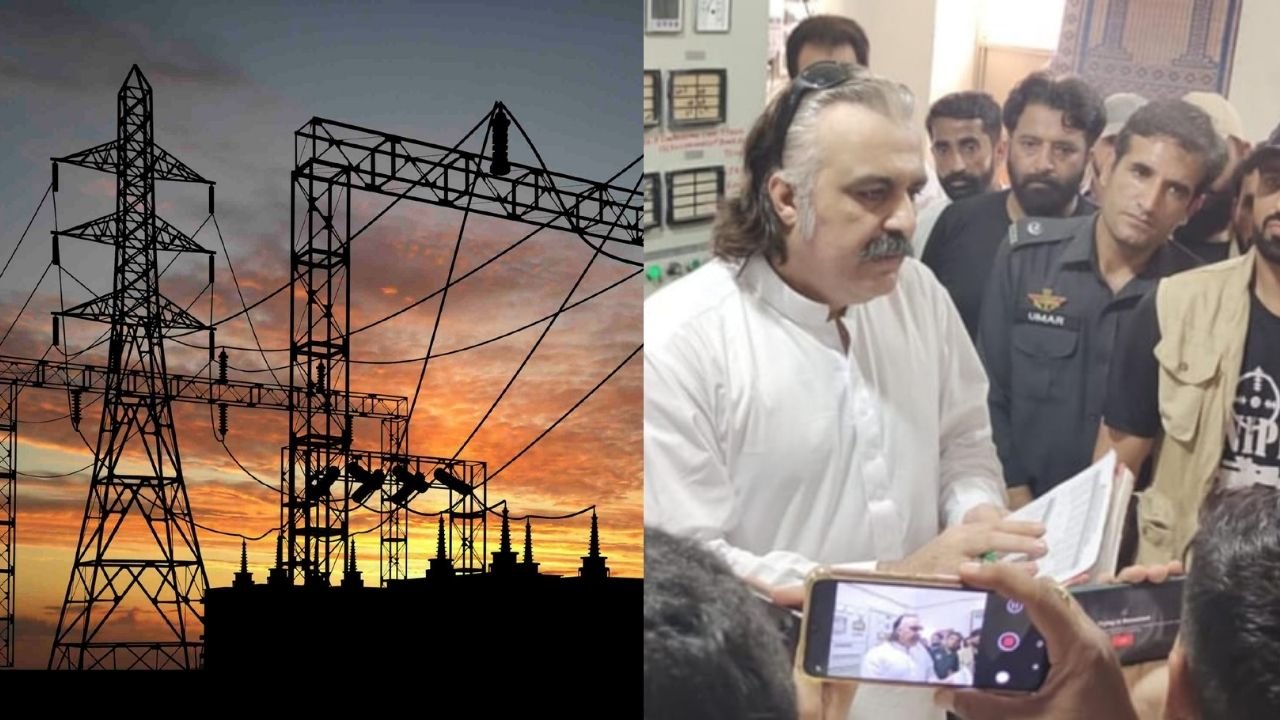
    While earlier this week, Chief Minister Ali Amin Gandapur visited the Dera Ismail Khan grid station following unannounced load shedding of electricity in Khyber Pakhtunkhwa. He issued a clear threat to the federal government, stating that if power supply to the National Grid from the province is reduced, he will halt it. Gandapur further criticised WAPDA for mistreating the province, accused government officials of holding positions through electoral fraud, and asserted that the federal government is neglecting its responsibilities.

  • Prolonged load shedding continues across country in extreme heat

    Prolonged load shedding continues across country in extreme heat

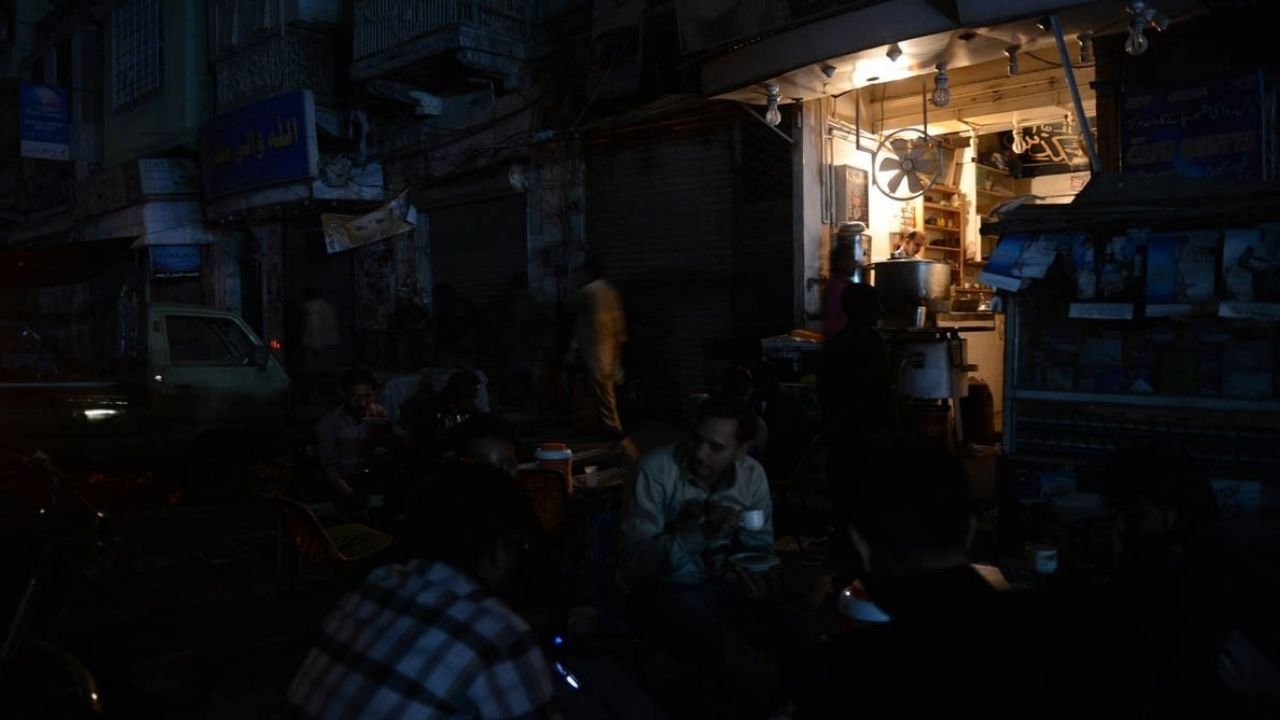
    With record breaking temperatures, hours of load shedding of electricity have caused inconvenience for people in a number of cities across Pakistan.

    In many areas of Hyderabad, the duration of load shedding has reached up to 12 hours.

    Spokesperson of HESCO said that load shedding is happening on the basis of line losses. He also claims that load shedding is not interrupting examination hours.

    Meanwhile, urban areas of Sukkur are experiencing six to eight hours of load shedding while Jacobabad, Shikarpur and Kashmore undergoing 12 to 14 hours.

    Thatta city and its surroundings are subjected to 14 to 16 hours load shedding, six hours in Kamalia city, and eight hours in rural areas.

    Wahari stands at four to six hours of load shedding while 10 hours in rural areas.

    More than 10 hours of load shedding is taking place in Mingora city, more than 16 hours in suburban areas, while Bannu is experiencing 18 to 20 hours of load shedding.

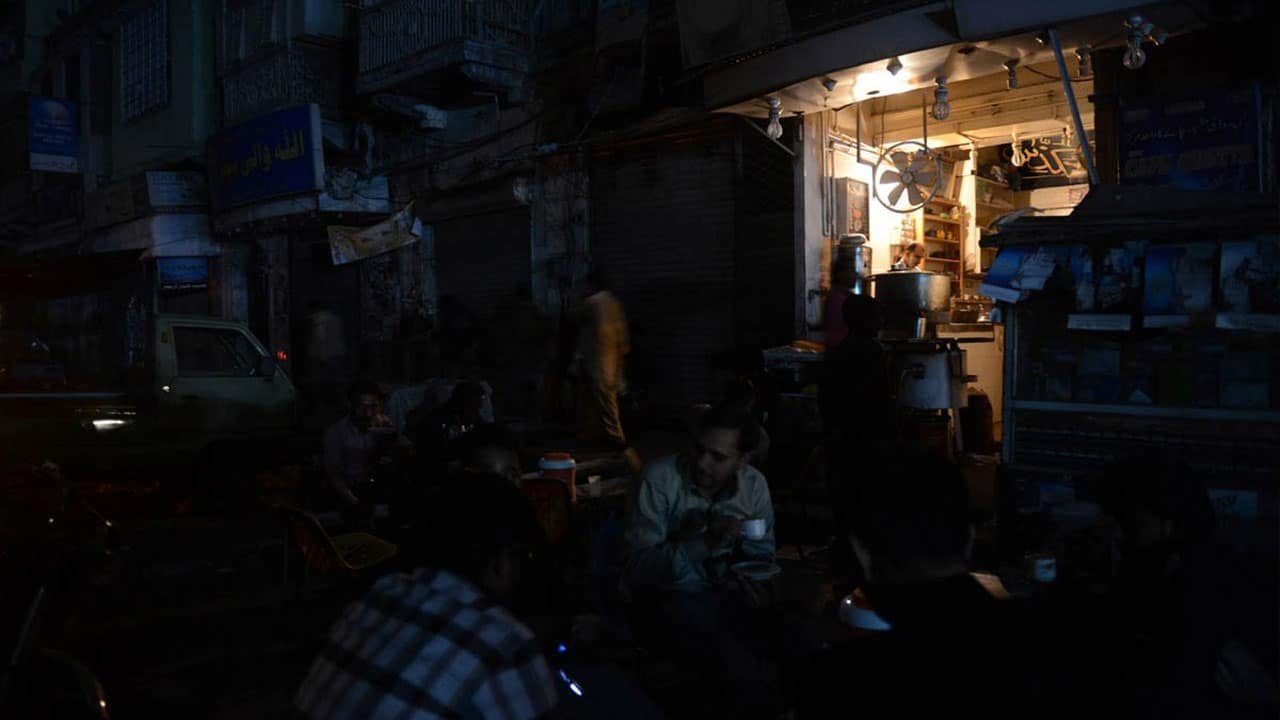
    Citizens say that business activities and life are being affected due to load shedding.

  • Why has load-shedding suddenly increased in Pakistan?

    Why has load-shedding suddenly increased in Pakistan?

    The electricity crisis has become more severe across the country with the start of the new year.

    Transmission systems were reportedly affected due to a technical fault at Guddu power plant and reduction in hydro power generation. Unannounced power outages in all power distribution companies (DISCOs), including LESCO, has made life difficult for people.

    The transmission system was affected by reduced power generation and heavy fog in the plains.

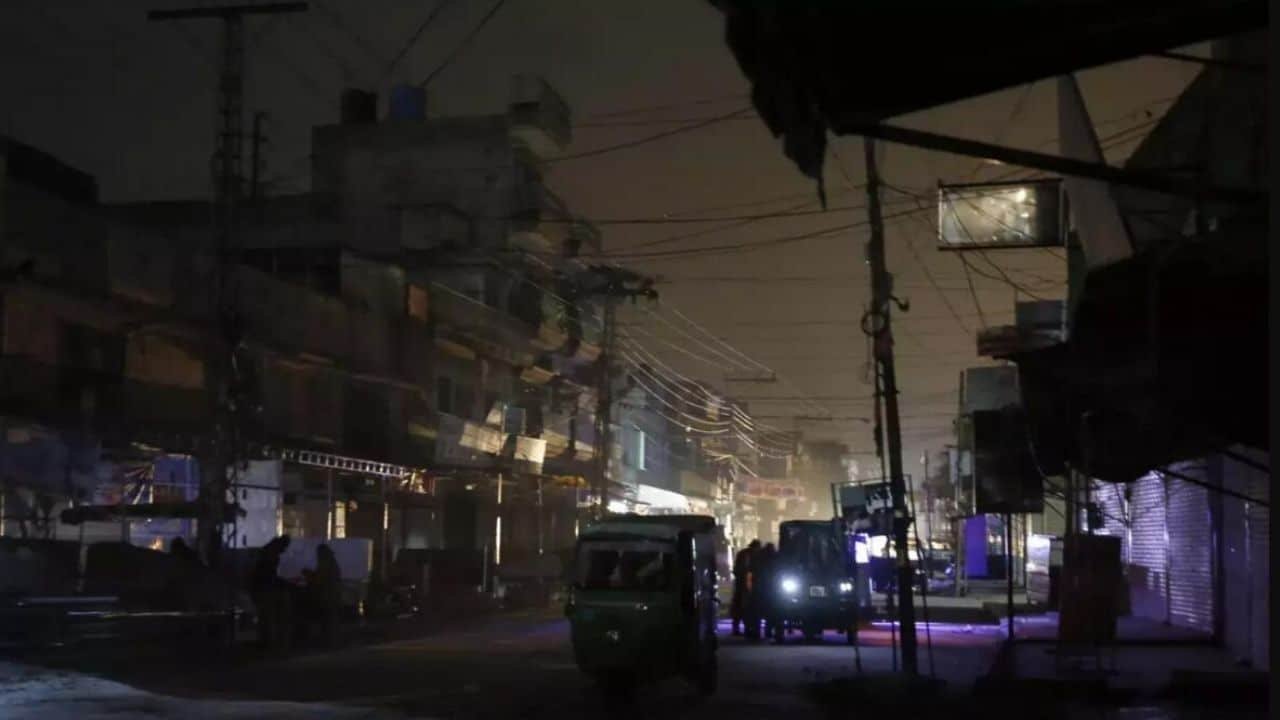
    Unannounced load shedding continues every hour in various areas of the LESCO region. Due to an increase in shortfall, the duration of load shedding in the city exceeded 12 hours.

    According to an INP from Kushmore, the breaker could not be repaired despite the passage of several hours after fire broke out in the switchyard of Guddu Thermal Power Plant following a technical fault. Sources claim that it may take 15 days to buy a new breaker.

    On the other hand, Powerhouse officials have said the alternate high transmission line also tripped due to heavy fog.

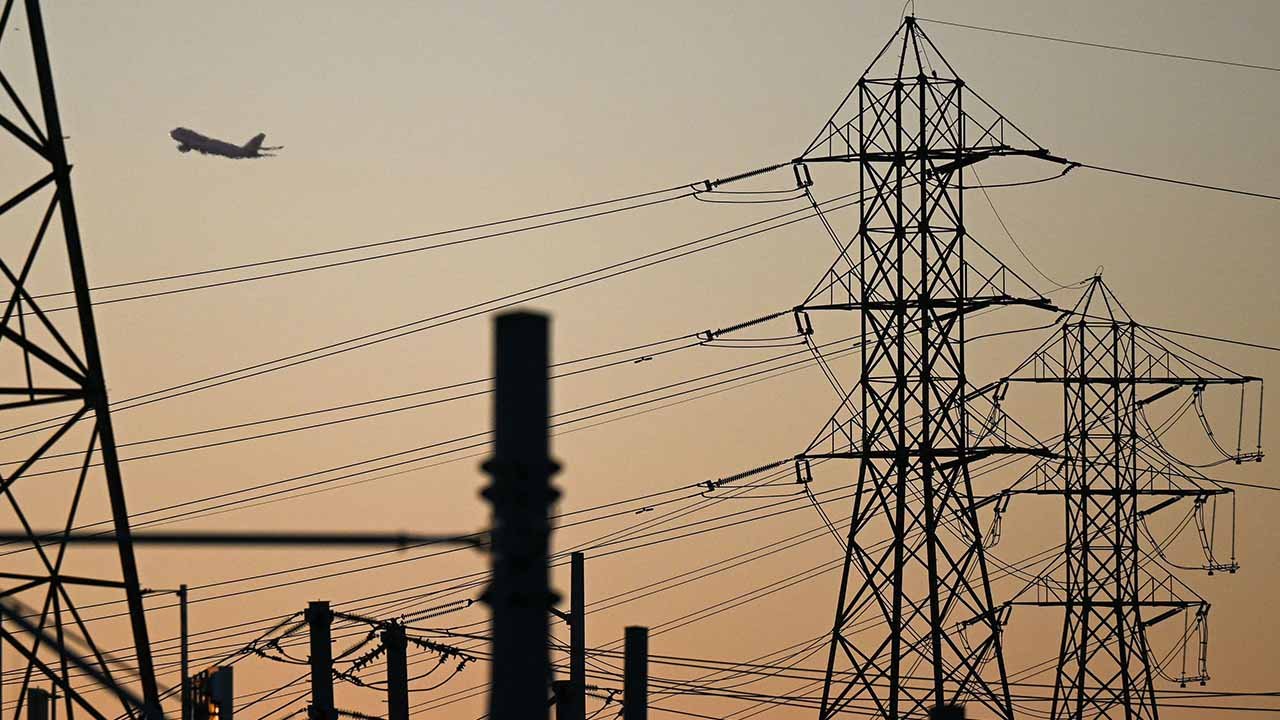
    Electricity supply to different areas of Sindh, Punjab and Balochistan remained suspended for more than five hours due to tripping of the alternative high transmission line. According to Guddu Thermal Power House officials, it is difficult to restore power from the alternate high transmission line until the sun comes out.

    Lack of electric supply for more than six hours has put a halt on businesses as well as shopkeepers, factory workers.

  • Mardan the model city, free of load-shedding

    Mardan the model city, free of load-shedding

    The crackdown on electricity theft that started more than a month ago has yielded great results. Almost Rs26 billion have been recovered and in the next 12 months, this amount is expected to reach a total of Rs300 billion, officials have stated. 

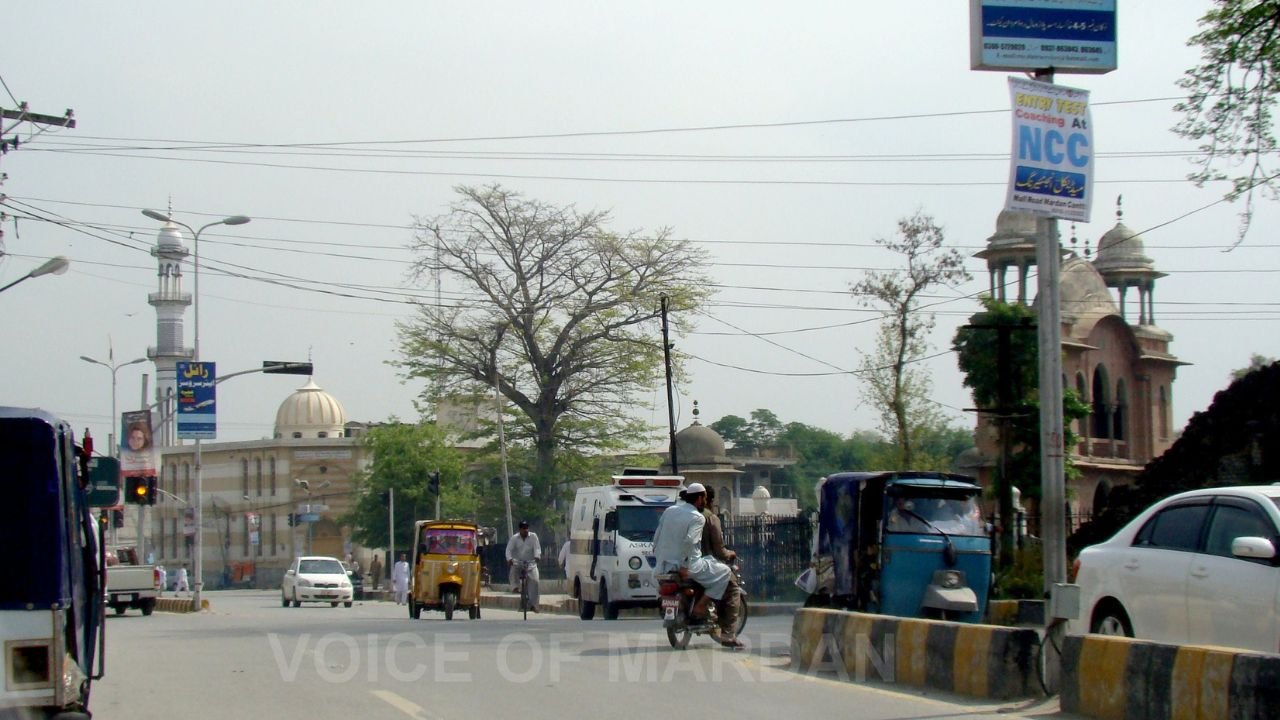
    In an attempt to incentivise the public for their cooperation, Mardan has been declared a model city in Khyber Pakhtunkhwa. Talking at a ceremony, Secretary Power Sector, Rashid Langrial, categorically stated that the ones who will pay the bill will get electricity. He further announced that 17 feeders of the city have become free of load shedding because it has managed to evade all kinds of electricity theft in a matter of time.  

    He goes on to elaborate that the thievery cannot be carried out without the involvement of the employees of power-sector, therefore, many of them have been arrested. He encouraged people to lodge a complaint about any such incident. 

    He warned other Government departments about clearing their remaining electricity dues which will otherwise be deducted  from their budget in the coming year.

  • Major maintenance work to cause severe gas supply disruption in Karachi from tomorrow

    Major maintenance work to cause severe gas supply disruption in Karachi from tomorrow

    In a concerning development, the residents of Karachi are set to endure an extensive period of gas load shedding from August 12 to 27, as a critical gas supply of 107 million cubic feet per day (mmcfd) faces disruption due to essential annual maintenance work at the Kunnar-Pasakhi Deep (KPD) gas field.

    The Sui Southern Gas Company Limited (SSGC) has released a notification detailing the maintenance schedule for the KPD gas field, which is slated to be carried out in three phases over the course of 16 days. This maintenance work will necessitate a complete shutdown for eight days, coupled with a partial shutdown lasting four days.

    According to ARY News, the upcoming complete shutdown of gas operations is expected to result in a significant reduction of 107 mmcfd, while the partial shutdown will further trim the gas supply by 50 mmcfd. This unfortunate reduction in gas availability will inevitably impact various sectors, including domestic households, commercial establishments, industrial operations, and even the crucial Kapco power plants that rely on natural gas to generate electricity.

    This unfortunate situation follows closely on the heels of a recent setback faced by the Sui Southern Gas Company (SSGC) when a supply line was damaged during excavation work for the Bus Rapid Transport (BRT) project within Karachi. The 8-inch-diameter gas supply line suffered damage in the vicinity of Safoora Chowrangi, leading to an abrupt suspension of gas supply to neighbouring areas.

    The affected localities encompass a wide range, including vital institutions like the Memon Foundation Hospital and the sprawling Karachi University, as well as residential communities such as Sadi Town, Rimjhim, Rizvia Society, and Down University. Moreover, industrial sites and research facilities like Suparco, Sachal Goth, and surrounding villages have also been grappling with the repercussions of this supply disruption.

    While the inconvenience caused by this unexpected gas supply interruption is deeply felt, the SSGC remains committed to ensuring the completion of essential maintenance work at the KPD gas field. Despite the challenges posed by these circumstances, the SSGC aims to minimise the impact on citizens’ lives and livelihoods to the greatest extent possible.

    As Karachi prepares itself for this period of gas load shedding, residents are urged to exercise prudence in their gas consumption, explore energy-efficient alternatives where feasible, and cooperate with the SSGC’s efforts to manage the situation effectively.

  • Load shedding and unbearable hike in electricity prices hit Pakistani homes and businesses

    Load shedding and unbearable hike in electricity prices hit Pakistani homes and businesses

    Pakistan is facing an ongoing and unbearable increase in electricity tariffs, causing hardships for the majority of the population. The government justifies these price hikes by claiming they are under pressure from the International Monetary Fund (IMF) to generate more revenue. However, the tariff increase is mainly due to fuel price adjustments and high taxes imposed by the government.

    Consumers, especially low- to middle-class households, are struggling to pay their electricity bills, which have more than doubled. The rise in fuel price adjustments and government taxes further exacerbates the burden on consumers. The government’s commitment to the IMF to implement a fifty per cent increase in the base tariff from July to October contributes to the escalating bills.

    Unfortunately, the increase in electricity prices is expected to continue, and there is no progress in essential power sector reforms to reduce system losses, corruption, power theft, and reliance on imported fuels. As a result, the National Electric Power Regulatory Authority (NEPRA) has raised the average tariff to ensure funds for loss-making power distribution companies, putting additional financial strain on consumers.

    The government claims that the tariff increase is necessary to meet the IMF’s requirements and support energy sector viability. However, the business community also suffers, fearing a loss of competitiveness and increased costs. Industries have cut down production due to high energy prices and inflation, affecting economic growth and job creation.

    Many argue that successive governments have failed to implement essential structural reforms, leading to Pakistan’s economic predicament. The solution proposed by economists involves fixing the energy sector’s deep-rooted issues, taxing sectors adequately, and implementing a credible privatization plan to reduce pressure on the budget.

    In conclusion, Pakistan’s never-ending increase in electricity tariffs has become a major burden for the population, and without significant reforms, the situation is unlikely to improve. The government’s need to meet IMF requirements clashes with the urgency of boosting industrial activity and economic growth, leaving the country in a challenging economic predicament.

  • Rural areas in Pakistan are facing up to 10 hours of load shedding due to massive power shortfall

    Rural areas in Pakistan are facing up to 10 hours of load shedding due to massive power shortfall

    Amidst a severe heatwave sweeping across the nation, the persistent electricity crisis shows no signs of relenting, with a power shortfall of 6,000 megawatts being recorded. The demand for electricity stands at 28,500 megawatts, while the actual production amounts to 22,500 megawatts.

    Reports indicate that cities are currently enduring load shedding periods lasting from three to five hours. In rural areas, outages are even more prolonged, stretching from eight to 10 hours, whereas urban regions experience load shedding for approximately two to four hours, according to officials from the power division.

    These officials further emphasise that the duration of load shedding is extended on feeders where there are reports of theft and outstanding recovery of line losses.

    As reported by the power division officials, the electricity production breakdown is as follows: 6,900 megawatts from hydroelectric sources, 10,800 megawatts from private power plants, 1,500 megawatts from thermal sources, and 2,300 megawatts from wind, solar, and nuclear plants.

  • SSGC, SNGPL customers face load shedding and low gas pressure

    SSGC, SNGPL customers face load shedding and low gas pressure

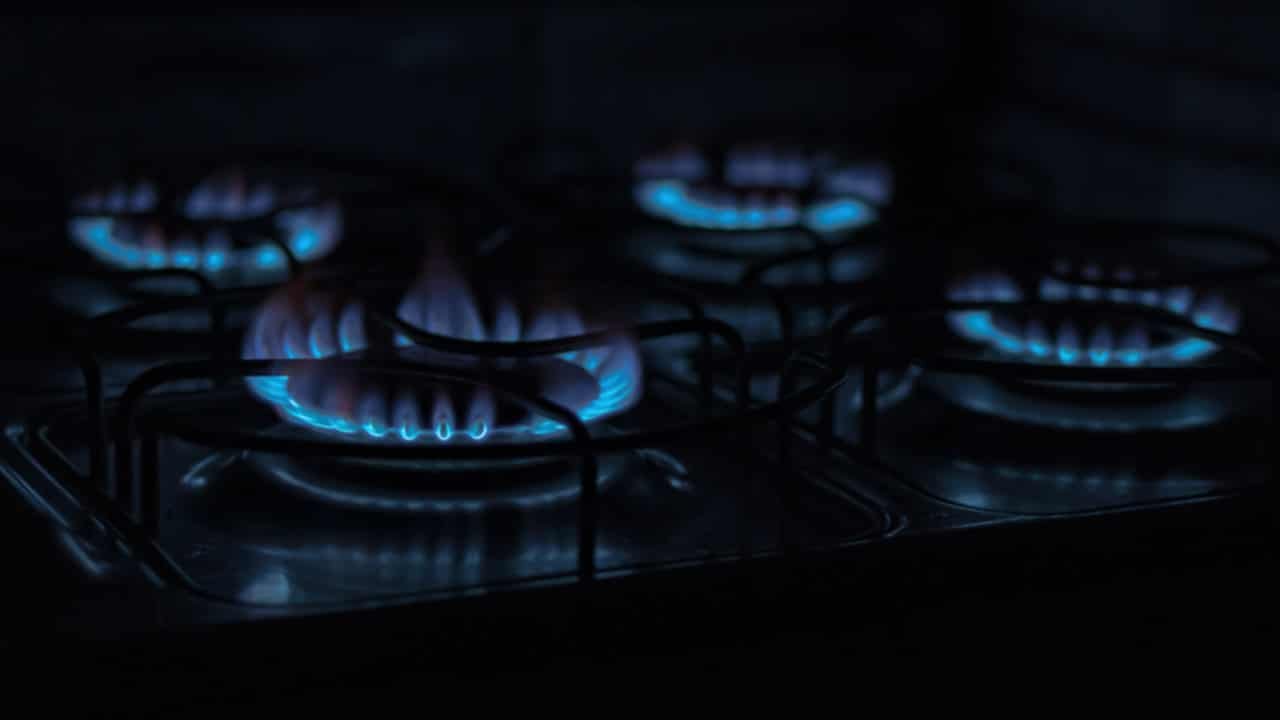
    Many households in Pakistan served by the Sui Southern Gas Company (SSGC) and Sui Northern Gas Pipelines (SNGPL) are experiencing low gas pressure or no gas supply in the month of May. SSGC customers are facing seven to eight hours of load shedding, from 10 pm to 5-6 am, while SNGPL residential consumers are encountering a similar situation.

    The SSGC is facing a gas shortfall of 265 mmcfd as its demand is 1,165 mmcfd, but its supply is only 900 mmcfd, including 90 mmcfd of RLNG. The Sui Northern system has also lost 85 mmcfd gas for 12 days due to annual maintenance.

    A spokesperson from SSGC stated that the gas load shedding is being done for seven to eight hours to maintain the gas line pack so that the gas supply can be provided for 16-17 hours. Balochistan is receiving only 109 mmcfd of gas. The Sui Northern system’s situation is also vulnerable due to the suspension of supply from the Nashpa plant for 12 days.

    An official from Sui Northern stated that the gas companies are only providing gas for cooking times as per their agreement with residential consumers and not for 24 hours. However, the gas companies used to supply gas for 24 hours, which was not agreed upon by the domestic consumers.

    According to The News, the Punjab power sector is receiving 605 mmcfd RLNG, while the fertiliser sector is receiving 88 mmcfd. The power sector’s RLNG consumption has reduced to 605 mmcfd due to low temperatures. The government is receiving 900 mmcfd gas, but it has a purchasing capacity of 1,200 mmcfd. Pakistan is receiving RLNG of nine cargoes on long-term agreements, eight from Qatar and one from ENI.

    Despite the decline in RLNG prices to $12-13 per barrel in the international market, Pakistan LNG Limited (PLL) is reportedly unable to purchase spot cargoes due to a dollar liquidity crisis.