Tag: Loan programme

  • PM Shehbaz says Pakistan needs another IMF programme

    PM Shehbaz says Pakistan needs another IMF programme

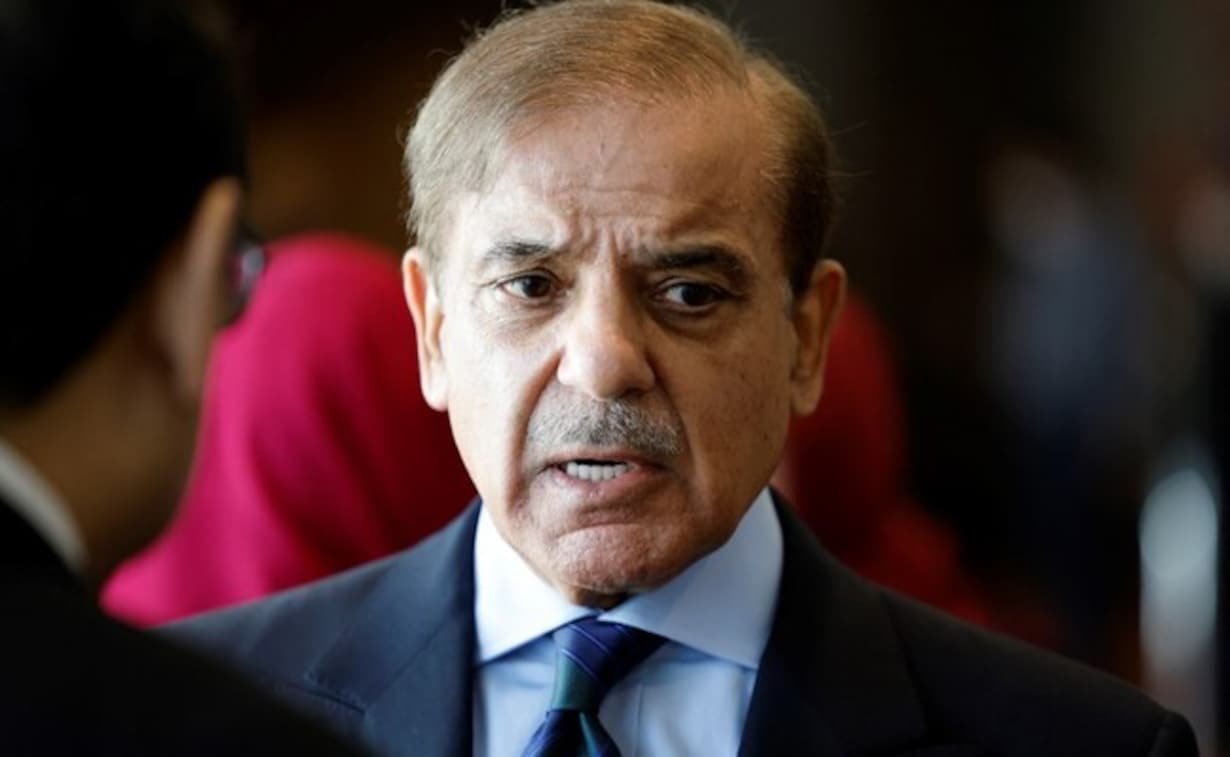
    Prime Minister Shehbaz Sharif has said that Pakistan needs another International Monetary Fund (IMF) programme for economic stability. Recognizing the programme’s ‘limitations’, however, he said that alongside the loan, his government will focus on the country’s growth, provide job opportunities and address inflation.

    “We have to do another IMF programme. It won’t work out without one. Rome was not built overnight,” the Prime Minister said addressing the Tax Excellence Awards in Islamabad today.

    The premier stressed the importance of collaboration between federal and provincial governments to facilitate the private sector of the country. He said it is the government’s responsibility to foster a conducive environment for business, and not its job to conduct business. The Prime Minister also stated that the FBR will be totally restructured through complete digitalization.

    He said that leading exporters and taxpayers are the heroes of Pakistan and said, “Those who are being given awards today will be given blue passports as honourary ambassadors of Pakistan.”

  • Gold price increases to Rs240,000 per tola amid political turmoil and IMF loan delay

    Gold price increases to Rs240,000 per tola amid political turmoil and IMF loan delay

    On Wednesday, the price of gold surged massively in Pakistan due to political turmoil following the arrest of the former prime minister and Pakistan Tehreek-e-Insaf (PTI) Chairman, Imran Khan.

    According to the All Pakistan Sarafa Gems and Jewellers Association (APSGJA), the price of gold (24 carats) rose by Rs9,900 per tola and Rs8,487 per 10 grams to reach Rs240,000 and Rs205,761, respectively.

    However, there was no increase in the international market price, which remained at $2,031 per ounce. The primary reason for the increase in gold’s price is the latest political storm that has caused violent protests across the country and led to the army’s deployment in three provinces.

    People in Pakistan are purchasing gold to protect themselves against inflation and currency depreciation, as the economy is already in dire straits. Furthermore, the delay in the revival of the International Monetary Fund (IMF) program, which negatively impacts the currency market, is bolstering the demand for gold.

    According to Brecorder, the rupee also fell to a fresh low of Rs290.22 against the US dollar in the interbank market on Wednesday, after losing Rs5.38 or 1.89 per cent. The APSGJA also reported that the price of silver reached a new high, rising by Rs100 per tola and Rs85.75 per 10 grams to settle at Rs3,100 and Rs2,657.7, respectively.

  • IMF asks for more effort from Pakistan, loan programme in jeopardy

    IMF asks for more effort from Pakistan, loan programme in jeopardy

    Despite assurances from friendly countries regarding external funds for Pakistan, the International Monetary Fund (IMF) remains unconvinced and is asking Islamabad to make additional efforts to unlock a loan programme.

    According to sources, Pakistan has been requested to present a repayment plan for a $3.7 billion loan to the IMF in June and to demonstrate stronger support from friendly nations to fulfill this obligation.

    However, the IMF has not yet accepted a proposal to exchange reserves worth between $11 to $12 billion, equivalent to two months’ revenues. The Ministry of Finance has stated that the government has imposed Rs170 billion in taxes through a mini-budget to secure a staff-level agreement with the IMF, which was initially scheduled for February 9th.

    It is noteworthy that the IMF has not included Pakistan in any agenda until May 17th. The budget-making process may also be affected if transactions with the IMF are not concluded, as funding will not be available from international financial institutions without a staff-level agreement.

    Last month, the staff-level agreement between Pakistan and the International Monetary Fund was postponed due to the lender’s new demand.

    Finance Secretary Hamid Yakoob’s meeting with the International Monetary Fund in the United States did not yield positive results as the lender requested the arrangement of $1 billion from commercial banks to unlock the loan program.

    The staff-level agreement, originally scheduled for February 9th, was delayed due to the IMF’s demands.

  • State Bank of Pakistan expected to raise key policy rate to record-high

    State Bank of Pakistan expected to raise key policy rate to record-high

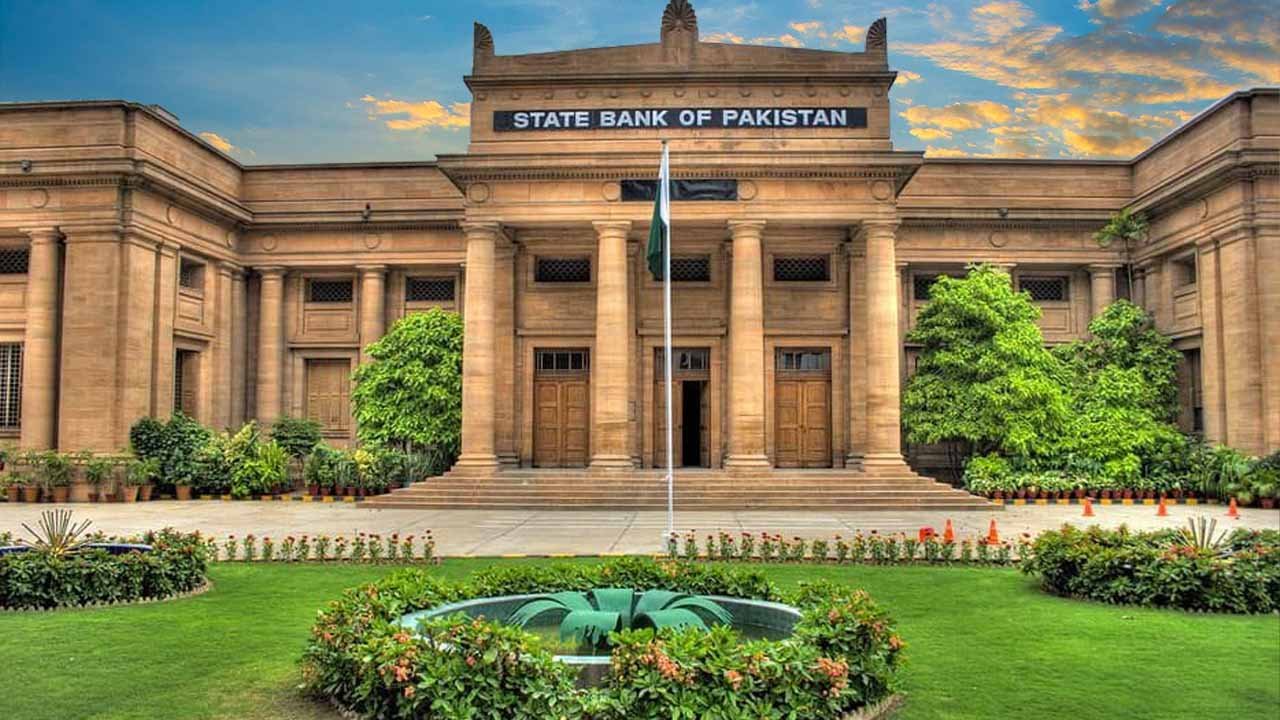
    The State Bank of Pakistan (SBP) is expected to raise its policy rate by a significant 100-200 basis points in light of the country’s economic situation and historically high inflation reading. Financial analysts anticipate the Monetary Policy Committee to increase its key policy rate to 21-22 per cent at the review today (April 4) to curb inflation. This decision is expected to discourage private-sector borrowing since an increase in currency in circulation can drive inflation up.

    In March, the central bank raised its key rate by a massive 300 basis points to a record-high level of 20 per cent, surpassing market expectations to meet the International Monetary Fund’s requirements for the release of its pending bailout funds. The country recorded historic high inflation at 35.4 per cent in March on an annualized basis, with core inflation, excluding energy and food prices, increasing to 18.6 per cent in urban areas and 23.1 per cent in rural areas.

    The market’s reaction to surging inflation is evident from the recent rise in bond market rates driven by investors’ bullish outlook. According to a survey conducted by Arif Habib Limited, 57.7 per cent of respondents expect the policy rate to increase. Of these respondents, 30.8 per cent are predicting a rate hike of 100bps and 26.9 per cent foreseeing a rate hike of 200 bps. Meanwhile, 42.3 per cent of respondents believe that the policy rate will remain unchanged at 20 per cent.

    The expected increase in the policy rate will make bank financing even more expensive, reduce demand for foreign financing for imports, and help address the fast decline in foreign exchange reserves, which have dropped to critically low levels at $4.2 billion. The cash-strapped country is undertaking key measures to secure IMF funding, including raising taxes, removing blanket subsidies, and artificial curbs on the exchange rate. While the government expects a deal with the IMF soon, media reports suggest that the agency expects the policy rate to be increased.

    Initially, the MPC meeting was scheduled for April 27, according to the six-month advance calendar issued by the central bank in December 2022. However, the SBP called an off-cycle review last month and brought forward the April meeting. The revival of the IMF loan program will help attract $3-4 billion from multilateral and bilateral creditors, including the IMF, and stabilize foreign exchange reserves over the short term.

  • Pakistan, IMF reach staff-level agreement to resume loan

    Pakistan, IMF reach staff-level agreement to resume loan

    The International Monetary Fund (IMF) extended the total loan size to $7 billion on Thursday and announced a staff-level agreement on the completion of two unfinished programme assessments, but cautioned Pakistan to be prepared to take any extra measures.

    “The IMF team has reached a staff-level agreement (SLA) with the Pakistan authorities for the conclusion of the combined seventh and eighth reviews of the EFF-supported program. The agreement is subject to approval by the IMF’s Executive Board. Subject to Board approval, about $1,177 million (SDR 894 million) will become available, bringing total disbursements under the program to about $4.2 billion,” IMF said in a statement.

    The statement added, “Additionally, in order to support program implementation and meet the higher financing needs in FY23, as well as catalyze additional financing, the IMF Board will consider an extension of the EFF until end-June 2023 and an augmentation of access by SDR 720 million that will bring the total access under the EFF to about $7 billion.”

    IMF team leader Nathan Porter noted in a statement “Pakistan is at a challenging economic juncture. A difficult external environment combined with procyclical domestic policies fueled domestic demand to unsustainable levels.”

    According to him, the ensuing economic overheating reduced reserve buffers, increased inflation, and resulted in significant fiscal and external deficits in FY22.

    The statement continued, “Policy priorities include the consistent implementation of the FY23 budget, which aims to reduce the government’s significant borrowing needs by targeting an underlying primary surplus of 0.4 per cent of GDP, underpinned by current spending restraint and extensive revenue mobilisation efforts targeted particularly at higher-income taxpayees.”

    According to Express Tribune, the international lender claimed that due to poor implementation of the previously agreed upon plan, the circular debt (CD) flow in the power sector is predicted to increase significantly to about Rs850 billion in FY22, exceeding programme targets, endangering the viability of the sector, and resulting in frequent power outages.

    To improve the situation in the electricity sector and reduce load shedding, the authorities are committed to resuming reforms, which crucially include the timely adjustment of the power tariff, including the delayed yearly rebasing and quarterly adjustments.

    According to the IMF, Pakistan’s headline inflation rate hit 20 per cent in June, impacting the most vulnerable people the most. The recent monetary policy boost was reasonable and necessary in this regard, and future monetary policy must be designed to ensure that inflation is slowly brought down to the medium-term goal of 5-7 per cent.

    “Importantly, to enhance monetary policy transmission, the rates of the two major refinancing schemes EFS and LTFF (which have over recent months been raised by 700 bps and 500 bps respectively) will continue to be linked to the policy rate. Greater exchange rate flexibility will help cushion activity and rebuild reserves to more prudent levels,” it added.

    The unconditional cash transfer (UCT) Kafalat scheme reached nearly 8 million households during FY22, with a permanent increase in the stipend to Rs14,000 per family, while a one-time cash transfer of Rs2,000 (Sasta Fuel Sasta Diesel, SFSD) was made to approximately 8.6 million families to lessen the effects of the inflationary crisis.

    The government has increased the BISP budget for FY23 from Rs250 billion to Rs364 billion in order to expand the SFSD programme to more non-BISP, lower-middle class beneficiaries and to accommodate 9 million extra families into the BISP safety net.

    The statement further stated that in order to maintain the effectiveness of the anti-corruption agencies (including the National Accountability Bureau) in investigating and prosecuting corruption cases, the authorities are putting in place a strong electronic asset declaration system.

    According to the SLA for the combined seventh and eighth reviews, consistent execution of the defined policies will support the development of growth that is more equitable and sustainable.

    “The authorities should nonetheless stand ready to take any additional measures necessary to meet program objectives, given the elevated uncertainty in the global economy and financial markets,” the statement concluded.