Tag: low

  • Euro drops to two-decade low against the US dollar

    Euro drops to two-decade low against the US dollar

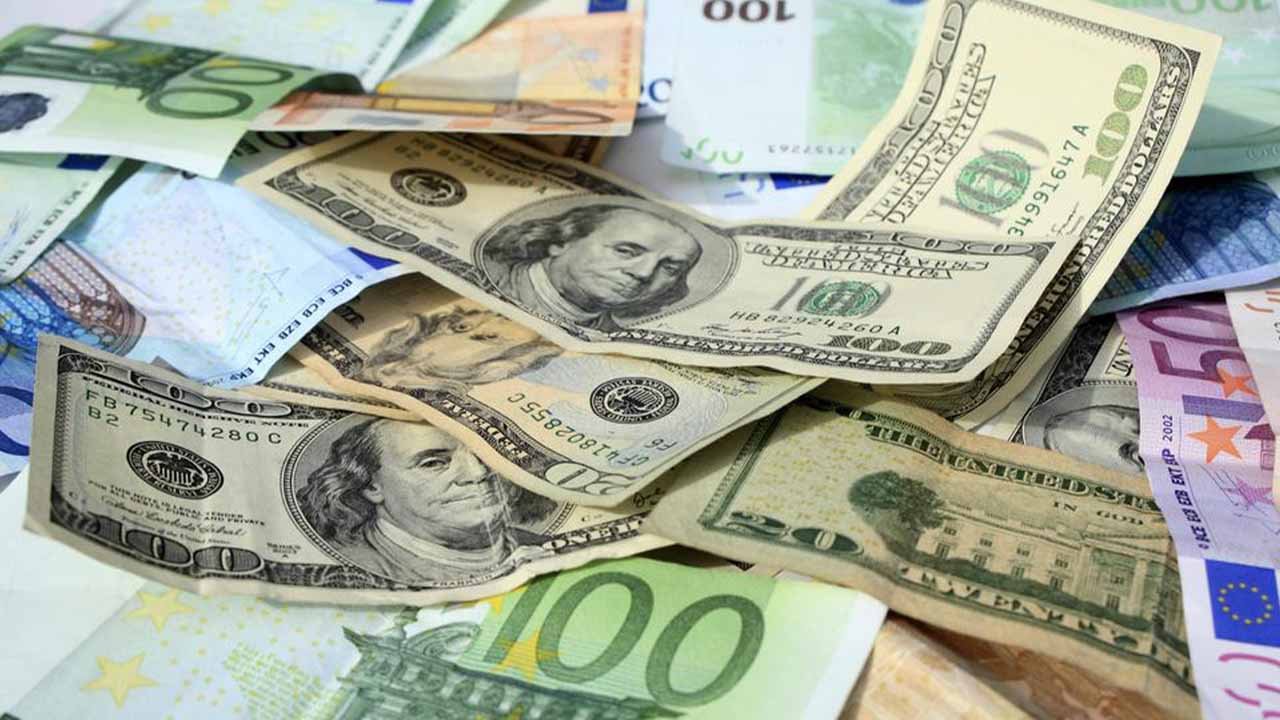
    As the Federal Reserve implemented yet another aggressive interest rate hike in reaction to out-of-control inflation on Wednesday, the US dollar soared to a level that is almost 20 years higher against the euro.

    Only a few months after the euro was become the sole legal money of the 12 member states of the European Union, the euro to dollar ratio reached 0.9814 for the first time since October 2002.

    Prior to the 1800 GMT Fed speech, Wall Street equities were in the green. However, after the statement, they plunged into the red.

    Interest rate projections for the end of 2023 and 2024 in the most recent Fed announcement were higher than anticipated, indicating that the US central bank now believes a longer monetary tightening cycle is necessary in light of inflation trends.

    According to a report from High-Frequency Economics, “Overall, the message from the (Fed) remains hawkish, with the Fed committing to further rates hikes to combat inflation and keep inflation expectations anchored.”

  • Pakistani rupee remains volatile as US dollar surpasses Rs211

    Pakistani rupee remains volatile as US dollar surpasses Rs211

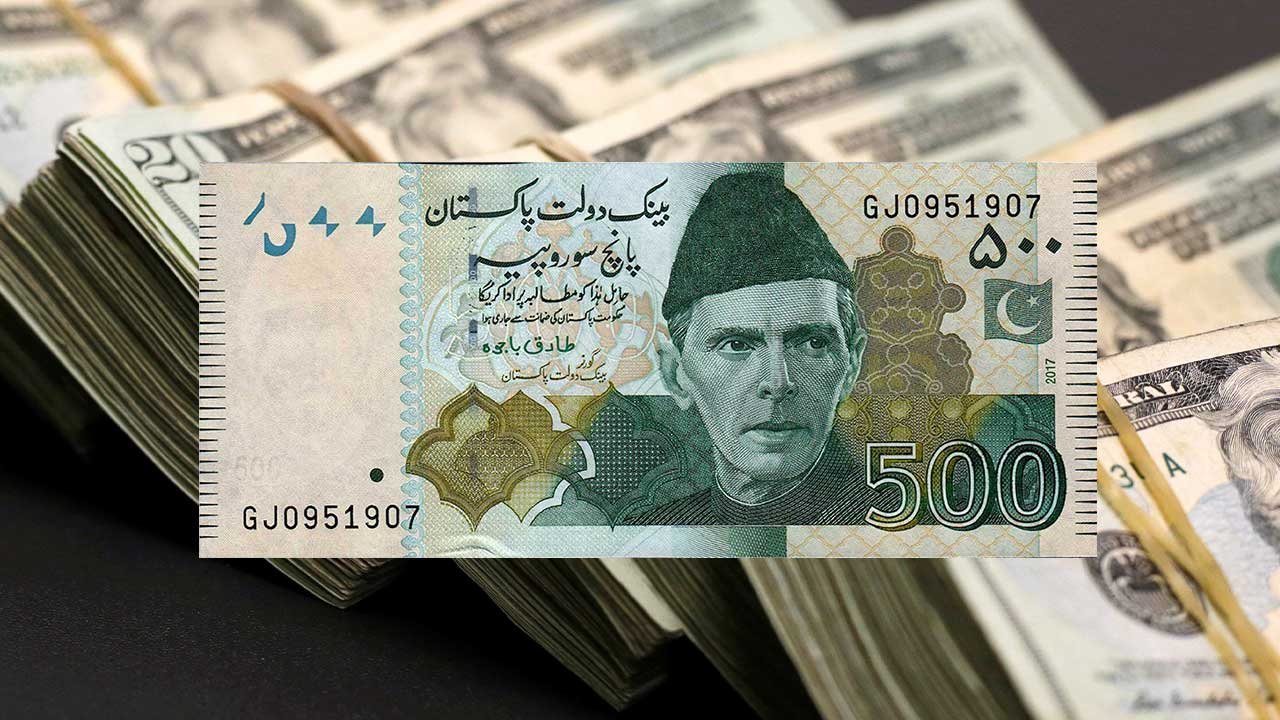
    On Monday, the Pakistani rupee dropped sharply to a record low of over Rs211 against the US dollar in the interbank market, indicating that the currency remains highly volatile.

    The rupee’s latest devaluation against the US dollar is the result of panic buying by traders in response to reports that some financial institutions were out of foreign currency.

    According to the State Bank of Pakistan (SBP), the US dollar was available at Rs211.21 at 11:03 AM and had closed at Rs208.75 on Friday.

    It is worth noting that the Pakistani rupee has fallen for the seventh working day in a row, losing nearly Rs6, or more than 3 per cent, to date.

    Experts predict that the Pakistan rupee will continue to fall against the US dollar and other major currencies owing to concerns regarding the IMF’s $6 billion program’s restoration, the country’s expanding current account deficit, and dwindling foreign exchange reserves.

    The PKR which lost 32.5 per cent of its value in the current financial year 2021-22 is forecasted to remain under stress as the dollar is in high demand in the market due to economic crises.

    SBP appears helpless to stem the rupee’s speculative fall, as demand for the US dollar continues to rise due to quarter-end payment strain.

    Monetary specialists attribute the depreciation of the local currency to a widening trade deficit, political instability, and a drop in foreign direct investment. The currency expert believes that the positive news from the Financial Action Task Force (FATF) will help attract foreign investment, increasing the availability of the dollar.

    Traders expect the rupee to settle in a range of 195-200 per dollar until the end of the current fiscal year 2021-22 if the IMF deal is finalised.

    According to data compiled by Ismail Iqbal Securities, Pakistan’s currency has depreciated by 14.57 per cent against the dollar this year, making it one of the worst performers in the world.

    The worst-performing currency was the Sri Lankan rupee, which fell 43.9 per cent, followed by the Laotian Kip, which fell 24 per cent, the Turkish Lira, which fell 23.18 per cent, and the Ghana Cedi, which fell 22.33 per cent, according to the data.
  • New report suggests chances of catching COVID-19 on a flight are low

    New report suggests chances of catching COVID-19 on a flight are low

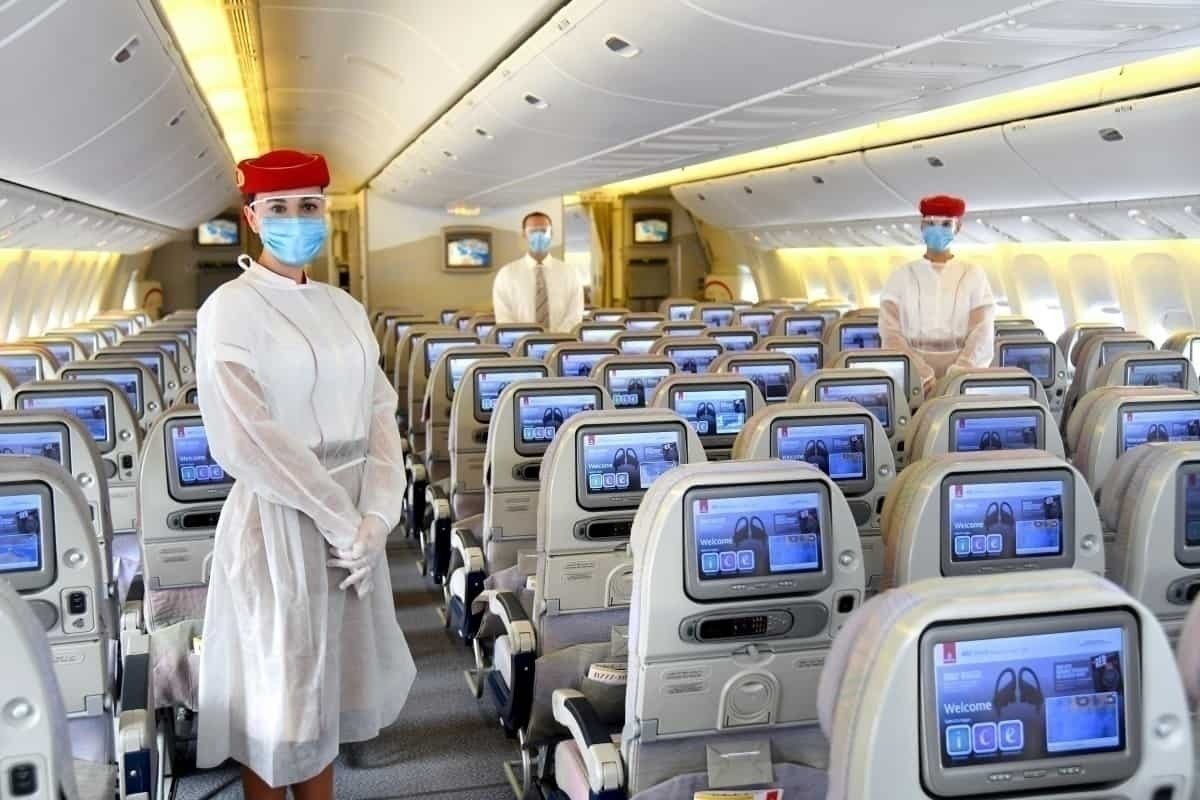
    A new report published in Bloomberg has said that the chances of catching coronavirus while flying are very low. Despite the known dangers of crowded, enclosed spaces, planes have not been identified as the spots of so-called superspreading events, at least so far.

    Arnold Barnett, a professor of management science at the Massachusetts Institute of Technology (MIT), has been trying to calculate the probabilities of catching COVID-19 from flying. 

    He’s factored in a bunch of variables, including the chances of being seated near someone in the infectious stage of the disease, and the odds that the protection of masks that is now mandatory in most flights.

    He accounted for the way air is constantly renewed in airplane cabins, which experts say makes it very unlikely for a passenger to contract the disease from people who aren’t in their immediate area — their row or the person across the aisle, the people sitting in front of them or the people behind.

    What Barnett came up with was that we have about a 1/4300 chance of getting a virus on a full 2-hour flight — that is, about 1 in 4300 passengers will pick up the virus, on average. The odds of getting the virus are about half that, 1/7700 if airlines leave the middle seat empty. Barnett has posted his results as a not-yet-peer-reviewed preprint.

    The odds of dying of a case contracted in flight, he found, are even lower — between 1 in 400,000 and 1 in 600,000 — depending on the age and other risk factors. To put that in perspective, those odds are comparable to the average risk of getting a fatal case in a typical two hours on the ground.

    University of Massachusetts biology professor Erin Bromage says he is flying every week, as he advises federal, state and district courts on how to reopen while minimizing risks. 

    Bromage says that the air exchange system in planes is better than in hospitals, with the air in the cabin being completely replaced 30 times every hour. He agrees with MIT’s Barnett, though, that it’s possible to transmit the disease to or from your close neighbours.

    He and Barnett both suggested that customers should, if possible, choose an airline that promises to keep the middle seat empty.