Tag: low sales

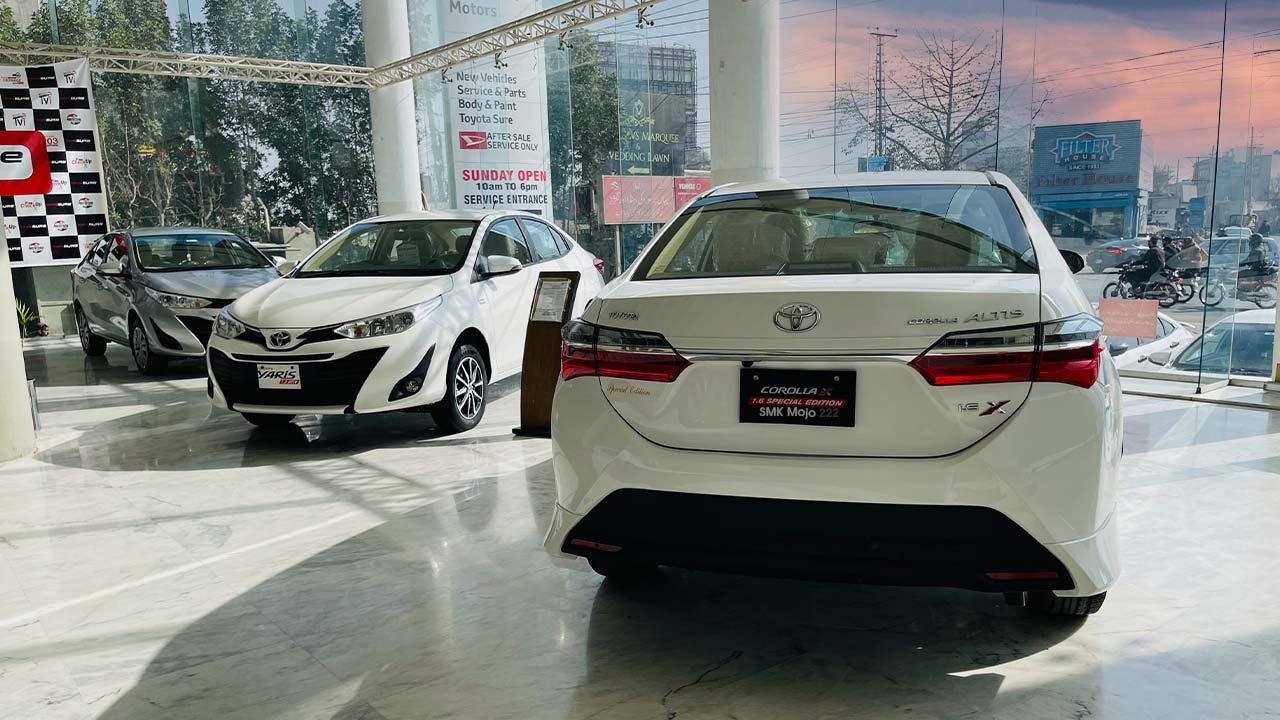
  • Crisis on wheels: Pakistan’s automotive industry grapples with mass layoffs and 70% sales drop

    Crisis on wheels: Pakistan’s automotive industry grapples with mass layoffs and 70% sales drop

    The automotive industry in Pakistan is facing a severe setback as thousands of workers were laid off due to a decline in vehicle and spare parts sales. The government’s ban on raw material imports, coupled with the depreciation of the rupee and soaring inflation, has caused a significant strain on the industry. With foreign exchange reserves dwindling and the local currency hitting historic lows against the US dollar, the economic crisis has reached unprecedented levels.

    Pakistan finds itself in the midst of its most formidable economic crisis to date, as the State Bank of Pakistan’s foreign exchange reserves have plummeted to a mere $4 billion. This amount is barely sufficient to cover three weeks of imports, raising concerns about the country’s economic stability. The ban on raw material imports, implemented to prevent the outflow of US dollars, has caused a sharp decline in industrial output and triggered widespread layoffs and unemployment.

    Dollar crunch and inflation

    In the midst of the worsening dollar crunch, commercial banks have also halted the opening of letters of credit (LCs), leaving importers in a state of uncertainty regarding the provision of the necessary funds for already placed orders. This further exacerbates the challenges faced by the automotive industry, hindering its ability to procure essential raw materials and sustain production.

    The country is grappling with soaring inflation rates, which surpassed 36 per cent in April, the highest recorded since 1964. As a result, consumer purchasing power has diminished significantly, leading to a sharp decline in vehicle sales. Munir Karim Bana, Chairman of the Pakistan Association of Automotive Parts and Accessories Manufacturers (PAAPAM), laments the dire situation, stating that thousands of workers have been laid off, and production has ground to a halt. The closure of auto manufacturing plants has further exacerbated the industry’s challenges.

    Auto parts manufacturers are grappling with demurrage charges as raw materials worth billions of rupees remain stuck at the Karachi port. PAAPAM, responsible for supplying approximately 90 per cent of local vehicle parts, is bearing the burden of these charges. Furthermore, with production units closed, income streams have dried up, exacerbating the financial strain on the industry.

    Rana Ihsan Afzal, the coordinator to Prime Minister Shehbaz Sharif on commerce and industry, acknowledges that the automotive industry’s full efficiency may not be restored until the revival of the IMF bailout program. As a sector heavily reliant on imports and foreign currency, the automotive industry is particularly vulnerable to the country’s economic challenges. The delay in the staff-level agreement on the ninth review of the IMF bailout deal signed in 2019 has further hampered the industry’s prospects.

    Revival prospects and government assurance

    Amid the decline in sales and mass layoffs, the coordinator to the Prime Minister expressed his concern but assured that the government is tirelessly working to revive the economy. The coordinator acknowledges the temporary phase that necessitates import restrictions on the automotive industry to protect foreign exchange reserves. However, he remains optimistic that once reserves are replenished, the industry will experience a significant upturn.

    Pakistan’s automotive industry is facing a dire crisis, with plummeting sales, layoffs, and manufacturing plant closures. The ban on raw material imports, along with the economic challenges of soaring inflation and dwindling foreign exchange reserves, has pushed the industry to the brink. Despite the difficulties, the government is committed to revitalizing the sector and assuaging the concerns of manufacturers.

  • Toyota Indus Motor Company sees 142% increase in quarterly profit despite low demand

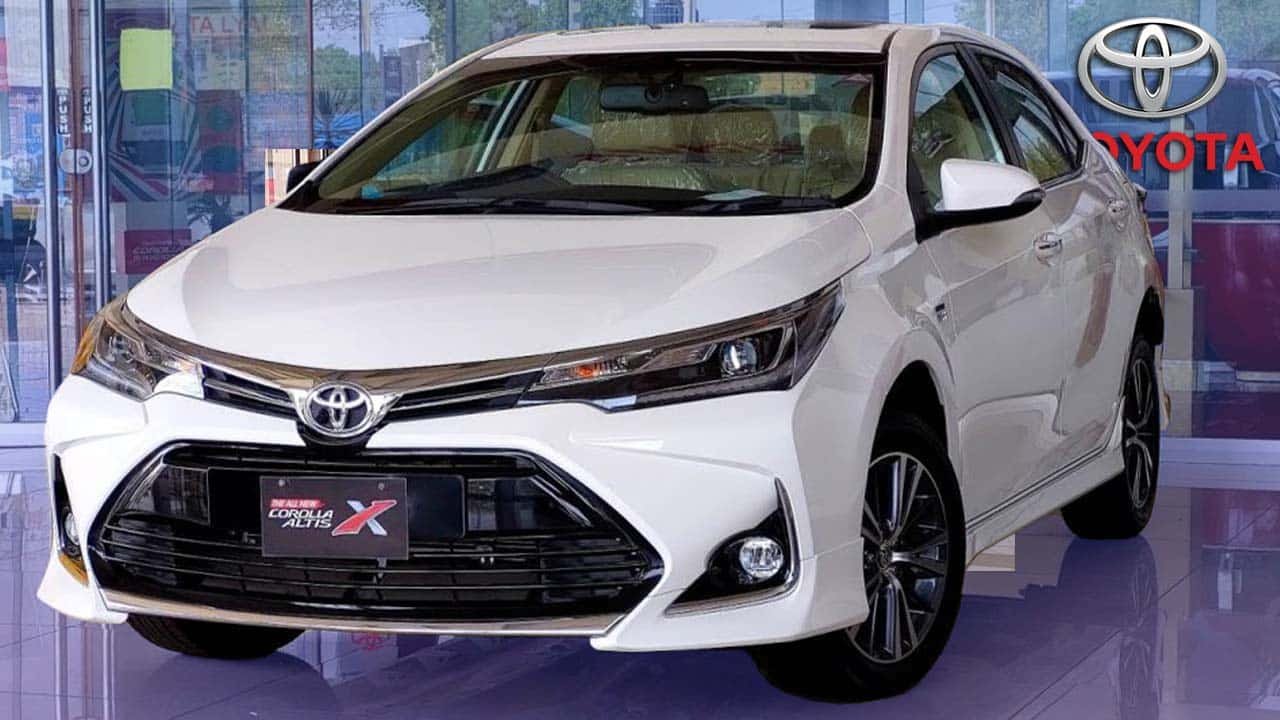
    Toyota Indus Motor Company sees 142% increase in quarterly profit despite low demand

    Indus Motor Company (IMC) announced a 37 per cent decrease in its profit-after-tax (PAT) for the third quarter of financial year 2022-23, with earnings of Rs3.216 billion compared to Rs5.118 billion in the same period last year.

    Despite this, the automaker saw an increase in its quarterly PAT by 142 per cent, which was attributed to an improvement in gross margins, resulting in an operating profit after two consecutive quarterly operating losses. The company also declared an interim cash dividend of Rs24.4 per share, in addition to the previously paid interim cash dividend of Rs18.4 per share.

    Muhammad Abrar, an investment analyst at Arif Habib Limited, explained that IMC was able to offset the impact of currency devaluation by raising the prices of its cars significantly. The automaker’s operating expenses were also curtailed. While revenue decreased by 29 per cent due to lower units sold, IMC’s gross profit was Rs3.05 billion during 3QFY23, compared to Rs5.23 billion in the same period last year.

    Pakistan’s auto sector has been struggling due to the government’s decision to curb imports and restrict issuance of Letters of Credit (LC), higher finance cost, and massive increases in car prices. Despite this, IMC’s gross margins improved to 6.3 per cent on a QoQ basis, which was unexpected, according to Abrar.

    According to Brecorder, the company’s earnings per share (EPS) stood at Rs40.92, compared to Rs65.11. IMC’s board of directors met to review the company’s financial and operational performance in the first nine months ended March 31, 2023. While higher profits are expected in the upcoming quarter due to the increase in car prices and the reduction of operating expenses, the country’s auto industry reported a 66 per cent decrease in car sales compared to March 2022.

    Last week, Pak Suzuki Motor Company Limited also reported its highest-ever quarterly loss of Rs12.9 billion in the first three months of 2023 due to decreased sales and high finance costs.

  • Suzuki announces free registration for Wagon R amid sales slump, production issues

    Suzuki announces free registration for Wagon R amid sales slump, production issues

    Suzuki Wagon R buyers can now benefit from a free registration offer on the purchase of an automatic gear shift (AGS) variant thanks to a limited-time offer from Pak Suzuki Motor Company (PSMC).

    According to sources, the automaker is expected to deliver the vehicle 45 to 90 days from the time of booking.

    The company made the announcement on its official Facebook account, stating:

    Don’t wait to avail this amazing offer. Offer is valid across all Suzuki Authorized Dealerships for a limited time only. Terms and conditions applied.

    The Suzuki Wagon R’s base price will drop as a result of this, as stated by the Islamabad Excise and Taxation Department, which states that the registration cost for all vehicles with an engine capacity of under 1000cc is equal to 1 per cent of the car’s original price.

    Meanwhile, Suzuki has not yet made a formal announcement or acknowledged any rumours that the company may be considering retiring the Wagon R owing to weak sales, significant price increases, and production problems.

    Prior to the Suzuki Alto, the 1000cc Wagon R was one of the most popular vehicles on the local auto market.