Tag: Malala Vogue

  • ‘I believe that I can enjoy friendship, love and equality in marriage’: Malala

    ‘I believe that I can enjoy friendship, love and equality in marriage’: Malala

    In a personal essay written for British Vogue Nobel Peace Prize Winner Malala Yousafzai talks about her marriage with Asser Malik, her comments about partnership vs. marriage and how she met the guy she married this week.

    “In the summer of 2018, Asser was visiting friends at Oxford and we crossed paths. He worked in cricket, so I immediately had a lot to discuss with him. He liked my sense of humour. We became best friends. We found we had common values and enjoyed each other’s company. We stood by each other in moments of happiness and disappointment. Through our individual ups and downs, we talked and listened to each other. And when words failed, I sent him a link to our horoscope compatibility, hoping the stars could help reinforce our connection,” Malala writes in the article.

    RELATED: Sign up for The Current’s daily newsletter to get your daily horoscope

    Addressing the controversy in an interview where Malala talks about a partnership instead of marriage, Malala says, “Knowing the dark reality many of my sisters face, I found it hard to think of the concept of marriage. I said what I had so often said before – that maybe it was possible that marriage was not for me.”
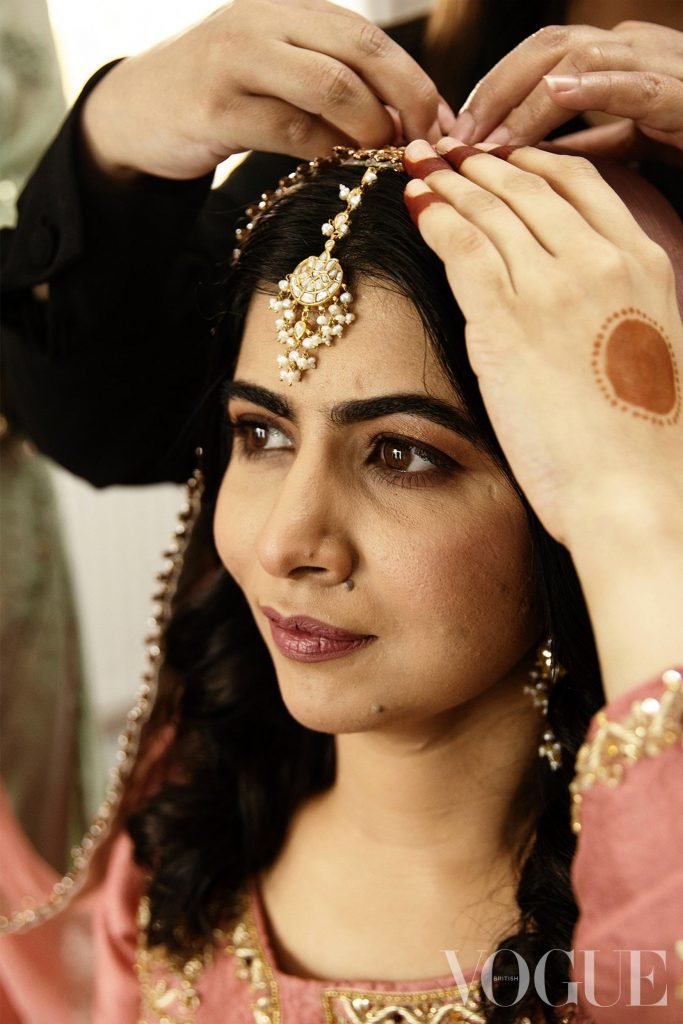
    Malala Yousafzai at her Nikkah. Image Courtesy: British Vogue

    Finding friendship and love in Asser, Malala, who says she did not expect to be married before she was 35-years-old, changed her mind. “With education, awareness and empowerment, we can start to redefine the concept of marriage and the structure of relationships, along with many other social norms and practices. Culture is made by people – and people can change it too. My conversations with my friends, mentors and my now partner Asser helped me consider how I could have a relationship – a marriage – and remain true to my values of equality, fairness and integrity.”

    Discussing how the Nikkah took place, Malala says it was a wholly family affair. “It was a small affair and group effort. My mother and her friend got my wedding clothes from Lahore, Pakistan. Asser’s mother and sister gave me the jewellery I wore. My father booked the food and decorations. My assistants organised photographers and a make-up artist. My three best girlfriends from school and Oxford took off work and travelled to be there. I put henna on my hands myself, after discovering I was the only one of my family and friends who had the talent! Asser spent several hours in the mall with me the day before the ceremony, buying his pink tie and pocket square and my sandals. My little brothers even wore suits.”
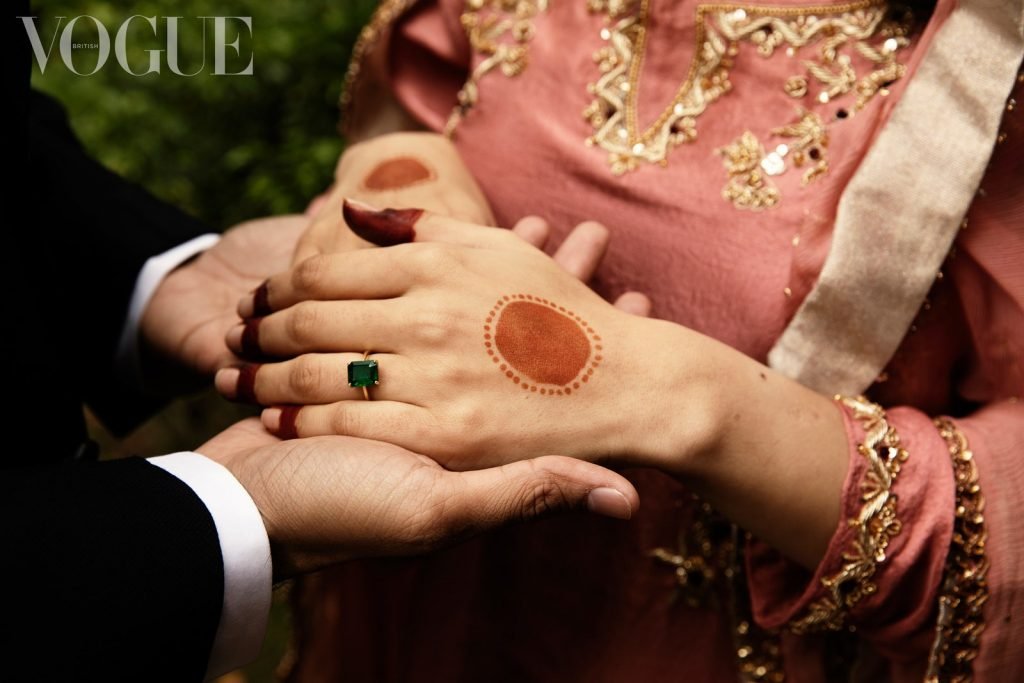
    Malala did her own mehndi for the event

    And how does she feel about her future? Malala writes that, “In Asser, I found a best friend and companion. I still don’t have all the answers for the challenges facing women – but I believe that I can enjoy friendship, love and equality in marriage. “
  • ‘Why do people have to get married,’ Malala on love, life and the future

    ‘Why do people have to get married,’ Malala on love, life and the future

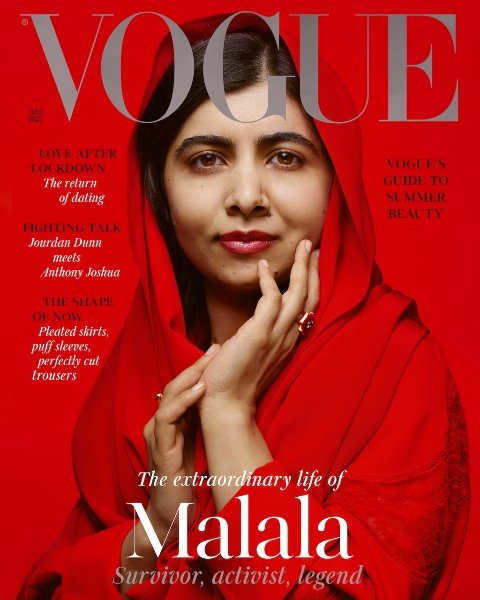
    Pakistan’s shining star, Malala Yousafzai sets British Vogue on fire with her latest interview for the magazine’s July cover.

    The interview covers her life after her graduation from Oxford University, her big plans for her future, love and marriage.

    Love and marriage

    When asked about love and relationships at first, Malala seems “embarrassed” and horrified to answer questions about love, so much so that the author writes that it is like she is “torturing a kitten”. Near the end of the interview Malala brings up the subject again and asks questions that would concern an intelligent 23-year-old.

    She questions the reasoning behind marriage and relationships, saying that it is difficult to be certain that the person you choose is worth the trust. “Especially [in terms of] thinking about relationships. You know, on social media, everyone’s sharing their relationship stories, and you get worried…If you can trust someone or not, [and] how can you be sure.”

    She talks about her parent’s arranged marriage and asks, “I still don’t understand why people have to get married. If you want to have a person in your life, why do you have to sign marriage papers, why can’t it just be a partnership?”

    She laughs and mentions that her mother keeps telling her about the beauty of marriage and how her father gets emails from suitors who talk about how they have land and money and want to marry Malala.

    University days and future plans

    When applying to Oxford University, Malala says that she wanted to be seen as ‘any other student’. When she started university in 2017, her college principal offered to write an email to other students who would interact with her, informing them ‘to respect Malala’s privacy”. She says that she didn’t want them to see her as someone they saw on television and wanted to be in the company of people her own age. At college, she went out and ‘every moment’, hung out with friends, stayed up late and shopped. Everyone came to hang out at Malala’s place because she would have snacks and be incredibly hospitable, a nod to her Pashtun culture.

    Malala is currently working with Apple + , according to the article, and although details haven’t been revealed, she says that she will create content that will make people laugh and enjoy themselves. “I want these shows to be entertaining and the sort of thing I would watch,” she tells British Vogue.

    The interview also includes short statements from Michelle Obama, Apple’s CEO Tim Cook and Malala’s best friend.

    The pictures

    Sharing some portraits of herself from the British Vogue Cover, Malala wrote, “Thrilled and humbled to be on the cover of British Vogue. I know the power that a young girl carries in her heart when she has a vision and a mission – and I hope that every girl who sees this cover will know that she can change the world.”

    Answering a question about her headscarf Malala said that it is more than her faith adding, “It’s a cultural symbol for us Pashtuns, so it represents where I come from. And Muslim girls or Pashtun girls or Pakistani girls, when we follow our traditional dress, we’re considered to be oppressed, or voiceless, or living under patriarchy.”

    She continued, “I want to tell everyone that you can have your own voice within your culture, and you can have equality in your culture.”

    Malala’s interview to British Vogue is titled, “I Know The Power A Young Girl Carries In Her Heart”: The Extraordinary Life Of Malala” and is part of the magazine’s July issue.