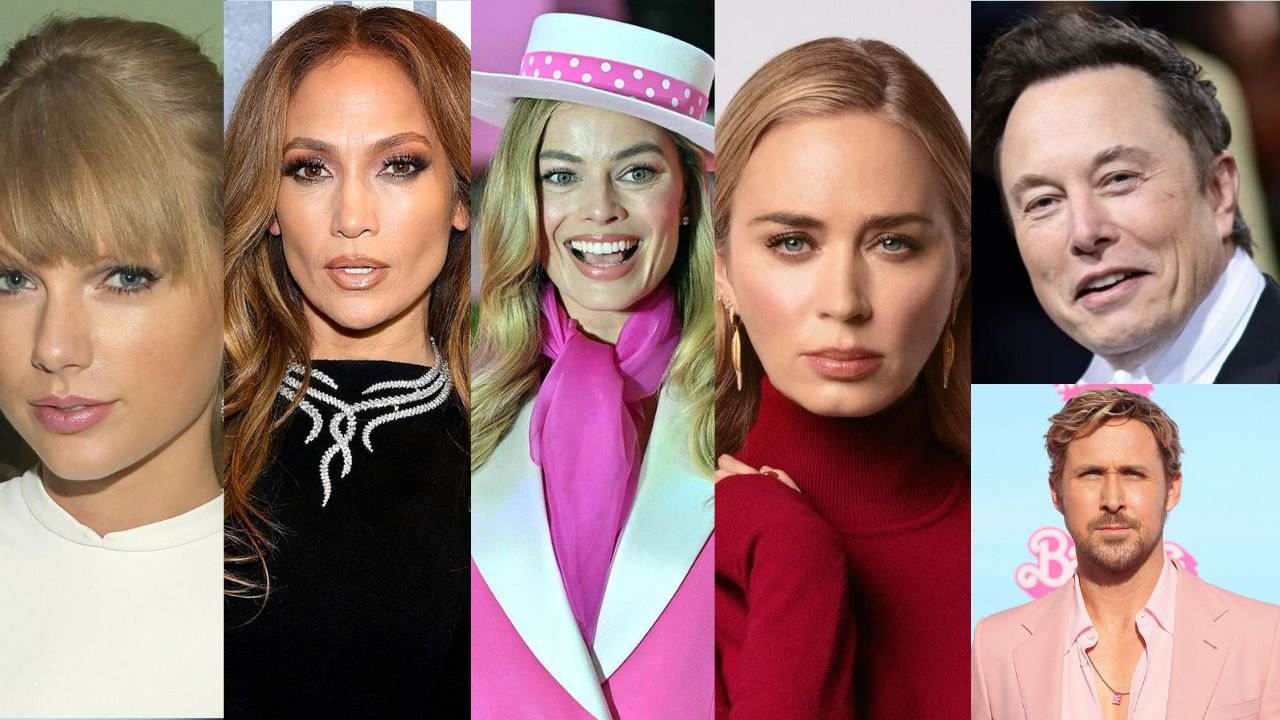
A study by McAfee reveals a list of 10 celebrities which are used by hackers as bait while searching for them online may lead to malware and risky websites. The list includes celebrities spotted in deepfake and other AI driven content as well.
‘Barbenheimer’ fever is not over yet as the two movies were not just huge hits at the box office but for cybercriminals as well. Internet searches of the two films have got consumers in a rash of ticket scams, download scams and other attacks that were capitalising on these summer hits.
Who made it to the list?
In that context, our very own Ken, Ryan Gosling, is the hacker’s favourite celebrity, making it to number one. His co-star Margot Robbie and the titular character of the film Barbie makes it to number eight on the list.
Emily Blunt, the leading lady of Oppenheimer, is at number two.
Pop culture icon, actor, singer and producer Jennifer Lopez, known as JLO, is the third most malware attracting celebrity.
Zendaya, famous for her portrayal of nerdy MJ in Spiderman, makes it to the fourth spot.
Notoriously popular Elon Musk, owner of X (former Twitter) is unsurprisingly standing on number six.
Among others are academy award winning actor Kevin Costner on number five, American weather presenter Al Roker on number seven, singer Bad Bunny on number nine and Barbie’s guide Gloria, played by America Ferrera, makes it to the tenth position.
Football superstar Lionel Messi is also on the list, standing at number 18. Taylor Swift, singer with a huge fan following, made it to number 25.
The plethora of crimes that can be committed and how?
The hackers commit crimes with these searches as they pair celebrity names with terms like audiobook, lyrics, deepfake, free ringtone, free movie, free download, MP4, among others—which generate results that lead to shady sites. They carry out fraudulent activities with that because they understand people’s liking for the free celebrity content.
The study finds out that between 25 to 135 deepfake URLs were celebrity searches. These could be malicious, recreational or cases of false advertising.
A word of caution:
Using trusted websites, sticking to legitimate streaming and downloading services and using antivirus softwares may help keep your devices protected and enable safe internet search. Searching about your favourite celebrities is not wrong because their names are used by hackers to attract more traffic. This just needs to be done with a sharp eye.