Tag: manufacturing facility

  • Saudi Arabia enters talks with Tesla for potential manufacturing facility in kingdom

    Saudi Arabia enters talks with Tesla for potential manufacturing facility in kingdom

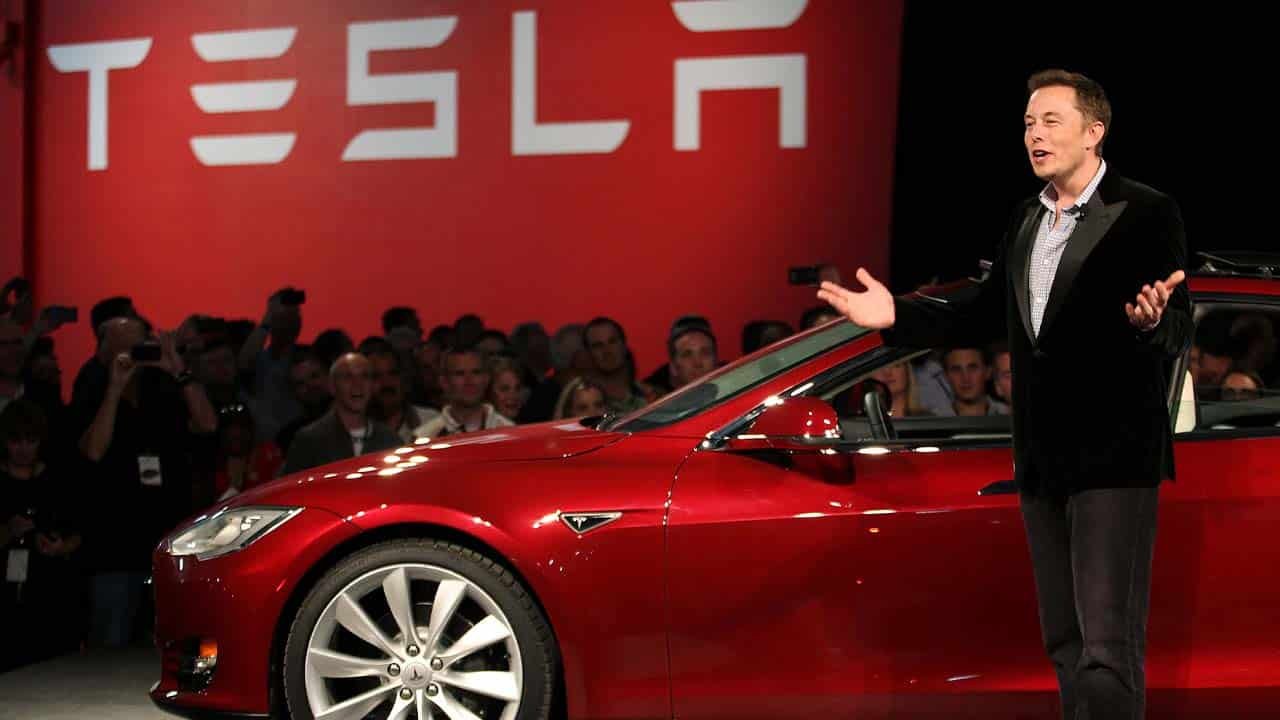
    Saudi Arabia is engaged in preliminary discussions with the American electric vehicle manufacturer, Tesla, regarding the establishment of a manufacturing facility within the kingdom, as reported by The Wall Street Journal

    This development coincides with Turkish President Recep Tayyip Erdogan’s request to Tesla CEO Elon Musk to consider the construction of a vehicle production plant in Turkey. Furthermore, Elon Musk is scheduled to meet with Israeli Prime Minister Benjamin Netanyahu in California today.

    To incentivize Tesla, Saudi Arabia has been offering the company access to essential metals and minerals required for electric vehicle production, procured from various nations, including the Democratic Republic of the Congo. 

    This effort aligns with Saudi Arabia’s broader strategy to diversify its economy away from its dependence on oil. Notably, the kingdom’s sovereign wealth fund holds a majority stake in Lucid Group, an electric vehicle startup aiming to challenge Tesla’s market dominance.

    One proposal being explored by Saudi Arabia involves extending financial support to Trafigura, a prominent commodities trading company, for a struggling cobalt and copper project in the Congo. 

    This project could potentially serve as a source of crucial supplies for a prospective Tesla factory. Both Tesla and Trafigura have not yet provided responses to Reuters’ inquiries, while Saudi Arabia’s sovereign fund, the Public Investment Fund, has declined to comment.

    Elon Musk previously mentioned in May that Tesla was likely to select a location for a new factory by the end of the year. Presently, Tesla operates six factories worldwide and is in the process of constructing a seventh in Mexico as part of its ambitious global expansion strategy. 

    The company’s goal is to achieve annual vehicle sales of 20 million units by 2030, a significant increase from the approximately 1.3 million vehicles sold in 2022.
  • Pak Suzuki announces second plant closure in less than 10 days due to parts shortage

    Pak Suzuki announces second plant closure in less than 10 days due to parts shortage

    Due to a persistent lack of imported components and accessories, Pak Suzuki Motor Company Ltd (PSMCL) has prolonged the factory shutdown from January 9 to 13 after keeping manufacturing operations paused from January 2 to 6.

    However, the business stated in a stock filing on Friday that the motorbike facility will continue to be in operation.

    The State Bank of Pakistan’s restrictions on obtaining prior approval for imports, including completely knocked-down (CKD) kits, have prevented PSMCL from opening its production facilities for 30 days since August 2022. This has negatively impacted the clearance of shipments from the port and resulted in shortages of parts and accessories.

    On the fate of employees because of persistent plant closure and plummeting sales of vehicles, a PSMCL official claimed that “so far no company’s employees have been terminated.”

    In 5MFY23, Pak Suzuki’s sales decreased by 35 per cent to 37,042 units from 57,200 in the same time the previous fiscal year.

    On Friday, the Lahore Chamber of Commerce and Industry (LCCI) and the Pakistan Association of Automotive Parts and Accessories Manufacturers (PAAPAM) both voiced their concerns regarding Millat Tractors’ decision to cease operations for an indefinite period of time due to declining sales and delayed sales tax refunds.

    In a joint statement, PAAPAM Senior Vice Chairman Usman Aslam Malik and LCCI President Kashif Anwar observed that “we should save Pakistan first, then politics, before we reach the point of no return.”

    Both leaders urged the administration and the opposition parties to get together and talk about how to resolve the nation’s crisis.

    They pointed out localization as the long-term answer to economic issues. The removal of imports must be given first priority, followed by the removal of export.