Tag: manufacturing plants

  • Quality concerns prompt Toyota’s production line suspension

    Quality concerns prompt Toyota’s production line suspension

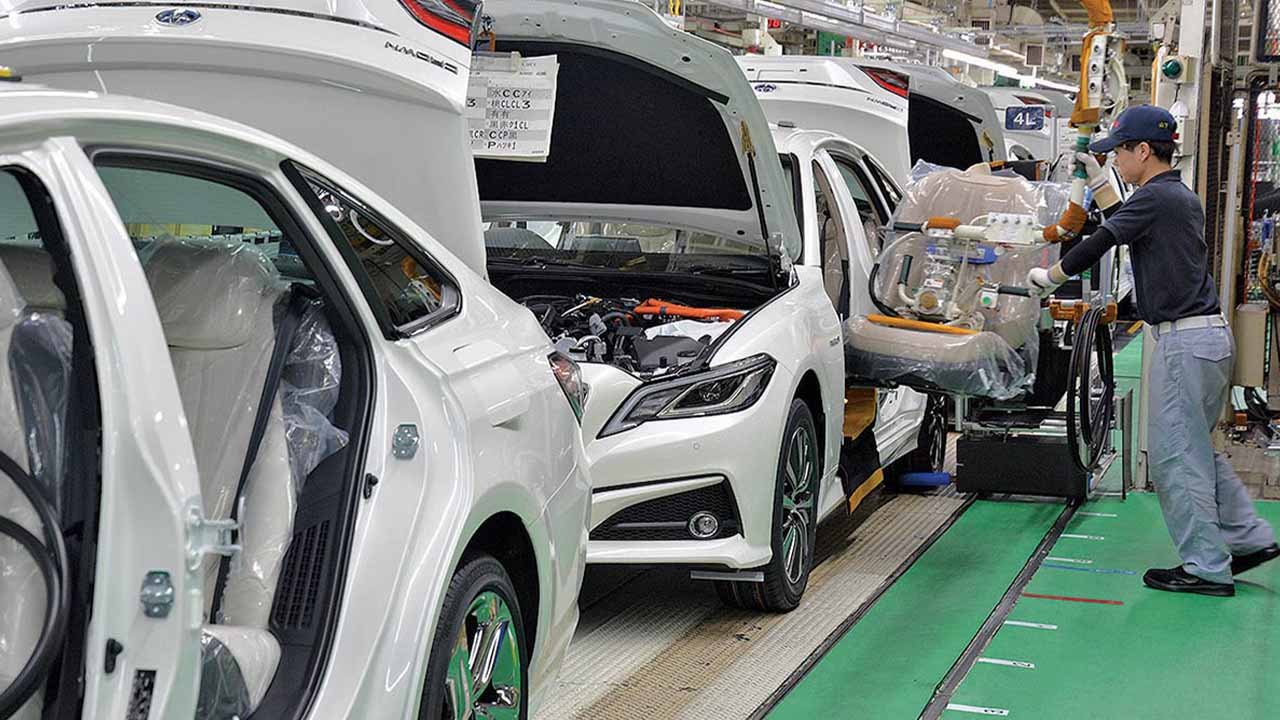
    In response to the discovery of irregularities in certification tests for diesel engines developed by affiliate Toyota Industries, Toyota Motors has announced the extension of the shutdown of two prominent production lines at manufacturing plants operated by Toyota group companies in Japan.

    The production lines, which were initially suspended on January 29, will now remain halted until March 1. Toyota Motors is set to make a crucial decision on March 1 regarding whether to reopen the production lines from Monday, March 4.

    The affected lines include one at Toyota Auto Body’s Inabe plant in Mie prefecture, known for producing the Alphard and Vellfire minivans.

    Additionally, one line at Gifu Auto Body’s main plant in Gifu prefecture, responsible for manufacturing the HiAce van, will also continue to be suspended.

    The decision to extend the shutdown comes as Toyota Motors is addressing the irregularities in certification tests, underlining its commitment to maintaining the highest standards of quality and compliance.

    The company aims to thoroughly investigate and rectify the issues before considering the resumption of production.

    This development has significant implications for the automotive industry, as Toyota Motors is a major player in the global market.

    Stakeholders and industry observers await the decision on March 1, as it will shed light on the company’s strategy to address the challenges posed by the certification test irregularities.

  • Robot mistakes man for box, crushes him to death

    Robot mistakes man for box, crushes him to death

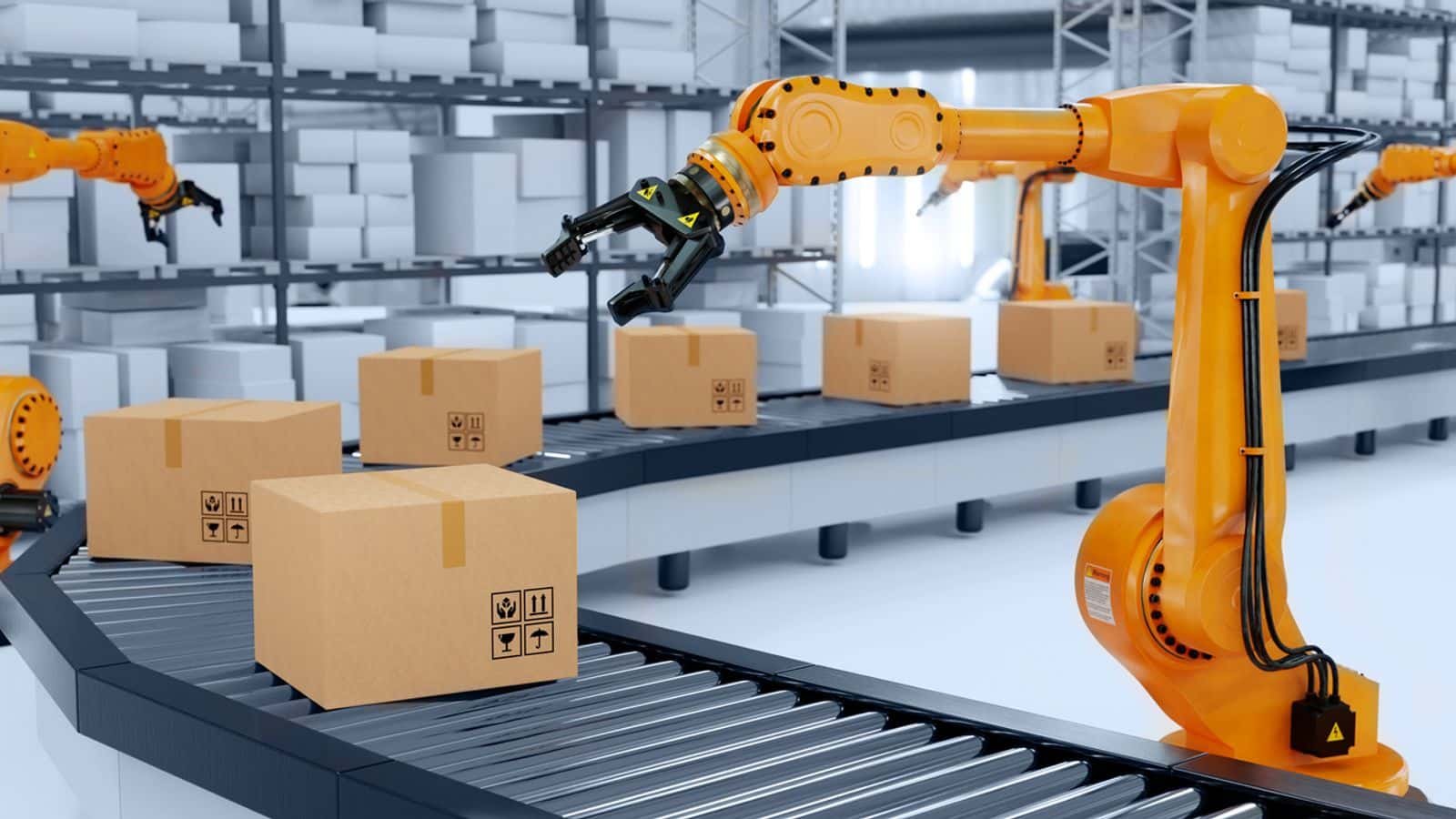
    A South Korean man was misidentified as a box by a robot that crushed him to death, local media has reported.

    The incident took place when the worker, reportedly in his 40s, was inspecting the robot’s sensor at a warehouse for agricultural products.

    Yonhap news agency reports that the robot was lifting boxes of bell peppers when it mistook the man for a receptacle.

    According to police sources, the “Mechanical arm pushed the man’s upper body onto a conveyor belt and crushed his face and chest”.

    The man later died in hospital.

    In an official statement released by the Donggoseong Export Agricultural Complex, the plant owner, called for a “precise and safe” system to be established.

    Sky News reports that in March, another South Korean man in his 50s, endured serious injuries after getting trapped by a robot while working at a vehicle parts manufacturing plant.

  • Huawei aims to boost Pakistan’s IT ecosystem: CEO and PM Kakar hold key talks

    Huawei aims to boost Pakistan’s IT ecosystem: CEO and PM Kakar hold key talks

    A delegation from Huawei Pakistan, under the leadership of its Chief Executive Officer (CEO), Ethan Sun, held a formal meeting with caretaker Prime Minister (PM) Anwaar ul Haq Kakar, wherein they engaged in discussions concerning potential investment opportunities in Pakistan. 

    During this high-level encounter, CEO Sun articulated the company’s keen interest in making investments in Pakistan’s Information Technology (IT) sector, a proposition that garnered appreciative acknowledgment from the PM. 

    Furthermore, the Huawei delegation provided comprehensive insights into their ongoing initiatives aimed at cultivating and elevating the IT ecosystem within Pakistan. 

    Of notable mention is Huawei’s establishment of approximately 100 IT centers within various universities across Pakistan, as officially documented.

    The PM, recognising the significance of Huawei’s endeavors, lauded the company’s commitment to advancing the field of IT in Pakistan.

    He expressed optimism regarding potential collaborations between Huawei and the government for the purpose of equipping the youth and women, particularly those residing in remote regions, with valuable skills in the domain of IT.

    According to Brecorder, PM Kakar extended a cordial invitation to Huawei, encouraging the company to consider establishing manufacturing facilities for mobile handsets within the borders of Pakistan.

  • Crisis on wheels: Pakistan’s automotive industry grapples with mass layoffs and 70% sales drop

    Crisis on wheels: Pakistan’s automotive industry grapples with mass layoffs and 70% sales drop

    The automotive industry in Pakistan is facing a severe setback as thousands of workers were laid off due to a decline in vehicle and spare parts sales. The government’s ban on raw material imports, coupled with the depreciation of the rupee and soaring inflation, has caused a significant strain on the industry. With foreign exchange reserves dwindling and the local currency hitting historic lows against the US dollar, the economic crisis has reached unprecedented levels.

    Pakistan finds itself in the midst of its most formidable economic crisis to date, as the State Bank of Pakistan’s foreign exchange reserves have plummeted to a mere $4 billion. This amount is barely sufficient to cover three weeks of imports, raising concerns about the country’s economic stability. The ban on raw material imports, implemented to prevent the outflow of US dollars, has caused a sharp decline in industrial output and triggered widespread layoffs and unemployment.

    Dollar crunch and inflation

    In the midst of the worsening dollar crunch, commercial banks have also halted the opening of letters of credit (LCs), leaving importers in a state of uncertainty regarding the provision of the necessary funds for already placed orders. This further exacerbates the challenges faced by the automotive industry, hindering its ability to procure essential raw materials and sustain production.

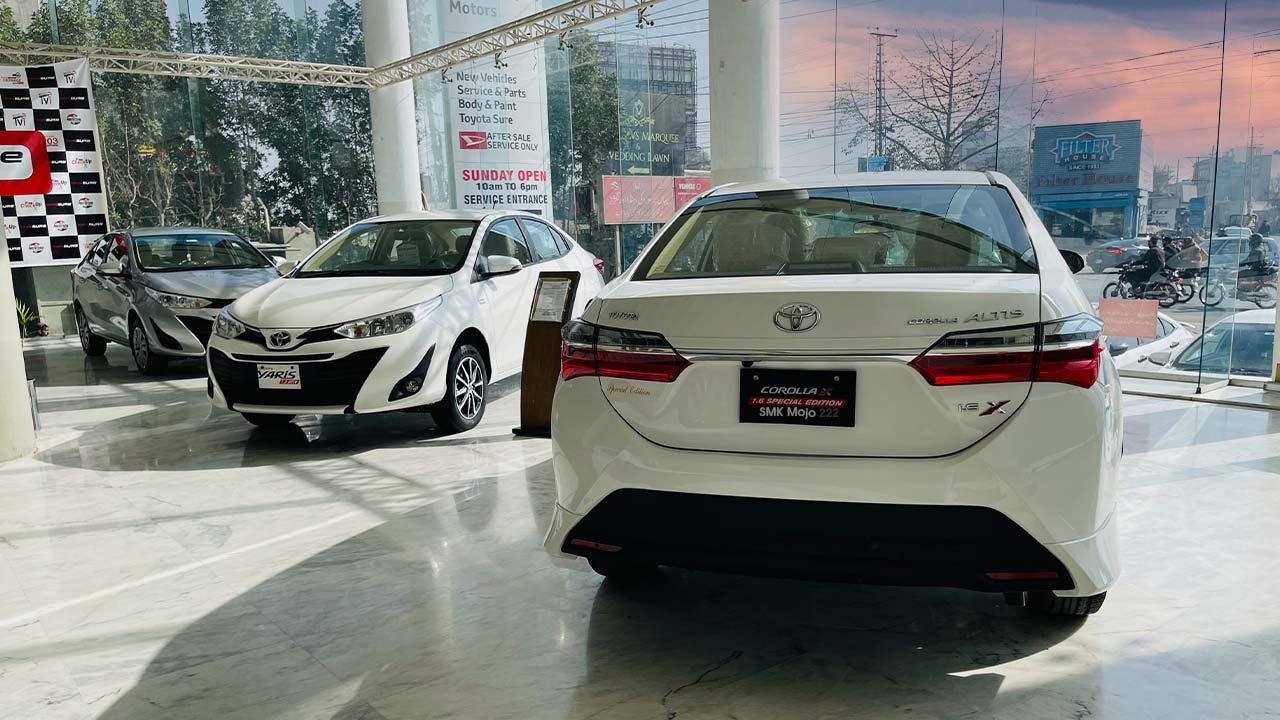
    The country is grappling with soaring inflation rates, which surpassed 36 per cent in April, the highest recorded since 1964. As a result, consumer purchasing power has diminished significantly, leading to a sharp decline in vehicle sales. Munir Karim Bana, Chairman of the Pakistan Association of Automotive Parts and Accessories Manufacturers (PAAPAM), laments the dire situation, stating that thousands of workers have been laid off, and production has ground to a halt. The closure of auto manufacturing plants has further exacerbated the industry’s challenges.

    Auto parts manufacturers are grappling with demurrage charges as raw materials worth billions of rupees remain stuck at the Karachi port. PAAPAM, responsible for supplying approximately 90 per cent of local vehicle parts, is bearing the burden of these charges. Furthermore, with production units closed, income streams have dried up, exacerbating the financial strain on the industry.

    Rana Ihsan Afzal, the coordinator to Prime Minister Shehbaz Sharif on commerce and industry, acknowledges that the automotive industry’s full efficiency may not be restored until the revival of the IMF bailout program. As a sector heavily reliant on imports and foreign currency, the automotive industry is particularly vulnerable to the country’s economic challenges. The delay in the staff-level agreement on the ninth review of the IMF bailout deal signed in 2019 has further hampered the industry’s prospects.

    Revival prospects and government assurance

    Amid the decline in sales and mass layoffs, the coordinator to the Prime Minister expressed his concern but assured that the government is tirelessly working to revive the economy. The coordinator acknowledges the temporary phase that necessitates import restrictions on the automotive industry to protect foreign exchange reserves. However, he remains optimistic that once reserves are replenished, the industry will experience a significant upturn.

    Pakistan’s automotive industry is facing a dire crisis, with plummeting sales, layoffs, and manufacturing plant closures. The ban on raw material imports, along with the economic challenges of soaring inflation and dwindling foreign exchange reserves, has pushed the industry to the brink. Despite the difficulties, the government is committed to revitalizing the sector and assuaging the concerns of manufacturers.