Tag: Manufacturing

  • Tesla overcomes setbacks, produces first Cybertruck after two years

    Tesla overcomes setbacks, produces first Cybertruck after two years

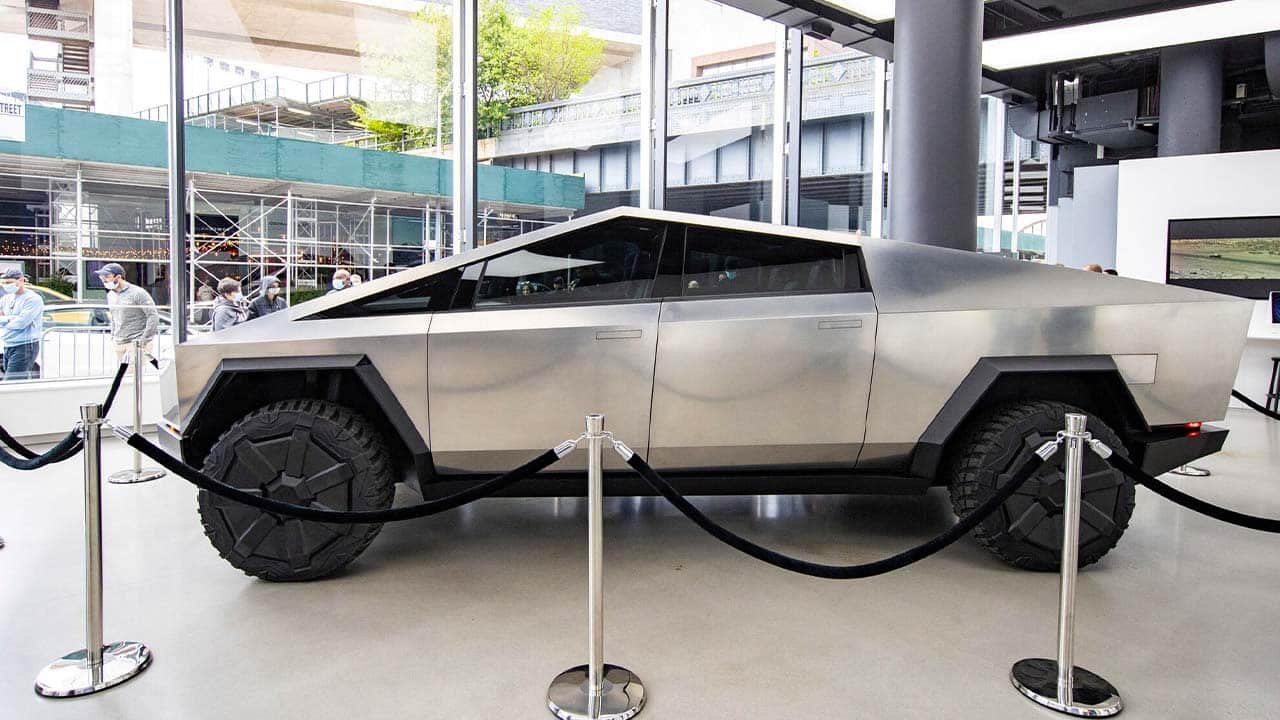
    Tesla announced via a tweet that its inaugural Cybertruck has been successfully manufactured at the company’s Austin, Texas plant, marking the end of a two-year delay.

    Back in 2019, Tesla founder Elon Musk introduced the pickup truck during a revealing event where the vehicle’s designer unintentionally demonstrated a flaw in the supposedly indestructible “armour glass” windows.

    Since then, the production timeline has faced multiple setbacks, with Musk attributing the delays to component sourcing shortages, leading to a rescheduled Cybertruck launch in 2023.

    During a shareholder meeting in May, Musk expressed Tesla’s ambition to produce up to 250,000 Cybertrucks annually, depending on market demand.

    With the introduction of the Cybertruck, Tesla is poised to enter one of the most lucrative sectors of the U.S. market, directly competing against electric pickups from industry giants such as Ford Motor and Rivian Automotive.

    Although these competitors have already released limited numbers of their own electric truck models, Tesla’s entry into the market is highly anticipated. According to a Reuters report from last year, Tesla aims to initiate mass production of the Cybertruck by the end of 2023.

  • Suzuki Motor Corp teams up with SkyDrive to manufacture ‘flying cars’

    Suzuki Motor Corp teams up with SkyDrive to manufacture ‘flying cars’

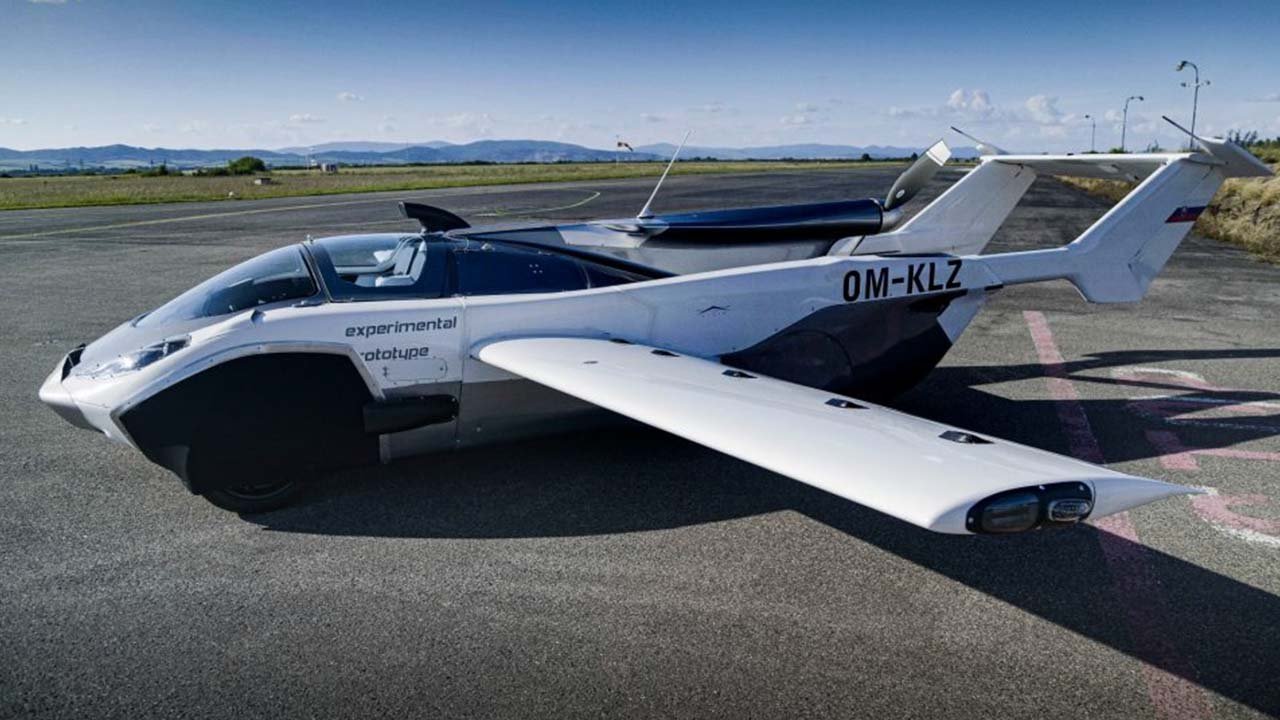
    In an exciting development for the automotive industry, Suzuki Motor Corp, the renowned Japanese automaker, has announced its partnership with SkyDrive Inc to produce “flying cars.” The collaboration aims to utilise a Suzuki Group factory located in central Japan to manufacture electric vertical take-off and landing (eVTOL) aircraft, with production set to commence by spring next year.

    Suzuki Motor Corp released a statement detailing the agreement with SkyDrive, highlighting their shared vision for the future of transportation. The company plans to establish a wholly owned subsidiary focused on the production of these innovative aircraft. Suzuki will play a crucial role in facilitating the manufacturing process by assisting in talent acquisition and other necessary preparations.

    Headquartered in Toyota, central Japan, SkyDrive boasts an impressive list of shareholders, including trading house Itochu Corp, tech firm NEC Corp, and a subsidiary of energy company Eneos Holdings Inc. This collaboration builds upon a previous agreement signed by the two companies in March of the previous year, which outlined their commitment to jointly explore research, development, and marketing opportunities in the field of flying cars.

    The emergence of eVTOL aircraft represents a significant leap forward in the realm of urban air mobility. These vehicles are designed to take off and land vertically, enabling efficient transportation in congested urban areas and reducing travel times significantly. By harnessing electric propulsion, eVTOL aircraft offer the potential for zero-emission travel, making them environmentally friendly alternatives to traditional modes of transportation.

    Suzuki’s entry into the flying car market signifies the company’s dedication to staying at the forefront of technological advancements in the automotive sector. With a rich history of producing high-quality vehicles, Suzuki’s involvement in the manufacturing process will undoubtedly contribute to the production of reliable and efficient flying cars.

    The partnership with SkyDrive aligns with Suzuki’s commitment to sustainable practices and innovative solutions. By exploring the possibilities of aerial mobility, the company aims to revolutionise transportation and redefine the way people commute within and between cities. The combination of Suzuki’s manufacturing expertise and SkyDrive’s pioneering technology is expected to result in cutting-edge eVTOL aircraft that meet the highest safety and performance standards.

    As the collaboration progresses, it is likely that Suzuki and SkyDrive will continue to leverage their respective strengths to overcome the unique challenges associated with manufacturing flying cars. These challenges include regulatory hurdles, infrastructure requirements, and public acceptance. However, with the commitment and resources of both companies, they are well-positioned to overcome these obstacles and drive the development of this exciting new industry forward.

    The successful implementation of flying cars has the potential to revolutionise urban transportation, alleviating congestion on the ground and opening up new possibilities for efficient, eco-friendly travel. It represents a significant step towards a future where aerial mobility is a viable and sustainable mode of transportation.

    As Suzuki and SkyDrive embark on this joint venture, the automotive industry eagerly anticipates the first batch of eVTOL aircraft to roll off the production line. Their collaboration serves as a testament to the boundless potential of human ingenuity and highlights the relentless pursuit of technological advancements that continue to shape our world.
  • Yamaha passes sales tax burden to customers: YBR 125G price increased to Rs353,000

    Yamaha passes sales tax burden to customers: YBR 125G price increased to Rs353,000

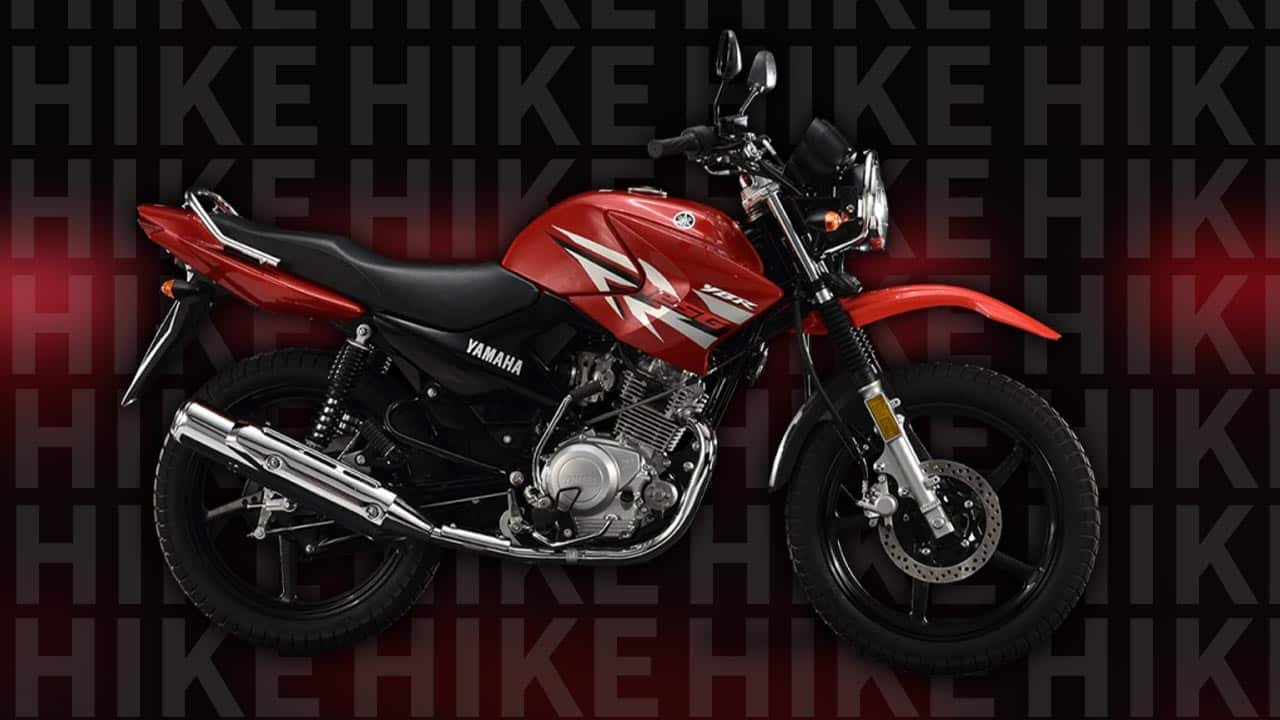
    Yamaha has recently announced its first price increase of 2023, affecting all of its motorcycles. The latest announcement marks the second increase in prices since December, with the highest increase being up to Rs3,500.

    Despite this, Yamaha has implemented the smallest price increases compared to its competitors and has only raised its bike prices once this year.

    In contrast, Yamaha increased its bike prices seven times last year. Due to the persistent economic issues in Pakistan, dealers and industry experts are anticipating further price hikes this year.

    According to recent data, a significant proportion of bike manufacturing has been localised in Pakistan. As such, there appears to be little justification for motorcycle manufacturers to frequently and substantially increase their prices.

    Variant Old Price (Rs) New Price (Rs) Increase (Rs)
    YB 125Z 305,500 308,500 3,000
    YB 125Z DX 327,000 330,500 3,500
    YBR 125 336,000 339,500 3,500
    YBR 125G 349,500 353,000 3,500
    YBR 125G (Matte Gray) 352,500 356,000 3,500
  • Pakistan’s forex reserves increase by 9%, cross $3 billion mark

    Pakistan’s forex reserves increase by 9%, cross $3 billion mark

    After declining for three weeks in a row and losing a cumulative $1,685 million during that period, the foreign exchange reserves held by the State Bank of Pakistan (SBP) have rebounded, according to a statement from the central bank.

    As of February 10, SBP’s foreign currency reserves totaled $3,192.9 million, which is up $276 million from the previous week. This increase represents a gain of over 9 per cent and has broken the streak of declining reserves.

    However, even with this increase, the amount is still only enough to cover one month of imports. Meanwhile, the net forex reserves held by commercial banks are $5,509.3 million, which is $2,316.4 billion more than SBP, bringing the total liquid foreign reserves of the country to $8,702.2 million. The statement did not provide a specific reason for the increase in SBP-held reserves.

    Pakistan’s economy is in dire straits due to a balance-of-payments crisis, political chaos, and deteriorating security. The government has banned all but essential food and medicine imports until it receives a crucial loan tranche from the International Monetary Fund (IMF), which could unlock other sources of funding for the country.

    Inflation has risen sharply, the rupee has declined, and the country is struggling to afford imports, which has caused a severe decline in its industry. Pakistan is no longer issuing letters of credit, except for essential food and medicine, since January, which has led to a backlog of raw material imports that the country can no longer afford.

    According to Geo, the rupee devaluation and the logjam have resulted in a significant decline in manufacturing, including textiles and steel, and building projects.

    While the IMF cash injection alone will not be enough to rescue Pakistan, the government hopes that it will boost confidence and pave the way for other friendly countries like Saudi Arabia, China, and the UAE to offer additional loans.

  • Inventory shortage forces Pak Suzuki to temporarily halt operations

    Inventory shortage forces Pak Suzuki to temporarily halt operations

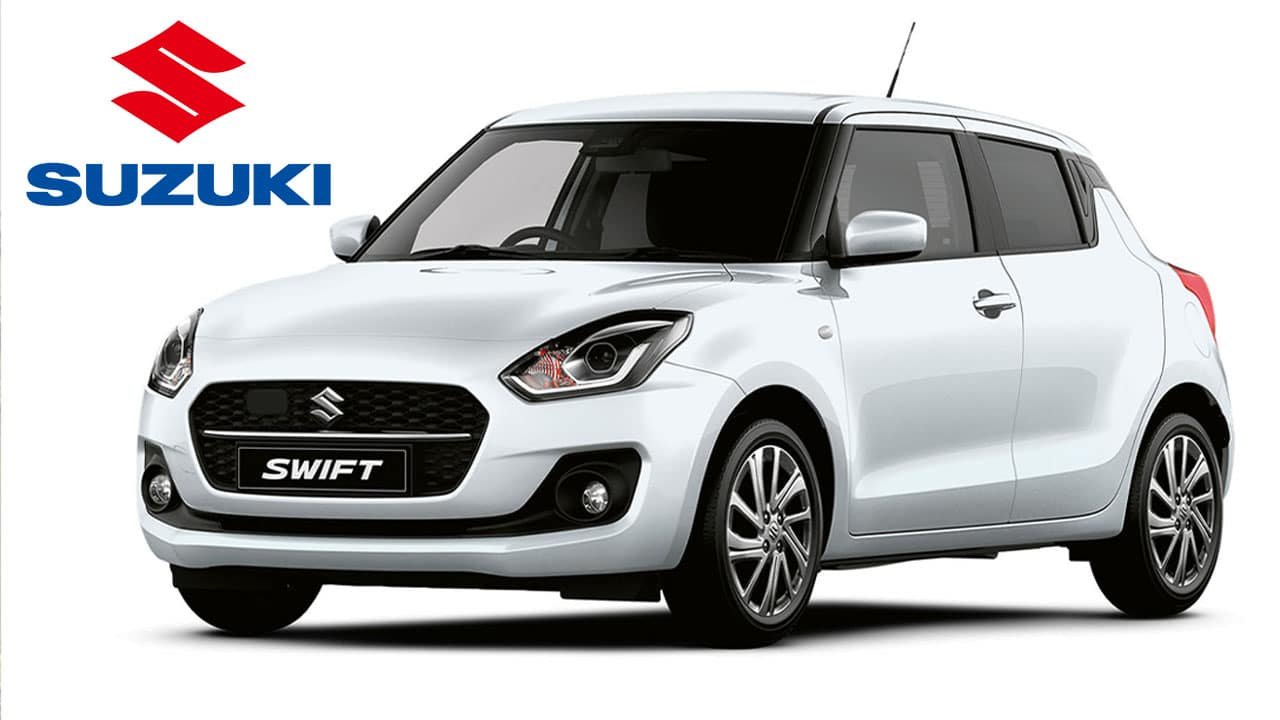
    Pak Suzuki Motor Company (PSMC) announced on Wednesday that it will temporarily halt operations at its automobile plant from February 13th to 17th, due to an insufficient inventory.

    The management of Pak Suzuki, the local assembler, manufacturer, and marketer of Suzuki vehicles and related spare parts, has informed the Pakistan Stock Exchange (PSX) that it will temporarily cease operations at its automobile plant from February 13th to 17th, 2023, due to an ongoing shortage of inventory.

    The company’s motorcycle plant, however, will remain in operation. This decision follows a previous temporary shutdown of the automobile plant from January 2nd to 6th and January 16th to 20th, also due to inventory constraints.

    PSMC has reported that the recent introduction of a prior approval mechanism for imports by the State Bank of Pakistan (SBP) has negatively impacted the clearance of its import consignments, leading to a shortage of inventory.

    As a result, PSMC has suspended new bookings for its motorcycles starting January 20th, due to supply chain constraints and an uncertain production outlook. The company has stated that bookings will resume when the situation improves and it is able to serve fresh customers.

    Pakistan’s auto industry, which heavily relies on imports, is facing a crisis as the SBP has imposed restrictions on the opening of Letters of Credit (LCs) due to the persistent depreciation of the rupee. The country’s depleted reserves have resulted in operational challenges for various industries.

  • Honda City 1.2 manual now costs more than Rs4.3 million after latest price hike

    Honda City 1.2 manual now costs more than Rs4.3 million after latest price hike

    Honda Atlas Cars Limited (HACL) has once again raised its car prices for the second time in two weeks. The company attributed the increase to rising inflation and a depreciating local currency.

    Below are the new prices for all Honda cars:

    Car Old Price (Rs) New Price (Rs) Hike (Rs)
    City 1.2 M/T 4,069,000 4,329,000 260,000
    City 1.2 CVT 4,199,000 4,469,000 270,000
    City 1.5 CVT 4,449,000 4,739,000 290,000
    City Aspire 1.5 M/T 4,629,000 4,939,000 310,000
    City Aspire 1.5 CVT 4,799,000 5,119,000 320,000
    Civic 1.5T M-CVT 6,849,000 7,299,000 450,000
    Civic Oriel 1.5T M-CVT 7,099,000 7,599,000 500,000
    Civic RS 1.5T LL-CVT 8,099,000 8,649,000 550,000
    HR-V VTi 1.5 6,399,000 6,799,000 400,000
    HR-V VTi S 1.5 6,599,000 6,999,000 400,000
    BR-V S 1.5 5,299,000 5,649,000 350,000

    The automobile industry is facing challenges due to foreign exchange limitations and parts supply issues. The Pakistan Association of Automotive Parts and Accessories Manufacturers (PAAPAM) and the Pakistan Automotive Manufacturers Association (PAMA) have jointly sent a letter to the Governor of the State Bank of Pakistan (SBP), Jameel Ahmed, highlighting the dire situation.

    In the letter, the organizations state that the industry is facing the brink of collapse due to restrictions imposed by the SBP on imports and a lack of support from banks in the automotive sector. This has resulted in sporadic plant closures and lay-offs among assemblers and suppliers.

    The joint letter from PAAPAM and PAMA advised that failure to take corrective action would result in negative consequences such as widespread job loss, reduction in government income, the shutdown of car assembly plants, and capital loss. The letter emphasized that the negative effects of the letter of credit (LC) issue have contributed to the collapse of the automobile industry.

  • Pakistan’s biggest tractor manufacturer announces to shut down operations

    Pakistan’s biggest tractor manufacturer announces to shut down operations

    The biggest manufacturer of agricultural machinery in Pakistan, Millat Tractors Limited, has stated that it will cease operations starting on January 6 and continuing till further notice, citing weak demand and cash flow issues.

    Details indicate that Millat Tractors, a producer of agricultural machinery and tractors, informed the Pakistan Stock Exchange (PSX) of the situation in a letter.

    “Due to continuing reduced demand for tractors and cash flow constraints, the company will remain closed from Friday, January 6, 2023, till further notice,” the statement added.

    The development occurred as a number of other businesses recently declared a shutdown or reduction in operations in Pakistan due to a decline in demand, a scarcity of inventory, or issues with the supply chain.

    The federal government’s import restrictions forced KSB Pumps Company Limited (KSBP) to close its production facility in Pakistan earlier on January 3.

    Due to the import ban, KSB announced that operations at its Hasanabdal factory would be temporarily suspended beginning January 2, 2023. The company also informed the Pakistan Stock Exchange of their decision.

  • Apple is reportedly considering transferring some of its iPad production to India

    Apple is reportedly considering transferring some of its iPad production to India

    According to two sources close to the Indian government, India is looking into ways to transfer some of Apple’s iPad production from China. The tech behemoth is reportedly in constant communication with authorities. Although no specific plans have been established, if the initiative is successful, Apple’s presence in the country would expand.

    Apple said earlier this year that it has started producing the premium iPhone 14 in southern India. For a number of years, the tech giant has produced the country’s older iPhone models.

    Following nationwide protests that have taken place over the past two weeks in response to Beijing’s tough zero-Covid policy, the tech giant has announced plans to diversify more of its supply chain away from China. Apple issued a warning in early November that iPhone shipments will be delayed as a result of the Chinese government’s lockdowns, and experts have been lowering their expectations for the important holiday shopping period.

    Over the weekend, The Wall Street Journal claimed that Apple is aggressively exploring to move production out of China to other Asian nations, including Vietnam and India.

    Even so, sources warn that similar ambitions in India could be slowed down by a shortage of highly skilled workers and people with experience in creating complicated products like the iPad. The backdrop of foreign policy, with rising hostilities between China and India, is particularly unhelpful. Due to recent territorial disputes between the two nations, the military presence near the China-India border has increased.

    10 per cent of Apple iPhones, according to Gene Munster of Loop Ventures, are produced in India, but he anticipates a gradual increase in output.

    “I think in five years, 35 per cent will be manufactured in India,” added Munster. “I think Apple will add iPhone production to other countries outside of India and China in the next five years. Perhaps Vietnam, Malaysia and the USA.” In a note to clients, Piper Jaffray’s Harsh Kumar wrote: “While Apple has made efforts to move production out of China, in our opinion, India still accounts for less than 5.”

  • Samsung is getting out of LCD business by the next month

    Samsung is getting out of LCD business by the next month

    Samsung Display has decided to cut its LCD production unexpectedly by July 2022. The stoppage was originally planned for December, but it can now take place as soon as the end of this month.

    According to insiders, Samsung’s competition has been quite harsh, and the company wanted to avoid further losses.

    Keeping in view previous Display Supply Chain Consultants (DSCC) reports, the price of LCD panels is only 36.6 per cent of what it was in 2014, when production was at its peak. BOE, a Chinese display manufacturer, and AU Optronics, a Taiwanese company, are also offering lower prices to customers.

    Samsung had planned to exit the LCD business in 2020, but lockdowns caused by the COVID-19 pandemic increased demand for home entertainment on low-cost devices like affordable TVs and smartphones. As a result, Samsung was forced to postpone this significant step.

    Samsung officials have yet to respond to a request for comment, but we expect to learn more about the shutdown’s financial implications in July when the tech giant releases its Q2 earnings report.

    As per the Korea Times, people’s interest in LCDs has waned, while they are increasingly drawn to display technologies such as Quantum Dot and OLED.

    A US market research firm also revealed the LCD panel price index has fallen dramatically since late 2021 and is now down 60 per cent year on year.

    Moreover, in recent years, smartphones have also shifted from LCD displays to OLED displays.