Tag: market

  • Pakistan records 17% increase in exports to Afghanistan, SBP data shows

    Pakistan records 17% increase in exports to Afghanistan, SBP data shows

    According to a report by the State Bank of Pakistan (SBP), Pakistan’s export of goods and services to Afghanistan has increased by 17.02 per cent during the first eight months of the current fiscal year (2022-23) compared to the corresponding period of the previous year.

    From July-February (2022-23), overall exports to Afghanistan reached US $346.522 million, while during the same period last year, exports were recorded at US $296.109 million, showing a growth of 17.02 per cent.

    Furthermore, the year-to-year basis also showed an increase of 60.49 per cent in exports to Afghanistan, rising from US $38.222 million in February 2022 to US $61.345 million in February 2023. Meanwhile, on a month-on-month basis, exports to Afghanistan also rose by 82.58 per cent during February 2023, reaching US $61.345 million, compared to US $33.598 million in January 2022.

    In contrast, Pakistan’s exports to other countries decreased by 9.65 per cent during the eight months, dropping from US $20.632 billion to US $18.639 billion, according to SBP data.

    The imports from Afghanistan into Pakistan during the period under review were recorded at US $13.540 million, which was a significant decrease of 88.65 per cent compared to last year’s US $119.328 million in July-February (2021-22).

    Year-on-year, imports from Afghanistan also dropped by 98.89 per cent, from US $13.723 million in February 2022 to US $0.151 million in February 2023. However, on a month-on-month basis, imports from Afghanistan increased by 11.02 per cent during February 2023, reaching US $0.136 million, compared to US $0.122 million in January 2022.

    Overall, the imports into Pakistan also witnessed a decrease of 21.02 per cent, from US $47.336 billion to US $37.388 billion, according to SBP data. Based on the trade figures, the trade of goods and services with Afghanistan witnessed an 88.35 per cent increase in surplus during the period under review compared to the previous year, with a recorded surplus of US $332.982 million against US $176.781 million during the last year.


  • Motorcycle dealers reportedly demanding Rs40,000 extra for instant delivery of Honda CG125

    Motorcycle dealers reportedly demanding Rs40,000 extra for instant delivery of Honda CG125

    The market for new and used motorcycles in Akbar Road, Karachi, which is the largest in the country, is experiencing a shortage of Honda CG-125 bikes at the showrooms of the company’s authorised dealers. The dealers are reportedly not accepting fresh bookings from customers due to thin supplies from the assembler.

    Non-Honda dealers are reportedly demanding a price of Rs252,000-255,000 for instant delivery of the CG-125 bike, which is Rs40,000 more than the company’s price of Rs215,000, despite not having the bike available in their showrooms.

    Some unauthorised dealers have already acquired a large number of CG-125 motorcycles from authorized dealers, apparently under an understanding to jointly make a windfall. Some dealers have cited Afghan nationals accompanied by Pakistanis as the reason for the stock shortage. However, 70cc bikes are readily available for instant delivery at showrooms.

    According to Dawn, market sources have stated that local bike assemblers exported 25,000 units of 70cc-125cc bikes over the past 11 months, in which Honda 125cc holds the lion’s share. They also believe that the actual volume of shipments of two-wheelers is more than the official export by the companies after individual purchases of bikes by customers for Afghan markets.

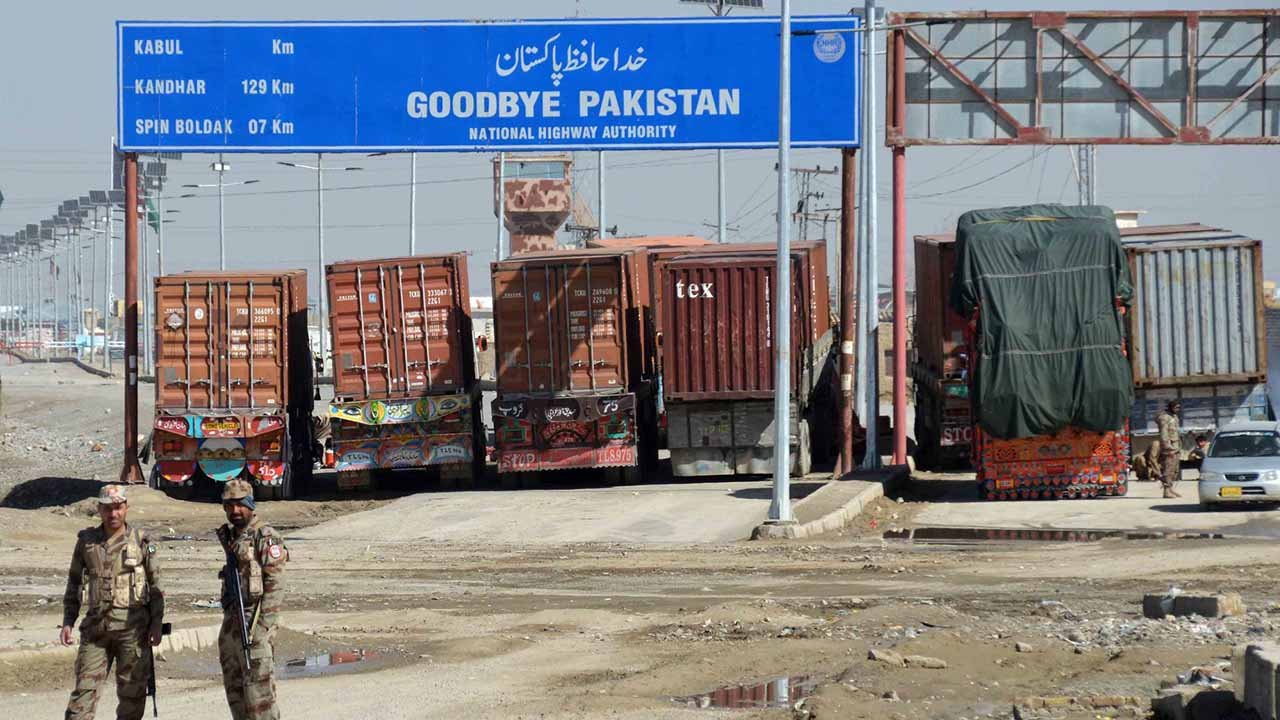
    Afghan businessmen are importing Pakistan-assembled motorcycles in large numbers daily through the Chaman border amid booming demand for two-wheelers in Afghanistan. The market for Honda CG-125 bikes is experiencing price hikes and shortages across the country, including Quetta and other cities of Balochistan.

  • Pakistani rupee bounces back after steep decline against dollar

    Pakistani rupee bounces back after steep decline against dollar

    During the early hours of trading on Friday, the Pakistani rupee (PKR) saw a significant recovery against the US dollar, with an increase of 4.51 per cent. The inter-bank market quoted the PKR at Rs272.78 by 11:50 am, representing an increase of Rs12.31 against the US dollar.

    This follows a steep decline of 6.66 per cent or nearly Rs19 to settle at an all-time low of Rs285.09 against the US dollar on Thursday.

    On Thursday, the State Bank of Pakistan’s Monetary Policy Committee (MPC) raised the key policy rate by 300 basis points (bps) to 20 per cent, aiming to curb inflation.

    The committee also emphasized the need for energy conservation measures to ease pressure on the external account and meet import requirements. The MPC expects this decision to stabilize inflation expectations and bring it to a medium-term target of 5 per cent-7 per cent by end-FY25.

    Globally, the US dollar eased back from a 2-1/2-month high against the yen on Friday, and weakened toward its first weekly loss since January against major peers. This comes as traders tried to gauge the path for Federal Reserve policy.

    According to Geo, the dollar index, which measures the currency against the yen, euro, and four other major peers, fell 0.11 per cent to 104.85, from its peak of 105.36 earlier this week. The index has decreased by 0.36 per cent since last Friday.

    Meanwhile, oil prices, a critical currency parity indicator, dropped on Friday, but remained poised for a weekly gain due to renewed optimism regarding China’s demand recovery, outweighing concerns over growing crude inventories in the US and tighter monetary policy in Europe.

    This is an intraday update.

  • Flour mill owners in Punjab threaten to suspend market supplies on February 14

    Flour mill owners in Punjab threaten to suspend market supplies on February 14

    The owners of flour mills have threatened to go on strike, halting supplies to the markets on February 14th, and are demanding that the Punjab food department immediately meet their demands.

    The Chairman of the Pakistan Flour Mills Association (PFMA) Punjab chapter, Chaudhry Iftikhar Ahmad Mattu, has issued a warning of a planned strike on February 14th if the provincial food department does not address their demands.

    During a press conference, the Chairman of PFMA Punjab Mattu criticised the inappropriate behavior and incorrect policies of the provincial food secretary.

    According to ARY News, the Chairman stated that the wrong policies of the food secretary have impacted the supply of flour, leading to the closure of multiple flour mills. He further announced that the flour mills will stop receiving wheat quota from the government starting from February 13th.

    In addition, Chaudhry Iftikhar Ahmad Mattu announced that the flour mills will cease supplies to the market on February 14th and proceed with a strike, unless their demands are promptly met by the Punjab food department. Meanwhile, the Karachi Dairy and Cattle Farmers Association declared its intention to raise milk prices by Rs20 per litre, effective from February 11th.

    In a statement from the Karachi Dairy and Cattle Farmers Association, the spokesperson attributed the price hike of milk to the increased cost of fuel and fodder. The official rate for milk has been set at Rs180 per litre, however, it is being sold for Rs190 in the city.

    With the increase, the price per litre of milk will rise to Rs210. The Commissioner of Karachi has recently ordered operations to seal dairy shops selling milk at elevated prices.

  • Landa Bazar traders threaten to close shops due to increased taxes on imported products

    Landa Bazar traders threaten to close shops due to increased taxes on imported products

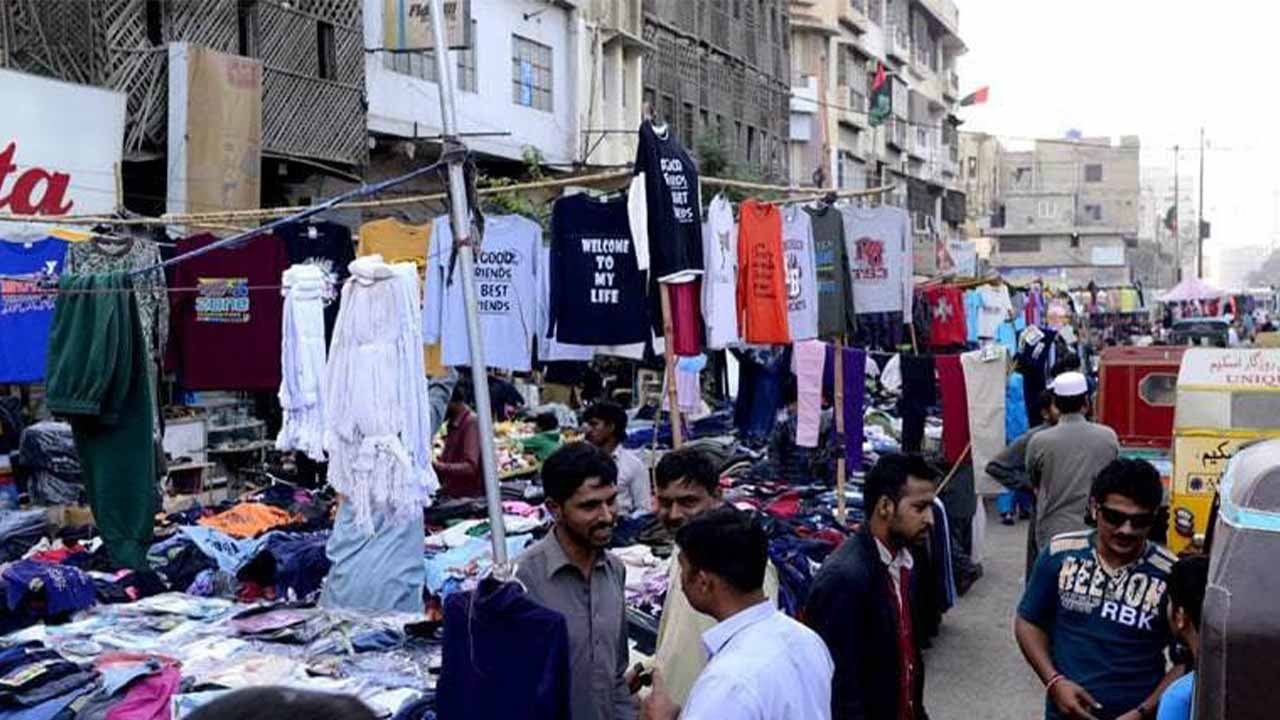
    Shop owners at Landa Bazaar Karachi have threatened to close their shops in protest of the hike in import tariffs.

    Muhammad Usman, secretary general of the Pakistan Second Hand Clothing Merchant Association, urged that the government remove the increased levies placed on imported cotton clothing at a news conference while threatening to close their stores.

    The spokesperson pointed out that the price of imported used clothing had increased due to government action. With the value of the dollar rising steadily, it is getting harder for people to satisfy their necessities. The authorities have raised the valuation on imported goods in such circumstances, he said.

    It was previously reported on December 23 that the government increased the tax on imported items from Rs81 to Rs225 per kg, forcing the dealers to increase the cost of normally inexpensive shirts, blankets, and other warm clothing.

    In the country’s numerous “Landa Bazars,” shoppers shopping for affordable winter clothing will have to contend with inflationary pressure.

    According to the announcement made in this respect, in addition to the sales tax and customs duty of 5 per cent, which are levied on imported used products, there is also a regulatory charge of 10 per cent and an income tax of 5.5 per cent.

    The price of imported used goods, such as warm clothing, sweaters, blankets, jackets, and shoes, as well as children’s toys, would increase as a result of the tax rate increase.

  • Illegal commercial properties worth billions sealed in Lahore

    Illegal commercial properties worth billions sealed in Lahore

    The Evacuee Trust Property Board (ETPB) has sealed 11 distinct commercial buildings and properties worth billions of rupees in Lahore on the Supreme Court’s directives.

    The Federal Investigation Agency (FIA), a police team, and the administration conducted a raid and took action against encroachments under the direction of ETPB Chairman Habibur Rahman.

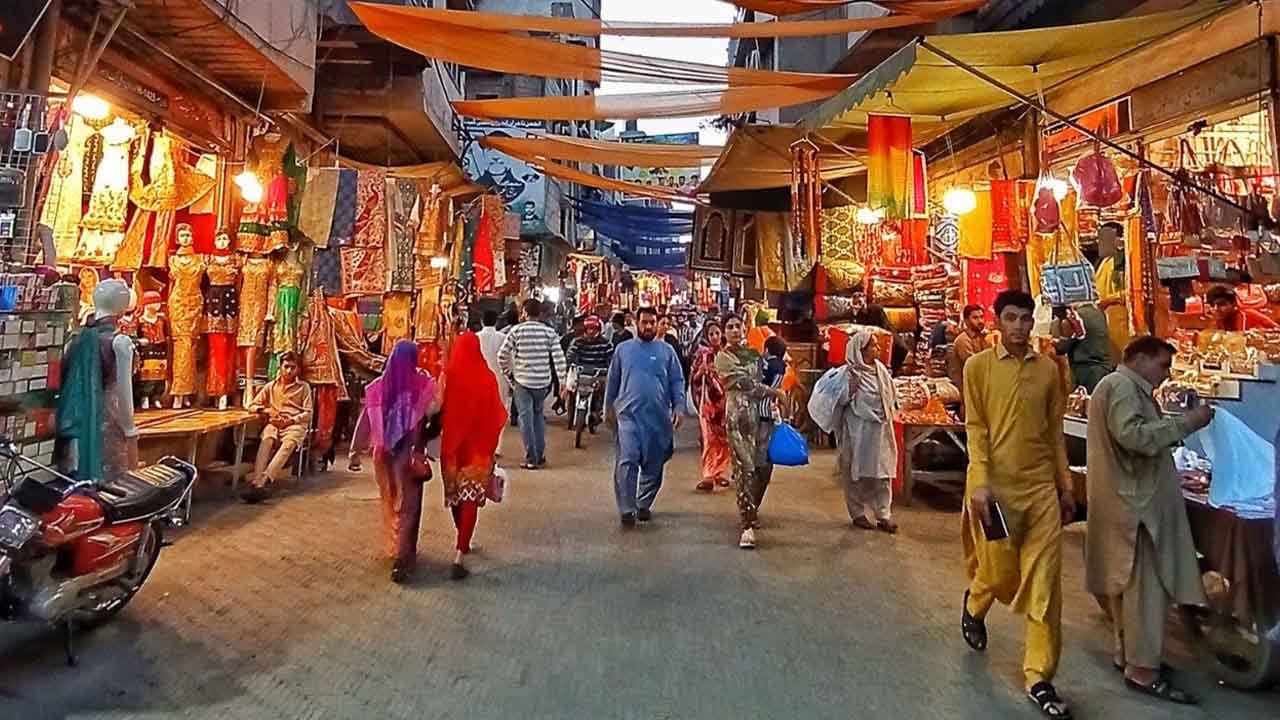
    In renowned commercial areas like Sheesha Moti Bazaar, Wichuwali, Hingana Street, Sutar Mandi, Ravi Road, Mohini Road, and Bradlaugh Hall, the team sealed numerous properties that were in illegal possession.

    Participating in the operation under the direction of Administrator Lahore Akram Joya were Deputy Administrator Taskinullah, Abdul Waheed Khan, Asim Ejaz, Ahmed Hassan, and Saad Butt.

    While, Director FIA Mohammad Zawar, SHO Raza Awan, SHO Benish Rehman, Rana Naeem, Kashif Gujjar also participated in the raid.

  • Pakistan to import vegetables from neighbouring countries to overcome shortage

    Pakistan to import vegetables from neighbouring countries to overcome shortage

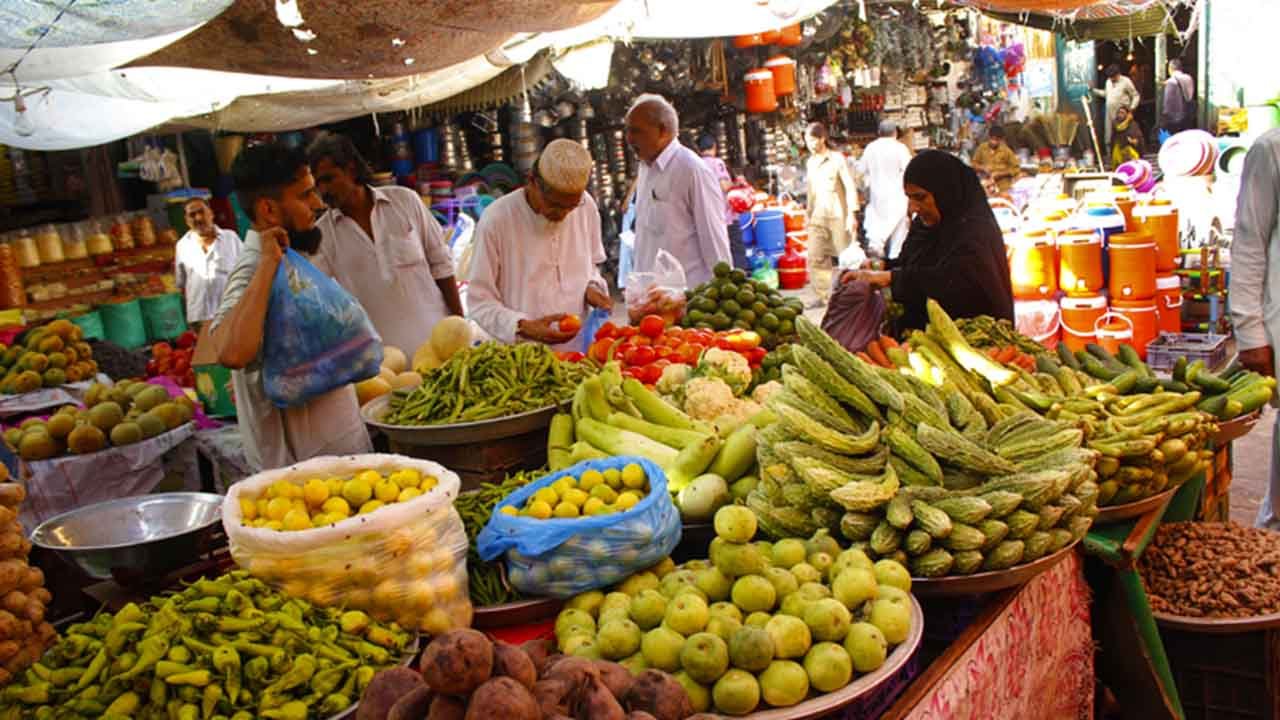
    After devastating floods ravaged the nation, Pakistani officials made the decision to import onions and tomatoes from Iran and Afghanistan due to the rising prices and imminent food crisis.

    The production and supply of vegetables and other crops has been impacted by the recent torrential rains and flooding.

    At a meeting presided over by Commerce Minister Naveed Qamar, the Ministry of Commerce made the announcement. The minister also examined the country’s supply of tomatoes and onions.

    To address the nationwide demand for these crops, the session voted to facilitate the import of onions and tomatoes from Afghanistan and Iran.

    According to The News, the panellists predicted that there will be a tomato and onion shortage in the nation within the next three months. They also stated that because recent flooding has harmed crops, a shortage and price increase are anticipated.

    The News reports that the importation of tomatoes and onions will help to uplift their availability and maintain their pricing.

    The Ministry of Commerce would collaborate with the FBR and the Ministry of National Food Security, it was decided at the meeting. The session also resolved to request reductions in taxes and charges from the federal cabinet’s Economic Coordination Committee for imported tomatoes and onions.

    Earlier, Qamar had emphasised the importance of taking quick action to make tomatoes and onions available to consumers and to stabilise the skyrocketing costs of these commodities. Due to a lack of supply in the market as a result of recent floods, the price of onions and tomatoes has reached Rs 300 per kg.

  • Sindh extends market timings for Eid-ul-Adha after Punjab

    Sindh extends market timings for Eid-ul-Adha after Punjab

    The government of Sindh on Sunday decided to revoke the notice it had issued regarding time limits for markets due to Eid-ul-Adha, following the relaxation of restrictions in Punjab.

    The province’s home department reportedly sent out a notice saying that the limitation will resume on July 11.

    In order to conserve electricity as the country was experiencing frequent power outages, the Government of Sindh earlier in June ordered all marketplaces in the province to close at 9 pm.

    The limitation was supposed to last until July 16, but as Eid-ul-Adha is quickly approaching, the regional government has decided to temporarily relax the ban. The letter states that it was decided to suspend the closure orders for the benefit of locals.

    Islamabad and Punjab had also let marketplaces stay open until late the day before to help the business community and those who were buying for Eid.

  • After five days of losses, British stocks holding firm

    After five days of losses, British stocks holding firm

    A day after economic slowdown fears dragged the major British stocks to their sixth straight session of losses, UK equities stabilised on Tuesday, with some positive momentum from financial sectors and some excellent earnings announcements.

    By 0712 GMT, the FTSE 100 had up 0.6 per cent, with shares in British bank HSBC up 2.6 per cent providing the biggest boost to the blue-chip index.

    Following volatile crude prices, oil majors BP Plc and Shell Plc climbed 1.5 per cent and 0.8 per cent, respectively.

    After finishing at its weakest level in more than three months on Monday, the domestically focused mid-cap FTSE 250 index gained 0.7 per cent. Paragon Banking increased by 4.7 per cent after raising its expectations for 2022 and indicating robust new lending growth.

    FirstGroup jumped 1.2 per cent when the transportation company reported a higher yearly profit and restarted dividend payments, as passenger numbers on its buses increased after COVID-19 limitations were relaxed.

    Crest Nicholson rose 6.1 per cent after projecting an adjusted profit before tax of between 135 and 140 million pounds for fiscal year 2022. In 2021, the housebuilder made an adjusted profit of 107.2 million pounds.

  • Microsoft reduces profit estimation due to market volatility

    Microsoft reduces profit estimation due to market volatility

    Microsoft slashed its fourth-quarter profitability and earnings projections on June 2, becoming the latest U.S. corporation to notify of the impact of a stronger dollar.

    An aggressive Federal Reserve and increased geopolitical tensions have driven the dollar up 14 per cent against a basket of currencies in the last year, forcing companies like Coca-Cola Co and Procter & Gamble to lower their expectations for the rest of the year.

    A stronger dollar generally consumes the earnings of multinational corporations that have extensive global operations and convert foreign currencies into dollars. Microsoft has lowered its sales forecast for all three segments, which include Windows products, cloud services, and personal computing.

    Corporate hedging activity has increased as more businesses seek to protect their revenues from the impact of market volatility in the face of rising inflation. It’s indeed common for businesses to preserve themself from unusual currency transitions, however, the intensity comes after years of low forex fluctuation when market volatility had little impact on income.

    Revenue for the quarter is expected to be between $51.94 billion and $52.74 billion, down from a previous range of $52.40 billion to $53.20 billion. Microsoft reduced its profit forecast from $2.28 to $2.35 per share to between $2.24 and $2.32 per share.

    Considering Refinitiv data, analysts expect earnings per share of $2.33 on revenue of $52.87 billion. In April, the company forecasted double-digit revenue growth for the next fiscal year, owing to increased demand for its office software and cloud services as economies reopen and businesses shift to a hybrid model that allows employees to work from both the office and from home.