Tag: Market Dynamics

  • Car sales increase in Pakistan despite high prices, economic challenges

    Car sales increase in Pakistan despite high prices, economic challenges

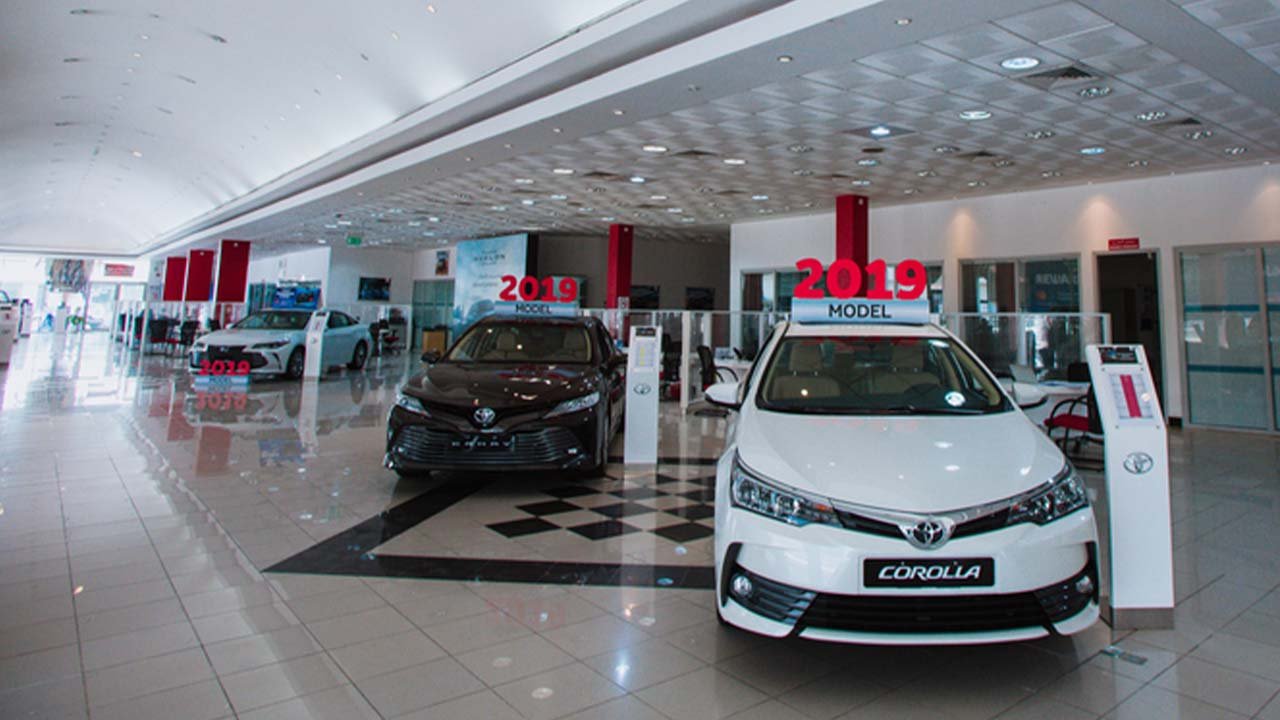
    In a surprising turn of events, the soaring prices of cars in Pakistan have not deterred buyers, as car sales experienced a notable uptick in February 2024.

    According to data released by the Pakistan Automotive Manufacturers Association (PAMA), car sales edged up by 1.94 per cent, reaching 7,953 units, compared to 7,802 units recorded in January 2024.

    This positive momentum follows a robust performance in the preceding month, where car sales hit their highest mark since December 2022.

    Analysts attribute this continued growth to the momentum generated by the new year, which has carried over into February.

    Year-on-year comparisons reveal a substantial increase, with car sales spiking by 2.18 times compared to February 2023, when only 3,642 units were sold.

    However, despite this recent surge, cumulative sales for the first eight months of fiscal year 2024 stand at 46,417 units, marking a 40.93 per cent decline from the same period last year.

    Similarly, the production of passenger cars has witnessed a significant downturn, with 8MFY24 recording 48,402 units, reflecting a 40.84 per cent decrease compared to the previous fiscal year.

    In February alone, production plummeted by 16.77 per cent month-on-month, totaling 8,002 units, down from 9,614 units in January 2023.

    Nonetheless, on a year-on-year basis, production saw a remarkable surge of 69.97 per cent, indicating a shift in manufacturing trends.

    Despite these fluctuations, the automotive landscape faces challenges, notably with Pak Suzuki Motor Company announcing two price hikes within a span of ten days in response to increased sales tax.

    The repercussions of these adjustments on sales are anticipated to unfold in the coming weeks, as the market adapts to the new pricing structure.
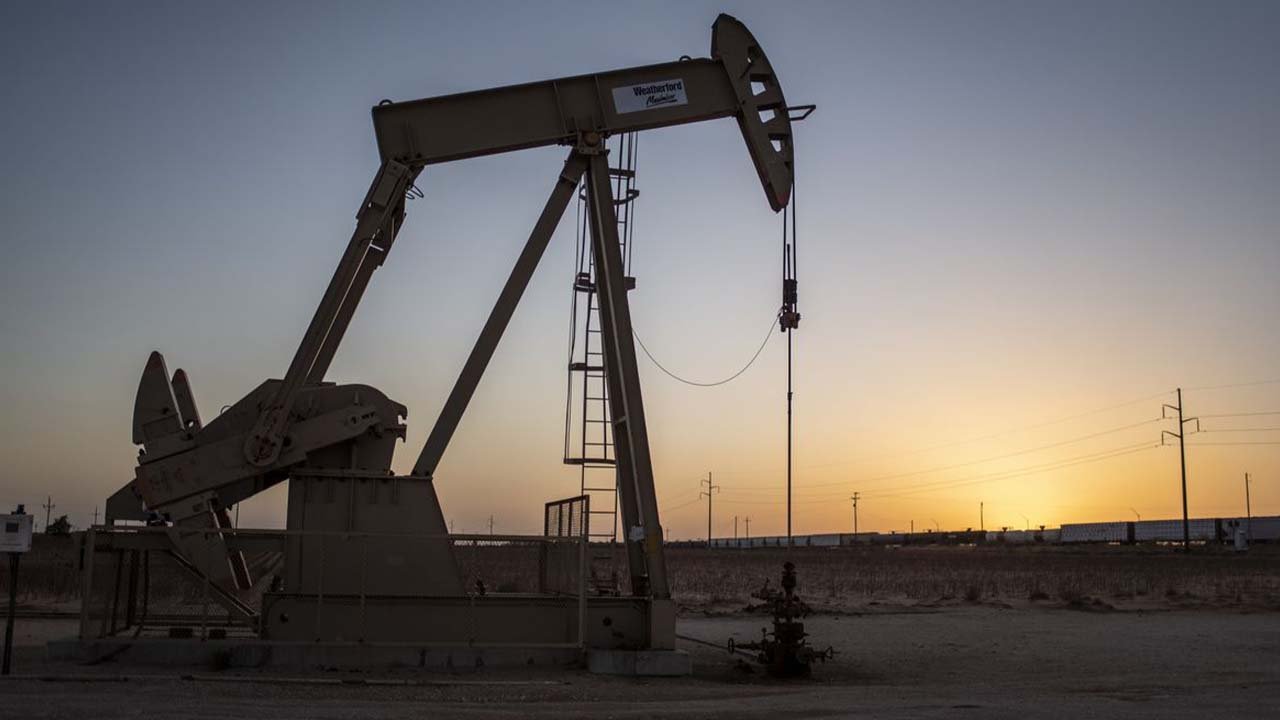

  • Oil prices drop again on concerns over China’s economic changes

    Oil prices drop again on concerns over China’s economic changes

    In the wake of growing apprehensions over reduced oil consumption in China, a key player in the global oil market, oil prices witnessed a consecutive decline for the second day.

    The current market scenario reveals Brent crude trading at $82.16 per barrel, marking a 0.52 per cent decrease, while West Texas Intermediate crude (WTI) is trading at $77.9 per barrel, down by 0.6 per cent from the previous close.

    China, a significant oil consumer, declared its commitment to overhaul its economic development model and address industrial overcapacity concerns.

    Alongside these initiatives, China set its economic growth target for 2024 at approximately 5 per cent, a figure consistent with last year’s goal and in alignment with analysts’ predictions, according to Reuters.

    However, achieving this growth target may prove challenging this year, as analysts point out that China’s favourable base effect in 2023, resulting from the pandemic-affected 2022, may not be replicable. This potential hurdle has raised concerns and could impact investor sentiment.

    China, being the world’s largest crude importer, also announced intentions to intensify the exploration and development of oil and natural gas resources.

    Simultaneously, there is a commitment to tighten control over fossil fuel consumption, reflecting the nation’s dual focus on energy development and environmental responsibility.

    While anxieties regarding China’s demand outlook contributed to the downward pressure on oil prices, other factors provided support.

    Major oil producers’ decisions to reduce output and geopolitical tensions arising from the Israel-Gaza conflict played a role in sustaining crude prices.

    Over the weekend, the Organisation of the Petroleum Exporting Countries and its allies (OPEC+) extended their voluntary oil output cuts of 2.2 million barrels per day (bpd) into the second quarter.

    This decision aimed to bolster prices amidst global growth concerns and increased production outside the OPEC+ alliance.

  • Apple’s iPhone sales decline by 24% in China, while Huawei’s sales surge

    Apple’s iPhone sales decline by 24% in China, while Huawei’s sales surge

    In the first six weeks of 2024, Apple experienced a significant downturn in iPhone sales in China, facing a 24 per cent year-on-year decrease, according to a report by research firm Counterpoint.

    The decline was attributed to heightened competition from local rivals, notably Huawei, which witnessed a remarkable 64 per cent increase in unit sales during the same period.

    Apple, once holding the second position in the Chinese smartphone market in 2023 with a 19 per cent market share, now finds itself in fourth place with a reduced share of 15.7 per cent.

    On the other hand, Huawei climbed to second place, expanding its market share from 9.4 per cent to 16.5 per cent year-over-year.

    Counterpoint’s senior analyst, Mengmeng Zhang, explained the dynamics, stating that Apple faced formidable competition from a resurgent Huawei at the high end while also encountering pricing pressures from domestic brands like OPPO, Vivo, and Xiaomi in the middle segment.

    To counteract the decline, Apple initiated measures such as subsidising certain iPhone models by up to 1,300 yuan ($180.68) through flagship stores on Tmall, Alibaba’s major marketplace platform.

    Earlier, the company had offered discounts of up to 500 yuan on its official sites.

    Huawei’s resurgence in premium smartphone sales was attributed to the successful release of its Mate 60 series in August.

    Overcoming years of challenges posed by US restrictions on key component exports, Huawei managed to reclaim its position in the market.

    Additionally, Honour, the smartphone brand that separated from Huawei in 2020, witnessed a 2 per cent increase in unit sales, making it the only other top-five brand to experience growth in the first six weeks of the year.

    Contrastingly, Chinese brands Vivo, Xiaomi, and Oppo faced declines of 15 per cent, 7 per cent, and 29 per cent, respectively, highlighting the fiercely competitive landscape in the Chinese smartphone market.

    Overall, the report indicates a 7 per cent shrinkage in the country’s smartphone market during this period.

  • Declining sales: KIA slashes Sportage prices by up to Rs300,000

    Declining sales: KIA slashes Sportage prices by up to Rs300,000

    In a strategic move to stimulate demand, Lucky Motor Corporation, formerly known as Kia Lucky Motors Pakistan, has announced a significant reduction in the prices of its popular compact SUV, the Sportage.

    The revised prices, effective from March 4, have been lowered by up to Rs300,000.

    The basic variant, Alpha, has witnessed a substantial decrease of Rs250,000, now priced at Rs7.3 million.

    Additionally, the prices of Sportage’s FWD, AWD, and limited black edition variants have all been reduced by Rs300,000. Consequently, the new prices stand at Rs7.74 million, Rs8.47 million, and Rs9 million, respectively.

    This move comes amid challenging times for the automobile sector in Pakistan, which experienced a significant 50% year-on-year decline in sales during the first half of fiscal year 2024.

    Experts anticipate that Lucky Motor Corporation’s decision to lower Sportage prices could contribute to a resurgence in its sales.

    It’s important to note that while Sportage undergoes a price adjustment, other models such as Picanto and Stonic will maintain their current pricing.

    Kia had already implemented several promotional offers, including installment plans, cashback, and free registration, to entice potential buyers.

    This latest price reduction aligns with the industry trend, as competitors like Chery Tiggo and Changan Oshan have also lowered their prices by Rs300,000.

    Industry observers attribute Sportage’s recent sales challenges to intensified competition, particularly with the introduction of the Corolla Cross in the same price range.

    Although the latter is a hybrid electric vehicle (HEV), it has further heightened the competition in the market.

    Despite Lucky Motor Corporation’s efforts, reports suggest that the previously offered interest-free loan policy and other incentives haven’t generated substantial demand.

    Furthermore, a cashback offer of Rs150,000 on booking across all Sportage variants, which was in place before the price adjustment, failed to attract significant attention from potential buyers.

  • Apple abandons electric car project, shifts focus to AI

    Apple abandons electric car project, shifts focus to AI

    In a surprising turn of events, Apple has officially terminated its ambitious electric car project, according to a reliable source informed about the matter.

    The decision, revealed on Tuesday, marks the end of a decade-long effort initiated by the tech giant to venture into the electric vehicle industry.

    The abandoned project aimed to propel Apple into a new sector, potentially mirroring the triumphs of its iconic iPhone.

    However, the venture faced challenges and inconsistent progress throughout its existence.

    The cancellation aligns with a broader trend in the automotive industry, where global players are scaling back investments in electric vehicles amid a substantial drop in demand.

    Reportedly, several team members previously engaged in the electric car project will be reassigned to Apple’s artificial intelligence (AI) division.

    This strategic move aligns with Apple’s commitment to bolstering its presence in AI, a domain where it has been comparatively reserved.

    Apple has refrained from significant AI initiatives, contrasting sharply with industry giants like Alphabet and Microsoft, which seized an early advantage in integrating this transformative technology.

    Concerns have arisen that Apple’s cautious approach may leave it lagging behind in infusing AI into its product lineup.

    Ben Bajarin, CEO of Creative Strategies, commented, “If it is true, Apple will put more focus on GenAI, and that should give investors more optimism about the company’s efforts and ability to compete at a platform level on AI.”

    Last year, Apple experienced the smallest share gain among the so-called Magnificent Seven stocks, reflecting apprehensions about its stance on AI.

    Microsoft recently surpassed Apple as the world’s most valuable company, underscoring Apple’s struggle with weakening demand for its key products, particularly in significant markets like China.

    Simultaneously, the electric vehicle industry faces a slowdown in demand due to elevated interest rates, leading to job cuts and reduced production.

    Apple’s shift in focus to AI reflects a strategic pivot in response to market dynamics and underscores the company’s commitment to staying at the forefront of technological innovation.

    Apple has chosen to adapt its trajectory in a rapidly evolving landscape, signalling a nuanced strategy that aligns with emerging industry trends.

  • Local gold market sees surge: Prices hit Rs217,900 per tola

    Local gold market sees surge: Prices hit Rs217,900 per tola

    On Monday, gold rates in Pakistan experienced a notable surge, mirroring an upward trend in the global market.

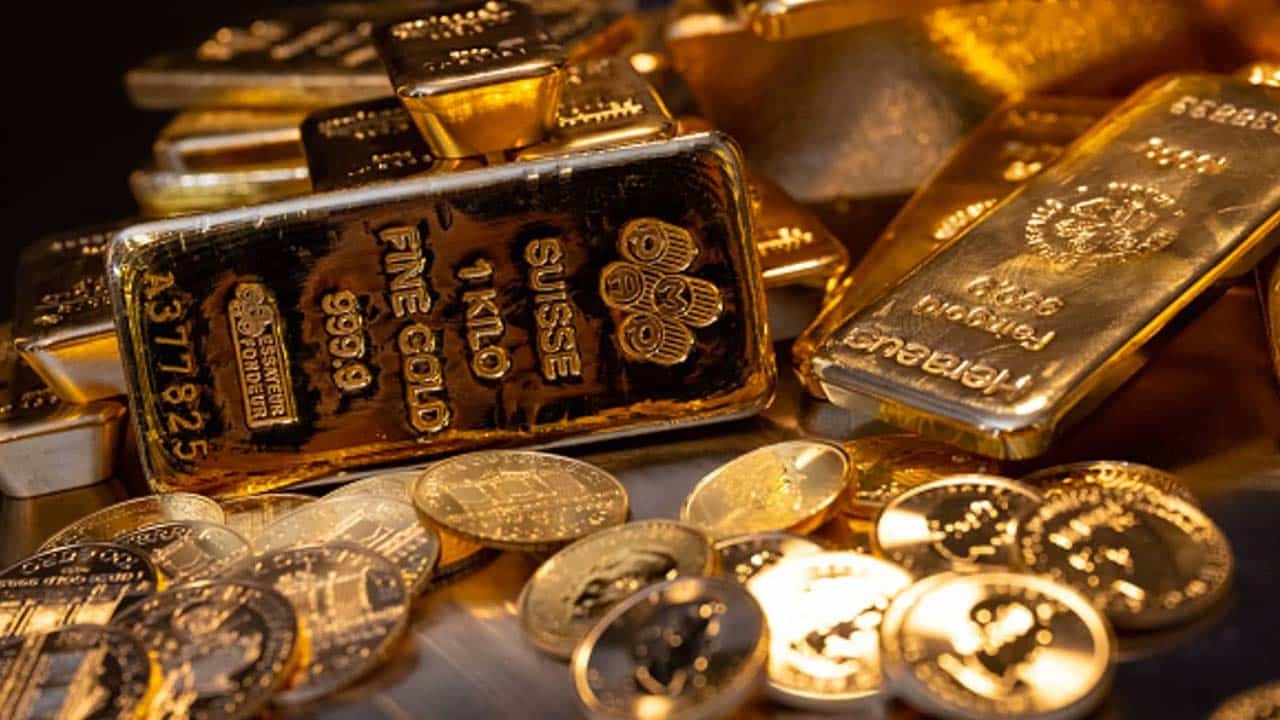
    The price of the precious metal reached Rs217,900 per tola in the local market, marking a gain of Rs450 within the day.

    According to data provided by the All Pakistan Gems and Jewellers Sarafa Association (APGJSA), the 10-gramme gold was traded at Rs186,814, reflecting an increase of Rs386.

    This upward trajectory follows a noteworthy rise of Rs950 per tola in gold prices on the preceding Saturday.

    The international gold rate exhibited a similar positive movement, reaching $2,075 per ounce on Monday with a $20 premium.

    This uptick of $7 in the global market was reported by APGJSA. Meanwhile, silver rates remained unchanged at Rs2,650 per tola.

    These fluctuations in precious metal prices highlight the dynamic nature of the market, influenced by both domestic and international factors.

    Investors and stakeholders continue to monitor these developments for their implications on the broader economic landscape.

  • Pakistan imposes minimum export price on onions to tackle soaring local prices

    Pakistan imposes minimum export price on onions to tackle soaring local prices

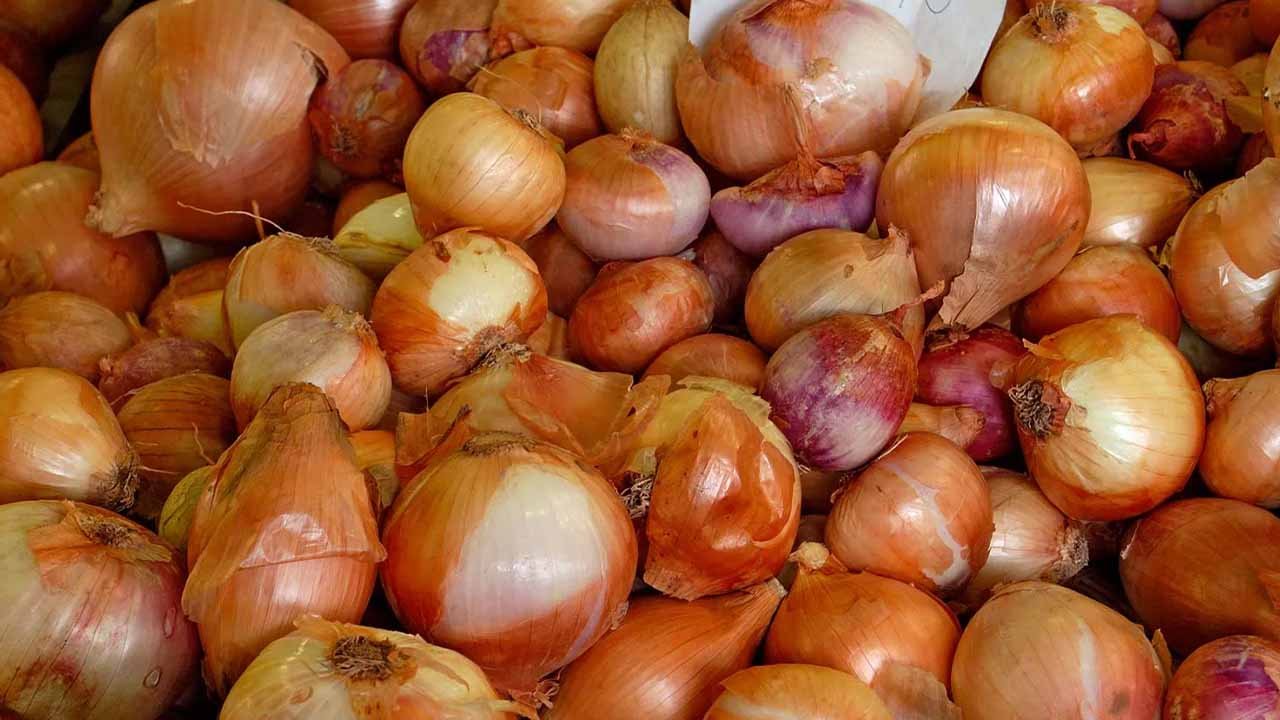
    In a move aimed at stabilising local prices, the government announced on Friday the establishment of a minimum export price for onions and shallots at $1,200 per metric ton.

    The notification detailing this decision was issued by the Ministry of Commerce.

    This decision comes in response to the escalating local prices of onions and shallots, driven by a surge in demand in international markets.

    Exporters operating in the domestic market have been capitalising on India’s ban on the export of these items, resulting in a shortage for local consumers.

    The latest weekly inflation figures, ending on January 11, 2024, revealed a 1.36 per cent week-over-week increase in the Sensitive Price Indicator (SPI) for the Combined Group. Notably, the second-highest surge among all 51 items was witnessed in onion prices, which rose by 8.94 per cent.

    This move by the government is strategically designed to curb the impact of export-related activities on local availability and pricing, with a focus on maintaining stability in the market.

    The Ministry of Commerce’s notification underscores its commitment to addressing the challenges posed by increased international demand and its repercussions on the domestic front.

    As authorities strive to strike a balance between facilitating exports and ensuring the availability of essential commodities for local consumers, the implementation of the minimum export price serves as a significant step in mitigating the adverse effects of market dynamics on the pricing of onions and shallots within the country.

  • Gold soars in Pakistani markets: Local rates surge despite stable global prices

    Gold soars in Pakistani markets: Local rates surge despite stable global prices

    On Tuesday, gold rates in Pakistan experienced an ascent, reaching Rs219,600 per tola in the domestic market, reflecting a gain of Rs300 throughout the day. 

    The 10-gramme gold price in Pakistan rose to Rs188,272, marking a Rs258 increase, as reported by the All Pakistan Gems and Jewellers Sarafa Association (APGJSA). 

    In contrast, international gold prices maintained stability at $2,072 (with a premium of $20), as noted by the APGJSA. 

    Notably, silver retained its position at Rs2,650 per tola in the local market.

  • Gold price surges to Rs218,500 per tola amid global uptick

    Gold price surges to Rs218,500 per tola amid global uptick

    In the latest update on the precious metals market, the cost of gold in Pakistan has witnessed a consistent upward trend for the third consecutive week, culminating in a settling price of Rs218,500 per tola on Wednesday.

    According to data released by the All-Pakistan Gems and Jewellers Association (APGJA), the rate of 24-karat gold experienced a notable surge, increasing by Rs900 per tola, reaching the current benchmark of Rs218,500.

    Simultaneously, the price for 10 grammes saw a rise of Rs771, now standing at Rs187,328.

    This surge in gold prices is a continuation of the trend observed earlier in the week, when prices increased by Rs400 twice.. This cumulative rise over the week amounts to Rs1,700 per tola, following a similar trend from the previous week when the precious metal’s price escalated by Rs1,200 per tola.

    Internationally, spot gold exhibited a modest 0.1 percent increase, reaching $2,042.10 per ounce as of 0729 GMT.

    Concurrently, US gold futures recorded a 0.2 percent uptick, settling at $2,055.90.

    These global market dynamics further contribute to the evolving landscape of gold prices, adding nuances to the economic outlook both domestically and abroad.