Tag: market

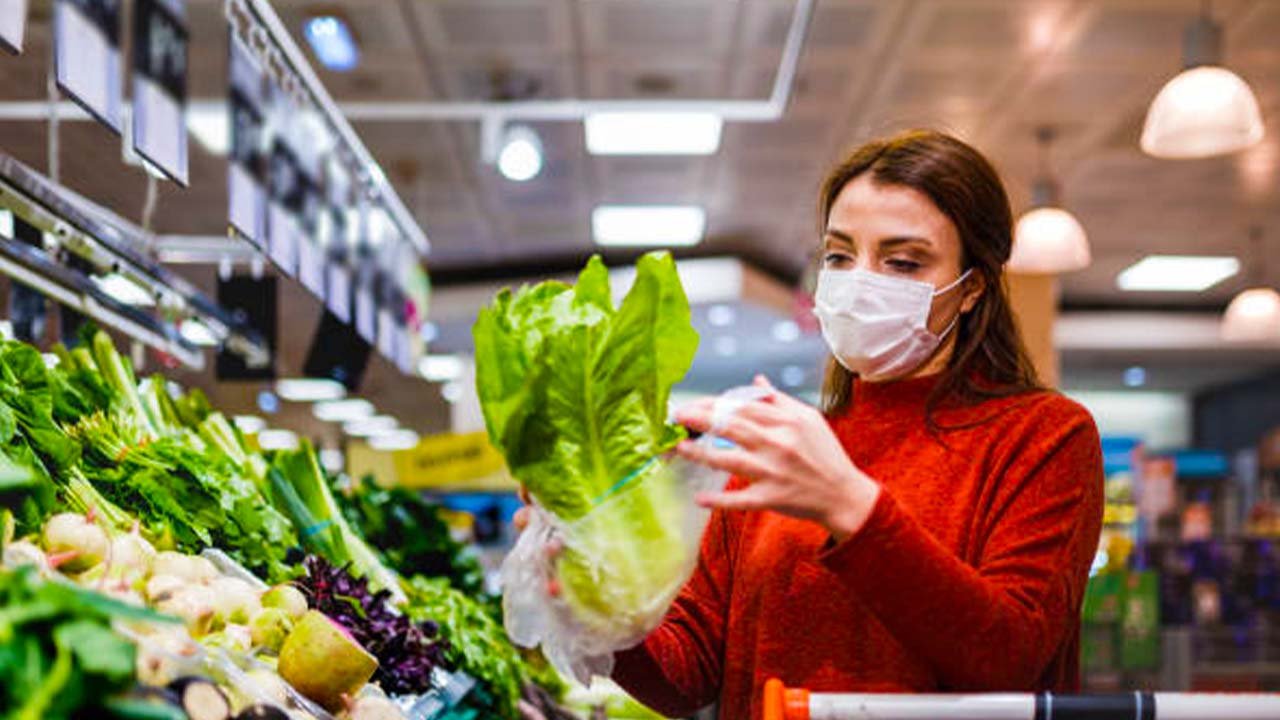
  • Turkey: Food prices surged by 89 per cent, transportation costs increased by 106 per cent

    Turkey: Food prices surged by 89 per cent, transportation costs increased by 106 per cent

    Turkey’s inflation rate skyrocketed to almost 70 per cent last month, creating a substantial challenge for President Recep Tayyip Erdogan, whose unusual economic strategies are frequently blamed for the country’s economic woes.

    Erdogan, defying economic conventional wisdom, insists that major interest rate cuts are essential to reduce spiralling consumer costs.

    Turkey’s consumer price index (CPI) climbed by 69.97 per cent on a year-on-year (YoY) basis in April 2022, compared to 61.14 per cent in March 2022, according to the national statistics agency, indicating a massive increase.

    The transportation industry saw the largest price rises in April, up 105.9 per cent, while food and non-alcoholic drinks cost increased by 89.1 per cent.

    Likewise, lira’s depreciation has quadrupled the cost of energy imports, and international investors are progressively fleeing the formerly emerging economy. Energy price hikes and production constraints have been worsened by Russia’s invasion of Ukraine and the coronavirus outbreak.

    According to economists, Turkey’s yearly inflation rate – the highest since Erdogan’s ruling AKP party took office in 2002 – is entirely due to Erdogan’s unusual economic thinking.

    Read more: Transporters continue to overcharge ahead of Eid-ul-Fitr

    Erdogan has pushed the supposedly independent central bank to reduce interest rates. Despite strong inflation, the bank maintained its benchmark interest rate for the fourth month in a row in April, yielding to criticism.
  • Shopkeepers fined in Islamabad for not adhering to DC rates

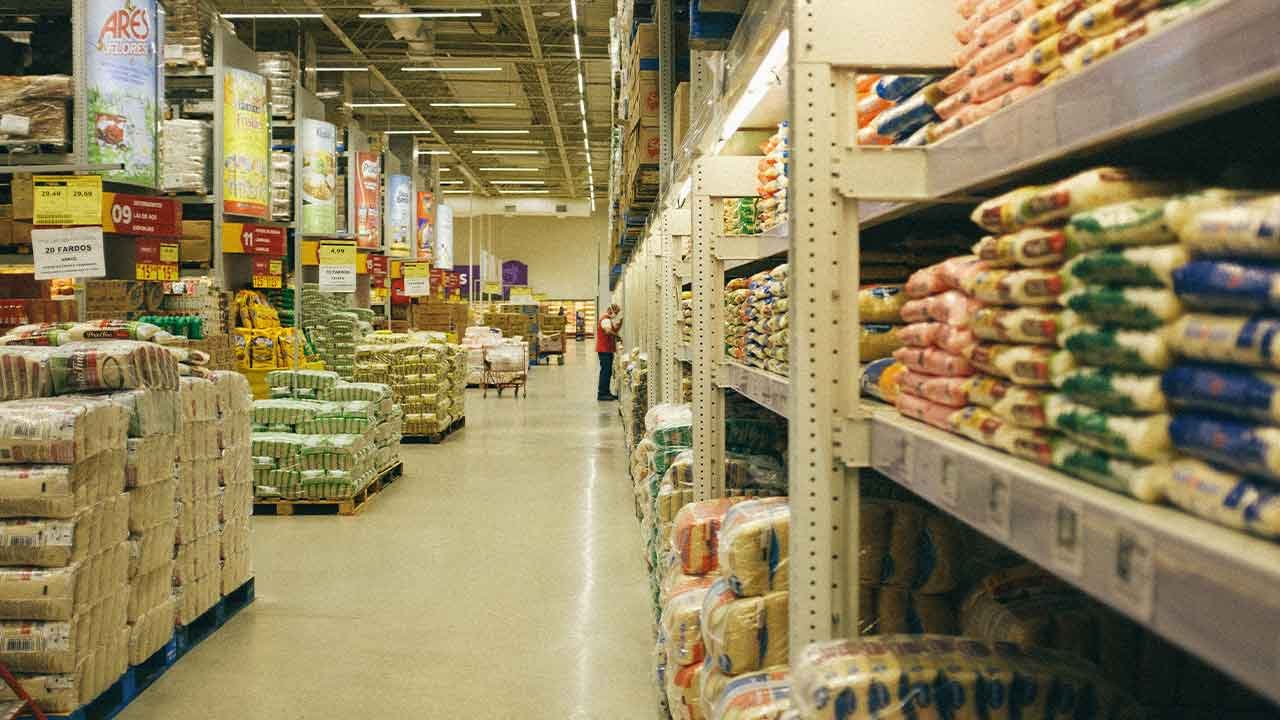
    Shopkeepers fined in Islamabad for not adhering to DC rates

    On April 27, special teams led by the Islamabad Capital Territory (ICT) administration issued fines of up to Rs40,000 to shop owners for overcharging consumers.

    During surprise raids conducted by magistrates and assistant commissioners, shops from several marketplaces were penalised, according to an ICT administration spokesperson.

    Irfan Memon, the Deputy Commissioner of Islamabad, said the administration was enforcing strict adherence to the rate list of food goods in marketplaces during Ramadan in order to prevent profiteering.

    He stated that strict action was being taken against racketeers in the federal capital and that violators were being fined heavily on the spot for overbilling. During the holy month, he claimed, daily price-checking would continue unabated.

    After investigating 628 shops across the city, officials sealed five shops and arrested 12 vendors, according to details.

    Read more: Pakistan’s energy crisis worsens, resulting in ten hours of load shedding

    The AC secretariat inspected dairy, poultry, and milk shops, as well as general stores, bakeries, and fruit and vegetable shops, for quality, general hygiene, expired products, and compliance with notified pricing and the exhibition of the DC rate list of necessary commodities.

    Three merchants were detained for refusing to exhibit the rate list and overcharging, while others who broke the law were fined and warned.

  • Petroleum sales increase by 23% in March, despite hefty oil prices

    Petroleum product sales rebounded in the last month after a dismal February with Oil marketing companies (OMC) witnessing an increase of 23 per cent in sales of petroleum products on a year-over-year (YoY) basis in March 2022.

    Overall petroleum sales in March 2022, increased to 1.82 million tonnes compared to 1.54 million tonnes in March 2021, as per the data released by Arif Habib Limited.

    The stability comeback shows a 19 per cent increase in overall OMC sales on a month-over-month (MoM) basis.

    OMC volume growth was driven by furnace oil, which climbed by 34 per cent on a YoY basis, followed by HSD volume growth of 29 per cent and MS volume growth of 13 per cent. MoM growth in OMC volumes followed a similar pattern, with FO taking the lead.

    Although the increase in furnace oil volumes was driven by increased furnace oil usage in the power sector due to low gas and Re-Gasified Liquefied Natural Gas (RLNG) availability.

    The increase in HSD volumes was driven by increased demand from the transportation and agriculture sectors and increased usage in generators and the power sector.

    Moreover, the government’s price caps and the additional number of days in March compared to February were the main contributors to MoM growth in diesel and gasoline sales.

    Consequently, petroleum sales increased by 19 per cent on a YOY basis in 9MFY22, with double-digit increases for petroleum products.

    Diesel sales grew by 17 per cent, followed by 16 per cent increase for furnace oil and a 10 per cent growth for motor oil.

    While some are expecting a drop in petroleum sales due to the political turmoil and rising commodity prices, others say that higher oil consumption cannot be overturned as the summer is already here and people are likely to consume more electricity, also that the power sector may switch to furnace oil due to RLNG commitment defaults.

  • Ramzan Relief Package: Utility Stores Corp announces discount on 1,500 items at 4,000 outlets

    Utility Stores Corporation of Pakistan (USC) will sell various food items at prices cheaper than the open market through its country-wide retail outlets as a part of its Ramzan Relief Package.

    The state-owned enterprise is offering discounted prices for 19 food items besides 1,500 total items that will be available at 4,000 stores throughout the holy month of Ramzan.

    Consumers will pay Rs950 for a 20-kilogram wheat flour bag under the package, instead of its original price of Rs1100-1350. Similarly, one kilogramme (kg) of sugar would be offered at Rs85 instead of Rs86-93. One kg of subsidized ghee costs Rs260 at USC, whereas edible ghee costs Rs470 on the open market.

    The price of one liter of cooking oil at USC is Rs407, while the open market is offering the same at Rs500.

    Likewise, one kg of daal channa costs Rs162 at USC, while it is being sold at Rs180-190 on the open market. Similarly, a kg of dal moong (washed) costs Rs170, and the open market sells it for Rs180-200 per kg. Washed daal mash costs Rs268 at USC, as compared to its price of Rs280-320 on the open market.

    Furthermore, one kg of daal masoor costs Rs215 at USC, instead of Rs250-280 in the open market. Sella rice will cost Rs165 per kg, basmati rice Rs155 per kg, and tota rice Rs85 per kg.

    The dates will cost Rs140 per kg, whereas dates on the general market will continue selling for Rs200 and Rs240. The 950gm tea pack costs Rs1,042 at USC, in contrast to its price of Rs1,250 in the open market.

    Read more: FBR records 29.1% growth during July 2021 to March 2022

    Ultra-high temperature (UHT) or pasteurized milk at USC is offered at USC for Rs142, and costs Rs165 in the general market. Squashes are sold for Rs250 instead of Rs290, and squashes and syrups (1,500 ml) are available for Rs437, compared to the original price of Rs495 in the open market.

  • Khyber Pakhtunkhwa cabinet approves Rs2.5 billion subsidy under Ramzan package

    The Khyber Pakhtunkhwa (KP) cabinet on March 29 okayed a subsidy package of Rs2.5 billion for the upcoming holy month of Ramzan, to ensure an uninterrupted supply of edible items at lesser rates.

    KP Chief Minister Mahmood Khan presided over the meeting, which was attended by ministers, chief minister’s advisers, and administrative secretaries.

    Following the meeting, government spokesman Barrister Mohammad Ali Saif revealed that 2,800 points had been set up around the KP to sell 20kg bags of wheat flour for Rs800 instead of the customary Rs1100 during Ramzan, while 10kg bags would be sold for Rs400.

    During Ramzan, the cabinet also decided to set up 83 sasta bazaars, 123 Ramazan facilitation centers, 42 mobile utility stores, and 96 Ramzan dastarkhwans.

    All of these points will be supervised by monitoring units led by respective secretaries and deputy commissioners to prevent price hikes and shortages of vital commodities on the market.

  • Pakistani assembled Chery Tiggo SUVs to be delivered in June 2022

    Ghandhara Nissan Limited (GNL) has officially opened bookings for Chery Tiggo 4 Pro and Chery Tiggo 8 Pro, introduced with an ex-factory price of Rs 4.6 million and Rs 6.6 million respectively.

    The booking price of Tiggo 8 Pro is Rs 1.5 million and that of Tiggo 4 Pro is Rs 1 million and the expected delivery time for both models is June 2022. 

    The company partnered with Chinese Chery Automobile Co Ltd. for local assembly and distribution of the Tiggo SUV series in 2021. Chery Tiggo will now be the 12th locally assembled SUV in Pakistan.

    GNL said it had started assembling the SUVs and would be delivering the first batch of the vehicles in April at its authorized dealerships. Chery Tiggo 4 is a 1.5L Turbo five-seater vehicle, while Tiggo 8 Pro is a 1.6L Turbo seven-seater SUV.

    Considering the Auto Development Policy (ADP) 2016-21, Toyota Fortuner was the only locally assembled SUV in Pakistan.

    However, nearly a dozen SUVs were introduced after the auto industry was encouraged by the government and new entrants started stepping into the local auto market of Pakistan.

    Tiggo 8 Pro will compete against 7-seater vehicles in the local market, including the most popular Toyota Fortuner, and the offerings from new entrants: Changan Oshan X7 Comfort, DFSK Glory 580 Pro, as well as Kia Sorento. While the Tiggo 4 Pro will be a direct rival to 5-seater crossovers like KIA Stonic, MG ZS, and the newly introduced Peugeot 2008.