Tag: Mars

  • NASA records sound of ‘dust devil’ on Mars

    NASA records sound of ‘dust devil’ on Mars

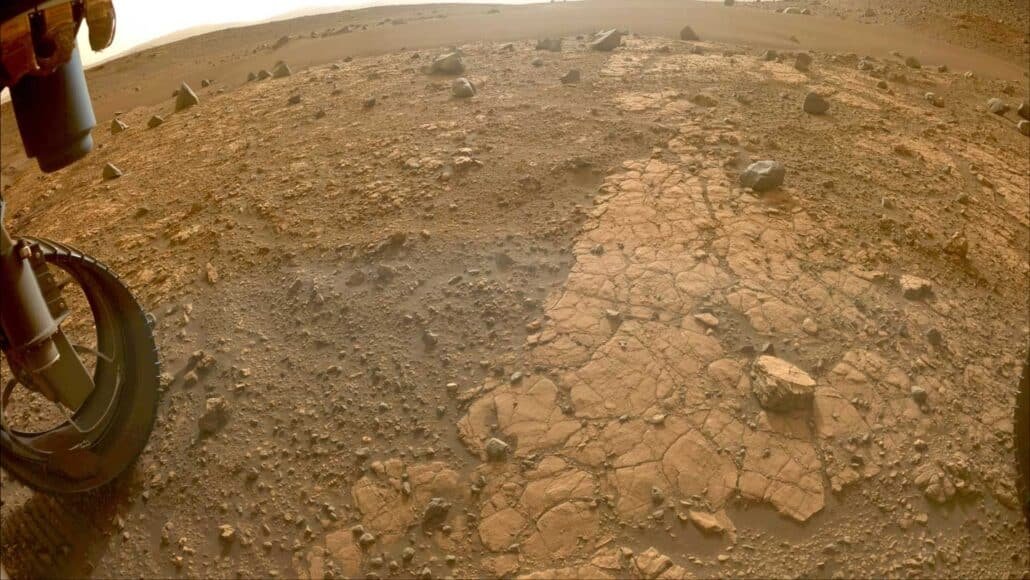
    The sound of a ‘dust devil’ on Mars has been recorded for the first time by NASA’s Perseverance when a short whirlwind swept over the rover.

    Researchers believe that the recording will help to gain more information about climate behavior on Mars, including how the atmosphere of the red planet could possibly support life.

    Although dust devils and dust storms are very common on Mars, NASA’s rover has captured it for the first time on its microphone.
    The rover’s audio recording device is turned on only occasionally, leading to estimates that such events might be recorded just around 0.5 percent of the time. Wind speeds in the walls of the dust devil reached nearly 40kmph as with the last whirlwinds observed by other instruments, this early morning dust whirl caused a slight drop in atmospheric pressure and rise in temperature as it swept over the rover on September 27, 2021. It was 25 meters in diameter, at least 118 meters tall, and ambled by at about 20 kilometers per hour.
  • NASA’s Perseverance rover lands on Mars, China trails behind

    NASA’s Perseverance rover lands on Mars, China trails behind

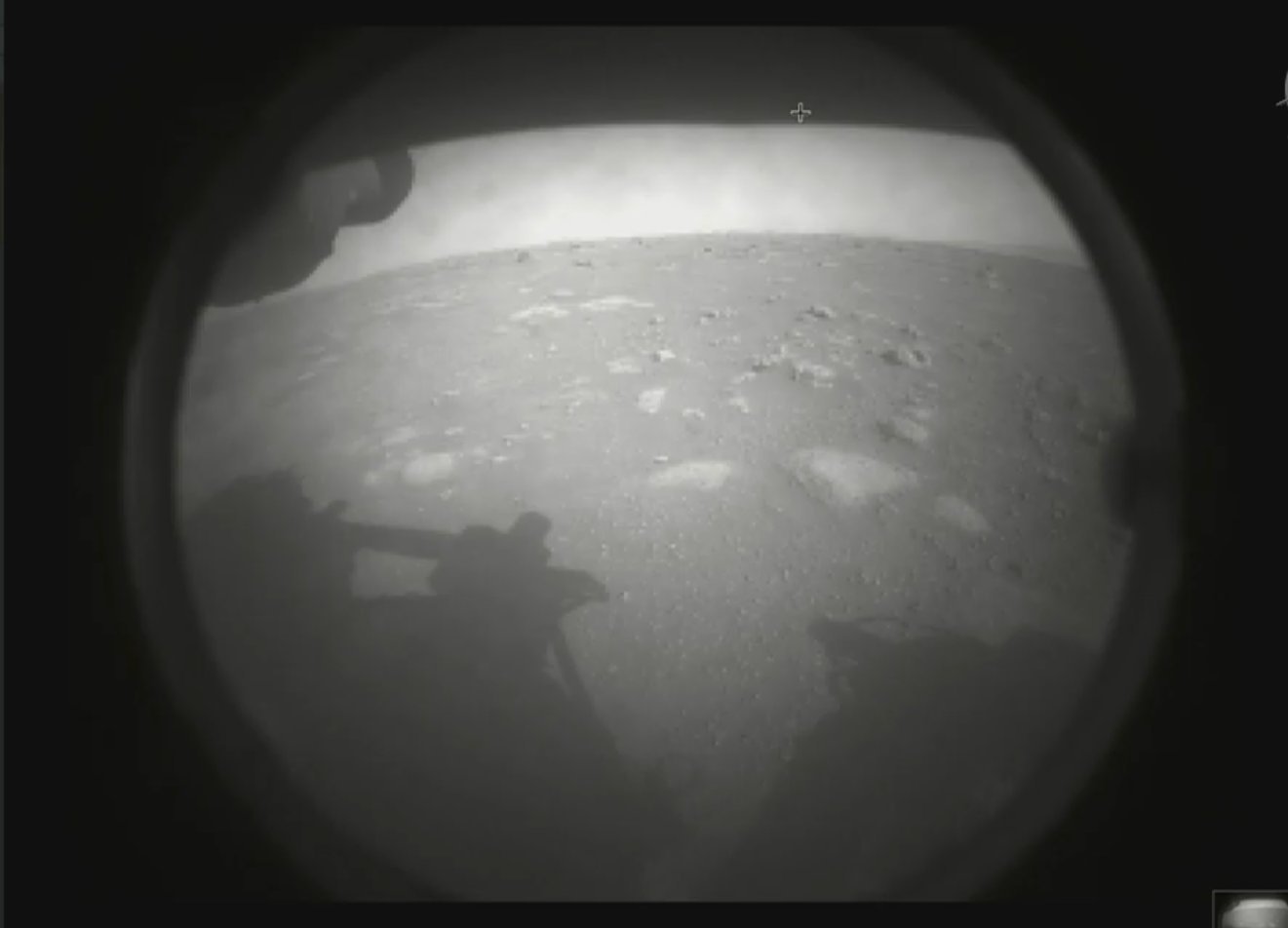
    NASA successfully landed its fifth robotic rover, Perseverance, on the surface of Mars on Thursday after its six-month journey from Earth.

    “Touchdown confirmed. Perseverance is safely on the surface of Mars,” said Swati Mohan, an engineer on the Perseverance team.

    The rover is the most technologically advanced robot NASA has ever sent to Mars. The agency’s goal is to use it to explore the surface in nearly two years.

    NASA spent about $2.4 billion to build and launch the Perseverance mission, with another $300 million in costs expected for landing and operating the rover on the Mars surface.

    Perseverance also has a small helicopter named Ingenuity that NASA would use to try the first flight on another planet.

    The rover’s weight is about 1one ton. It is 10 feet long, nine feet wide and seven feet tall. The camera is fixed in a robotic arm that reaches about seven feet. It also has a chemical analyser and a rock drill.

    Perseverance traveled 293 million miles to reach Mars over the course of more than six months after it was launched on a United Launch Alliance Atlas V rocket on July 30.

    Meanwhile, China’s Tianwen-1 spacecraft has also entered into the orbit and might land on the surface later this year.

  • UAE’s Hope returns with first image of Mars

    UAE’s Hope returns with first image of Mars

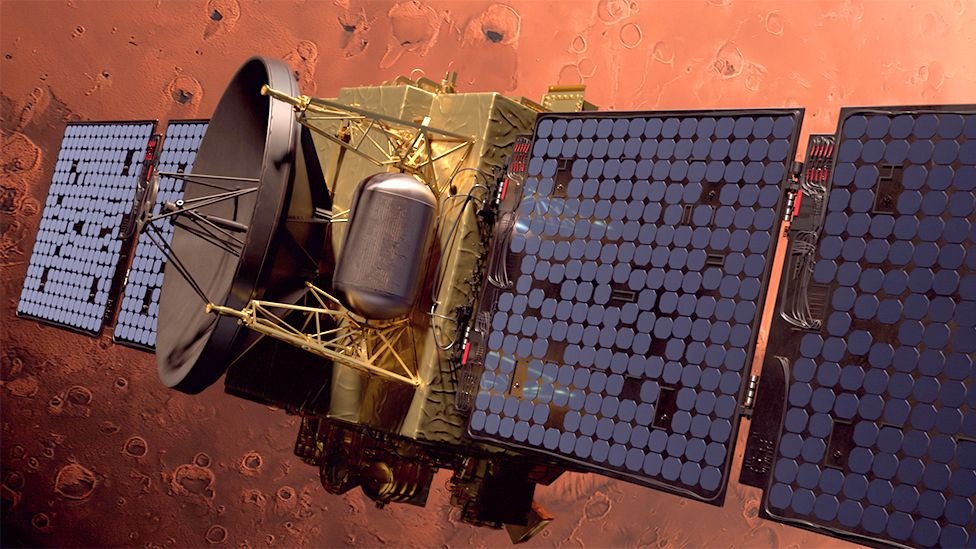
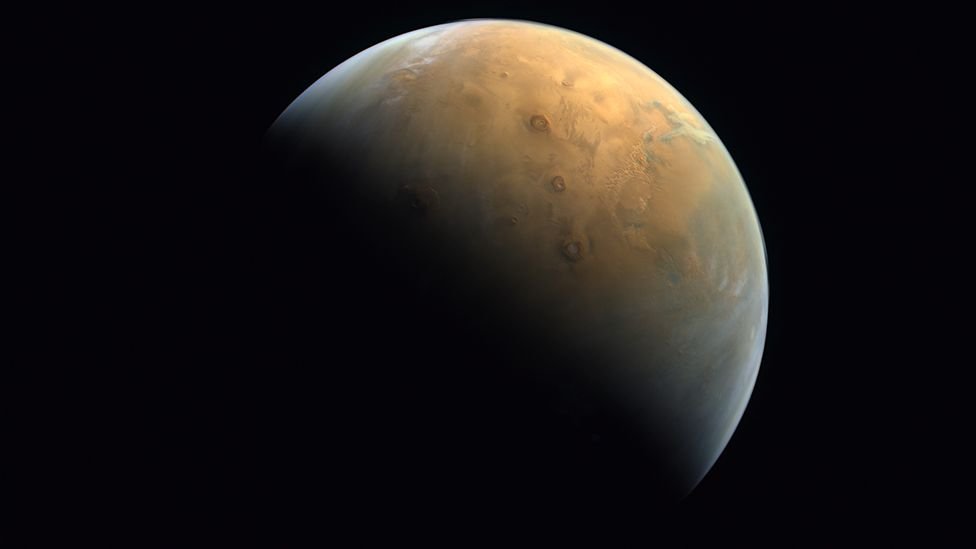
    The spacecraft Hope sent by the United Arab Emirates (UAE) to the orbit of Mars has returned with stunning pictures.

    The spacecraft entered into the orbit on Tuesday and made UAE the first Arab nation in history to create a scientific presence on the Earth’s near neighbour.

    The spacecraft was sent to study the weather and climate system and other areas of astronomy.

    The state of the art Hope is performing two jobs including capturing high-resolution pictures of the surface of Mars and acting as a telecommunications reply station for landed robots in contact with Earth.

    The picture is captured by Hope’s EXI instrument from the distance of 24,700 Kilometers (km) above the Martian surface on Wednesday, one day after entering the orbit of the Red Planet.

    “The transmission of the Hope Probe’s first image of Mars is a defining moment in our history and marks the UAE joining advanced nations involved in space exploration,” the mission’s Twitter account stated. “We hope this mission will lead to discoveries about Mars which will benefit humanity.”

    Hope is now orbiting around Mars as close as 1,000km from the planet and goes out to almost 50,000km.

    Hope will be carrying high-level research on Mars like monitoring how energy moves through the atmosphere from the bottom to the very top.

    Out of several, one of the main things Hope was to study is the leakage of hydrogen and oxygen neutral atoms in space.

    This research will open wonders that will help the scientists to understand how Mars has turned from a wet, water abundant planet to a cold and dusty ball.

    This coming week, it is the turn of the Americans. Their Perseverance rover reaches Mars on Thursday and will try immediately to land in a near-equatorial crater called Jezero.