Tag: Masks

  • Dhund nay kar dia safar mushkil

    Dhund nay kar dia safar mushkil

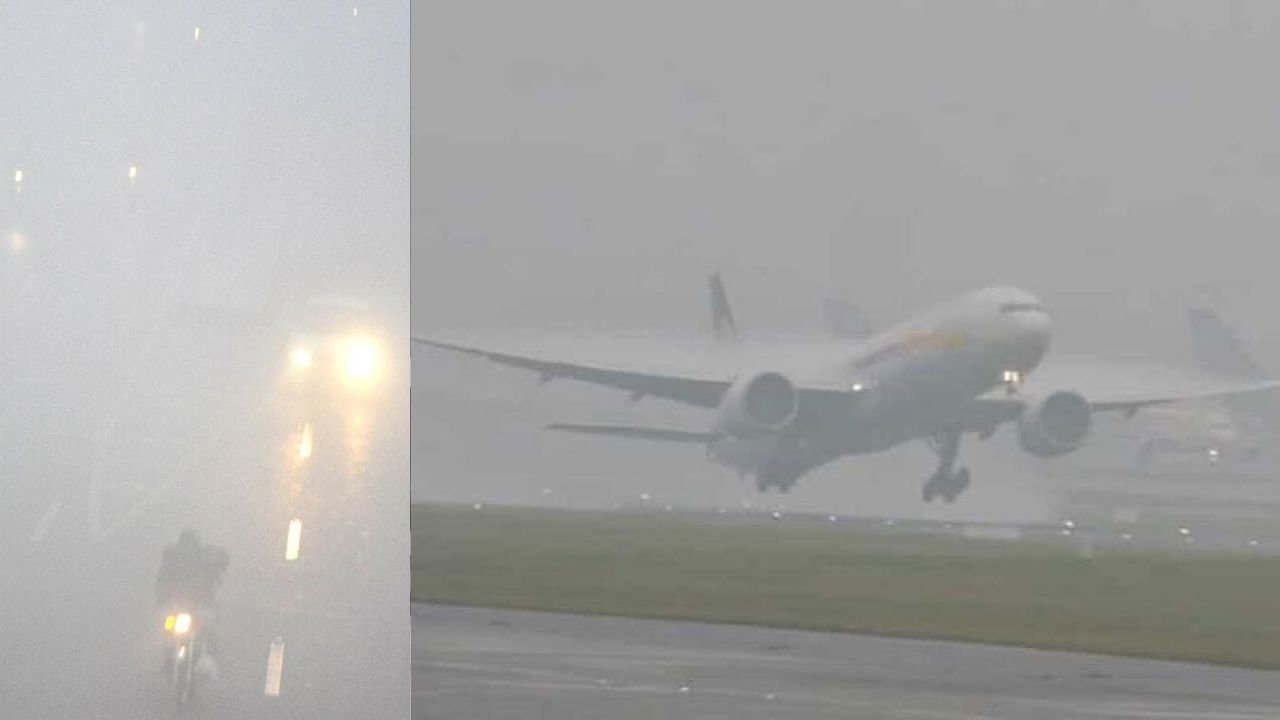
    A thick blanket of heavy fog has descended on different parts of Pakistan, severely impacting visibility and causing widespread transportation disruptions.

    Adverse weather conditions have compelled authorities to take precautionary measures, resulting in the closure of main highways and affecting air travel.

    The impact of the fog extends beyond Lahore, spreading as far as Mandi Bahauddin, Pindi Bhatian, Kot Addu, and Uch Sharif.

    Residents and commuters in these regions are urged to exercise caution and adhere to any instructions issued by local authorities.

    Sialkot and its surrounding regions, including Pasrur, Daska, and Sambrial, are grappling with reduced visibility levels, significantly disrupting traffic flow. Commuters are advised to stay informed about the latest weather updates and road closures to ensure their safety.

    The fog has not only affected ground transportation but has also disrupted air travel. Multiple flights have been canceled, and others delayed, impacting cities in Sindh and Punjab.

    The closures of major motorways, including the M2, M3, M4, M5, and M11, further compound transportation challenges.

    In addition to the transportation disruptions, the air quality in Lahore has deteriorated, earning the city the unfortunate distinction of being the most polluted in the world.

    Meanwhile, dense fog in various cities of Sindh and Punjab has led to operational challenges for flights. The Pakistan International Airliner (PIA) spokesperson emphasizes the importance of obtaining flight information from the PIA Call Centre before heading to the airport, considering the potential disruptions caused by the fog.

    Over the past week, a total of 32 flights destined for Faisalabad, Multan, Lahore, and other Punjab airports had to be redirected to Islamabad International Airport due to the prevailing fog conditions.

    “Severe fog ongoing in the country has affected PIA flights from Lahore, Multan and Sialkot airport,” the airline’s spokesperson, Abdullah Khan, said in a statement, adding the PIA apologized for any inconvenience caused due to these operational challenges.

    “Low visibility and intensity of fog pose difficulties in flight operations,” he added. “Flights from Lahore, Multan, and Sialkot may be canceled, changed or delayed due to fog.”

    Khan noted that flight operations were usually affected in these cities in winter.

    “All passengers are urged to obtain information about their flights from the PIA call center before heading to the airport,” he added.

    Unusual Winter Conditions Across Northwest India:

    Meanwhile, across Northwest India, including Punjab and Uttar Pradesh, a thick blanket of fog has descended, impacting visibility levels. Despite the fog, winter temperatures are milder than usual for this time of the year.

    The India Meteorological Department (IMD) reports that night temperatures in north-western states remain higher than normal, with at least 2-3°C above-normal readings in several regions. Delhi recorded a minimum temperature of 7.8°C, one degree above normal, with daytime temperatures reaching 22°C.

    Meteorologists attribute the warmer winter to the absence of strong western disturbances, traditionally responsible for winter rainfall over North India. Additionally, global warming is increasingly influencing weather patterns throughout the year, delaying the onset of winter and reducing the intensity of cold waves.
  • Smart lockdown fails as Lahore remains on top in Air Quality Index

    Smart lockdown fails as Lahore remains on top in Air Quality Index

    Despite the efforts of the caretaker government of Punjab to curb smog, Lahore is still one of the most polluted cities in the world.

    After three days of holidays and a smart or soft lockdown, Lahore’s hazardous smog has barely dissipated.

    Caretaker Chief Minister Mohsin Naqvi posted an update on Saturday about the trend of smog tending towards healthier.

    The average air quality index (AQI) of Lahore was recorded at 356 (hazardous) on Sunday while the maximum was 444 at 3 am.

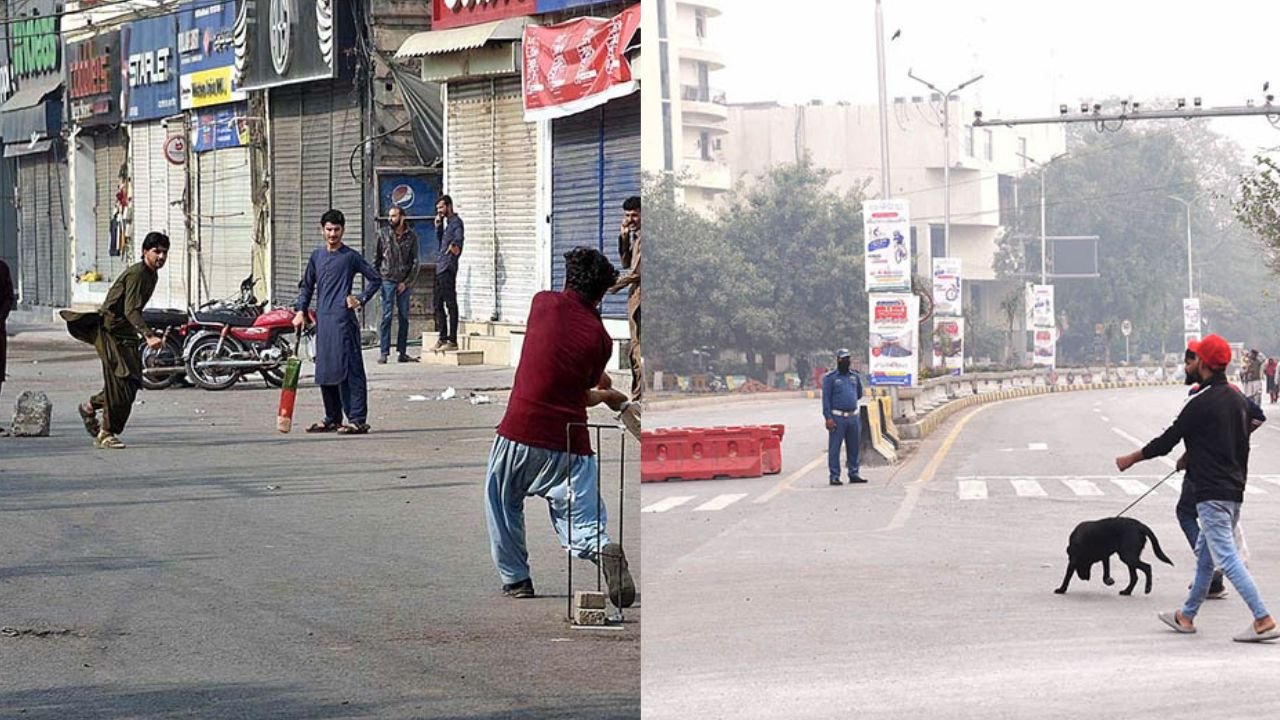
    The government completely closed vehicular traffic on Mall Road for a day but the effort seemed futile as the AQI around the road was 458 in the morning while AQI in the DHA Phase 8 was 437, in Gulberg it was 412 and in Johar Town, it stood at 402, reports Dawn.

    As of today, the air quality index of Lahore was recorded at 415 (extremely hazardous) around 10 a.m. and by the evening, when this report is being filed, it is standing at 305 (hazardous).

    While Mall Road was totally barricaded, some markets and shops were found open despite restrictions till 4 pm on Sunday and people were thronging food points in Liberty Market, Ichhra and Anarkali Bazaar.

    Netizens criticised the Punjab government for a lack of effective steps to counter smog.

    A user posted about it being attributed to the endless construction in the city while others complained about it being lethal for citizens.

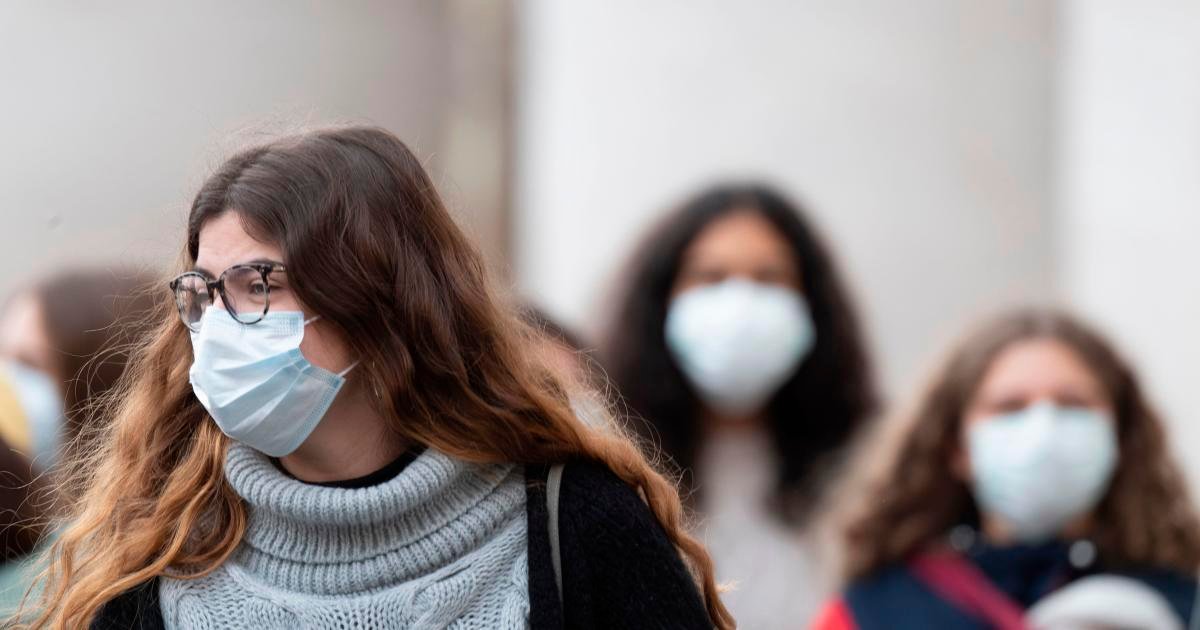
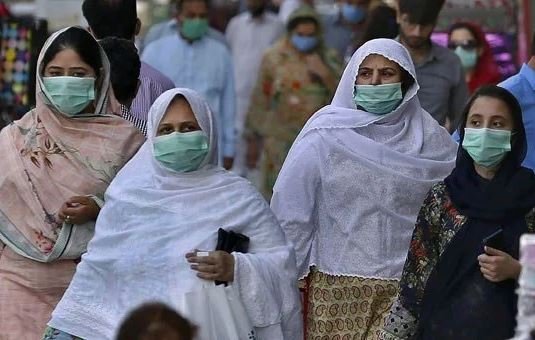
  • Start wearing masks again: Pak detects case of Omicron sub-variant

    Start wearing masks again: Pak detects case of Omicron sub-variant

    Pakistan has detected its first case of Omicron sub-variant, the National Institute of Health (NIH) announced.

    “NIH has detected the first case of Omicron sub-variant BA.2.12.1. This new sub-variant is causing an increasing number of cases in different countries.”

    NIC also advised citizens to take preventive measures.

    “The best preventive measure (besides mask-wearing at crowded places) is Covid-19 vaccination. We strongly recommended getting vaccinated and all those due for boosters must get the shots immediately.”

    Read more- NCOC decides to lift all covid related restrictions

    The National Command Operation Centre (NCOC), which was tackling Covid-19 in Pakistan, was shut down on March 31.

    On March 16, NCOC decided to lift all the Covid-19 related restrictions amid the decline in cases.

  • Study shows masks make people look more attractive

    Study shows masks make people look more attractive

    Researchers at Cardiff University, Wales have released a study that found that both men and women are perceived as more attractive when they are wearing a mask, reports Guardian.

    Interestingly, similar studies before the pandemic had found that people wearing face masks are considered less attractive since people associate masks with diseases.

    “Our study suggests faces are considered most attractive when covered by medical face masks. This may be because we’re used to healthcare workers wearing blue masks and now we associate these with people in caring or medical professions,” Dr. Michael Lewis from Cardiff University said. “At a time when we feel vulnerable, we may find the wearing of medical masks reassuring and so feel more positive towards the wearer,” he added.

    The study also shows that a face covered with a disposable-type surgical mask is more appealing. During the test run by the institution, the participants said those wearing a cloth mask are significantly more attractive than the ones with no masks.

    Dr Lewis said it is also possible that masks made people more attractive because they direct attention to the eyes.

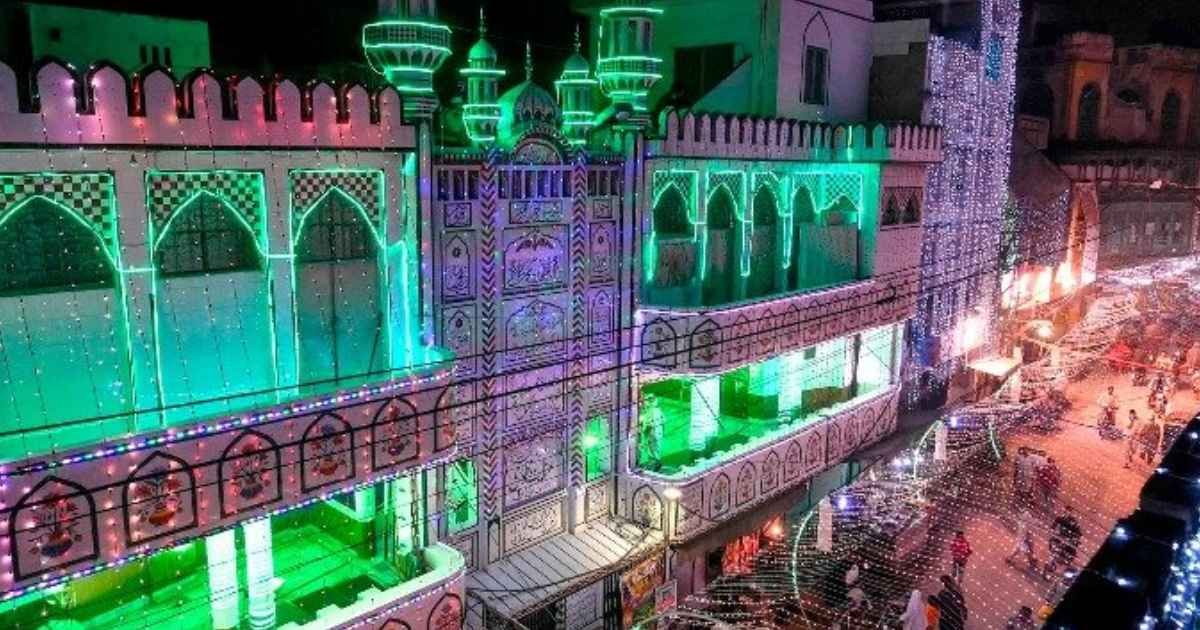
  • ‘Covid vaccination mandatory for naat khuwans, scholars in Rabiul Awal celebrations’: NCOC

    ‘Covid vaccination mandatory for naat khuwans, scholars in Rabiul Awal celebrations’: NCOC

    The National Command and Operation Centre (NCOC) has issued coronavirus guideline for Rabiul Awal celebrations across the country. It is mandatory for religious scholars and naat khuwans to be fully immunised against Covid.

    At a meeting led by Asad Umar, it was decided that only licensed and government-approved rallies will be allowed.

    Here are other SOPs issued by the NCOC:

    • Strict implementation of SOPs at milads.
      It is compulsory for people to wear masks, use sanitisers, and maintain social distancing at celebrations.
    • Ulemas and naat khuwans to be fully vaccinated against coronavirus.
    • The government has urged media houses to run live transmissions of milads and other celebrations. This way more people will be able to take part in the celebrations without having to physically attend them.
    • Special vaccination camps to be set up on 10th Rabiul Awal.
    • Venues for milads and other celebrations should be open and airy.
    • A six-feet distance in seating arrangements should be ensured.
    • Thermal scanners to be set up at entrance points.
    • Sanitisers and masks to be provided at the entrance.
    • Health desks to be established at all venues.
      Only packed food to be distributed.

    Earlier, the Sindh government imposed a ban on pillion riding on Eid Milad-un-Nabi, the 12th of Rabiul Awal. It will be celebrated on October 19.

    Women, children below 12 years of age, senior citizens, journalists, disabled persons, law enforcers, and employees of essential services have been exempted from the ban.