Tag: Mattel

  • Mattel introduces Barbie doll with Down’s syndrome

    Mattel introduces Barbie doll with Down’s syndrome

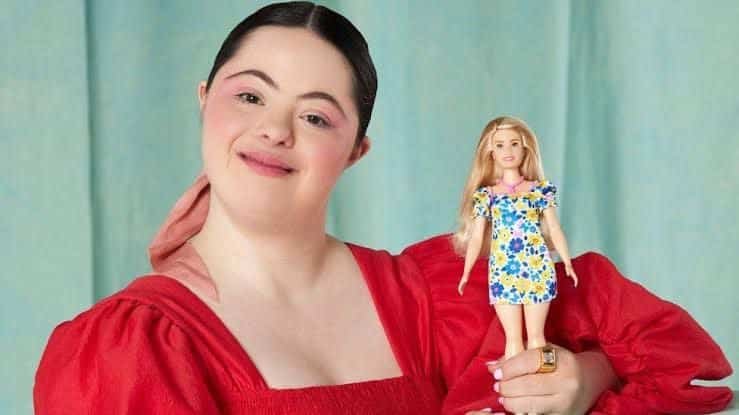
    On Tuesday, powerhouse toy producer Mattel unveiled their first-ever Barbie doll that represents an individual with Down’s syndrome. The doll was developed in collaboration with the National Down Syndrome Society (NDSS) to ensure that it accurately depicts a person who has the genetic disorder. Mattel consulted with the NDSS to incorporate specific design features and clothing that carry significance to represent the community.

    “Barbie plays an important role in a child’s early experiences, and we are dedicated to doing our part to counter social stigma through play,” said Lisa McKnight, executive vice president and global head of Barbie and dolls at Mattel.

    “Our goal is to enable all children to see themselves in Barbie, while also encouraging children to play with dolls who do not look like themselves,” she added in a statement.

    Down’s syndrome is a genetic condition that results in the presence of an additional chromosome, leading to differences in physical and cognitive development. Mattel had previously introduced a range of Barbie dolls that honored feminists and other inspiring figures. With the introduction of the new Down syndrome Barbie, the total number of different looks available in the Barbie collection is 175, according to Mattel.
  • Barbie dolls celebrate diversity

    Barbie dolls celebrate diversity

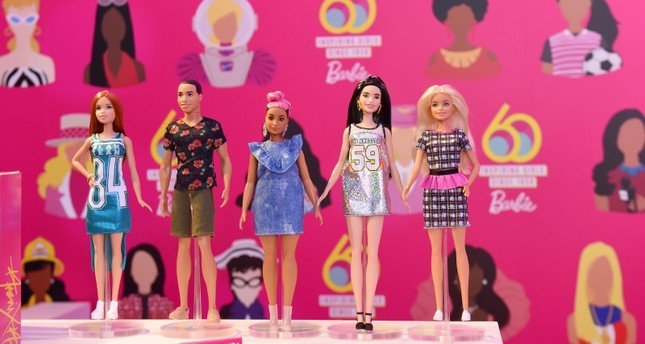
    The blonde and skinny Barbie dolls, which were once criticised for promoting a narrow, unrealistic ideal of what is beautiful, have undergone change as the brand adopts a more progressive approach, unveiling dolls with an array of skin tones, hair textures, body sizes and facial structures.

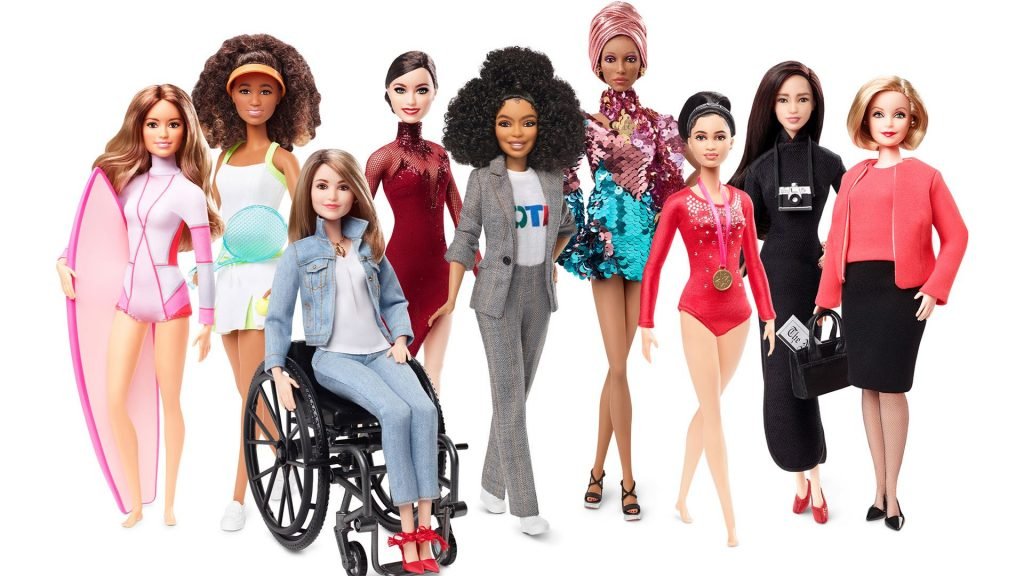
    There are Barbies with less defined waists, varying bust sizes and sculpted arms. The new Barbie dolls have prosthetic limbs, alopecia, the skin condition vitiligo and no hair.

    The 2020 additions to Mattel’s Barbie Fashionistas line are the company’s latest nod to making sure its dolls reflect more of society’s diversity.

    While a doll with a prosthetic limb debuted last year, this year’s version will have a darker complexion. Another new addition has no hair. And even Ken has gotten an updated look, sporting long locks instead of his signature, short, sculpted coif.

    “We’ve been committed to increasing diversity in our line and showcasing all the different types of beauty that exist … making the line more accessible,” says Lisa McKnight, senior vice president and global head of Barbie and its dolls portfolio.

    In 2019, over half of all Barbie dolls were diverse. And some of the newer Fashionistas have been inspired by customers. “Our wheelchair Barbie and our doll with vitiligo were literally fan requests,” says McKnight.

    Shoppers have welcomed the inclusiveness. Barbie’s top seller throughout 2019 was a curvy black doll with an Afro. And among the 10 top-selling Fashionistas last year, seven were diverse, including the doll that uses a wheelchair.

    This year’s Fashionistas line will roll out in two phases. The new Ken doll and Barbie with vitiligo are on sale now, while the new doll with a prosthetic leg and the Barbie with no hair will become available starting in June.