Tag: meat

  • Weekly inflation in Pakistan soars 35% from last year’s rates

    Weekly inflation in Pakistan soars 35% from last year’s rates

    The Pakistan Bureau of Statistics (PBS) has reported an increase in the Sensitive Price Indicator (SPI) based inflation for the week ending on February 9th, 2023. The SPI recorded a rise of 0.17 per cent due to heightened prices for both food and non-food items.

    The year-on-year trend shows an increase of 34.83 per cent mainly due to an increase in the prices of onions (507.98 per cent), chicken (93.21 per cent), diesel (81.41 per cent), eggs (79.19 per cent), rice basmati broken (68.92 per cent), petrol (68.77 per cent), rice irri-6/9 (68.26 per cent), pulse moong (66.30 per cent), tea Lipton (63.92 per cent), bananas (61.88per cent), pulse gram (56.80 per cent), bread (50.66 per cent), LPG (50.41 per cent), pulse mash (50.25 per cent) and salt powdered (46.46 per cent), while a decrease is observed in the prices of tomatoes (57.76 per cent), chilies powdered (12.43 per cent) and electricity for q1 (12.31 per cent).

    The SPI for the week under review in the above-mentioned group was recorded at 228.17 points against 227.79 points registered in the previous week, according to the latest PBS data released on Friday.

    During the week, out of 51 items, prices of 29 (56.87 per cent) items increased, 05 (9.80 per cent) items decreased and 17 (33.33 per cent) items remained stable.

    The SPI for the consumption group up to Rs. 17,732 decreased by 0.06 per cent while it increase for Rs. 17,732-22,888, Rs. 22,889-29,517, Rs. 29,518-44,175 and above Rs. 44,175 consumption group increase by 0.02 per cent, 0.10 per cent, 0.14 per cent, and 0.22 per cent respectively.

    The items, which recorded an increase in their average prices during the week over the previous include potatoes (7.15 per cent), chicken (6.94 per cent),  bananas (6.53 per cent), vegetable ghee Dalda/Habib or other superior quality 1 kg pouch each (5.67 per cent), rice basmati broken (3.80 per cent), rice irri-6/9 (3.64 per cent), LPG (3.06 per cent), vegetable ghee Dalda/Habib 2.5 kg tin each (2.71 per cent), cooking oil Dalda or other similar brands (sn), and 5 liter tin each (2.60 per cent).

    Other items which recorded an increase are pulse mash (2.42 per cent), cigarettes capstan 20’s packet each (2.25 per cent), garlic (2.20 per cent), pulse moong (2.20 per cent), mustard oil (2.20 per cent), powdered milk Nido 390 gm polybag each (1.88 per cent), pulse gram (1.87 per cent), curd (1.83 per cent), tea prepared (1.77 per cent), milk fresh (1.52 per cent), matchbox (1.47 per cent), Sufi washing soap (1.39 per cent), bread plain (1.25 per cent), pulse masoor (1.23 per cent), energy saver Philips (0.79 per cent), salt powdered (0.65 per cent), firewood whole 40 kg (0.60 per cent), cooked daal (0.52 per cent), gur (0.31 per cent) and cooked beef (0.09 per cent).

    The commodities, which recorded a decrease in their average prices included onions (9.83 per cent), tomatoes (5.40 per cent), eggs (3.40 per cent), wheat flour bag 20 kg (2.71 per cent), and sugar (0.31 per cent).


  • Here’s how chicken prices surpassed beef prices for the first time in Pakistan

    Here’s how chicken prices surpassed beef prices for the first time in Pakistan

    Owing to a major shipment that has been stuck at Port Qasim in Karachi for several months, chicken prices have sharply increased and surpassed beef prices (with bones) for the first time in thirty years.

    A shipment of soybean seeds worth $100 million was halted in October 2022 at Port Qasim in Karachi. These oilseeds were designed to be crushed rather than planted. One of the main components of the edible oil used in Pakistan is the liquid that is produced when the seeds are pressed.

    Being one of the biggest importers of palm seeds, soybeans, and other oilseeds from nations like Malaysia, Pakistan is heavily dependent on these oilseeds to meet its demands for edible oil. But because they are also used as cattle feed, these oilseeds serve yet another crucial role in the food chain.

    The solid parts of the seeds are left behind when oilseeds like soybeans are pressed to produce edible oil. Then, “oil cakes” made from this fiber- and protein-rich material are fed to cattle and birds as food.

    The majority of these livestock’s “meals” up until 2015–16 were made from locally obtained cotton seeds. Since they are more nutritive than cotton seeds, soybean meals have gained popularity in recent years. Pakistan consumes 2 to 2.8 million tonnes of these meals each year.

    This indicated that when the soybean shipments were stopped at the port, the poultry business was also shocked in addition to the edible oil industry. Feed for chickens was suddenly unavailable, and prices began to soar.

    Since Pakistan is a signatory to the Cartagena Protocol for Biosafety, the environmental ministry was authorised to halt the exports of genetically modified soybean seeds at the port.

    Several issues arose with this. First of all, despite widespread scaremongering, GMOs have never been proven to be dangerous for human consumption. Second, these oilseeds weren’t intended to be planted solely for the purpose of extracting edible oil and as a component in the poultry industry.

    One of the worries was that since hens were being fed with these GMO oilseeds, the ‘harmful consequences’ from these GMOs would eventually move into the chickens and reach the populace, according to Food Security Minister Tariq Bashir Cheema.

    This argument has a flaw in that Pakistani poultry has been fed oilseed diets made from GMOs since at least 2005. Cottonseed meals, which are generated by genetic modification in Pakistan, are a significant component of the poultry diet.

    As things stand, a sizable portion of the population no longer has access to one of its main sources of protein because of the skyrocketing price of chicken. Mutton and beef prices have risen faster than the Consumer Price Index (CPI) during the last few decades.

    According to Profit, only chicken costs increased more slowly than the CPI during this entire period, making it the only protein source. With chicken now costing more than beef on the open market, the population’s nutritional impact might be affected in the long run.

  • Neighbour who went to resolve dispute between husband and wife, killed by husband

    Neighbour who went to resolve dispute between husband and wife, killed by husband

    A domestic dispute between a husband and wife in India ended in the death of their neighbour who came to help resolve the matter.

    The incident took place in the central Indian state of Madhya Pradesh. Hearing the loud sounds coming from the house, the neighbour went there to resolve the dispute, returning home once the matter appeared settled.

    However, after a while, the husband went to the neighbour’s house and tortured him to death.

    According to Indian media, the wife objected to cooking mutton on Tuesday over which a fight broke out between the two.

    Many followers of the Hindu religion consider Tuesday the holiest day of the week and try not to cook any meat on that day.

    After the neighbour’s death, the police registered a complaint against the husband on the basis of his wife’s statement. He was arrested on the same day.

  • Weekly inflation increases 0.94% as food prices rise

    Weekly inflation increases 0.94% as food prices rise

    Owing to an increase in the prices of food items, the Sensitive Price Indicator (SPI)-based weekly inflation for the week ending September 29 increased by 0.94 per cent.

    The items which saw an increase in prices include onions (47.77 per cent), tomatoes (30.29 per cent), tea Lipton (2.50 per cent), bread (1.74 per cent) and non-food item, washing soap (1.13 per cent), according to the Pakistan Bureau of Statistics (PBS).

    Moreover, the year-on-year trend recorded an increase of 30.62 per cent, mainly due to a surge in prices of tomatoes (224.20 per cent), onions (139.03 per cent), diesel (105.12 per cent), petrol (91.87 per cent), pulse gram (74.56 per cent, masoor (72.42 per cent), mustard oil (64.53 per cent), washing soap (63.33 per cent), cooking oil 5 litre (61.78 per cent), vegetable ghee 2.5 kg (58.37 per cent), maash (57.36 per cent), vegetable ghee 1kg (55.89 per cent), gents sponge chappal (52.21 per cent), and moong (47.96 per cent), while decrease observed in the prices of electricity for q1 (45.61 per cent), chillies powder (42.73 per cent), sugar (18.27 per cent), and gur (1.92 per cent).

    According to the most recent PBS data issued on Friday, the SPI for the week under review in the aforementioned category was recorded at 205.13 points as opposed to 203.21 points observed in the previous week.

  • Lahore-based frozen food facility to supply beef products to McDonald’s

    Lahore-based frozen food facility to supply beef products to McDonald’s

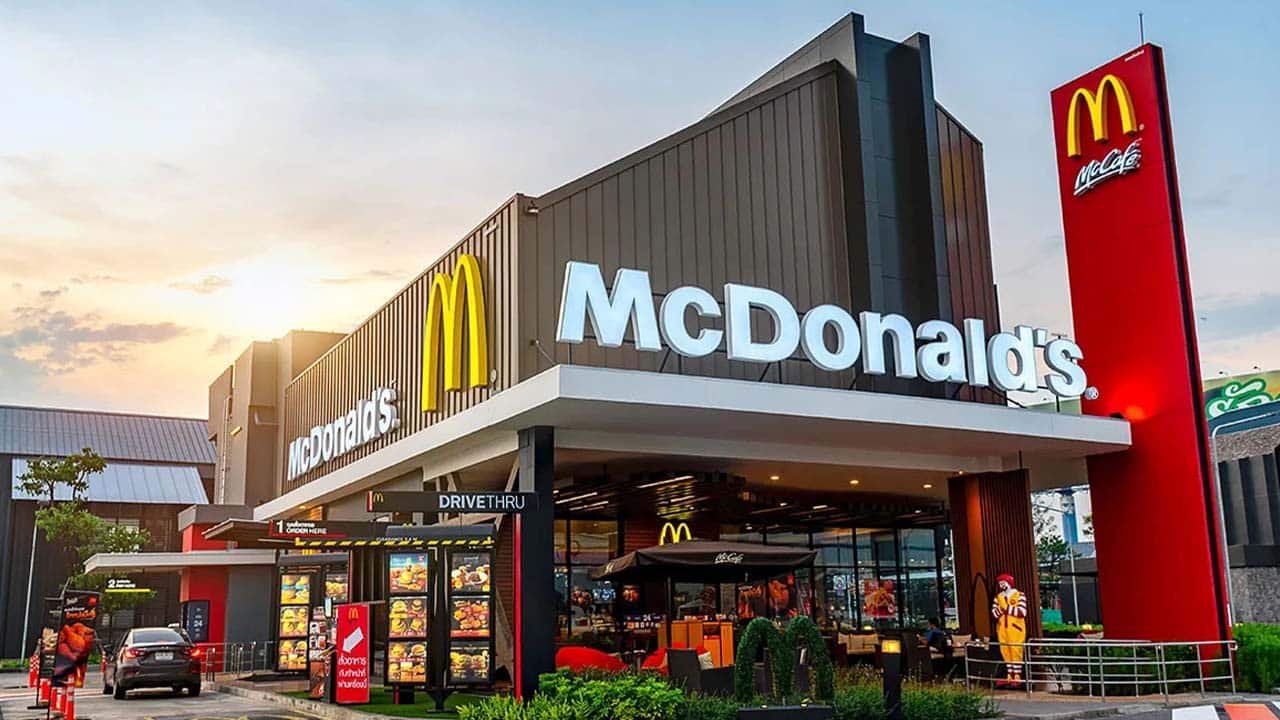
    Major meat exporter Al-Shaheer Corporation Limited (ASC) revealed on Tuesday that it had signed a business connection deal with McDonald’s Pakistan for the supply of beef products, making it the first-ever Pakistani company to do so.

    According to Brecorder, the company said that the beef products would be delivered through its Lahore-based plant for frozen foods in a notice to the Pakistan Stock Exchange (PSX).

    “It is our great pleasure to announce that ASC is the first-ever Pakistani company to enter into a business relationship agreement with McDonald’s Pakistan for the supply of beef products,” it said in the PSX notice.

    McDonald’s Pakistan’s interest in the business, according to ASC, “is a testament to its commitment to upholding international standards and producing top-of-the-line products.”

    According to the material on ASC’s LinkedIn page, the business was founded as a partnership in 2008 with the establishment of an abattoir in Gadap Town, Karachi. The company initially solely shipped red meat to Dubai and Saudi Arabia.

    The first red meat brand in Pakistan, Meat One, was founded in 2010 when Al-Shaheer Foods entered the domestic fresh meat market. In 2014, the economy brand Khaas was introduced, aiming its marketing at local butcher shops.

    Dubai, Saudi Arabia, Oman, Kuwait, Bahrain, and Qatar are a few major export markets. Locally, Karachi, Lahore, and Islamabad are where it is most prevalent.

    ASC announced the start of its frozen food facility’s commercial operations last year.

  • Weekly inflation decreases only 0.58 per cent from record high

    Weekly inflation decreases only 0.58 per cent from record high

    According to Pakistan Bureau of Statistics (PBS), the Sensitive Price Index (SPI) for the week ending September 8, 2022, decreased by 0.58 per cent as a result of falling food prices.

    In comparison to the previous week’s record high of 45.50 per cent, the yearly trend shows an increase of 42.70 per cent.

    The year-on-year increase was driven by an increase in prices of tomatoes (144.25 per cent), diesel (114.08 per cent), petrol (98.73 per cent), pulse masoor (76.34 per cent), cooking oil-5 liter (67.99 per cent), mustard oil (66.53 per cent), LPG (64.98 per cent), washing soap (64.50 per cent), electricity for Q1 (63.03 per cent), vegetable ghee-2.5 kg (62.53 per cent), pulse gram (61.02 per cent), onions (59.97 per cent) and vegetable ghee-1 kg (58.19 per cent), while a decrease was observed in the prices of chilies powder (43.42 per cent), sugar (18.07 per cent) and gur (2.08 per cent).

    As per the latest data, the SPI went down from 222.85 per cent during the week ended September 1st 2022 to 221.55 per cent during this week.

    During the week, out of 51 items, prices of 26 items (50.98 per cent) increased, nine items (17.65 per cent) decreased and 16 (31.37 per cent) items remained stable.

    The items which got more expensive include LPG (10.66 per cent), wheat flour (4.15 per cent), eggs (3.96 per cent), bread (3.27 per cent), pulse moong (2.74 per cent), curd (2.72 per cent), tea-lipton (2.50 per cent), pulse gram (1.65 per cent), chicken (1.58 per cent), milk fresh (1.57 per cent), fire wood (1.54 per cent), potatoes (1.02 per cent), and others

    A reduction was observed in the prices of onions (41.99 per cent), tomatoes (8.11 per cent), bananas (2.51 per cent), pulse masoor (1.37 per cent), vegetable ghee-1 kg (0.55 per cent), cooking oil-5 liter (0.33 per cent), mustard oil (0.16 per cent) and vegetable ghee-2.5 kg and sugar (0.11 per cent) each.

    Highest week-on-week decrease

    Onions: 41.99 per cent

    Tomatoes: 8.11 per cent

    Bananas: 2.51 per cent

    Pulse Masoor: 1.37 per cent

    Vegetable ghee (1kg): 0.55 per cent

    Highest week-on-week increase

    LPG: 10.66 per cent

    Flour: 4.15 per cent

    Eggs: 3.96 per cent

    Bread: 3.27 per cent

    Pulse Moong: 2.74 per cent

    Highest year-on-year increase

    Tomatoes: 144.25 per cent

    Diesel: 114.08 per cent

    Petrol: 98.73 per cent

    Pulse Masoor: 76.34 per cent

    Cooking oil (5 litre): 67.99 per cent

  • Annual inflation in Pakistan jumps to 38.63% after weekly increase of 0.82%

    Annual inflation in Pakistan jumps to 38.63% after weekly increase of 0.82%

    The sensitive price indicator (SPI) hit an annualised high of 38.63 per cent due to a lack of perishable goods brought on by severe rains, and weekly inflation increased by 0.82 per cent for the seven days ending August 4, 2022.

    The base for most cooked meals in the country is an onion and tomato. Onions increased in price from Rs75.41/kg to Rs94.2/kg while tomatoes increased from Rs74.07/kg to Rs82.91/kg.

    Data from the Pakistan Bureau of Statistics (PBS) indicates that the increase is attributable to the increased price of diesel (109.15 per cent), onions (107.95 per cent), pulse masoor (106.71 per cent), petrol (88.94 per cent), cooking oil 5 litre (74.44 per cent), mustard oil (73.89 per cent), chicken (73.42 per cent), vegetable ghee 1 kg and 2 kg (72.26 and 70.48 per cent), washing soap (62.62 per cent), pulse gramme (59.07 per cent), electricity for Q1 (52.61 per cent), gents sponge slippers (52.21 per cent), pulse maash (46.01 per cent) and garlic (41.16 per cent).

    According to The News, consumers are struggling with soaring food and fuel prices. Hi-speed diesel was being sold last August 5 for Rs117.58 per litre, but it is now Rs245.92 per litre.

    Various items in the SPI basket are given varying weightages. The goods with the heaviest weights in the bottom quintile are milk (17.5449 per cent), electricity (8.3627 per cent), wheat flour (6.1372 per cent), sugar (5.1148 per cent), firewood (5.0183 per cent), long cloth (4.2221 per cent), and vegetable ghee (3.2833 per cent).

    While the cost of firewood and electricity remained consistent, the cost of milk, wheat flour, sugar, long fabric, and vegetable ghee 2.5kg increased. Vegetable ghee 1kg saw a decrease in price.

    SPI is made up of 51 necessities that were gathered from 50 markets spread over 17 cities across the nation.

    Out of 51 goods, 33 (64.71 per cent) of the prices rose during the week, 4 (7.84 per cent) of the prices fell, and only 14 (27.45 per cent) of the prices kept the same.

    The price of onions increased by 24.92 per cent, tomatoes by 11.93 per cent, pulse moong by 5.72 per cent, pulse mash by 5.28 per cent, potatoes by 5.03 per cent, pulse masoor by 4.43 per cent, diesel by 3.78 per cent, pulse gramme by 2.69 per cent, eggs by 2.44 per cent, powdered milk by 1.61 per cent, gur by 1.53 per cent, LPG by 1.49 per cent, salt by 1.46 per cent, and garlic by 1.30 per cent on a WoW basis.

  • Customer kills butcher over selling expensive meat

    A customer killed a butcher following a heated argument over selling meat at a high price in the Gojra Road area of Jhang City, reports ARY News.

    According to the initial media reports, the man got into an argument with the butcher over the sale of meat at an exorbitant price. The argument heated up and in the meanwhile, the customer stabbed the butcher to death.

    The assailant ran away from the scene while the police shifted the dead body to a hospital for medico-legal formalities. Following the incident, butchers of area staged a protest against killing of their fellow and demanded the police to bring the culprit to the book forthwith.

  • ‘She didn’t make mutton for me’, Police arrest husband for complaining against wife

    ‘She didn’t make mutton for me’, Police arrest husband for complaining against wife

    A man has been arrested in India after he called the police to complain about his wife who did not cook meat (mutton) for him.

    According to media reports, Navin continuously called on the Police Helpline during the Holi festival on Friday to complain about his wife.

    As per the police, when Navin dialed the Police helpline for the first time on Holi, the police thought that it was a prank call. However, police helpline staff got suspicious after he made six calls and they reported the incident to their superiors.

    Police high officials decided to take immediate action against him. The next morning the police tracked him down and arrested him.

    According to the police, Navin came into the house in drunk condition on Friday night and brought mutton for cooking. He asked his wife to cook mutton for him, but she refused after which he picked up the phone and called the police.

    The case was filed against him under the Indian Penal Code (IPC) 290 and 510 but he was later released after a warning.

  • Pakistan set to export beef to China

    For the first time ever, Pakistan will be exporting beef to China in the near future.

    Organic Meat is a local public listed company that got approval and registration by Chinese customs authorities to export heat-treated beef to the People’s Republic of China.

    According to Pakistan Stock Exchange (PSX), the Organic Meat company has new heat machines that kill bacteria and root out the virus from the meat, which is a mandatory process for meat products.

    The export of meat and meat products by Pakistani companies is gradually increasing due to their adoption of new technologies.

    Due to the adoption of new technologies, several Pakistani companies have started exports to different regions, including Gulf countries (GCC) like the UAE, Saudi Arabia, Kuwait, and Bahrain.

    Last year, two Pakistani companies had received approval from the concerned Malaysian authorities to export meat and meat products to Malaysia.

    According to the Pakistan Bureau of Statistics (PBS), meat exports have maintained a growth of 12 per cent year-on-year. The exports surged to $216 million from July to February during the financial year 2020-21, in comparison to $210 million recorded in the previous financial year.

    The consistent growth of exports to both the traditional and new emerging markets will also attract new investments in the local companies and the area of livestock.

    Organic Meat won an export deal of supplying meat to markets in Saudi Arabia. The company also claims that their new system will enable them to export.

    The company was listed with the PSX last year for raising of funds, which resulted in the expansion of its operations and businesses.