Tag: medicine

  • Man vaccinated for Covid 217 times reports no Side effects: scientists

    A German man who deliberately got vaccinated for Covid-19 a whopping 217 times did not report any side effects from his many jabs, according to researchers studying possibly the “most vaccinated person in history”.

    The immune system of the 62-year-old man from the central German city of Magdeburg — who has not been named — is still firing on all cylinders, the researchers said in The Lancet Infectious Diseases journal.

    They said the man voluntarily received so many shots against all medical advice, and warned against jumping to far-reaching conclusions from this single case.

    The man first came to the attention of the German-led researchers due to news reports in 2022, when he had only received 90 jabs.

    Media reports at the time said the man was suspected of getting so many doses to collect the completed vaccination cards, which could then be forged and sold to people who did not want to be vaccinated.

    A public prosecutor in Magdeburg opened an investigation into allegations of fraud over the case but no criminal charges were filed, according to the scientific paper published earlier this week.

    The prosecutor collected evidence of 130 vaccinations over nine months, it added.

    But the man claims to have received 217 vaccine doses of eight different Covid vaccines — including all mRNA versions — over 29 months.

    Kilian Schober, a virologist at Germany’s University of Erlangen-Nuremberg and study co-author, said in a statement that when they contacted the man, he was “very interested” in undergoing a range of tests to examine the effect of so many vaccinations.

    The case allowed the researchers an extremely rare chance to study what is known as “hyper-vaccination”.

    Some scientists have theorised that after being hit by so many vaccinations, a body’s immune cells would become less effective as they became accustomed to the antigens.

    But that was not the case for the German man, the researchers found.

    In fact, he had “considerably higher concentrations” of immune cells and antibodies for the Covid virus than a control group of three people who received the recommended three vaccinations, the study said.

    His body also showed no sign of fatigue from all those vaccinations — his 217th jab still boosted his number of antibodies against Covid, the researchers found.

    The man reported that he never had any vaccine-related side effects from any of the 217 jabs. He also never tested positive for Covid and showed no signs of past infection, the researchers said.

    But they warned against taking away any wider lessons from the man’s experience.

    “It should go without saying that we do not endorse hypervaccination,” Schober wrote on X, formerly Twitter.

    Caitjan Gainty, an expert in the history of vaccines at King’s College London not involved in the study, told AFP she had “never come across a historical discussion of someone who received more vaccinations than this”.

    It is “relatively unlikely” that anyone has ever had more vaccinations than the man, she added.

    Spyros Lytras, a virologist at the University of Tokyo, said it was a “comically large number of vaccinations”.

    “Whether this is the most vaccinated person in history, I cannot know, but they are certainly the most vaccinated person reported to date” by some margin, he told AFP.

    “And I doubt that we’re going to see another such report any time soon.”
  • Geniuses behind mRNA covid vaccines to receive Nobel Prize

    Geniuses behind mRNA covid vaccines to receive Nobel Prize

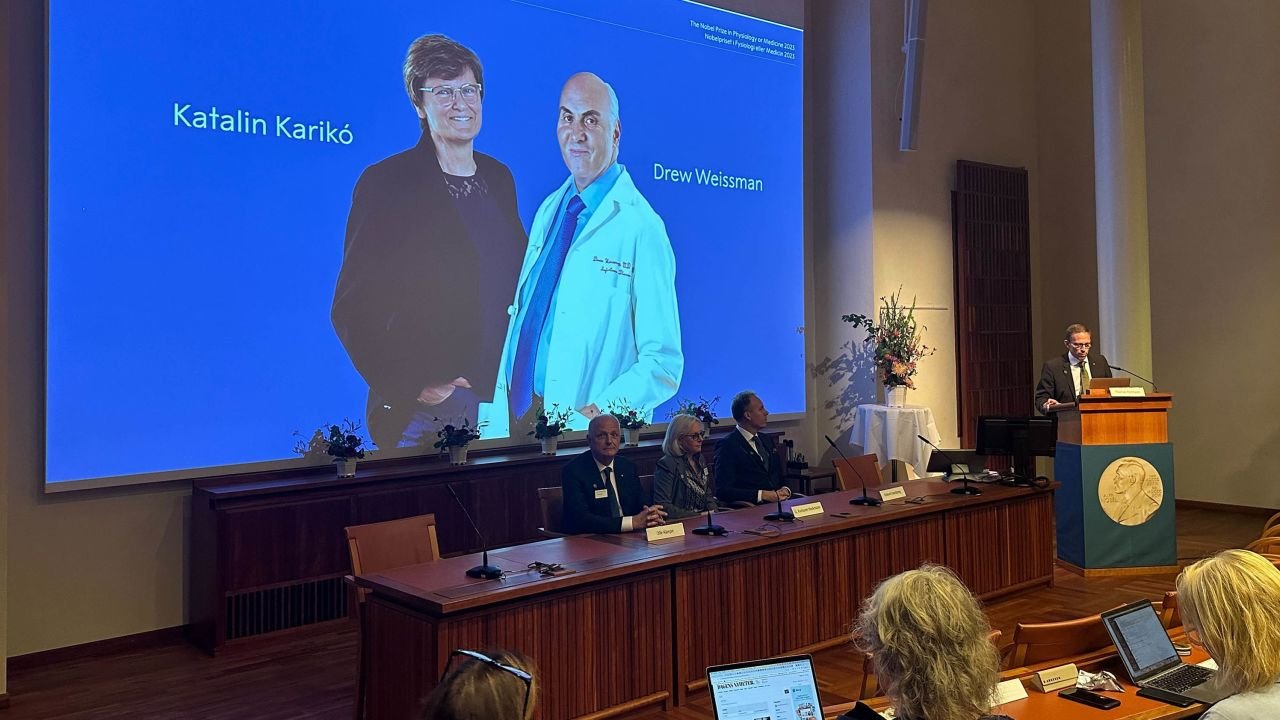
    Katalin Kariko from Hungary and American-born Drew Weissman have won the 2023 Nobel Prize in Physiology or Medicine for their research that paved the way for the first mRNA vaccines against COVID-19, made by Pfizer and Moderna.

    The Nobel Prize committee announced the winners in Sweden on Monday.

    “The laureates contributed to the unprecedented rate of vaccine development during one of the greatest threats to human health in modern times,” the jury said in Sweden’s capital Stockholm on Monday.

    Professor at Sagan’s University in Hungary and an adjunct professor at the University of Pennsylvania, Katalin Kariko researched mRNA along with Drew Weissman at the University of Pennsylvania.

    Their prize will include a diploma, a gold medal and a $1 million cheque on December 10 in Stockholm. That day will also mark the death anniversary of Alfred Nobel, the scientist who created the prize in his last will and testament.

  • ‘Mastermind’ behind MDCAT cheating scam arrested

    ‘Mastermind’ behind MDCAT cheating scam arrested

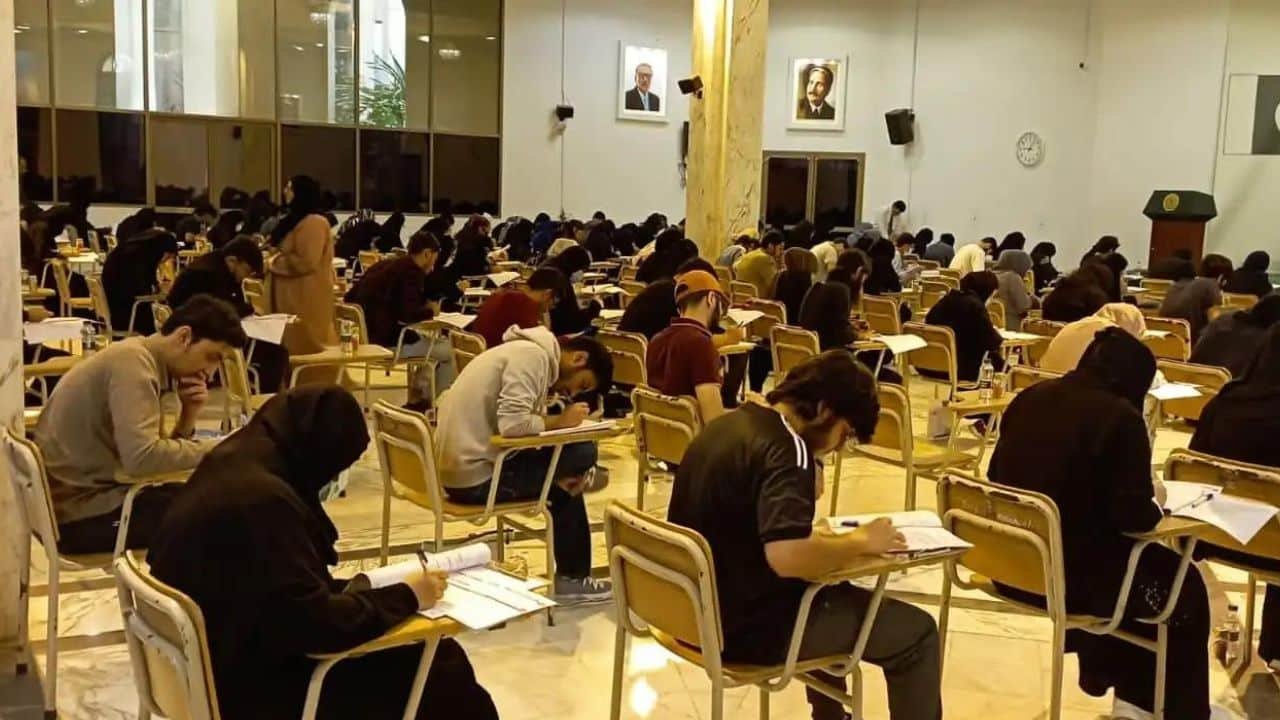
    Peshawar police have arrested seven suspects on Friday, including the mastermind “facilitating” cheating in the recent Medical and Dental College Admission Test (MDCAT).

    City police issued a statement saying that they had received several complaints of some students cheating via Bluetooth devices and more.

    So far, 74 candidates, including men and women have been arrested and 19 cases have been registered at eight police stations in the provincial capital.

    The police claim to have arrested Zafar Khattak, the alleged mastermind of the scandal following the initiation of a formal investigation — a joint operation by the Peshawar and Kohat police led to the arrest.

    Khattak’s brother, along with Fahad, Fazal Subhan, Arshad, Fazl Wahab and Aminullah have also been arrested; all of whom are said to be highly-educated people.

    Electronic devices have been recovered which are to be sent to the Federal Investigation Agency for forensic examination.

    According to the police, other districts have also recovered 44 devices including microphones, mobile phones and a smart watch.

  • Sister donates womb in UK’s first successful transplant

    Sister donates womb in UK’s first successful transplant

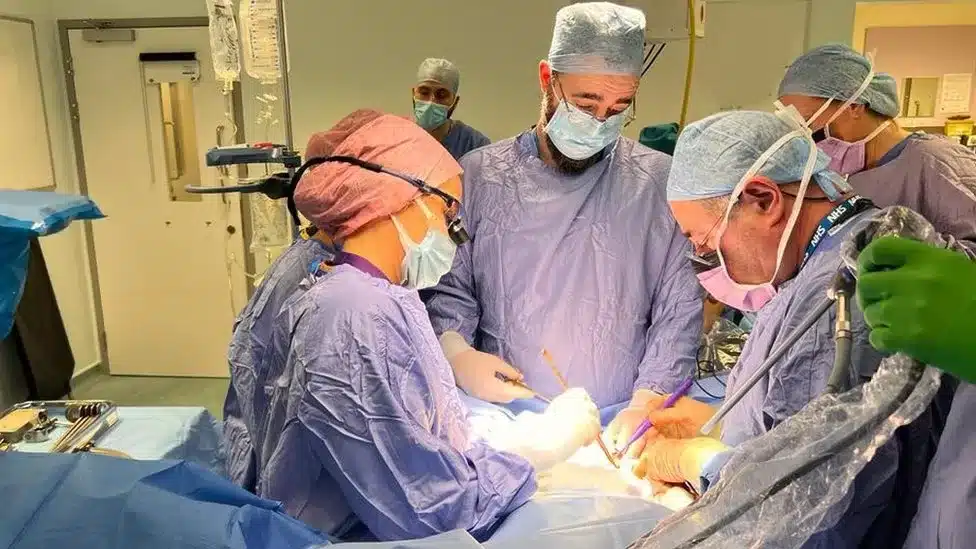
    Surgeons at Oxford have successfully carried out the first womb transplant in the UK.

    The womb was donated by a 40-year-old woman to her 34-year-old sister who was born without a uterus. The donor already had two children and considers her family to be complete. The sisters live in England and have requested to remain anonymous.

    The recipient was born with a rare condition known as Type 1 Mayer-Rokitansky-Küster-Hauser (MRKH) in which the uterus is “absent or underdeveloped, but has functioning ovaries”.

    The procedures were carried out by a team of 20 doctors which lasted around 17 hours in operating theatres at the Churchill hospital in February.

    It has been six months since the transplant and according to the doctors, both the women have “recovered well from surgery”. The recipient has embryos in storage that will be transferred.

    BBC reported that transplant surgeon Isabel Quiroga, who steered the team implanting the womb, said that the recipient was “absolutely over the moon, very happy, and is hoping that she can go on to have not one but two babies. Her womb is functioning perfectly and we are monitoring her progress very closely.”

    Prof Richard Smith, gynaecological surgeon, who led the organ retrieval team, has spent 25 years researching womb transplantation. He told the BBC it was a “massive success”.
    “The whole thing was emotional. I think we were all a bit tearful afterwards.”

    The donor is currently on immunosuppressive drugs in order to prevent tissue rejection however, the uterus will be removed after a maximum of two pregnancies due to long-term health risks.

    The first womb transplant surgery took place in Sweden in 2014 and the recipient successfully had a baby. She had received a womb from a friend in her 60s.
    Since then, 100 womb transplants have been carried out across the globe and around 50 babies have been born — mainly in the US and Sweden, but also in Turkey, India, Brazil, China, Czech Republic, Germany and France.

    According to British Journal of Obstetrics and Gynaecology, the surgeons in the UK were given permission to perform womb transplants in 2015, but “institutional delays” and Covid deferred it till now.

  • SBP asks banks to prioritise import of certain essential items to help businesses

    SBP asks banks to prioritise import of certain essential items to help businesses

    In order to help businesses, the State Bank of Pakistan (SBP) on Monday removed the necessity for prior import approval and asked banks to give priority to the importation of certain necessities, including food, medicine, and energy.

    The business community, including various trade bodies and chambers of commerce, has drawn attention to the fact that many shipping containers carrying imported goods are stuck at the ports as a result of delays in the release of shipping documents by banks, according to a statement issued by the SBP on Monday.

    “SBP has advised banks to provide one-time facilitation to all those importers who could either extend their payment terms to 180 days (or beyond) or arrange funds from abroad to settle their pending import payments.”

     “Accordingly, till March 31, 2023, banks have been advised to process and release documents of shipments/ goods that have already arrived at a port in Pakistan or have been shipped on or before January 18, 2023,” said the central bank.

    To avoid any future issues, SBP also suggests that clients notify their banks before beginning any import transaction.

    To the dismay of many importers and firms in Pakistan, who cited these constraints as the reason for closing down or curtailing operations, the SBP restricted imports early this year due to low levels of foreign exchange reserves.

    Last week, the business community of the country harshly criticised the SBP’s role in the issue in light of the difficulty in issuing letters of credit.

  • KP govt launches ‘Flood Reporting’ app to aid flood victims

    KP govt launches ‘Flood Reporting’ app to aid flood victims

    To promptly aid those impacted by severe flooding, the Khyber Pakhtunkhwa (KP) government launched the “Flood Reporting” application on Monday.

    Atif Khan, the Minister of Science and Information Technology for Khyber Pakhtunkhwa (KP), gave specific directions for the introduction of the smartphone application.

    The minister stated in a message that flood victims will be able to use the Flood Reporting App to notify when they need food or medicine.

    He promised that the impacted agencies and the Provincial Disaster Management Authority (PDMA) would see to it that the victims of the disaster received immediate aid.

    The latest application has a thorough system for seeking assistance for victims and keeping track of feedback. The smartphone application will allow users to instantly report the type of incidents that occurred and the assistance that is needed.

    Although 1,061 deaths have been reported by authorities since the start of the seasonal rains in June, the eventual death toll may be higher since hundreds of villages in the hilly north have been shut off after roads and bridges were wiped away by floodwaters.

  • Petroleum levy of Rs50 per liter approved in Finance Bill 2022–23

    Petroleum levy of Rs50 per liter approved in Finance Bill 2022–23

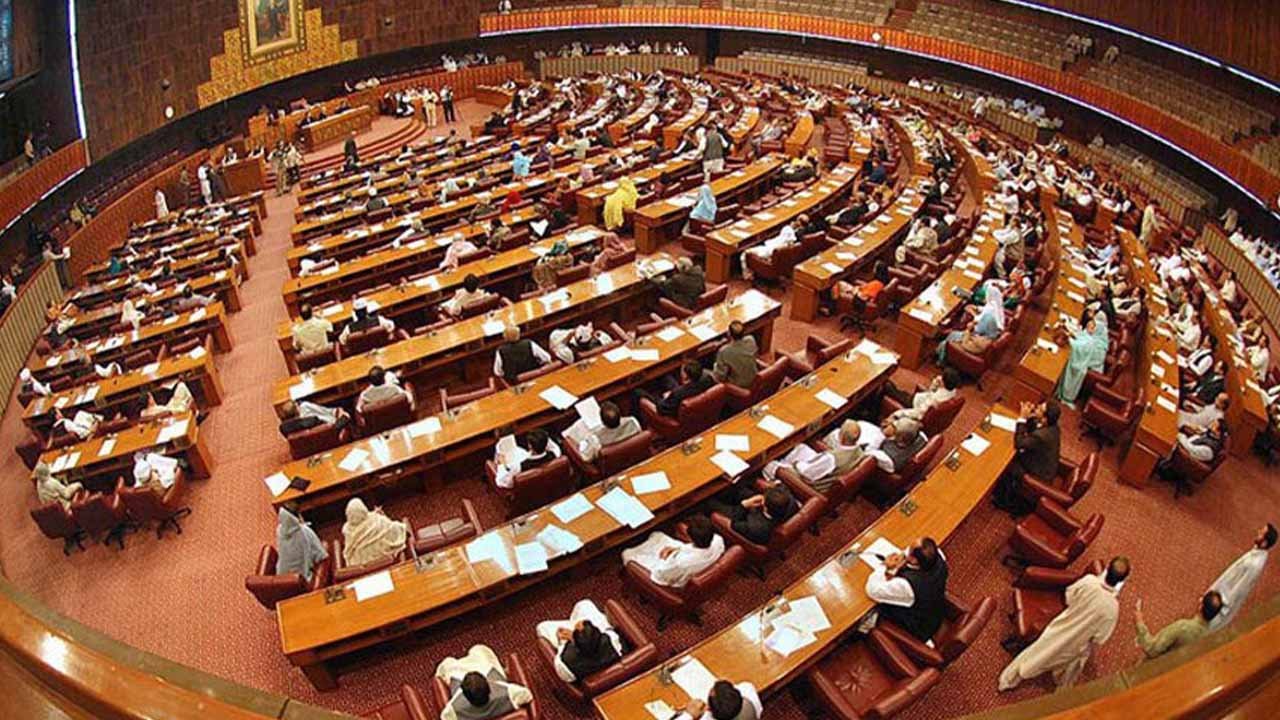
    On Wednesday, the National Assembly approved an amendment to the Finance Bill 2022 that will allow the government to increase the fuel levy to Rs50 per liter.

    During the National Assembly session held to discuss the amendments to Finance Bill 2022, Finance Minister Miftah Ismail made it clear that the amendment grants the government the authority to impose a tax of no more than Rs50 per liter. The levy will not be implemented instantly, he said.

    He went on to say that the levy had been temporarily kept at zero by the government. Throughout the upcoming fiscal year, the levy will be gradually implemented.

    According to The News, about 80 per cent of the amendments to the finance bill, according to State Minister for Finance and Revenue Ayesha Ghous Pasha, were tax-related.

    She emphasised that the government’s objective was to burden the wealthy while sparing the rest of us.

    The participants also agreed to impose a 5 per cent tax on the services of IT and software consultants in addition to the collection of sales tax through shopkeeper utility bills.

    Additionally, a change to revoke the salary class’s relief was approved. Individuals earning between zero and Rs600,000 annually would not be subject to income tax, per the initial budget proposals (where salary income exceeds 75 per cent of taxable income). The following slab would have had a nominal deduction of Rs100 per year (those earning between Rs600,000 and Rs1.2 million per year).

    With the new rates, those making between Rs0.6 and Rs1.2 million annually will now be required to pay 2.5 per cent in income tax.

    Furthermore, a 10 per cent super tax on 13 high-income sectors was approved by the National Assembly. The 10 per cent super tax on large industries was announced by Prime Minister Shehbaz Sharif on Friday in his “bid to relieve the general public of tax pressures.”

    “The revenue generated by this tax will be used to alleviate poverty in Pakistan, and it will be funded by high-income earners,” he said following a meeting with the government’s economic team.

    The tax will be levied on the cement, steel, sugar, oil and gas, fertiliser, LNG, textile, banking, automobile, beverages, chemicals, and tobacco industries. Later, Miftah Ismail, the finance minister, added airlines to the list, bringing the total to 13 sectors.

    Miftah went on to explain that the indirect tax (super tax) was intended to help the state accumulate funds under the heading of tax collection and reduce the budget deficit. He also stated that the fee was a one-time levy.

    The government’s proposed 1-4 per cent super tax on high-income individuals’ salaries was also approved by the National Assembly.

    The leadership levied a 1 per cent tax on those making up to Rs150 million annually, a 2 per cent tax on those making up to Rs200 million annually, a 3 per cent tax on those making up to Rs250 million annually, and a 4 per cent tax on those making up to Rs300 million annually.

    Additionally, a change was approved that imposes a tax on imported mobile phones that ranges from Rs100 to Rs16,000 depending on their value.

    Late Tuesday night, new amendments were added to the Finance Bill, 2022, including a potential reduction in the sales tax rate on the import of pharmaceutical raw materials from 17 per cent to 1 per cent, a tax exemption for theatres and production companies, and a change in the definition of “deemed rental income” by replacing the words “immovable properties” with “capital assets” and other changes.

    Under the revised Finance Bill 2022, the FBR also decreased the capital value tax (CVT) on vehicles from 2 per cent to 1 per cent.

  • More than 40 life-saving drugs short in Pakistan

    More than 40 life-saving drugs short in Pakistan

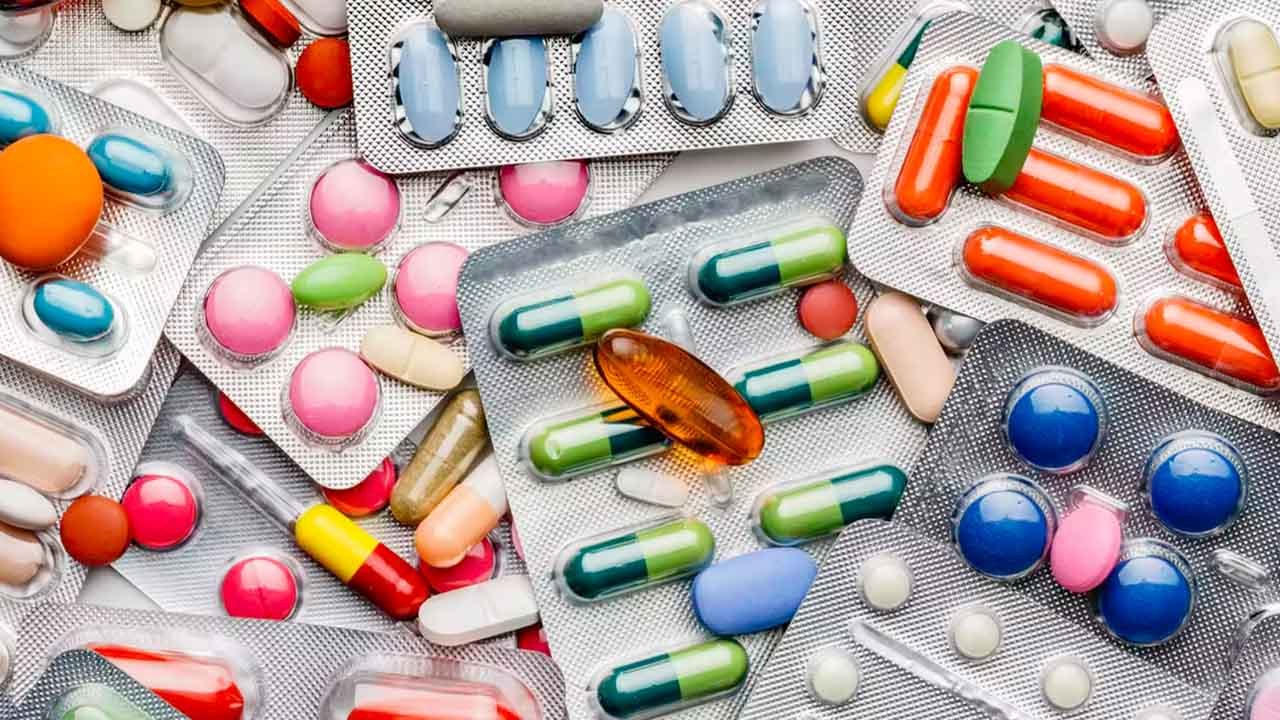
    Due to the imposition of GST, the pharmaceutical industry is no longer importing raw materials, resulting in a shortage of 40-50 life-saving drugs.

    Mansoor Dilawar, Chairman of the Pakistan Pharmaceutical Manufacturers’ Association (PPMA), stated that 40 to 50 medicines are in short supply and that the number will soon exceed 100.

    According to Brecorder, the pharmaceutical industry has been waiting for Rs40 billion in sales tax refunds since January 16, 2022. However, the FBR has denied that any refunds were held by the tax authority.

    Unavailable drugs

    Alp tablets for anti-depression, Dexamethasone for asthma, cancer, and joint pain, Epitab for epilepsy, Nervin for depression, Epival, Fexet D, Nitronal, Ventoline tablets and injections are among the medicines in short supply on the market.

    Furthermore, Epival In, Myrin P, Ketasol Inj, Loprin, Silver tab, phenergen Elixir, Tixylix Lincitilus, Chlooriptics Drops, systane drops, Rivotril drops, Dormicum tablets, Winstor, Tritace, Sodamint, Schazobutil, Jardymet, and Brufen are said to be in short supply.

    There are also no Lomotil, Panadol, Tan Primolut B, Progynova, Stilnix, Glucobay, Zentel, Avor, Gravibinan, Syp Gaviscon, Lipofundin, or Sorbid Injection available.

    According to the PPMA chairman, the industry is halting production of low-margin items after the Federal Board of Revenue (FBR) imposed taxes that increased the industry’s cost of production by Rs60 billion to Rs70 billion.

    Read more: FBR collects highest-ever tax of Rs6 trillion in FY22

    “Because drug prices are capped, the pharmaceutical industry cannot pass on higher production costs to consumers,” he explained.

    “As a result, the industry has been forced to halt production of low-margin medicines, which have become unviable due to tax increases,” Dilawar added.

    According to Dilawar, the industry pays a 17 per cent refundable GST at the import stage and raw materials are subject to a 1 per cent non-refundable tax. The government then imposed a 1 per cent tax on the sale of medicines. This forces the industry to pay taxes ranging from Rs60 billion to Rs70 billion per year.

  • Pharmaceutical industry wants to raise drug prices by 25 per cent

    Pharmaceutical industry wants to raise drug prices by 25 per cent

    The government is given the deadline of June 30 to accept the pharmaceutical industry’s demands, or the cash-strapped sector will have no choice but to shut down.

    In order to prevent the collapse of the industry, Qazi Mansoor Dilawar, chairman of the Pakistan Pharmaceutical Manufacturers Association (PPMA), called for the refund of Rs40 billion that the government had collected as sales tax on the import of raw materials, the removal of the 17 per cent sales tax, and a 20 to 25 per cent increase in the price of medications during a press conference at the National Press Club.

    He also called for a 20 per cent increase in the maximum retail price (MRP). According to him, there is already a shortage of about 40 medicines on the market, and if immediate action is not taken, the shortage will grow alarmingly large.

    Dilawar claimed that the previous administration had pledged to refund the sales tax that had been imposed as a result of IMF pressure within 48 hours, but regretted that no mechanism had yet been established, preventing the refund of a significant Rs40 billion.

    The problem was made worse by a three-fold increase in the price of raw materials, a massive increase in freight costs, an increase in the price of fuel and electricity, and a drop in the value of the rupee. He added that 95 per cent of the raw materials used in the sector had to be imported.

    The president of the PPMA dismissed the notion that the industry was reaping huge profits by mentioning that many medications had costs that were higher than their retail prices.

    He asserted that about 70 per cent of Pakistani medications were less expensive than those found in India and Bangladesh.

    In response to a question, he stated that while there was much discussion about the increase in 600 drug prices after 13 years under the PTI government, there was little discussion of the decrease in 400 drug prices.

    The industry was not prepared to handle the challenge this time, according to the former PPMA chairman Qaisar Waheed, who also spoke about the recent increase in Covid-19 cases, particularly in Sindh.

  • Pakistani-Russian scientist introduces ‘COVID-19 cure’

    Pakistani-Russian scientist Prof Dr Jan Alam has introduced the media to a mineral-based medicine invented by him for the treatment of coronavirus.

    According to reports, based on nanotechnology, Minerolytevir is a 5th generation medicine that has been registered by the Drug Regulation Authority of Pakistan (DRAP).

    Addressing a press conference at the National Press Club, Dr Jan claimed that the medicine has no side-effects, is completely safe for human beings, and can even be used by a day-old child.

    “A patient diagnosed with COVID-19 can be cured within 10 days by using this medicine. Patients on ventilatory support can be saved by using it through nebulisation. Just one mist of spray on the face and other body parts saves a person for 3-4 hours in these crucial days of the pandemic,” he claimed.

    The Russian professor said he was the first scientist in the world to have invented a medicine for the treatment of coronavirus and claimed that numerous patients who had used his medicine had been cured, both in Pakistan as well as in Russia. He also requested the government to introduce his medicine in government hospitals to save precious lives, saying he has also invented 20 medicines, including that for the treatment of cancer.

    Dr Jan Alam has been given top national awards by the Russian government for his services and inventions in the field of medicine. He won the award for the Best Scientist in Pharmacology in Geneva in 2018, in Paris in 2019 Paris, and for his Minerolytevir in 2020, again in Paris.