Tag: medicine industry

  • ‘No restriction on Pakistani doctors and students to work, train in US’: PMC clarifies

    ‘No restriction on Pakistani doctors and students to work, train in US’: PMC clarifies

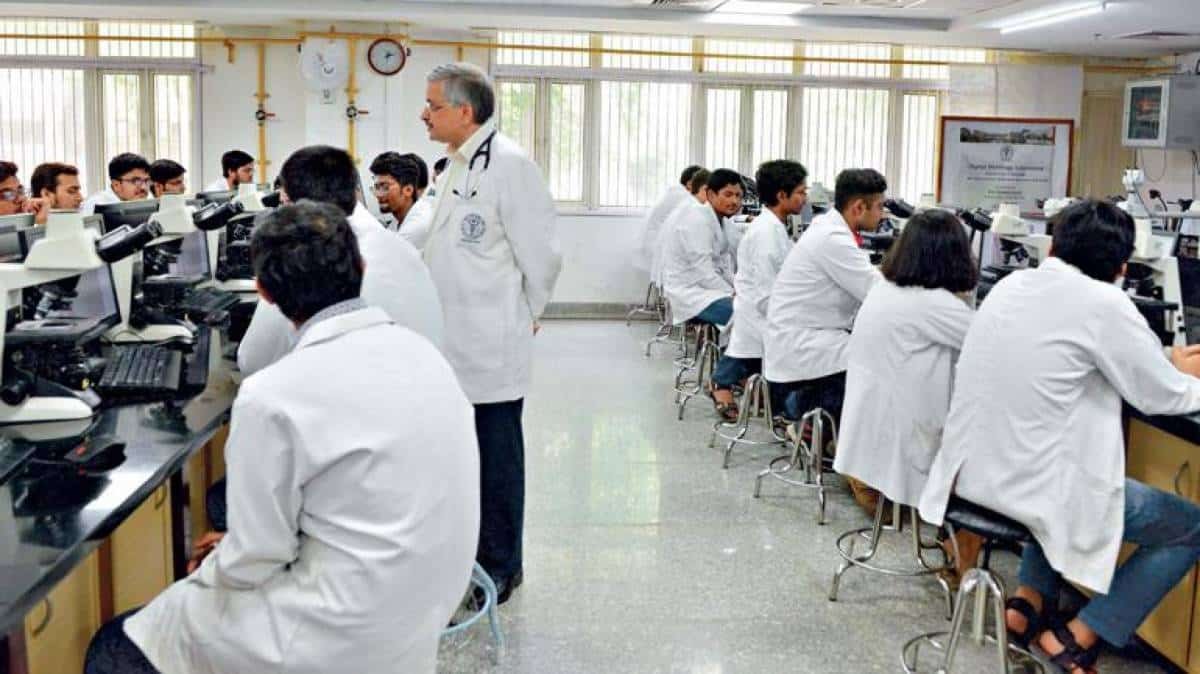
    The Pakistan Medical Commission (PMC) has denied media reports claiming doctors who attended medical schools in Pakistan might not be permitted to practice in the United States (US) after January 2024.

    “Unfortunately over the last few days a malicious and false campaign in the media and social media has been initiated falsely claiming that PMC has failed to meet the World Federation for Medical Education (WFME) criteria while referring to the decision of the US medical regulators requiring that foreign doctors entering the US in 2024 onward would be those graduating from or licensed by regulatory authorities recognised by WFME,” says the PMC statement.

    “Currently all Pakistani doctors and graduates are able to work and train in the USA without any hindrance. PMC has been working in close coordination with the US regulatory authorities including ECFMG and the Federal State Medical Boards (FSMB) ensuring that there is no hindrance in Pakistani doctors and medical graduates being recognized in the USA. In addition to ECFMG and FSMB, the Association of Physicians of Pakistani-descent of North American (APPNA) are also supporting PMC’s recognition by WFME as evidenced by their recent communications with the Honourable Prime Minister of Pakistan and the Minister for Health,” it added.

    “PMC has initiated the recognition process for WFME after exhaustive preparations and fulfilling all requirements over the last 18 months. WFME will be over the next 6 to 12 months evaluating the PMC and its recognized medical colleges to complete the recognition process, on completion of which Pakistan will be able to obtain the WFME recognition in 2023, well before the 2024 deadline. The WFME process is a phase wise process of evaluation which culminates in a physical assessment expected during the first half of 2023.”

    Media reports claimed that Pakistan has until January 2024 to finish the accreditation process and obtain recognition for its medical programmes, but officials with the Pakistan Medical Association (PMA) are concerned that Pakistan may miss the deadline.

    It is being reported that the Pakistan Medical Association (PMA) is concerned that Pakistan may miss the deadline. Though the Pakistan Medical & Dental Council (PMDC) initiated the process, it was eventually replaced by the Pakistan Medical Commission (PMC) through a presidential ordinance.

    The PMC Act does not meet the criteria to get recognition from the WFME. However, as per the PMC, it has “formally initiated the application process for the recognition”. The entire process, including the on-site visit by the WFME, is expected to take 12 to 15 months.

    “It is not going to be easy to get accreditation by 2024 as there is a long list of conditions which include quality of education, criteria for inspections of colleges, rules, faculty and many other things,” PMA Secretary General Dr Qaiser Sajjad told Dawn.
  • Pharmaceutical industry wants to raise drug prices by 25 per cent

    Pharmaceutical industry wants to raise drug prices by 25 per cent

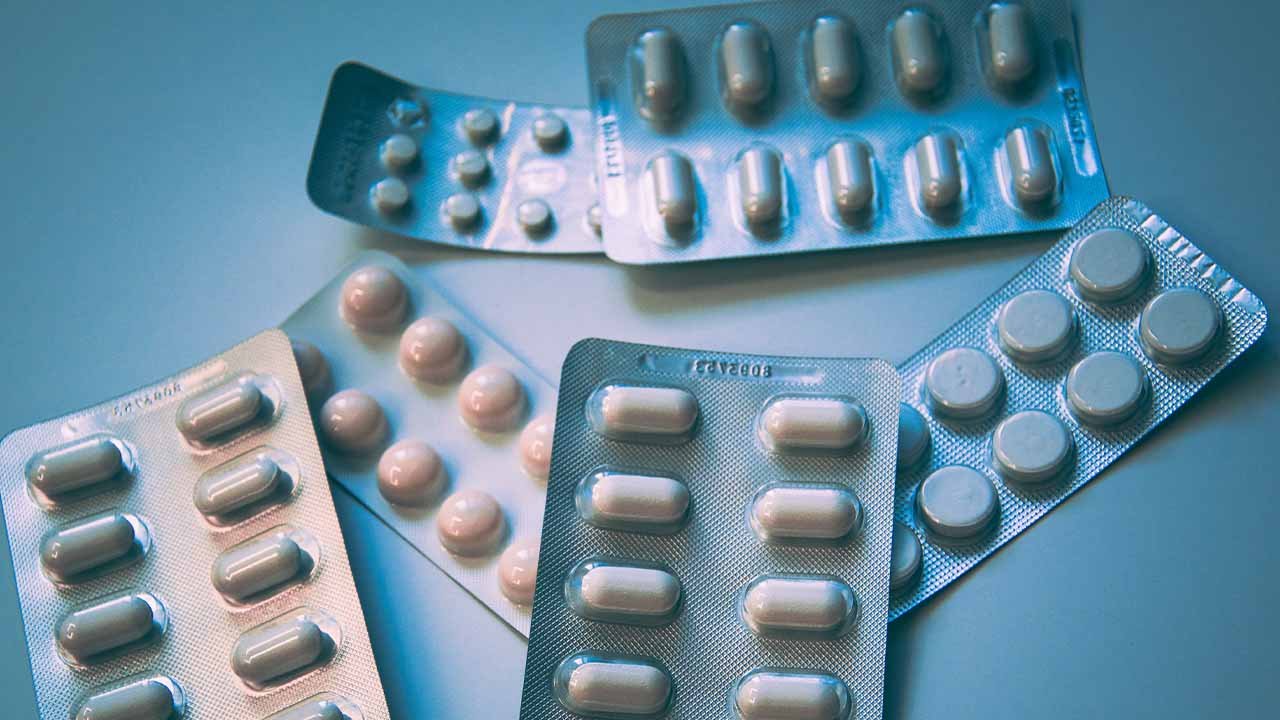
    The government is given the deadline of June 30 to accept the pharmaceutical industry’s demands, or the cash-strapped sector will have no choice but to shut down.

    In order to prevent the collapse of the industry, Qazi Mansoor Dilawar, chairman of the Pakistan Pharmaceutical Manufacturers Association (PPMA), called for the refund of Rs40 billion that the government had collected as sales tax on the import of raw materials, the removal of the 17 per cent sales tax, and a 20 to 25 per cent increase in the price of medications during a press conference at the National Press Club.

    He also called for a 20 per cent increase in the maximum retail price (MRP). According to him, there is already a shortage of about 40 medicines on the market, and if immediate action is not taken, the shortage will grow alarmingly large.

    Dilawar claimed that the previous administration had pledged to refund the sales tax that had been imposed as a result of IMF pressure within 48 hours, but regretted that no mechanism had yet been established, preventing the refund of a significant Rs40 billion.

    The problem was made worse by a three-fold increase in the price of raw materials, a massive increase in freight costs, an increase in the price of fuel and electricity, and a drop in the value of the rupee. He added that 95 per cent of the raw materials used in the sector had to be imported.

    The president of the PPMA dismissed the notion that the industry was reaping huge profits by mentioning that many medications had costs that were higher than their retail prices.

    He asserted that about 70 per cent of Pakistani medications were less expensive than those found in India and Bangladesh.

    In response to a question, he stated that while there was much discussion about the increase in 600 drug prices after 13 years under the PTI government, there was little discussion of the decrease in 400 drug prices.

    The industry was not prepared to handle the challenge this time, according to the former PPMA chairman Qaisar Waheed, who also spoke about the recent increase in Covid-19 cases, particularly in Sindh.

  • Bhang will bring in more dollars in Pakistan, says Shibli Faraz during the crop’s inauguration

    Federal Minister for Science and Technology Shibli Faraz said that the experiment to plant bhang (edible mixture made from the buds, leaves, and flowers of the female cannabis, or marijuana, plant) has remained successful as it helps in producing medicines to deal with cancer, body pain, and other illnesses, reports ARY News.

    He shared that other than the medicine industry, the bhang plant is also used extensively in the textile and paper industries. “Medicines produced from CBD [cannabis] oil could also be exported,” he said.

    “A seed of bhang is worth US$12 in the international market and encouraging its lawful export will help in curbing its illicit trade,” Shibli Faraz said and added that bhang plantation is 10 times more fruitful than profits from the sale of drugs.

    He shared that the CBD or cannabis oil is being sold at Rs10,000 per litre in the international market. The minister said that bhang could prove to be an alternate crop for cotton and would help the country in earning foreign exchange.

    Shibli also informed that plans to establish an authority to improve bhang plantation were in process, adding that foreign investors have also shown their interest in its plantation.

    The minister further announced to improve ginger plantation in order to shun its imports.