Tag: medicines

  • Medicine shortage in Lahore; which ones are being hoarded?

    According to Dawn.com, Lahore is experiencing a severe shortage of life-saving medicines with more than 120 drugs unavailable at the local pharmacies and medical stores. The shortage has resulted in stress among patients and attendants.

    These include medicines like Glucophage (for diabetics) that are prescribed at a large scale. In fact, an alternative to Glucophage for type 2 diabetes to control sugar levels, is also in short supply in local stores.

    Others include blood thinning medicines used by cardiac patients; Hepa-Merz used as a supportive therapy for liver diseases like jaundice, hepatitis (infection of the liver), hepatic cirrhosis (scarring/fibrosis of the liver).

    According to medical practitioners, medicines for diarrhea treatment are also in short supply even though the demand is high following rain spells. Severe stomach-related ailments can lead to complications and even death.

    Moreover, as per medical practitioners, widely-used drugs prescribed to children and adults for coughs are being sold in the black market and that pharmacy owners are hoarding commonly used medicines like Pyodine and Polyfax skin ointment etc to earn unjustified profits.

    Pharmaceutical companies are also struggling with drug manufacturing and supplying them against the approved rates due to the frequent dollar rate hike. This has also resulted in increased prices of raw material being imported from other countries.

    Additionally, medicines for Parkinson’s disease, epilepsy, and gynae-related complications are also short.
  • Can’t find your medicine? Pharmaceutical firms threaten to protest from January 5

    Can’t find your medicine? Pharmaceutical firms threaten to protest from January 5

    Pharmaceutical firms in Pakistan have threatened to start boycotts from January 5 after growing shortage of medicines and other life-saving drugs and to put pressure on the government to resolve the sector’s problems.

    After the federal government introduced policies to increase prices of raw material, several medicines including insulin, are now unavilable in markets.
    According to the Pakistan Drug Lawyer Forum President Noor Meher, 91% of raw materials used to create these medicines are imported to Pakistan. He said that stocks of new medicines are sitting at Karachi port and Lahore Dry Port, however government authorities are not providing clearance to deliver these to stores. Meher revealed that the dire situation has now pushed pharmaceutical workers to protest on streets to demand the government’s attention for the sector’s problems.

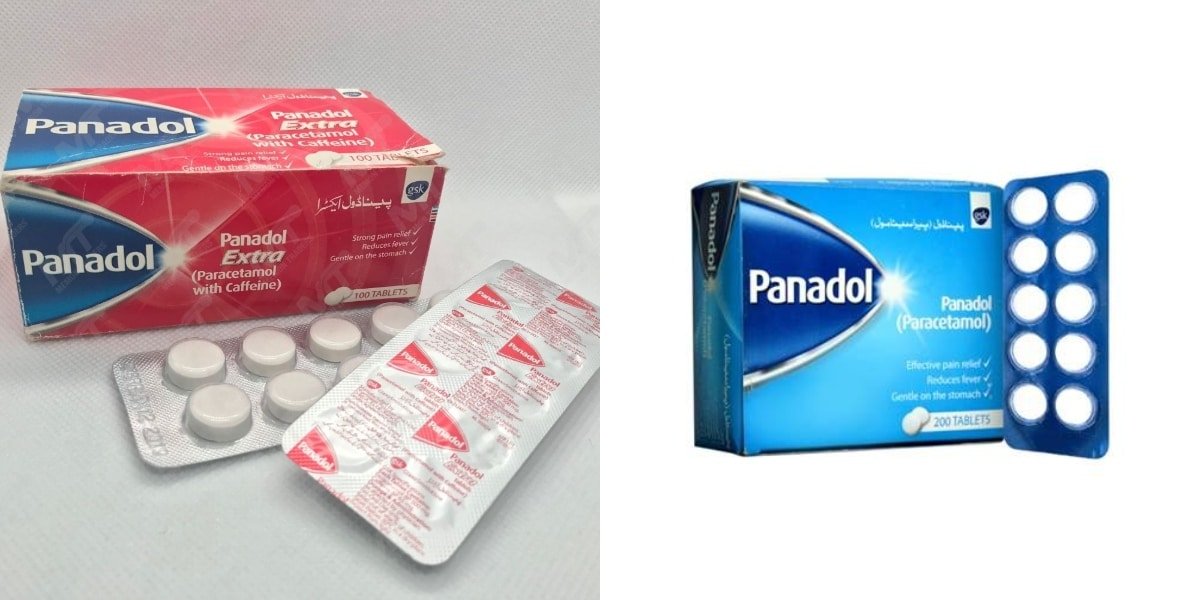
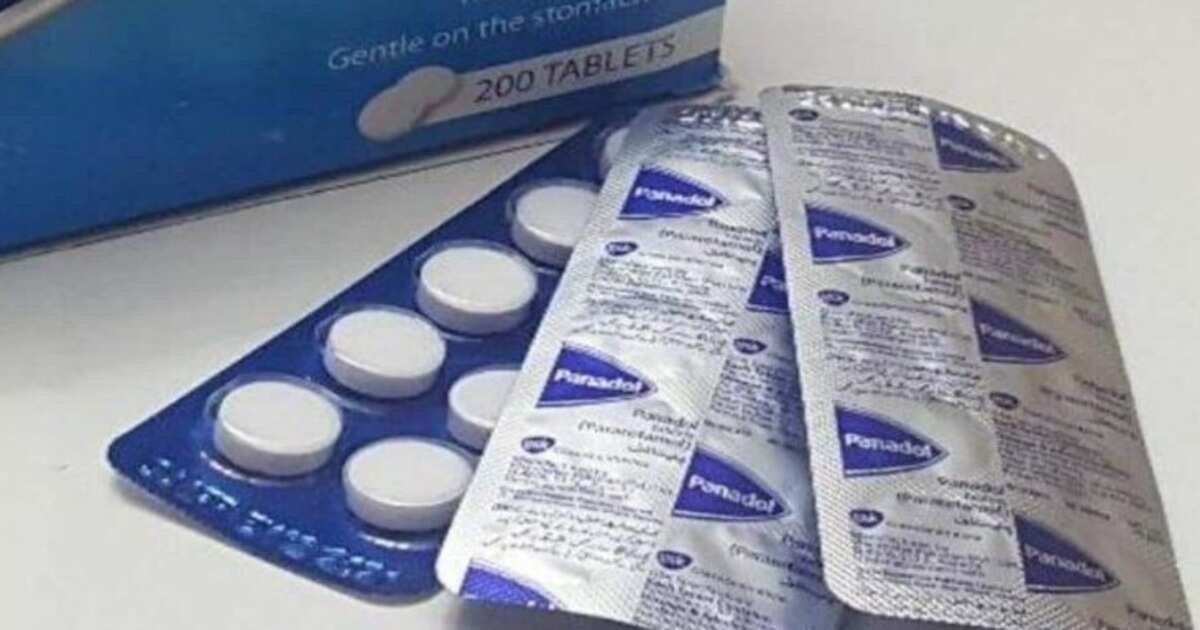
    In October 2022, healthcare organization GlaxoSmithKline (GSK) announced that it was shutting down the production of Panadol tablets, Panadol Extra Tablets and Cildren’s Panadol Liquid Range in Pakistan after suffering financial losses.

    In a letter to PM’s Principal Secretary Syed Tauqir Shah, the CEO of GSK Consumer Healthcare Pakistan, Farhan Haroon had written:

    “We are incurring heavy financial losses on the production of the entire Panadol range due to an increase in the price of their raw ingredients and in the absence of due approval by the federal government on the recommendation of Drug Pricing Committee of Drug Regulatory Committee of Pakistan. Due to these challenges, manufacturing of Panadol range on negative margins is unsustainable and despite exhaustive efforts of the company to mitigate the issue through dialogue, the situation is now beyond our control, compelling us to declare force majeure.”

  • 25% Pakistanis die due to unnecessary use of antibiotics

    25% Pakistanis die due to unnecessary use of antibiotics

    Almost 70 per cent of patients in Pakistan are using unnecessary antibiotics, the National Institute of Health has revealed.

    According to the federal Institute, frequent use of antibiotics has led to bacterias developing resistance against the drugs.

    NIC has said that 25 per cent of the deaths that occur every year are due to the unnecessary use of antibiotics.

    A walk was held in Islamabad to raise awareness regarding use of antibiotics.

    Health experts say that patients should not take any medicine without doctor’s instructions. They have also said that the use of antibiotics is unnecessary in case of cold, flu, cough, sore throat or viral infection.

    Doctors say that continuous use of antibiotics can lead to long-term diseases.

    Drug-resistant microbes, including bacterias and viruses, have become a global health challenge. Human healthcare providers and veterinarians are facing an endemic of ‘superbugs’ that do not respond to traditional first and second line drugs, leading to complications and even fatalities.

  • GSK stops production of Panadol in Pakistan

    GSK stops production of Panadol in Pakistan

    GlaxoSmithKline (GSK) Consumer Healthcare Pakistan on Friday announced that it is stopping the production of Panadol Tablets, Panadol Extra Tablets and Children’s Panadol Liquid Range amid financial losses.

    “We are incurring heavy financial losses on the production of the entire Panadol range due to an increase in the price of their raw ingredients and in the absence of due approval by the federal government on the recommendation of Drug Pricing Committee of Drug Regulatory Committee of Pakistan. Due to these challenges, manufacturing of Panadol range on negative margins is unsustainable and despite exhaustive efforts of the company to mitigate the issue through dialogue, the situation is now beyond our control, compelling us to declare force majeure,” Chief Executive Officer (CEO) of GSK Consumer Healthcare Pakistan, Farhan Haroon, said in a letter to PM’s Principal Secretary Syed Tauqir Shah.

    GlaxoSmithKline informed investors on Friday that it had a net loss of Rs345.2 million for the quarter ending in September, as opposed to a net profit of Rs363.9m for the same time the previous year.

    Panadol is among the highest selling medicine brands in the country, with demand for the drug being the highest in Punjab. The medicine comes in formulations meant for infants, children and adults. A sister brand named Panadol Extend is also part of the company’s products.

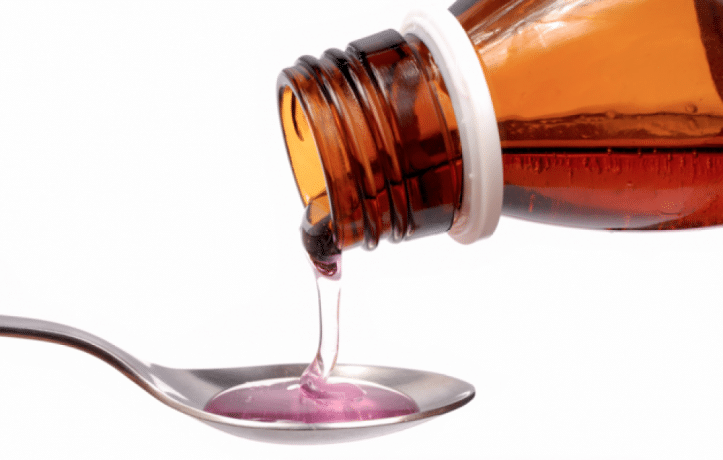
  • Indonesia bans all syrup, liquid medication after death of nearly 100 children

    Indonesia bans all syrup, liquid medication after death of nearly 100 children

    Indonesia has suspended sales of all syrup and liquid medication in the country after the death of nearly 100 children in the region.

    According to the media reports, a few syrup medicine was found to contain ingredients linked to Acute Kidney Injuries (AKI), which have killed a total of 99 young children this year.

    The country’s authorities have so far not disclosed the brands or types of syrup medicines suspected to have caused the illnesses. For now, the government has temporarily banned the sale and prescription of all syrup and liquid medicines.

    Indonesian health officials said they had reported around 200 cases of AKI in children, most of who were aged under five

    “Some syrups that were used by AKI child patients under five were proven to contain ethylene glycol and diethylene glycol that was not supposed to be there, or is supposed to be in very little amount,” said Indonesia’s Health Minister Budi Gunadi Sadikin.

    Earlier this month, the World Health Organization (WHO) issued a global alert over four cough syrups, allegedly manufactured in India, that were linked to the deaths of almost 70 children in The Gambia.

  • Panadol production stopped in Pakistan, shortage expected

    The widely used over-the-counter (OTC) drug panadol and paracetamol may not be available in markets as the company that produced the brands has stopped production of both the drugs.

    Panadol is a generic drug used to treat fevers, minor pains such as headaches and vaccination shot ache.

    The company has cited cost-effectiveness for not manufacturing the drug anymore.

    The manufacturer, who has been requesting authorities to raise the price of Panadol, claims that production was no longer financially viable.

    According to the Pharmaceutical Manufacturing Association of Pakistan, the Drug Regulatory Authority of Pakistan (DRAP) reportedly issued a summary to the health ministry requesting an increase of Rs 1per tablet, but the federal cabinet rejected the document.

    The association says the manufacturer could not sell the medicine at less than the production cost.

    According to the pharmaceutical industry, the manufacturing of the tablets has been fully stopped.

    DRAP has been formally informed that some of the tablets sold by pharmacies are fraudulent.

    Panadol is among the highest selling medicine brands in the country, with demand for the drug being the highest in Punjab. The medicine comes in formulations meant for infants, children and adults. A sister brand named Panadol Extend is also part of the company’s products.

  • President Alvi takes notice of prescribing ‘unnecessary medications’

    President Alvi takes notice of prescribing ‘unnecessary medications’

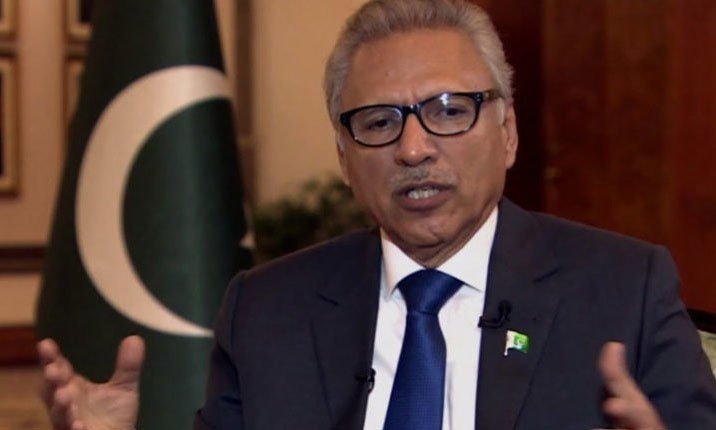
    President of Pakistan Dr Arif Alvi has reportedly taken notice of the unnecessary sale of medicines.

    He asked about the priority of doctors, whether it was the sale of medicines or the health of their patients. 

    Vice-Chancellor of Health Services Academy Dr Shehzad Ali Khan said that the president shared a prescription on which a total of 21 medicines were written.

    Drug Regulatory Authority Of Pakistan (DRAP) officials also believe that it has been observed how in a single prescription, an average of 25 to 30 medicines are prescribed. President Alvi has asked for a plan to control the unnecessary sale of medicines by October 21.

  • VIDEO: ‘PM Imran wants ANF to stop burning charas, heroin, opium; make medicines instead’

    VIDEO: ‘PM Imran wants ANF to stop burning charas, heroin, opium; make medicines instead’

    Minister of State for Narcotics Control Shehryar Afridi has said that Prime Minister (PM) Imran Khan wants the Anti-Narcotics Force (ANF) to stop burning seized drugs, and set up a factory where the same will instead be used to make medicines.

    In a video doing rounds over the internet, Afridi can be heard as saying that his department was working to set up a factory on the premier’s orders, where medicines will be made from seized drugs, thousands of kilograms (kg) of which are set ablaze every year at a drug-burning ceremony.

    “We are setting up a factory… we burn a huge cache of heroin, charas [hashish form of cannabis] and afeem [opium] every year, but other countries use them to make medicines. Now, on PM Imran Khan’s instructions, a factory will be established in Tirah [Valley] so that lives of locals can be improved,” he can be heard as saying while addressing a gathering.

    WATCH VIDEO:

    Several illegal drugs have been investigated for medical benefits such as treating hard-to-treat mental illnesses and chronic disorders.

    While cannabis or marijuana has long been known to provide pain relief, it also offers relief from post-traumatic stress disorder (PTSD) symptoms, controls nausea, and can minimise some symptoms of glaucoma and Crohn’s disease. In the United States (US) states where the drug is legalised, products for such things as period pain management are being made available to the public.

    As for heroin, a study at Hannover Medical School found opiate addicts — usually people addicted to painkillers like Vicodin, Percocet, Oxycontin, or Demerol — were able to better kick their opiate addiction after taking small dosages of heroin. Heroin is also commonly used in hospitalised pain management, particularly in palliative care.

    THE CURRENT AT ANF’S DRUG-BURNING CEREMONY: