Tag: mental health

  • ‘Book a session’: Mohib Mirza’s advice on mental health

    ‘Book a session’: Mohib Mirza’s advice on mental health

    In today’s busy world, mental health is more important than ever, yet it is an issue that is often overlooked. Stress, anxiety, and emotional struggles affect everyone, but getting help from a professional can really make a big difference in handling these problems.

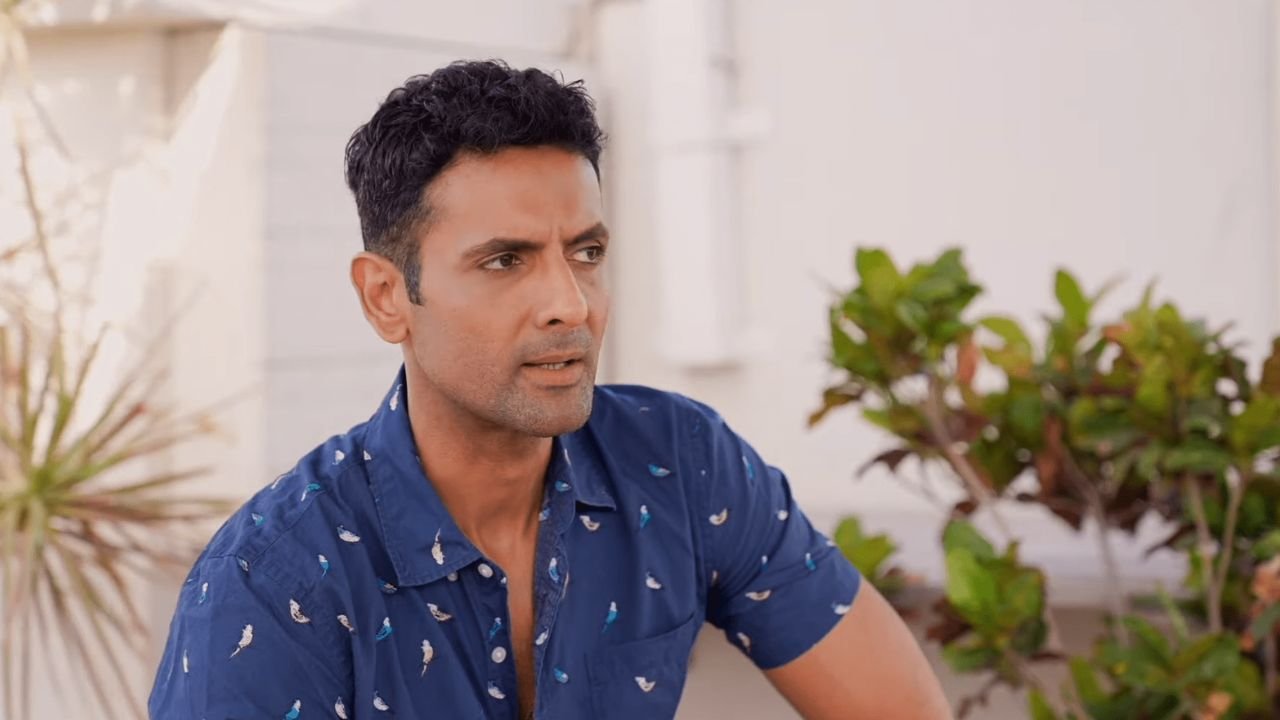
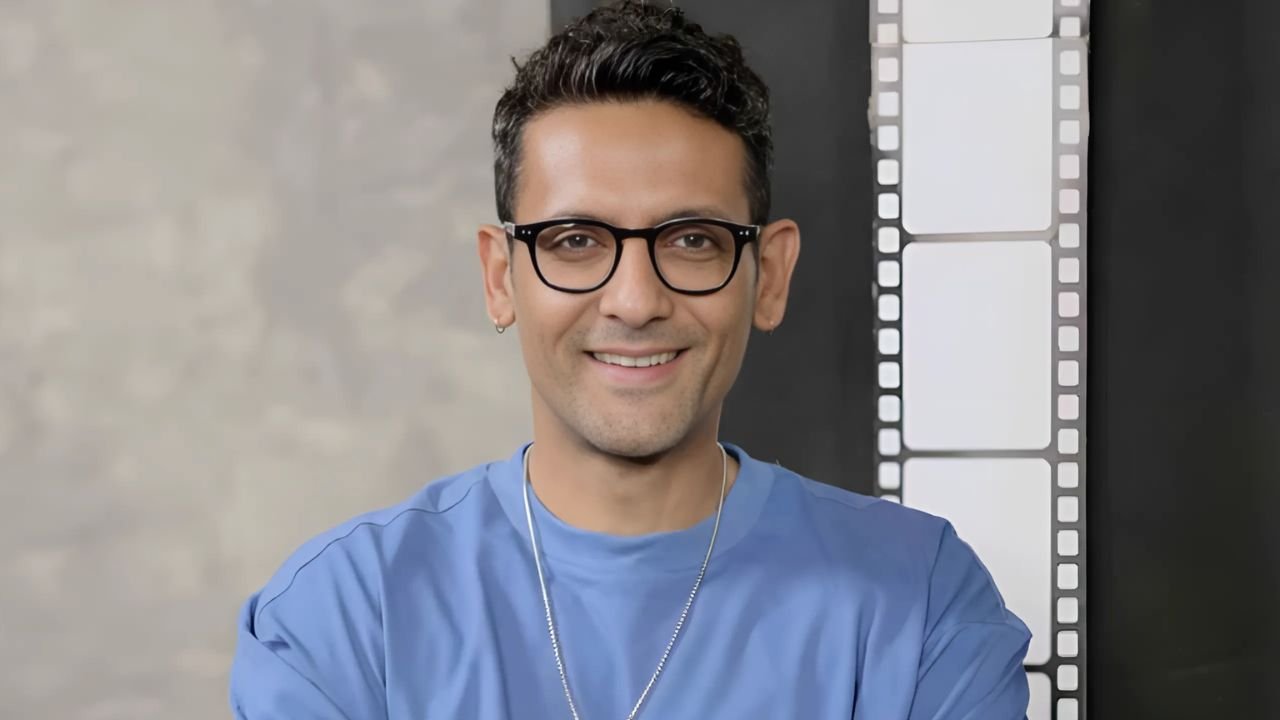
    Recently, actor Mohib Mirza appeared as a guest on Fuchsia Magazine, where he talked about the importance of young men addressing their stress and seeking help when needed.

    “I’m talking about all this for the boys who might be listening,” he specified.

    “I don’t know if they’re watching this episode now or will watch it in the future, but if you’re listening, boys, don’t ever think that seeking help will make you uncool or anything like that.

    “If you’re stressed, whether it’s because of studies, family issues, or a relationship, book a session. I understand you might think it’s expensive or whatever, but this is something you need to do,” he said.

    “Sorting things out on your own can be tough, especially when you’ve taken my help several times already. You know, I keep guiding you, but a psychiatrist or psychologist actually gives you a break, which is part of their job. So, never impose this on anyone else; there needs to be acceptance of it”, Mirza added.

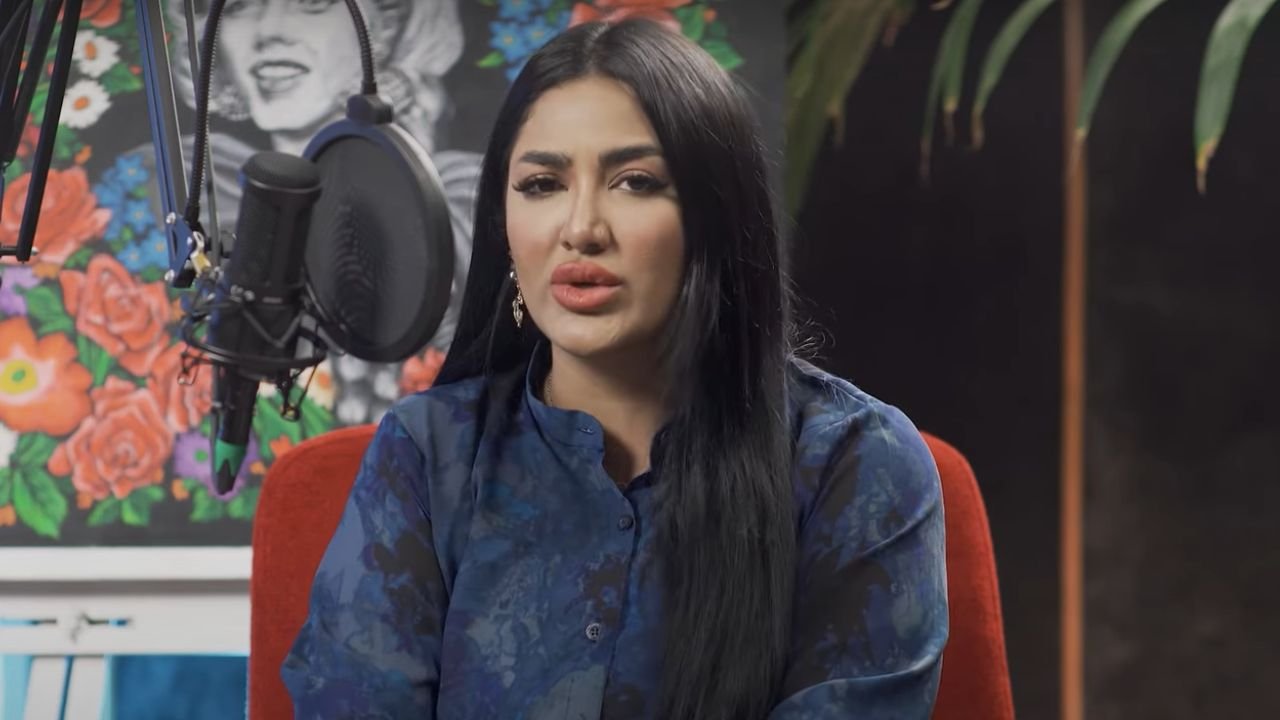
    The host, Rabia Mughni, asked, “Why did you go to therapy? What made you think of going?”

    The Shehr-e Zaat actor replied, “People may or may not understand, but the pressure of work, that’s something people with jobs will relate to.”

    “Now, I’m the director, an actor in it, and I have a brilliant team of 10 people around me. That’s a huge responsibility. Plus, I’m an overthinker. I overanalyse everything,” he added.

    Currently, Mohib Mirza is starring in the drama serial Jafaa, directed by Danish Nawaz and written by Samira Fazal. It airs on HUM TV on Friday at 8:00 PM
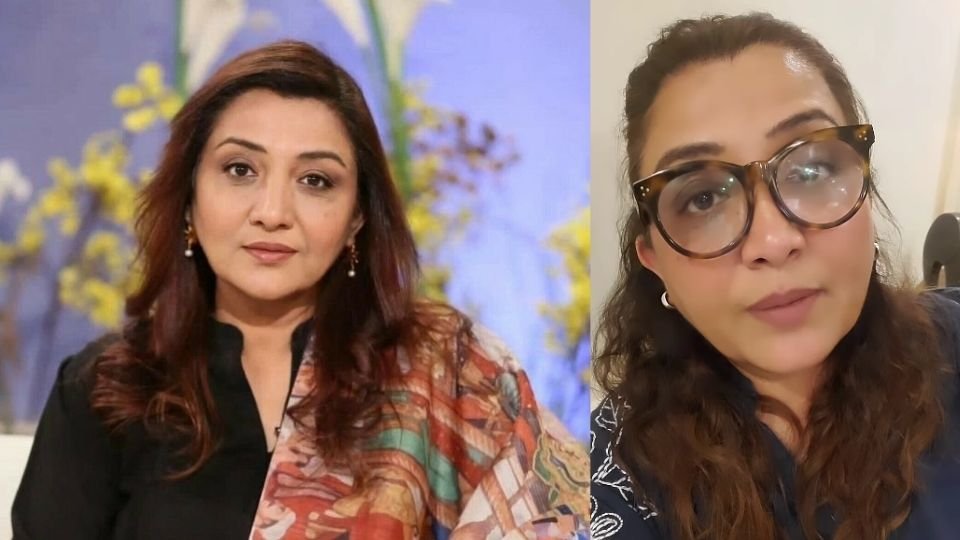
  • ‘I actually had a nervous breakdown’: Tamkenat Mansoor talks about her divorce

    ‘I actually had a nervous breakdown’: Tamkenat Mansoor talks about her divorce

    Divorce is a traumatic experience for the couple, but especially for women. The recent trend of celebrities talking about divorce is helping women deal with the trauma.

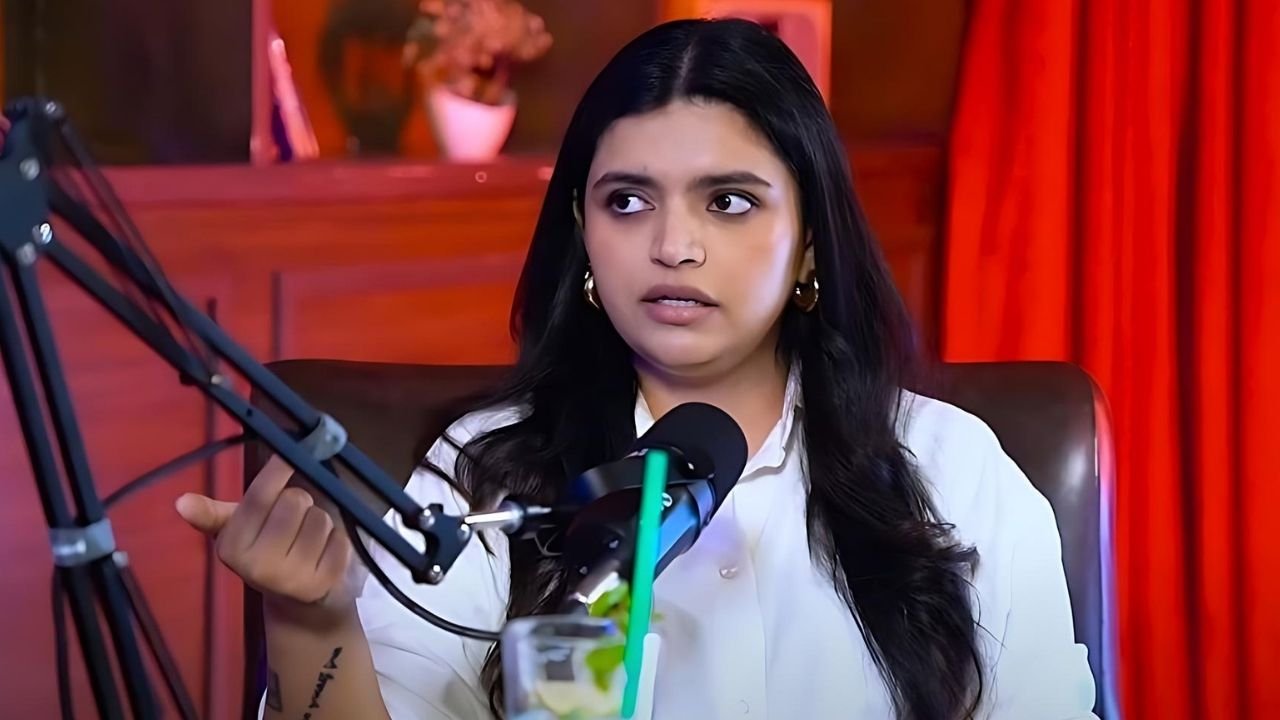
    Actress and social media influencer Tamkenat Mansoor recently appeared as a guest on Ahmed Ali Butt’s podcast ‘Excuse Me’ where she opened up about her personal life.

    The host asked, “The stigma that came with it, especially in our society, there’s an immediate reaction like, Oh, divorced (Talaq Yaftha), how did you deal with that?”

    Tamkenat replied, “To be honest, I didn’t have to face much, because of being outspoken. I think a lot of people in my family never said anything to my face or to my parents’ faces because they knew that my family was totally on board with my decision. Secondly, it was my decision. It became entirely mine in the end because I actually had a nervous breakdown, and it was really bad. I had to be taken to a hospital, to a shrink, and you know how sometimes you’re so caught up in your situation that you only see a limited perspective? Like, in this room right now, our field of vision is only a small part. But if someone sees from the outside, they can see the whole room, every corner more clearly.”

    Tamkenat shared why she does not bad mouth her ex-husband.
    “I don’t think anyone ever ends a relationship happily. I never go into the details. The biggest reason is that I have never spoken badly of their father to my children. I haven’t, and my family hasn’t either. My parents, my siblings, have never spoken badly about him. If my children ever bring up something, we tell them, ‘Son, you shouldn’t speak like that. He is your father and older than you.’ I never wanted to cause them any pain. Secondly, although their father is rarely present, they still see him occasionally,” the actress added.

  • ‘Listen Without Judgement’: Nadia Afgan shares key insight for suicide prevention

    ‘Listen Without Judgement’: Nadia Afgan shares key insight for suicide prevention

    Actress Nadia Afgan has given a message to her fans to look out for people suffering from mental health problems, listen to them and help them.

    Nadia took to Instagram and shared a video in which she said, “I’m sure most of you know that September is suicide prevention month, so this month, keep an eye out for those around you who are suffering from depression, anxiety and mental health issues.”

    Stressing the need for people to look out for others, Nadia added, “There are many people in the society who are going through many problems, they don’t even have any knowledge about their mental health, there is a need to keep an eye on such people and listen to them.”

    “When you see people with mental problems, talk to friends and family, reassure them that they are not alone, even a word from you can give them courage.”

    Mental health is everyone’s problem and all of us are affected by mental health directly or indirectly, so there is a need to understand such problems and support each other, the actress said.

    “People suffering from mental problems need to be provided with a safe place where they can overcome their fears and express their feelings and explain their problems,” she said, emphasizing the need to have a safe space.

  • ‘ADHD is not something to be ashamed of,’ Mathira encourages seeking help for mental health

    ‘ADHD is not something to be ashamed of,’ Mathira encourages seeking help for mental health

    Television host Mathira recently appeared as a guest on the Good Morning Show, where she shared her experience of having Attention Deficit Hyperactivity Disorder (ADHD), a neurodevelopmental disorder.

    She believes that parents of children suffering from mental health issues often overlook their concerns and pressure them to focus on their studies, which can result in the development of negative tendencies.

    “I was diagnosed with the condition when I was an adult. My doctor prescribed medication, which I took for a while, but then I began to feel dependent on them. That’s when I learned more about ADHD and decided to stop the meds,” she said.

    Mathira pointed out that ADHD is neither a rare nor a severe illness, and those suffering from mental health issues should not feel ashamed to seek medical help, as it can be managed with proper care.

    “We always focus on the negative aspects of these conditions, but there are positives too. People like us tend to forget things quickly, so it takes us less time to recover from any trauma. We can do things so quickly that it surprises those around us,” Mathira said.

    She also advised parents of children with ADHD not to pressure them. Instead of scolding, parents should try to understand their children and channel their energy in positive directions.

    She added, “Such children are highly intelligent and talented,”

  • ‘Viewers are talking about the need for therapy’: Mohib Mirza discusses mental health in Jafaa

    ‘Viewers are talking about the need for therapy’: Mohib Mirza discusses mental health in Jafaa

    Actor Mohib Mirza is once again in the limelight, this time for his performance as Hassan in the drama Jafaa. What makes his character truly remarkable is the way it sheds light on the importance of mental health awareness and the need to break free from toxic relationships.

    BBC Urdu’s Shumaila Khan talked to the actor and asked, “Hassan’s toxic behavior that we see, what do you hope the audience will take away from this message?”

    Mizra replied, “Nearly everyone around us has trauma, and it has shaped us in a certain way. Hassan’s character shows that realizing the situation you are in is important, and viewers are talking about how he needs therapy. That’s exactly what we wanted to convey to the audience.”

    The host asked, “Mawra’s character is Dr. Zara, a very empathetic wife. Despite seeing red flags, she is trying to understand Hassan. In your opinion, how much social pressure is there on married women in our society to maintain the marriage, you know, socially?”

    In reply, Mohib shared a personal anecdote, “I remember a phrase my friend once said: ‘Brother, it’s like this once you’re married, that’s it. There’s no one else, just this.’ However, he continued, that this it shouldn’t be burdening as he shared. “Of course, you have to make it work. But I don’t understand why there’s so much pressure. It’s not like we’re trying to promote divorce or anything. We’re not promoting it. But, if there’s toxicity, if the situation is toxic, it’s like poison.”

    The Jaffa actor stressed that this pressure can lead to mental illness. “Continuous stress is scientifically proven to cause some kind of mental or physical illness. So, no one should have to bear such negativity and poison,” he asserted.

  • 85 per cent of Pakistanis content with their mental health: Survey

    85 per cent of Pakistanis content with their mental health: Survey

    85 per cent of Pakistanis are fully satisfied with their mental health while 14 per cent have expressed concerns, reveals a new survey by Gallup Pakistan.

    50 per cent of the people admitted to facing stress in their daily life — often or sometimes — while 50 per cent said that they do not have any stress.

    In the survey, 17 per cent of Pakistanis cited their family or domestic problems as the main cause of mental stress, 15 per cent cited lack of money, 14 per cent said unemployment, 13 percent cited their job, and eight percent cited their health as the main cause of mental stress.

    The rate of Pakistanis suffering from mental stress is clearly lower than the global opinion as a total of 79 per cent are suffering from mental stress globally, while 24 per cent deem their job as the main reason for mental stress.

    Globally, 21 per cent are affected by lack of money while 19 per cent quote family problems as the main cause of mental stress.

  • ‘Not feeling my best’: Hania Amir reveals struggle with mental health

    ‘Not feeling my best’: Hania Amir reveals struggle with mental health

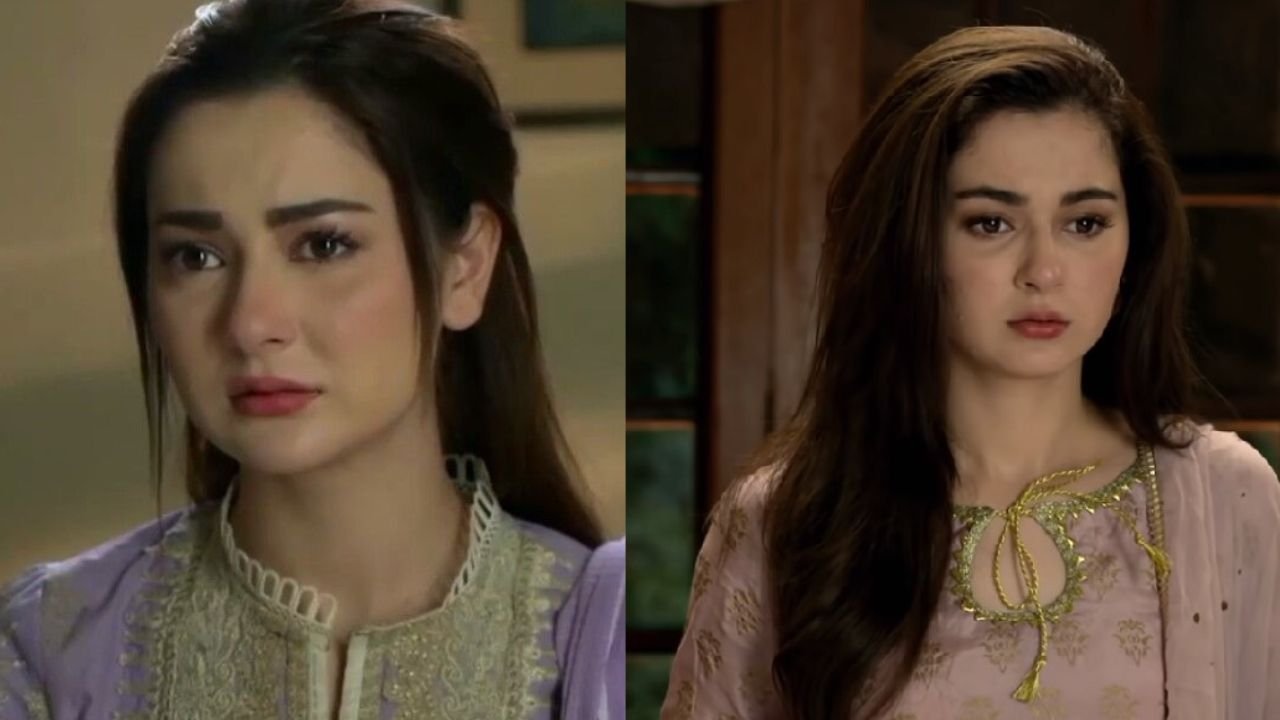
    Even though her friend and actor Yashma Gill praised her for being a strong support during her hospital recovery, actor Hania Aamir showed once more that behind her smiling photos online, there’s often a hidden struggle.

    On her Instagram, the young ‘Dil Ruba’ actor shared a heartfelt post, revealing her personal mental health challenges. She admitted to not feeling well for some time now. Using her social media reach, she aimed to break the silence around mental health in Pakistani society. Hania reassured her fans that there was “no shame” in seeking professional help.

    The star wished to be honest with her friends and fans, writing, “Yes, this could’ve been dealt with privately but I genuinely feel like we have grown up together on this platform. From my dubsmash to films to dramas (reel and real) to random videos and updates on my life, I’ve tried to be as real as I could be with all of you.”

    Hania stated, “I owed it to myself to look within and do everything in my power to recharge my batteries toward a full recovery.” She emphasized the importance of not battling mental health challenges alone, saying, “No one is equipped to undertake such a journey solo.”

    “I’m doing everything I can to get back to health, but I just wanted to come here and tell you that it is alright to have dark days,” wrote Hania. “It does get better. I know sometimes it feels like there’s only darkness at the end of the tunnel. I get it. You just need to tell yourself that you deserve happiness and you need to take charge, ask for help from the people around you, and seek a professional.”

    Without specifying the cause of her mental health challenges, Hania recognized that many others, like her, have faced similar struggles. Rejecting the typical cultural expectation of hiding emotions during tough times, Hania encouraged her followers to be honest about their feelings and not exhaust themselves by pretending everything was fine. “I don’t want to put up a facade of being okay,” she wrote. “And neither should you. It’s too exhausting.”

    Hania continued by emphasizing that both mental and physical health are equally important. “Remember, mental health matters just as much as physical health, and talking about it shows strength, not weakness,” she wrote. “Please ask for help when you need it. You’re not in this alone.”
    Wrapping up her post with a call to raise more awareness about mental health, Hania concluded, “And if there’s any advice for me or anyone going through depression, please share in the comments. Even the smallest beam of hope and warmth can help.”
    With over 400,000 likes in three days, Hania’s post resonated with her large following, prompting an outpouring of advice and support in the comments section. Hania’s friend and fellow actress Yashma commented, “You are my life, okay? I love you to the moon and back and always there for you,” while another user wrote, “So relatable.”

  • American parenting vlogger sentenced to prison for child abuse

    American parenting vlogger sentenced to prison for child abuse

    A Utah mother-of-six who doled out parenting advice on a popular YouTube channel has been sentenced to prison for abusing her children, holding two of them in conditions prosecutors likened to concentration camps.

    Ruby Franke, 42, pleaded guilty in December to four counts of aggravated child abuse and was sentenced on Tuesday to one-to-15 years in prison on each charge.

    Franke’s business partner Jodi Hildebrandt, 54, whom she described as her “mentor,” received the same sentence.

    Beginning in 2015, Franke ran a since-deleted YouTube channel called “8 Passengers” which provided parenting advice. She would later feature on a YouTube channel run by Hildebrandt after separating from her husband.

    Utah prosecutor Eric Clarke said Franke and Hildebrandt held two of the children, then aged nine and 11, in a “concentration camp-like setting.”

    “The children were regularly denied food, water, beds to sleep in, and virtually all forms of entertainment,” Clarke said. “They were isolated from others, and were hidden when people came to visit the house.

    “They were also forced to do manual labor outdoors in the extreme summer heat, at times without shoes or socks,” the prosecutor said. “Both children had extensive physical injuries from the abuse that required hospitalization.”

    Clarke also said the children were emotionally abused, “to the extent that each believed, to some degree, that they deserved what was being done to them.

    Eventually, the older one “had the courage” to run away and ask a neighbor to call the police, Clarke said, adding “Heaven knows how much longer they could have survived in that situation.”

    Franke apologized for her actions at her sentencing hearing before Judge John Walton.

    “I was led to believe that this world was an evil place filled with cops who control, hospitals that injure, government agencies that brainwash, church leaders who lie and lust, husbands who refuse to protect and children who need abuse,” she said.

    She said her paranoia “culminated into criminal activity for which I stand before you today ready to take accountability.”

    Franke and Hildebrandt will serve a minimum of four years in prison but their exact prison terms will be decided by the Utah Board of Pardons and Parole.

  • Boy with slit throat was killed by teenage cousin

    Boy with slit throat was killed by teenage cousin

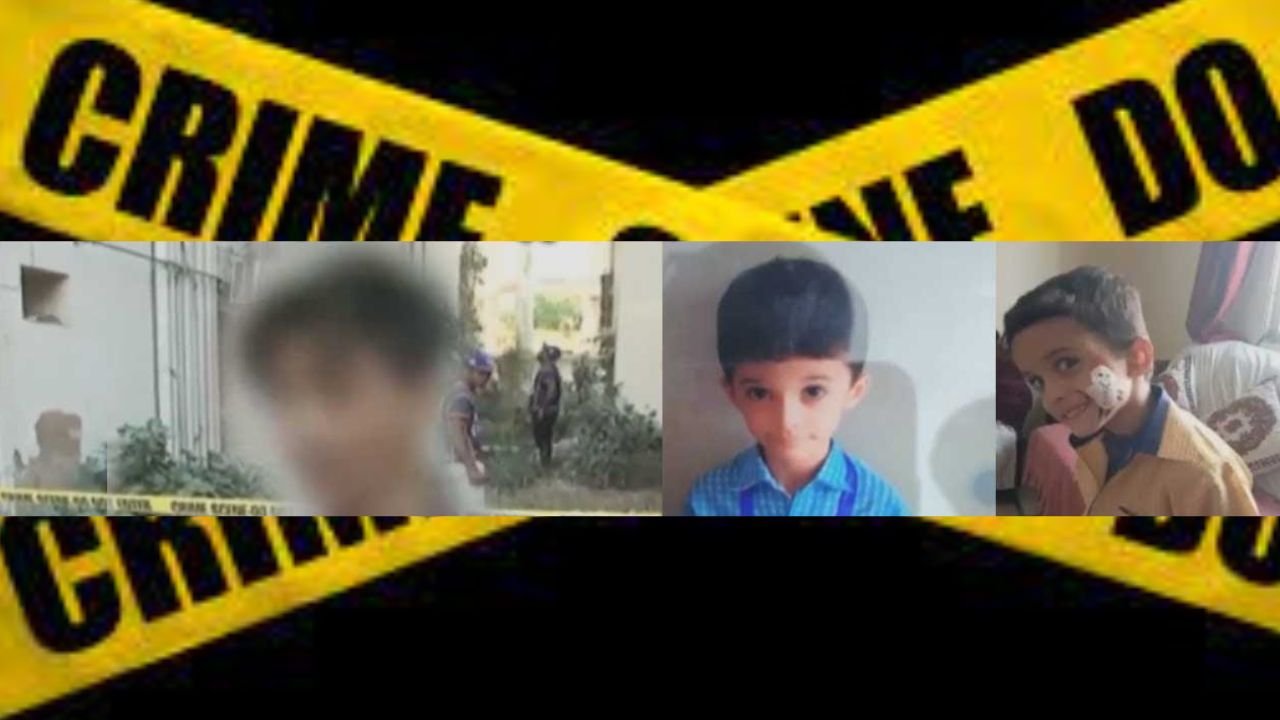
    The killer of seven-year-old Abaan Mazhar has been arrested in the Federal B area of Karachi and in a shocking turn of events, he is the cousin of the victim.

    According to Senior Superintendent of Police (SSP) Central Zeeshan Siddiqui, the arrested suspect Sufyan is between 14 and 15 years old and he is the cousin of the deceased Abaan and lived with him.

    The police informed Geo News that the suspect said that Abaan used to complain to his father about him, leading to the older boy getting scolded many times.

    The accused killer said in his statement, “I made a mistake”.

    On the day of the incident, he took Abaan to the park from a back street and killed him inside the bushes at Dhobi Ghat.

    Sufyan then washed the knife and kept it in the kitchen.

    The police are still investigating the matter.

    In an exclusive footage obtained by Geo News, it can be seen that the cousin was taking Abaan along with him while the little boy was strolling totally at ease holding his hand.

    Regarding this, SSP Central Zeeshan Siddiqui said that two teams were working on this high-profile case. The accused was put on the suspect list on the first day, but being a family member, it was difficult to arrest him immediately.

    Previously, the body of a seven-year-old boy, Abaan Mazhar, was found in bushes in the Federal B Area in Karachi on Wednesday afternoon.

    The boy, whose throat had been slit with a sharp instrument, was found within the limits of the Yousuf Plaza police station near the Cardio Hospital Federal B Area Block 16. Station House Officer (SHO) Shahid Rao told The News that around 3:30 pm, a call was received by Madadgar-15 about an injured boy found in bushes.

    A police team rushed to the location in Federal B Area Block-16 and shifted Abaan Mazhar to Abbasi Shaheed Hospital where he succumbed to his injuries. SHO Rao said the boy was alive when he was found and when people heard him screaming, they immediately contacted the Madadgar-15 hotline.

    Witnesses saw the child lying injured, trying to speak but was unable to do so. They added that they had not seen any suspect near the boy when they found him.

    Abhan was a resident of Federal B Area Block 16. He was a student of second grade and the second of three brothers. According to his family, he had left home two hours ago. They maintained that the family had no enmity with anyone.

    SHO Rao said they had talked to Mazhar, the aggrieved father, who said his son studied in a private school in the area and as he worked in a private firm, he had hired a private person to pick up and drop his son from school.

    The father also said that as per the daily routine, Abaan had returned from school at 2 pm but after a few minutes, someone knocked on the door of his residence and the boy again left the house. It was at around 3:30 pm, the family received the information about the boy’s death. The father told the police that he had no enmity with anyone and he did not know who had killed his son.

    The post-mortem report revealed that the throat of the minor boy was slit with a sharp weapon, while no evidence of abuse was found, reports ARY News.

    Samanabad DSP Asghar Mehdi told the media that the child died on his way to the hospital. He added that a woman living in a nearby flat first saw the child and shouted for help.

    The police has been making efforts to obtain CCTV footage. A case has been registered and investigations are underway.

  • ‘Getting teary-eyed upon mention of my mother is my trauma response’, Bilawal opens up about mental health

    ‘Getting teary-eyed upon mention of my mother is my trauma response’, Bilawal opens up about mental health

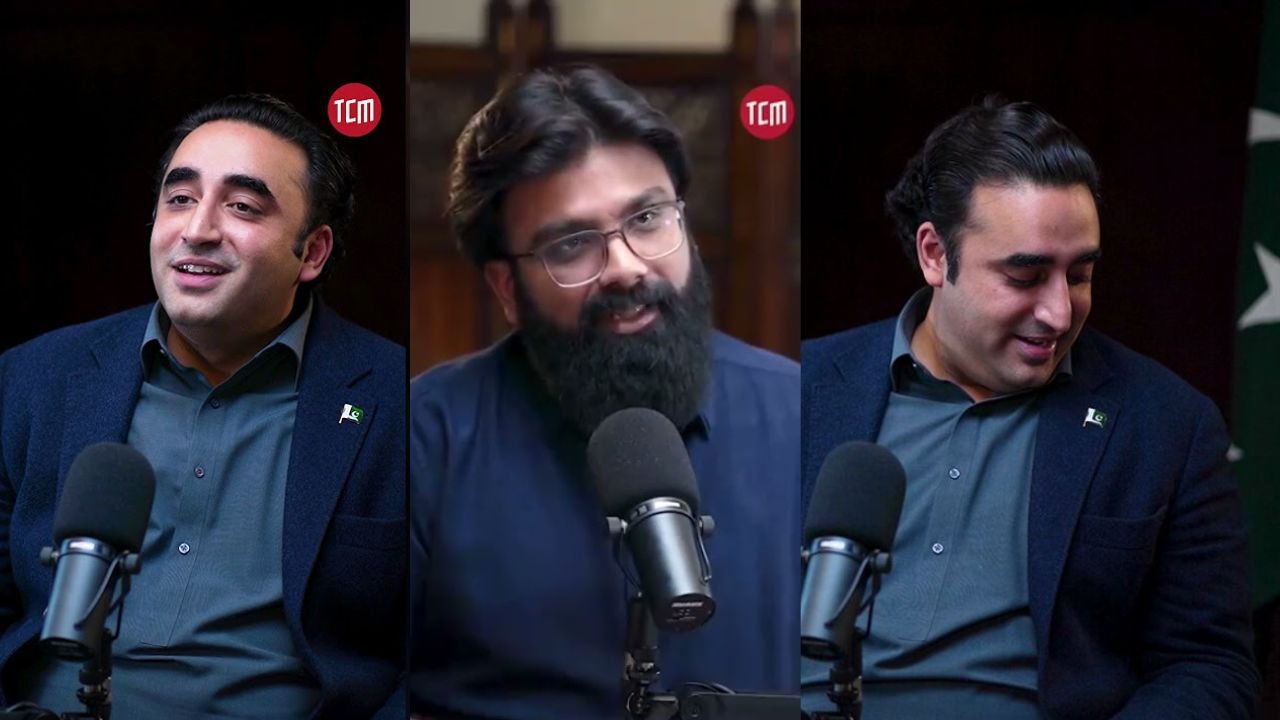
    Chairman Pakistan People’s Party (PPP) Bilawal Bhutto-Zardari talked about mental health, climate change, politics and other issues in The Centrum Media’s podcast with Talha Ahad. Bilawal’s conversation about mental health and climate change was the most relatable by any Pakistani politician.

    When asked how he copes with the trauma of losing so much, especially his mother Benazir Bhutto who was assassinated, and if it has had any impact on his mental health, Bilawal responded candidly. He related the events that unfolded on December 27, 2007. He was in Dubai for his winter break from Oxford when his mother went to Pakistan for the election campaign. He was in Dubai with his father Asif Ali Zardari and his siblings when he heard the news about the attack on television. He was shocked and afraid. It was traumatic. He said he doesn’t even remember the conversation he had with his sisters about this.

    Bilawal Bhutto said that mental issue is a real issue but we do not take it seriously like we do with other diseases. “Your mind is just like any other part of your body,” he emphasised.

    Bilawal said he never went to seek therapy or even talked to a counsellor after having lost so much. He moved on from it like a traditional Pakistani, thinking he should just ‘man-up’ and face it without seeking help. He acknowledged that it was years later that he started reading and understood what he was going through. It was partially because of the “macho” attitude of a typical Pakistani.

    Bilawal admitted he feels the loss of his mother every day but he has learned to make this feeling of loss his strength instead of a shortcoming.

    Bilawal went on to explain his vision for dealing with mental health issues in Pakistan. He wants an “update” in the system. He wants to set up facilities through public-private partnership if he comes in power after elections.

    When asked if he meditates, Bilawal admitted that he tried it but hasn’t done it consistently because he lacks consistency. He watches Netflix shows in his free time. When asked when was the last time he cried, Bilawal said he does not remember.