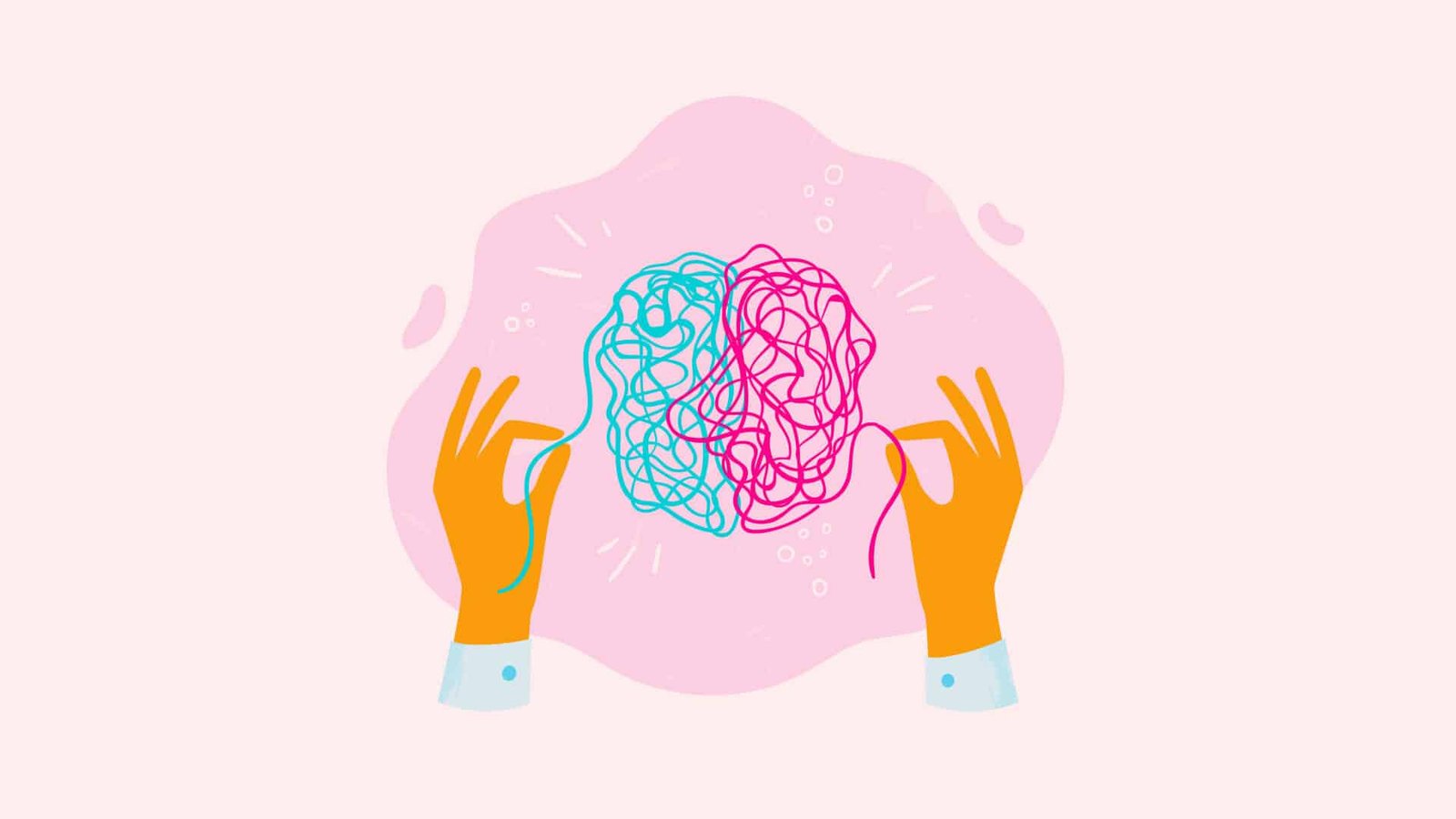
The recent tragic incident involving the son of a prominent religious scholar, Maulana Tariq Jamil, has once again brought the discussion of mental health to the forefront.
The heartbreaking revelation that Asim Jamil, son of Maulana Tariq Jamil, couldn’t survive due to severe depression and eventually took his own life, highlights the urgent need to address the often-neglected intersection between religion and mental health.
According to the elder son of Maulana Tariq Jamil, Yousaf Jamil, Asim had been grappling with severe depression since childhood. Despite undergoing treatment, including Electroconvulsive Therapy (ECT), his mental illness only deepened in the last six months.
As evidenced by Asim’s case, where even Electroconvulsive Therapy (ECT) proved ineffective, the necessity of professional medical intervention in severe cases of mental illness cannot be overstated.
Despite the claims of certain public figures such as Resham, who said that depression “does not exist” and Feroz Khan, who while responding to a fan’s question regarding curing depression among 21-25 years old girls said: “Obey your men. Give them your responsibility and sit back and enjoy grapes. I’d do that if I was a woman. Be a queen,” it is important to recognise the limitations of this approach.
It is pertinent to mention that the suicide rate in Pakistan has alarmingly crossed eight per cent (per 100,000 people), according to the World Health Organisation (WHO), and this can significantly be associated with mental health problems.
According to WHO, there are only 0.19 psychiatrists in Pakistan per 100,000 inhabitants, one of the lowest numbers in the WHO-EMRO region as well as the entire world. The absence of trained mental health professionals in the country has created a major treatment gap, leaving more than 90 per cent with mental health issues untreated.
Unfortunately, we, as a cultural collective, only end up making fun of people with mental health issues, sweep it under the carpet or pretend as if mental health is not an issue at all. We forget that globally, one in eight people have mental health conditions. We forget that being insensitive to mental health issues only increases the pain and agony of those who are facing these issues.
In a country where we think a mentally troubled young man’s illness will be cured if he gets married, where we think talking about mental illness or seeking therapy or psychiatric treatment means you’re either not ‘man enough’, ‘weak’ or ‘mental’, we must raise awareness about mental health and how medical science can help resolve these issues.
The unfortunate incident involving Asim Jamil highlights the urgency of destigmatising conversations surrounding mental health. It is imperative to foster an environment where individuals feel comfortable discussing their struggles openly without fear of judgement or discrimination.