Tag: messaging

  • WhatsApp to introduce animated avatars for video calls soon

    WhatsApp to introduce animated avatars for video calls soon

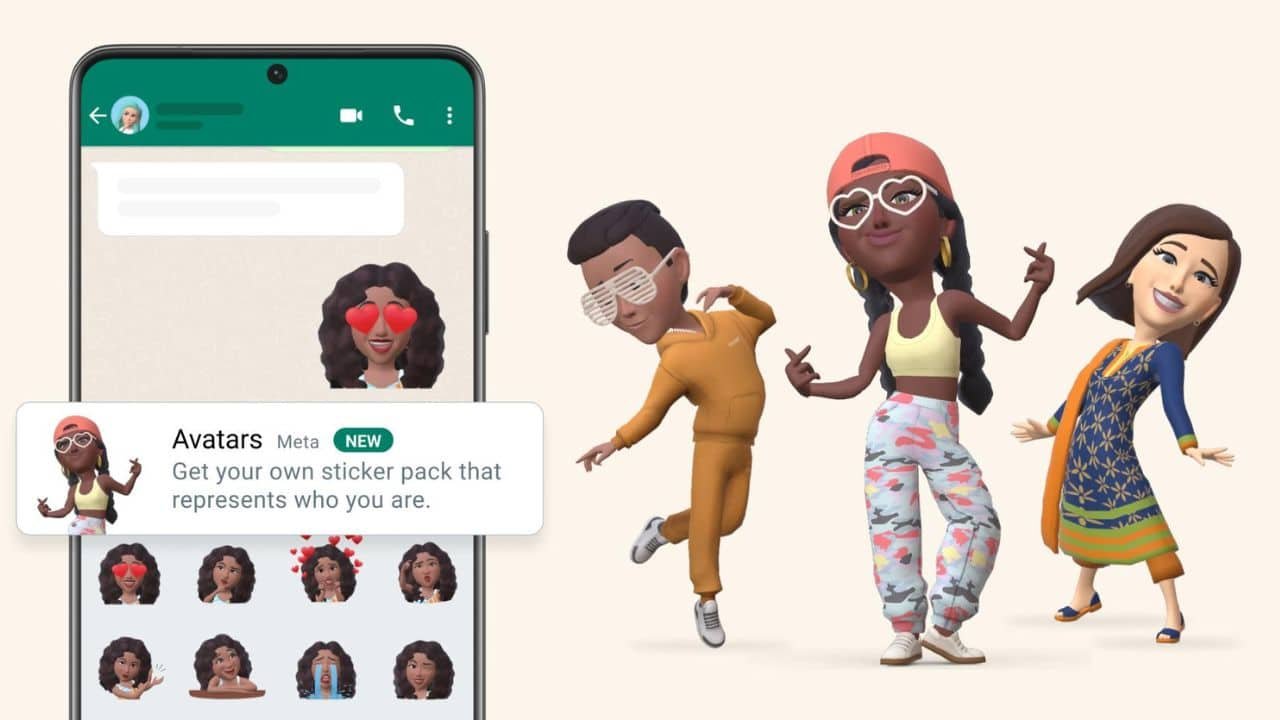
    Meta’s messaging application, WhatsApp, is reportedly gearing up to introduce animated avatars for video calls. This anticipated feature, reminiscent of Apple’s Memoji, has been in development since the previous year.

    According to WABetaInfo, an independent source for real-time WhatsApp updates, the Messenger app has now unveiled the capability to use animated avatars during video calls in its latest Android beta version 2.23.19.14.

    WhatsApp is actively informing its users about this innovation through a pop-up notification. This notification provides the option to “utilise your avatar during calls,” offering the choice to either “switch to avatar” or defer the decision with a “not now” button.

    To employ this new video call avatar feature, users must select the “Switch to avatar” option. This function will replicate their facial movements and expressions in real-time through the use of an avatar character. Importantly, users retain the flexibility to disable this feature at any time through the settings, allowing them to reveal their true selves. Crucially, the introduction of the avatar feature will not compromise WhatsApp’s end-to-end encryption, ensuring the preservation of user safety and privacy.

    It’s worth noting that some data usage will be necessary to enhance the Avatar experience on the app. Additionally, WhatsApp is actively developing avatars for status updates, although there is no official information regarding their release at this time.

  • WhatsApp is far more private and secure than iMessage, says Mark Zuckerberg

    WhatsApp is far more private and secure than iMessage, says Mark Zuckerberg

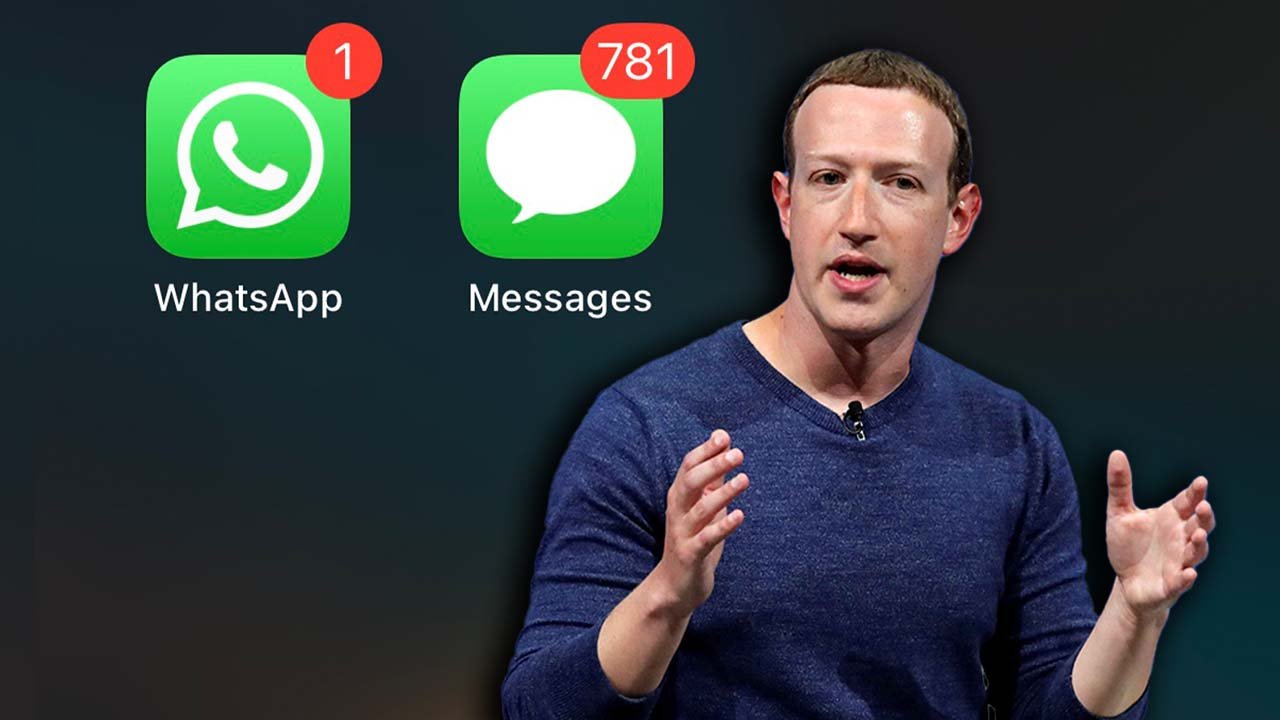
    Apple iMessage is the target of Meta CEO Mark Zuckerberg’s most recent Instagram post. He asserts that WhatsApp, which is owned by Meta, is much more private and safe than iMessages.

    He continued by listing capabilities of WhatsApp that are not found in iMessage, such as end-to-end encryption and message disappearance.

    A billboard in New York City for Meta advertising promotes WhatsApp over SMS or iMessage in conjunction with the Instagram post. It provides a side-by-side comparison of WhatsApp’s “Private” bubble with the Green and Blue bubble technique used in iMessage.

     “WhatsApp is far more private and secure than iMessage, with end-to-end encryption that works across both iPhones and Android, including group chats. With WhatsApp you can also set all new chats to disappear with the tap of a button. And last year we introduced end-to-end encrypted backups too. All of which iMessage still doesn’t have,” reads the Instagram post shared by Zuckerberg.

    According to The Verge, the privacy ad campaign is a big push for Meta. Spokesperson Vispi Bhopti told the publication that it “will appear on broadcast TV, digital video, outdoor, and social across the United States,” and billboards will be popping up in New York, San Francisco, and Los Angeles.

    Over 2 billion people use WhatsApp worldwide. In the US, it is not the default texting app. Meta seeks to increase WhatsApp’s US user base. Recently, Meta has promoted WhatsApp focused on security and privacy.

    Not just Meta, but other tech firms have criticised iMessage from Apple. Apple’s Messages app should support RCS, the SMS replacement, according to Google’s pressure on Apple. A valid criticism of Apple’s privacy-focused iPhone advertising is the reality that iMessage still relies on SMS and cannot be used to securely message people who use Android phones.

  • Gen-Z gives a thumbs down to thumbs up emoji, wants to ban 9 other ‘rude’ emojis

    Gen-Z gives a thumbs down to thumbs up emoji, wants to ban 9 other ‘rude’ emojis

    Many emojis, in the opinion of Generation Z, should be avoided at the office. Thumbs-up and love emoticons are for older people, according to a new global poll of 2,000 adults between the ages of 16 and 29.

    A Reddit member recently asked whether they should feel comfortable using the thumbs-up emoji as an adult or not. A discussion between Gen Z and Millennials was triggered by this.

    The thumbs-up emoji, according to a 24-year-old, might be passive-aggressive. However, according to millennials, it means accepting a demand. Another user remarked that they always use it in business interactions and questioned why it should be unpleasant.

    Another woman claimed that most of the group members chose to reply with a thumbs-up emoji in their official team WhatsApp discussion. To them, this seemed a little hostile.

    The following emojis indicate that you are rude:

    • Thumbs up
    • Red Heart ❤️
    • Blaring crying -face
    • Checkmark ✔
    • Poop
    • Ok
    • Monkey covering the eyes
    • Clapping hands  
    • Kiss symbol with lipstick
    • Frown face  ☹️

    Emojis, or “picture characters” in Japanese, first appeared in Japan in the late 1990s and then spread over the world in 2011. Emojis have become a significant part of our society in the twenty-first century and have permeated every aspect of existence.

    According to the New York Post, more than 5 billion emojis are sent daily on Facebook’s Messenger app alone by the 3.2 billion Internet users in the world.

  • WhatsApp now lets you hide profile photo, last seen from specific contacts

    WhatsApp now lets you hide profile photo, last seen from specific contacts

    Last year, the Meta-owned messaging platform WhatsApp began developing a new privacy setting that would allow users to hide their profile photos, last seen, and about information from specific people in their contact lists.

    It was only available for beta version users, but the company has now announced that it will be accessible to all iPhone and Android users worldwide.

    Users can now show their WhatsApp profile photo, last seen, and About information to anyone in their contacts list except those they choose to keep out.

    Previously, users could choose between three privacy settings for their profile photo, last seen, and About information: Everyone, My Contacts, and Nobody. According to GSM Arena, these are met by a third alternative named ‘My contacts except…,’ which can also be used for Status privacy.

    However, just like read receipts, if someone doesn’t share their last seen with others, they won’t be able to see others. The only difference is that the latter will always remain operational for group chats, even if they’ve turned it off.

    To test this new privacy control, users can go to WhatsApp’s Settings > Account > Privacy menu on an iPhone or Android device.

    WhatsApp also announced some group calling features, including the ability to mute others during a group call and send messages to particular users, in addition to new privacy control. When someone joins a group call off-screen, a banner appears.

    The latest WhatsApp beta update also includes an admin approval feature, which allows group admins to accept or deny requests from people who want to join via hyperlink.