Tag: meta

  • ‘It’s not possible’; Reporting in internet-challenged Pakistan

    ‘It’s not possible’; Reporting in internet-challenged Pakistan

    With the primary shift from newspapers to television channels and now to digital media applications, the dissemination of information has become increasingly competitive for newsrooms, with the latest updates just a click away.

    “Delays can be managed with newspapers, but today everything is in your hands—specifically, mobile phones,” says Raees Ansari, Bureau Chief of Geo News in Lahore.

    “Every single second is crucial in reporting now; some footage needs to be sent and put on air instantly. But due to poor network conditions and slow WhatsApp, content is not being sent on time, which is affecting our professional activities,” he reveals.

    Over the past week, internet users across Pakistan have reported network disruptions, with WhatsApp, Facebook, and Instagram experiencing slowdowns, hindering online activities. The Pakistan Telecommunication Authority (PTA) has denied any connection between these issues and the alleged firewall installation.

    Since the ban on X (formerly Twitter) on February 17, 2024, many have turned to Virtual Private Networks (VPNs). The ongoing disturbances, however, have complicated internet usage, which is crucial for a number of professions.

    Sumaira Raja, an investigative reporter, who is mostly found out on the field, complains of encountering issues with not only the internet but also phone signals which often prevents her from conveying news on time.

    “I also experience delays with receiving beepers, as head office frequently reports that the number is not available due to poor signals. This situation makes it very difficult to do my job. I’ve tried using a VPN, but it hasn’t worked,” Raja says.

    Sports journalist Faizan Lakhani recalls when javelin champion Arshad Nadeem returned to Pakistan on August 17 after winning the gold medal at the Paris Olympics, all the visuals sent through WhatsApp by reporters were delayed, and they struggled to download them unless they used a VPN.

    “This situation is very challenging and affects our workflow. When reporters are working on a story or covering an event, they need to stay connected with the desk. We usually rely on voice notes to pass instructions, but since we started encountering this issue, we are struggling with that method too,” he says.

    “We have been told that the network disruption is because of the firewall installation. While things are becoming easier around the world, it has been getting harder for us. Everything is happening with the help of technology and the current situation is a major challenge.” says Ansari.

    What’s happening?

    A highly placed source in the IT industry identifies that filtering of content delivery networks (CDNs) through Firewall is causing content to be routed via internet backbone rather than CDNs.

    “This means that around 4 TBs of internet traffic previously served through CDNs, hosted in Pakistan, is becoming ineffective. When all traffic goes on backbone bypassing CDNs, it’s causing massive slowdown at many western destinations that’s happening now,” he explains.

    Recently, Fiverr, an online marketplace for freelance services, warned clients that Pakistani freelancers may experience delays due to internet issues and the use of VPNs to change their locations.

    “Brace for impact. God save the internet in Pakistan”, says the IT expert.

    Background

    It all started on February 17, 2024, about a week into the new government, when X (formerly Twitter) was banned.

    Initially, amid the uproar, the government remained silent on the matter while the Pakistan Telecommunication Authority (PTA) seemed aloof until the High Courts of Sindh and Islamabad intervened. The PTA eventually admitted that the ban on X was imposed on the orders of the Ministry of Interior based on reports from intelligence agencies.

    The government eventually justified the ban by attributing it to national security concerns, citing ‘digital terrorism‘ and online propaganda as among the threats.

    Earlier in August, Provincial Information Minister Azma Bokhari stated that the government is not against social media but wants to focus on rules and regulations, which, if enforced, could lead to the removal of the ban on X.

    The disruption has now extended beyond X, affecting other widely used apps along with the internet.

    Ironically, since the February 2024 election, the new government has emphasised the need to grow the tech industry in Pakistan.

    In March, Lahore Knowledge Park (a science park) was handed over to the Punjab Central Business District Development Authority with the approval of Chief Minister Punjab Maryam Nawaz, with the goal of establishing Pakistan’s largest IT city.

    In June, Prime Minister Shehbaz Sharif visited Shenzhen— the tech hub in China— in hopes of future collaboration. Ironically, he posted on X (Twitter), expressing how “impressed” he was by the “city’s skyline and development that symbolizes modern-day China.”

    Given the lack of proper infrastructure in the country amid burgeoning surveillance, how will Pakistan evolve in the rapidly transforming digital world? It remains to be seen – but likely we won’t be able to download it.
  • Meta lifts restrictions on Trump’s Facebook and Instagram accounts

    Meta lifts restrictions on Trump’s Facebook and Instagram accounts

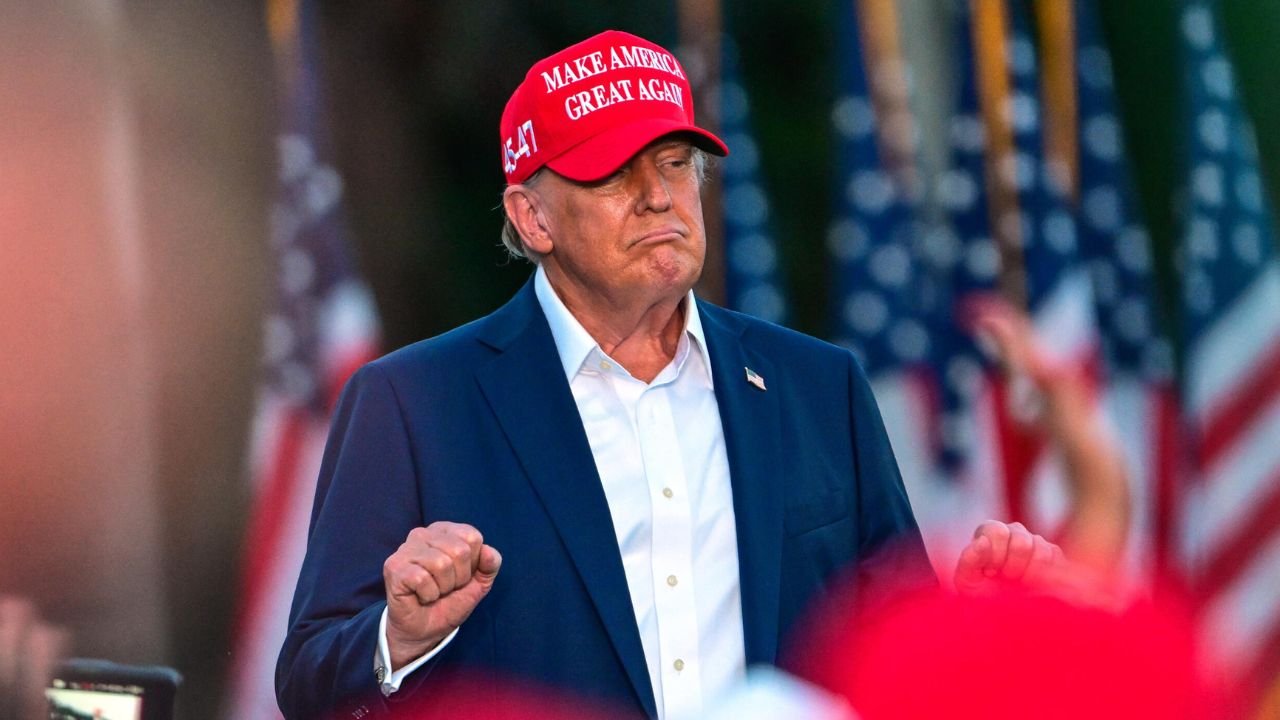
    Meta said Friday it was lifting restrictions on US presidential candidate Donald Trump’s Facebook and Instagram accounts, ending measures put in place after his supporters violently stormed the US Capitol in 2021.

    It said that “former President Trump, as the nominee of the Republican Party, will no longer be subject to the heightened suspension penalties.”

    Trump’s Facebook and Instagram accounts were suspended indefinitely a day after his supporters attacked the US Capitol on January 6, 2021, and it was determined he had praised people engaged in violence on social media.

    His accounts were reinstated in February 2023 but with a threat of penalties for future breaches — an additional restriction that Meta lifted on Friday.

    “In assessing our responsibility to allow political expression, we believe that the American people should be able to hear from the nominees for President on the same basis,” Meta wrote in a blog post.

    It added that US presidential candidates “remain subject to the same Community Standards as all Facebook and Instagram users, including those policies designed to prevent hate speech and incitement to violence.”

    Trump, the first former president to be convicted of a crime, was also banned from Twitter and YouTube.

    While those restrictions were later lifted last year, Trump now mainly communicates on his own social media platform, Truth Social.

    His Facebook profile, which has 34 million users, includes messages originally published on Truth Social as well as invitations to rallies and videos from his campaign.

  • Meta shouldn’t force users to pay for data protection: EU watchdog

    Meta shouldn’t force users to pay for data protection: EU watchdog

    Brussels, Belgium – Facebook owner Meta and other online platforms must not force users to pay for the right to data protection enshrined in EU law when offering ad-free subscriptions, the European data regulator said Wednesday.

    “Online platforms should give users a real choice when employing ‘consent or pay’ models,” the European Data Protection Board (EDPB) chair Anu Talus said in a statement.

    “The models we have today usually require individuals to either give away all their data or to pay,” she said. “As a result, most users consent to the processing in order to use a service, and they do not understand the full implications of their choices.”

    Meta in November launched a “pay or consent” system allowing users to withhold use of their data for ad targeting in exchange for a monthly fee — a model that has faced several challenges from privacy and consumer advocates.

    Meta has long profited from selling user data to advertisers but this business model has led to multiple battles with EU regulators over data privacy.

    The latest announcement came after the data protection authorities of The Netherlands, Norway and the German state of Hamburg went to the EDPB for an opinion regarding the pay-or-consent model used by Meta.

    The Silicon Valley company allows users of Instagram and Facebook in Europe to pay between 10 and 13 euros (around $11 and $14) a month to opt out of data sharing.

    Meta pointed to an EU court ruling last year that it said opened the way for subscriptions as a “legally valid” option. “Today’s EDPB opinion does not alter that judgment and subscription for no ads complies with EU laws,” a Meta spokesperson said.

    Meta is waiting for a decision on its model by the data privacy regulator in Ireland where the company is headquartered.

    ‘Binary choice’

    All digital platforms must comply with the European Union’s mammoth general data protection regulation (GDPR), which has been at the root of EU court cases against Meta.

    The EDPB in its opinion argued that Meta’s model was at odds with the GDPR’s requirement that consent for data use must be freely given.

    “In most cases, it will not be possible for large online platforms to comply with the requirements for valid consent if they confront users only with a binary choice between consenting to processing of personal data for behavioural advertising purposes and paying a fee,” the opinion read.

    The EDPB also warned the type of subscription service put forward by Meta “should not be the default way forward” for platforms.

    It suggested that platforms should consider an alternative that would give users the right to reject being tracked for advertising purposes without the need to pay.

    Privacy defenders welcomed the opinion.

    “Overall, Meta is out of options in the EU. It must now give users a genuine yes/no option for personalised advertising,” said prominent online privacy activist Max Schrems.

    “We know that ‘Pay or Okay’ shifts consent rates from about three percent to more than 99 percent — so it is as far from ‘freely given’ consent as North Korea is from a democracy,” said Schrems.

    Tech lobby group CCIA however warned the EDPB risked “opening a Pandora’s Box”.

    “Forcing businesses to offer services at a loss is unprecedented and sends the wrong signals,” said CCIA Europe’s senior policy manager, Claudia Canelles Quaroni.

    “All companies should be able to offer paid-for versions of their services.”

    raz/gv

    © Agence France-Presse

  • Meta’s ban on word ‘shaheed’ restricts free expression: Oversight Board

    Meta’s ban on word ‘shaheed’ restricts free expression: Oversight Board

    Meta’s independent Oversight Board urged the company to revise its broad ban on the Arabic word “shaheed,” which translates to “martyr” in English.

    After a year-long review, the board found Meta’s current policy to be overly restrictive, silencing millions of users.

    The board, funded by Meta but operating autonomously, recommends keeping “shaheed” posts only if they directly promote violence or violate existing Meta content guidelines.

    This decision follows mounting criticism, particularly regarding Meta’s handling of content related to the Middle East.

    A 2021 study commissioned by Meta itself revealed a negative impact on the free expression rights of Palestinians and Arabic users.

    Criticism further intensified during the 2021 Israel-Hamas conflict, with accusations of content censorship on Facebook and Instagram.

    The oversight board’s report highlights Meta’s failure to consider the various meanings of “shaheed,” leading to the removal of harmless content.

    Co-chair Helle Thorning-Schmidt argues that Meta’s heavy reliance on censorship might unintentionally marginalise entire communities without effectively improving safety.

    Currently, Meta removes any post containing “shaheed” if it mentions someone on their “dangerous organisations” list. This includes Islamist groups, drug cartels, white supremacist organisations, and Hamas.

    Meta sought the board’s guidance after failing to reach an internal consensus on revising the policy in 2020. The board noted that “shaheed” was the most frequently removed term across Meta platforms.

    A Meta spokesperson confirmed they would review the recommendations and respond within 60 days.

  • Palestinian content leaves Israel miles behind on social media

    Palestinian content leaves Israel miles behind on social media

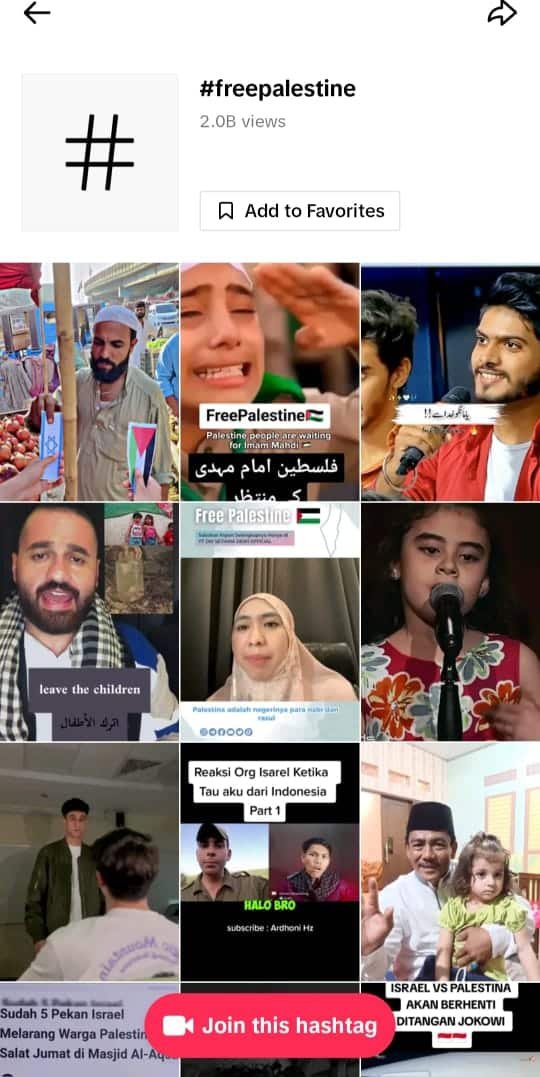
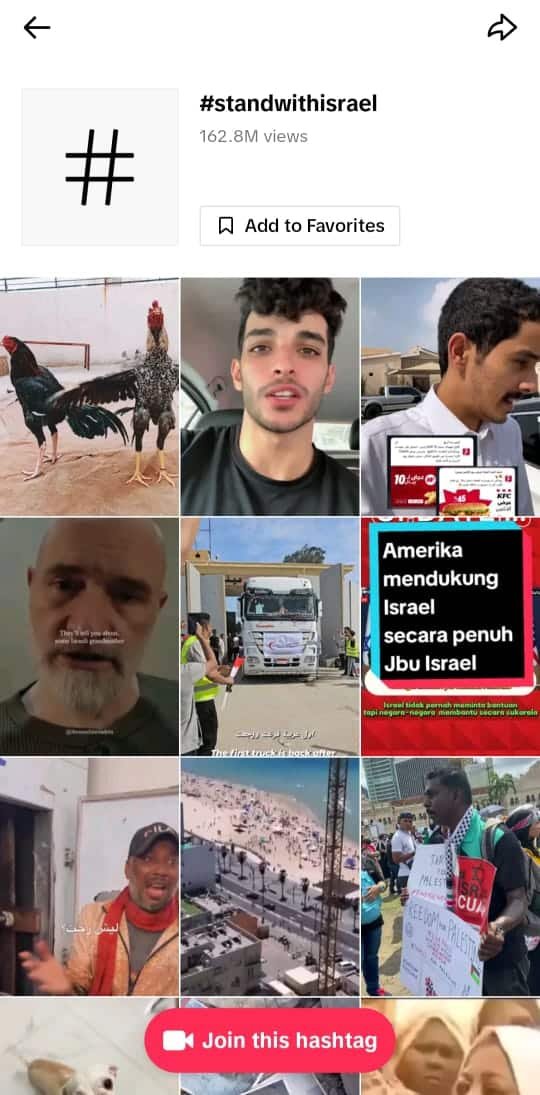
    While activists and civilians flood the streets across the world protesting for Palestine, social media is actively reflecting the changing tides. Currently, the hashtag #FreePalestine has over 2 billion views on TikTok, while in contrast the hashtag #standwithIsrael has over 162.8 million views.

    In a statement posted on Monday, the social media platform responded to US Representative (R) Mike Gallagher’s allegations that TikTok was “controlled by America’s s foremost adversary, one that does not share our interests or our values: the Chinese Communist Party (CCP)”, calling for America to ban the app.

    TikTok said the overwhelming support teens have for Palestine is dominating the app’s algorithm.

    “Support for Israel (as compared to sympathy for Palestine) has been lower among younger Americans for some time. This is evidenced by looking at Gallup polling data of millennials dating as far back as 2010, long before TikTok even existed. A March 2023 Gallup poll, before the war, shows young adults have rapidly shifting attitudes towards the Israeli/Palestinian conflict. While an Echelon poll from October 26, 2023 shows that US TikTok users under 40 are more likely to support Israel (33% vs 28% for Palestine), and the proportions broadly reflect the split in the general under 40 population (32% for Israel, 23% for Palestine).”

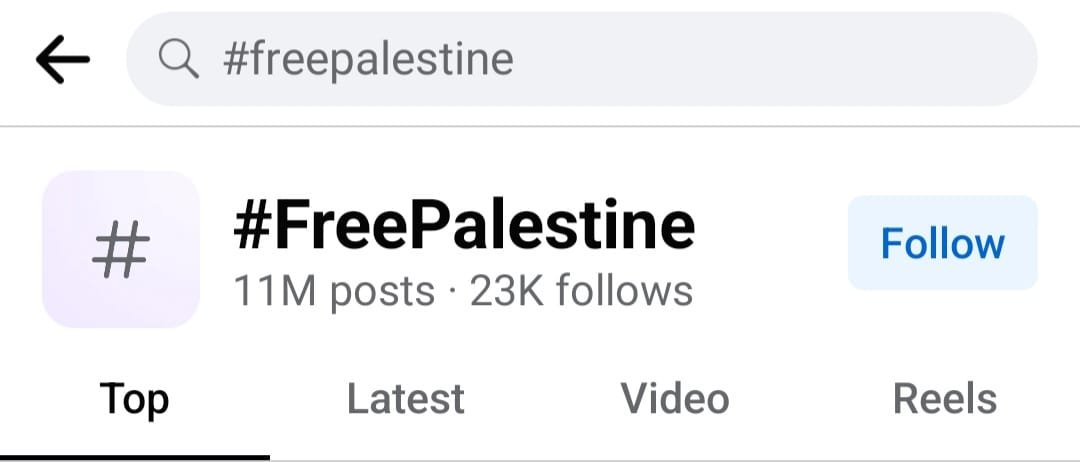
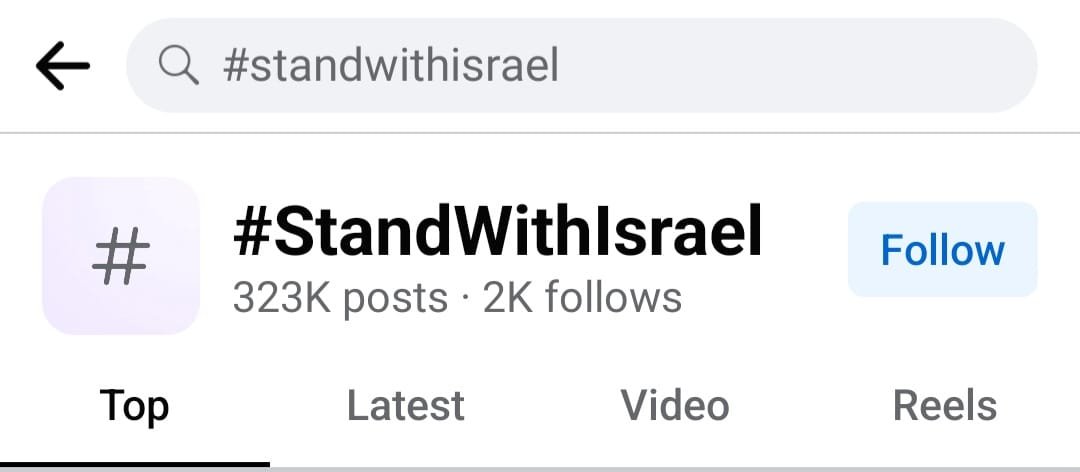
    Other social media platforms like Facebook and Instagram show more audiences engage with the pro-Palestinian content than with Israel’s. Instagram shows that the hashtag #FreePalestine has over 6 million views, while in comparison #IstandwithIsrael has gained only 233,000 views.

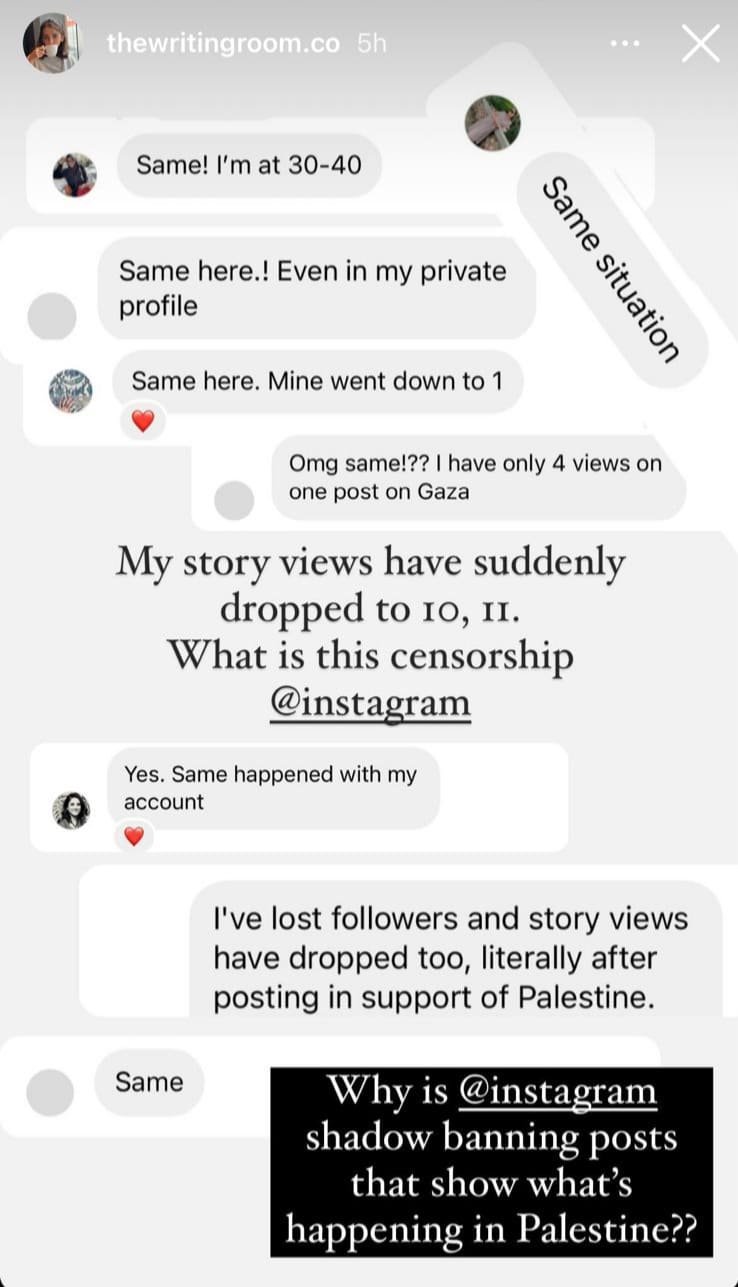
    Instagram was being taken to task by users for censoring and shadow banning prominent pro-Palestinian voices who were reporting on the ongoing genocide in Gaza. Freelance journalist Plestia Alaqad reported her Instagram account was hacked.

    Furthermore, journalist Ahmed reported he was locked out of his Instagram account and was warned it would be shut down for violating the company’s guideline.

    On Facebook, the #FreePalestine hashtag has over 11 million views while in comparison the #IstandwithIsrael hashtag has over 323,000 views.

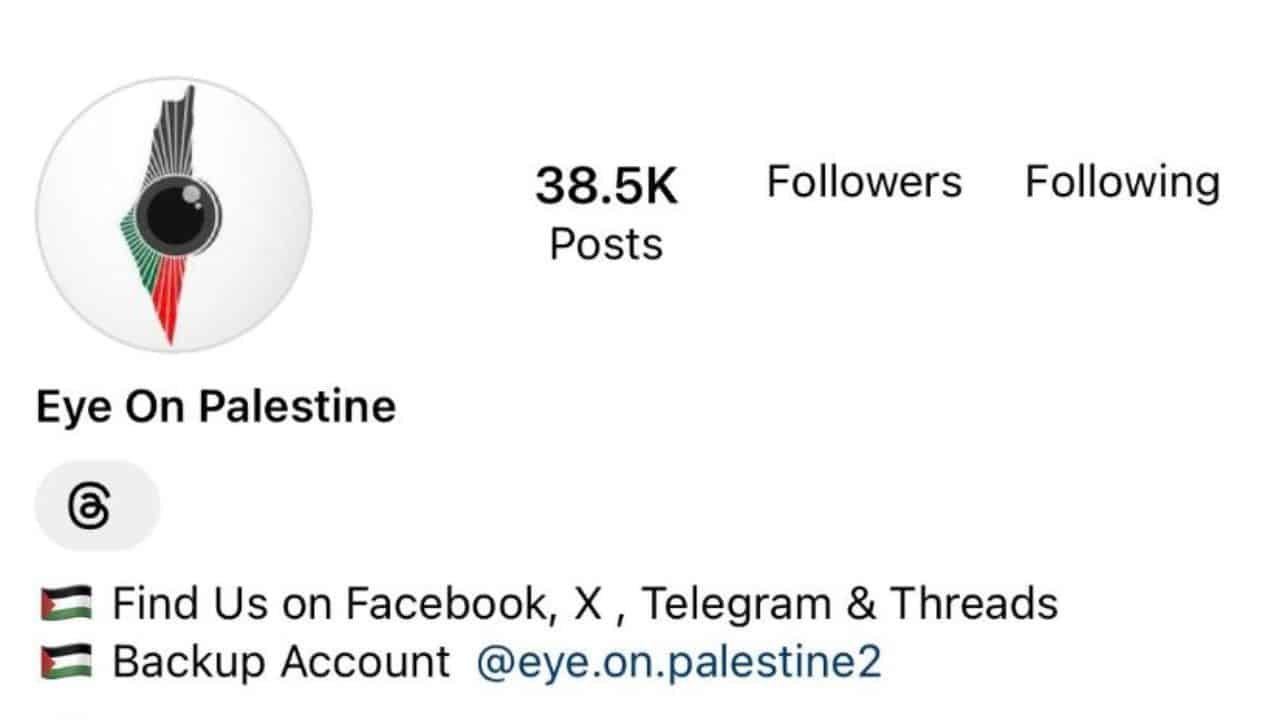
  • Instagram page, Eye on Palestine, restored

    Instagram page, Eye on Palestine, restored

    According to officials from Meta, the owner of Eye of Palestine has been given access to their account.

    Previously, the widely followed Instagram account Eye on Palestine (@eye.on.palestine), that had been extensively covering the situation in Gaza, has been removed by Meta.

    It reportedly had more than six million followers.

    It also had a second page created as a back-up which was also removed.

    People react:

    Here is how can make sure you are able to keep up with all the posts of other similar accounts that are being censored:

  • Meta sued by 40 US states for causing mental health problems

    Meta sued by 40 US states for causing mental health problems

    40 US states sued Meta — the owner company of Facebook and Instagram.

    The renowned tech company has been accused to have caused mental health crises in youth. The attorneys general said that these social media apps tend to “exploit and manipulate” children.

    The case highlights dangers of social media platforms stemming from their focus on financial gain. The young users are exploited using a business model to get them addicted to spending too much time on social media, which can consequently harm their mental health.

    According to the complaint, various researches show that youth using Meta’s social media platforms undergo depression, anxiety, insomnia, interference with education and daily life, and many other mental health related issues .

    The complaint was made in 2021 after Meta’s own research showed the company was aware of the harm Instagram was causing to young people, especially girls.

    These states have requested the court to impose heavy fines on Meta and order them to pay compensation.

  • Meta issues apology for labelling pro-Palestinian users as terrorists on Instagram 

    Meta issues apology for labelling pro-Palestinian users as terrorists on Instagram 

    Meta, the parent company of Instagram, has issued an apology for an incident where the term “terrorist” was added to the profile bios of certain Instagram users identifying themselves as Palestinian.

    The issue arose when the word “Palestinian” was written in English on their profiles, along with the Palestinian flag emoji and the Arabic phrase “Alhamdulillah” (which translates to “Praise be to God”). 

    Upon auto-translation to English, the phrase read: “Praise be to God, Palestinian terrorists are fighting for their freedom.”

    “We fixed a problem that briefly caused inappropriate Arabic translations in some of our products. We sincerely apologise that this happened,” a Meta spokesperson said.

    This translation error was pointed out by a TikTok user, khanman1996, who tested various combinations and found that they all translated to “terrorist.” It’s worth noting that @khanman1996, although not Palestinian himself, discovered this issue after being informed by a Palestinian friend. 

    Meta has acknowledged and rectified the problem, stating that it was a technical error rather than an intentional action. Additionally, the platform has faced accusations of suppressing content expressing support for Palestinians, particularly during the Israel-Gaza conflict.

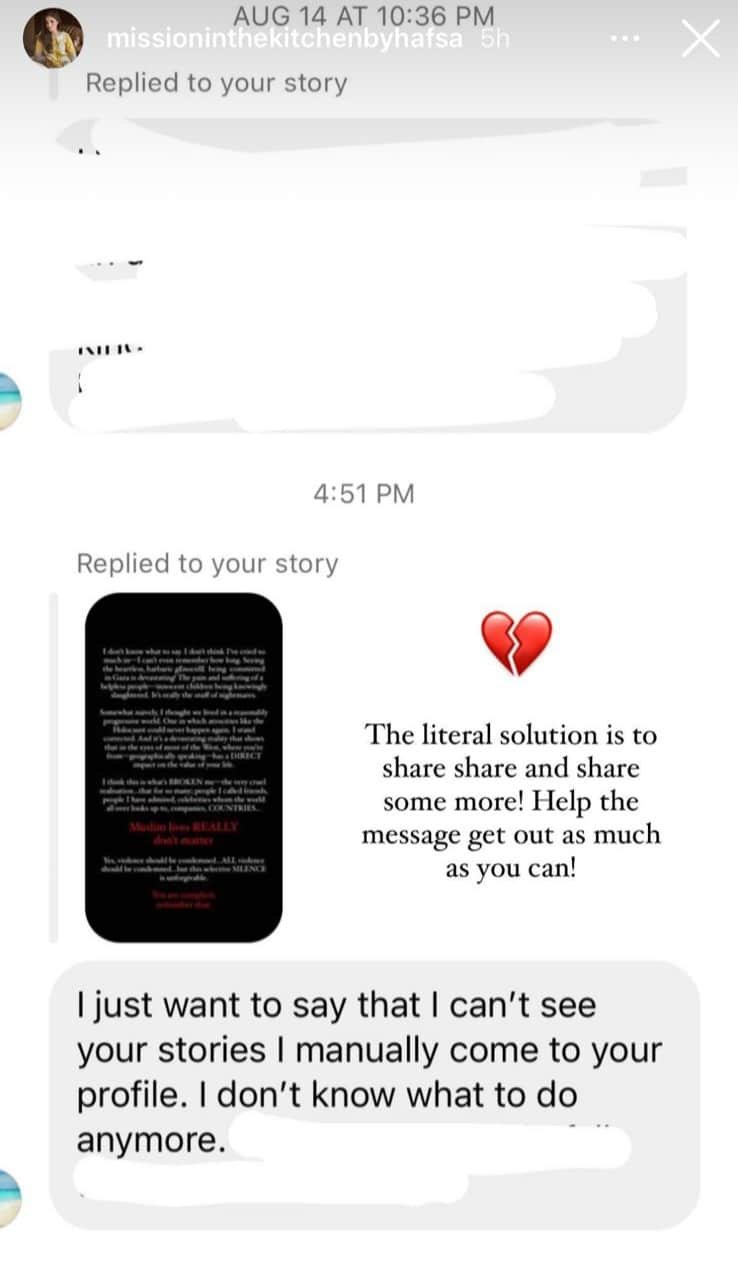
    Some users reported being “shadow banned,” a practice where posts are intentionally made less visible to others, allegedly due to their pro-Palestinian content. 

    Meta responded to these accusations, clarifying that a bug affecting Stories (a feature on Instagram) occurred, reducing the reach of posts, but insisted that it was unrelated to the content’s subject matter.

    The company stated that new measures have been implemented to tackle harmful content on their platforms, particularly during times of conflict, and denied deliberately suppressing anyone’s voice.

    This follows previous accusations of Instagram suppressing pro-Palestinian content, raising concerns about social media platforms’ handling of sensitive political topics. 

  • Instagram users say no views when people post pro Palestine content

    Instagram users say no views when people post pro Palestine content

    As the civilian death toll from Israel’s bombing of Gaza continues to rise Instagram users have complained that they are not getting views on pro Palestine content.

    While more than a 1000 Palestinians are dead, including more than 600 children, others are struggling to survive through Israel’s embargo on food, water, electricity, and other basic services.

    Israel’s atrocities in Gaza have resulted in people around the world raising their voice on social media and sharing footage.

    This also includes Pakistani influencers and Instagram users with a significant amount of following.

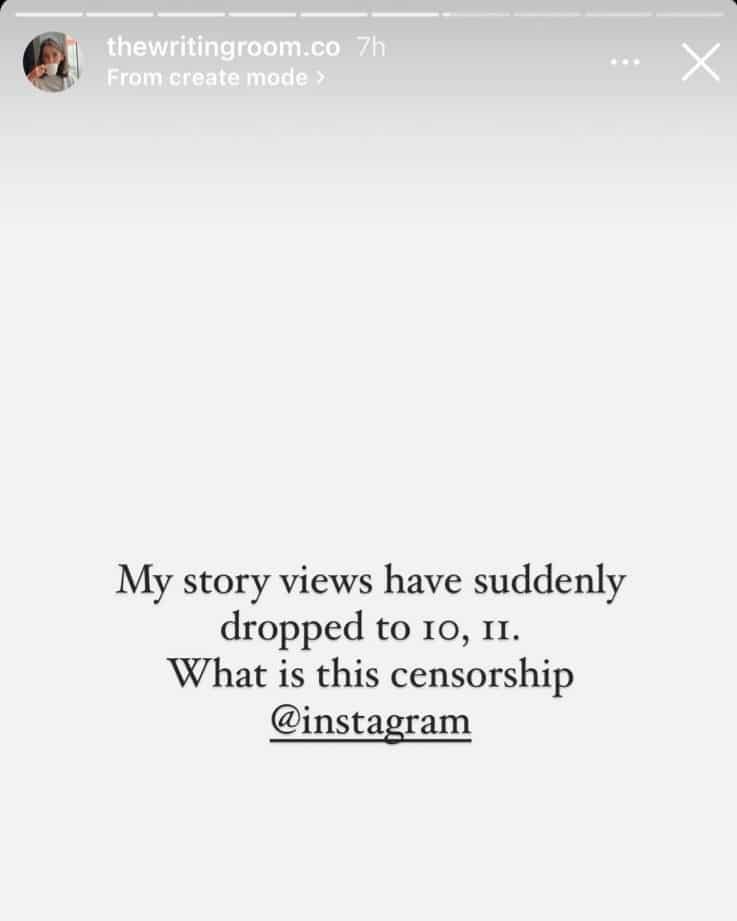
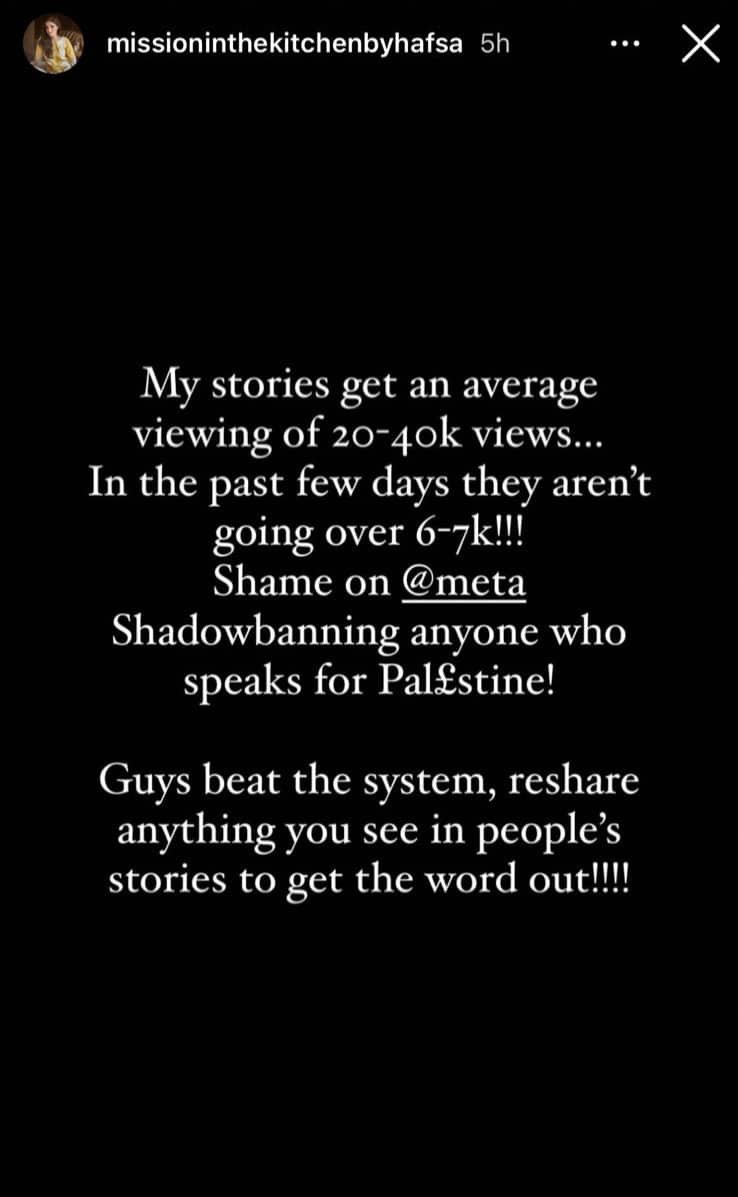
    They are now highlighting that the viewership on their Instagram stories has starkly decreased every since they started sharing pro-Palestinian content.

    This has not happened for the first time.

    Instagram (i.e. Meta) is known to deliberately restrict the outreach of content that is in support of Palestine or merely stating facts that put Israel in a bad light.

    Quds News Network, the largest Palestinian news outlet, has said that Meta has suspended it’s page on Israel’s complaint.