Tag: Microsoft

  • Apple abandons electric car project, shifts focus to AI

    Apple abandons electric car project, shifts focus to AI

    In a surprising turn of events, Apple has officially terminated its ambitious electric car project, according to a reliable source informed about the matter.

    The decision, revealed on Tuesday, marks the end of a decade-long effort initiated by the tech giant to venture into the electric vehicle industry.

    The abandoned project aimed to propel Apple into a new sector, potentially mirroring the triumphs of its iconic iPhone.

    However, the venture faced challenges and inconsistent progress throughout its existence.

    The cancellation aligns with a broader trend in the automotive industry, where global players are scaling back investments in electric vehicles amid a substantial drop in demand.

    Reportedly, several team members previously engaged in the electric car project will be reassigned to Apple’s artificial intelligence (AI) division.

    This strategic move aligns with Apple’s commitment to bolstering its presence in AI, a domain where it has been comparatively reserved.

    Apple has refrained from significant AI initiatives, contrasting sharply with industry giants like Alphabet and Microsoft, which seized an early advantage in integrating this transformative technology.

    Concerns have arisen that Apple’s cautious approach may leave it lagging behind in infusing AI into its product lineup.

    Ben Bajarin, CEO of Creative Strategies, commented, “If it is true, Apple will put more focus on GenAI, and that should give investors more optimism about the company’s efforts and ability to compete at a platform level on AI.”

    Last year, Apple experienced the smallest share gain among the so-called Magnificent Seven stocks, reflecting apprehensions about its stance on AI.

    Microsoft recently surpassed Apple as the world’s most valuable company, underscoring Apple’s struggle with weakening demand for its key products, particularly in significant markets like China.

    Simultaneously, the electric vehicle industry faces a slowdown in demand due to elevated interest rates, leading to job cuts and reduced production.

    Apple’s shift in focus to AI reflects a strategic pivot in response to market dynamics and underscores the company’s commitment to staying at the forefront of technological innovation.

    Apple has chosen to adapt its trajectory in a rapidly evolving landscape, signalling a nuanced strategy that aligns with emerging industry trends.


  • Microsoft to buy ‘Call of Duty’ maker, Activision, for $69 billion

    Microsoft to buy ‘Call of Duty’ maker, Activision, for $69 billion

    Xbox-owner Microsoft is edging closer to finalising its $69 billion acquisition of the video game giant Activision Blizzard, the creator of ‘Call of Duty.’ The UK regulatory body, on Friday, gave its approval for the revamped deal, addressing previous regulatory concerns.

    Microsoft, a US tech giant, initiated this bid early last year, aiming to secure its position as the world’s third-largest gaming company by revenue, following China’s Tencent and Japan’s PlayStation maker, Sony.

    This acquisition has undergone rigorous scrutiny from both US and UK regulators. The Competition and Markets Authority (CMA) in the UK had previously blocked an earlier version of the deal in April. However, the CMA, in its recent statement, mentioned that the “restructured deal makes important changes” and paves the way for potential clearance. The CMA will now consult on the required “remedies” before making a final decision.

    Microsoft’s Vice Chairman and President, Brad Smith, expressed optimism about the CMA’s review process, stating, “We presented solutions that we believe fully address the CMA’s remaining concerns related to cloud game streaming, and we will continue to work towards earning approval to close the deal by October 18.”

    Bobby Kotick, CEO of Activision Blizzard, which also produces popular games like ‘Diablo’ and ‘Candy Crush,’ hailed the UK regulator’s announcement as “a significant milestone for the merger.”

    The revised proposal submitted by Microsoft to the CMA last month significantly alters the deal. Notably, it ensures that the cloud distribution of these critical games remains with a strong independent supplier, Ubisoft Entertainment, instead of coming under Microsoft’s control. Colin Raftery, Senior Director of Mergers at the CMA, emphasised this change.

    The original concerns of the CMA have been addressed, according to its Chief Executive, Sarah Cardell. She noted, however, that presenting this restructuring during the initial investigation would have been preferable, emphasising the costs and delays incurred when effective remedies are not proposed promptly.

    Outside the UK, the European Union approved the deal in May, while the US antitrust regulator temporarily halted its efforts to block the acquisition after a legal setback.

    Regulators have been concerned about Microsoft potentially restricting access to highly popular games by making them exclusive to the Xbox platform. In July, Microsoft and Sony reached an agreement to continue releasing the ‘Call of Duty’ video game on the PlayStation console, resolving previous disputes where Sony sought to oppose Microsoft’s acquisition of Activision Blizzard.”

  • Microsoft set to reveal three new Surface laptops and advanced AI features

    Microsoft set to reveal three new Surface laptops and advanced AI features

    Microsoft is gearing up for a “special event” in New York City, set to debut new Surface devices and AI-powered features across its ecosystem. This event comes right after the unexpected resignation of Panos Panay, the former head of Windows and Surface.  

    Here’s what you need to know about this event: 

    Event details 

    The event is scheduled for Thursday, September 21st, marking the first in-person Surface event since the pandemic. 

    While Panos Panay won’t be presenting, we can expect to hear from Yusuf Mehdi, head of consumer marketing, and Microsoft CEO Satya Nadella. 

    New Surface devices 

    Microsoft is rumoured to unveil three new Surface devices. The Surface Laptop Studio 2 is among them, featuring Intel’s 13th Gen processors, Nvidia’s RTX 4060, a microSD card slot, and a USB-A port. It retains the familiar design with a versatile display that transforms from a laptop to a tablet. 

    Notably, it’s rumoured to ship with 64GB of RAM and is expected to be available starting October 3rd. 

    The Surface Go 4 and Surface Laptop Go 3 are also anticipated, likely maintaining the design of their predecessors but with upgraded internals and Intel’s 12th Gen CPUs. 

    Windows AI features 

    Microsoft will unveil AI-powered features for Windows, including Windows Copilot, an AI “personal assistant.” This update is set to ship by the end of September, enhancing Windows 11 with various improvements. 

    Expect more AI integration in Windows apps, such as the Snipping Tool and Photos app, offering new functionalities like text copying from screenshots and background blur for photos. 

    Apps like Paint and Photos are rumoured to get AI enhancements for generating images from text prompts and identifying objects or people in photos. 

    Surface AI features

    Microsoft has been integrating AI into its Surface lineup with features like Windows Studio Effects, which debuted on the Arm-powered Surface Pro X. 

    These features rely on dedicated neural processing units (NPUs), which may be included in the upcoming Surface Laptop Studio 2. 

    AMD’s Ryzen 7000 mobile processors and Intel’s Meteor Lake chips are expected to support AI capabilities, potentially shaping future AI experiences on Windows. 

    Office and Bing AI features

    The event won’t be limited to Surface and Windows, as Microsoft is likely to share more about Copilot plans for Microsoft 365 and Office apps. 

    Copilot in Office apps aims to streamline document summarization, email generation, and Excel analysis using AI, competing with Google Workspace, Zoom, and Slack’s AI-powered features. 

    There may also be updates regarding Bing Chat Enterprise, including its exit from preview and additional features for both consumer and enterprise versions. 

    Microsoft’s “special event” promises exciting new Surface devices and a deep dive into AI-powered features across Windows, Office, Bing, and more, setting the stage for a future where AI revolutionises how we interact with Microsoft’s products and services. 

  • Microsoft retires Cortana assistant from Windows 11, shifts focus to AI tools

    Microsoft has rolled out a new update for Windows 11, and as part of this update, they have removed the standalone Cortana app from the operating system. This means that Cortana, the virtual assistant, will no longer be available as a separate app on Windows 11. Microsoft confirmed this change on a support page and mentioned that Cortana will also be removed from Teams mobile, Teams display, and Teams Rooms sometime in the coming fall. However, Cortana will still be available in Outlook Mobile.

    Cortana was introduced in 2014 as a virtual assistant to compete with Apple’s Siri on the iPhone. It was named after the character from the Halo video game series. Over time, Cortana was expanded to Windows 10, mobile devices, and the Xbox One. Recently, Microsoft has been gradually phasing out support for Cortana. It was removed from the Xbox dashboard in 2019, and its apps for Android and iOS were discontinued in 2021.

    Despite this move away from Cortana, Microsoft has been focusing on AI advancements. One notable development is Windows Copilot, a new AI-powered assistant that the company is working on. This showcases Microsoft’s commitment to AI tools even as they retire Cortana.

  • AI’s disruptive power hits tech industry: Job cuts and demand for AI experts

    AI’s disruptive power hits tech industry: Job cuts and demand for AI experts

    The rise of artificial intelligence (AI) has sparked concerns about job displacement in the future. However, it is already having an impact in the tech industry, where employees once seemed secure in their positions. 

    A growing number of tech companies are attributing layoffs and reevaluations of new hires to AI advancements happening right in Silicon Valley.

    For example, Chegg, an education technology company, recently announced in a regulatory filing that it would be cutting 4 per cent of its workforce, around 80 employees. The reason given was to align the company with its AI strategy and create sustainable value for students and investors.

    IBM’s CEO, Arvind Krishna, stated in a May interview with Bloomberg that the company plans to pause hiring for roles that could be potentially replaced by AI in the future. However, in a subsequent interview with Barrons, Krishna clarified that his comments were taken out of context, emphasising that AI will generate more jobs than it eliminates.

    In late April, Dropbox, a file-storage service, revealed that it would be reducing its workforce by approximately 16 per cent, or 500 employees, also citing AI as a factor. Outplacement firm Challenger, Gray & Christmas reported that in May alone, 3,900 individuals were laid off due to AI, marking the first time job cuts were specifically attributed to this factor. All of these layoffs occurred within the tech sector.

    These developments in Silicon Valley not only demonstrate its leadership in AI development but also provide insight into how businesses might adapt to these tools. Rather than rendering entire skill sets obsolete overnight, AI is currently compelling companies to redirect resources to maximize its potential. Consequently, workers with AI expertise are in high demand.

    Dropbox CEO Drew Houston, in a note announcing the job cuts, acknowledged that AI has captured people’s imagination and expanded the market for AI-powered products. He highlighted the need for a different skill set, particularly in AI and early-stage product development, for the company’s future growth.

    Dan Wang, a professor at Columbia Business School, believes AI will lead to organizational restructuring but does not foresee machines entirely replacing humans just yet. He suggests that AI enhances human work rather than replaces it. Wang argues that the real competition lies in human specialists who can effectively leverage AI tools.

    Overall, the influence of AI is already evident in the tech industry, prompting companies to adapt their strategies and prioritize workers with AI expertise, rather than causing immediate job obsolescence.

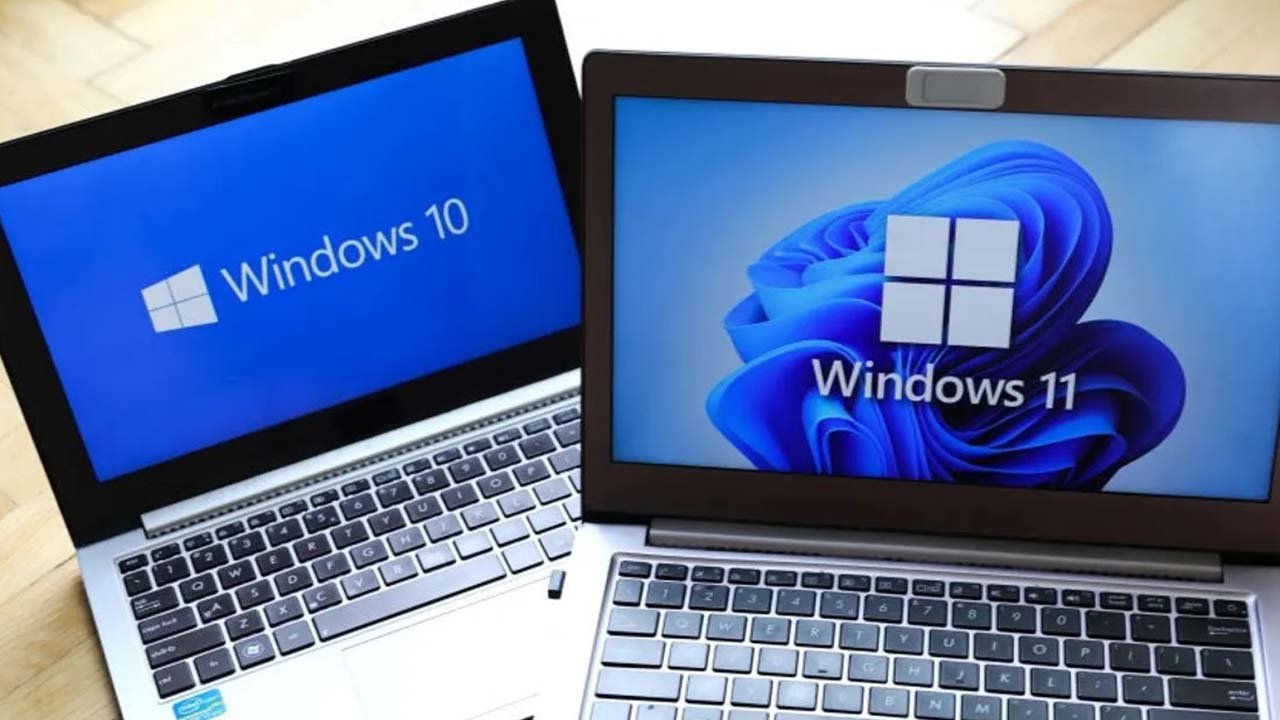
  • Windows 10 nearing end of life: Microsoft recommends users to switch to Windows 11

    Windows 10 nearing end of life: Microsoft recommends users to switch to Windows 11

    Microsoft has announced that it has completed major updates to Windows 10 and is now recommending users to upgrade to Windows 11.

    Windows 10 version 22H2 is the latest and last version of the operating system, and Microsoft will provide monthly security updates for all Windows 10 editions until the end of support on 14th October 2025.

    However, the company clarified that existing long-term servicing channel (LTSC) releases will continue to receive updates beyond the end-of-support date.

    If you choose to stay with Windows 10 after the end-of-support date, your PC will remain functional, but without security updates, it will become more vulnerable to various security risks.

    This move by Microsoft is intended to encourage users to make the transition to Windows 11, which was rolled out in October 2021 and deployed to all eligible devices in May 2022.

    Windows 11, the latest operating system by Microsoft, includes new design elements and additional features and productivity tools that are available on the best Windows laptops.

  • Microsoft to showcase its cutting-edge AI technology in Word, PowerPoint

    Microsoft to showcase its cutting-edge AI technology in Word, PowerPoint

    Microsoft is poised to showcase its new artificial intelligence (AI) technology, which bears resemblance to OpenAI’s ChatGPT, and its transformative impact on its Office productivity suite.

    Following the demonstration of its Prometheus Model in the latest Bing search engine, Microsoft is now set to reveal its plans to integrate OpenAI’s language AI technology and Prometheus Model into its core productivity apps such as Word, PowerPoint, and Outlook.

    Sources with knowledge of Microsoft’s initiatives revealed that the company is making preparations to showcase its productivity vision, which involves the integration of OpenAI’s AI technology, in the upcoming weeks. Microsoft is reportedly aiming for an official announcement in March, highlighting the company’s drive to revolutionize its search and productivity offerings through its investments in OpenAI.

    Earlier reports by The Information indicated that GPT models have undergone trials in Outlook to enhance search results, along with features for recommending email replies and Word document integration to enhance writing capabilities. A new generative AI experience was recently introduced in Microsoft Viva Sales, leveraging the Azure OpenAI Service and GPT to create sales emails, similar to some of the features being tested in Outlook.

    As Microsoft’s new Prometheus Model, based on OpenAI’s next-generation technology, has already revolutionized Bing web searches, the integration of this functionality into Microsoft Office apps and Teams will serve as a testament to the company’s confidence in its AI capabilities. Currently, the Prometheus Model can be utilized within Office web apps through the Bing sidebar integration in Microsoft Edge browser.

    This sidebar features a compose tab that offers a glimpse into Microsoft’s ongoing testing work for Word and Outlook. Additionally, sources indicate that the company is exploring ways to generate graphs and graphics for PowerPoint. Bing already has the ability to create tables and charts for basic data, but incorporating those into visually appealing graphics for presentations or Excel use would be a natural progression.

    Microsoft is proceeding with haste in its integration efforts, largely due to the threat posed by Google. Sources informed The Verge that Microsoft had originally intended to launch its Bing AI in late February, but expedited the release in response to Google’s imminent announcements. As a result, Google unveiled its ChatGPT rival, Bard, a day ahead of Microsoft’s event.

    Microsoft CEO Satya Nadella is determined to establish the company as a leader in the field of artificial intelligence (AI), and counteract any competition from rival Google. To demonstrate his commitment, Nadella arrived early to the Bing AI event on Tuesday morning, despite the event being scheduled to start at 10 AM PT. He was so eager to commence early that he requested to start the event 20 minutes ahead of schedule, resulting in event organizers scrambling to accommodate the change and the event beginning five minutes ahead of schedule, with Nadella taking the stage two minutes before the original 10 AM PT start time.

    Internally, several Microsoft executives are confident that the company is far ahead of Google in terms of Bing AI and its integration into productivity apps. However, they are also cautious, cautioning employees to be vigilant against rivals who may attempt to disrupt Microsoft’s productivity offerings in the same manner as Microsoft is targeting Google’s search business.

    Nadella’s push for AI integration across Microsoft’s products is driven by the overwhelming consumer response to OpenAI’s ChatGPT. Analysts at UBS estimate that ChatGPT achieved 100 million monthly active users after just two months. Within 48 hours, over 1 million people signed up for the Bing waitlist, and as of Thursday, Bing was the third most popular app in the US App Store.

    According to The Verge, Microsoft intends to capitalize on the opportunities presented by artificial intelligence (AI) in 2023 and unlock the full potential of its Prometheus Model, including features that have yet to be publicly disclosed. The tech industry can expect AI to be a prominent topic of discussion throughout the rest of the year, as Microsoft and Google compete for supremacy in the search and AI space.

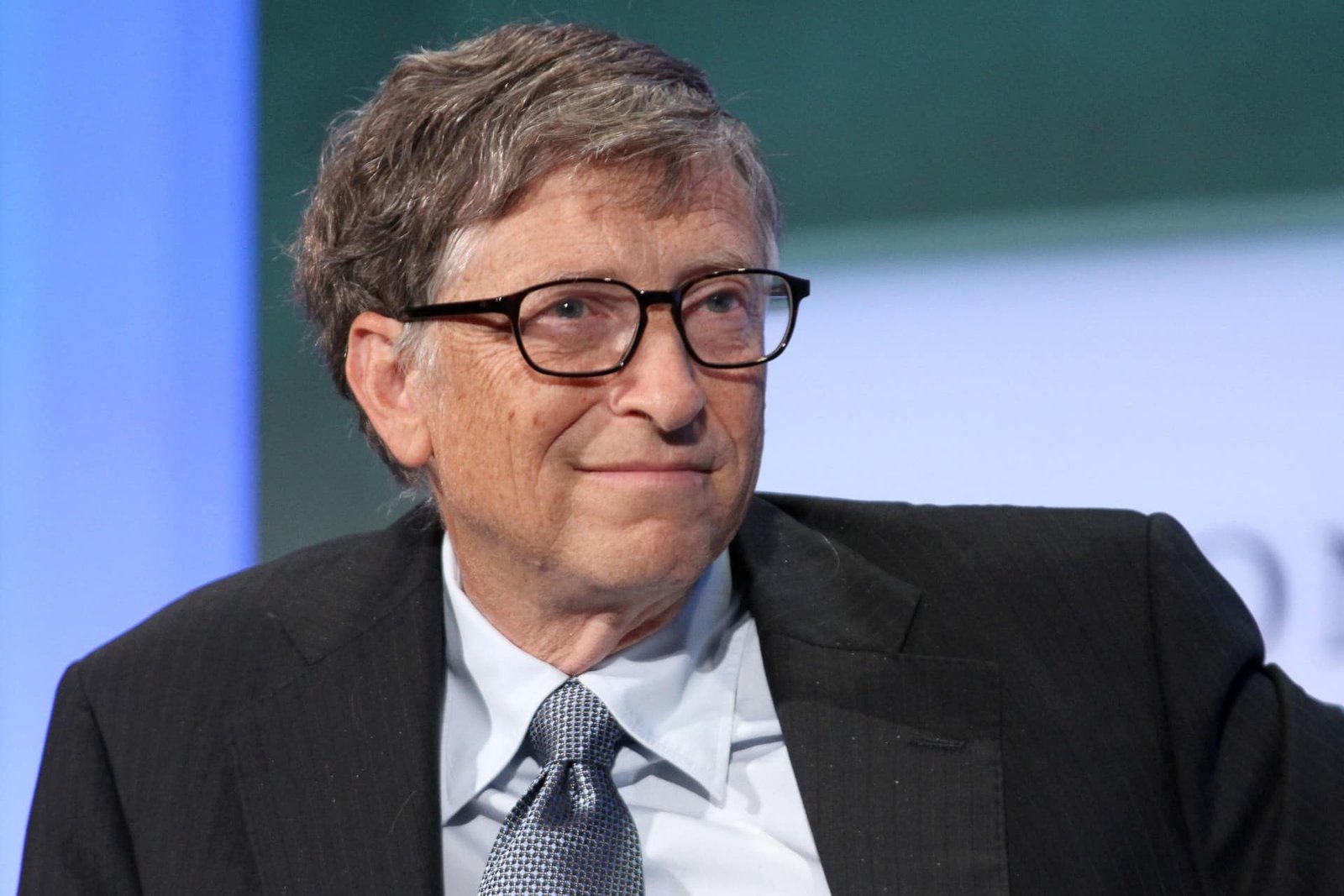
  • Bill Gates to drop off the world’s rich list

    Bill Gates to drop off the world’s rich list

    Microsoft co-founder and billionaire Bill Gates has announced that he is planning to give away all his wealth, adding that he will eventually “drop off” the world’s rich list. Gates first pledged to give away his wealth back in 2010.

    Gates, the fourth richest man in the world according to the Bloomberg Billionaire Index, plans to donate all his wealth to the Gates Foundation and will eventually be leaving the world’s rich list. Till date, he along with his ex-wife have donated more than $50 billion to the Gates Foundation, which is one of the world’s largest charity organisations that focuses on providing healthcare and education to individuals around the world. In 2020, they funded work in over 130 countries.

    Bill Gates announced that he would transfer $20 billion to the Gates Foundation this month.

    “I have an obligation to return my resources to society in ways that have the greatest impact for reducing suffering and improving lives. And I hope others in positions of great wealth and privilege will step up in this moment too.”

    Bill Gates held Forbes‘ title of the richest person in the world between 1995 and 2010, and again from 2013 to 2017.

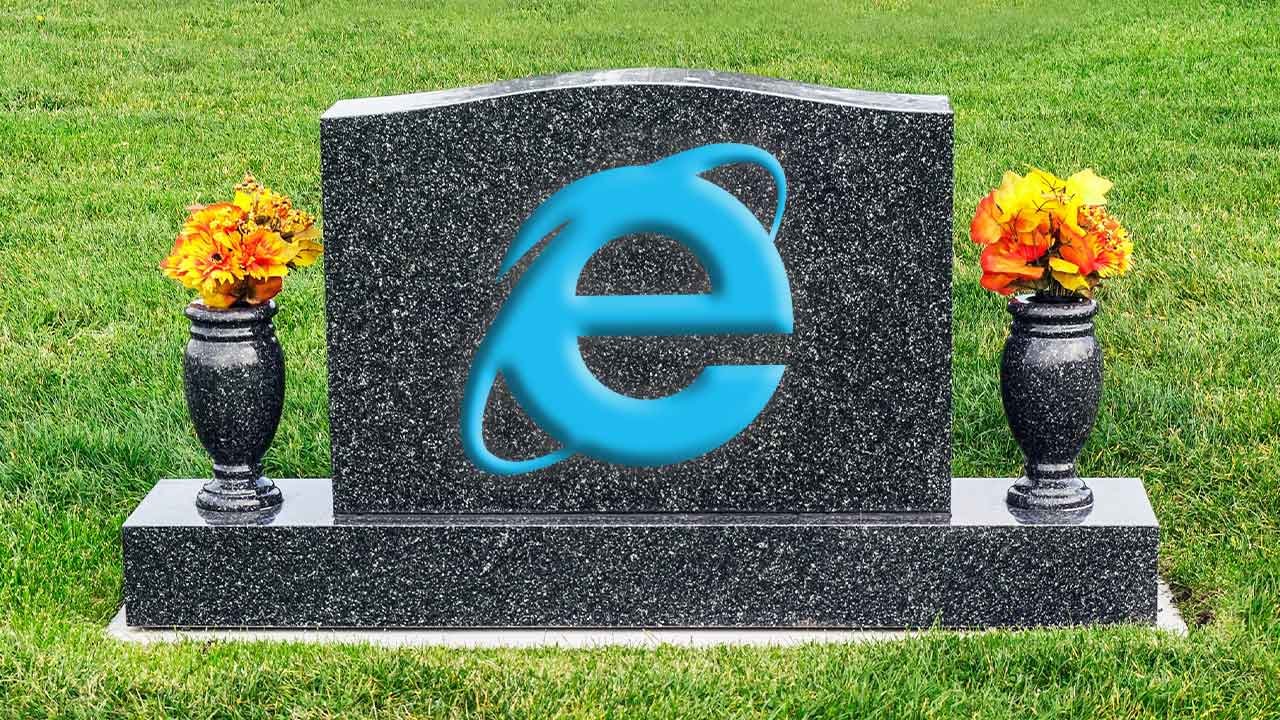
  • Microsoft advises users to move on as Internet Explorer dies at 27

    Microsoft advises users to move on as Internet Explorer dies at 27

    Microsoft has formally advised users to abandon the 27-year-old Internet Explorer in favour of the company’s newer Edge browser.

    Support for Internet Explorer 11 is being terminated today, the legendary web browser is being phased out in favour of Microsoft Edge.

    After moving away from the Internet Explorer branding with the release of Windows 10 in 2015, it’s the end of an era on the internet.

    There aren’t many changes for users. Internet Explorer’s usage has dropped dramatically in recent years, as it accounts for less than a 5 per cent market share of all browsers.

    For years, Microsoft has worked to discourage users from using Internet Explorer, referring to it as a compatibility solution rather than a browser that businesses should actively use.

    While Microsoft’s Edge, which is powered by Chromium, is now the default browser in Windows 11, the MSHTML engine that powers Internet Explorer is still included. It exists solely to enable IE mode in Microsoft Edge, which Microsoft states will be supported until at least 2029.

    For web apps and sites that require Internet Explorer, businesses have mostly switched to Edge’s IE mode. This IE mode for Edge was established by Microsoft in 2019, and it supports older ActiveX controls that are still used by many legacy sites.

    Multiple businesses will be caught off guard by the Internet Explorer retirement, or will not be able to completely phase out its use in time.

    Some government departments and financial institutions in Japan have been reluctant to respond to the IE retirement, according to Nikkei this week. For example, the Japan Pension Service website must be viewed in Edge’s IE mode.

    Thousands of comparable enterprises and instances of Internet Explorer usage are expected to exist around the world.

    For years, Microsoft has been warning of today’s Internet Explorer retirement, and it’s still being cautious with alerts and redirection until the browser is completely eliminated in the coming months.

  • Microsoft reduces profit estimation due to market volatility

    Microsoft reduces profit estimation due to market volatility

    Microsoft slashed its fourth-quarter profitability and earnings projections on June 2, becoming the latest U.S. corporation to notify of the impact of a stronger dollar.

    An aggressive Federal Reserve and increased geopolitical tensions have driven the dollar up 14 per cent against a basket of currencies in the last year, forcing companies like Coca-Cola Co and Procter & Gamble to lower their expectations for the rest of the year.

    A stronger dollar generally consumes the earnings of multinational corporations that have extensive global operations and convert foreign currencies into dollars. Microsoft has lowered its sales forecast for all three segments, which include Windows products, cloud services, and personal computing.

    Corporate hedging activity has increased as more businesses seek to protect their revenues from the impact of market volatility in the face of rising inflation. It’s indeed common for businesses to preserve themself from unusual currency transitions, however, the intensity comes after years of low forex fluctuation when market volatility had little impact on income.

    Revenue for the quarter is expected to be between $51.94 billion and $52.74 billion, down from a previous range of $52.40 billion to $53.20 billion. Microsoft reduced its profit forecast from $2.28 to $2.35 per share to between $2.24 and $2.32 per share.

    Considering Refinitiv data, analysts expect earnings per share of $2.33 on revenue of $52.87 billion. In April, the company forecasted double-digit revenue growth for the next fiscal year, owing to increased demand for its office software and cloud services as economies reopen and businesses shift to a hybrid model that allows employees to work from both the office and from home.