Tag: milk prices

  • Milk in Pakistan now costs more than in many developed countries

    Milk in Pakistan now costs more than in many developed countries

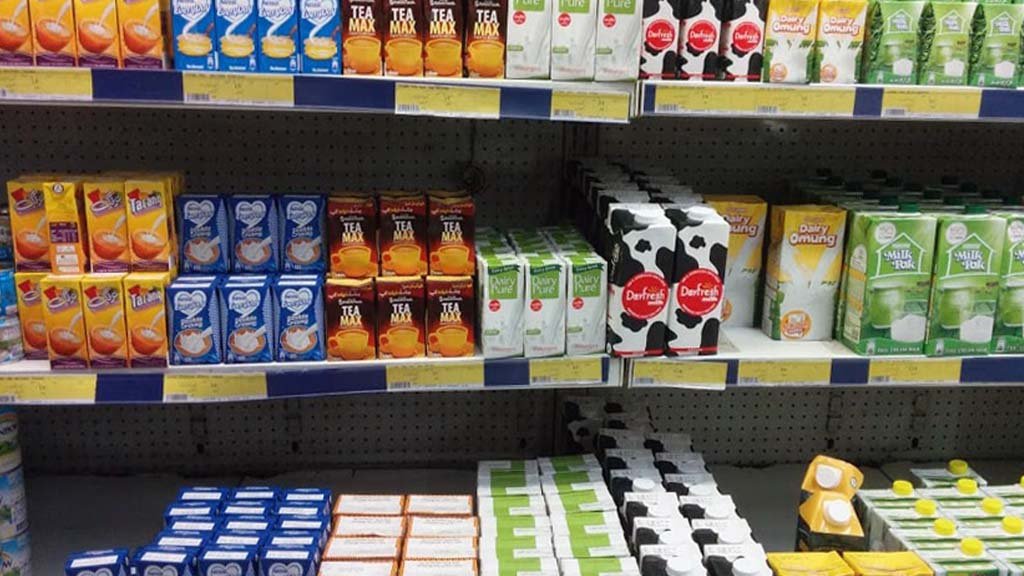
    Milk prices in Pakistan have surged by over 20 per cent following the introduction of a new tax, making the essential dairy product more expensive than in many developed nations, according to a report by Bloomberg.

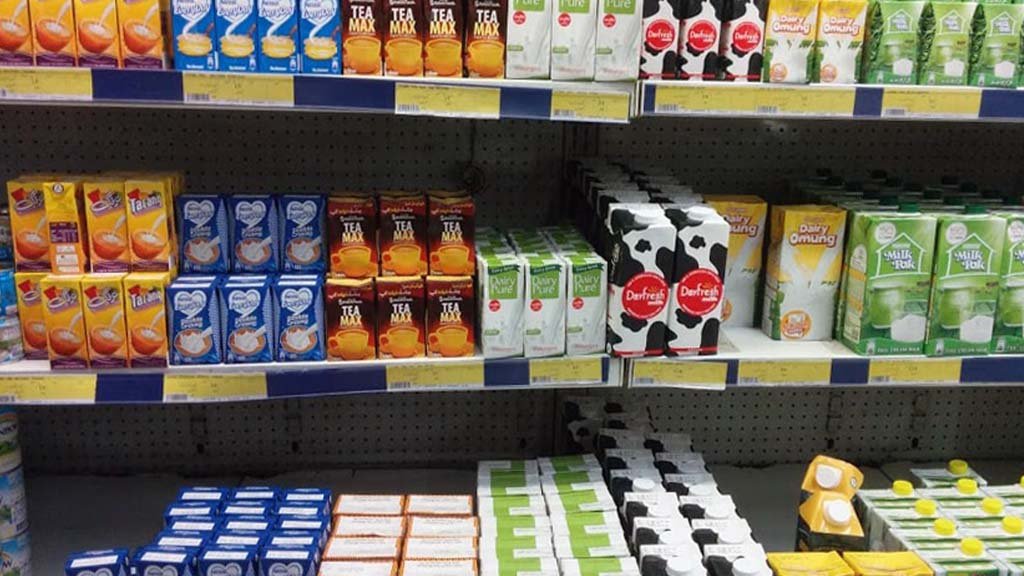
    In Karachi supermarkets, the price of ultra-high temperature (UHT) milk has risen to Rs370 ($1.33) per litre. In comparison, the price stands at $1.29 in Amsterdam, $1.23 in Paris, and $1.08 in Melbourne, as per Bloomberg’s data.

    This sharp increase is attributed to an 18 per cent tax imposed on packaged milk as part of the recent taxation changes approved in the national budget. Previously, packaged milk was exempt from tax.

    Muhammad Nasir, a spokesman for the local unit of Dutch dairy producer Royal FrieslandCampina NV, noted that prior to this tax, milk prices in Pakistan were on par with those in developing countries such as Vietnam and Nigeria. The new tax has led to retail prices escalating by up to 25 per cent.

    The hike in milk prices is expected to exacerbate inflation in Pakistan, where stagnant wages have already diminished purchasing power.

    Additionally, the higher cost of milk may further deteriorate child health, a significant concern in a country where approximately 40 per cent of the population lives in poverty.
  • Pakistanis face 25% increase in packaged milk prices amid tax implementation

    Pakistanis face 25% increase in packaged milk prices amid tax implementation

    The cost of packaged milk has surged dramatically, with prices soaring by Rs75 per liter or 25 per cent as the federal government’s pro-IMF budget took full effect on July 1st.

    Effective immediately, consumers are now paying Rs370 per litre, up from Rs295 in the previous fiscal year. This increase is primarily driven by an 18 per cent sales tax and an additional 2.5 per cent tax on retailers, according to reports.

    In response to these economic pressures, a leading dairy company has announced a price adjustment for its milk products starting July 1, 2024.

    Citing escalating production costs and broader economic influences impacting the dairy sector, the company emphasised the necessity of this adjustment in its latest advertising campaign.

    The price hikes extend beyond this company, as other vendors have similarly adjusted their rates to reflect the new taxation policies outlined in the Finance Bill 2024. These measures include the imposition of an 18 per cent sales tax and a 2.5 per cent tax on retailers, collectively aimed at augmenting government revenue.

    Notably, the government has proposed an 18 per cent tax on infant milk products priced not exceeding Rs600 per 200g, anticipating a substantial revenue impact of approximately Rs95 billion. This figure includes Rs75 billion from standard milk sales and an additional Rs20 billion from infant milk products.

    Addressing concerns over the impact of these increases, Finance Minister Muhammad Aurangzeb reassured the public during a post-budget briefing on June 13 that the middle class should not face undue hardship in meeting the new tax obligations on milk products.

  • Packaged milk prices set to rise with 18% GST implementation from July 1

    Packaged milk prices set to rise with 18% GST implementation from July 1

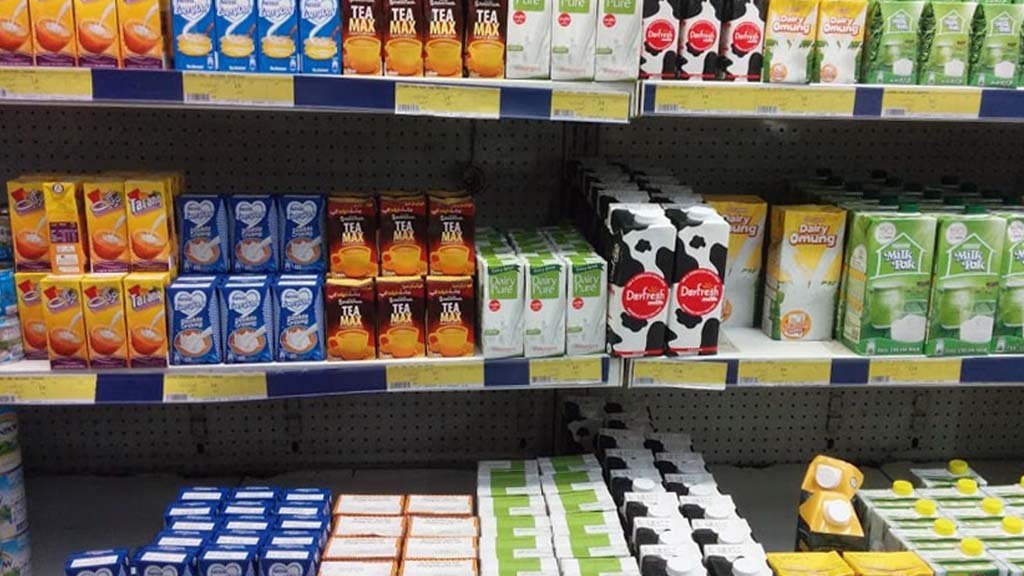
    The prices of packaged milk and other essential items in Pakistan are set to rise following the government’s decision to impose an 18 per cent General Sales Tax (GST) in the Budget 2024-25, effective from July 1.

    The National Assembly (NA) approved the Federal Budget for the fiscal year 2024-25 today, which includes this new tax measure.

    Along with packaged milk, the 18 per cent GST will also be applied to herbal and homeopathic medicines, and food items such as branded flour, packaged rice, and lentils. The sales tax will additionally extend to charitable and welfare hospitals.

    Despite the Senate Standing Committee on Finance rejecting the proposal, the government has moved forward with the decision. This move is anticipated to increase the cost of living, particularly affecting low-income families who rely on these essential goods.

    The approval of the Federal Budget comes amidst rising concerns over inflation. Reports indicate that the International Monetary Fund (IMF) has urged Pakistan to further reduce sales tax exemptions, which is likely to contribute to the inflationary trend in the coming fiscal year. Consequently, the prices of milk, tea, sugar, rice, and flour are expected to rise.

    The National Assembly passed the Finance Bill, 2024, following a clause-by-clause reading and amendments process.

    All amendments proposed by opposition members were rejected. Minister for Finance and Revenue Muhammad Aurangzeb presented the motion for the consideration of the Finance Bill, which was passed by a majority vote.

    The budget has a total outlay of Rs18,870 billion and aims to address various economic challenges facing the country.

    However, the imposition of the 18 per cent GST on essential items is likely to put additional financial pressure on the population, raising concerns about the affordability of basic necessities for many Pakistanis.