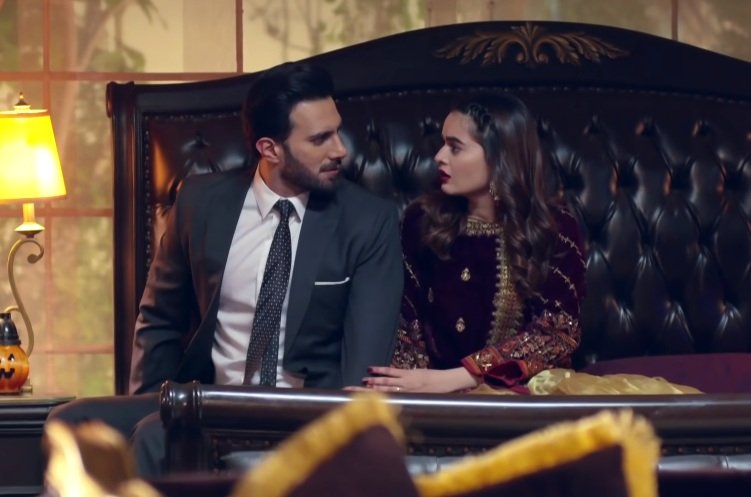
Uzair Jaswal just dropped a new single Yaadaan, the music video of which features Minal Khan. And like most of his songs, this one is also about heartbreak.
According to the singer, “Yaadaan is a song about heartbreak. It’s a nostalgic journey down memory lane. Bittersweet, just how life is.”
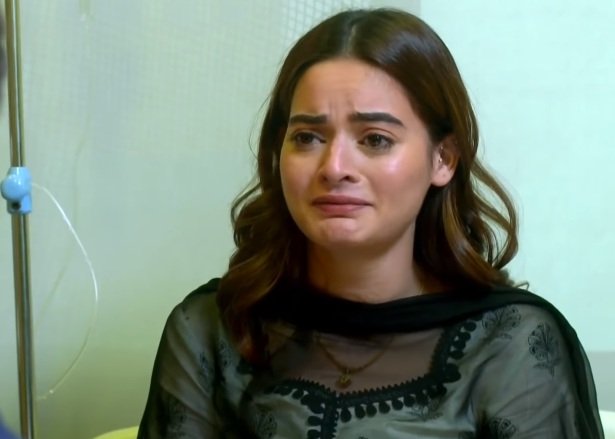
In the music video, Uzair can be seen reminiscing about lost love. The video shows Uzair and Minal first as a happy couple but their love story ends up having a sad ending.
The video has been directed by Adnan Aslam and Umair Mushtaq, while the vocals and guitars were recorded by Sarmad Ghafoor.
Prior to the release of the single, there was a lot of buzz surrounding it after Jaswal posted pictures with Minal on Instagram, with fans speculating whether the two celebrities were starring together in a drama or a music video.
Jaswal is a Pakistani singer, songwriter, and actor who has been making waves in the Pakistani music scene. He was also the youngest Coke Studio’s sensation. Meanwhile, Minal has gained popularity with of her recent drama Jalan in which she perfectly portrays the evil and narcissistic sister, Nisha.
Every season, there is at least one, if not more, drama which creates a stir and causes an uproar on social media. This season, it is Jalan, with its twisted and very problematic storyline.
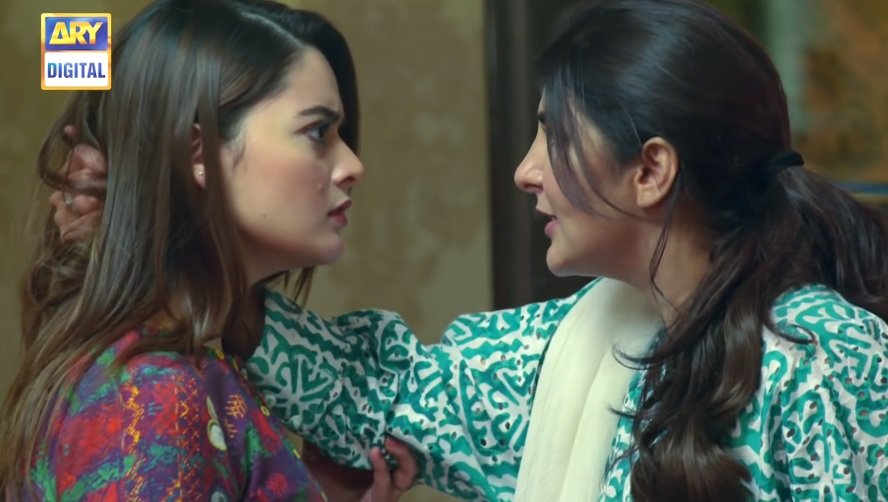
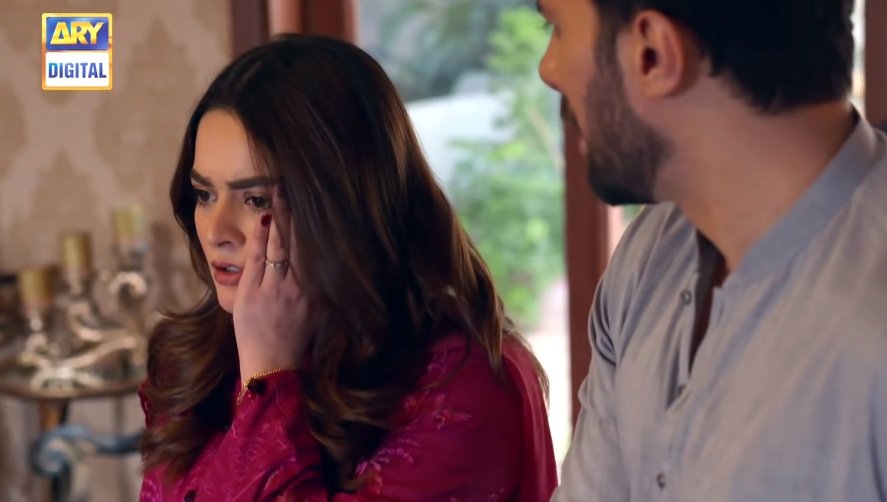
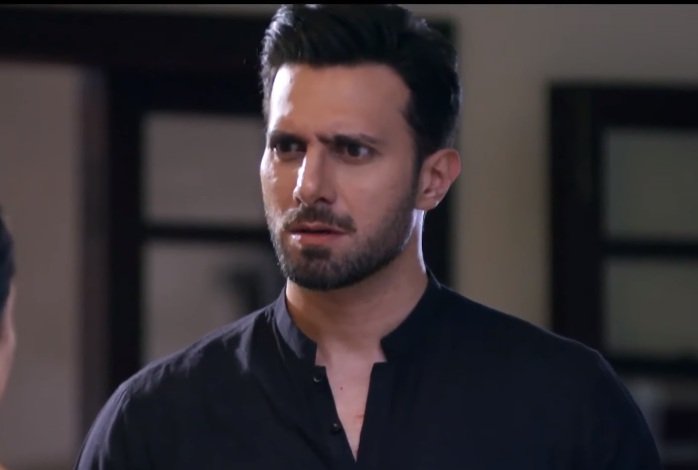
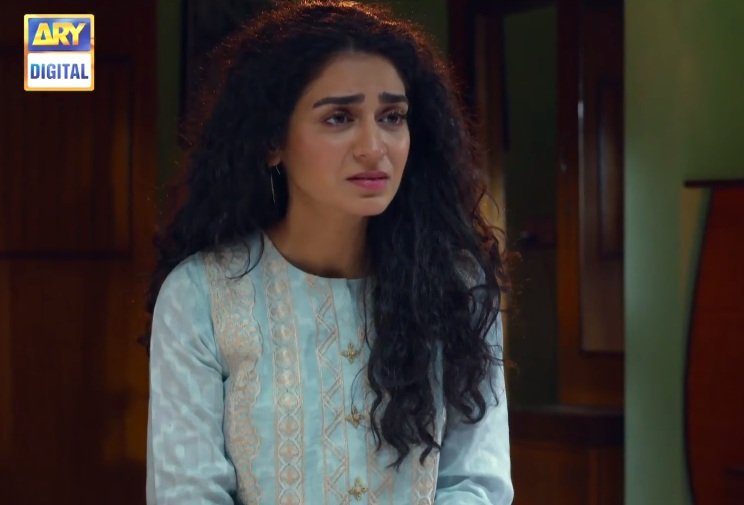
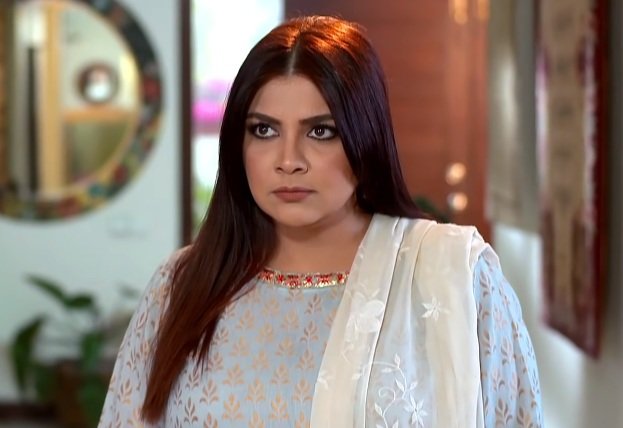
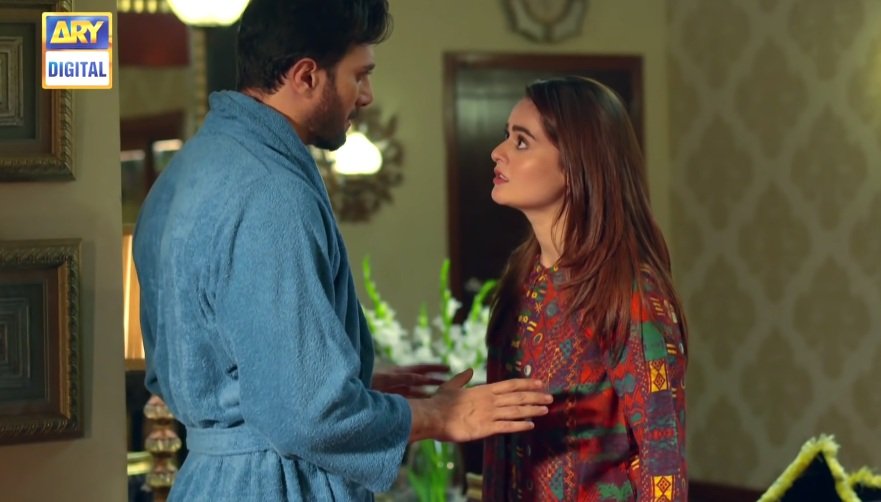
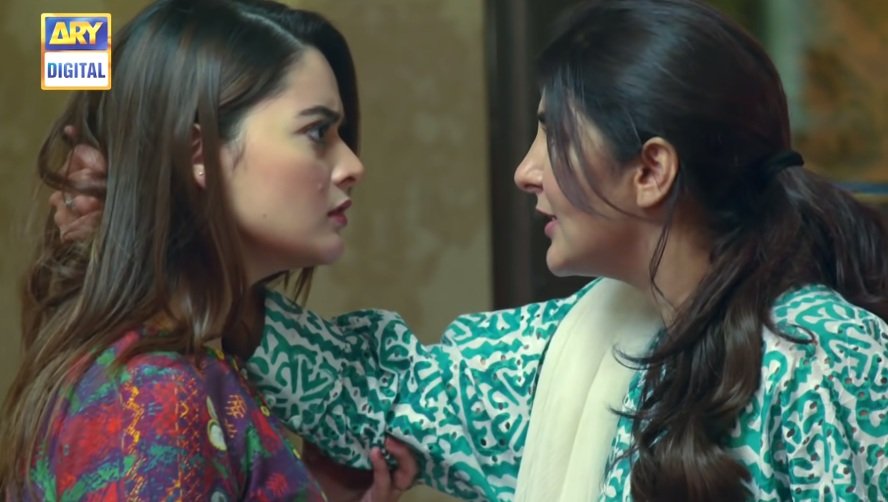
For those who have been oblivious to the drama and PEMRA’s short-lived ban on it, Jalanis about two sisters Nisha (Minal Khan) and Misha (Areeba Habib) who are after the same guy. While Misha is the sweet and obedient sister, Nisha is a spoiled brat and wants to be better than her sister, so she sets her sights on her brother-in-law Asfandyar (Emmad Irfani) because he’s rich and good-looking. Ignoring the fact that her sister is married to Asfandyar (Asfi) and pregnant with his child, Nisha openly flirts with him and urges him to divorce his wife. Nisha eventually gets her way and Asfi not only divorces his wife but also pushes her as a result of which she falls to the floor and ends up delivering their baby prematurely. Nisha’s parents throw her out of the house and she seeks refuge with Asfi pushing him to marry her as soon as possible. As Nisha and Asfi get married, Meenu, who cannot bear the heartbreak and humiliation sets herself on fire and eventually dies leaving behind her infant child.
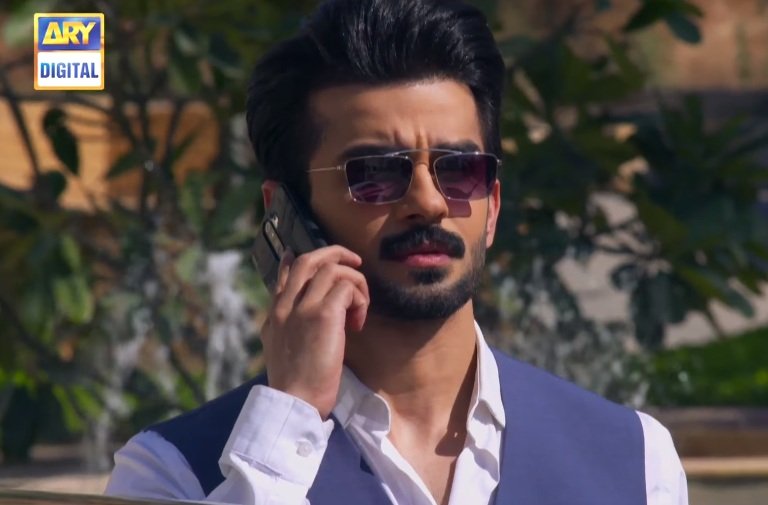
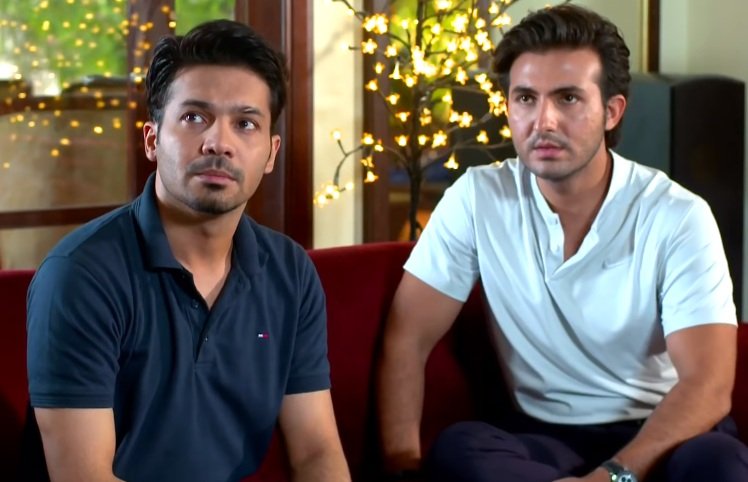
Asfi and Nisha’s marital bliss doesn’t last long and the cracks become wider when Nisha’s ex-fiance Ahmer (Fahad Sheikh), makes a dramatic re-entry into her life richer and better-dressed. Nisha then sets her sights on him, straight-up asking him to marry her the second time they meet after their breakup.
If the entire situation wasn’t bizarre enough, it’s execution is even more mind-boggling. The script is weak and the characters terribly developed. It’s as if the writer after every scene forgot what she had written in the previous scene and started the new chapter afresh – there is no flow in scenes. Even though Nisha is the protagonist, her character and callous actions are incomprehensible and beyond basic understanding. The drama’s writer Sidra Sehar Imran, in a recent interview, said that the drama is a true story but I’m finding that a little hard to believe. In the past (I’m looking at you Meray Paas Tum Ho), several writers have used the ‘true story’ trope as a marketing gimmick in an attempt to hype up their dramas and push up ratings. This time round I am not definitely not buying it.
If we thought Nisha was messed up, Asfi is even worse. He barely has any dialogues and mostly just moves around with either a sullen expression on his face or screaming his head off. While Irfani does a decent job with the role, Asfi’s one-dimensional personality is irritating, to say the least.
I am unable to fathom what the makers of the drama are trying to show with this plot and storyline. A few words simply cannot sum up the disaster this drama is. It is quite clear that ARY just wanted to create a stir with this and they have gotten exactly that. Substance and content do not matter. It appears that with Jalan, we’ve hit a new low.
Jalan is one of those dramas which are so bad that they don’t even qualify as a guilty pleasure. Every time you tune into it, you are bound to get your blood pressure high.
Twins Minal Khan and Aiman Khan are celebrating their 22nd birthday today. While Aiman is vacationing in Turkey with husband Muneeb Butt, Minal celebrated her birthday at an intimate party hosted by close friends and alleged beau Ahsan Mohsin Ikram.
According to Minal, the surprise party was arranged by Ahsan. Thanking him, Minal in a social media post, wrote: “Thank you Ahsan for this unforgettable surprise birthday party last night! I had zero idea about this.”
“You’re so special and you made me feel so special,” she added. “I’ll forever be thankful to all my girls and all my friends who made it happen last night. The best 22.”
Meanwhile, Ahsan wished the birthday girl with a loved-up picture of the two with the caption: “Happy Birthday to my one and only.”
While the two have not confirmed their relationship status and Minal has said that she is not getting married anytime soon, they were spotted indulging in PDA at the party.
The alleged couple has worked together in the drama serial Parchayee.
Minal’s family also threw a surprise birthday for her.
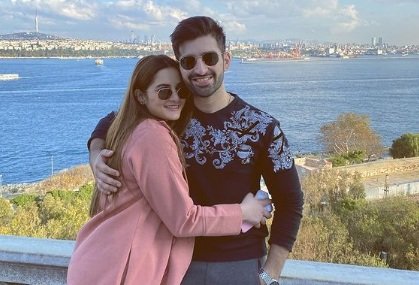
Resident sweethearts, Aiman Khan and Muneeb Butt are currently on a romantic getaway to Turkey and pictures from their trip have gone viral on social media. The celebrity couple has been keeping fans and followers updated with lovely pictures from their trip.
Starting with a mandatory picture in the plane, which Muneeb captioned: “Vacations after such a long period of time,” while Aiman simply added the hashtag ‘VacationMode’.
Meanwhile, their celebrity friends have been sending lots of love their way.
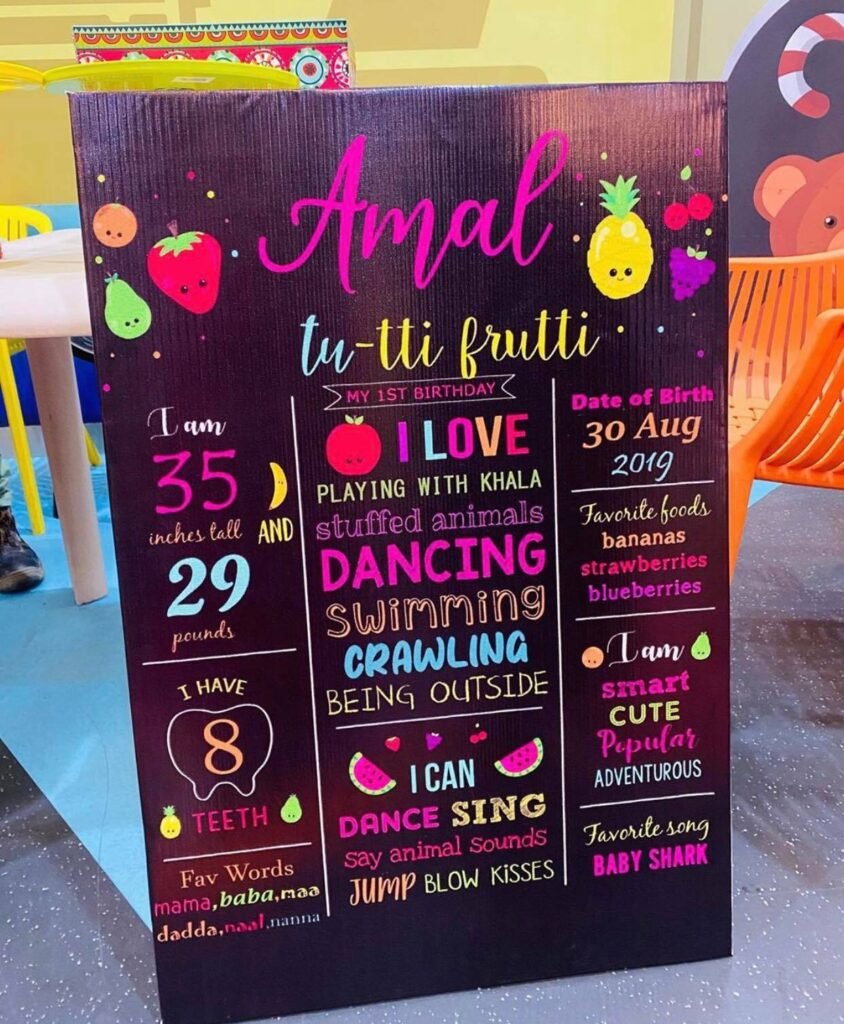
Aiman and Muneeb tied the knot in 2018 and their wedding broke the internet. They also have a one-year-old daughter Amal, who is staying with Aiman’s family while the two of them vacay. Commenting on their picture, Minal said: “Enjoy! I’ll eat Amal.”
A post shared by Minal Khan (@minalkhan.official) on
Jalan had gained attention for its problematic storyline which followed a woman Nisha flirting and later marrying her own brother-in-law Asfandyar. Minal plays Nisha in the drama, who is a selfish girl and wants everything her sister Misha (Areeba Habib) has. Misha, on the other hand, dotes on her sister and will do anything that will make Nisha happy. Nisha gets engaged to her cousin Ahmer (Fahad Sheikh) who loves her intensely but after her engagement, Misha gets married to the super-rich and handsome Asfandyar (Emmad Irfani).
Nisha, seeing her sister’s expensive gifts and big house breaks her own engagement with Ahmer, accusing him of physically abusing her and playing the victim in front of Asfandyar to gain his sympathy.
A post shared by Minal Khan (@minalkhan.official) on
Meanwhile, Misha finds out she is pregnant but totally oblivious to her sister’s evil plans, invites her into her home to stay for a while. Nisha continues to estrange her sister from Asfand, luring him into liking her and finally succeeding. Asfandyar divorces Misha, who goes into premature labour and delivers a baby boy. Nisha, on the other hand, runs away from home and pushes Asfi to marry her asap. When Misha finds out that her sister is marrying her ex-husband, she lights herself on fire and dies. Nisha does not regret any of her actions and tries to secure her husband’s wealth.
In September, the drama was banned by PEMRA over ‘immoral content’ but the ban was later suspended by the Sindh High Court (SHC).
Directed by Aabis Raza, Jalan has been penned by Sidra Sehar Imran and produced by Fahad Mustafa and Dr Ali Kazmi under the banner of Big Bang Productions.
Pakistani dramas and their storylines are controversial and at times, phenomenal. Many recent dramas and characters have become so popular that they are the talk of every living room, Facebook and WhatsApp groups, with some viewers saying hai and some saying sahi kia!
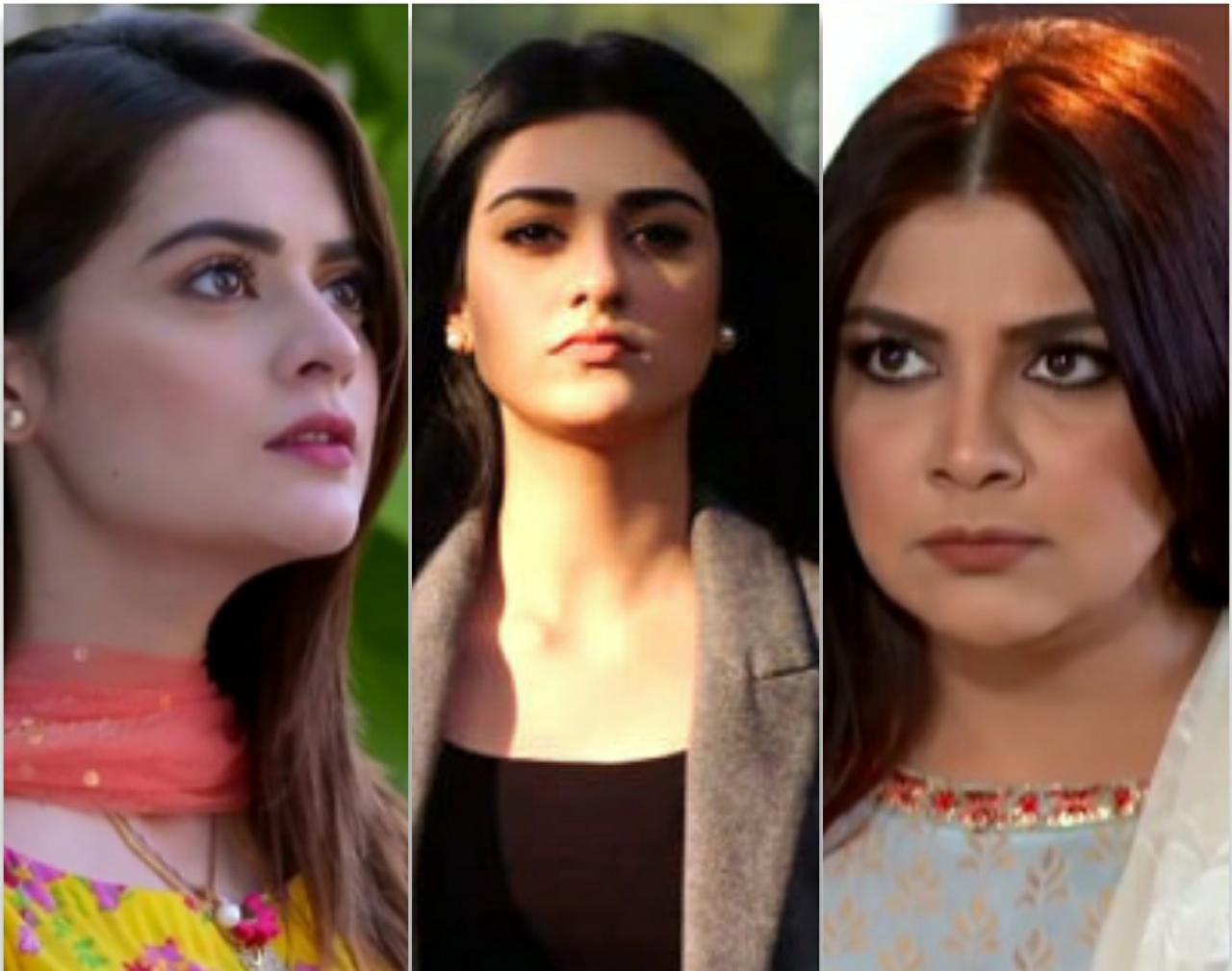
Through the years we’ve seen many female villains such as Naveen Waqar’s character in Humsafar as Sara, Ushna Shah as Nigaar in Balaa, Iqra Aziz as Nirma in Jhooti as Nirma and recently Sabeena Farooq as Zoya in Kashf. These characters have made their mark, but today we will be discussing three vamps who have left people speechless and fuming with anger.
Faiza Hassan – Gohar (Nand)
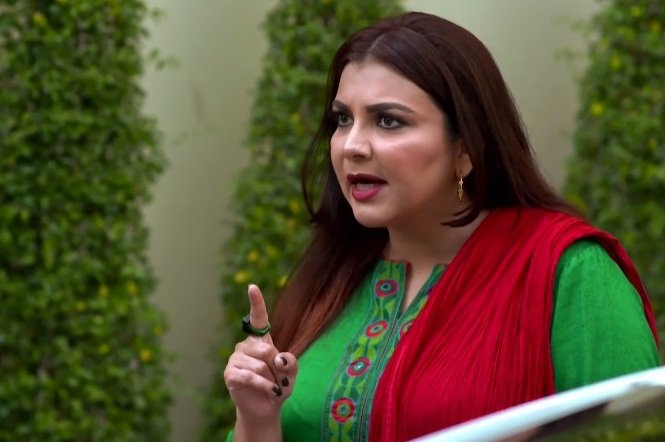
ARY’s Nand is all about the one, and the only sister-in-law Gohar, played by Faiza Hassan. Faiza has made a comeback after a long time and to see her play a negative character with such finesse is nothing short of a treat. She is not only convincing as Gohar but has actually made the viewer’s resent her character, which is a win as an actor.
Gohar is a nightmare for anyone and everyone around her. First, she makes her brother Saqib (Shahroz Sabzwari) divorce his wife Rabi (Minal Khan) and later starts creating misunderstandings between her younger brother Hassan (Ayaz Samoo) and his wife Farwa (Maha Hasan). She also leaves her husband Jahangir (Aijaz Aslam) because of his financial status. Ultimately she goes back to him when he becomes rich and starts creating problems for Rabi who is now her husband’s second wife (OUCH)!
It is only because of Faiza’s grip on the character that she has succeeded in showing the ugly side of a narcissistic woman who doesn’t mind ruining people’s lives because of her sadistic persona. She is envious and is probably a victim of her own weaknesses because she fails to see the good in people around her. She is so cruel and heartless to the extent that she manipulates her own son to use him against her husband.
Miraal, played by Sarah Khan, is a young arrogant woman belonging to a controlling and egotistical elite family. Her father Seth Fareed (Moazzam Ali Khan) is a wealthy businessman who supports her despite her selfish actions. Miraal’s mother (Laila Zuberi) and grandmother try to make her understand that she is on the wrong track but their advice falls on deaf ears. Miraal dotes on her younger brother Hassan Fareed (Ameer Gillani), who is somehow influenced by her. One fine day, he falls for and marries Anaya Aziz (Mawra Hocane), an ambitious, strong-headed, women’s rights activist studying at the same university as him – but doesn’t have the same financial background.
When Miraal and Hassan’s grandmother dies, Miraal begins to feel disturbed and consults a psychiatrist Dr Haris (Usman Mukhtar). Her fiancé Ali runs away on their wedding day and dumps her leaving her shocked. On the other hand, her brother Hassan and Anaya get married against the wishes of his father and Miraal – Anaya was too poor to be part of the family.
Meanwhile, Seth Fareed makes every effort to make Miraal feel comfortable and happy. Miraal hates Anaya, humiliates her several times and does whatever she could to kick her out of Hassan’s life. She also leaves her husband Dr Haris, who tried to help her before and after marriage. Destroying the lives of all four of them, she is blind to the fact that she is wreaking havoc on her own self as well.
SPOILER ALERT: In the last episode she has an accident and her spinal cord is affected due to which she couldn’t walk. She then seeks forgiveness from those who she hurt and tries to redeem herself.
Sarah has outdone herself with this character and did complete justice to a challenging role, villainous role, and with such class and elegance that she left all the other actors far behind. She turned out to be everyone’s favourite villian (and actor) in the drama.
Nisha (Minal Khan) and Misha (Areeba Habib) are two sisters who belong to an upper-middle-class household. Nisha is a selfish girl who habitually wants everything that Misha has and Misha, who dotes on her sister, does anything that will make Nisha happy. Nisha gets engaged to her cousin Ahmer (Fahad Sheikh) who loves her intensely but after her engagement, Misha gets married to the super rich and handsome Asfandyar (Emmad Irfani).
Nisha, seeing her sister’s expensive gifts and big house breaks her own engagement with Ahmer, accusing him of physically abusing her and plays the victim in front of Asfandyar to gain his sympathy.
Meanwhile, Misha finds out she is pregnant but totally oblivious to her sister’s evil plans, invites her into her home to stay for a while. Nisha continues to estrange her sister from Asfand, luring him into liking her and finally succeeding. Asfandyar divorces Misha, who goes into premature labour and delivers a baby boy. Nisha, on the other hand, runs away from home and pushes Asfi to marry her asap. When Misha finds out that her sister is marrying her ex-husband, she lights herself on fire and dies. Nisha does not regret any of her actions and tries to secure her husband’s wealth.
There is no way that you don’t hate Nisha but a part of you will admire her as well – the girl definitely gets what she wants and she doesn’t let anything stand in her way – not her fiancé, parents, or sister. She is so insensitive and heartless but utterly determined. Minal has done complete justice to the role, with every dialogue and expression. Can’t wait to see how this one ends.
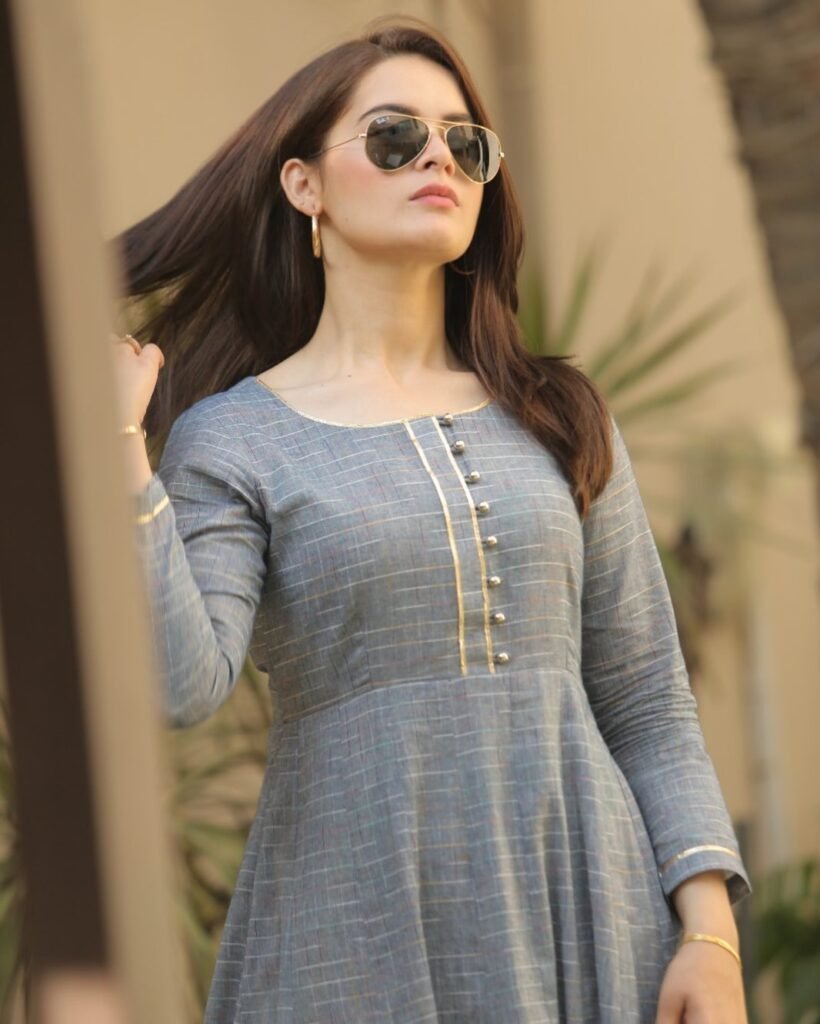
Along with setting our screens on fire with Jalan, Minal Khan is also teasing fans by sharing glimpses of her personal life (read: love life) on social media. Though the actor has not officially confirmed her relationship, rumours are rife that she is in a relationship with budding actor Ahsan Mohsin Ikram.
The two have been posting loved-up pictures of their hangouts on social media without sharing any details. They have also been leaving cute comments on each other’s Instagram posts only to delete them later.
https://www.instagram.com/p/CGNSgKylY3X/
https://www.instagram.com/p/CDB0DIBFLfg/
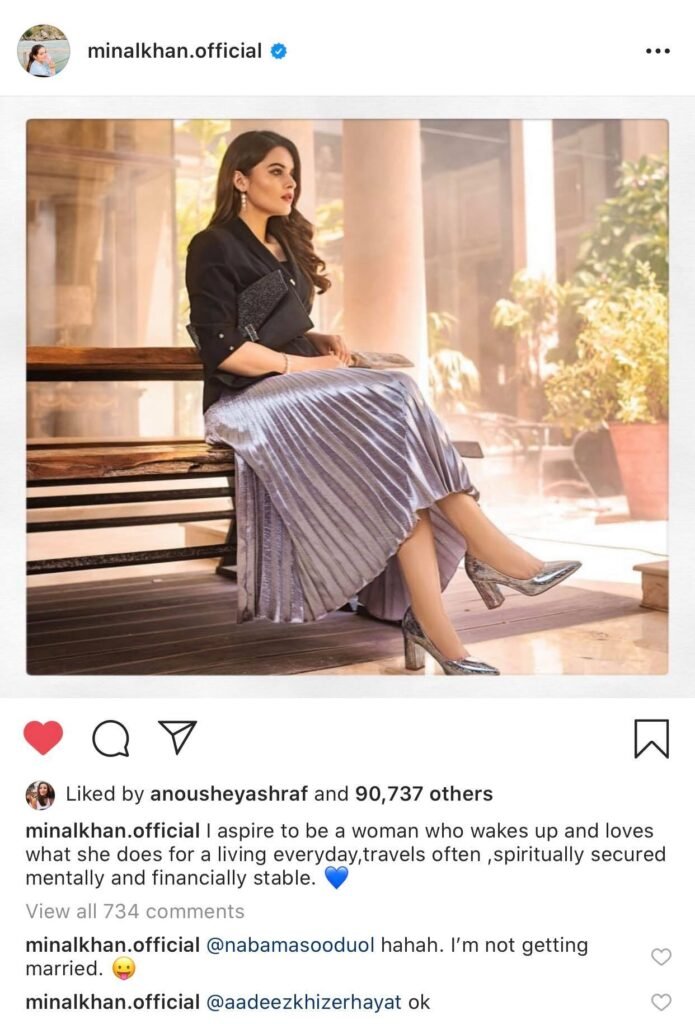
All this has given rise to speculations that Minal and Ahsan will soon be tying the knot. However, Minal while replying to a follower clarified that she is not getting married.
She also said that she aspires to be “a woman who wakes up and loves what she does for a living everyday, travels often, spiritually secured and mentally and financially stable”.
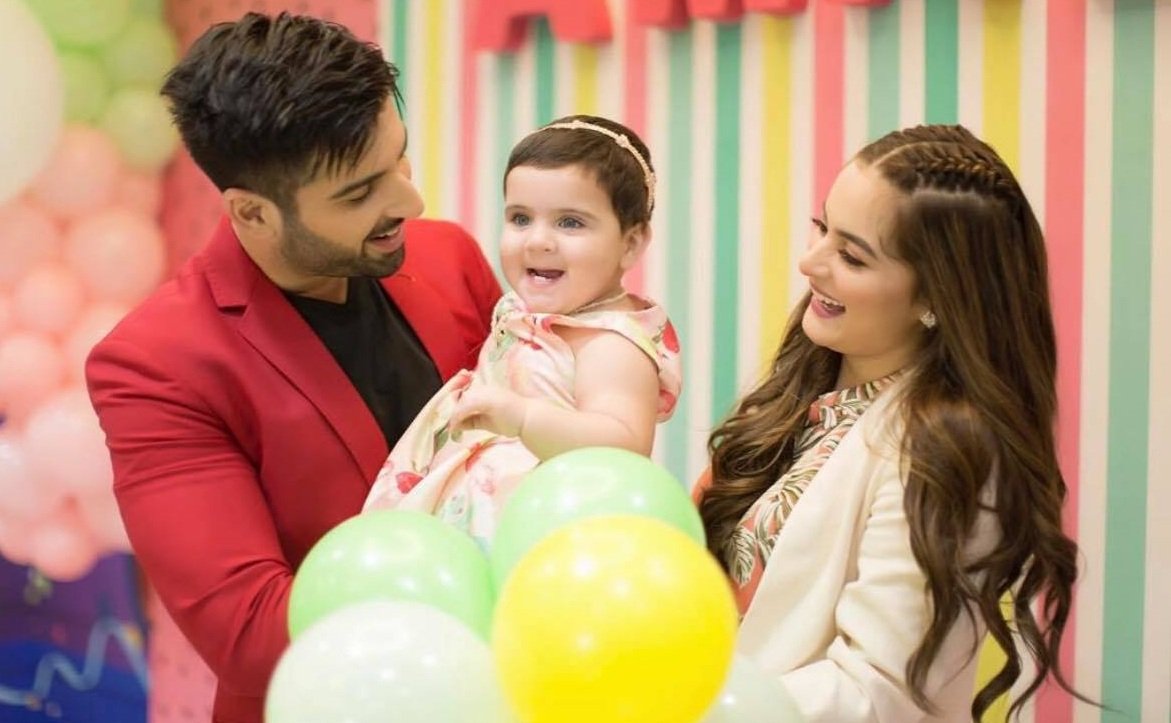
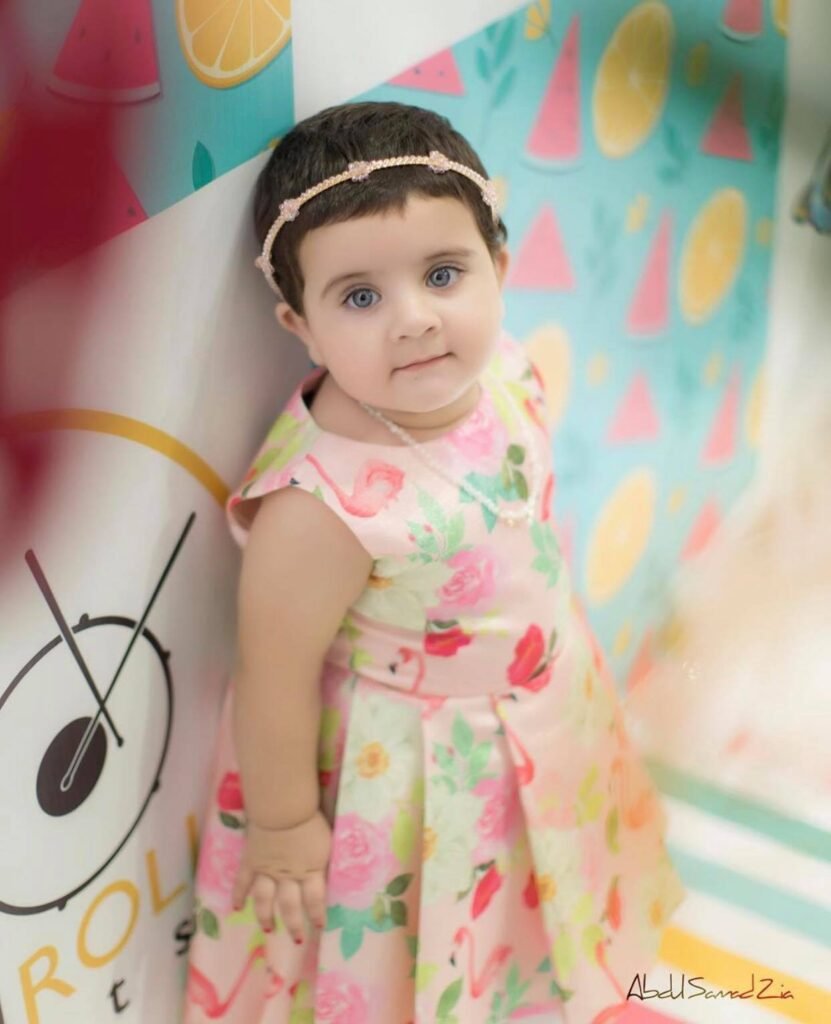
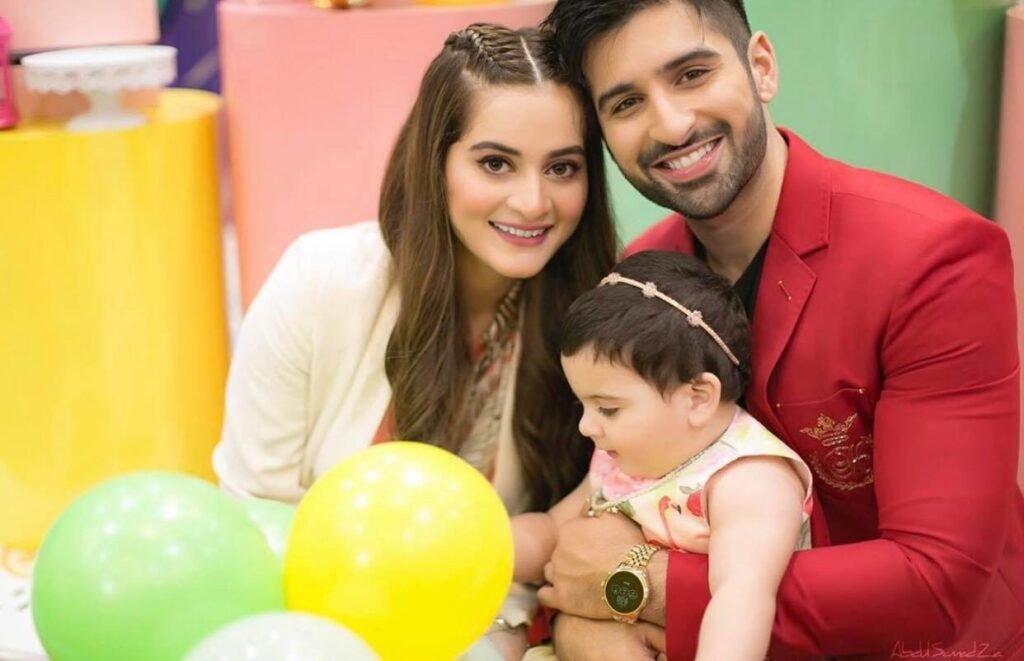
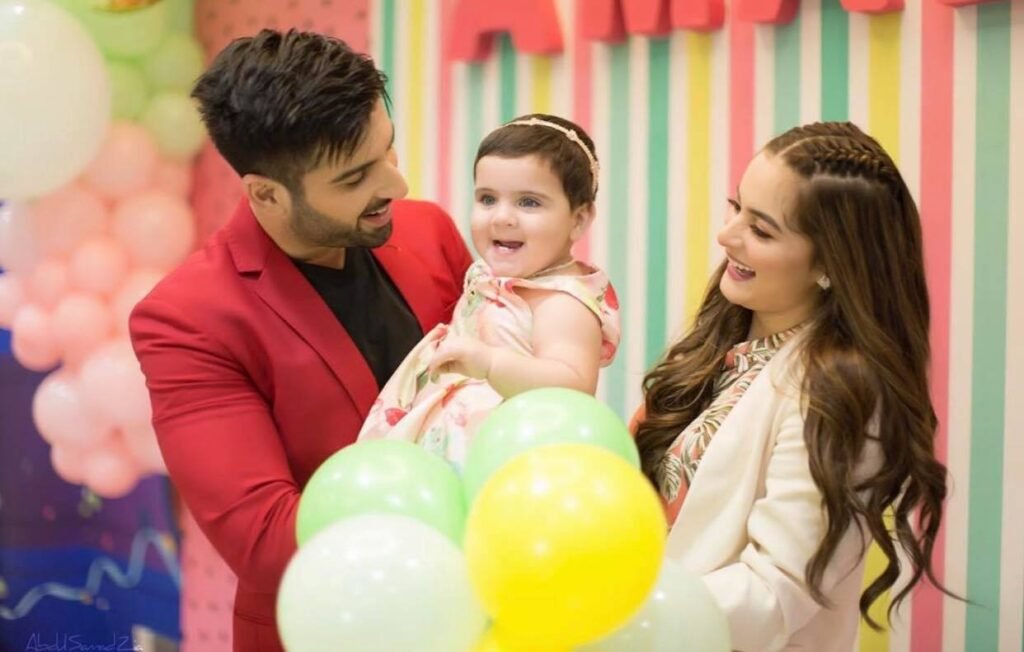
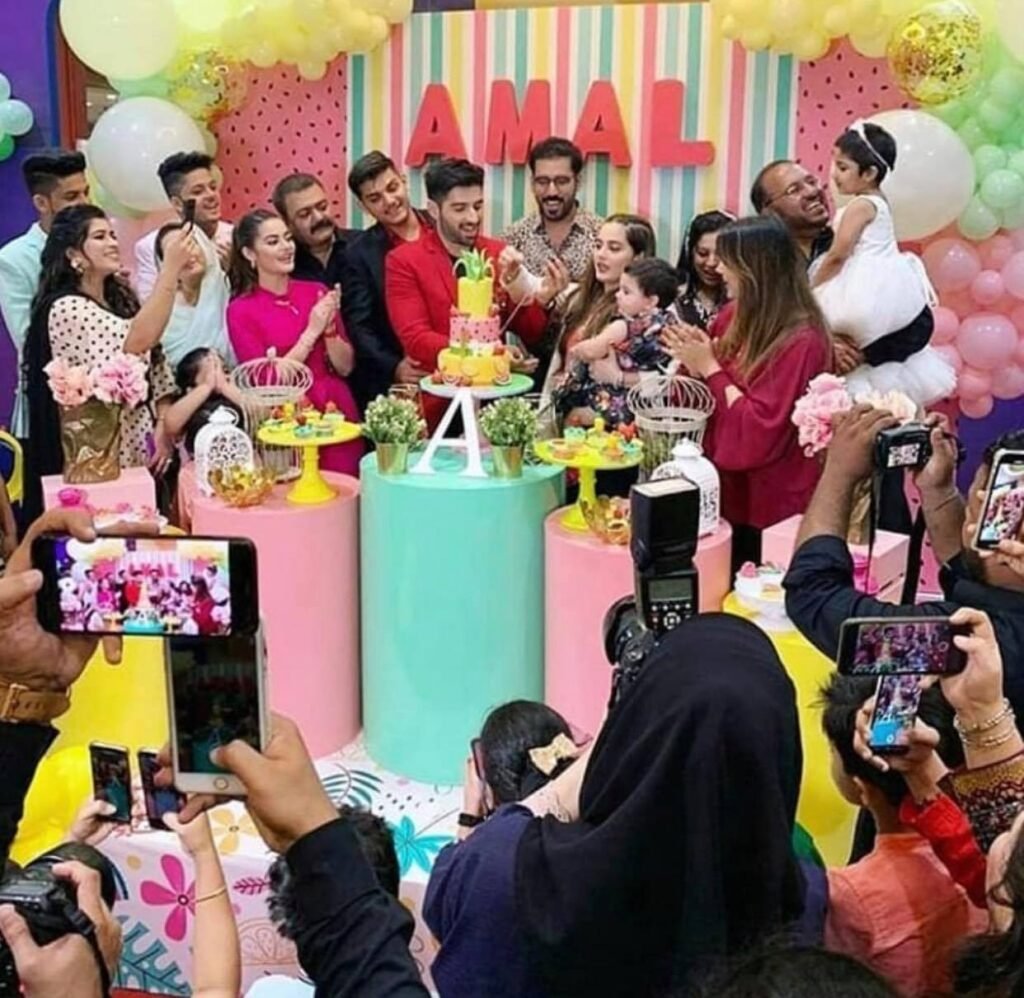
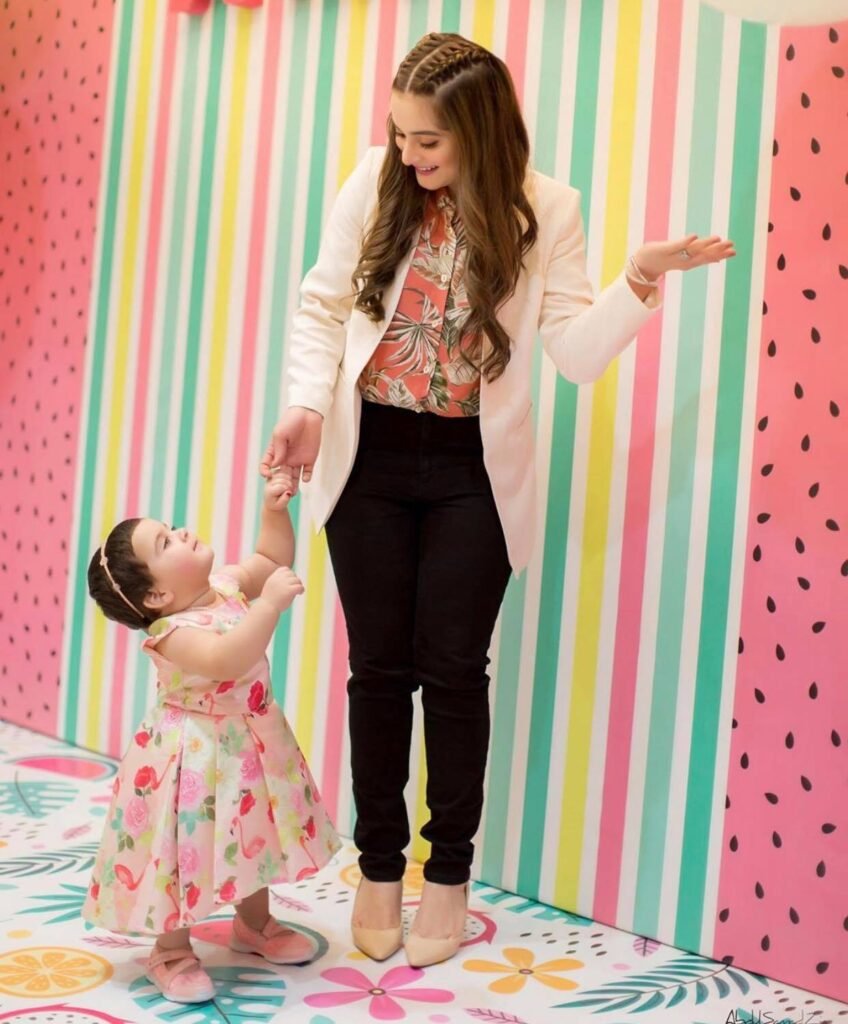
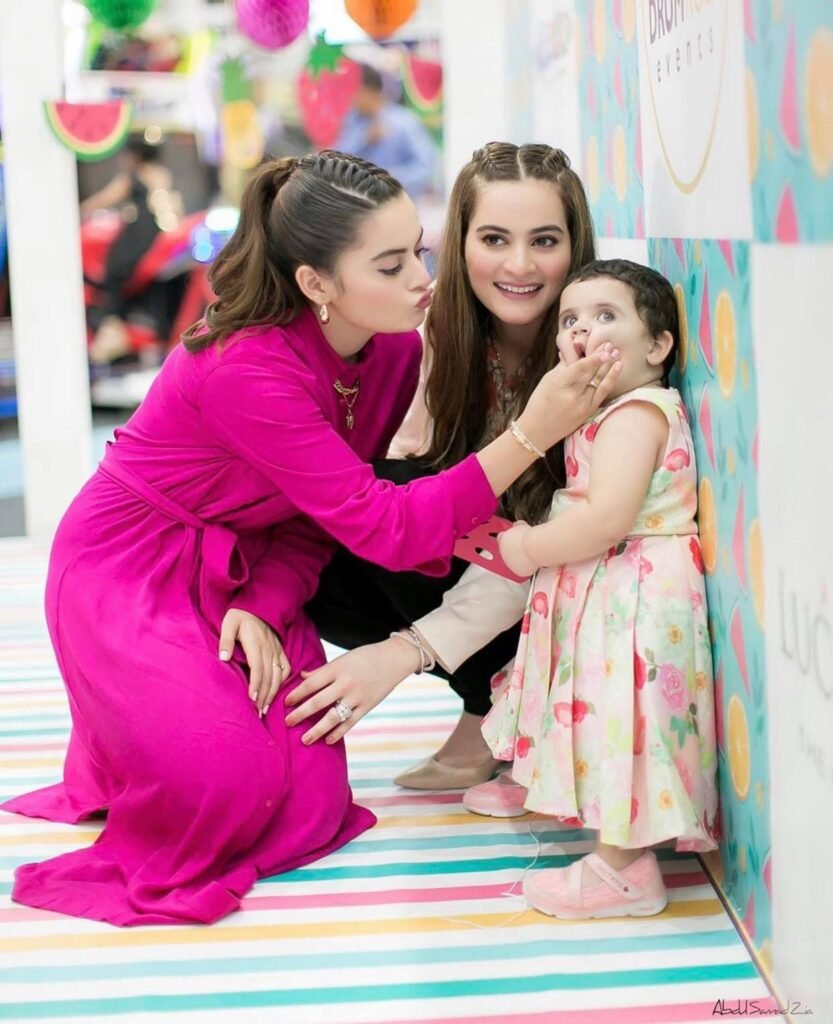
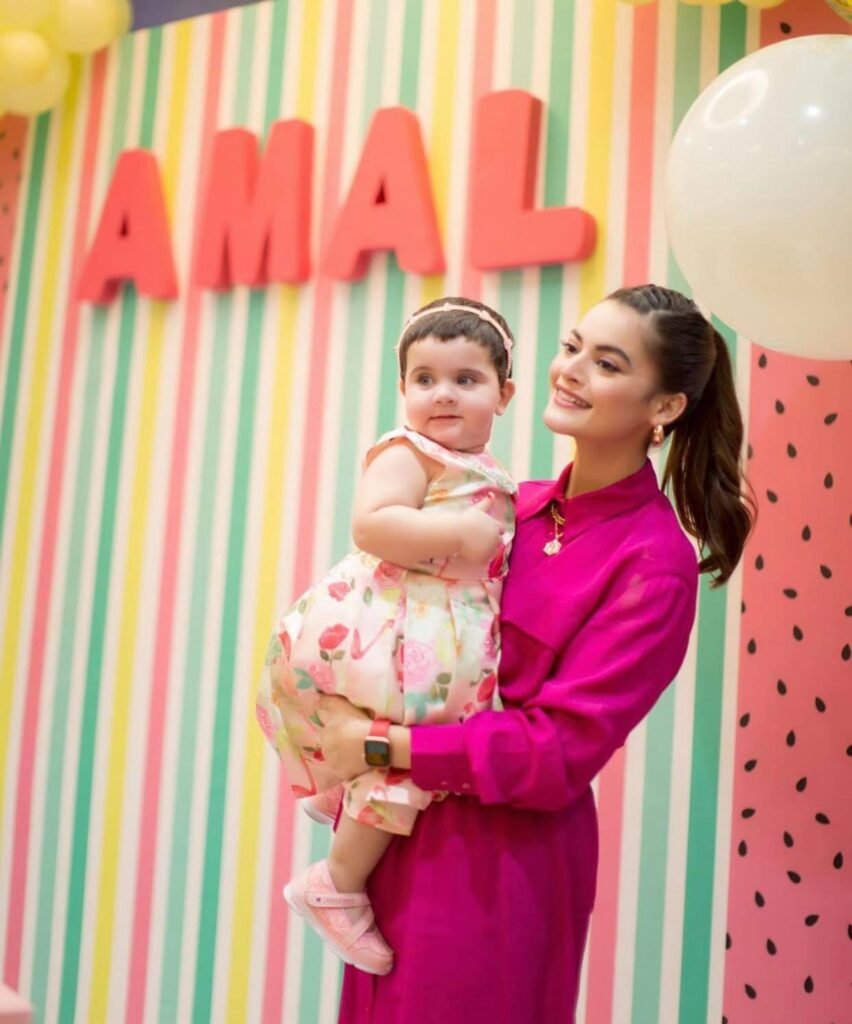
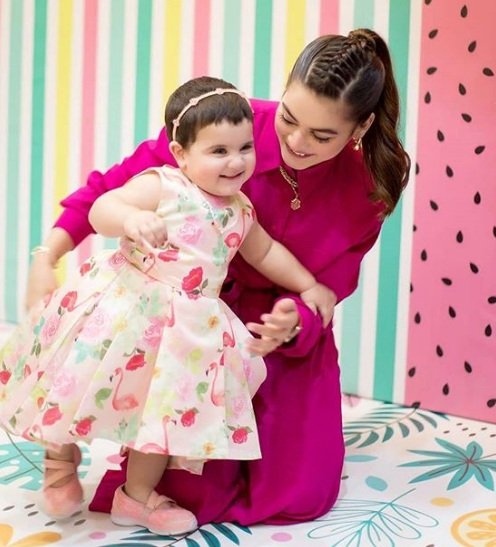
If there is one thing we know about the Khan twins is that they like to go big. And that is exactly what Aiman Khan did on her baby’s first birthday. Aiman and husband Muneeb Butt threw a big, fruity-themed birthday bash for their bundle of joy and the fun, colourful pictures from the event gave us a heavy dose of FOMO.
Check out all the pictures from the birthday party:
We don’t blame Khala Minal Khan for wanting to squish those cheeks
Aiman and Muneeb friends from the industry including Sarah Khan, Falak Shabir, Nida Yasir, Momal Sheikh and Yasir Hussain were also part of the celebrations.
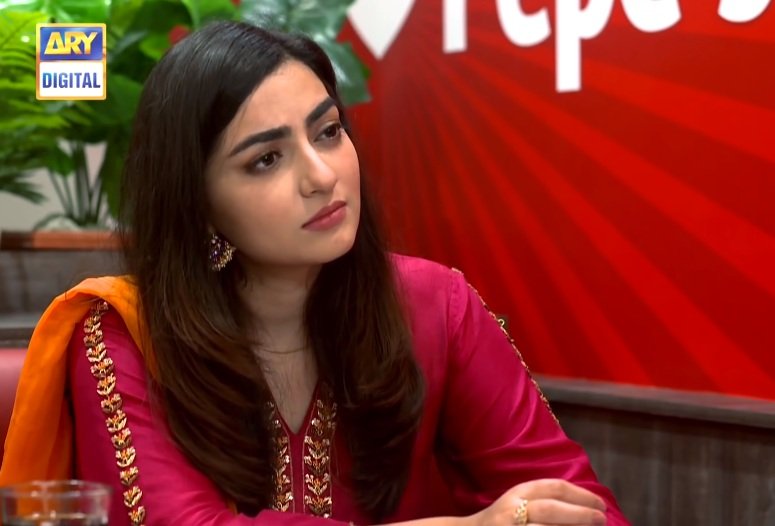
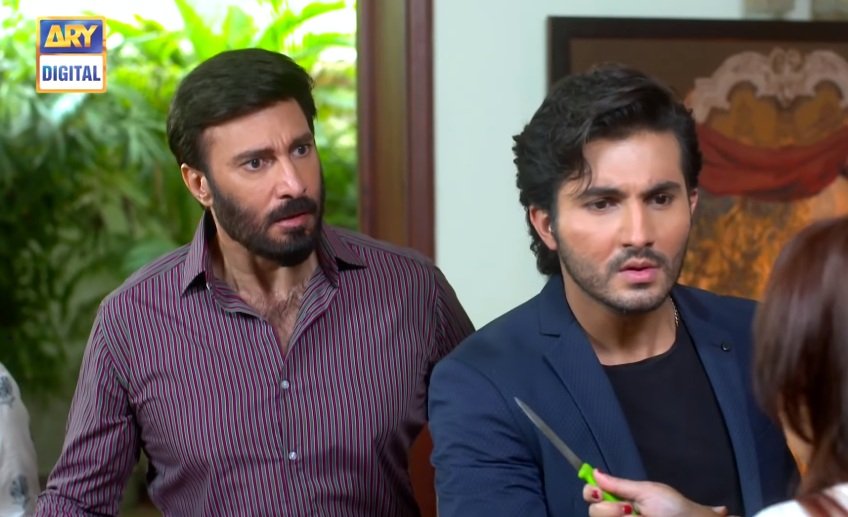
ARY Digital‘s dramas are usually high on masala and Nand is no exception. Featuring Faiza Hasan, Shahroz Sabzwari, Minal Khan, Aijaz Aslam, Maha Hasan, and Ayaz Samoo in the lead, Nand tells the tale of three couples, Gohar (Hasan) and Jehangir (Aslam), Saqib (Sabzwari) and Rabi (Khan), and Hasan (Samoo) and Farwa (Maha). The main focus is the problems in Rabi and Farwa’s marital lives caused by their vile nand (sister-in-law), Gohar, who is estranged from her husband, Jehangir, and lives with her brothers.
Hasan and Saqib
As the main antagonist, Gohar is domineering, jealous, and unsympathetic. She is driven by an uncontrollable urge to disintegrate her brother Saqib’s marriage with Rabi, ironically a girl of her own choosing. Gohar frequently mistreats the mild and unassuming Rabi as Saqib, who prefers to appease his temperamental sister instead of supporting his wife, fails to stand by her. In a crass and rather senseless ode to Star Plus, Gohar successfully causes Rabi to miscarry by premeditating her accident.
Gohar
A few episodes later, Saqib defers to Gohar in divorcing Rabi. Gohar is now eyeing the demise of her younger brother Hasan’s marriage, who married a girl he liked. Although Hasan is shown to be assertive and exercising independent judgment frequently – much to the dislike of his sister – Gohar doesn’t leave a chance to poison his relationship with his wife. However, Farwa’s no-nonsense attitude kindles hope for a better ending to her story compared to Rabi, who lets things happen to her and grieves her poor fate later.
Rabi
With basic plot details out of the way, let us just say that Nand is no different than conventional Pakistani dramas in its disregard for intelligence, nuance, thoughtful writing, and the changes taking place around us that should ideally figure in our storytelling.
The characters in Nand are unidimensional. Morality is either possessed or unpossessed, whereas the aurat aurat ki dushman trope is alive and kicking. The concept of character arcs does not exist. Hence, both good and bad characters are unhinged in their virtue and vice. We also do not know why these characters are the way they are or what experiences inform their respective outlooks on life. On the one hand, the drama’s villain, Gohar, played brilliantly by Faiza Hasan, arouses hate and disgust through her conniving ways, while on the other, her incredulous brothers (especially Saqib), are shown to be deserving of sympathy, of being let off the hook because evil Gohar incites them to do bad things. Naturally, this means that the flaws in these men’s personalities causing trouble—i.e., lack of judgment, chauvinism, and sense of entitlement—remain unaddressed. After all, what good is a vamp if the moral agency of other characters were to remain intact?
Farwa
The notoriety in Nand does not end here. The drama sensationalizes domestic violence and promotes zero accountability for this wretched behavior in which siblings Gohar, Saqib, and Hasan engage against Rabi and Farwa.
Most importantly, Nand is outrageous in its portrayal of divorce and iddat. One fine day, Gohar accuses Rabi of having an affair with her husband, Jehangir. A yelling match ensues and culminates in Saqib throwing the ‘T word’ thrice towards Rabi, in a fit of rage. ‘Triple talaq’ or instant divorce is a deeply contentious issue among Muslims and does not enjoy universality – it is not as straightforward as this drama depicts it to be. In fact, the practice of ‘triple talaq’ defies common sense in that the pronouncement of divorce takes precedence over the intent to divorce. An Islamic marriage solemnizes between two sane, mentally and emotionally mature adults, who accept each other as spouses in the presence of witnesses. Apart from that, it is recommended that the rights and obligations of spouses with respect to maintenance, spending, and child-rearing be settled before a marriage takes place. How can marriage, (ideally) conducted with such elaborate procedures and planning, end at once in triple pronouncements of talaq, that too in fits of rage or humor? Why aren’t our dramas questioning this?
Jehangir and Saqib
There is also a constant emphasis on completing the traditional three-month waiting period (iddat) by Rabi’s family before she can step out of the house, meet someone, or work. The way Rabi is kept indoors is a painful reminder of how iddat is instrumentalized to deny mobility to women, even if temporarily. In many Pakistani households, older women who are decades past their reproductive years—read ineligible for iddat—are still made to observe complete waiting periods when they are widowed or divorced. Clearly, form is privileged over substance in matters of divorce and our creative industry is just as complacent as the rest of our society.
Despite its weaknesses, some viewers may still find Nand relatable. After all, entitled, abusive in-laws and husbands, are real and cause irreparable suffering to those at the lower rung of the domestic power ladder i.e., women and children. Having said that, transgressions within the family is a deeply sensitive and serious matter. Dramas touching upon it must offer intelligent, meticulous insight into the drivers of unsavory human behaviors instead of providing black-and-white explanations. This requires understanding that good and bad are never mutually exclusive or embedded in certain human relations by default. Additionally, to blame every misfortune on the villain’s machinations creates predictability and hampers the development of other characters. Not only should our drama writers understand such nuances, but they must also cultivate more insight into the ethical implications of their work.
Nandhas been written by Samina Aijaz and directed by Zeeshan Ali Zaidi.
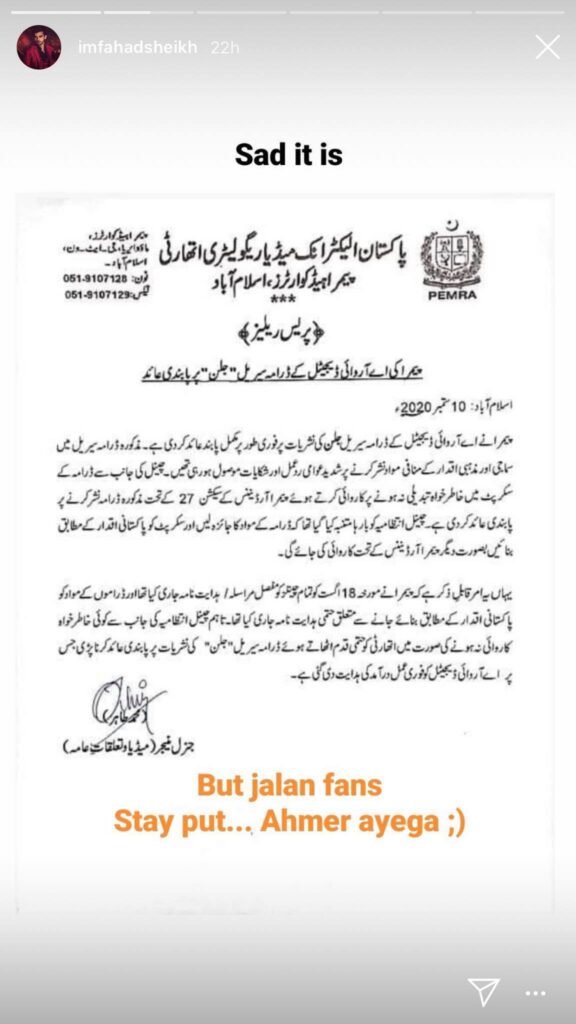
The Pakistan Electronic Media Regulatory Authority (PEMRA) has ordered an immediate ban on ARY Digital’s ongoing drama Jalan, saying that the content of the drama goes against the “social and moral ethics of Pakistani society”.
In a notification, PEMRA said that the content of Jalan goes against the values of the Pakistani society and that viewers and audiences have been strongly criticising the drama and its storyline. It further said that the channel and the drama’s makers had been repeatedly told to modify the script and content of the drama and bring it in line with Pakistani morals and ethics. But because they did not comply with PEMRA’s order and ignored its warnings, the regulatory body had no choice but to ban the drama under Section 27 of the PEMRA Ordinance.
Jalan is about two sisters Nisha (Minal Khan) and Misha (Areeba Habib). While Misha is the sweet and obedient sister, Nisha is a spoiled brat and wants to be better than her sister, so she sets her sights on her brother-in-law Asfandyar (Emmad Irfani) because he’s rich and good-looking. Ignoring the fact that her sister is married to Asfandyar, Nisha openly flirts with him and urges him to divorce his pregnant wife. Despite, its convoluted and twisted storyline, the drama trends on TV and social media every week.
Earlier, in a notice issued on September 4, PEMRA had directed ARY Digital and the makers of Jalan to review its content and script and modify it in accordance with Pakistani values.
In the press release, the media regulatory body said that it has been getting multiple complaints regarding the drama, its content and script through the Pakistan Citizens Portal, PEMRA social media accounts, and PEMRA call centres. It added that the content of the drama, especially the main storyline, is being strongly criticised by audiences on social media.
“Audiences have strongly criticised the drama saying that it has made a mockery of sacred relationships,” the notification had read.
PEMRA had also requested all stakeholders, including TV channels and production houses, to immediately review the content of their future dramas.
“Regardless of the cost and time invested in the drama, if the content of a play is against national values and expectations of the audience, the play will be banned without any warning,” stated the press release.
While the lead cast and makers of the drama have yet to respond to the ban, Fahad Sheikh who plays Ahmer in the drama, expressed his disappointment over the decision.