Tag: Mini-budget

  • IMF wants Pakistan to implement property and agriculture tax

    IMF wants Pakistan to implement property and agriculture tax

    The International Monetary Fund (IMF) has recently granted Pakistan a $3 billion loan, subject to certain conditions that require a second review.

    According to reports, the Washington-based institution has asked the Pakistani government to devise a plan for implementing taxes on the real estate and agricultural sectors, with the aim of bolstering the country’s revenue generation.

    The IMF perceives a potential for Pakistan to enhance its revenue through taxation of these two sectors.

    Should the plan devised by the Federal Bureau of Revenue (FBR) gain approval from the IMF, it will result in the release of a mini-budget. However, the decision to impose taxes on the property and agriculture sectors ultimately rests with the new government.

    Additionally, sources indicate that assistance will be sought from the World Bank to facilitate the taxation of these sectors.

    It is worth noting that Pakistan recently received the initial disbursement of $1.2 billion from the IMF.

    IMF officials emphasise that Pakistan must fulfill the conditions outlined in the agreement to achieve economic stability.

    Prime Minister Shehbaz Sharif has also assured the IMF Managing Director of the government’s commitment to implementing the agreement in its entirety.

  • FBR faces Rs75 billion shortfall in annual tax collection target

    FBR faces Rs75 billion shortfall in annual tax collection target

    The Federal Board of Revenue (FBR) is currently confronted with a shortfall of Rs75 billion in attaining the revised annual tax collection target of Rs7,200 billion for the fiscal year.

    Despite collecting Rs7,125 billion, which falls short of the revised target, the FBR faces a net revenue shortfall of Rs75 billion for the fiscal year 2022-2023.

    Originally, the FBR’s annual tax collection target was established at Rs7,640 billion for the outgoing fiscal year, subsequent to the unveiling of the mini-budget in February 2023.

    To generate additional revenue, the government implemented various measures, including an increase in the Goods and Services Tax (GST) rate from 17 per cent to 18 per cent, the application of a higher GST rate of 25 per cent on luxury goods, and a 154 per cent rise in the Federal Excise Duty (FED) on cigarettes.

    However, over the past four months, the FBR failed to generate the anticipated additional revenue, leading to a downward revision of the revenue collection target from Rs7,640 billion to Rs7,200 billion by the end of June 2023.

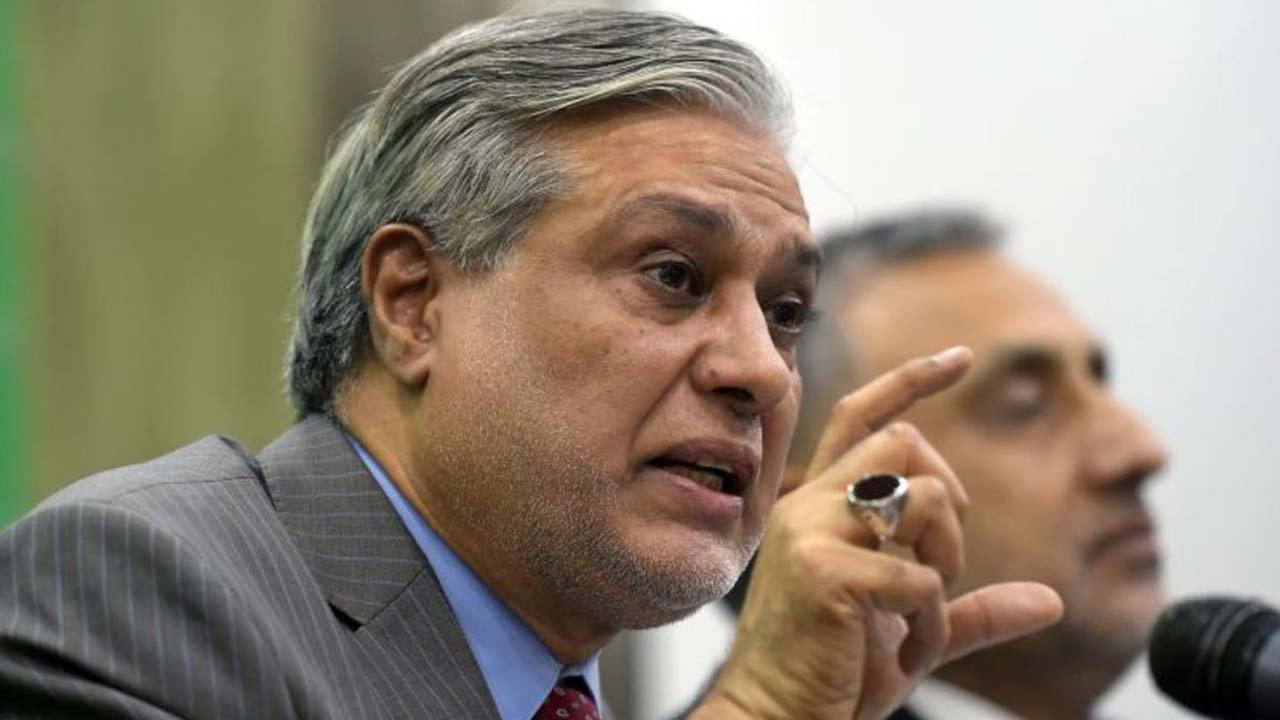
    Notably, Minister for Finance and Revenues, Ishaq Dar, took to Twitter to highlight the achievement of the highest-ever tax collection for the outgoing fiscal year.

    He stated, FBR has collected Rs7,000 billion in taxes for the first time in the country’s history as of June 26, 2023, and expressed optimism that the revenue collection would further increase by June 30, 2023.

    It is expected that the FBR will issue a formal statement regarding the revenue collection in due course.

  • IMF asks for more effort from Pakistan, loan programme in jeopardy

    IMF asks for more effort from Pakistan, loan programme in jeopardy

    Despite assurances from friendly countries regarding external funds for Pakistan, the International Monetary Fund (IMF) remains unconvinced and is asking Islamabad to make additional efforts to unlock a loan programme.

    According to sources, Pakistan has been requested to present a repayment plan for a $3.7 billion loan to the IMF in June and to demonstrate stronger support from friendly nations to fulfill this obligation.

    However, the IMF has not yet accepted a proposal to exchange reserves worth between $11 to $12 billion, equivalent to two months’ revenues. The Ministry of Finance has stated that the government has imposed Rs170 billion in taxes through a mini-budget to secure a staff-level agreement with the IMF, which was initially scheduled for February 9th.

    It is noteworthy that the IMF has not included Pakistan in any agenda until May 17th. The budget-making process may also be affected if transactions with the IMF are not concluded, as funding will not be available from international financial institutions without a staff-level agreement.

    Last month, the staff-level agreement between Pakistan and the International Monetary Fund was postponed due to the lender’s new demand.

    Finance Secretary Hamid Yakoob’s meeting with the International Monetary Fund in the United States did not yield positive results as the lender requested the arrangement of $1 billion from commercial banks to unlock the loan program.

    The staff-level agreement, originally scheduled for February 9th, was delayed due to the IMF’s demands.

  • President Alvi approves mini-budget amidst concerns of pushing Pakistanis into deeper poverty

    President Alvi approves mini-budget amidst concerns of pushing Pakistanis into deeper poverty

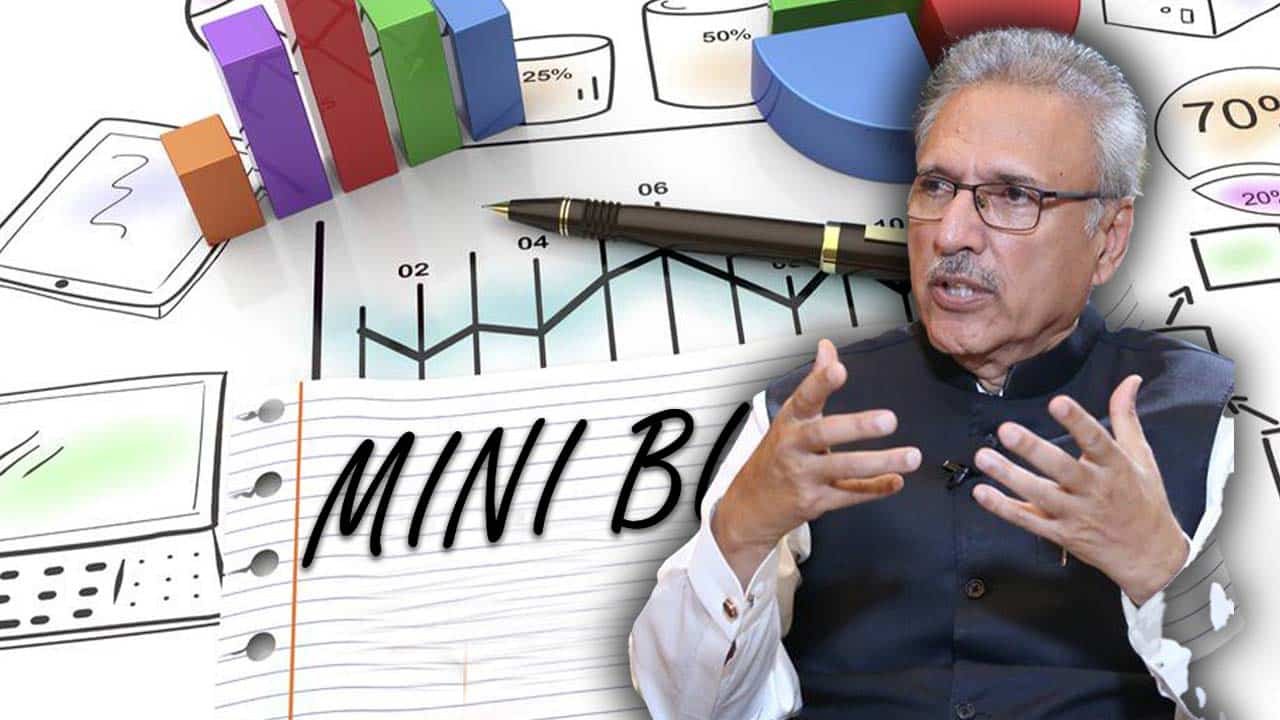
    President Dr Arif Alvi has given his approval for the Finance (Supplementary) Bill 2023, also known as the mini-budget, under Article 75 of the Constitution, which requires the president to assent to a bill presented to him within 10 days.

    National Assembly had passed the Rs170 billion mini-budget with some modifications, which will have an annual impact of about Rs550 billion.

    The budget’s approval has brought Pakistan closer to an agreement with the International Monetary Fund (IMF) but at the cost of pushing people deeper into the poverty trap.

    The majority of the taxation measures were implemented, although the president had not given his assent when the National Assembly passed the bill.

    Finance Minister Ishaq Dar admitted during his wind-up speech that inflation was unbearable for the people and blamed the maladministration of the previous government of former prime minister Imran Khan.

    Dar also admitted that the news stories about Rs675 billion to Rs700 billion taxes were not untrue and the IMF had demanded those measures, which the government did not accept. Dar added that almost all major issues with the IMF had been sorted out, and Pakistan is now very near to the staff-level agreement.

  • Suzuki Swift GLX now costs more than Rs4.7 million after latest hike

    Suzuki Swift GLX now costs more than Rs4.7 million after latest hike

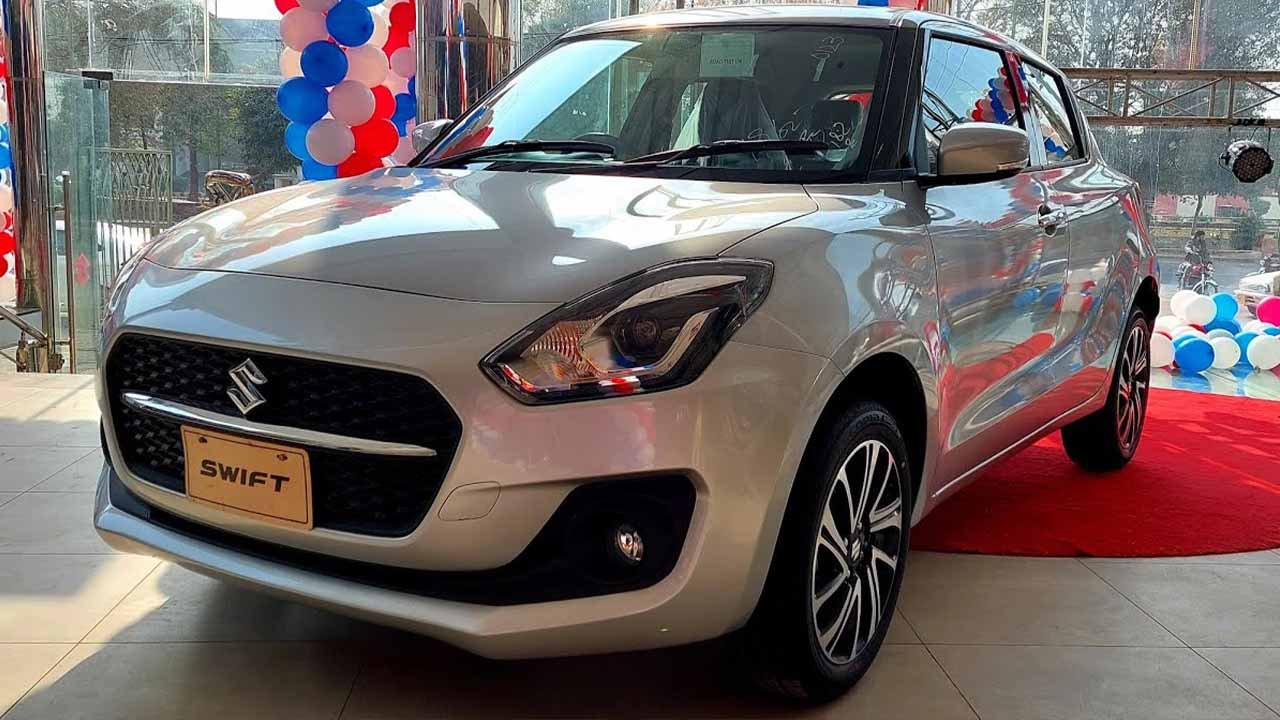
    Pak Suzuki Motor Company has announced its third price hike in less than 30 days, resulting in an increase in the prices of some of its more affordable car models. This move follows the ongoing trend, with Pak Suzuki citing mounting inflation and local currency depreciation as the primary reasons for the price increase.

    With immediate effect, the revised car prices are as follows:

    Variants Old Price (Rs) New Price (Rs) Increase (Rs)
    Alto VX 2,034,000 2,144,000 110,000
    Alto VXR 2,359,000 2,487,000 128,000
    Alto VXR AGS 2,528,000 2,665,000 137,000
    Alto VXL AGS 2,615,000 2,795,000 144,000
    Wagon R VXR 2,877,000 3,062,000 185,000
    Wagon R VXL 3,052,000 3,248,000 196,000
    Wagon R AGS 3,348,000 3,563,000 215,000
    Cultus VXR 3,326,000 3,540,000 214,000
    Cultus VXL 3,654,000 3,889,000 235,000
    Cultus AGS 3,906,000 4,157,000 251,000
    Swift GL M/T 3,807,000 4,052,000 245,000
    Swift GL CVT 4,092,000 4,335,000 263,000
    Swift GLX CVT 4,462,000 4,725,000 263,000
    Bolan VX 1,754,000 1,852,000 92,000

    A production halt was announced by the manufacturer last week as a result of the continued economic downturn and inventory constraint. Further days without manufacturing indicate a greater sales drop. That might result in Pak Suzuki losing a considerable portion of its market share, especially in light of the recent price increase.

  • National Assembly passes mini-budget to meet IMF targets

    National Assembly passes mini-budget to meet IMF targets

    The National Assembly of Pakistan passed the Finance (Supplementary) Bill, 2023, aimed at amending certain laws relating to taxes and duties. The bill is intended to generate an additional Rs170 billion within the next four and a half months, to fulfill the last prior actions agreed upon with the International Monetary Fund (IMF).

    Pakistan’s reserves have fallen to a critically low level of $2.9 billion, which experts believe is sufficient for only 16 to 17 days of imports. The completion of the ninth review of a $7 billion loan programme with the IMF would lead to a disbursement of $1.2 billion, as well as unlock inflows from friendly countries.

    The Finance Minister, Ishaq Dar, introduced the bill to the National Assembly on February 15, and the formal debate started on it after moving a motion by Commerce Minister Syed Naveed Qamar on February 17. In his concluding speech during the NA session, Dar said the new taxes proposed in the bill would not affect the poor segments of society, as most of the new taxes are being imposed on luxury items that they don’t use.

    The government has also proposed an increase of Rs40 billion in the budget of the Benazir Income Support Programme (BISP) to help the poor cope with rising inflation.

    The Finance Bill aims to increase the general sales tax (GST) rate from 17 per cent to 18 per cent, with an increase to 25 per cent on luxury items. The bill proposes to raise the federal excise duty (FED) on cigarettes, and aerated and sugary drinks. GST on 33 categories of goods covering 860 tariff lines, including high-end mobile phones, imported food, decoration items, and other luxury goods, will increase from 17 per cent to 25 per cent, however, the raise will be notified through another notification.

    The excise duty on cement has been raised from Rs1.5 to Rs2 per kilogram, a measure expected to generate an additional Rs6 billion. An excise tax of 10 per cent has been proposed on non-aerated drinks like juices, including mango and orange, to raise an additional tax of Rs4 billion.

    The finance bill also proposed a 10 per cent withholding tax on functions and gatherings held in marriage halls, marquees, hotels, restaurants, commercial lawns, clubs, community places, or other places, expected to raise Rs1 billion to Rs2 billion from this tax. The excise duty on carbonated or aerated drinks has been raised to 20 per cent from 13 per cent to generate an additional Rs10 billion for the government.

    The proposed increase in excise duty on business, first, and club-class air tickets will raise an additional Rs10 billion for the government, with a tax rate of 20 per cent (or Rs50,000, whichever is higher) proposed on the value of air tickets.

  • From soap to air tickets: What’s getting costlier after mini-budget?

    From soap to air tickets: What’s getting costlier after mini-budget?

    The Federal Board of Revenue (FBR) has issued an SRO to increase the standard 17 per cent general sales tax (GST) to 18 per cent, which will collect taxes worth Rs115 billion. The remaining Rs55 billion will be generated through other measures mentioned in the Finance (Supplementary) Bill 2023.

    The top tax collection authority stated in the notification that the 18 per cent GST would be applicable to consumer packaged goods, which include various items used in everyday life.

    Following the increase in GST, the following items will experience a hike in their prices:

    • Biscuits
    • Jam
    • Jelly
    • Noodles
    • Edible oil
    • Coffee
    • Chocolates
    • Make-up
    • Shampoos
    • Creams
    • Lotion
    • Soap
    • Toothpaste
    • Hair colour
    • Hair removal cream
    • Hair gel
    • Shaving foam
    • Shaving gel
    • Shaving cream
    • Shaving blades
    • Computers
    • Laptops
    • Electronic gadgets
    • Smartphones
    • iPods
    • TVs
    • LEDs
    • LCDs
    • Juicers
    • Blenders
    • Other electronic machinery
    • Car shampoos
    • Car polishes
    • Perfumes
    • Children’s toys

    In addition to the aforementioned actions, the government intends to raise the Goods and Services Tax (GST) on luxury items from 17 per cent to 25 per cent. The Federal Excise Duty (FED) on first and business class air tickets will be increased to either Rs20,000 or 50 per cent, whichever amount is higher.

    Marriage halls will be subject to a ten percent withholding adjustable advance income tax, and the FED on soft drinks, sugary drinks, and cement will also be increased.

  • Saying ‘qabool hai’ just got more expensive: Mini-budget proposes increased tax rates on weddings, related events

    Saying ‘qabool hai’ just got more expensive: Mini-budget proposes increased tax rates on weddings, related events

    The Finance (Supplementary) Bill, 2023 proposes to reintroduce advance tax on functions and gatherings, requiring a tax withholding of 10 per cent for filers and 20 per cent for non-filers.

    The tax rate will be applied to the total amount of the bill from the individual or entity hosting the function, whether it is in a marriage hall, marquee, hotel, restaurant, commercial lawn, club, community place, or any other location used for such purposes.

    If the food, service, or any other facility is provided by another person, the host must also collect advance tax on the payment for such items at a rate of 10 per cent for filers and 20 per cent for non-filers. This tax will be adjustable against income subject to the normal tax regime and refundable if it cannot be adjusted.

    The proposed supplementary finance bill has introduced advanced tax on air tickets, marriage halls, hotels, commercial lawns, marquees, and clubs. Additionally, a 10 per cent advance tax will be levied on wedding ceremonies. Duty on business and first-class air travel has also been increased.

    The bill also suggests a 10 per cent hike in the tax on the retail price of beverages. Furthermore, the FED on cement will increase from Rs1.5 to Rs2 per kg after a proposed rise of 50 paisas per kg.

    The supplementary finance bill has also proposed an increase in the FED on cigarettes.

    • The proposed supplementary finance bill suggests a tax of Rs16,500 per 1,000 cigarettes for the tier 1 category, and Rs5,050 per 1,000 cigarettes for the tier 2 category.
    • The bill proposes a 10 per cent tax on sugary juices, syrups, squashes, and artificial sweeteners, and an 18 per cent GST on the retail prices of all items.
    • Imported mobile phones worth more than $500 will see an increase in GST from 17 per cent to 25 per cent.
    • The same 25 per cent rate will be applicable to all luxury goods.
    • The bill proposes a levy of 20 per cent or Rs50,000 FED for air tickets.
    • No additional tax will be applied to wheat, rice, milk, pulses, vegetables, fruits, fish, eggs, meat, or poultry.
    • Real estate or property will not be subject to any tax in the mini budget.
    • The document proposes an increase in the monthly stipend for beneficiaries of the Benazir Income Support Program, with the program’s budget increased by 40 per cent.
  • Govt increases petrol price by Rs22 to a historic high of Rs272 per litre

    Govt increases petrol price by Rs22 to a historic high of Rs272 per litre

    In an effort to satisfy the International Monetary Fund (IMF) and secure a crucial loan tranche, the federal government has raised the price of petrol to a historic high. This move comes mere hours after the introduction of a tax-laden “mini-budget”.

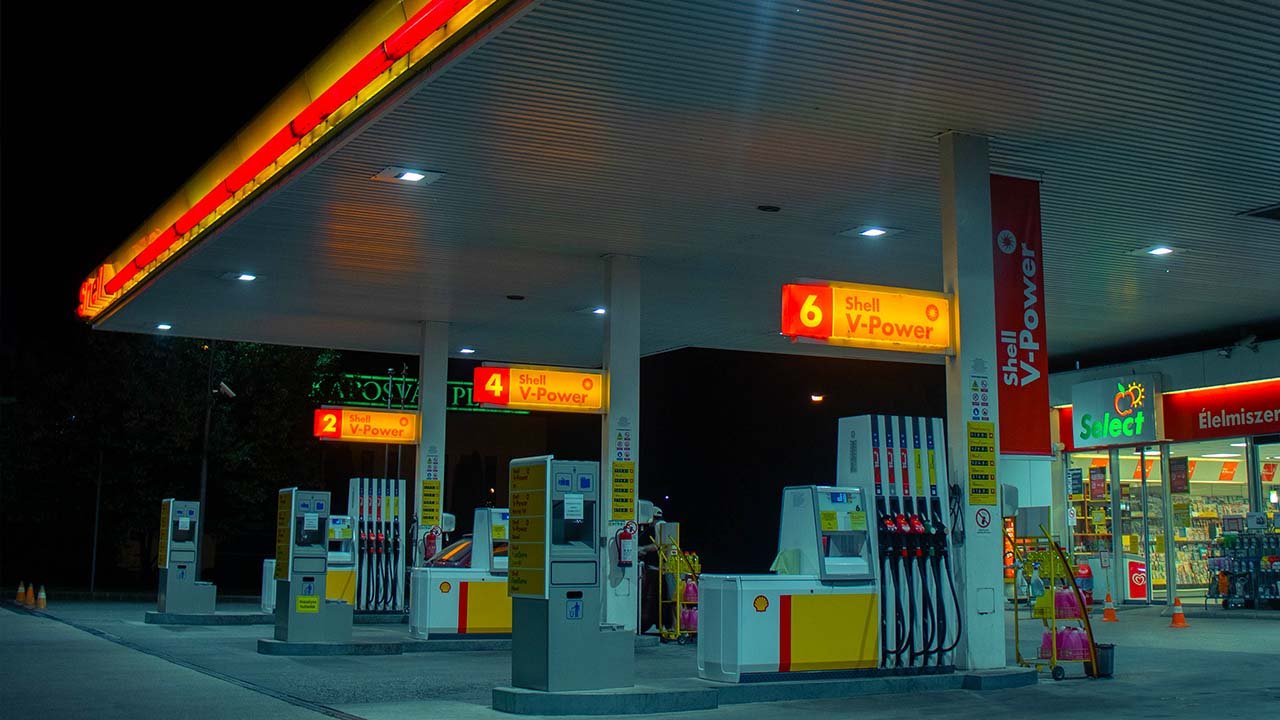
    Petroleum division confirmed that the price of petrol has increased by Rs22.20 to reach Rs272 per litre, citing the devaluation of the rupee relative to the dollar as the primary reason for the surge.

    The revised petrol prices are effective from 12 am tonight.

    Following an increase of Rs17.20, the cost of high-speed diesel has risen to Rs280 per litre. Similarly, kerosene oil is now priced at Rs202.73 per litre after a hike of Rs12.90, while light diesel oil is available at Rs196.68 per litre after an increase of Rs9.68.

    It is noteworthy that the surge in the prices of petroleum products was a requirement set by the lending organization based in Washington, which could result in a further escalation of the already record-high inflation. This development is compounded by the recent implementation of new fiscal measures via the ‘mini-budget’.

  • Ishaq Dar presents mini-budget in National Assembly to meet IMF conditions

    Ishaq Dar presents mini-budget in National Assembly to meet IMF conditions

    A crucial tax amendment bill to fulfil the conditions of the International Monetary Fund (IMF) to revive a stalled loan programme that the country needs to stave off default was presented in both houses of parliament on Wednesday.

    Finance Minister Ishaq Dar introduced the Finance (Supplementary) Bill 2023 first in the National Assembly and then in the Senate.

    The Pakistani government approved a proposal last night to increase the general sales tax (GST) rate from 17 to 18 per cent and to raise the Federal Excise Duty (FED) on cigarettes. The aim is to generate an additional Rs115 billion out of Rs170 billion, which was agreed upon by Pakistan in accordance with the IMF conditions.

    Through the implementation of the “mini-budget,” led by the Pakistan Democratic Movement (PDM)-led government, the country intends to reduce the budget deficit and enhance its tax collection efforts to meet the conditions set by the IMF, a Washington-based lender.

    The National Assembly will not be referring the bill to the Standing Committee on Finance and Revenue for further review, while the Senate has sent the legislation to the relevant committee. Officials at the Ministry of Finance have stated that they anticipate the bill to be passed by Thursday morning, which will allow for the receipt of funds not only from the IMF but also from other multilateral and bilateral sources.

    Last week, Pakistan and the International Monetary Fund (IMF) were unable to reach an agreement, and the visiting IMF delegation left Islamabad after 10 days of talks. However, negotiations are set to continue. The Pakistani economy, valued at $350 billion, is in dire need of financial assistance as it grapples with a severe economic crisis.

    In an effort to appease the IMF, the government initially intended to implement the fiscal measure via an ordinance. However, President Dr Arif Alvi recommended that the administration obtain the parliament’s approval instead.

    During his address to the lower house, Finance Minister Dar highlighted the unprecedented crises the nation is currently facing due to the “substandard” policies of the Pakistan Tehreek-e-Insaf (PTI) government. In contrast, the country had experienced economic growth during the previous government led by the Pakistan Muslim League-Nawaz (PML-N), during which the Gross Domestic Product (GDP) had increased by $112 billion.

    “The PML-N always tries to take fewer loans. Foreign investment had also increased during PML-N’s tenure. In contrast, during the PTI’s government, the loans hit record highs, and a common man’s income also plunged.”

    According to Geo, the finance minister stated that in addition to the challenges that the current government is confronting as a result of the Pakistan Tehreek-e-Insaf’s (PTI) policies, the country suffered losses exceeding $8 billion due to last year’s floods.

    “But, we should always prefer the state over politics,” he reiterated — the mantra that PDM leaders have time and again propagate as they face an uphill task on the economic front.

    This is a developing story…