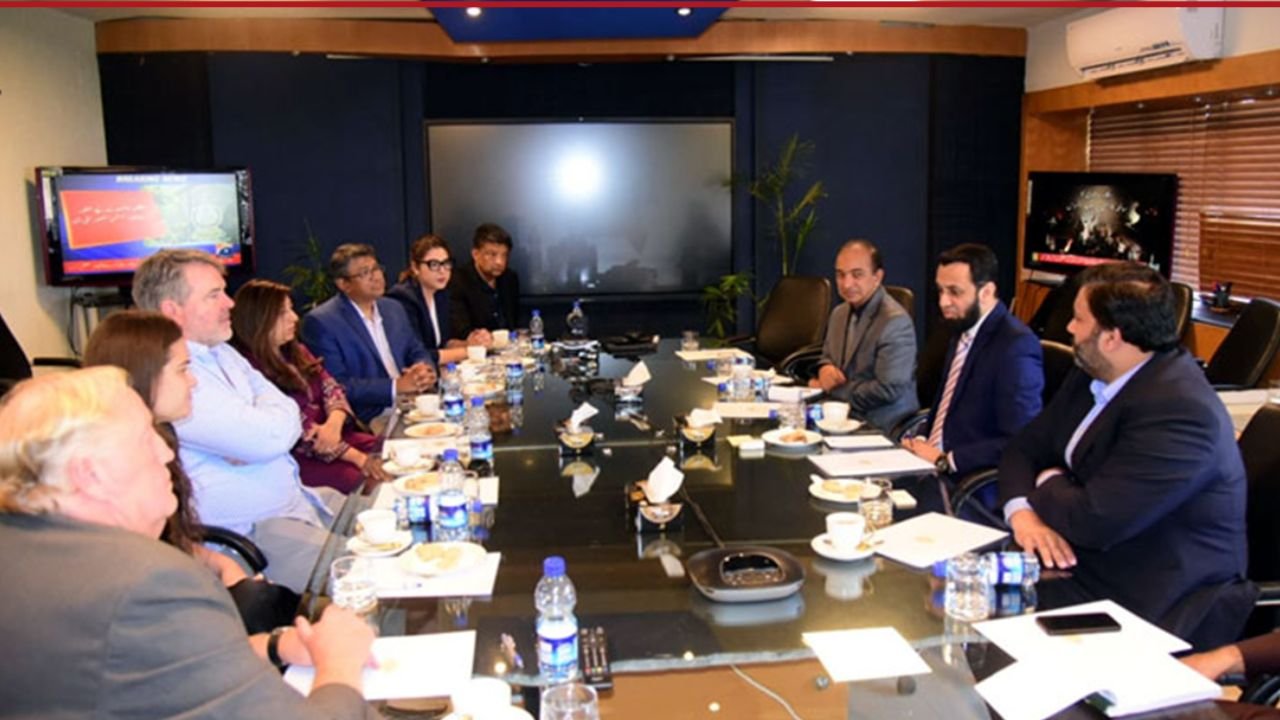
Federal Minister for Information and Broadcasting Attaullah Tarar said on Wednesday that the production of a Hollywood film on Pakistan’s culture will give people around the world an opportunity to know more about the country and highlight its soft and positive image. During a meeting with the members of the Hollywood production team visiting Pakistan to shoot an international film on Pakistani culture, the minister remarked that the film, produced by the Hollywood production team, would represent a significant milestone for the Pakistani film industry.
Discussions were held regarding the great cultural heritage and history of the country. The minister also apprised the production team about the progress in the film industry in the country. Attaullah Tarar thanked the Hollywood production team, stating, “It is a big honour for our culture and people.”
“Our history, literature, music, and art are unique and appreciated worldwide,” The minister said, “I believed that this film would give the world a new opportunity to see the beauty and diversity of Pakistan. He clarified the government’s efforts to revive the film industry while claiming that it was the only one in Pakistan to receive tax amnesty.
Attaullah Tarar also said, “The film policy was reinstated during the previous term of the government led by Shehbaz Sharif.”
. He said, “A film finance fund of rupees one billion was established in the 2022-23 budget, which has greatly benefited the film industry and its related sectors.”
Additionally, the govt introduced medical insurance for artists and tax incentives for filmmakers, which has further boosted the industry. In the 2022-23 budget, the govt also granted a five-year tax exemption to filmmakers and a five-year income tax exemption on the establishment of new film-related businesses.
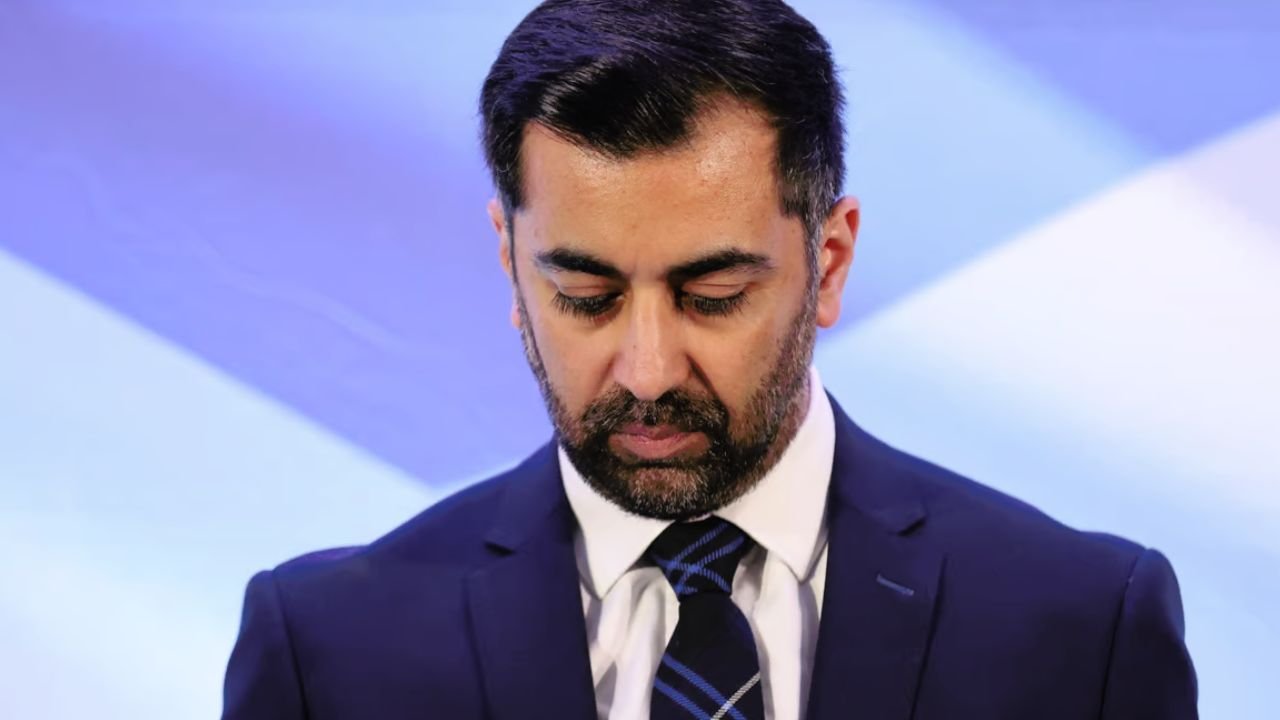
Edinburgh, United Kingdom – Humza Yousaf announced his resignation as Scotland’s first minister on Monday, before he was due to face two confidence votes this week sparked by his ditching of junior coalition partners in a row over climate policy.
The 39-year-old quit following a turbulent year as head of the devolved administration, during which support for his pro-independence Scottish National Party (SNP) has fallen.
Yousaf had been facing growing calls to resign since unceremoniously ending the SNP’s power-sharing deal with the Scottish Greens in the Scottish parliament last week.
His government had earlier abandoned ambitious targets for the transition to net-zero carbon emissions, angering the Greens.
The opposition Scottish Conservatives then lodged a vote of no-confidence in Yousaf, which was due to be held as early as Wednesday and which the first minister was at risk of losing.
Scottish Labour also lodged another no-confidence vote in his government.
The Tories, Labour, Liberal Democrats and Greens had all said they would vote against him in the personal vote, forcing him to seek the backing of the sole lawmaker from the pro-independence Alba party.
Alba’s Ash Regan is a former SNP colleague of Yousaf who ran against him in the March 2023 leadership election to succeed Nicola Sturgeon as first minister.
Yousaf — the first Muslim leader of a major UK political party — said in a statement that he thought winning was “absolutely possible”.
But he added that he was “not willing to trade in my values or principles or do deals with whomever simply for retaining power”.
He added: “I have concluded that repairing our relationships across the political divide can only be done with someone else at the helm.”
Divisions
Yousaf’s pro-independence SNP has 63 members in the 129-seat parliament — two short of a majority. The presiding officer has a casting vote.
Yousaf initially said he had no intention of quitting and intended to win the confidence votes.
But following his announcement, parliament now has 28 days to choose a new first minister.
He only became Scotland’s leader 13 months ago, after Sturgeon sensationally announced she was quitting, citing tiredness after eight years in charge.
Yousaf defeated Kate Forbes and Regan in a bruising contest that highlighted divisions in the party between those on the left wing and others closer to the right.
His leadership was quickly plunged into turmoil when Sturgeon was arrested with her husband, Peter Murrell, over claims of mismanagement of SNP finances.
Murrell was charged in the case earlier this month. Sturgeon has not been charged.
Controversies
Sturgeon had been the figurehead of the Scottish independence movement.
She oversaw a surge in support for the SNP, particularly after Brexit — in which Scotland opposed leaving the European Union — and during the Covid pandemic.
But the SNP, which has run the Scottish government since 2007, has suffered a drop in popularity under Yousaf.
He also came under pressure over controversial new laws which made it an offence to stir up hatred against a number of groups, including transgender people.
The law has been heavily criticised, including most prominently by “Harry Potter” author J.K. Rowling, who lives in Edinburgh.
Relations between the SNP and the Greens were also strained by the recent pause in prescribing puberty blockers in Scotland.
Some within the SNP wanted Yousaf to end the coalition with the Greens because they felt the deal was pulling the party further leftwards.
The SNP’s slump has also come in the context of a resurgent Labour party, which is tipped to win a UK general election due later this year.
Scotland voted against independence in a referendum in 2014, with 55 percent of electors choosing “No”.
The SNP has argued that the UK’s vote to leave the EU in 2016 had put separatism back on the table, because Scotland overwhelmingly voted to remain part of the bloc.
But the party, in power in Edinburgh for 17 years, has struggled to build momentum for another vote, and the independence movement is at arguably its lowest ebb in recent memory.
The Scottish Parliament, re-established in 1999, has limited powers to set policy in areas such as health, education, transport and the environment.
The UK government in London retains powers for countrywide issues such as defence and foreign policy.
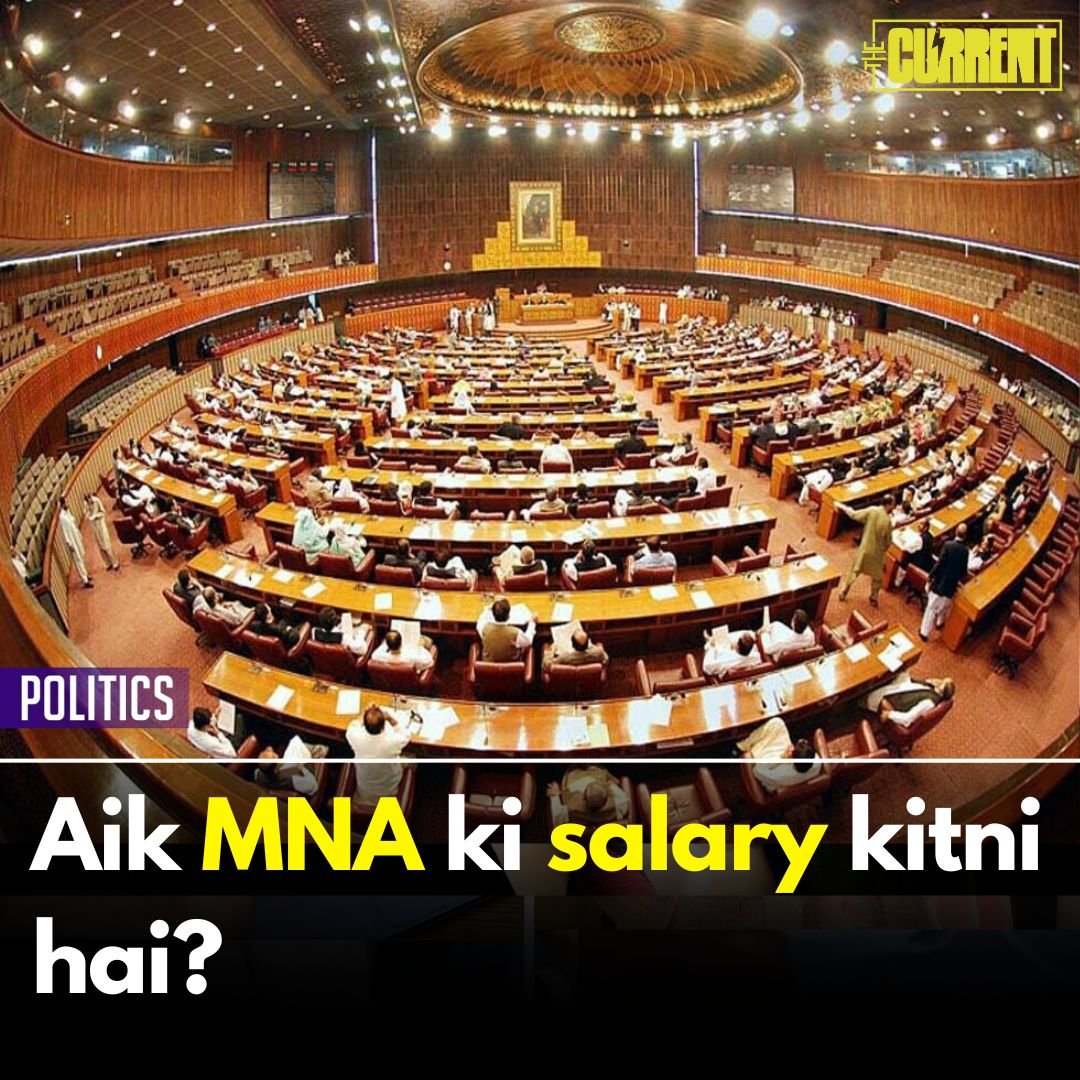
Whenever you start a new job people ask “Salary kitni hai?” Well our newly inducted Members of the National Assembly (MNAs) are being asked the same and we are telling you what their salary is.
Their basic pay is Rs 150,000 while the sumptuary allowance, a benefit granted to several grades of Central Government employees to cover the expenses incurred on entertaining visitors, is 5,000. They also get a telephone allowance of ten thousand rupees and they also get an office maintenance allowance of eight thousand rupees. In addition to this, their ad-hoc relief allowance is 15 thousand rupees.
The breakdown of allowances for attending each session of the National Assembly is as follows:
Daily allowance (special): Rs4,800 per day Daily allowance (ordinary): Rs2,800 per day Conveyance allowance: Rs2,000 per day Housing allowance: Rs2,000 per day
These allowances are dispersed for three days preceding the session and three days following it.
Moreover, MNAs receive additional funds based on their mode of transportation:
By air (business class): Rs150 per kilometer By road: Rs10 per kilometer By rail: An amount equivalent to one air-conditioned class fare and one second-class fare
Additionally, the government provides MNAs with “free travel” vouchers, enabling them to avail Pakistani airline services or Pakistan Railways. The benefits include:
Travel vouchers worth Rs300,000 annually or a cash allowance of Rs90,000 Twenty-five business class return air tickets per year. Furthermore, each MNA is eligible to have a telephone installed free of charge at their residence.
Lastly, MNAs are reimbursed for their medical expenses, ensuring comprehensive coverage for their well-being.
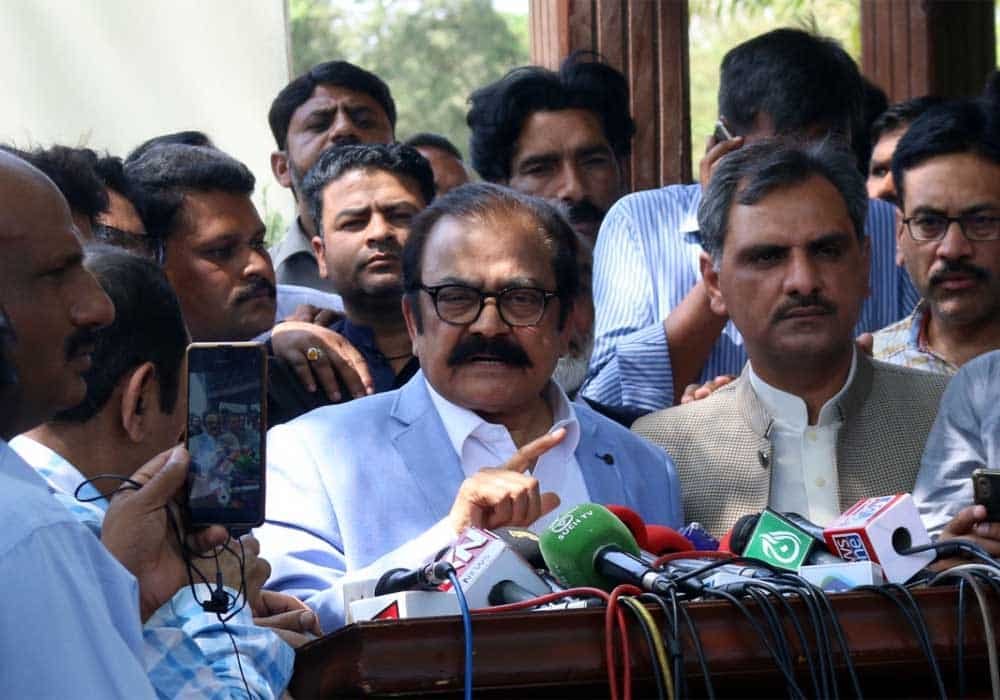
Interior Minister Rana Sanaullah, in an interview with PNN News, turned his guns toward Pakistan Tehreek-e-Insaf (PTI) Chairman Imran Khan and blamed him for all the chaos and polarisation in the country.
ہمارا وجود ختم ہو رہا ہے، اب یا عمران خان رہے گا یا ہم۔ اس کے لئے ہم ہر حد تک جائیں گے پھر یہ بھی نہیں سوچیں گے کہ کیا جمہوری ہے کیا غیر جمہوری۔ رانا ثناء اللہ pic.twitter.com/nXqmUTpMaO
The minister was of the view that till the time Khan is in politics, there will never be peace in the country.
He pointed out that Khan’s supporters considered the government their enemy and there is no solution to this problem.
“Ya woh siyasat se manfi ho jaye gaye, ya hum, “(Either he will be subtracted from politics or us).
Sanaullah also warned the PTI chief that “if they push them back, they would be forced to retaliate and will not care about anything.”
Pakistan is in a deep constitutional and political crisis as the ruling coalition and PTI fight it out. Despite the government’s efforts in the past to talk to PTI, the former ruling party ruled out any possibility.
However recently, Khan has agreed to sit with rival political parties for “greater national consensus” on elections.
But no efforts from both side have been made so far.
Sindh Minister for Revenue Makhdoom Mehboub Zaman gifted a garland made of dollars and a gold tiara to his private secretary Saif Ali Shah at his wedding ceremony in Hyderabad.
Apart from the minister, Member of National Assembly (MNA) Makhdoom Jameel uz Zaman and other officials also participated in the wedding ceremony held in Hyderabad.
سندھ کے وزیر ریونیو مخدوم محبوب الزماں نے اپنے پرائیویٹ سیکرٹری سیف علی شاہ کی شادی کی تقریب میں انہیں ڈالرز کا ہار اور سونے کا تاج پہنا دیا ۔ pic.twitter.com/XwuzFzuZFK
A team from Punjab’s Anti-Corruption Establishment (ACE) was unable to arrest Federal Interior Minister, Rana Sanaullah, on Monday due to the non-cooperation of the Islamabad police.
The establishment’s director Syed Anwar Ali Shah alleged that the capital’s police officers misbehaved with them.
Earlier today, a local court in Rawalpindi directed the ACE team to arrest the minister and present him before the court in a case relating to corruption.
“The police officials neither recorded entry nor departure of the ACE team and nor did they comply with the court’s order,” Shah said.
He stated that his department will inform the court about the day’s events and will devise a strategy as per the court’s orders.
Prior to this, a local court in Rawalpindi, dismissed ACE’s plea seeking contempt of court proceedings against Sanaullah for not appearing in a corruption inquiry.
On Saturday, a judicial magistrate issued a non-bailable arrest warrant for the federal minister over his non-appearance in an anti-corruption inquiry.
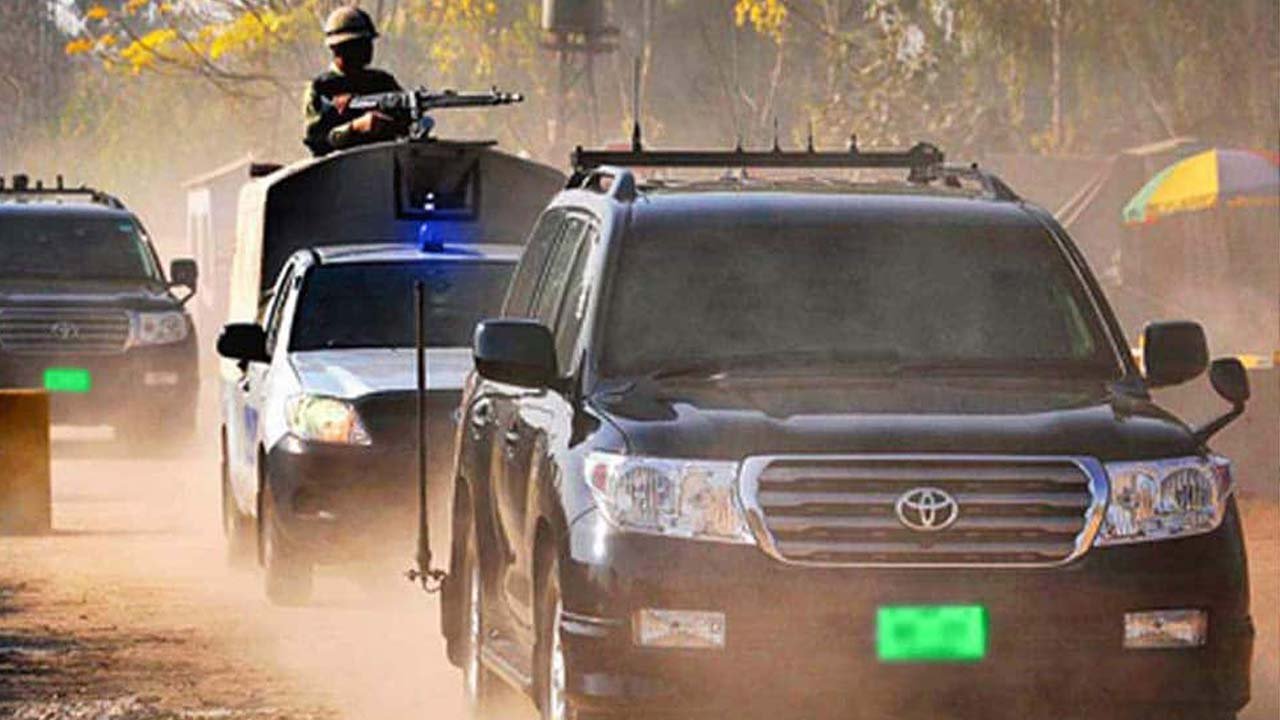
The government is expected to decrease 40 per cent in the petrol quota of the federal cabinet members. According to media reports, it has also been decided to cut the petrol quota of government officials and all ministries.
It is also being proposed that there should be cuts in the electricity, gas, and telephone bills for cabinet members and government officials.
The media reports also suggest that there is expected to be a complete ban on the purchase of new vehicles for all ministries.
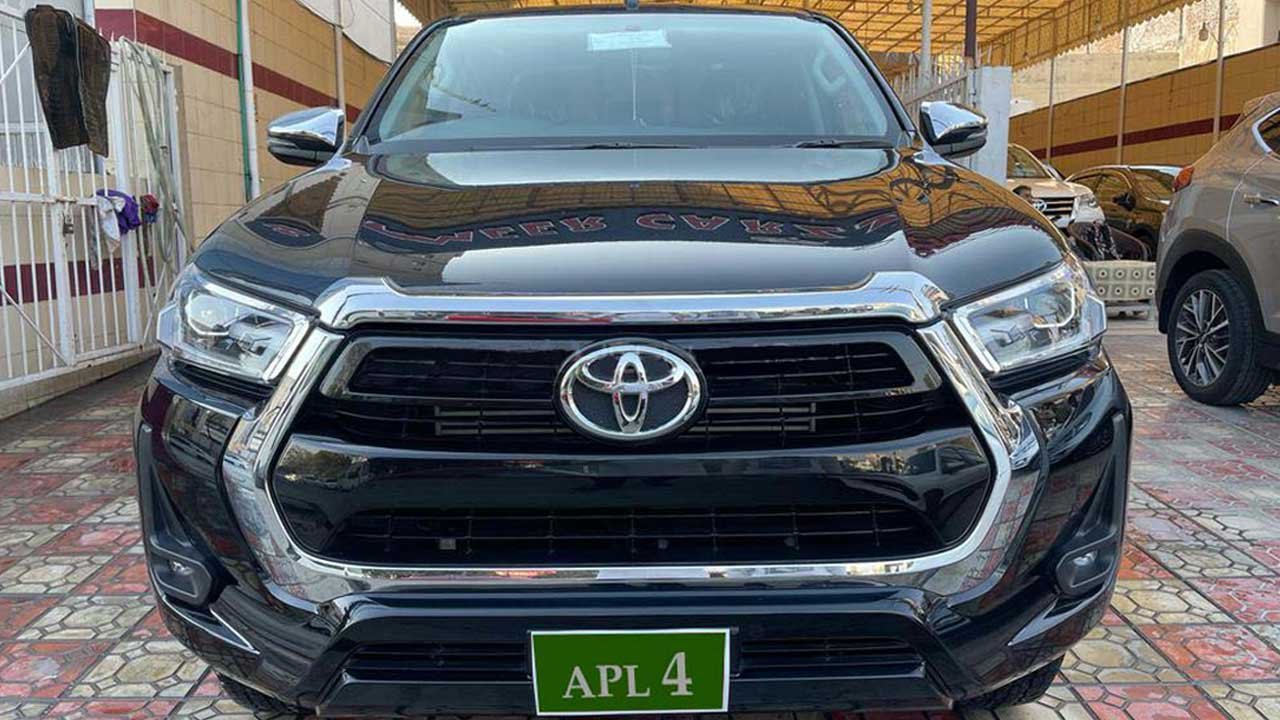
Following the massive rise in prices of petroleum products, Sindh and Punjab have imposed a 40 per cent cut on petrol for cabinet members and Khyber Pakhtunkhwa (KP) 35 per cent.
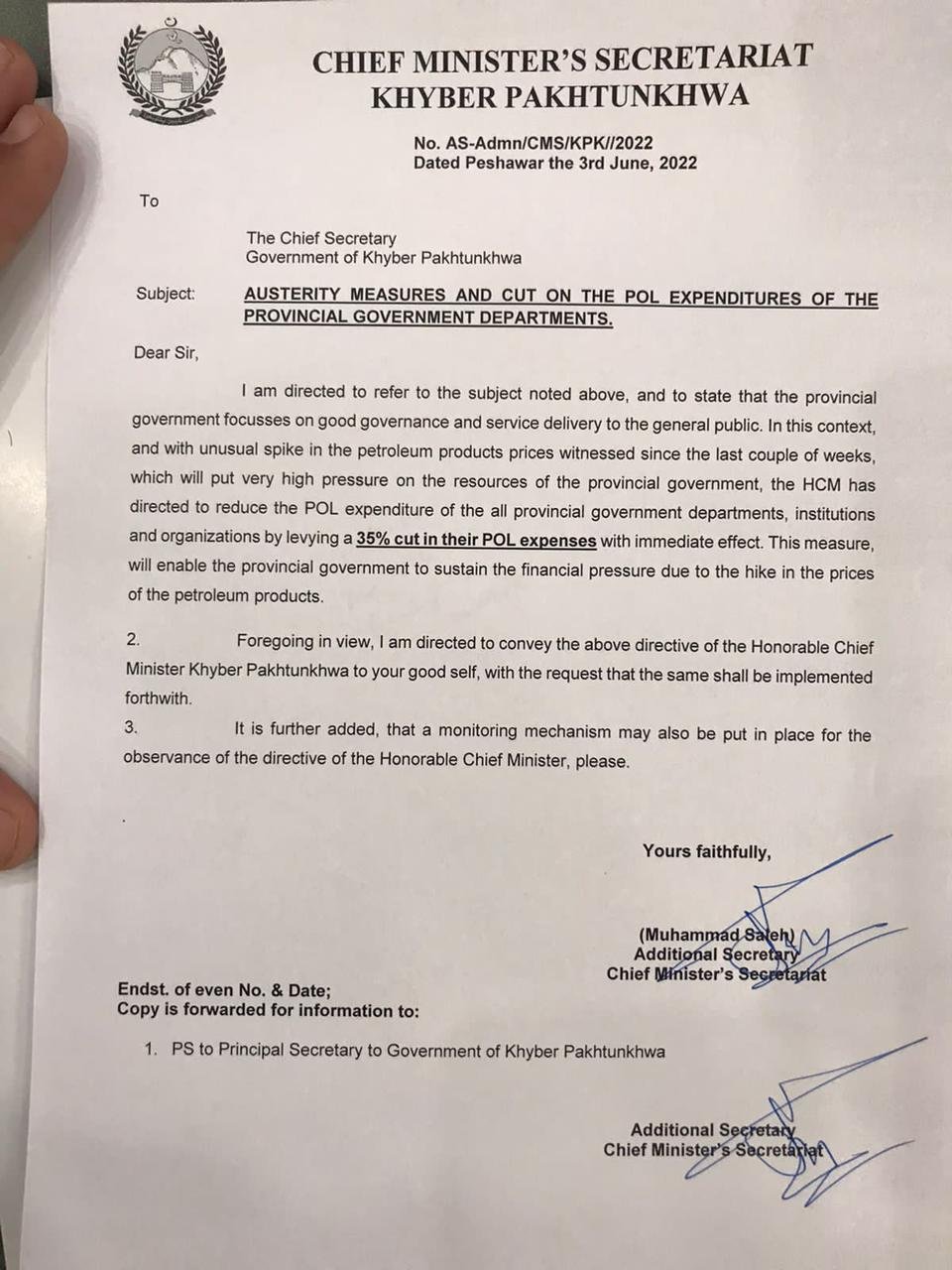
Following Sindh, the Khyber Pakhtunkhwa (KP) government has decreased free petroleum quotas for all provincial government departments, institutes, and organisations.
Chief Minister of KP, Mehmood Khan, has approved a 35 per cent reduction in the free gasoline allotment, according to an official notification issued by the KP Chief Secretary.
The news comes just hours after the Sindh government decided to reduce the Chief Minister’s (CM), ministers’, and provincial government employees’ free fuel quotas.
Keeping in view a substantial spike in POL prices within the last few days, the decision was made to limit spending and decrease the strain on the national kitty.
The latest petrol price hike came just hours after the National Electric Power Regulatory Authority (NEPRA) approved a power tariff hike of Rs7.91 per unit.
Sindh Chief Minister (CM) Murad Ali Shah lowered the petrol allotment of ministers and government officials by 40 per cent this week as part of his moderation campaign following another spike in petroleum prices.
Keeping in view a substantial spike in POL prices within the last few days, the decision was made to limit spending and decrease the strain on the national kitty.
“The rise in petrol price should not be a burden on the exchequer,” Sindh CM Murad Ali Shah said, increasing the treasury’s load entails intensifying the burden on individuals.
To meet the International Monetary Fund’s (IMF) conditions, the government has unleashed another big gasoline bomb on the country after another hike of Rs30. In less than a month, the price of petrol has risen by Rs60 to Rs209.86.
The latest petrol price hike came just hours after the National Electric Power Regulatory Authority (NEPRA) approved a power tariff hike of Rs7.91 per unit.
The price hike sparked riots in Karachi, with protesters wrecking a petrol pump and torching tyres on University Road. Despite expressing their dissatisfaction with the situation, the general public has requested that the government tightens its belt instead of putting the weight on the populace.
CM Sindh reduced the 40 % fuel ⛽️ Quota of cabinet members and government officials due to current inflation on petroleum prices. Purpose of this decision is to reduce financial burden on government.
— Sharjeel Inam Memon (@sharjeelinam) June 3, 2022
Senator Mustafa Nawaz Khokar, a top PPP lawmaker, also shared this attitude, suggesting a 50 per cent wage cut for politicians, generals, judges, and senior bureaucrats.
“Why should common folk shoulder the failures of the political, military and judicial elite? This joke has to end”.
If the average citizen is compelled to narrow his belt, Khokar believes that politicians, generals, judges, and top bureaucrats’ income should be halved and all amenities, including free utilities, should be removed.
The administration warned on June 2 that it would raise fuel prices by Rs30 for the second time in ten days, as an attempt to obtain the remaining funds from IMF.
Official documents revealed that several members of Pakistan Tehreek-e-federal Insaf’s cabinet enjoyed gains in their fortunes during their term in parliament and as ministers, despite being elected on pledges of fighting corruption.
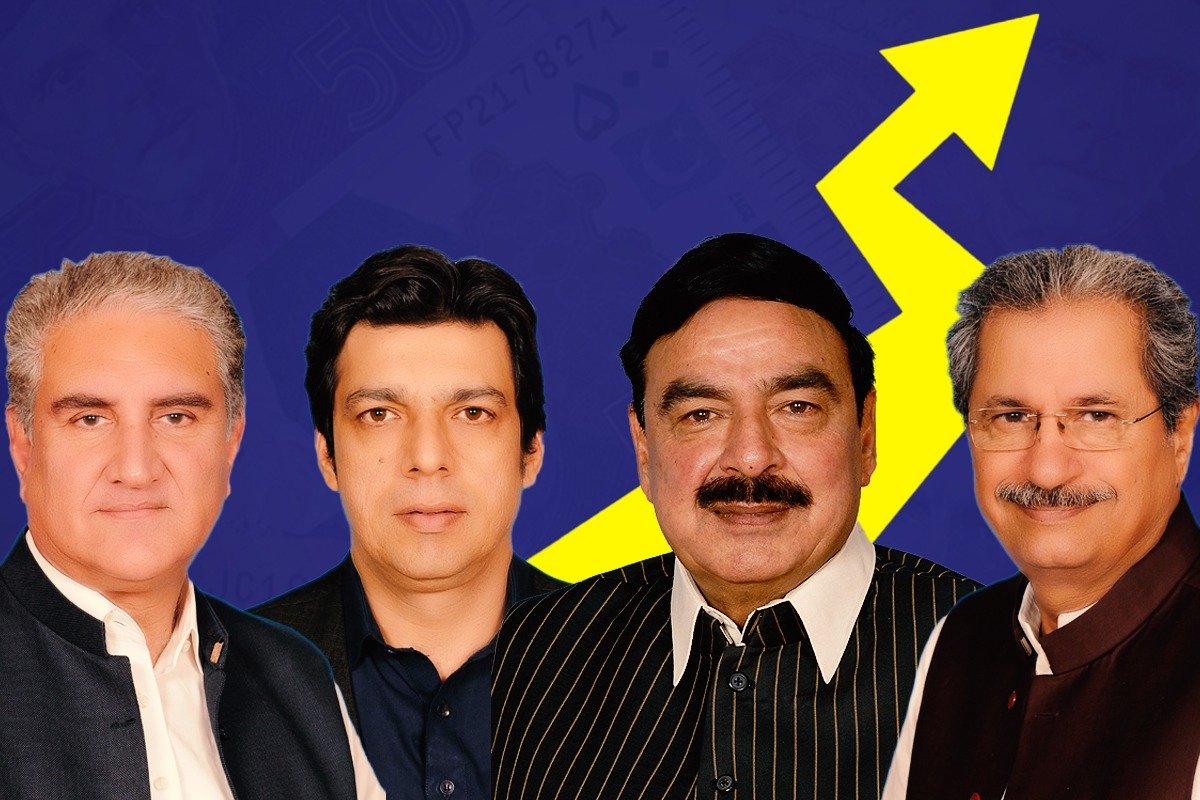
According toSAMAA TV, Shah Mehmood Qureshi and Sheikh Rasheed Ahmad, Omar Ayub Khan, Azam Khan Swati, Khusro Bakhtiar, Faisal Vawda, Shafqat Mehmood, Fehmida Mirza, Zubaida Jalal, Mahboob Sultan, and Tariq Cheema are among the listed former ministers.
Since select ministers received notices to explain their excessive wealth, the majority blamed weak wealth and asset declaration regulations, which did not contribute to increases in the valuation of assets overtime or the amalgamation of entities.
An inquiry into assets spontaneously declared before the Election Commission of Pakistan (ECP) and Pakistan’s tax authorities — primarily the Federal Board of Revenue (FBR) — by cabinet members who worked under former Prime Minister Imran Khan disclosed that plenty of of them saw a tremendous upsurge in their riches, with growth proportions primarily in the triple digits.
As per the official record, the ECP sent notices to at least six former ministers while they were still in government in 2019 and 2020, requesting them to clarify their wealth-related issues.
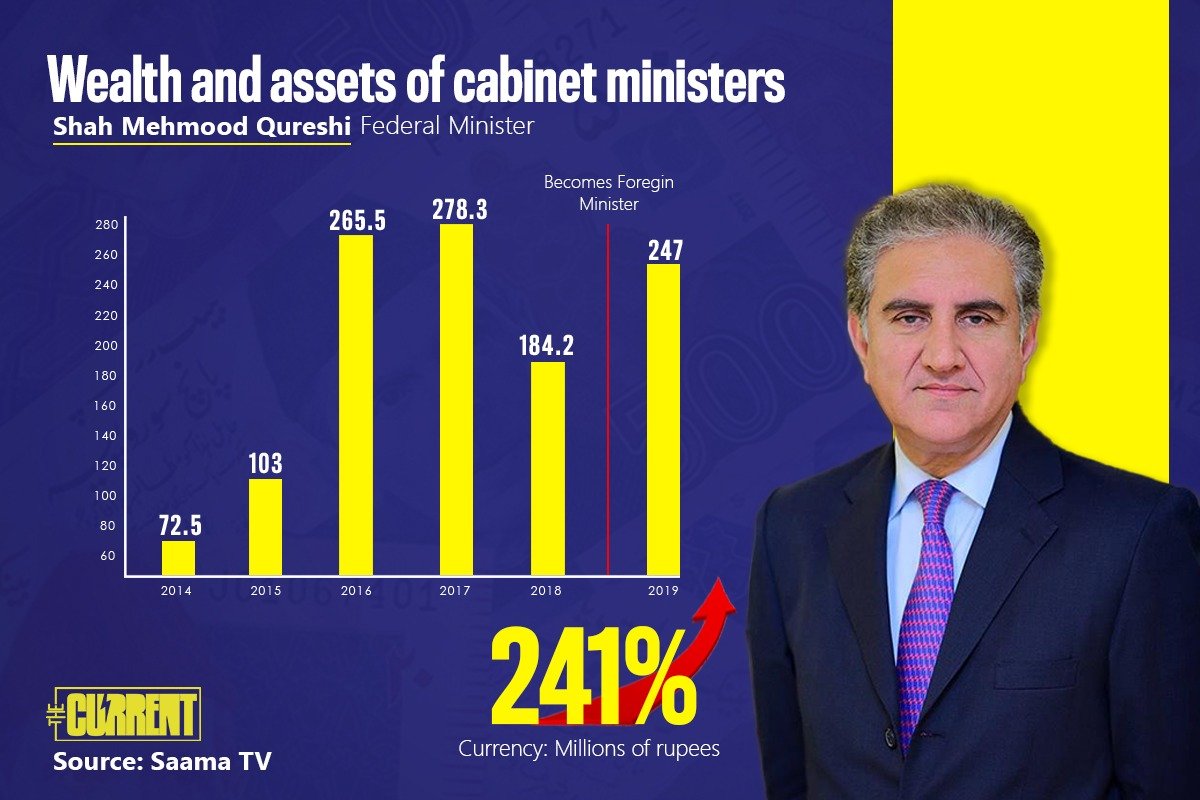
From 2014 to 2019, former foreign minister Shah Mahmood Qureshi, who has been a staple of the parliament for more than a decade and served twice in the federal cabinet in two different governments, had a 241 per cent growth in his wealth.
He and his wife held assets worth only Rs72.5 million in 2014, according to asset declarations he submitted to the ECP and the FBR. In the following three years, his assets nearly quadrupled, reaching Rs278.3 million, a 283.86 per cent increase over his wealth in 2014. Qureshi’s fortune dropped dramatically to Rs184.2 million in 2018, the year he returned to the Treasury benches, albeit with a new party, the PTI. However, while in power, it soon increased to Rs247.1 million in 2019, a rise of 240.82 per cent since 2014.
When questioned, Qureshi recounted how the worth of his assets had evolved over the years.
“The reason for the increase in assets was that during 2015-16, my wife received her share from the sale of property situated in Lahore, which had been gifted by her mother, and shares from sale proceeds of inherited property worth Rs169.6 million and Rs22.6 million,” he claimed. In October 2017, duplicates of sale deeds were handed to the ECP, according to the former minister.
“The ECP raised this observation too,” he said regarding the increase in his wealth, adding, “I and my dependent family members are all filers with the FBR”.
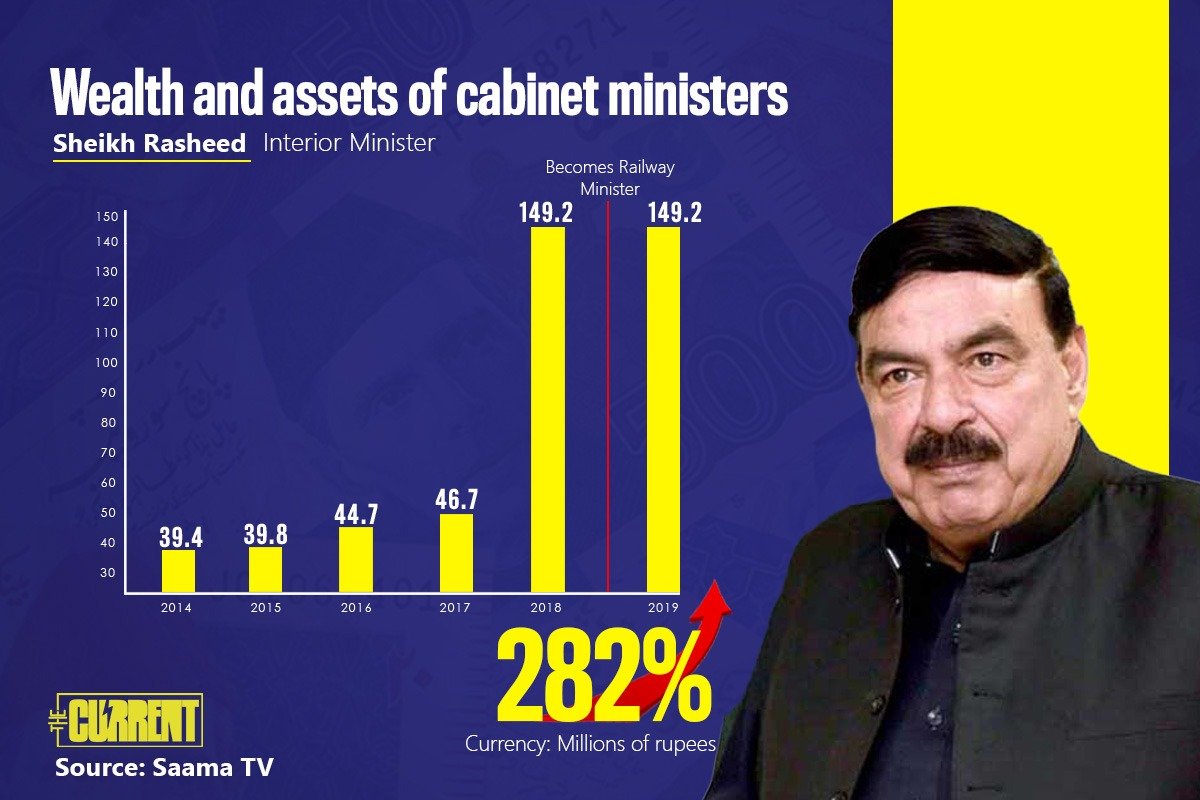
Sheikh Rashid, the former interior minister, watched his fortune increase by nearly 278.68 per cent between 2014 and 2019.
The financial disclosures for 2014 revealed that he only had Rs39.4 million in assets. Earnings climbed by Rs0.4 million to Rs39.8 million. His holdings steadily expanded over the next two years, reaching Rs44.7 million in 2016 and Rs46.7 million in 2017.
Conversely, in 2018, the time he was elected to power, his assets boosted by Rs100 million to Rs149.2 million. In 2019, there was no movement in reported assets. After inquired why his assets had suddenly changed, Rashid said that the discrepancy was due to an advance payment he had obtained for reselling a portion of land in 2018.
“I received Rs100 million as advance after making a deal of land to be sold last year, [2021],” he said, adding, “There is no such increase in my assets”. The former interior minister stated that the rise in his declarations submitted with the FBR and the ECP had been properly disclosed.
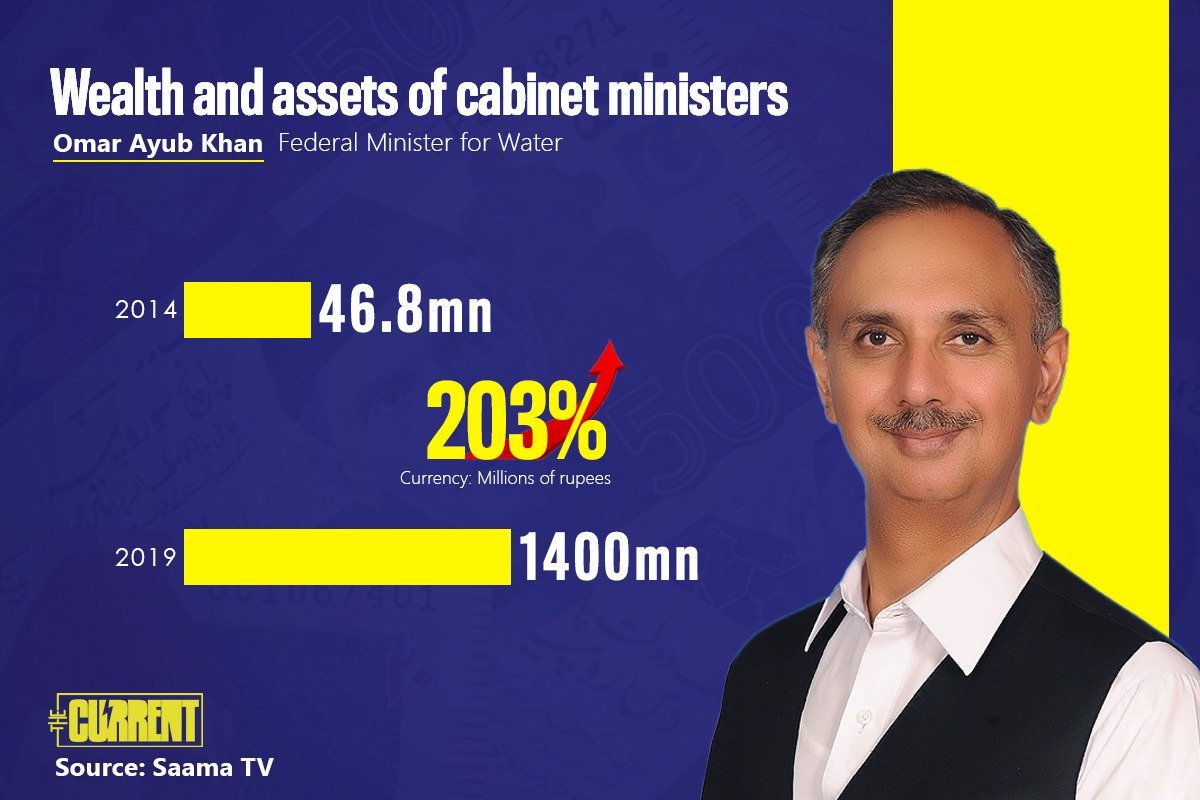
Between 2014 and 2019, the fortune of former federal minister of water Omar Ayub and his wife jumped by 203 per cent.
As per Ayub’s filings to the ECP and FBR in 2014, he and his wife held assets worth Rs461.8 million. This comprised Rs132 million in assets held by his wife and Rs329 million in assets owned by the minister. This value had risen to Rs1.4 billion by 2019. Surprisingly, while his wife’s holdings increased slightly to Rs201 million, Ayub’s assets increased to Rs1.2 billion. Each has debts worth only Rs26.3 million, according to the disclosures.
As a result, the ECP expressed concerns about Ayub’s and his family’s unexpected surge in wealth.
“It was explained to the ECP in 2019 that it [increase in wealth] is because of group formation having no cash involvement,” Ayub said, confirming that the top poll body had issued him a notice on this subject. Ayub claimed that he owned shares in Nova Synpac Ltd. and NovaGene Pharmaceuticals Ltd., which increased in value by approximately Rs1.071 billion.
“My assets have decreased (excluding this group formation) since I took an oath as a minister because I resigned from my group,” he claimed, adding that the increase was due to the consolidation of all of his businesses under the group.
“This cannot be reflected in a declaration, which is always a reflection of statements submitted to the FBR and there cannot be any difference [between them] otherwise it would have been challenged there,” he explained.
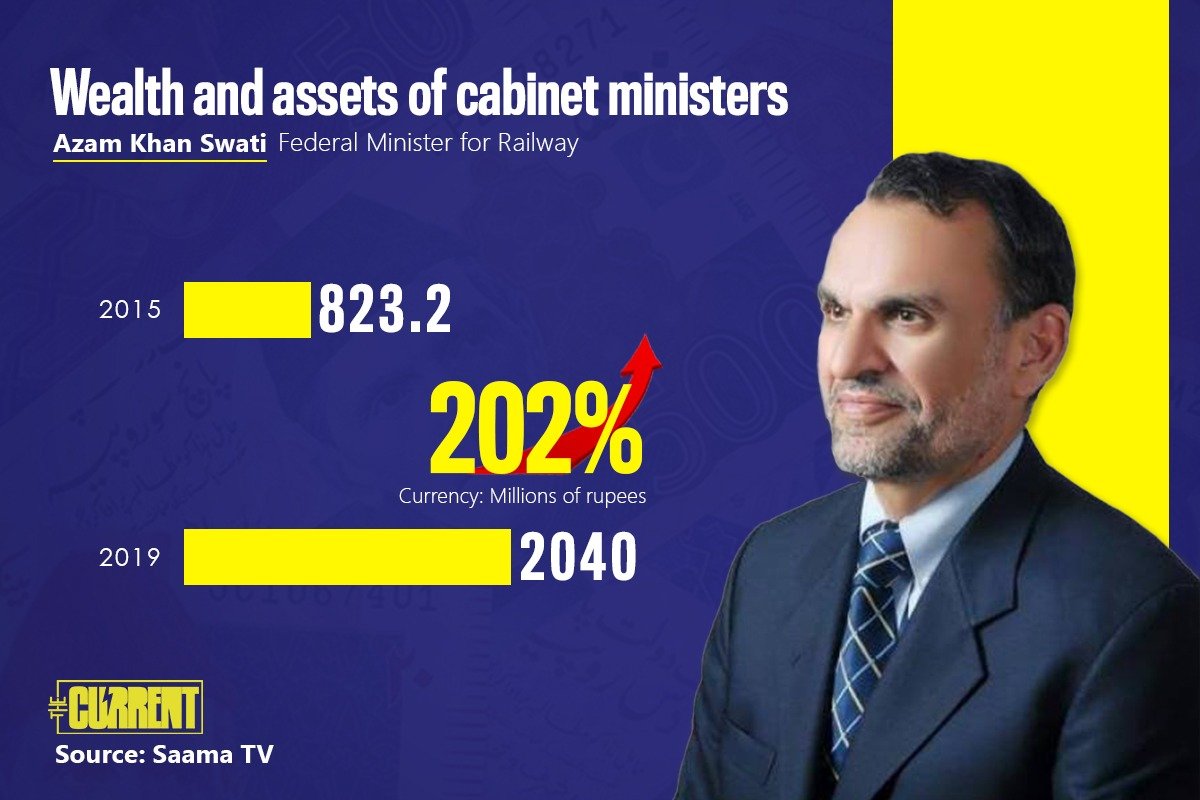
Azam Swati, the former federal railways minister, saw his fortune grow by 202 per cent from Rs823.2 million in 2015 to about Rs2.04 billion in 2019. He reported that his liabilities increased from Rs417 million in 2015 to Rs811 million in 2019.
“[Your] figures are wrong due to incomplete information being furnished before ECP by members and cabinet members owing to faulty legal requirements mentioned in ECP Act 2017,” he explained.
He further said that his situation was slightly unusual. “In Pakistan, I have no income and no business.” I am confident that our FBR wealth statement [filed] will be compared to ECP in 2019 [asset declarations],” he remarked, worried that the statistics may contain a few errors.
“ECP has no efficiency and capability to audit assets and liabilities,” he disclosed, adding, “We were making mistakes filing combined [wife and husband together]”.
“Now we have corrected the mistake and filed separately because the wife is not dependent,” Swati told SAMAA TV.
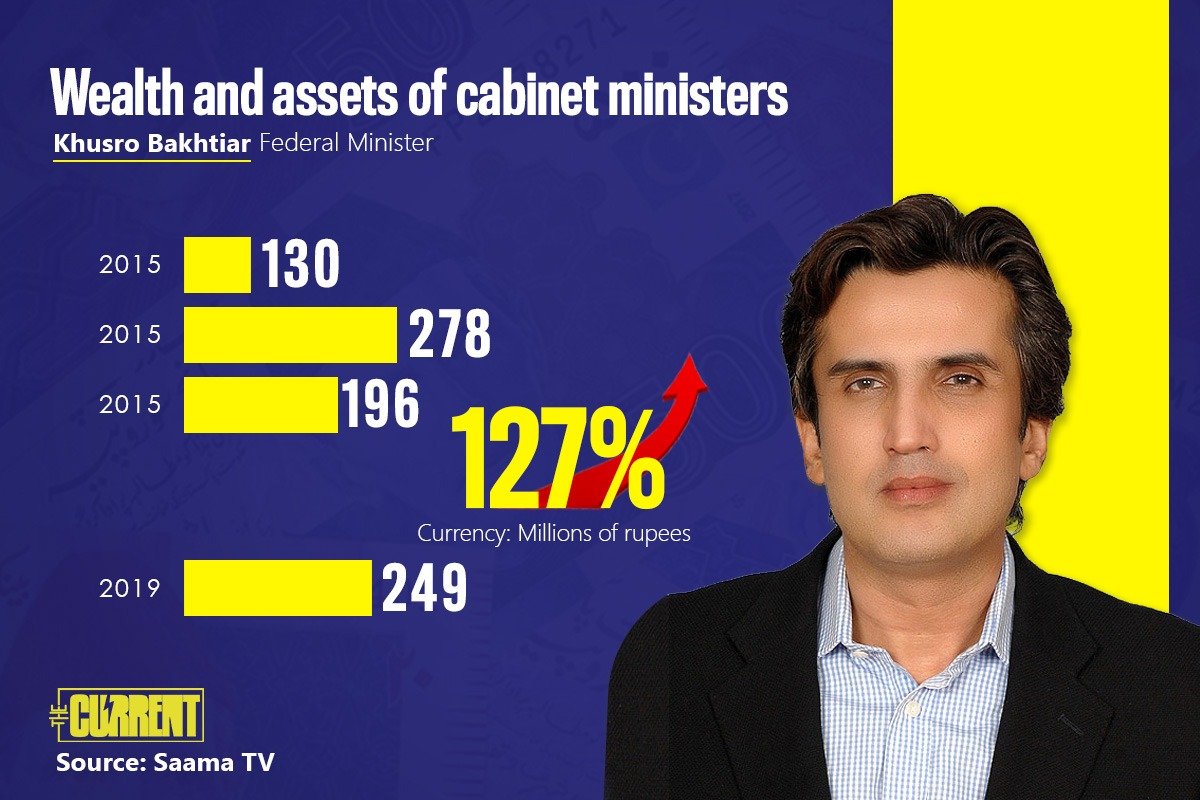
Khusro Bakhtiar, the former federal commerce minister, saw his fortune rise by 127.8% from Rs109.3 million in 2013 to Rs249 million in 2019. In 2014, he had assets of Rs130 million, which more than doubled to Rs278 million in 2015, shrank to just Rs196 million in 2016, and then surged again in the next three years.
“Increase in assets were mainly comprised of [various] sources during the year 2014 to 2019,” he told SAMAA TV, detailing that these sources included savings from agricultural income, proceeds from the sale of land worth Rs40 million, other sources which contributed Rs20 million.
Bakhtiar also claimed that he actually paid Rs27.5 million in agricultural taxes from 2017 to 2020, and that he owed Rs60 million in 2016.
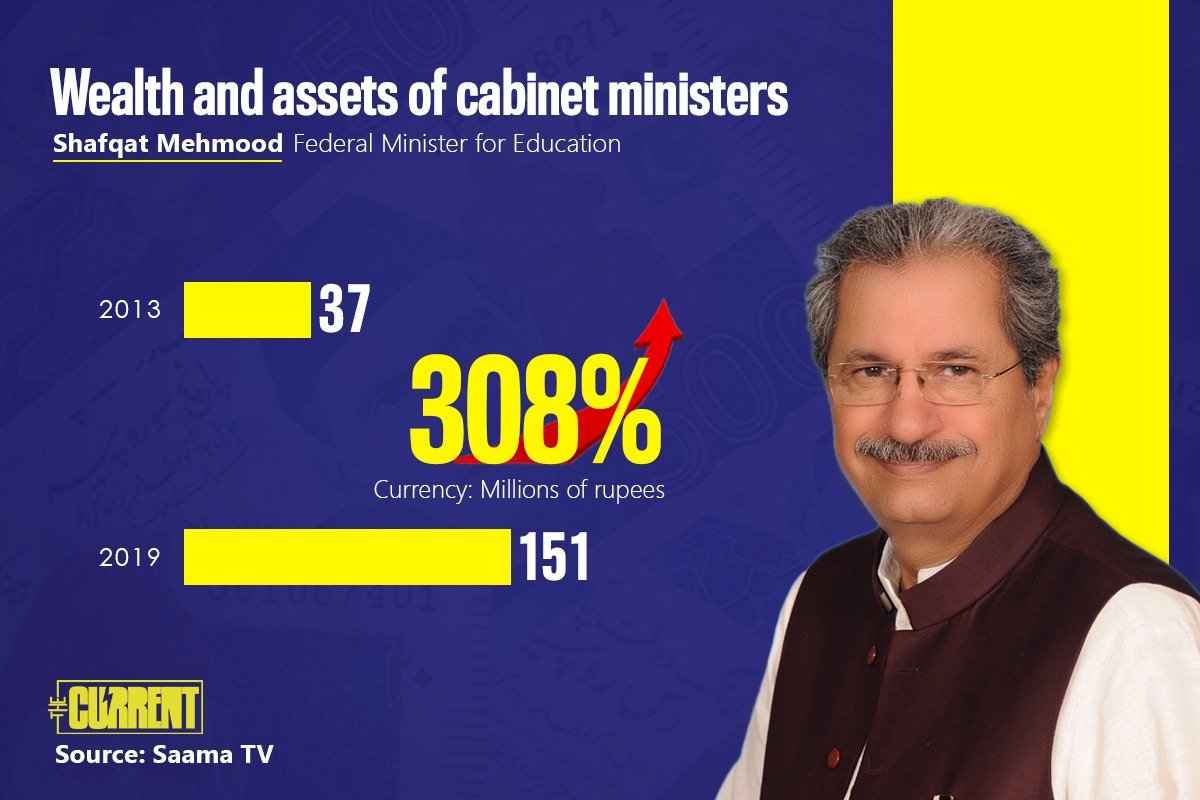
Former federal minister for education Shafqat Mahmood and his family had a 308 per cent growth in asset valuation between 2013 and 2019, making them one of the most successful federal ministers in terms of percentage increases. According to Mehmood’s filings, his and his family’s assets were valued at just Rs37 million in 2013, but had grown to Rs151 million by 2019.
“My assets have not changed since 2013 onwards,” Mehmood asserted, explaining “The change that you see is the cost re-evaluation from purchase price to market price”. The ex-minister further said that he has 360 kanals of hereditary land, a few more plots, and automobiles that he never assessed.
“There will, of course, be some variation regarding bank accounts. There will also be a slight difference in detail offered to FBR and ECP with regards to bank accounts,” he maintained. He went on to say that in his previous disclosure, he had combined the amounts in all of his bank accounts to present a single total.
“My wife is a distinct taxpayer because she works, but I have included her assets as well”, he explained.
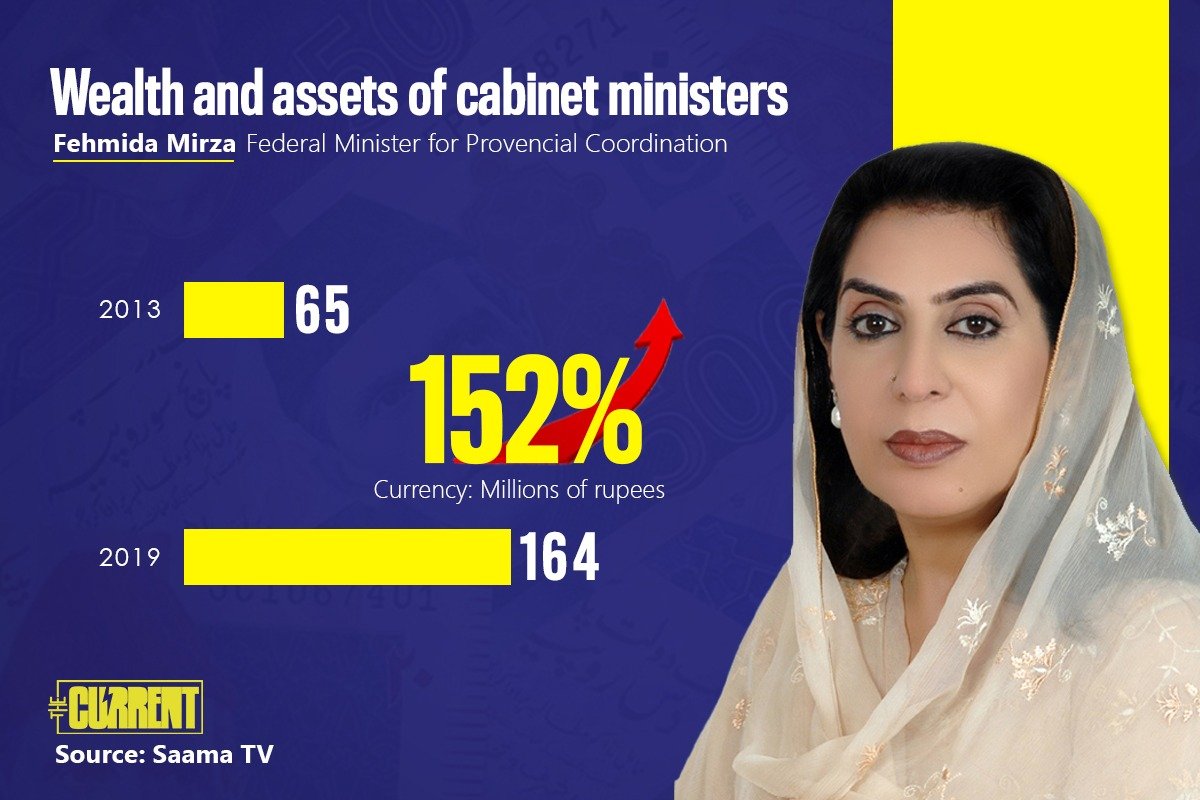
Fehmida Mirza, the former federal minister for interprovincial coordination, had a similar scenario, with her net worth rising from Rs65 million in 2013 to Rs164 million in 2019.
“I did not see any rise in my assets and wealth at all,” she told SAMAA TV. She did, although, reveal that she had sold some property in Pakistan in order to purchase a home in the United Kingdom.
“This new increase in my assets has already been declared with the FBR and the ECP,” she stated.
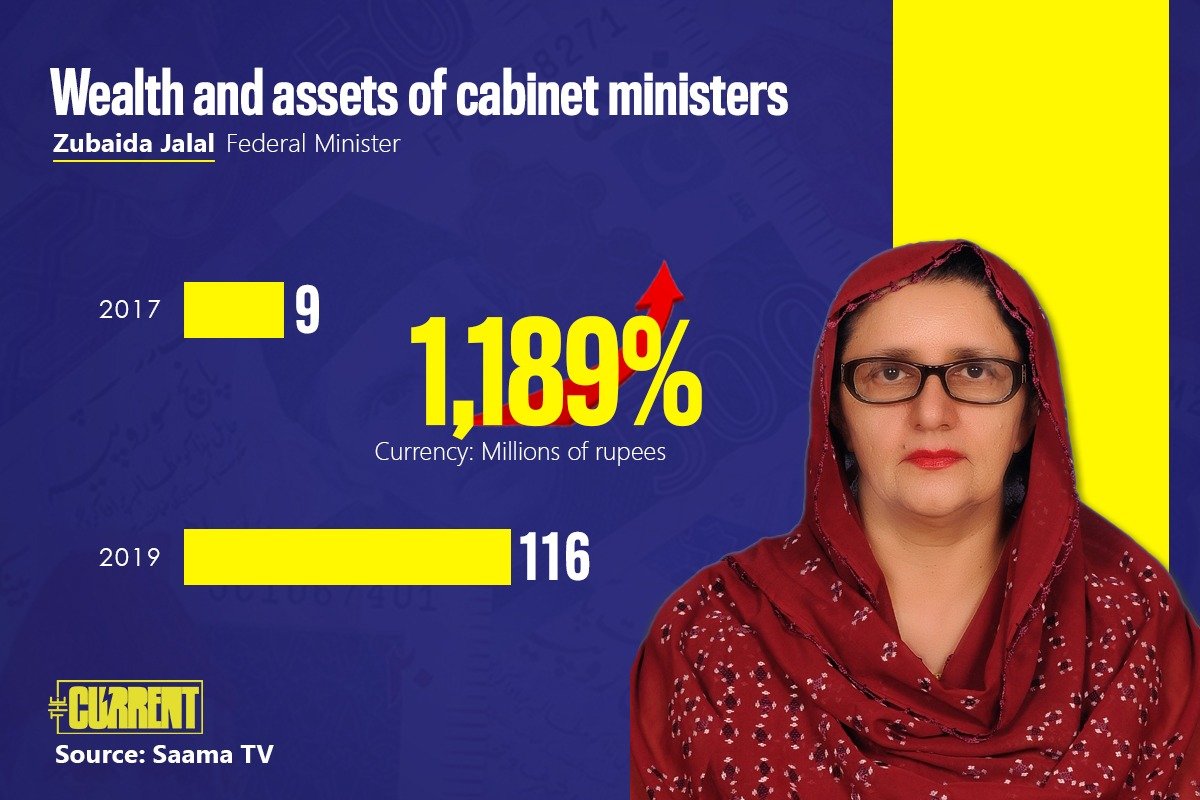
Contrary to the PTI’s cabinet’s millionaire members, one of the “weakest” members of the federal cabinet, former federal minister Zubaida Jalal and her husband, had a 1,189 per cent growth in their fortune in a short period of time. Their riches increased from Rs9 million to Rs116 million in 2019.
Jalal, on the other hand, described the quick spike in wealth as the outcome of changes in declaration requirements.
“There is no big difference in my assets’ declaration” she asserted while speaking to SAMAA TV. The value of immovable assets was not mentioned in data provided in past elections, she said, noting that the ECP declaration requirements changed over time.
“[We are] required to mention values of assets in the asset declaration for this time,” she stated. She explained that the variations in asset values were attributable to market forces working on enterprises.
“Ups and downs will keep happening [in mining operations and business],” she said, as she reminded that her husband owns the National Coal Mining Company since the 1960s.
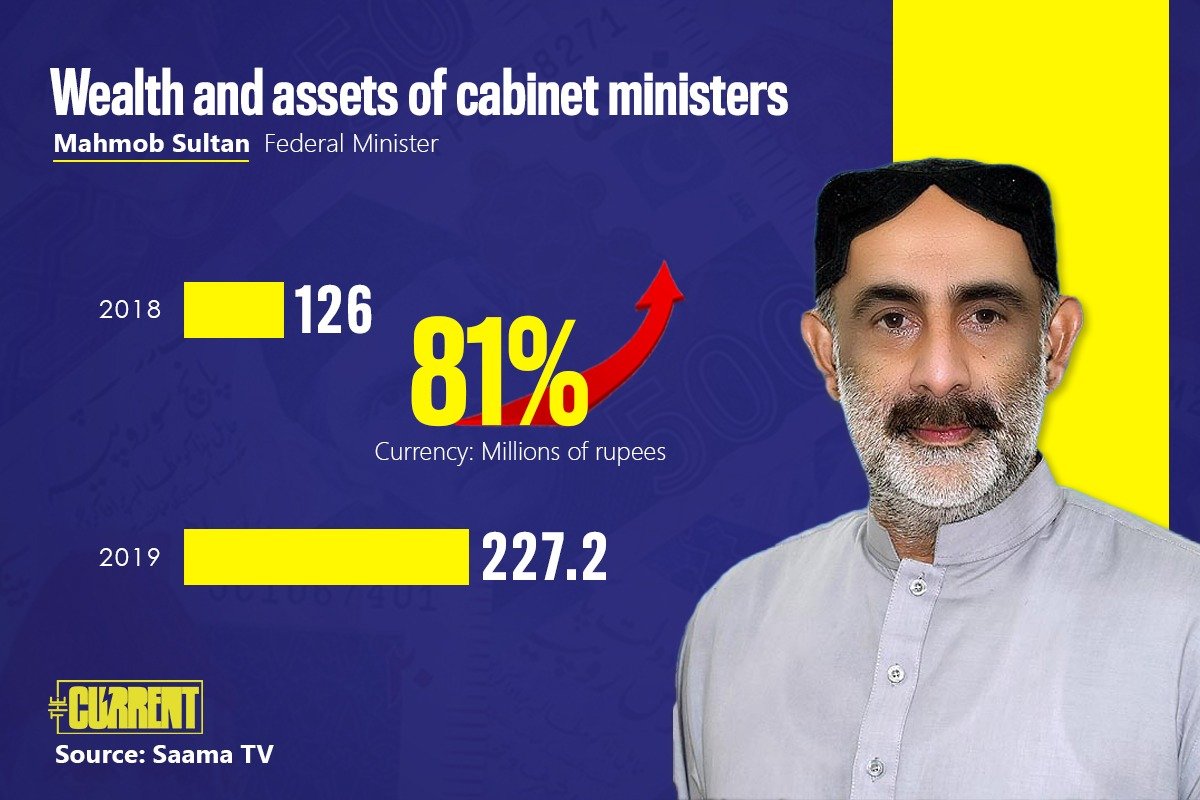
Former state minister Mahboob Sultan was one among the ministers who saw only double-digit asset growth. Only 81 per cent of his assets increased from Rs126 million in 2018 to Rs227.2 million in 2019. It’s worth noting, however, that his growth of nearly Rs100 million occurred while he was in the cabinet of ministers.
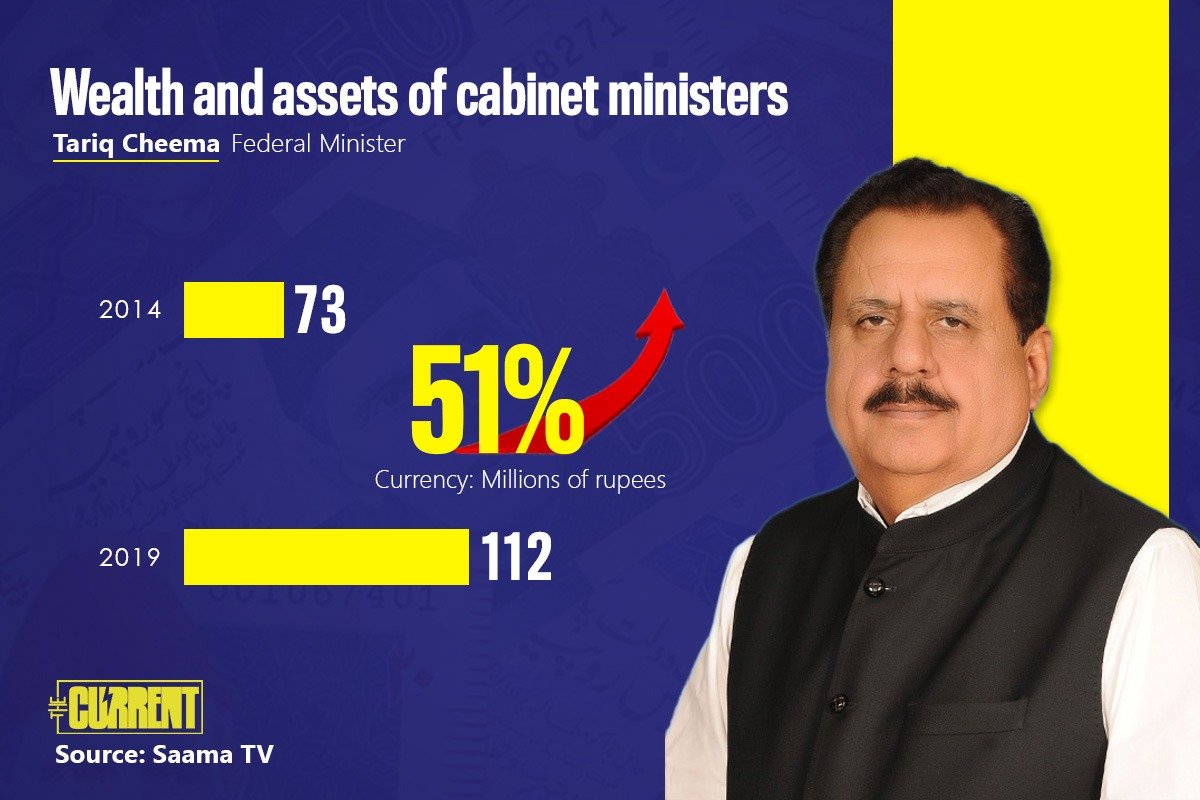
Tariq Cheema, the former federal minister for housing and infrastructure, showed the smallest growth in his wealth, going from Rs73 million in 2014 to Rs112 million in 2019. He did not, however, assess the value of his inherited assets and report them to the electoral or tax authorities.
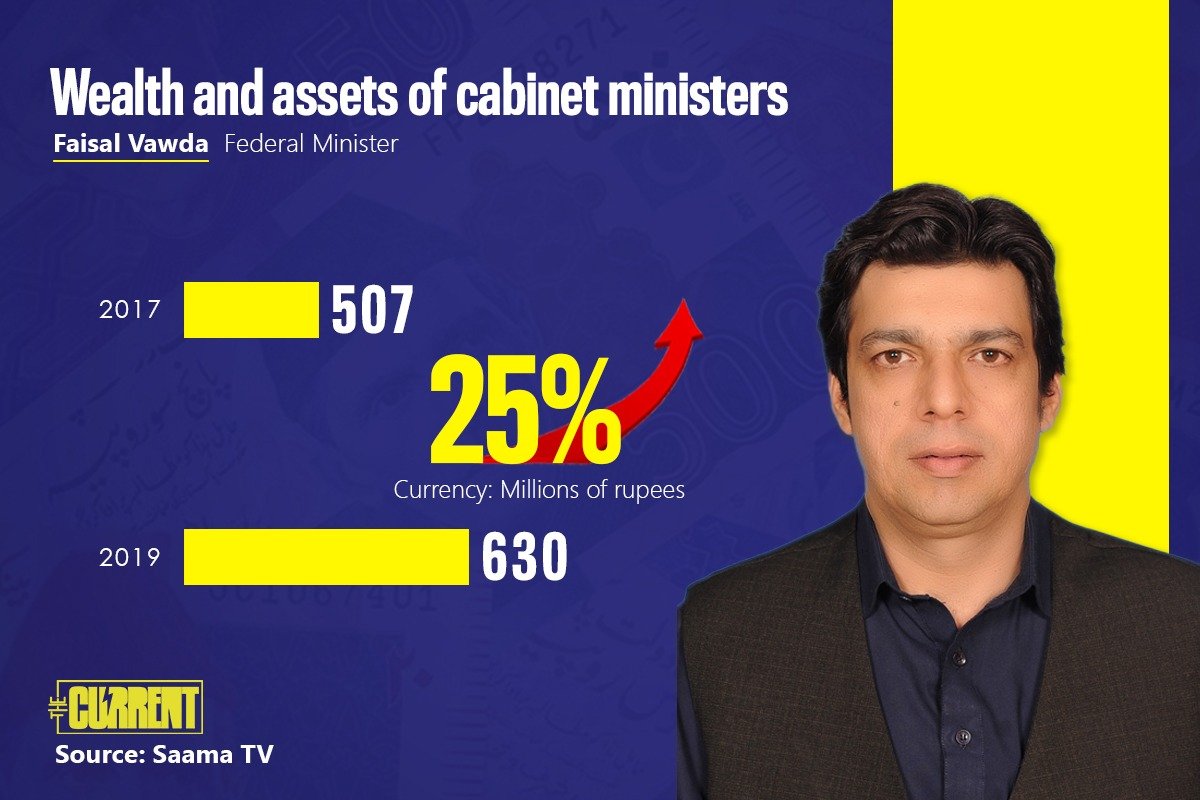
Former federal minister Faisal Vawda and his family witnessed their fortune increase by 25 per cent from Rs507 million in 2017 to Rs630 million in 2019. He was among the most controversial cabinet ministers who were eventually dismissed by the ECP.
Despite multiple requests from SAMAA TV, neither Sultan, Cheema, Vawda, nor an ECP official have commented on inquiries regarding their wealth.