Tag: ministry of Commerce

  • ECC approves Rs7.49 billion Ramzan Relief Package

    ECC approves Rs7.49 billion Ramzan Relief Package

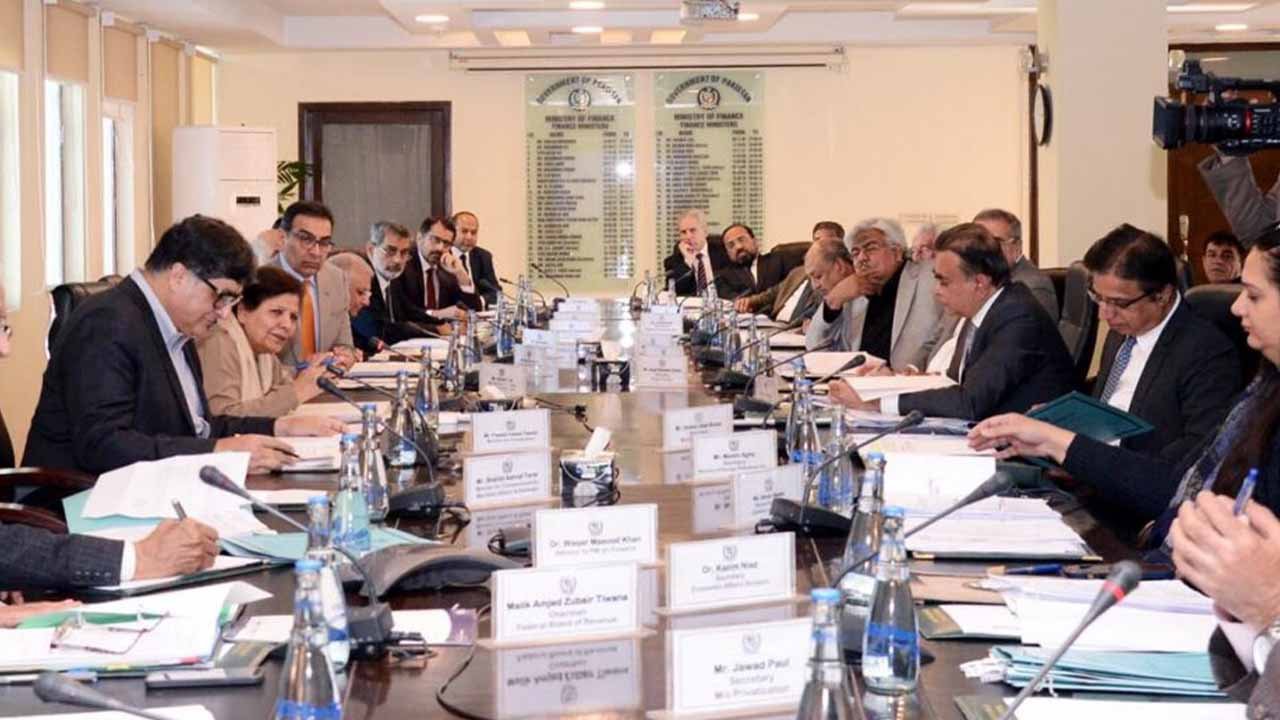
    In a significant move to provide relief to the general public during the upcoming Ramazan, the Economic Coordination Committee (ECC), in its latest meeting chaired by the Federal Minister for Finance, Revenue, and Economic Affairs, Dr Shamshad Akhtar, approved the Ramzan Relief Package-2024.

    The approved package, with a net amount of Rs7.49 billion, is specifically designed to benefit targeted beneficiaries of the Benazir Income Support Programme (BISP). This allocation is part of the budget for the fiscal year 2023-24.

    During the meeting, the committee also discussed and gave the green light to a summary from the Ministry of Commerce’s Tariff Policy Wing.

    The summary pertained to “Individual Tariff Rationalization Proposals from Different Sectors for Review of Custom Duties.” Following thorough deliberations, the committee advised that tariff rationalization should be coordinated with the overall trade policy.

    Furthermore, a proposal related to the “Permission to Import Wheat and Export of Wheat Flour under Export Facilitation Scheme 2021” was presented by the Ministry of Commerce.

    The ECC not only approved this proposal but also directed the relevant ministries to prepare comprehensive plans aimed at enhancing opportunities for value-added exports.
  • Pakistan imposes minimum export price on onions to tackle soaring local prices

    Pakistan imposes minimum export price on onions to tackle soaring local prices

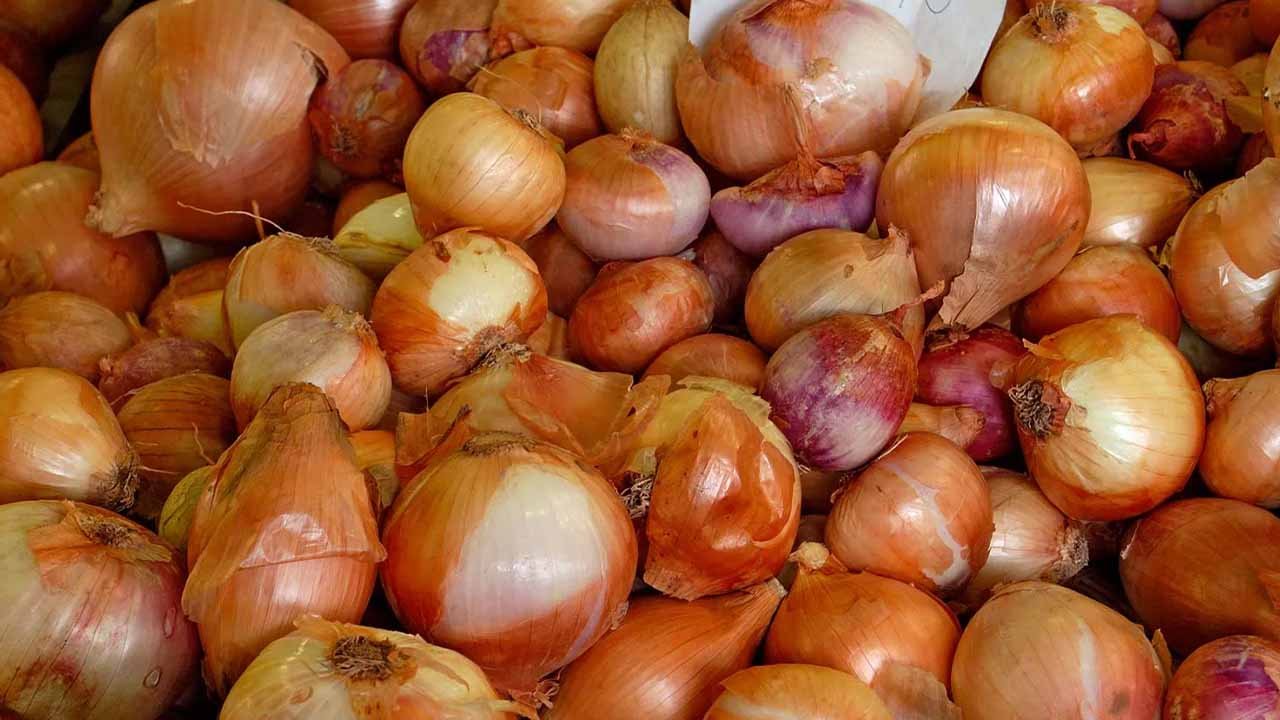
    In a move aimed at stabilising local prices, the government announced on Friday the establishment of a minimum export price for onions and shallots at $1,200 per metric ton.

    The notification detailing this decision was issued by the Ministry of Commerce.

    This decision comes in response to the escalating local prices of onions and shallots, driven by a surge in demand in international markets.

    Exporters operating in the domestic market have been capitalising on India’s ban on the export of these items, resulting in a shortage for local consumers.

    The latest weekly inflation figures, ending on January 11, 2024, revealed a 1.36 per cent week-over-week increase in the Sensitive Price Indicator (SPI) for the Combined Group. Notably, the second-highest surge among all 51 items was witnessed in onion prices, which rose by 8.94 per cent.

    This move by the government is strategically designed to curb the impact of export-related activities on local availability and pricing, with a focus on maintaining stability in the market.

    The Ministry of Commerce’s notification underscores its commitment to addressing the challenges posed by increased international demand and its repercussions on the domestic front.

    As authorities strive to strike a balance between facilitating exports and ensuring the availability of essential commodities for local consumers, the implementation of the minimum export price serves as a significant step in mitigating the adverse effects of market dynamics on the pricing of onions and shallots within the country.

  • Pakistani rupee appreciates by Rs5.07 against US dollar in five days 

    Pakistani rupee appreciates by Rs5.07 against US dollar in five days 

    The Pakistani rupee (PKR) showed a notable increase in value against the US dollar (USD), appreciating by 5.07 PKR in five days to reach a closing rate of 277.62 PKR per USD on Friday. This stands in contrast to the previous week’s closing rate of 282.69 PKR per USD.

    In today’s interbank trading session, the local currency exhibited a gain of 96 paisa. It reached an intraday high (bid) of 278.5 PKR and a low (ask) of 287.55 PKR.

    In the open market, exchange companies adjusted their rates, with the rupee strengthening by 1 PKR. These companies quoted the dollar at 274 PKR for buying and 277 PKR for selling, as opposed to the prior rates of 275 PKR for buying and 278 PKR for selling.

    This increase in the value of the rupee can be attributed to several factors. Notably, there has been a concerted effort, backed by the military, to curtail illegal outflows of US dollars from the country.

    Additionally, the government has implemented various measures aimed at bolstering the local currency.

    Addressing concerns related to Afghan transit trade, Pakistan’s Ministry of Commerce recently took a significant step by imposing a ban on 212 items that were previously imported into Afghanistan through Pakistan under the Afghan transit trade agreement.

    This move, enacted through a Statutory Regulatory Order (SRO) issued on October 3, was executed in accordance with the authority granted by the Imports and Exports (Control) Act of 1950.

    Furthermore, the Federal Board of Revenue (FBR) has imposed a 10% processing fee on five key categories of Afghan transit commercial goods imported into Afghanistan via Pakistan.

    In parallel, the State Bank of Pakistan has introduced recent reforms aimed at consolidating and redefining various types of exchange companies into a single category. These changes come with well-defined mandates and higher capital requirements, ultimately contributing to a more transparent financial landscape.

  • Pakistan to import vegetables from neighbouring countries to overcome shortage

    Pakistan to import vegetables from neighbouring countries to overcome shortage

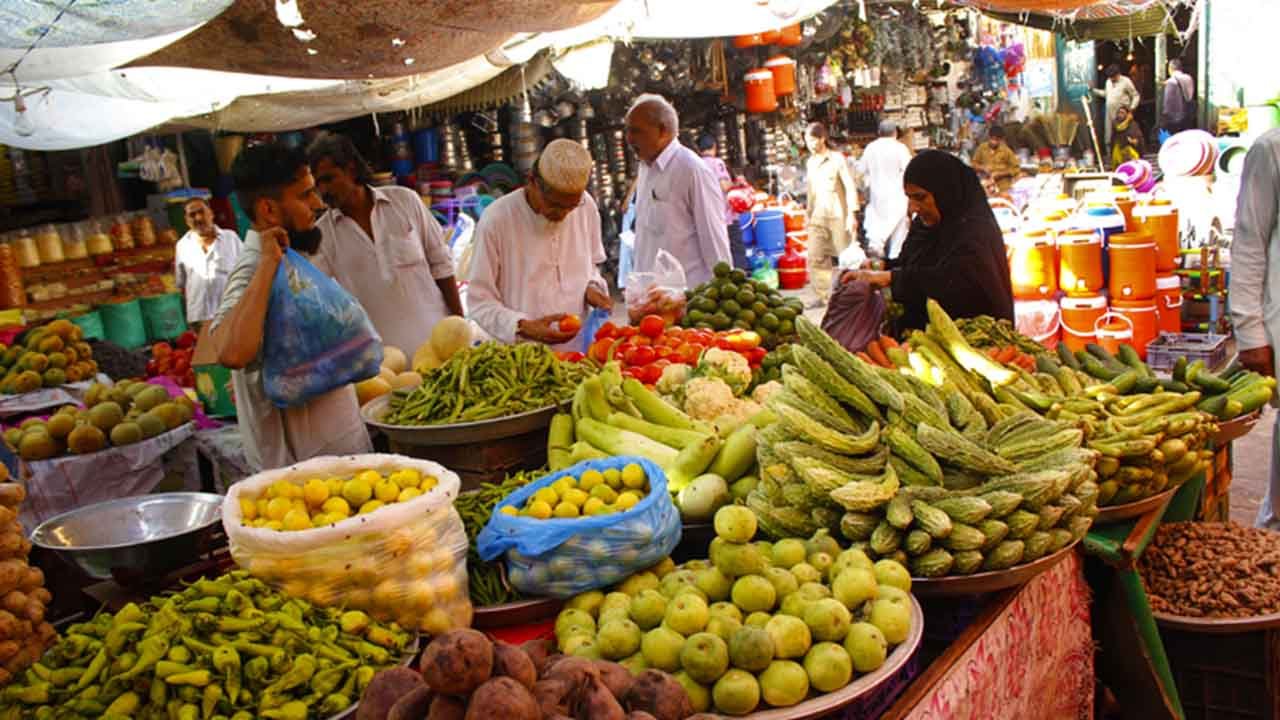
    After devastating floods ravaged the nation, Pakistani officials made the decision to import onions and tomatoes from Iran and Afghanistan due to the rising prices and imminent food crisis.

    The production and supply of vegetables and other crops has been impacted by the recent torrential rains and flooding.

    At a meeting presided over by Commerce Minister Naveed Qamar, the Ministry of Commerce made the announcement. The minister also examined the country’s supply of tomatoes and onions.

    To address the nationwide demand for these crops, the session voted to facilitate the import of onions and tomatoes from Afghanistan and Iran.

    According to The News, the panellists predicted that there will be a tomato and onion shortage in the nation within the next three months. They also stated that because recent flooding has harmed crops, a shortage and price increase are anticipated.

    The News reports that the importation of tomatoes and onions will help to uplift their availability and maintain their pricing.

    The Ministry of Commerce would collaborate with the FBR and the Ministry of National Food Security, it was decided at the meeting. The session also resolved to request reductions in taxes and charges from the federal cabinet’s Economic Coordination Committee for imported tomatoes and onions.

    Earlier, Qamar had emphasised the importance of taking quick action to make tomatoes and onions available to consumers and to stabilise the skyrocketing costs of these commodities. Due to a lack of supply in the market as a result of recent floods, the price of onions and tomatoes has reached Rs 300 per kg.

  • Pakistan loses $250m worth of textile exports due to gas shortage

    Pakistan loses $250m worth of textile exports due to gas shortage

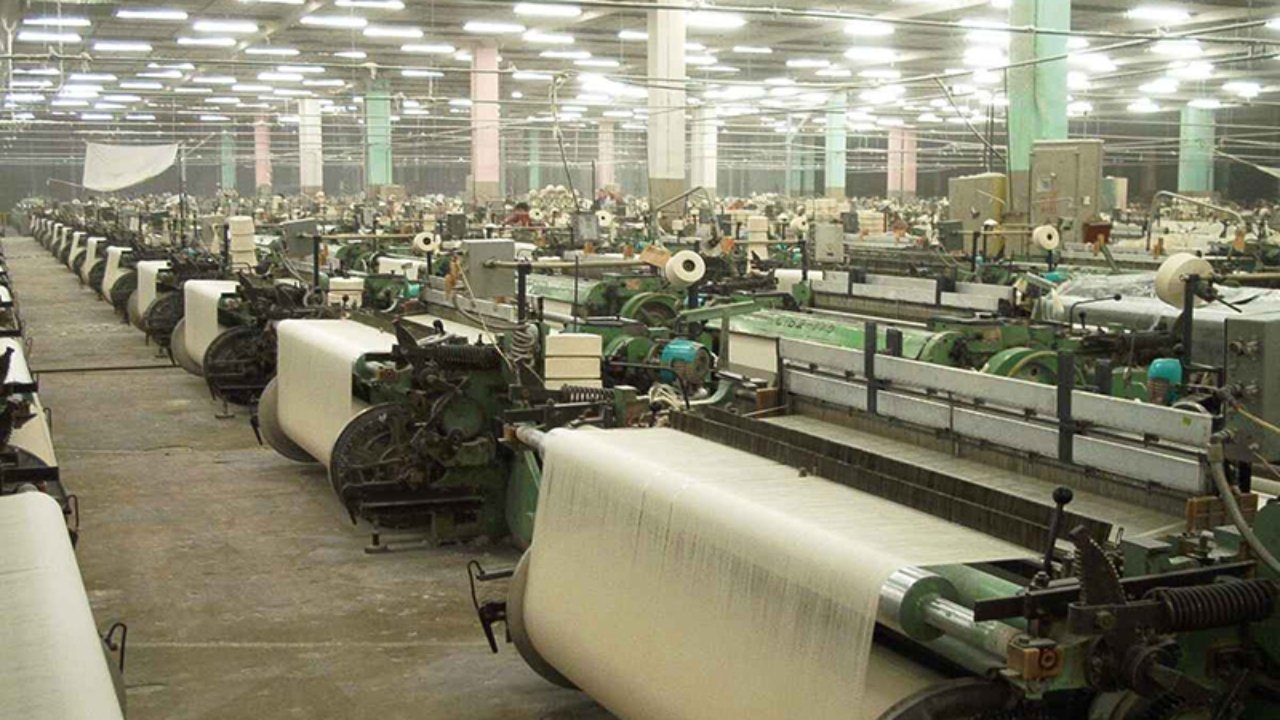
    Pakistan has lost $250m worth of textile exports in December 2021 when the gas supply was suspended for 15 days in the Punjab textile sector.

    Executive Director of All Pakistan Textile Mills Association (APTMA), Shahid Sattar also confirmed the loss of millions of dollars by saying that it will “never be recovered.”

    The government restored gas supply on December 29 with the supply of 75 million cubic feet per day (mmcfd) by mid-January and ensured that the supply would be increased up to the finest level after the extreme winter season was over.

    On the other hand, the sources said that the gas being supplied to the export sector is less than the government announced despite the industry purchasing gas at $9 per Metric Million British Thermal Unit (MMBTU), instead of $6.5 mmcfd during the winters.

    The ministry of Commerce sources also revealed that the smooth supply of electricity was not received by the textile mills in Punjab from the national grid due to interruptions. They further added that it is causing huge losses to the industry, which may go up to $250-400 million per month.

    The textile mills association also sent the letter to the Advisor to Prime Minister on Commerce and Textiles Abdul Razak Dawood on January 7, in which they expressed their serious concern over the interruptions in the supply of electricity.

    The letter said, “Each interruption wastes half an hour and up to two hours in restarting the machinery, resulting in losing material and rendering capacity grossly underutilized.”

    It further added that mills were currently running on 80% capacity, which signifies a 20% loss of exports. “And this adds up to losses between $250-$400 million in exports lost every month”.