Tag: Ministry of Finance

  • Budget 2024-25: Pakistan Stock Exchange proposes tax reforms for economic growth

    Budget 2024-25: Pakistan Stock Exchange proposes tax reforms for economic growth

    Pakistan Stock Exchange (PSX) has forwarded a series of significant tax proposals to both the Ministry of Finance (MoF) and the Federal Board of Revenue (FBR) for potential inclusion in the upcoming federal budget for the fiscal year 2024-25.

    These proposed measures are designed to not only bolster revenue but also to incentivise the allocation of resources towards sectors of the economy that are both productive and officially documented. This move is deemed critical for fostering economic growth and generating employment opportunities across Pakistan.

    Notably, PSX has experienced a marked upswing in its performance, largely attributed to recent stability measures implemented within the broader macroeconomic landscape. In the outgoing year alone, the market capitalisation has surged by nearly Rs4 trillion, signifying a substantial boost to economic prosperity.

    Furthermore, foreign investments totaling approximately $132 million have flowed into the country through the stock market since July 2023, underscoring the significance of the stock market in attracting foreign capital.

    It is imperative that both the Ministry of Finance and the FBR carefully evaluate the proposals put forth by PSX to ensure that the stock market remains a vital contributor to economic growth, tax revenues, foreign investment inflows, and the formalisation of the economy. This strategic move is crucial for sustaining the positive momentum witnessed in both the capital market and broader economic recovery efforts.

    PSX stresses the importance of prioritising comprehensive documentation of all economic activities, with capital markets representing one of the most meticulously documented sectors within the economy. A robust capital market ecosystem not only aligns with key economic and social objectives but also serves as a catalyst for expanding the taxpayer base, augmenting savings and investment rates, and mitigating wealth disparities.

    To realise these overarching objectives, investors necessitate a conducive and predictable tax regime. As such, Pakistan Stock Exchange has articulated a range of proposals to the Ministry of Finance and the Federal Board of Revenue, all aimed at fostering a favorable environment for investment and economic growth in the fiscal year 2024-25.
  • Pakistan’s inflation eases slightly to 28.3% in January 2024

    Pakistan’s inflation eases slightly to 28.3% in January 2024

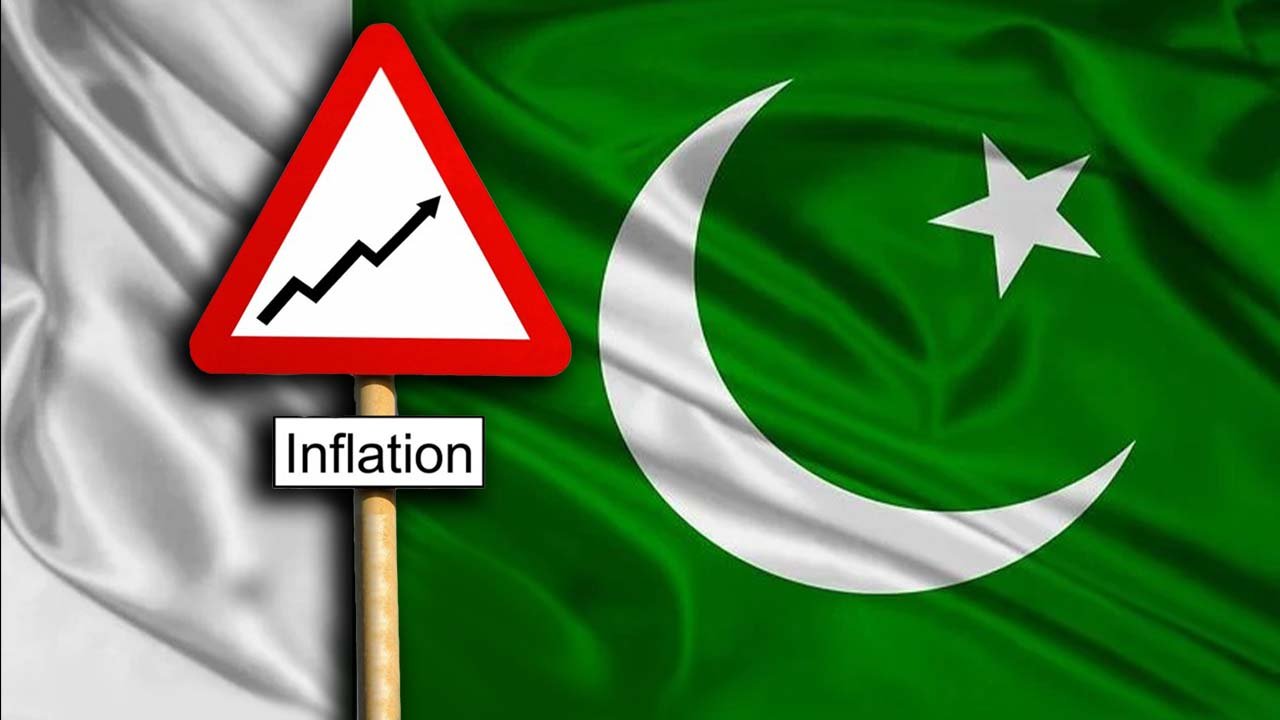
    The Pakistan Bureau of Statistics (PBS) reported that the country’s headline inflation for January stood at 28.3 per cent on a year-on-year basis, marking a slight decrease from the December figure of 29.7 per cent. The month-on-month reading recorded a 1.8 per cent increase.

    This latest data brings the average inflation for the period of July to January to 28.73 per cent, up from 25.40 per cent in the corresponding period of the previous year. Despite this surge, the inflation rate aligns with the government’s expectations.

    The Ministry of Finance, in its ‘Monthly Economic Update and Outlook’ report released on Wednesday, projected a CPI-based inflation rate of 27.5-28.5 per cent for January 2024. The report attributed the inflationary pressure to elevated prices of perishables and vegetables, along with increased utility costs for electricity and gas.

    A contributing factor to the rising prices has been a surge in onion export orders following the Indian ban, straining local supply and causing domestic prices to escalate.

    Severe weather disruptions led to supply shortages of tomatoes, resulting in price hikes, while reduced chicken supply, especially from controlled sheds facing higher input costs, contributed to increased chicken prices.

    JS Global, in a report from last week, anticipated that inflation would remain elevated, particularly in the food segment. The report predicted a 1.8 per cent month-on-month uptick in food prices, resulting in an overall January 2024 YoY CPI estimate of 27.9 per cent.

    The brokerage house noted that the CPI inflation in the coming months is expected to remain on the lower side amid the decline in local fuel prices and the high base effect of last year.

    Breaking down the inflation figures, urban areas recorded a year-on-year CPI inflation of 30.2 per cent in January 2024, slightly lower than the previous month’s 30.9 per cent and higher than January 2023’s 24.4 per cent. On a month-on-month basis, urban inflation increased by 1.8 per cent in January 2024.

    In rural areas, year-on-year CPI inflation for January 2024 was 25.7 per cent, down from the previous month’s 27.9 per cent but higher than January 2023’s 32.3 per cent. On a month-on-month basis, rural inflation increased by 1.9 per cent in January 2024.

    The PBS data indicates a nuanced inflationary landscape in Pakistan, with both urban and rural areas experiencing fluctuations in prices across various commodities. The government’s focus on addressing these challenges remains critical as it navigates the economic impact of inflation on citizens and businesses.

  • Pakistani rupee extends winning streak against US dollar for 12th straight session

    Pakistani rupee extends winning streak against US dollar for 12th straight session

    The Pakistani rupee continued its upward trend against the US dollar for the 12th consecutive session, appreciating by 0.1 per cent in the inter-bank market on Thursday. 

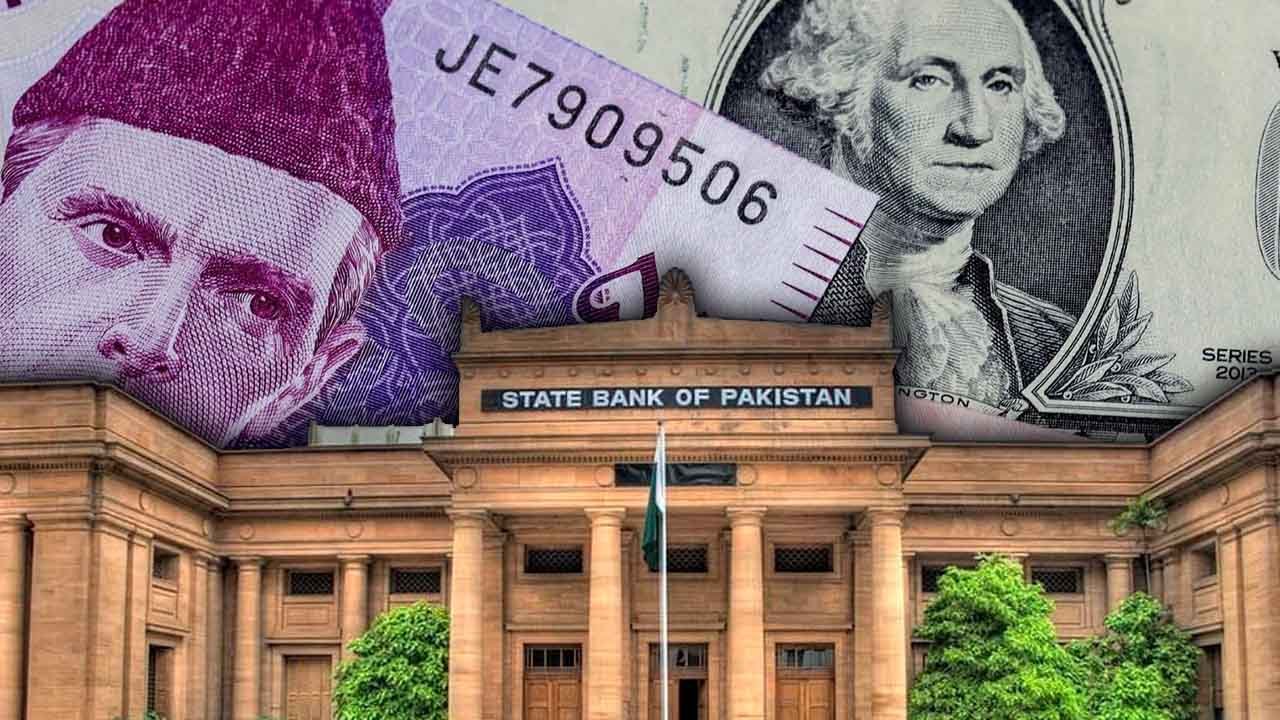
    The State Bank of Pakistan reported that the rupee settled at Rs281.93, marking an increase of Re0.27. A day earlier, the rupee had experienced a slight gain, closing at Rs282.20 against the US dollar.

    In a related development, the Ministry of Finance acknowledged the persistent challenge of higher markup payments. The ministry stressed the importance of both revenue enhancement and prudent expenditure control.

    Internationally, the US dollar faced substantial losses on Thursday, poised for a yearly decline after two years of robust gains. 

    Anticipation of interest rate cuts from the Federal Reserve in the coming year influenced market sentiments. As the year concludes, limited market activity is expected until the New Year due to thin liquidity.

    The dollar index, measuring the US currency against six rivals, reached a five-month low of 100.81. It declined by 0.5 per cent on Wednesday and is on track for a 2.6 per cent decrease this year, breaking a two-year trend of strong gains. I

    Investors are closely monitoring the timing of potential interest rate cuts from the Fed, with markets indicating an 89 per cent chance of a cut in March 2024, according to the CME FedWatch tool. Futures suggest up to 158 basis points of Fed easing in the coming year.

    Oil prices, a significant indicator of currency parity, stabilised on Thursday following a previous sharp decline. 

    Concerns about shipping disruptions along the Red Sea route eased, despite escalating tensions in the Middle East. 

    Brent crude futures rose by 2 cents to $79.75 a barrel, while US WTI crude futures traded 3 cents lower at $74.08 a barrel, rebounding from a nearly 2 per cent drop on Wednesday as major shipping firms resumed operations in the Red Sea.

  • Slight relief for consumers: Petrol price dropped by Rs2.04 per litre

    Slight relief for consumers: Petrol price dropped by Rs2.04 per litre

    The government announced a reduction in the prices of petrol and high-speed diesel (HSD) by Rs2.04 and Rs6.47 per litre, respectively, for the upcoming fortnight.

    According to a notification from the Ministry of Finance, the revised prices for petrol and HSD now stand at Rs281.34 and Rs296.71.

    Simultaneously, there was a decrease in the prices of kerosene oil and light-diesel oil by Rs6.05 and Rs9.01 per litre, bringing their new prices to Rs204.98 and Rs180.45, respectively.

    Prior to this decision, officials had anticipated a more substantial decline in the prices of petrol and HSD, ranging from Rs8 to Rs10 per litre.
    This projection was primarily based on the recent drop in international prices.

    However, despite the decrease in global prices for both HSD and petrol over the past two weeks, the rupee experienced depreciation against the dollar in the same period, mitigating the benefit of lower international prices for consumers.

    According to officials, the international prices indicated a reduction of about $9 per barrel on average for HSD, decreasing from approximately $113 to $104 during the week.

    Similarly, the price of petrol saw a decline of one dollar, moving from $91 to $90. Conversely, the rupee depreciated by Rs6 against the dollar, falling from Rs280 to Rs286.

  • Petrol price reduced by Rs8 to Rs323.38 per litre for two weeks

    Petrol price reduced by Rs8 to Rs323.38 per litre for two weeks

    In a noteworthy development aimed at alleviating concerns over inflation, the interim government has decided to implement a reduction in the prices of petroleum products for the upcoming two weeks.  

    As of October 1, 2023, the price of petrol will see a substantial decrease of Rs8 per litre, resulting in a new rate of Rs323.38. Additionally, a price reduction of Rs11 per litre has been announced for diesel, bringing the revised rate to Rs318.18 per litre. 

    This decision has been prompted by the strengthening of the Pakistani rupee and a global decrease in petroleum prices, as indicated by the Ministry of Finance in an official statement.  

    The Ministry stated, “In the wake of variations in international prices of petroleum products and the improvement in the exchange rate, the Government of Pakistan has decided to revise the consumer prices of petroleum products.” 

    Furthermore, the government has taken steps to lower the cost of kerosene oil by Rs7.53 per litre, establishing a new rate of 237.28, while light diesel oil will witness a reduction of Rs7.77 per litre, resulting in a price of 212.45 per litre. 

  • Petroleum prices expected to decline as rupee gains ground against US dollar 

    Petroleum prices expected to decline as rupee gains ground against US dollar 

    As reported by Geo News on Saturday, there’s an expectation that starting on October 1st, petroleum prices will see a decrease due to the stability of the Pakistani rupee (PKR) against the US dollar (USD). This shift is also attributed to a decline in international market prices. 

    The final decision on these petroleum prices will be made by the Ministry of Finance following consultations with interim Prime Minister Anwaar-ul-Haq Kakar. 

    In recent news, the Oil and Gas Regulatory Authority (OGRA) cautioned against prematurely speculating about petroleum product pricing. This comes after federal ministers suggested that rates for petroleum, oil, and lubricants (POL) might decrease in the next fortnightly review. 

    Earlier statements by Caretaker Federal Commerce and Industries Minister Gohar Ejaz and Interim Federal Minister for Information and Broadcasting Murtaza Solangi hinted at a potential drop in POL prices, thanks to the recent strengthening of the Pakistani rupee against the US dollar. 

    Over the past two weeks, the Pakistani rupee has gained about Rs19 against the US dollar. This is significant because Pakistan, as a net importer of POL products, conducts transactions in US dollars. 

    In the previous fortnightly review, the caretaker government had raised petrol prices by more than Rs26 per litre and diesel prices by over Rs17 per litre, reaching record highs at Rs331.38 and Rs329.18 per litre, respectively. 

    OGRA emphasised that the pricing of petroleum products in Pakistan depends on international market trends and the exchange rate between the US dollar and the Pakistani rupee. While international petroleum prices have risen recently, the exchange rate between the US dollar and the Pakistani rupee has improved. 

    However, OGRA pointed out that there’s still one week left before the official announcement of new prices. So, any speculations about price changes during this period are speculative and could disrupt the smooth operation of the oil supply chain. 

  • Govt hints at major taxation system overhaul in economic revival drive

    Govt hints at major taxation system overhaul in economic revival drive

    The federal government is contemplating significant changes to the tax structure in its economic revitalisation plan, with a particular focus on sectors like retail, agriculture, and real estate. Additionally, the plan includes the introduction of a wealth tax on movable assets. These proposed revisions were outlined in the Ministry of Finance’s September 2023 Economic Update and Outlook report. 

    Underpinning the economic recovery efforts are strategies aimed at enhancing revenue, which include not only tax adjustments but also the restriction of tax exemptions to essential sectors such as food and medicine. To streamline government expenses, the plan also incorporates austerity measures and a review of subsidies and grants. 

    Furthermore, the government is set to scrutinise the development plan and promote public-private partnership (PPP) initiatives. Compliance with quarterly budget targets and agreements with the International Monetary Fund (IMF), encompassing aspects like tax collection and debt management, will be a priority. 

    The plan adopts a 5Es framework—exports, equity, empowerment, environment, and energy—to address socio-economic challenges and stimulate export growth and business facilitation. The digitization of the economy and an expanded tax base through information technology are also on the agenda. 

    According to Business Recorder, state-owned enterprise (SOE) reforms, including the enactment of an SOE policy, are part of the plan. It involves the establishment of a Central Monitoring Unit (CMU) and the preparation of SOE performance reports. The implementation of a Treasury single account (TSA), remittance incentives, energy conservation, and price controls are among the planned actions. 

    Additionally, the Privatisation Commission aims to privatise select public sector enterprises through various methods, including assessing privatisation options for distribution companies (DISCOs) and restructuring options for PIA-CL while conducting unbundling studies for SNGPL and SNGPL. 

    To bolster non-bank finance and promote the capital market, corporate taxes will be reduced. Short-term measures for export enhancement include the implementation of the Weighted Average Cost of Gas (WACOG), the operationalization of the EXIM bank, and expedited sales tax refund processes. 

    Business facilitation and investment promotion will be addressed by the Board of Investment, with initiatives like the Asaan Karobar plan, which involves the establishment of a central e-registry and the development of the Pakistan Business Portal. 

    The plan also outlines measures to boost IT exports, stimulate telecommunications growth with a focus on 5G technology, and revitalise the maritime, railway, and highway sectors. Price reforms, attracting foreign investment, and combating theft are key objectives in the energy sector. 

    Recent administrative actions have already begun to yield positive results in curbing illegal activities in the foreign exchange market and improving the availability of essential food items. The outlook for inflation has improved, albeit with ongoing concerns related to international oil prices and energy costs. 

    On the fiscal front, the fiscal deficit has remained stable, while the primary balance surplus has improved. Notably, federal revenues have seen significant growth, driven by higher non-tax collections and import-related taxes. Reductions in non-markup spending have contributed to this positive fiscal development. 

    The current account deficit has narrowed, primarily due to improvements in the trade balance. Overall, the government’s strategic measures, coupled with prudent economic policies, are expected to attract new investments and stimulate economic growth for fiscal year 2024 and beyond, following the initial steps towards recovery at the beginning of FY2024. 

  • Things will get more expensive amidst soaring petroleum prices: Finance Ministry

    Things will get more expensive amidst soaring petroleum prices: Finance Ministry

    Due to the persistent escalation in energy and petroleum prices, it is anticipated that inflation will maintain its elevated trajectory in the months ahead.

    In its latest monthly economic update, the Ministry of Finance has presented a forecast indicating that inflation is poised to remain at an elevated level during the upcoming months. The report projects inflation to fall within the range of 29 per cent to 31 per cent for the month of September 2023, primarily attributing this surge to the notable uptick in prices of petroleum products and electricity.

    Furthermore, the report identifies several contributing factors to this inflationary pressure, including the possibility of surging transportation costs, a dearth of essential services and commodities, and the depreciation of the dollar, which has had a mitigating effect on imported inflation.

    In response to these challenges, the finance ministry has implemented rigorous measures to combat illegal currency exchanges and stockpiling activities while actively working to stabilise the exchange rate.

    The report also highlights a global trend of decreasing food grain prices, albeit with notable exceptions such as rice and sugar, whose prices have surged due to the ongoing conflict between Russia and Ukraine.

  • CAA’s timely intervention saves PIA from defaulting on IATA payments

    CAA’s timely intervention saves PIA from defaulting on IATA payments

    The Civil Aviation Authority (CAA) stepped in to rescue Pakistan International Airlines (PIA) from a potential financial crisis with the International Air Transport Association (IATA).

    According to ARY News, the CAA provided PIA with one billion Pakistani rupees to settle its outstanding dues with IATA. This timely payment prevented IATA from declaring PIA in default, a situation that could have led to the suspension of PIA’s global ticket sales.

    It’s important to note that PIA was facing a severe financial crisis and couldn’t meet its service charges to IATA. The Director General of CAA confirmed that, following the Ministry of Finance’s directive, one billion rupees were allocated to PIA for a week to support the national airline during these challenging times.

    In addition, it has come to light that PIA also owes a substantial amount to CAA, totaling several billion rupees.

  • Govt raises petrol price by Rs26.02 per litre, diesel by Rs17

    On Friday night, the interim government implemented a significant adjustment in fuel prices. The cost of petrol rose by Rs26.02 per litre, reaching a new rate of Rs331.38 per litre, while high-speed diesel (HSD) saw an increase of Rs17.34 per litre, settling at Rs329.18 per litre.

    The Ministry of Finance made this announcement via a post on X (formerly known as Twitter) after midnight.

    This decision was driven by the continuous upward trajectory of petroleum prices in the global market. It’s important to note that there were no alterations made to the rates of kerosene or light diesel oil.

    This latest price surge closely follows a substantial hike on September 1, when the interim government elevated fuel prices by up to Rs18 per litre. This increase was preceded by similar adjustments made by the interim government on August 15.

    The rationale behind these price adjustments lies in adherence to existing tax structures and import parity prices. These changes were primarily necessitated by currency fluctuations and a slight uptick in international oil prices.